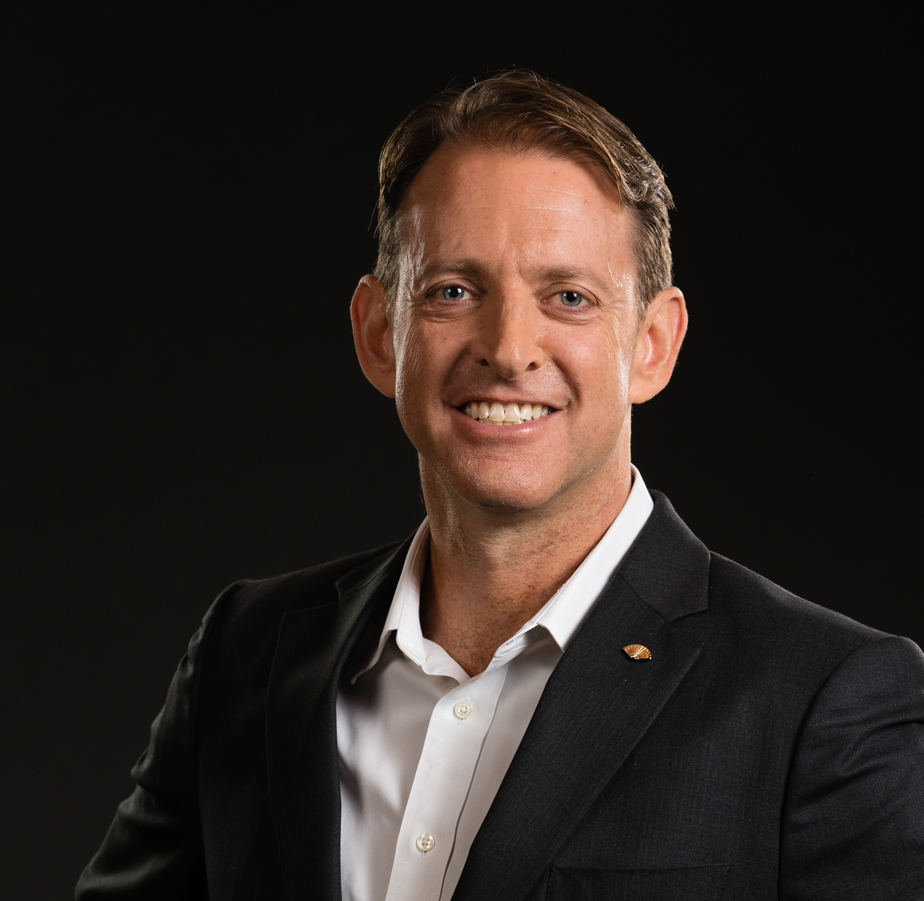
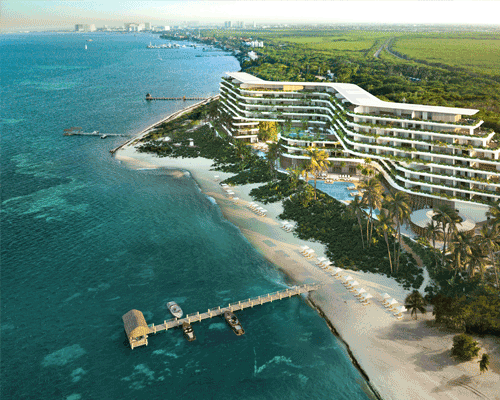
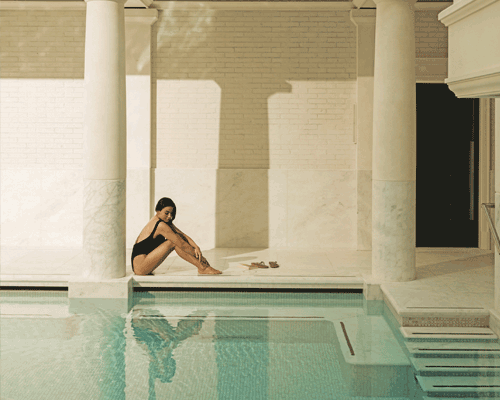
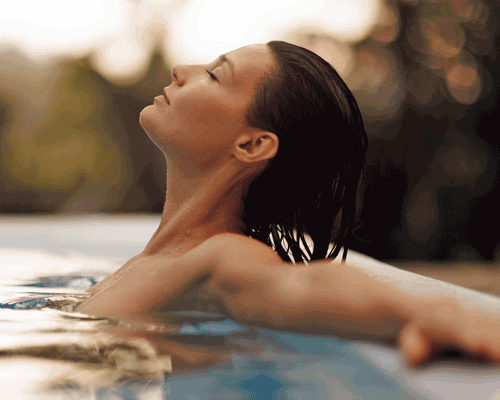
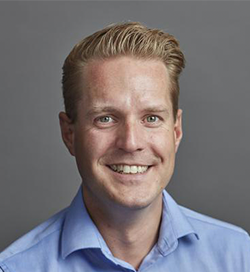
Find ways to counteract the frenzy of the digital world, says McCarthy / photo: Mandarin Oriental hotel group
It’s no coincidence that the rising interest in wellness as a global-macro trend over the past three to four decades has come hand-in-hand with a parallel trend of digitalisation. We’ve seen the world around us completely transformed by technology at a pace that continues to accelerate exponentially and our bodies and minds are simply not able to evolve fast enough to adapt. We find ourselves out of sync and have no choice but to seek new strategies, tools and practices to help us manage our wellbeing.
This disconnect leads to an interesting paradox. We can pursue wellness by either rejecting technology or embracing it. On the one hand, there’s a yearning to escape from technology and return to nature to adopt a slower rhythm of life. There’s a reverence for the past, a desire to return to a simpler, less connected world. Practices such as meditation, yoga, singing bowls and hydrothermal bathing have all existed in different cultures for thousands of years, but they’re more popular than they’ve ever been as consumers look to the past to find ancient solutions to modern problems.
However, we cannot turn our backs on technology completely. While we enjoy the idea of taking a couple of hours (or god forbid, a couple of days) for a digital detox, the reality is we will need the assistance of technology – better science, tools and data – to help us navigate and solve the wellbeing problems of our increasingly complex world.
This is the great wellness paradox of the 21st century. F Scott Fitzgerald famously said that genius comes from the ability to hold two opposing views at the same time. This is exactly what modern wellness intelligence looks like, simultaneously rejecting and using technology in support of human wellbeing.
How to avoid technology...
1. Schedule time for digital detox Block out hours in your day, days in your week, or weeks in your year, to take a break from technology
2. Reflect on relationship with technology It’s hard to recognise the impact of technology while we’re immersed in it. When we step away, we can evaluate whether it’s supporting our highest goals and objectives
3. Slow down Find ‘slow hobbies’ such as meditation, painting or kite-flying, to counteract the accelerated frenzy of the digital world
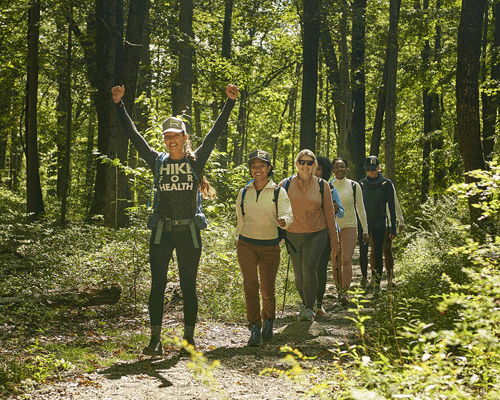
4. Immerse yourself in nature Leave the urban environment and immerse your brain and body in the sights, sounds and scents of nature
5. Practice silence Step out of the digital stream of content and allow your mind to recover from information overload
...and how to optimise it
1. Join a community Social networks provide great opportunities to find like-minded people to support you on your wellness journey
2. Use new tools Our devices and apps help coordinate everything – including our wellness habits. Whether you use a sleep tracker, a guided meditation app, or follow an online workout programme, there are tools that can help build a healthy lifestyle
3. Seek inspiration and mentoring online There are great voices sharing wellness inspiration and motivation online that can have a massive positive impact. Choose the people that you follow wisely
4. Do research You can find opinions about anything online. But you can also be more scientific and look for validated research or respected voices to separate the wellness wheat from the chaff
5. Ask an AI If you’re not sure where to begin, new generative AI tools make it easier than ever to ask questions or get tips about diet, exercise, wellness practices and more.
In honour of Global Wellness Day, Mandarin Oriental hosted complimentary ‘tech detox’ events worldwide on 8 June, encouraging guests to disconnect and practise wellness activities that help them find balance.
This December, the company also celebrates 10 years of its annual Silent Night initiative, which promotes the need for quiet reflection in its spas
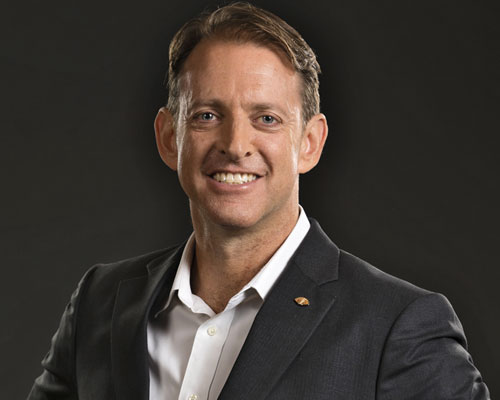
Jeremy McCarthy has worked in the spa industry for 34 years. As group director of spa and wellness for Mandarin Oriental, he oversees spa, wellness and leisure operations at 35 luxury hotels globally. Contact him with your views on Twitter @jeremymcc
Read more from this issue of Attractions Management magazine
View contents of Attractions Management 2024 issue 2
Editor's letter: Cool customers
Spas must adapt to unlock new avenues for growth while mitigating the impact of climate change, says Katie Barnes
Top Team: Therme Group
With its focus on affordable wellness, Therme Group is expanding its social spa concept globally. Jane Kitchen speaks to the people behind the brand
Interview: Susie Ellis
The chair of the Global Wellness Summit has been fundamental in defining the industry and continues to drive it forward
Sponsored: Comfort Zone: Powered by nature
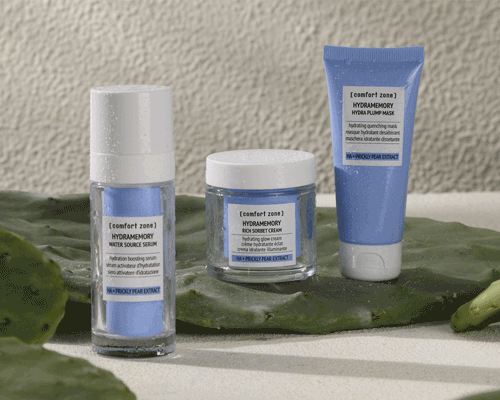
B Corp-certified skincare company Comfort Zone has added a new body lotion to its Hydramemory range, which is inspired by the water-retaining powers of desert plants
Interview: Roger Tempest
The owner of Broughton Sanctuary in the UK is transforming the 900-year-old estate into a retreat-based business
Sponsored: Lemi: touched by tech
Italian spa equipment supplier, Lemi, is embracing the trend towards tech-driven wellness treatments, while also driving sustainable industry practices
First person: The real deal?
What’s the value of an authentic treatment? Andrew and Karin Gibson take to the hammams of Istanbul to find out
Wellness: Full recovery
SIRO is staking a claim to be the world’s first fitness and recovery hotel brand and is planning 100 properties. Lisa Starr visits the first site in Dubai
Sponsored: Gharieni: Defining the well universe
The launch of Gharieni’s new touchless technology brand
Metawell is perfectly aligned with the future direction of spa
and wellness, says the company’s CEO, Sammy Gharieni
Software: Member benefits
Up to a third of spa-goers now have a spa membership. What support can software systems offer?
Sponsored: Myrtha: Herbal Sauna
Pools and wellness facilities expert, Myrtha’s new Herbal Sauna, brings an innovative and therapeutic experience to the spa, says Stefano Cattaneo
Find ways to counteract the frenzy of the digital world, says McCarthy / photo: Mandarin Oriental hotel group
It’s no coincidence that the rising interest in wellness as a global-macro trend over the past three to four decades has come hand-in-hand with a parallel trend of digitalisation. We’ve seen the world around us completely transformed by technology at a pace that continues to accelerate exponentially and our bodies and minds are simply not able to evolve fast enough to adapt. We find ourselves out of sync and have no choice but to seek new strategies, tools and practices to help us manage our wellbeing.
This disconnect leads to an interesting paradox. We can pursue wellness by either rejecting technology or embracing it. On the one hand, there’s a yearning to escape from technology and return to nature to adopt a slower rhythm of life. There’s a reverence for the past, a desire to return to a simpler, less connected world. Practices such as meditation, yoga, singing bowls and hydrothermal bathing have all existed in different cultures for thousands of years, but they’re more popular than they’ve ever been as consumers look to the past to find ancient solutions to modern problems.
However, we cannot turn our backs on technology completely. While we enjoy the idea of taking a couple of hours (or god forbid, a couple of days) for a digital detox, the reality is we will need the assistance of technology – better science, tools and data – to help us navigate and solve the wellbeing problems of our increasingly complex world.
This is the great wellness paradox of the 21st century. F Scott Fitzgerald famously said that genius comes from the ability to hold two opposing views at the same time. This is exactly what modern wellness intelligence looks like, simultaneously rejecting and using technology in support of human wellbeing.
How to avoid technology...
1. Schedule time for digital detox Block out hours in your day, days in your week, or weeks in your year, to take a break from technology
2. Reflect on relationship with technology It’s hard to recognise the impact of technology while we’re immersed in it. When we step away, we can evaluate whether it’s supporting our highest goals and objectives
3. Slow down Find ‘slow hobbies’ such as meditation, painting or kite-flying, to counteract the accelerated frenzy of the digital world
4. Immerse yourself in nature Leave the urban environment and immerse your brain and body in the sights, sounds and scents of nature
5. Practice silence Step out of the digital stream of content and allow your mind to recover from information overload
...and how to optimise it
1. Join a community Social networks provide great opportunities to find like-minded people to support you on your wellness journey
2. Use new tools Our devices and apps help coordinate everything – including our wellness habits. Whether you use a sleep tracker, a guided meditation app, or follow an online workout programme, there are tools that can help build a healthy lifestyle
3. Seek inspiration and mentoring online There are great voices sharing wellness inspiration and motivation online that can have a massive positive impact. Choose the people that you follow wisely
4. Do research You can find opinions about anything online. But you can also be more scientific and look for validated research or respected voices to separate the wellness wheat from the chaff
5. Ask an AI If you’re not sure where to begin, new generative AI tools make it easier than ever to ask questions or get tips about diet, exercise, wellness practices and more.
In honour of Global Wellness Day, Mandarin Oriental hosted complimentary ‘tech detox’ events worldwide on 8 June, encouraging guests to disconnect and practise wellness activities that help them find balance.
This December, the company also celebrates 10 years of its annual Silent Night initiative, which promotes the need for quiet reflection in its spas
Jeremy McCarthy has worked in the spa industry for 34 years. As group director of spa and wellness for Mandarin Oriental, he oversees spa, wellness and leisure operations at 35 luxury hotels globally. Contact him with your views on Twitter @jeremymcc
Read more from this issue of Attractions Management magazine
View contents of Attractions Management 2024 issue 2
Editor's letter: Cool customers
Spas must adapt to unlock new avenues for growth while mitigating the impact of climate change, says Katie Barnes
Top Team: Therme Group
With its focus on affordable wellness, Therme Group is expanding its social spa concept globally. Jane Kitchen speaks to the people behind the brand
Interview: Susie Ellis
The chair of the Global Wellness Summit has been fundamental in defining the industry and continues to drive it forward
Sponsored: Comfort Zone: Powered by nature
B Corp-certified skincare company Comfort Zone has added a new body lotion to its Hydramemory range, which is inspired by the water-retaining powers of desert plants
Interview: Roger Tempest
The owner of Broughton Sanctuary in the UK is transforming the 900-year-old estate into a retreat-based business
Sponsored: Lemi: touched by tech
Italian spa equipment supplier, Lemi, is embracing the trend towards tech-driven wellness treatments, while also driving sustainable industry practices
First person: The real deal?
What’s the value of an authentic treatment? Andrew and Karin Gibson take to the hammams of Istanbul to find out
Wellness: Full recovery
SIRO is staking a claim to be the world’s first fitness and recovery hotel brand and is planning 100 properties. Lisa Starr visits the first site in Dubai
Sponsored: Gharieni: Defining the well universe
The launch of Gharieni’s new touchless technology brand
Metawell is perfectly aligned with the future direction of spa
and wellness, says the company’s CEO, Sammy Gharieni
Software: Member benefits
Up to a third of spa-goers now have a spa membership. What support can software systems offer?
Sponsored: Myrtha: Herbal Sauna
Pools and wellness facilities expert, Myrtha’s new Herbal Sauna, brings an innovative and therapeutic experience to the spa, says Stefano Cattaneo
Abu Dhabi-based investment firm Mubadala Capital has made a binding, fully financed
€1 billion
offer to acquire Pierre and Vacances SA, the European holiday resort operator behind the
continental European Center Parcs business.
Expo 2030 Riyadh is being planned as a permanent visitor destination, with organisers
confirming the six-million-square-metre site will become a Global Village after the event closes.
The owner of one of Australia's best-known waterparks has acquired a major competitor,
creating a new attractions business spanning two of the country's largest visitor destinations.
The Toverland theme park in the Netherlands has announced a €98m expansion programme
that will add a resort, new attractions and staff facilities as it pursues plans to become a multi-
day destination.
Hotel de France, located on the British Isle of Jersey, has created a wellness retreat package
that includes a hot yoga session that will take place in Jersey Zoo’s butterfly sanctuary.
A new immersive attraction designed to transport visitors into the final hours of ancient Pompeii
is preparing to open near the world-famous archaeological site in southern Italy.
Experience design company, BRC Imagination Arts, has completed a transition that sees founder
Bob Rogers pass ownership of the business to four long-serving senior executives, while
remaining actively involved with the company.
Movie Park Germany has opened a new Paramount Pictures-themed attraction as part of its 30th
anniversary celebrations, using immersive storytelling and adaptive reuse to reinforce the park’s
longstanding “Hollywood in Germany” positioning.
Therme Manchester’s 28-acre development, which will include interconnected glass pavilions
that measure 65,000sq m, will be the largest bathing and wellbeing attraction in the world once
complete, according to prof David Russell, CEO of Therme UK.
Efteling has opened Hooghmoed, a new family drop tower designed to broaden the appeal of its
recently launched Sirene Island themed area and introduce younger visitors to thrill attractions.
+ More news
COMPANY PROFILES
Painting With Light By combining lighting, video, scenic and architectural elements, sound and special effects we tell s [more...]