Companies without ESG credentials are getting left behind, as investors and consumers increasingly spend their money with environmentally conscious, ethical businesses. Kath Hudson takes a closer look at how spas can catch up
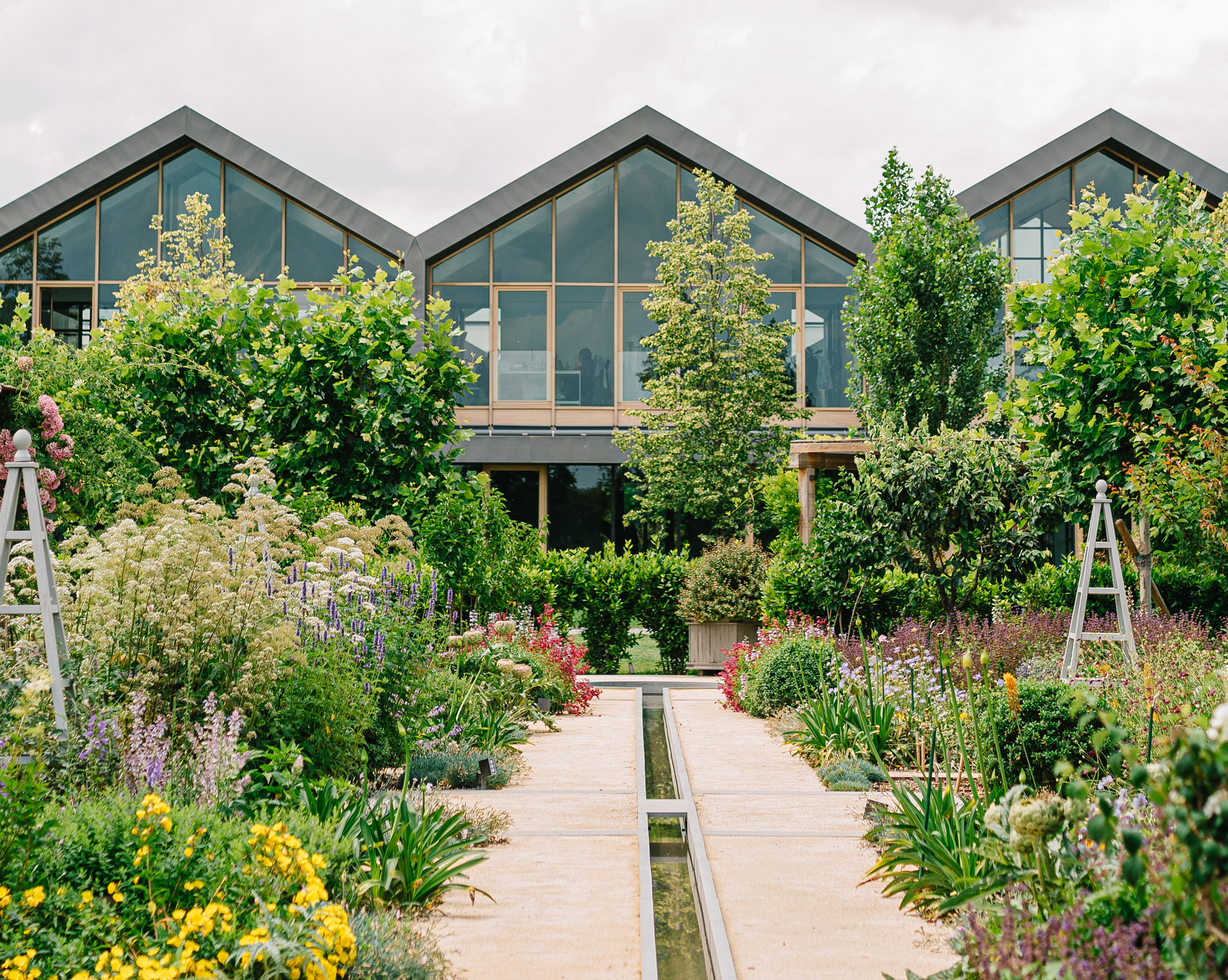
Eco-friendly businesses, like Six Senses, are seen as less-risky investments / Six Senses
Environmental, social and governance (ESG) is important for all sectors, but it’s especially pertinent for spa stakeholders whose mission is to improve quality of life.
Following the pain of the pandemic, ESG could be seen as less of a priority, but it’s set to become increasingly important in terms of getting debt, investment and customers.
According to money experts, investors are now analysing non-financial factors to identify risk and growth opportunities. And ESG drives risk resilience. They recognise that companies that measure these metrics are ahead of the game in terms of any legislation and taxation which might be coming down the tracks and companies that can manage, predict and prepare for disruptions are positioned to thrive.
In addition, stakeholder capitalism – a philosophy based on the belief that companies have an obligation beyond providing returns to shareholders – is now gathering pace.
As well as making companies a less risky investment, ESG aligns with investors’ values, when they want to be seen as ethical. Pressure is also mounting from consumers who want to feel good about where they spend their money, as well as from governments.
The EU’s new carbon tax (see www.hcmmag.com/cbam) shows Europe is taking tough action on climate change.
Figures from Sustainable Wellness, formerly the Sustainable Spa Association (see opposite), suggest the spa industry is still behind the curve. So how can operators get started? We ask the experts.
Read more about how the UN’s Sustainable Development Goals apply to the spa and wellness sector: www.spabusiness.com/sdg
Lucy Brialey
Co-founder and director, Sustainable Wellness
PHOTO: Sustainable Wellness
ESG and CSR (corporate social responsibility) are increasingly essential and it’s a significant advantage for all businesses to implement strategies promptly, as a team effort throughout the entire organisation.
Sustainability should be viewed as a multifaceted endeavour requiring identification, monitoring, measurement, improvement and reporting. As consumers prioritise their environmental and social impact, spa businesses aligning with ESG principles can bolster their reputation, attract diverse clientele and also mitigate operational risks related to sustainability.
The level of ESG adoption in spa businesses varies. While our membership grew by 73 per cent in 2023, only 19 per cent show a commitment to structured sustainability measurement and education. Suppliers are notably more diligent, displaying enthusiasm rather than apprehension. Of our new members, 65 per cent are in the supply chain, 21 per cent are operators and 14 per cent are consultants, industry associations or academics.
Standalone, small to medium-sized hospitality chains and suppliers have been quicker and more successful in implementing ESG initiatives. Their key drivers are to meet market demand, improve team education and attract talent. International wellness and hospitality giants often focus on in-house reporting without third-party verification, lag in adopting social ESG practices and are driven by impending regulatory pressures. Nonetheless, the trend towards responsible business practices is growing industry-wide.
By its very nature, ESG creates diversity and inclusion across a business. All team members can contribute to a sustainable future, enhance brand image and advocate its values to attract environmentally and socially conscious customers. This, in turn, ensures long-term economic success in a changing business landscape.
Sustainable Wellness’ recommended steps towards ESG:
Environmental Responsibility
• Implement energy-efficient practices
• Reduce water consumption and waste
• Promote circular economy values
• Pay attention to responsible procurement
Social Responsibility
• Promote diversity and inclusion
• Provide sustainability and wellness training
• Support local communities
Governance
• Establish transparent corporate governance
• Ensure ethical business conduct
• Align team compensation with departmental or company-wide ESG goals
First steps:
• Collaborate with organisations offering ESG guidance
• Assess your current ESG performance
• Consider annual ESG reporting
• Set clear, measurable, time-bound ESG goals
• Engage stakeholders for insights and support
• Educate and train your staff
• Continuously improve your local and global environmental and social ESG initiatives
While our members grew by
73 per cent in 2023, only 19 per cent
are committed to sustainability
measurement and education
Consumers want to feel good about where they spend their money / photo: shutterstock/Pheelings media
Jeff Smith
VP of sustainability, Six Senses
Credit: Six Senses
We can’t be well while living in an unwell world, so any business not taking ESG into consideration is at risk of falling behind. Across Six Senses we operate with sustainable operations guidelines which minimise any potential negative impacts on the environment and community with audits to manage compliance with those policies.
We track all energy, water and waste on a monthly basis and set targets to reduce them. Plus we have moved towards carbon reduction as per agreements with the Science Based Targets initiative and our parent company, InterContinental Hotels Group.
Good ESG strategy begins with what’s core to your brand and your operation. Start by managing what’s within your control. Measuring energy, water and waste will inform your targets and allow you to measure success. The G for governance is extremely important to avoid greenwashing and driving high performance.
We have sustainable operations
guidelines across Six Senses and
audits to manage compliance
Sustainability has been a core focus of Six Senses since its inception / photo: Frederic Lagrange/six senses
It’s our industry’s responsibility to have a more positive impact on people and planet. As part of Group L’Occitane, Elemis has signed up to many mandatory and voluntary ESG ratings and audits, including RE100, CDP climate, EcoVadis, B Corp and RSPO sustainable palm oil derivates. As a UK-registered business, we must also report on key sustainability metrics, such as our carbon emissions and our packaging impact.
In 2020, Elemis set up a sustainability roadmap to 2050. We started by measuring our existing position against markers such as carbon footprint, diversity, equity & inclusion (DE&I), traceability of ingredients and recyclability of packaging. We also reached out to stakeholders to understand what was important to them. Internally, we asked employees which of the UN’s Sustainability Goals they felt we should focus on and which charities they’d like to support.
It can be daunting but just take it step by step. First, use government websites to find out if your business has any legal ESG reporting requirements in your country. Legalities aside, use a recognised framework, such as the B Impact Assessment tool, to assess your current position.
Once you’ve identified what’s most significant to your business and stakeholders, and understood your gaps, set up a short, medium and long-term sustainability plan. While some elements, such as carbon, waste and DE&I, are more measurable, there are other less measurable areas which are still worthwhile.
Remember to take your whole business on the journey. It’s important everyone knows and gets involved with your ambitions. And it’s also super important to collaborate and ask questions to other companies within and outside your industry who are on the same journey. B Corp businesses are perfect for this! We can achieve so much more working together.
It’s super important to collaborate
with other companies on the
same journey… we can achieve so
much more working together
Fiona Rangel
Head of operations, Aromatherapy Associates
Credit: Aromathearpy Associates
We’ve been continuously improving our ESG approach for the last decade, however, when we achieved our B Corp certification in 2020 it was elevated to a priority.
When implementing a strategy, constantly ask yourselves how you can improve, as consistent small steps will take you a long way. Be conscious of the partners you work with, choosing those which focus on the environment and local communities. Be conscious of the products you produce and what impact the materials have on the environment.
At Aromatherapy Associates, we work with environmentally and socially ethical suppliers and manufacturers; for example, one of our essential oil suppliers puts money straight back into the indigenous community in Australia. We’re currently working to reduce all plastic within our packaging, although we’ve already come a long way we’re still looking for further reductions and utilising recycled plastic at increased levels.
Our distribution partners work with biodegradable or recyclable materials and our logistics partner in Europe has an ethical status on the environment, using renewable energy and electric vehicles and also works to financially support disadvantaged communities across the world.
Consistent small steps will take
you a long way. Be conscious of
the partners you work with …
and the products you produce
Davide Bollati
Chair, Davines Group and Comfort Zone
Credit: Comfort Zone
We’ve been a B Corp company since 2016, but we’ve always had a deep commitment to the wellbeing of our people and the planet. Our purpose is to do our best for the world, creating a good life for all, through beauty, ethics and sustainability. We recognise our resources and planet are finite and feel every company has a responsibility to shift toward a sustainable and regenerative economy.
Three pillars guide our sustainability strategy: decarbonisation, circularity and biodiversity. In 2022, we signed a commitment with the Science Based Targets initiative to achieve net zero emissions no later than 2050, and this year we’ve incorporated water conservation into our efforts.
We prioritise eco-design principles in our packaging, allowing for reduced plastic usage and lighter materials. Thanks to our collaboration with Plastic Bank, we remove an equivalent amount of plastic from the environment for every plastic-packaged product we introduce to the market. If every company were to make such a choice, we would no longer have plastic pollution in the environment, or at the very least, the problem would be drastically reduced.
Also in 2021, we co-founded the European Regenerative Organic Center, one of the first establishments dedicated to training and research in regenerative organic agriculture. These actions are accompanied by a steadfast commitment to our local community, positively contributing to its development, as well as a strong focus on the wellbeing of our people – our most valuable asset.
A transition towards a new regenerative economic model, one that moves beyond the extractive take-make-dispose approach, is more necessary than ever. However, lasting and sustainable positive change can only occur when an ever-increasing number of public and private entities, as well as individual citizens, collaborate towards a common goal.
A transition towards a new
regenerative economic model
is more necessary than ever
Davines has a centre dedicated to researching regenerative organic agriculture / photo: Davines Group
Read more from this issue of Attractions Management magazine
View contents of Attractions Management 2024 issue 2
Editor's letter: Cool customers
Spas must adapt to unlock new avenues for growth while mitigating the impact of climate change, says Katie Barnes
Top Team: Therme Group
With its focus on affordable wellness, Therme Group is expanding its social spa concept globally. Jane Kitchen speaks to the people behind the brand
Interview: Susie Ellis
The chair of the Global Wellness Summit has been fundamental in defining the industry and continues to drive it forward
Sponsored: Comfort Zone: Powered by nature
B Corp-certified skincare company Comfort Zone has added a new body lotion to its Hydramemory range, which is inspired by the water-retaining powers of desert plants
Interview: Roger Tempest
The owner of Broughton Sanctuary in the UK is transforming the 900-year-old estate into a retreat-based business
Sponsored: Lemi: touched by tech
Italian spa equipment supplier, Lemi, is embracing the trend towards tech-driven wellness treatments, while also driving sustainable industry practices
First person: The real deal?
What’s the value of an authentic treatment? Andrew and Karin Gibson take to the hammams of Istanbul to find out
Wellness: Full recovery
SIRO is staking a claim to be the world’s first fitness and recovery hotel brand and is planning 100 properties. Lisa Starr visits the first site in Dubai
Sponsored: Gharieni: Defining the well universe
The launch of Gharieni’s new touchless technology brand
Metawell is perfectly aligned with the future direction of spa
and wellness, says the company’s CEO, Sammy Gharieni
Software: Member benefits
Up to a third of spa-goers now have a spa membership. What support can software systems offer?
Sponsored: Myrtha: Herbal Sauna
Pools and wellness facilities expert, Myrtha’s new Herbal Sauna, brings an innovative and therapeutic experience to the spa, says Stefano Cattaneo
Companies without ESG credentials are getting left behind, as investors and consumers increasingly spend their money with environmentally conscious, ethical businesses. Kath Hudson takes a closer look at how spas can catch up
Eco-friendly businesses, like Six Senses, are seen as less-risky investments / Six Senses
Environmental, social and governance (ESG) is important for all sectors, but it’s especially pertinent for spa stakeholders whose mission is to improve quality of life.
Following the pain of the pandemic, ESG could be seen as less of a priority, but it’s set to become increasingly important in terms of getting debt, investment and customers.
According to money experts, investors are now analysing non-financial factors to identify risk and growth opportunities. And ESG drives risk resilience. They recognise that companies that measure these metrics are ahead of the game in terms of any legislation and taxation which might be coming down the tracks and companies that can manage, predict and prepare for disruptions are positioned to thrive.
In addition, stakeholder capitalism – a philosophy based on the belief that companies have an obligation beyond providing returns to shareholders – is now gathering pace.
As well as making companies a less risky investment, ESG aligns with investors’ values, when they want to be seen as ethical. Pressure is also mounting from consumers who want to feel good about where they spend their money, as well as from governments.
The EU’s new carbon tax (see www.hcmmag.com/cbam) shows Europe is taking tough action on climate change.
Figures from Sustainable Wellness, formerly the Sustainable Spa Association (see opposite), suggest the spa industry is still behind the curve. So how can operators get started? We ask the experts.
Read more about how the UN’s Sustainable Development Goals apply to the spa and wellness sector: www.spabusiness.com/sdg
Lucy Brialey
Co-founder and director, Sustainable Wellness
PHOTO: Sustainable Wellness
ESG and CSR (corporate social responsibility) are increasingly essential and it’s a significant advantage for all businesses to implement strategies promptly, as a team effort throughout the entire organisation.
Sustainability should be viewed as a multifaceted endeavour requiring identification, monitoring, measurement, improvement and reporting. As consumers prioritise their environmental and social impact, spa businesses aligning with ESG principles can bolster their reputation, attract diverse clientele and also mitigate operational risks related to sustainability.
The level of ESG adoption in spa businesses varies. While our membership grew by 73 per cent in 2023, only 19 per cent show a commitment to structured sustainability measurement and education. Suppliers are notably more diligent, displaying enthusiasm rather than apprehension. Of our new members, 65 per cent are in the supply chain, 21 per cent are operators and 14 per cent are consultants, industry associations or academics.
Standalone, small to medium-sized hospitality chains and suppliers have been quicker and more successful in implementing ESG initiatives. Their key drivers are to meet market demand, improve team education and attract talent. International wellness and hospitality giants often focus on in-house reporting without third-party verification, lag in adopting social ESG practices and are driven by impending regulatory pressures. Nonetheless, the trend towards responsible business practices is growing industry-wide.
By its very nature, ESG creates diversity and inclusion across a business. All team members can contribute to a sustainable future, enhance brand image and advocate its values to attract environmentally and socially conscious customers. This, in turn, ensures long-term economic success in a changing business landscape.
Sustainable Wellness’ recommended steps towards ESG:
Environmental Responsibility
• Implement energy-efficient practices
• Reduce water consumption and waste
• Promote circular economy values
• Pay attention to responsible procurement
Social Responsibility
• Promote diversity and inclusion
• Provide sustainability and wellness training
• Support local communities
Governance
• Establish transparent corporate governance
• Ensure ethical business conduct
• Align team compensation with departmental or company-wide ESG goals
First steps:
• Collaborate with organisations offering ESG guidance
• Assess your current ESG performance
• Consider annual ESG reporting
• Set clear, measurable, time-bound ESG goals
• Engage stakeholders for insights and support
• Educate and train your staff
• Continuously improve your local and global environmental and social ESG initiatives
While our members grew by
73 per cent in 2023, only 19 per cent
are committed to sustainability
measurement and education
Consumers want to feel good about where they spend their money / photo: shutterstock/Pheelings media
Jeff Smith
VP of sustainability, Six Senses
Credit: Six Senses
We can’t be well while living in an unwell world, so any business not taking ESG into consideration is at risk of falling behind. Across Six Senses we operate with sustainable operations guidelines which minimise any potential negative impacts on the environment and community with audits to manage compliance with those policies.
We track all energy, water and waste on a monthly basis and set targets to reduce them. Plus we have moved towards carbon reduction as per agreements with the Science Based Targets initiative and our parent company, InterContinental Hotels Group.
Good ESG strategy begins with what’s core to your brand and your operation. Start by managing what’s within your control. Measuring energy, water and waste will inform your targets and allow you to measure success. The G for governance is extremely important to avoid greenwashing and driving high performance.
We have sustainable operations
guidelines across Six Senses and
audits to manage compliance
Sustainability has been a core focus of Six Senses since its inception / photo: Frederic Lagrange/six senses
It’s our industry’s responsibility to have a more positive impact on people and planet. As part of Group L’Occitane, Elemis has signed up to many mandatory and voluntary ESG ratings and audits, including RE100, CDP climate, EcoVadis, B Corp and RSPO sustainable palm oil derivates. As a UK-registered business, we must also report on key sustainability metrics, such as our carbon emissions and our packaging impact.
In 2020, Elemis set up a sustainability roadmap to 2050. We started by measuring our existing position against markers such as carbon footprint, diversity, equity & inclusion (DE&I), traceability of ingredients and recyclability of packaging. We also reached out to stakeholders to understand what was important to them. Internally, we asked employees which of the UN’s Sustainability Goals they felt we should focus on and which charities they’d like to support.
It can be daunting but just take it step by step. First, use government websites to find out if your business has any legal ESG reporting requirements in your country. Legalities aside, use a recognised framework, such as the B Impact Assessment tool, to assess your current position.
Once you’ve identified what’s most significant to your business and stakeholders, and understood your gaps, set up a short, medium and long-term sustainability plan. While some elements, such as carbon, waste and DE&I, are more measurable, there are other less measurable areas which are still worthwhile.
Remember to take your whole business on the journey. It’s important everyone knows and gets involved with your ambitions. And it’s also super important to collaborate and ask questions to other companies within and outside your industry who are on the same journey. B Corp businesses are perfect for this! We can achieve so much more working together.
It’s super important to collaborate
with other companies on the
same journey… we can achieve so
much more working together
Fiona Rangel
Head of operations, Aromatherapy Associates
Credit: Aromathearpy Associates
We’ve been continuously improving our ESG approach for the last decade, however, when we achieved our B Corp certification in 2020 it was elevated to a priority.
When implementing a strategy, constantly ask yourselves how you can improve, as consistent small steps will take you a long way. Be conscious of the partners you work with, choosing those which focus on the environment and local communities. Be conscious of the products you produce and what impact the materials have on the environment.
At Aromatherapy Associates, we work with environmentally and socially ethical suppliers and manufacturers; for example, one of our essential oil suppliers puts money straight back into the indigenous community in Australia. We’re currently working to reduce all plastic within our packaging, although we’ve already come a long way we’re still looking for further reductions and utilising recycled plastic at increased levels.
Our distribution partners work with biodegradable or recyclable materials and our logistics partner in Europe has an ethical status on the environment, using renewable energy and electric vehicles and also works to financially support disadvantaged communities across the world.
Consistent small steps will take
you a long way. Be conscious of
the partners you work with …
and the products you produce
Davide Bollati
Chair, Davines Group and Comfort Zone
Credit: Comfort Zone
We’ve been a B Corp company since 2016, but we’ve always had a deep commitment to the wellbeing of our people and the planet. Our purpose is to do our best for the world, creating a good life for all, through beauty, ethics and sustainability. We recognise our resources and planet are finite and feel every company has a responsibility to shift toward a sustainable and regenerative economy.
Three pillars guide our sustainability strategy: decarbonisation, circularity and biodiversity. In 2022, we signed a commitment with the Science Based Targets initiative to achieve net zero emissions no later than 2050, and this year we’ve incorporated water conservation into our efforts.
We prioritise eco-design principles in our packaging, allowing for reduced plastic usage and lighter materials. Thanks to our collaboration with Plastic Bank, we remove an equivalent amount of plastic from the environment for every plastic-packaged product we introduce to the market. If every company were to make such a choice, we would no longer have plastic pollution in the environment, or at the very least, the problem would be drastically reduced.
Also in 2021, we co-founded the European Regenerative Organic Center, one of the first establishments dedicated to training and research in regenerative organic agriculture. These actions are accompanied by a steadfast commitment to our local community, positively contributing to its development, as well as a strong focus on the wellbeing of our people – our most valuable asset.
A transition towards a new regenerative economic model, one that moves beyond the extractive take-make-dispose approach, is more necessary than ever. However, lasting and sustainable positive change can only occur when an ever-increasing number of public and private entities, as well as individual citizens, collaborate towards a common goal.
A transition towards a new
regenerative economic model
is more necessary than ever
Davines has a centre dedicated to researching regenerative organic agriculture / photo: Davines Group
Read more from this issue of Attractions Management magazine
View contents of Attractions Management 2024 issue 2
Editor's letter: Cool customers
Spas must adapt to unlock new avenues for growth while mitigating the impact of climate change, says Katie Barnes
Top Team: Therme Group
With its focus on affordable wellness, Therme Group is expanding its social spa concept globally. Jane Kitchen speaks to the people behind the brand
Interview: Susie Ellis
The chair of the Global Wellness Summit has been fundamental in defining the industry and continues to drive it forward
Sponsored: Comfort Zone: Powered by nature
B Corp-certified skincare company Comfort Zone has added a new body lotion to its Hydramemory range, which is inspired by the water-retaining powers of desert plants
Interview: Roger Tempest
The owner of Broughton Sanctuary in the UK is transforming the 900-year-old estate into a retreat-based business
Sponsored: Lemi: touched by tech
Italian spa equipment supplier, Lemi, is embracing the trend towards tech-driven wellness treatments, while also driving sustainable industry practices
First person: The real deal?
What’s the value of an authentic treatment? Andrew and Karin Gibson take to the hammams of Istanbul to find out
Wellness: Full recovery
SIRO is staking a claim to be the world’s first fitness and recovery hotel brand and is planning 100 properties. Lisa Starr visits the first site in Dubai
Sponsored: Gharieni: Defining the well universe
The launch of Gharieni’s new touchless technology brand
Metawell is perfectly aligned with the future direction of spa
and wellness, says the company’s CEO, Sammy Gharieni
Software: Member benefits
Up to a third of spa-goers now have a spa membership. What support can software systems offer?
Sponsored: Myrtha: Herbal Sauna
Pools and wellness facilities expert, Myrtha’s new Herbal Sauna, brings an innovative and therapeutic experience to the spa, says Stefano Cattaneo
Abu Dhabi-based investment firm Mubadala Capital has made a binding, fully financed
€1 billion
offer to acquire Pierre and Vacances SA, the European holiday resort operator behind the
continental European Center Parcs business.
Expo 2030 Riyadh is being planned as a permanent visitor destination, with organisers
confirming the six-million-square-metre site will become a Global Village after the event closes.
The owner of one of Australia's best-known waterparks has acquired a major competitor,
creating a new attractions business spanning two of the country's largest visitor destinations.
The Toverland theme park in the Netherlands has announced a €98m expansion programme
that will add a resort, new attractions and staff facilities as it pursues plans to become a multi-
day destination.
Hotel de France, located on the British Isle of Jersey, has created a wellness retreat package
that includes a hot yoga session that will take place in Jersey Zoo’s butterfly sanctuary.
A new immersive attraction designed to transport visitors into the final hours of ancient Pompeii
is preparing to open near the world-famous archaeological site in southern Italy.
Experience design company, BRC Imagination Arts, has completed a transition that sees founder
Bob Rogers pass ownership of the business to four long-serving senior executives, while
remaining actively involved with the company.
Movie Park Germany has opened a new Paramount Pictures-themed attraction as part of its 30th
anniversary celebrations, using immersive storytelling and adaptive reuse to reinforce the park’s
longstanding “Hollywood in Germany” positioning.
Therme Manchester’s 28-acre development, which will include interconnected glass pavilions
that measure 65,000sq m, will be the largest bathing and wellbeing attraction in the world once
complete, according to prof David Russell, CEO of Therme UK.
Efteling has opened Hooghmoed, a new family drop tower designed to broaden the appeal of its
recently launched Sirene Island themed area and introduce younger visitors to thrill attractions.