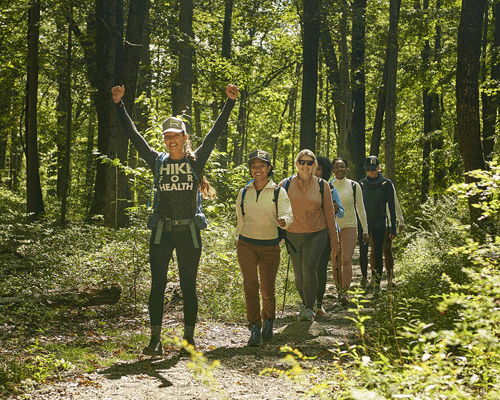
Record temperatures around the world will force spa and wellness operators to adapt the way they do business, with nocturnal societies the inevitable outcome in some places and coolcationing becoming attractive to consumers
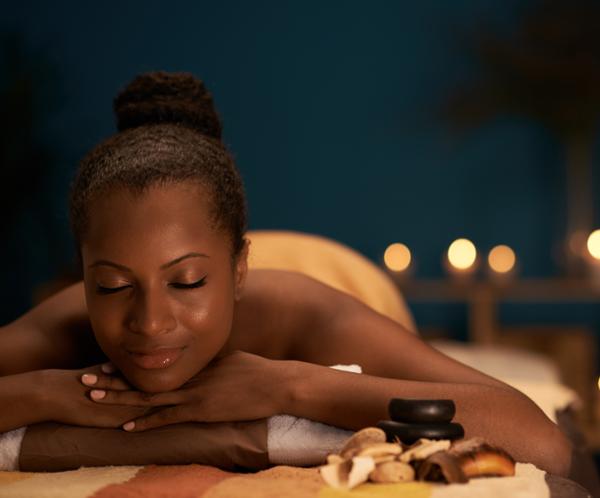
Operators will extend operating hours and get creative with night-time packages / photo: shutterstock/dragon images
As I write, the G7 Summit is concluding at Italian wellness destination, Borgo Egnazia, with world leaders committing to increase their efforts to combat the climate crisis.
In spite of good intentions such as these, however, climate change is already severely impacting lives and businesses all around the world.
This ongoing crisis has underpinned a substantial proportion of our coverage in Spa Business for many years and this edition of the magazine is no exception.
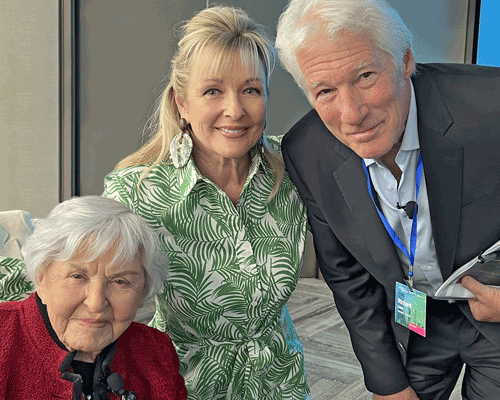
On p26, actor Richard Gere discusses his fervent support for regenerative development, while on p40, Robert Hanea, CEO of Therme Group, emphasises that the sustainability focus driving its business model is essential for maintaining its affordable pricing.
Both investors and consumers are increasingly channelling their resources into companies with strong ESG credentials, a topic we explore in-depth on p52.
With 2023 the hottest year on record and projections indicating billions will soon face unsurvivable heat in countries in the middle of the world, the spa and wellness industry must continue to adapt. We expect demand for retreats off-season and in cooler climates – termed ‘coolcationing’ – to increase, prompting forward-thinking investors to consider regions more distant from the equator.
Spa Business first reported on polar tourism five years ago (see www.spabusiness.com/polartourism). While places such as Scandinavia, Canada, Iceland and the Baltic are emerging as alternative destinations.
In hotter regions, nocturnal societies will become prevalent as people adjust to avoid intense daytime heat. To capture this market, operational hours will extend into the night, which could increase staffing and operational costs or the need for staffless concepts.
This strategy will lead to growing demand for cool treatments, aligning with growing interest in therapies such as cold water immersion, cryotherapy and contrast bathing. We also anticipate the introduction of night-time spa packages, including outdoor ‘cool’ tubs under the stars, moonlit yoga and late-night, cooling aromatherapy massages.
These changes will appeal not only to coolcationers but also to night owls, shift workers and travellers seeking unique experiences.
By embracing these trends, the industry will grow and diversify, while mitigating the impact of a warming climate.
photo: Jack Emmerson
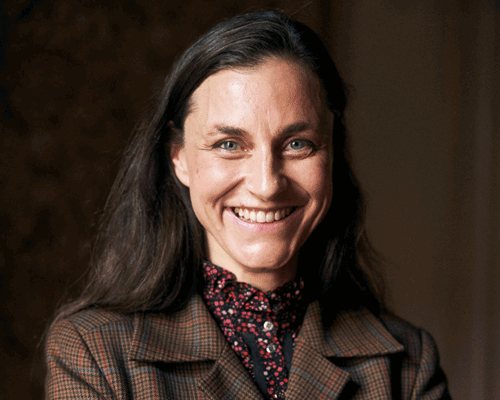
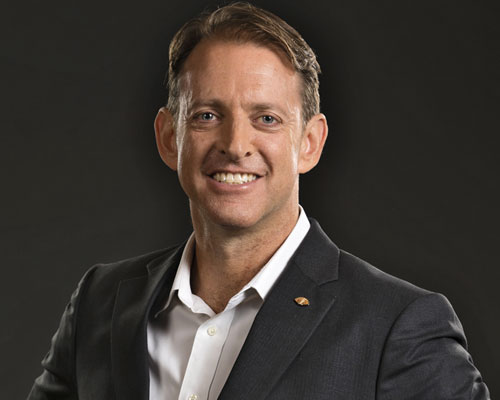
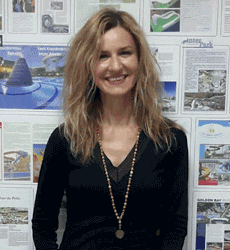
Katie Barnes is the editor of Spa Business magazine
| [email protected]
Read more from this issue of Attractions Management magazine
View contents of Attractions Management 2024 issue 2
Editor's letter: Cool customers
Spas must adapt to unlock new avenues for growth while mitigating the impact of climate change, says Katie Barnes
Top Team: Therme Group
With its focus on affordable wellness, Therme Group is expanding its social spa concept globally. Jane Kitchen speaks to the people behind the brand
Interview: Susie Ellis
The chair of the Global Wellness Summit has been fundamental in defining the industry and continues to drive it forward
Sponsored: Comfort Zone: Powered by nature
B Corp-certified skincare company Comfort Zone has added a new body lotion to its Hydramemory range, which is inspired by the water-retaining powers of desert plants
Interview: Roger Tempest
The owner of Broughton Sanctuary in the UK is transforming the 900-year-old estate into a retreat-based business
Sponsored: Lemi: touched by tech
Italian spa equipment supplier, Lemi, is embracing the trend towards tech-driven wellness treatments, while also driving sustainable industry practices
First person: The real deal?
What’s the value of an authentic treatment? Andrew and Karin Gibson take to the hammams of Istanbul to find out
Wellness: Full recovery
SIRO is staking a claim to be the world’s first fitness and recovery hotel brand and is planning 100 properties. Lisa Starr visits the first site in Dubai
Sponsored: Gharieni: Defining the well universe
The launch of Gharieni’s new touchless technology brand
Metawell is perfectly aligned with the future direction of spa
and wellness, says the company’s CEO, Sammy Gharieni
Software: Member benefits
Up to a third of spa-goers now have a spa membership. What support can software systems offer?
Sponsored: Myrtha: Herbal Sauna
Pools and wellness facilities expert, Myrtha’s new Herbal Sauna, brings an innovative and therapeutic experience to the spa, says Stefano Cattaneo
Record temperatures around the world will force spa and wellness operators to adapt the way they do business, with nocturnal societies the inevitable outcome in some places and coolcationing becoming attractive to consumers
Operators will extend operating hours and get creative with night-time packages / photo: shutterstock/dragon images
As I write, the G7 Summit is concluding at Italian wellness destination, Borgo Egnazia, with world leaders committing to increase their efforts to combat the climate crisis.
In spite of good intentions such as these, however, climate change is already severely impacting lives and businesses all around the world.
This ongoing crisis has underpinned a substantial proportion of our coverage in Spa Business for many years and this edition of the magazine is no exception.
On p26, actor Richard Gere discusses his fervent support for regenerative development, while on p40, Robert Hanea, CEO of Therme Group, emphasises that the sustainability focus driving its business model is essential for maintaining its affordable pricing.
Both investors and consumers are increasingly channelling their resources into companies with strong ESG credentials, a topic we explore in-depth on p52.
With 2023 the hottest year on record and projections indicating billions will soon face unsurvivable heat in countries in the middle of the world, the spa and wellness industry must continue to adapt. We expect demand for retreats off-season and in cooler climates – termed ‘coolcationing’ – to increase, prompting forward-thinking investors to consider regions more distant from the equator.
Spa Business first reported on polar tourism five years ago (see www.spabusiness.com/polartourism). While places such as Scandinavia, Canada, Iceland and the Baltic are emerging as alternative destinations.
In hotter regions, nocturnal societies will become prevalent as people adjust to avoid intense daytime heat. To capture this market, operational hours will extend into the night, which could increase staffing and operational costs or the need for staffless concepts.
This strategy will lead to growing demand for cool treatments, aligning with growing interest in therapies such as cold water immersion, cryotherapy and contrast bathing. We also anticipate the introduction of night-time spa packages, including outdoor ‘cool’ tubs under the stars, moonlit yoga and late-night, cooling aromatherapy massages.
These changes will appeal not only to coolcationers but also to night owls, shift workers and travellers seeking unique experiences.
By embracing these trends, the industry will grow and diversify, while mitigating the impact of a warming climate.
photo: Jack Emmerson
Katie Barnes is the editor of Spa Business magazine
| [email protected]
Read more from this issue of Attractions Management magazine
View contents of Attractions Management 2024 issue 2
Editor's letter: Cool customers
Spas must adapt to unlock new avenues for growth while mitigating the impact of climate change, says Katie Barnes
Top Team: Therme Group
With its focus on affordable wellness, Therme Group is expanding its social spa concept globally. Jane Kitchen speaks to the people behind the brand
Interview: Susie Ellis
The chair of the Global Wellness Summit has been fundamental in defining the industry and continues to drive it forward
Sponsored: Comfort Zone: Powered by nature
B Corp-certified skincare company Comfort Zone has added a new body lotion to its Hydramemory range, which is inspired by the water-retaining powers of desert plants
Interview: Roger Tempest
The owner of Broughton Sanctuary in the UK is transforming the 900-year-old estate into a retreat-based business
Sponsored: Lemi: touched by tech
Italian spa equipment supplier, Lemi, is embracing the trend towards tech-driven wellness treatments, while also driving sustainable industry practices
First person: The real deal?
What’s the value of an authentic treatment? Andrew and Karin Gibson take to the hammams of Istanbul to find out
Wellness: Full recovery
SIRO is staking a claim to be the world’s first fitness and recovery hotel brand and is planning 100 properties. Lisa Starr visits the first site in Dubai
Sponsored: Gharieni: Defining the well universe
The launch of Gharieni’s new touchless technology brand
Metawell is perfectly aligned with the future direction of spa
and wellness, says the company’s CEO, Sammy Gharieni
Software: Member benefits
Up to a third of spa-goers now have a spa membership. What support can software systems offer?
Sponsored: Myrtha: Herbal Sauna
Pools and wellness facilities expert, Myrtha’s new Herbal Sauna, brings an innovative and therapeutic experience to the spa, says Stefano Cattaneo
Abu Dhabi-based investment firm Mubadala Capital has made a binding, fully financed
€1 billion
offer to acquire Pierre and Vacances SA, the European holiday resort operator behind the
continental European Center Parcs business.
Expo 2030 Riyadh is being planned as a permanent visitor destination, with organisers
confirming the six-million-square-metre site will become a Global Village after the event closes.
The owner of one of Australia's best-known waterparks has acquired a major competitor,
creating a new attractions business spanning two of the country's largest visitor destinations.
The Toverland theme park in the Netherlands has announced a €98m expansion programme
that will add a resort, new attractions and staff facilities as it pursues plans to become a multi-
day destination.
Hotel de France, located on the British Isle of Jersey, has created a wellness retreat package
that includes a hot yoga session that will take place in Jersey Zoo’s butterfly sanctuary.
A new immersive attraction designed to transport visitors into the final hours of ancient Pompeii
is preparing to open near the world-famous archaeological site in southern Italy.
Experience design company, BRC Imagination Arts, has completed a transition that sees founder
Bob Rogers pass ownership of the business to four long-serving senior executives, while
remaining actively involved with the company.
Movie Park Germany has opened a new Paramount Pictures-themed attraction as part of its 30th
anniversary celebrations, using immersive storytelling and adaptive reuse to reinforce the park’s
longstanding “Hollywood in Germany” positioning.
Therme Manchester’s 28-acre development, which will include interconnected glass pavilions
that measure 65,000sq m, will be the largest bathing and wellbeing attraction in the world once
complete, according to prof David Russell, CEO of Therme UK.
Efteling has opened Hooghmoed, a new family drop tower designed to broaden the appeal of its
recently launched Sirene Island themed area and introduce younger visitors to thrill attractions.
+ More news
COMPANY PROFILES
RMA Ltd RMA Ltd is a one-stop global company
that can design, build and produce from a
greenfield site upw [more...]
Taylor Made Designs Founded in 1993, Taylor Made
Designs supply corporate clothing
and brand-enhancing merchandise
to [more...]
Polin Waterparks Polin was founded in Istanbul in 1976. Polin
has since grown into a leading company in
the waterpa [more...]
Clip 'n Climb Clip ‘n Climb currently offers facility owners and
investors more than 40 colourful and unique
Cha [more...]