Richard Gere headlined at the recent wellness real estate symposium in New York, where new research shows the sector is forecast to reach US$913 billion by 2028. Katie Barnes and Megan Whitby delve into the numbers
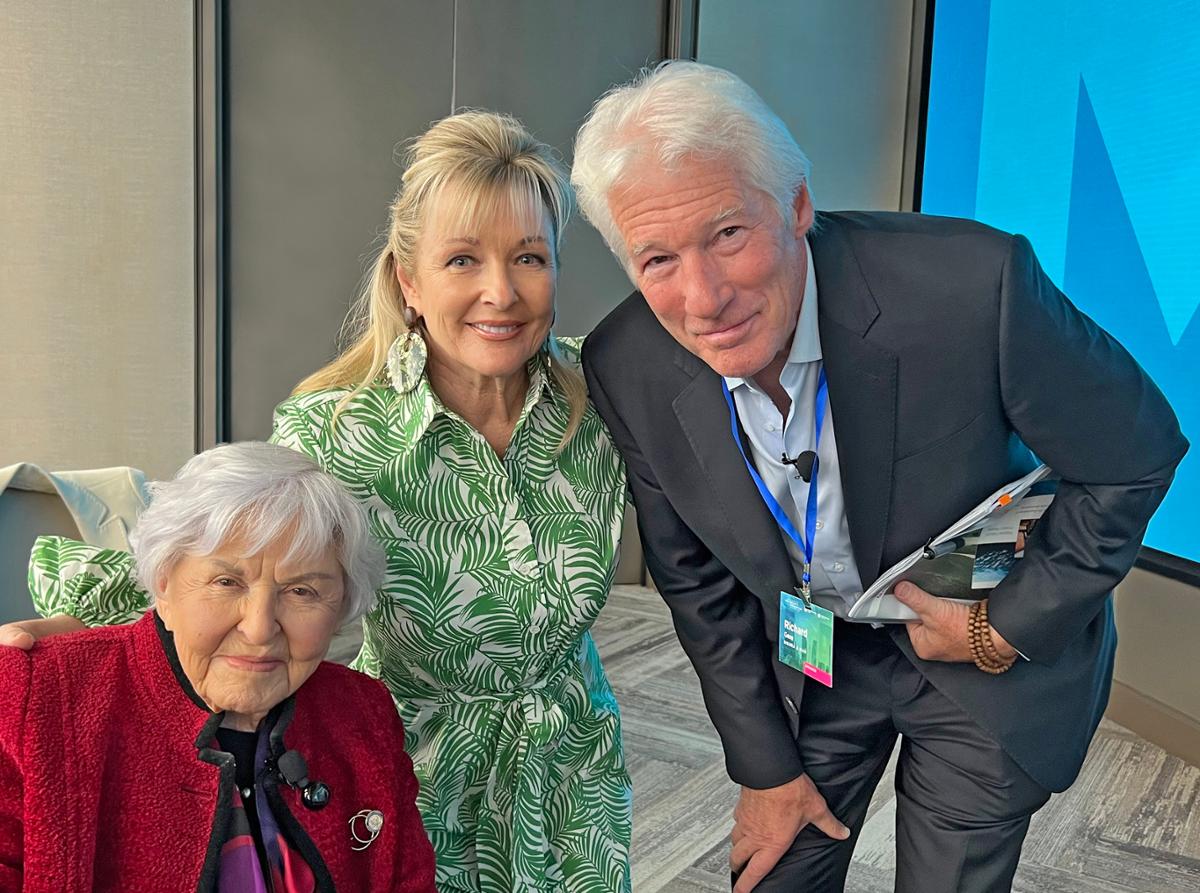
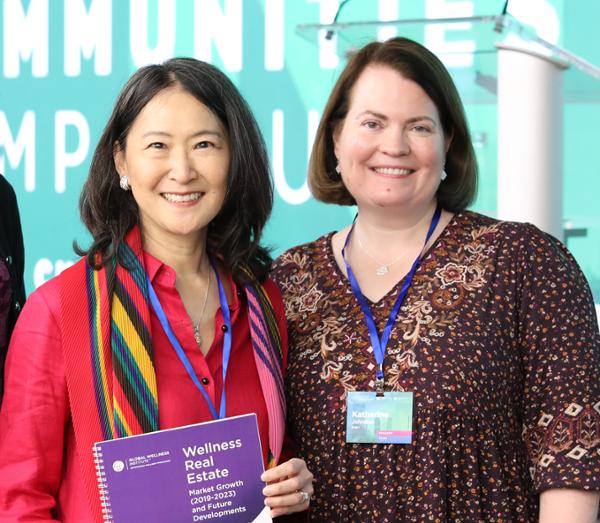
Richard Gere with Deborah Szekely (left) and GWI’s Susie Ellis / photo: global wellness institute
“Igrew up on a dairy farm in the mountains of Pennsylvania and while I don’t pretend to be a farmer like my dad, I’ve inherited that closeness to nature,” declared Hollywood actor Richard Gere, in his keynote speech at the recent Wellness Real Estate & Communities Symposium.
Hosted by the Global Wellness Institute (GWI) in Manhattan recently, the third edition of the event gave an overview of the global real estate sector, covering topics such as sustainability, healthy buildings and unique business models. More than 200 leaders in the field sat in anticipation of Gere’s words of wisdom.
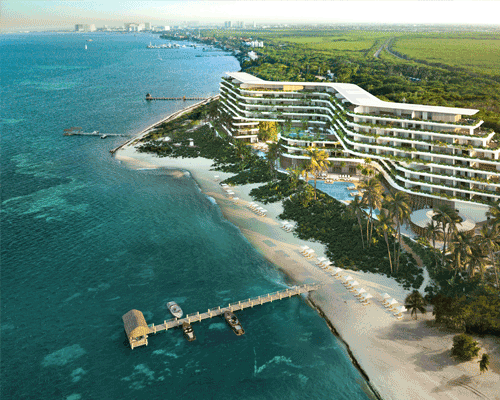
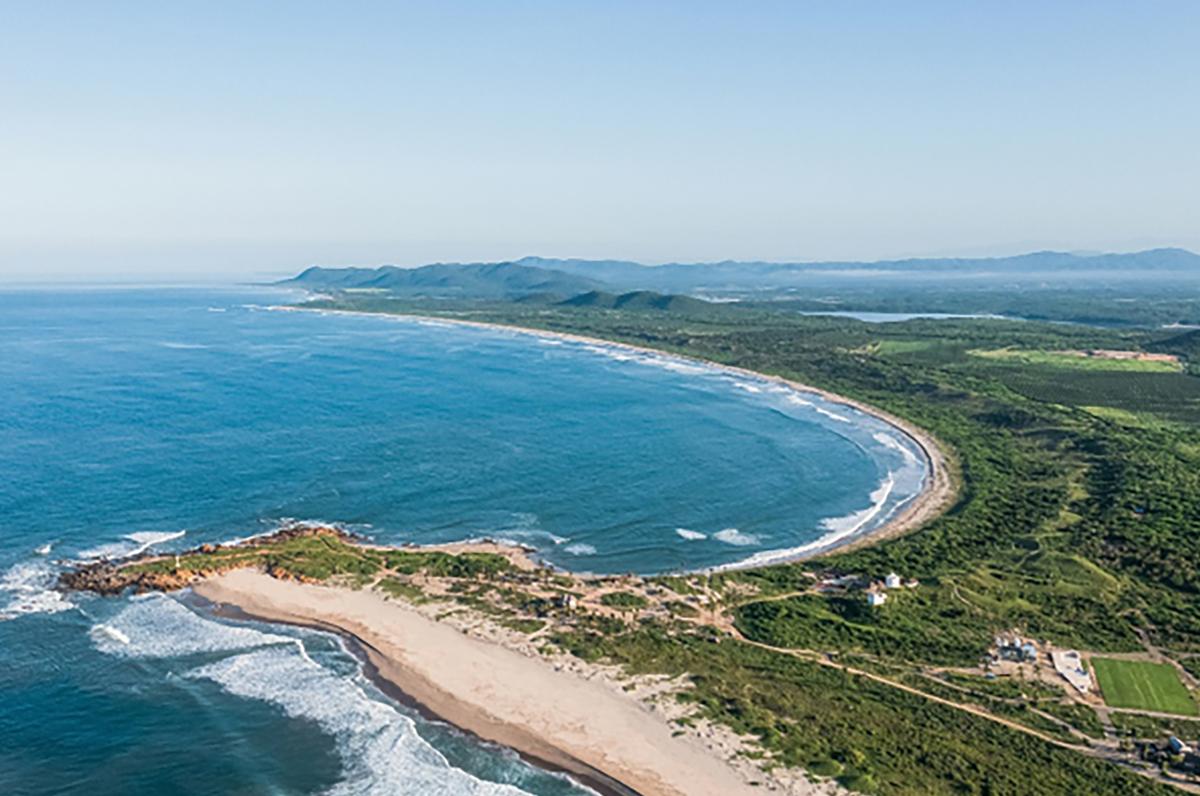
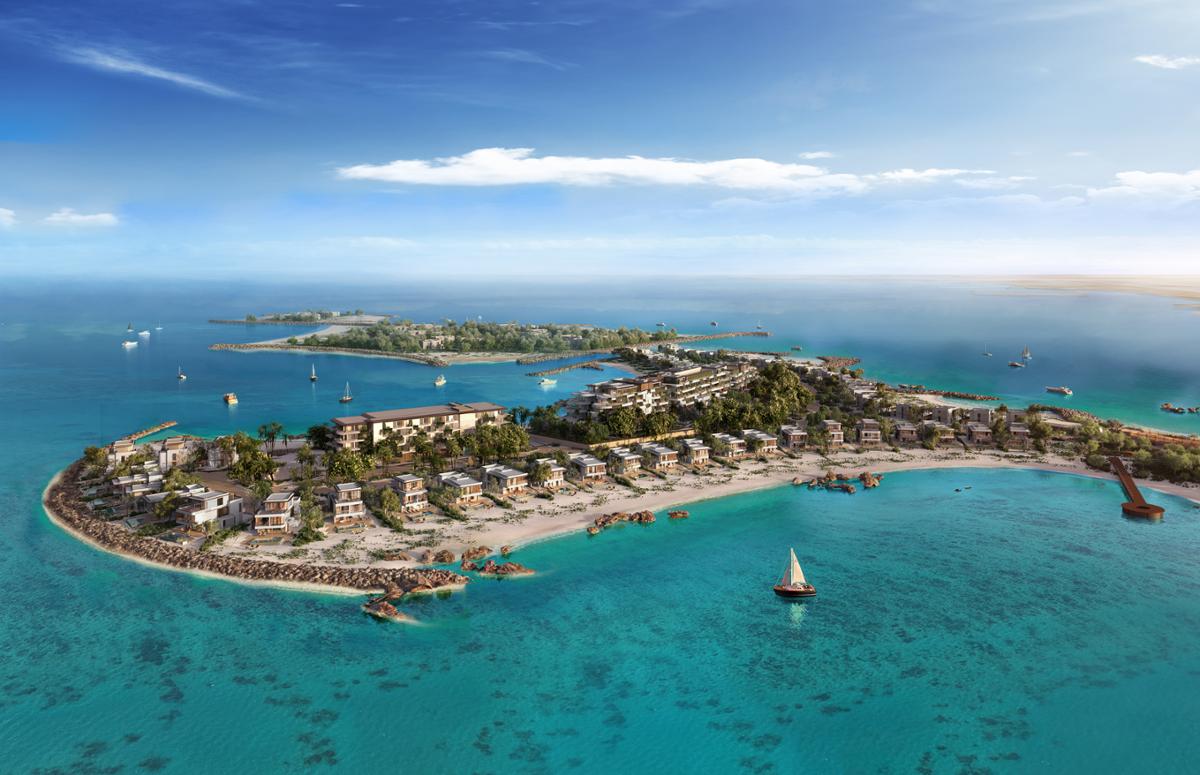
A star on stage Talking to Amy McDonald – founder of Under a Tree, Wellness Consulting – Gere revealed details about Xala, a 3,000-acre regenerative development he’s been involved with for the last 10 years. Based on the Pacific Coast of Mexico, near Puerto Vallarta, the wellness community comprises 75 villa residences and a Six Senses which is due to open in 2026.
“There’s no one on this planet who doesn’t feel their breath changing and their whole mental outlook altering when they experience untouched, beautiful places,” said Gere. “Xala is all the beauty you’ve ever dreamed about. Five miles of pure land from low mountains, through incredible jungle and dunes to pristine beach.”
The captivating star spoke about how the people behind Xala are looking to create a blueprint for the project that not only restores the environment but also includes local communities.
“The visionary idea is to include local villagers, fishermen and farmers in the process and genuinely listen to them to understand what they want,” he said. “Not to go in as egotistical developers thinking we already know what’s good for them.”
Gere explained how, last year, the team on the project also realised that truly protecting the estuaries and land of Xala meant taking into account – and preserving – a much larger regional ecosystem. He’s now supporting Sierra A Mar (Ridge to Reef), an initiative to create a sustainable and regenerative plan for the 100km coastal stretch surrounding Xala.
“I’m 74 years old and I’ve seen beautiful places destroyed in my lifetime,” he concluded. “My job in this process is to be the conscience of Xala. It’s all about having a sense of humility and knowing you’re a small part of a bigger thing.”
Exciting new research Another highlight of the symposium was the revelation that wellness real estate is by far the fastest-growing segment in the 11-sector global wellness economy.
Findings from Wellness Real Estate: Market Growth (2019-2023) and Future Developments – a new GWI research report released at the event – show wellness real estate surged in value from US$225 billion in 2019 to US$438 billion in 2023.
This represents 18.1 per cent annual growth over the past four years, which is significantly higher than the 5.1 per cent annual growth rate for the overall global construction industry.
“We’re not at all surprised by this finding,” said Katherine Johnston and Ophelia Yeung, GWI’s senior research fellows.
“More than any other wellness sector, wellness real estate embodies the multidimensionality of wellness. When done right, it has the greatest potential within the wellness economy to improve our holistic wellbeing and that of entire communities.
“As more people realise that their biggest investment – their home – is the ‘next frontier of their health’, the demand for wellness real estate will only continue to grow.”
According to the GWI, the pandemic supercharged the market because it dramatically accelerated the understanding among consumers and the building industry about how much external environments impact our physical and mental health.
Now, the GWI forecasts that the sector will grow 15.8 per cent annually from 2023 to 2028, when it will approach the trillion-dollar mark (US$913 billion).
The GWI defines wellness real estate as homes and buildings that are proactively designed, built and operated to support the holistic health of their residents.
The report includes regional and country data and finds that the US (US$181 billion, 41 per cent of the global market), China (US$73 billion) and the UK (US$29 billion) remain the three biggest national markets. It also analyses the biggest drivers and opportunities – as well as the greatest challenges – for wellness real estate in the future.
• To watch the full Wellness Real Estate & Communities Symposium from the Global Wellness Institute on demand, visit www.spabusiness.com/GWIrealestate
Read more from this issue of Attractions Management magazine
View contents of Attractions Management 2024 issue 2
Editor's letter: Cool customers
Spas must adapt to unlock new avenues for growth while mitigating the impact of climate change, says Katie Barnes
Top Team: Therme Group
With its focus on affordable wellness, Therme Group is expanding its social spa concept globally. Jane Kitchen speaks to the people behind the brand
Interview: Susie Ellis
The chair of the Global Wellness Summit has been fundamental in defining the industry and continues to drive it forward
Sponsored: Comfort Zone: Powered by nature
B Corp-certified skincare company Comfort Zone has added a new body lotion to its Hydramemory range, which is inspired by the water-retaining powers of desert plants
Interview: Roger Tempest
The owner of Broughton Sanctuary in the UK is transforming the 900-year-old estate into a retreat-based business
Sponsored: Lemi: touched by tech
Italian spa equipment supplier, Lemi, is embracing the trend towards tech-driven wellness treatments, while also driving sustainable industry practices
First person: The real deal?
What’s the value of an authentic treatment? Andrew and Karin Gibson take to the hammams of Istanbul to find out
Wellness: Full recovery
SIRO is staking a claim to be the world’s first fitness and recovery hotel brand and is planning 100 properties. Lisa Starr visits the first site in Dubai
Sponsored: Gharieni: Defining the well universe
The launch of Gharieni’s new touchless technology brand
Metawell is perfectly aligned with the future direction of spa
and wellness, says the company’s CEO, Sammy Gharieni
Software: Member benefits
Up to a third of spa-goers now have a spa membership. What support can software systems offer?
Sponsored: Myrtha: Herbal Sauna
Pools and wellness facilities expert, Myrtha’s new Herbal Sauna, brings an innovative and therapeutic experience to the spa, says Stefano Cattaneo
Richard Gere headlined at the recent wellness real estate symposium in New York, where new research shows the sector is forecast to reach US$913 billion by 2028. Katie Barnes and Megan Whitby delve into the numbers
Richard Gere with Deborah Szekely (left) and GWI’s Susie Ellis / photo: global wellness institute
“Igrew up on a dairy farm in the mountains of Pennsylvania and while I don’t pretend to be a farmer like my dad, I’ve inherited that closeness to nature,” declared Hollywood actor Richard Gere, in his keynote speech at the recent Wellness Real Estate & Communities Symposium.
Hosted by the Global Wellness Institute (GWI) in Manhattan recently, the third edition of the event gave an overview of the global real estate sector, covering topics such as sustainability, healthy buildings and unique business models. More than 200 leaders in the field sat in anticipation of Gere’s words of wisdom.
A star on stage Talking to Amy McDonald – founder of Under a Tree, Wellness Consulting – Gere revealed details about Xala, a 3,000-acre regenerative development he’s been involved with for the last 10 years. Based on the Pacific Coast of Mexico, near Puerto Vallarta, the wellness community comprises 75 villa residences and a Six Senses which is due to open in 2026.
“There’s no one on this planet who doesn’t feel their breath changing and their whole mental outlook altering when they experience untouched, beautiful places,” said Gere. “Xala is all the beauty you’ve ever dreamed about. Five miles of pure land from low mountains, through incredible jungle and dunes to pristine beach.”
The captivating star spoke about how the people behind Xala are looking to create a blueprint for the project that not only restores the environment but also includes local communities.
“The visionary idea is to include local villagers, fishermen and farmers in the process and genuinely listen to them to understand what they want,” he said. “Not to go in as egotistical developers thinking we already know what’s good for them.”
Gere explained how, last year, the team on the project also realised that truly protecting the estuaries and land of Xala meant taking into account – and preserving – a much larger regional ecosystem. He’s now supporting Sierra A Mar (Ridge to Reef), an initiative to create a sustainable and regenerative plan for the 100km coastal stretch surrounding Xala.
“I’m 74 years old and I’ve seen beautiful places destroyed in my lifetime,” he concluded. “My job in this process is to be the conscience of Xala. It’s all about having a sense of humility and knowing you’re a small part of a bigger thing.”
Exciting new research Another highlight of the symposium was the revelation that wellness real estate is by far the fastest-growing segment in the 11-sector global wellness economy.
Findings from Wellness Real Estate: Market Growth (2019-2023) and Future Developments – a new GWI research report released at the event – show wellness real estate surged in value from US$225 billion in 2019 to US$438 billion in 2023.
This represents 18.1 per cent annual growth over the past four years, which is significantly higher than the 5.1 per cent annual growth rate for the overall global construction industry.
“We’re not at all surprised by this finding,” said Katherine Johnston and Ophelia Yeung, GWI’s senior research fellows.
“More than any other wellness sector, wellness real estate embodies the multidimensionality of wellness. When done right, it has the greatest potential within the wellness economy to improve our holistic wellbeing and that of entire communities.
“As more people realise that their biggest investment – their home – is the ‘next frontier of their health’, the demand for wellness real estate will only continue to grow.”
According to the GWI, the pandemic supercharged the market because it dramatically accelerated the understanding among consumers and the building industry about how much external environments impact our physical and mental health.
Now, the GWI forecasts that the sector will grow 15.8 per cent annually from 2023 to 2028, when it will approach the trillion-dollar mark (US$913 billion).
The GWI defines wellness real estate as homes and buildings that are proactively designed, built and operated to support the holistic health of their residents.
The report includes regional and country data and finds that the US (US$181 billion, 41 per cent of the global market), China (US$73 billion) and the UK (US$29 billion) remain the three biggest national markets. It also analyses the biggest drivers and opportunities – as well as the greatest challenges – for wellness real estate in the future.
• To watch the full Wellness Real Estate & Communities Symposium from the Global Wellness Institute on demand, visit www.spabusiness.com/GWIrealestate
Read more from this issue of Attractions Management magazine
View contents of Attractions Management 2024 issue 2
Editor's letter: Cool customers
Spas must adapt to unlock new avenues for growth while mitigating the impact of climate change, says Katie Barnes
Top Team: Therme Group
With its focus on affordable wellness, Therme Group is expanding its social spa concept globally. Jane Kitchen speaks to the people behind the brand
Interview: Susie Ellis
The chair of the Global Wellness Summit has been fundamental in defining the industry and continues to drive it forward
Sponsored: Comfort Zone: Powered by nature
B Corp-certified skincare company Comfort Zone has added a new body lotion to its Hydramemory range, which is inspired by the water-retaining powers of desert plants
Interview: Roger Tempest
The owner of Broughton Sanctuary in the UK is transforming the 900-year-old estate into a retreat-based business
Sponsored: Lemi: touched by tech
Italian spa equipment supplier, Lemi, is embracing the trend towards tech-driven wellness treatments, while also driving sustainable industry practices
First person: The real deal?
What’s the value of an authentic treatment? Andrew and Karin Gibson take to the hammams of Istanbul to find out
Wellness: Full recovery
SIRO is staking a claim to be the world’s first fitness and recovery hotel brand and is planning 100 properties. Lisa Starr visits the first site in Dubai
Sponsored: Gharieni: Defining the well universe
The launch of Gharieni’s new touchless technology brand
Metawell is perfectly aligned with the future direction of spa
and wellness, says the company’s CEO, Sammy Gharieni
Software: Member benefits
Up to a third of spa-goers now have a spa membership. What support can software systems offer?
Sponsored: Myrtha: Herbal Sauna
Pools and wellness facilities expert, Myrtha’s new Herbal Sauna, brings an innovative and therapeutic experience to the spa, says Stefano Cattaneo
Expo 2030 Riyadh is being planned as a permanent visitor destination, with organisers
confirming the six-million-square-metre site will become a Global Village after the event closes.
The owner of one of Australia's best-known waterparks has acquired a major competitor,
creating a new attractions business spanning two of the country's largest visitor destinations.
The Toverland theme park in the Netherlands has announced a €98m expansion programme
that will add a resort, new attractions and staff facilities as it pursues plans to become a multi-
day destination.
Hotel de France, located on the British Isle of Jersey, has created a wellness retreat package
that includes a hot yoga session that will take place in Jersey Zoo’s butterfly sanctuary.
A new immersive attraction designed to transport visitors into the final hours of ancient Pompeii
is preparing to open near the world-famous archaeological site in southern Italy.
Experience design company, BRC Imagination Arts, has completed a transition that sees founder
Bob Rogers pass ownership of the business to four long-serving senior executives, while
remaining actively involved with the company.
Movie Park Germany has opened a new Paramount Pictures-themed attraction as part of its 30th
anniversary celebrations, using immersive storytelling and adaptive reuse to reinforce the park’s
longstanding “Hollywood in Germany” positioning.
Therme Manchester’s 28-acre development, which will include interconnected glass pavilions
that measure 65,000sq m, will be the largest bathing and wellbeing attraction in the world once
complete, according to prof David Russell, CEO of Therme UK.
Efteling has opened Hooghmoed, a new family drop tower designed to broaden the appeal of its
recently launched Sirene Island themed area and introduce younger visitors to thrill attractions.
A proposed Puy du Fou development near Bicester and Universal Destinations and Experiences’
planned resort in Bedford are emerging as part of a wider transformation of the Oxford–
Cambridge Growth Corridor into a major centre for UK leisure and tourism inv