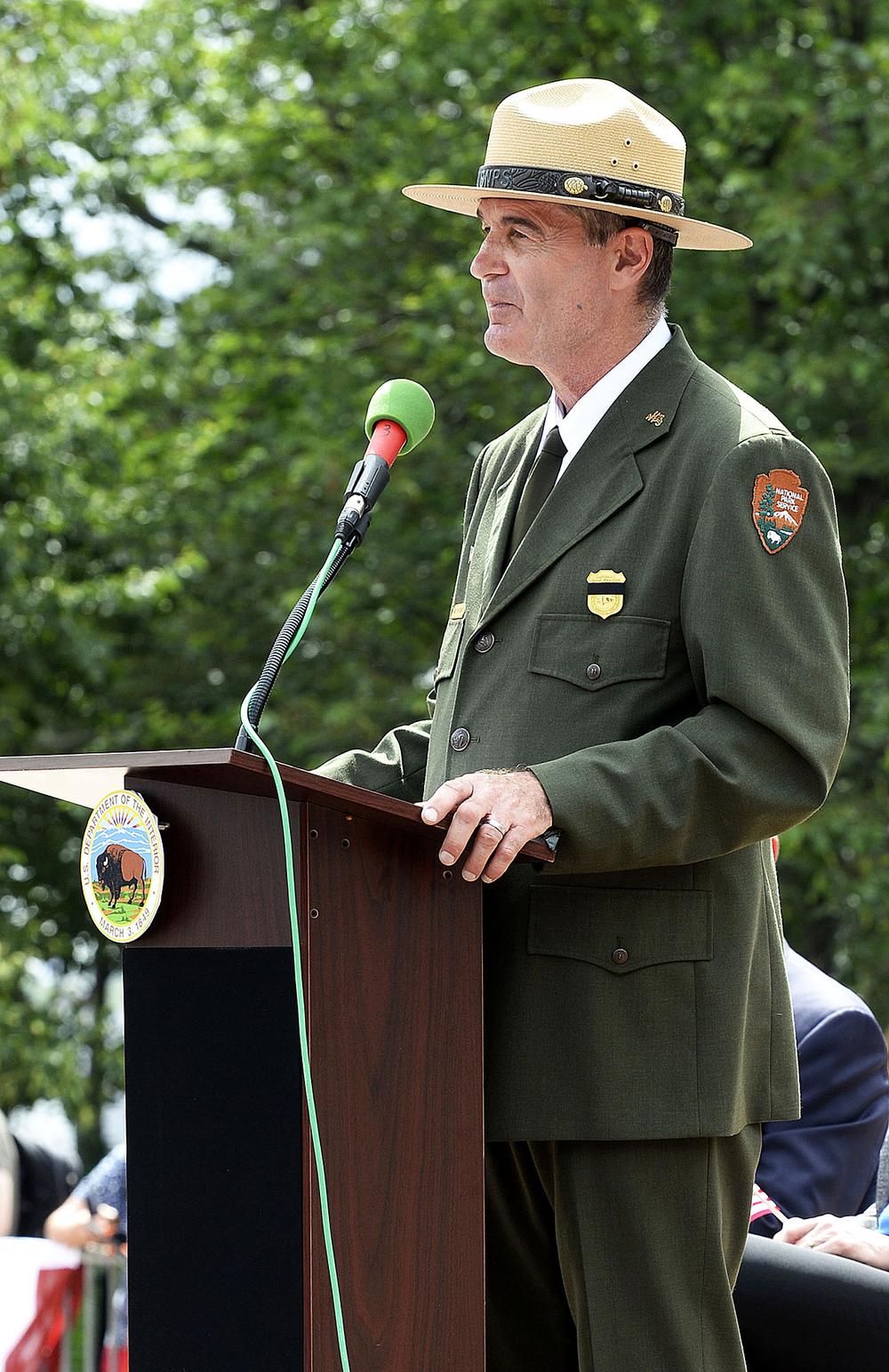
Hurricane Sandy was the second-costliest hurricane in US history. Dave Luchsinger, Statue of Liberty and Ellis Island superintendent, describes how he and his team dealt with the devastation left behind
By Kathleen Whyman | Published in Attractions Management 2013 issue 4
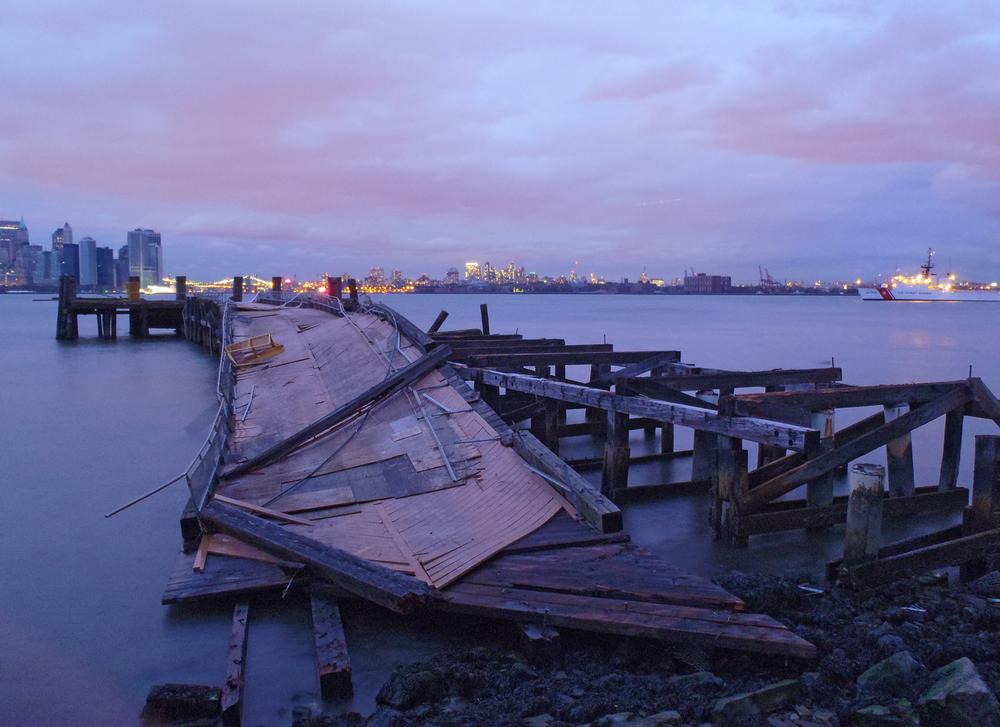
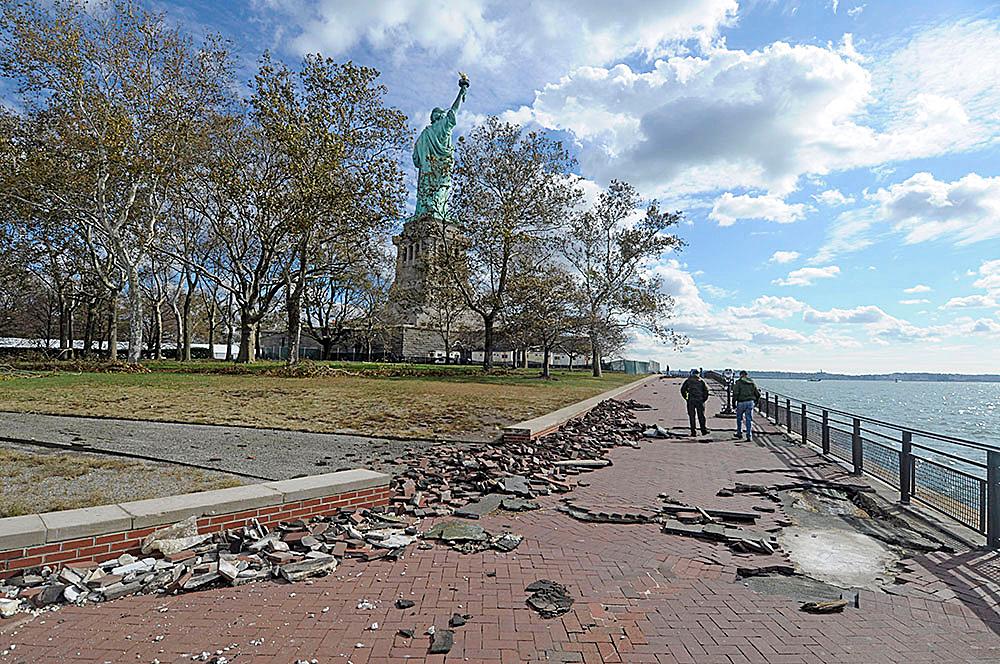
What happened? On October 29, 2012, floodwaters from Hurricane Sandy covered 75 per cent of Liberty Island and almost all of Ellis Island, flooding basements of all buildings with the exception of the Statue and Monument. Winds and flooding from the storm destroyed most of the infrastructure on both islands including electric, water, sewer, HVAC systems, phone systems, security systems and radio equipment. The visitor security screening facilities at Battery Park and Liberty State Park were destroyed. The main passenger pier and work/emergency pier on Liberty Island were severely damaged, as were the perimeter walkway and railings.
Where were you when Sandy hit? I’d had both islands evacuated and my wife and I were at her mother’s house in central Jersey. The hurricane hit in full force, but we didn’t have the flood tides that Liberty Island did. The following morning, after the storm, my team and I headed over to the island. That was when I realised how bad it was.
My duty station prior to this was in Louisiana, after Hurricane Katrina. Having seen the devastation there, this wasn’t surprising to me. No one expected the storm surge to be the way it was, but we couldn’t have been more prepared.
How did you feel? It was sickening to see the damage because we’d just competed several projects and the park was starting to look fantastic. Then this happened and there was so much devastation. It was very sad.
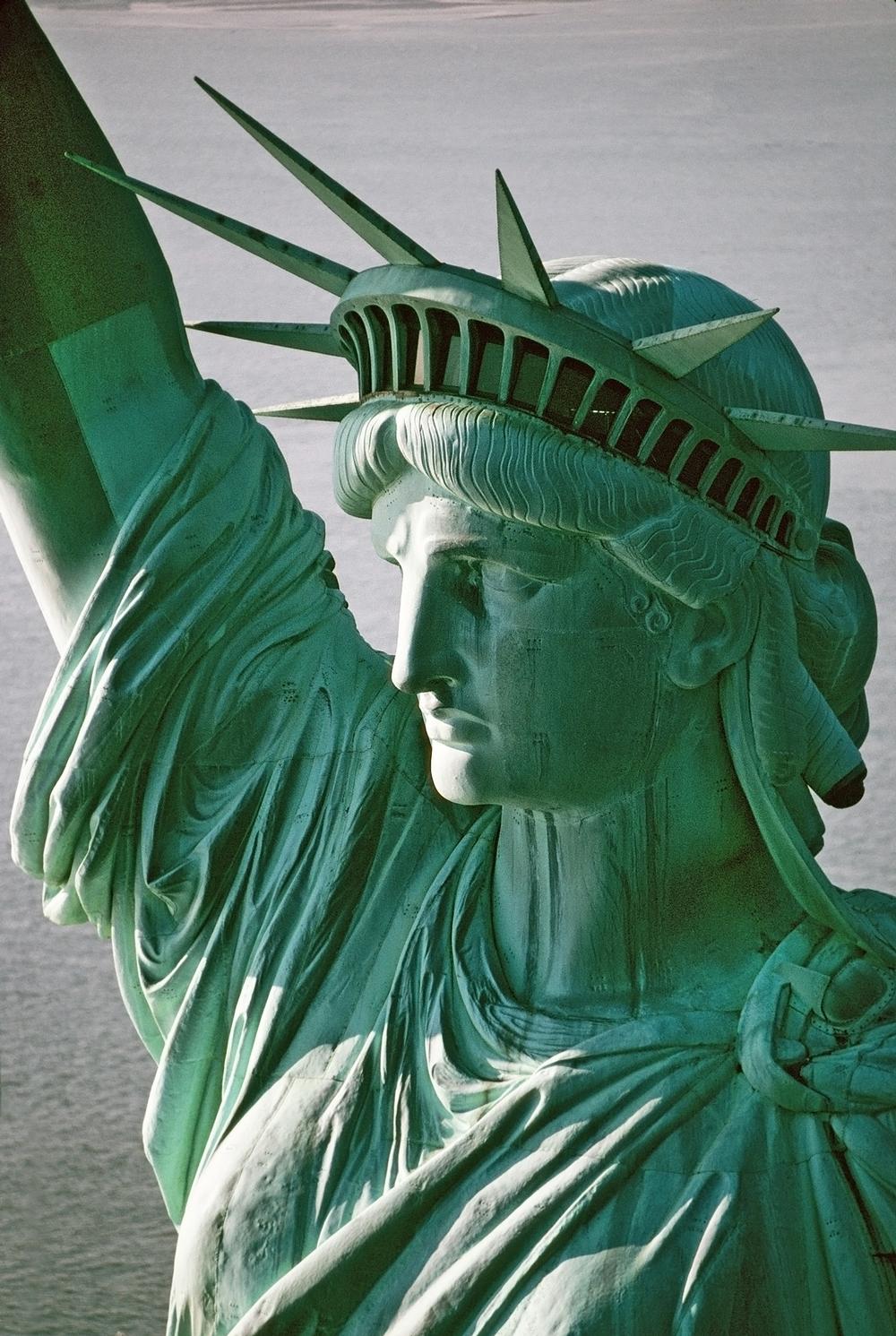
One of the moving things was heading from Ellis Island over to Liberty Island and seeing the flag still flying and the statue standing tall and proud and unscathed. That was uplifting.
What happened next? We had a ton of clean up to do. I also submitted a report to my regional office and the Washington office – we’re part of the National Park Service under the US government department of the interior – so they could get resources to help us. An incident command team came out a few days later to help us clean up. We mobilised the staff we could get to come up here and started picking things up.
What was your action plan? The first part was clean up. Everything was destroyed, so we had to rip it out. Putting it back where it was didn’t make sense, as if it happened again, we’d be back in the same position. As a result, we’ve elevated many of our systems – HVAC, electrical, water and sewer – to second storeys and higher ground, so we could get operational pretty quick if this happens again.
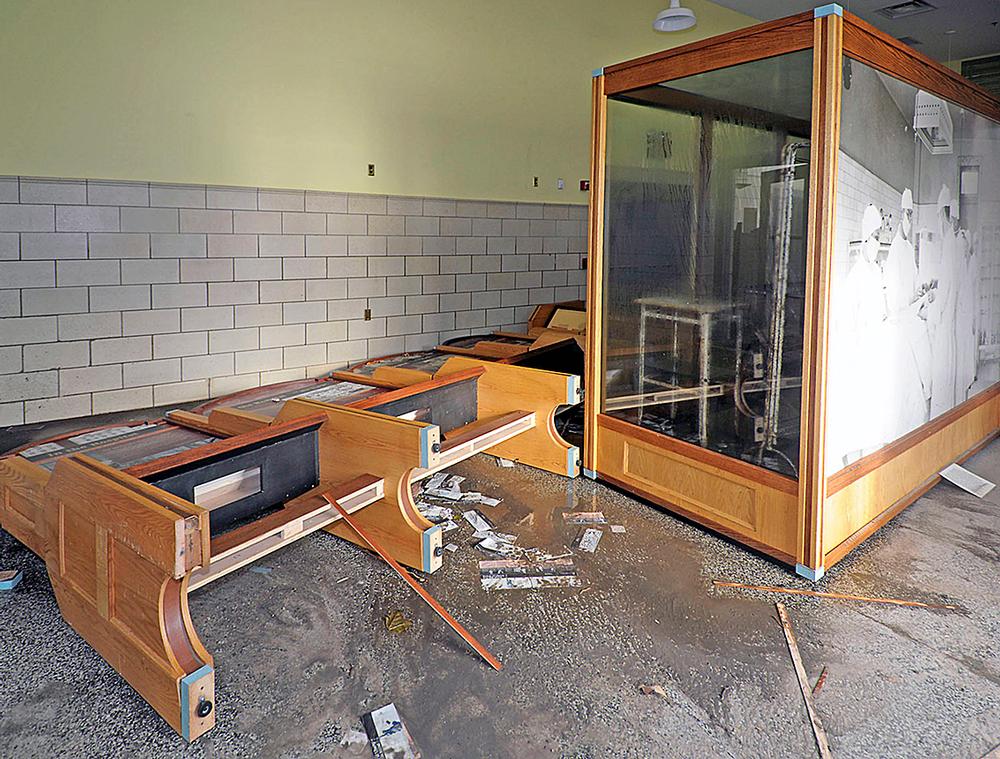
What was the work required? We had the clean up and several trees had to be cut up and taken away. We’re on two islands so had to bring equipment and take dumpsters off by barge. We replaced all the walkways and the HVAC, electrical, water and sewer systems. Much of our furniture was destroyed. Windows and doors were blown out. Some of our offices on Ellis Island were completely destroyed and were condemned, so had to be ripped down.
We also had to build two new docks at Liberty Island. One’s complete and the other’s underway and will be finished before the end of the year.
What improvements did you make? Most of our systems were from the eighties restoration on Liberty Island and the nineties restoration of Ellis Island. So the equipment wasn’t state of the art. We’ve not only placed most of our equipment in better areas, but it’s also better technology and brand new. We’ve also used materials that can be cleaned out quickly if they’re flooded, so we can be operational much quicker.
The walkways used to be very thin, brick pavers. Now they’re interlocking, encased, much wider pavers.
Our security system at Battery Park was destroyed, so we’ve replaced it with new machines – and a lot more of them. They’re quicker and the facility is larger now, so there are minimal to no wait times for visitors to get ferries to come over to the island. The visitor experience and flow is much nicer. We’re now a lot more efficient thanks to the new equipment and bigger and better facilities.
How did you raise the funds? The project has cost $77m (E56.6m, £47.4m). The Federal Government Congress passed a Hurricane Sandy relief bill that allowed us to get the money to take care of the stuff that’s damaged. We’re using the park’s own budget plus its concession franchise fees to pay for the changes we’re making.
What were the challenges? The biggest challenge was coming to work every day, seeing what had happened and not having what you’d normally have equipment- and comfort-wise to make it better. We were working out of our cars, as there were no offices, heat, air conditioning or electricity.
Getting hold of generators, equipment, tools, materials and suppliers was hard, as the entire area was destroyed and the demand for these was so great – and still is. Some of us brought in our own tools to get things going because we’d lost all the site tools too.
When did you reopen? The Statue of Liberty Crown and Liberty Island opened on July 4th. Ellis Island Immigration Museum reopened on October 28th. The museum will remain a work in progress until next spring at the earliest. Repairs to the water and sewage systems have taken place and we have temporary electric – we’re using some old radiators that used to heat the building when it was an immigration station. A new system will be installed soon.
Most of our collection of millions of documents and artefacts is stored in a climate-controlled facility in Maryland until we get a new HVAC system – it’s extremely complicated as it goes through a historic building. We need to figure out how to put in a system that’s as sustainable as possible without damaging the fabric of the building. We can’t just put the HVAC system up on the second or third floor, as we’d be taking away critical public space and would have to redirect all the duct work.
How much was lost in earnings? Between the storm hitting on Oct 29th 2012 and 1st June 2013, we lost more than $6m (E4.4m, £3.7m) in revenue. I don’t have the figures for June yet, prior to our July 4th opening of the Statue of Liberty Crown and Liberty Island.
It wasn’t a good time for anyone. But we had a very good summer season, albeit that we weren’t open on Ellis Island, which cut into what we’d all be getting in revenues. We had an increase in visitation this summer, despite the fact only half of the park is open, which is a good sign. We’re running at about five per cent more visitors than usual.
What advice can you offer? The thing you should concern yourself with first is the safety of staff.
Also, it’s always good to take a fresh look at what you have and try to take into account sea level rise and storms and make your sites as sustainable and resilient as you can. l
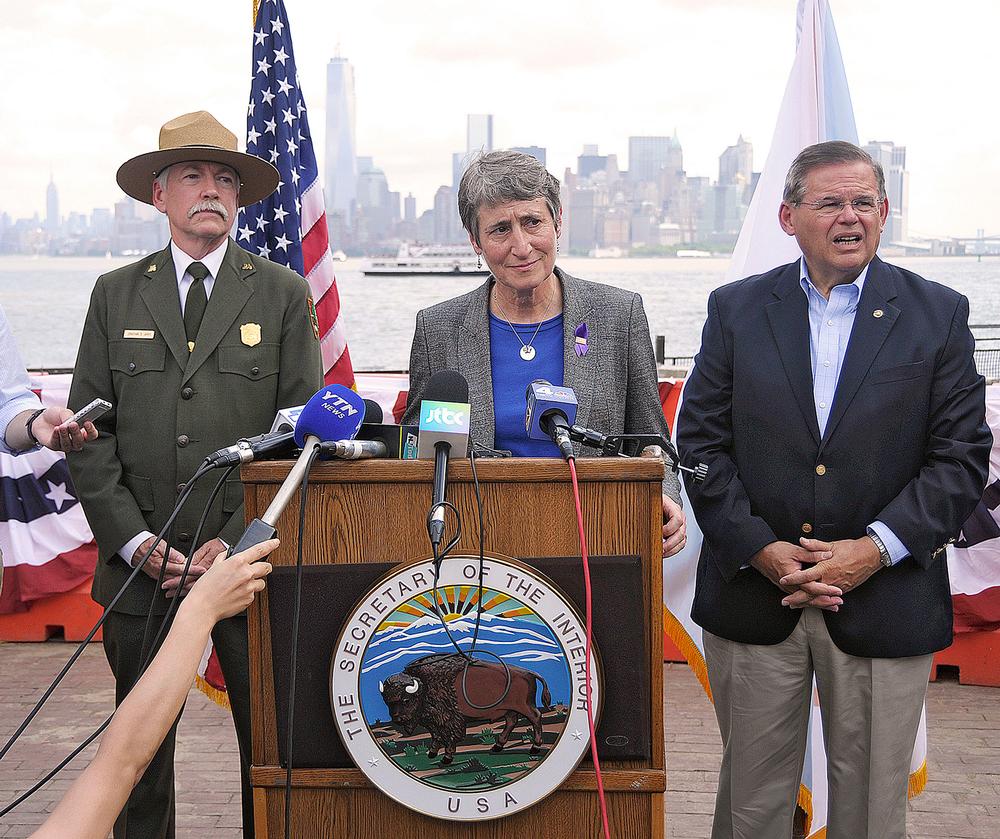
How was the reopening? It was electric – an emotional, patriotic day for our domestic visitors and our foreign visitors were thrilled. We had a ceremony and performances by the US Army Old Guard Fife and Drum Corps, and the mayor of New York, Michael Bloomberg, and Bob Menendez, senior US senator from New Jersey attended.
Read more from this issue of Attractions Management magazine
View contents of Attractions Management 2013 issue 4
Profile: Joe Schott
The COO of Disneyland Paris talks about
the park's new immersive Ratatouille
dark ride, which is slated to open in 2014,
and how the park has evolved from an
American theme park to a European one
Hurricane Sandy was the second-costliest hurricane in US history. Dave Luchsinger, Statue of Liberty and Ellis Island superintendent, describes how he and his team dealt with the devastation left behind
By Kathleen Whyman | Published in Attractions Management 2013 issue 4
What happened? On October 29, 2012, floodwaters from Hurricane Sandy covered 75 per cent of Liberty Island and almost all of Ellis Island, flooding basements of all buildings with the exception of the Statue and Monument. Winds and flooding from the storm destroyed most of the infrastructure on both islands including electric, water, sewer, HVAC systems, phone systems, security systems and radio equipment. The visitor security screening facilities at Battery Park and Liberty State Park were destroyed. The main passenger pier and work/emergency pier on Liberty Island were severely damaged, as were the perimeter walkway and railings.
Where were you when Sandy hit? I’d had both islands evacuated and my wife and I were at her mother’s house in central Jersey. The hurricane hit in full force, but we didn’t have the flood tides that Liberty Island did. The following morning, after the storm, my team and I headed over to the island. That was when I realised how bad it was.
My duty station prior to this was in Louisiana, after Hurricane Katrina. Having seen the devastation there, this wasn’t surprising to me. No one expected the storm surge to be the way it was, but we couldn’t have been more prepared.
How did you feel? It was sickening to see the damage because we’d just competed several projects and the park was starting to look fantastic. Then this happened and there was so much devastation. It was very sad.
One of the moving things was heading from Ellis Island over to Liberty Island and seeing the flag still flying and the statue standing tall and proud and unscathed. That was uplifting.
What happened next? We had a ton of clean up to do. I also submitted a report to my regional office and the Washington office – we’re part of the National Park Service under the US government department of the interior – so they could get resources to help us. An incident command team came out a few days later to help us clean up. We mobilised the staff we could get to come up here and started picking things up.
What was your action plan? The first part was clean up. Everything was destroyed, so we had to rip it out. Putting it back where it was didn’t make sense, as if it happened again, we’d be back in the same position. As a result, we’ve elevated many of our systems – HVAC, electrical, water and sewer – to second storeys and higher ground, so we could get operational pretty quick if this happens again.
What was the work required? We had the clean up and several trees had to be cut up and taken away. We’re on two islands so had to bring equipment and take dumpsters off by barge. We replaced all the walkways and the HVAC, electrical, water and sewer systems. Much of our furniture was destroyed. Windows and doors were blown out. Some of our offices on Ellis Island were completely destroyed and were condemned, so had to be ripped down.
We also had to build two new docks at Liberty Island. One’s complete and the other’s underway and will be finished before the end of the year.
What improvements did you make? Most of our systems were from the eighties restoration on Liberty Island and the nineties restoration of Ellis Island. So the equipment wasn’t state of the art. We’ve not only placed most of our equipment in better areas, but it’s also better technology and brand new. We’ve also used materials that can be cleaned out quickly if they’re flooded, so we can be operational much quicker.
The walkways used to be very thin, brick pavers. Now they’re interlocking, encased, much wider pavers.
Our security system at Battery Park was destroyed, so we’ve replaced it with new machines – and a lot more of them. They’re quicker and the facility is larger now, so there are minimal to no wait times for visitors to get ferries to come over to the island. The visitor experience and flow is much nicer. We’re now a lot more efficient thanks to the new equipment and bigger and better facilities.
How did you raise the funds? The project has cost $77m (E56.6m, £47.4m). The Federal Government Congress passed a Hurricane Sandy relief bill that allowed us to get the money to take care of the stuff that’s damaged. We’re using the park’s own budget plus its concession franchise fees to pay for the changes we’re making.
What were the challenges? The biggest challenge was coming to work every day, seeing what had happened and not having what you’d normally have equipment- and comfort-wise to make it better. We were working out of our cars, as there were no offices, heat, air conditioning or electricity.
Getting hold of generators, equipment, tools, materials and suppliers was hard, as the entire area was destroyed and the demand for these was so great – and still is. Some of us brought in our own tools to get things going because we’d lost all the site tools too.
When did you reopen? The Statue of Liberty Crown and Liberty Island opened on July 4th. Ellis Island Immigration Museum reopened on October 28th. The museum will remain a work in progress until next spring at the earliest. Repairs to the water and sewage systems have taken place and we have temporary electric – we’re using some old radiators that used to heat the building when it was an immigration station. A new system will be installed soon.
Most of our collection of millions of documents and artefacts is stored in a climate-controlled facility in Maryland until we get a new HVAC system – it’s extremely complicated as it goes through a historic building. We need to figure out how to put in a system that’s as sustainable as possible without damaging the fabric of the building. We can’t just put the HVAC system up on the second or third floor, as we’d be taking away critical public space and would have to redirect all the duct work.
How much was lost in earnings? Between the storm hitting on Oct 29th 2012 and 1st June 2013, we lost more than $6m (E4.4m, £3.7m) in revenue. I don’t have the figures for June yet, prior to our July 4th opening of the Statue of Liberty Crown and Liberty Island.
It wasn’t a good time for anyone. But we had a very good summer season, albeit that we weren’t open on Ellis Island, which cut into what we’d all be getting in revenues. We had an increase in visitation this summer, despite the fact only half of the park is open, which is a good sign. We’re running at about five per cent more visitors than usual.
What advice can you offer? The thing you should concern yourself with first is the safety of staff.
Also, it’s always good to take a fresh look at what you have and try to take into account sea level rise and storms and make your sites as sustainable and resilient as you can. l
How was the reopening? It was electric – an emotional, patriotic day for our domestic visitors and our foreign visitors were thrilled. We had a ceremony and performances by the US Army Old Guard Fife and Drum Corps, and the mayor of New York, Michael Bloomberg, and Bob Menendez, senior US senator from New Jersey attended.
Read more from this issue of Attractions Management magazine
View contents of Attractions Management 2013 issue 4
Profile: Joe Schott
The COO of Disneyland Paris talks about
the park's new immersive Ratatouille
dark ride, which is slated to open in 2014,
and how the park has evolved from an
American theme park to a European one
The Montana Historical Society has officially celebrated the opening of its new Montana
Heritage
Center, a US$107 million (£79 million, €92 million) destination that combines immersive
storytelling with cutting-edge audiovisual technology to bring the sta
San Antonio Zoo has reported a US$283 million economic impact for 2025, following a decade-
long transformation programme that has seen almost US$200 million invested into the Texas
attraction.
Plans for the AU$180 million redevelopment of Reef HQ Aquarium in Townsville, Australia, are
progressing, with the project set to transform the attraction into a global centre for reef
education and conservation.
Abu Dhabi-based investment firm Mubadala Capital has made a binding, fully financed
€1 billion
offer to acquire Pierre and Vacances SA, the European holiday resort operator behind the
continental European Center Parcs business.
Disney has reaffirmed its commitment to investing US$30 billion in its US parks and cruise
business by 2033, using new America250 celebrations to underline the role its attractions play
in supporting jobs, tourism and economic growth.
Expo 2030 Riyadh is being planned as a permanent visitor destination, with organisers
confirming the six-million-square-metre site will become a Global Village after the event closes.
The owner of one of Australia's best-known waterparks has acquired a major competitor,
creating a new attractions business spanning two of the country's largest visitor destinations.
The Toverland theme park in the Netherlands has announced a €98m expansion programme
that will add a resort, new attractions and staff facilities as it pursues plans to become a multi-
day destination.
Hotel de France, located on the British Isle of Jersey, has created a wellness retreat package
that includes a hot yoga session that will take place in Jersey Zoo’s butterfly sanctuary.
A new immersive attraction designed to transport visitors into the final hours of ancient Pompeii
is preparing to open near the world-famous archaeological site in southern Italy.
+ More news
COMPANY PROFILES
Sally Corporation Our services include: Dark ride design & build; Redevelopment of existing attractions; High-quality [more...]
IDEATTACK IDEATTACK is a full-service planning and
design company with headquarters in
Los Angeles. [more...]
TechnoAlpin Indoor TechnoAlpin is the world leader for snowmaking systems. With the Indoor snow division, TechnoAlpin c [more...]