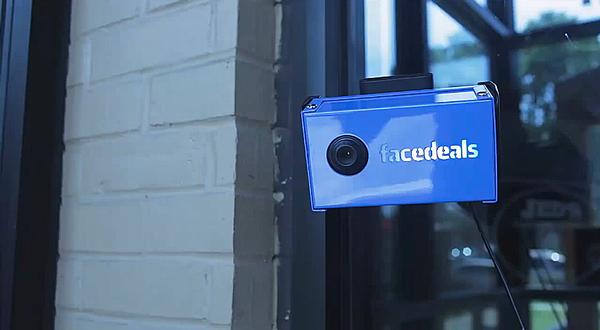
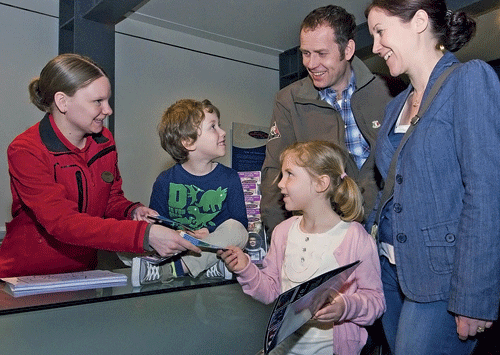
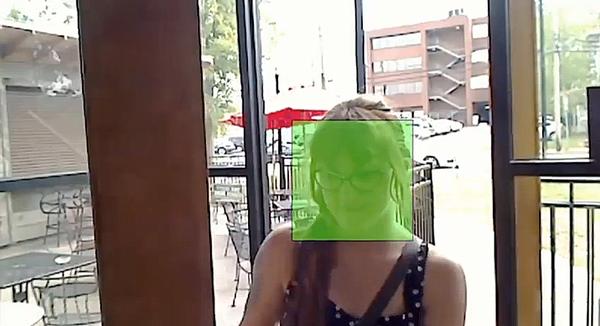
Facedeals use state-of-the-art facial recognition software to reward regular customers and visitors with special deals
Social media has long been criticised for its limited reach. Ironic, when you think that over a billion people now use Facebook. But the number of likes, shares and comments that a piece of content receives on a Facebook page is often a proportionately smaller number when compared with the eyeballs on a traditional TV ad or the circulation of a national newspaper.
One of the issues that drives this mentality is the way in which brands use social media – with a primary focus on engagement. This isn’t to say that engagement is an unworthy objective. It’s just that many social channels provide an equally important function – social proof. Regardless of the data that supports it, common sense tells us that we’re far more likely to trust a brand, buy a product or visit an attraction if it’s recommended by a friend.
E-commerce brands have long cottoned on to this reality, and it’s rare to find a successful e-shop that doesn’t allow product reviews, social shares or likes. But why has one industry embraced this tactic, while others fail to maximise its benefit? The answer to that is simple – technology.
While a website can so easily be integrated with social channels, businesses that sell experiences find technology a far more challenging and expensive barrier. For the attractions industry, this couldn’t be more true.
However, this position also allows for a much more exciting opportunity – to bridge the gap between the real world and social media. If carried out in the right manner, social channels can begin to drive reach far beyond the expectations of a normal campaign and can ensure higher engagement levels at the moment it matters most.
Let’s take a look at some of the technologies available in today’s ever-innovative social space.
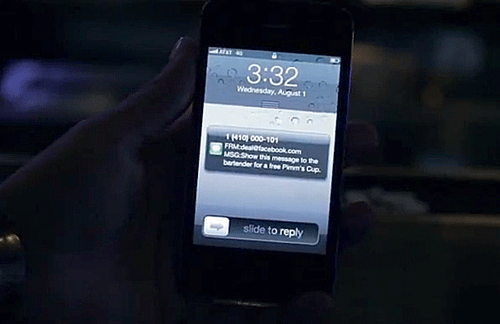
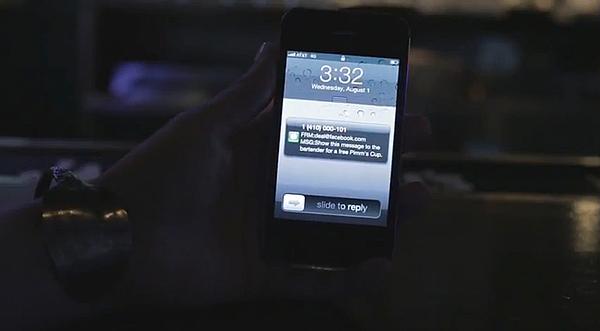
Facedeals Facedeals uses state-of-the-art facial recognition software to reward regular customers with deals. When walking into a venue with Facedeals, a camera picks up the person’s facial features, initially taken from photos on Facebook, and sends them a message with a deal, often related to their profile interests. In essence, this is the next step in Facebook check-ins.
Facebook check-ins is a powerful mechanism for businesses to deliver discounts to loyal customers, yet few businesses have realised it. Try it yourself. A search for deals in your local area will bring back a limited number of results. More often than not, the incentives for a check-in aren’t nearly enticing enough for us to take the time.
This introduces a concept that real life and social integration can benefit from. Typically, for a user to engage with brands on a social platform, it must either be highly convenient or, better yet, incentivised.
When physically at an attraction, one minute of fame is more than likely a good enough reason to check-in.
Think about this. If a Facebook user visiting your attraction sees a big digital screen at the entrance, welcoming those individuals who’ve checked-in, the incentive to appear on the screen is more than likely worth the simple action. It’s easy, it’s fun, and there is next to no barrier to entry.
How does your business benefit? Social proof and reach. Suddenly, the number of check-ins at your venue increases. Visitors’ friends see the check-in on Facebook, no doubt interact with it, and most likely seriously consider visiting themselves.
For just a limited up front investment, you’ll be able to reach out to a serious number of people in what really is the best form of advertising – that of personal recommendation.
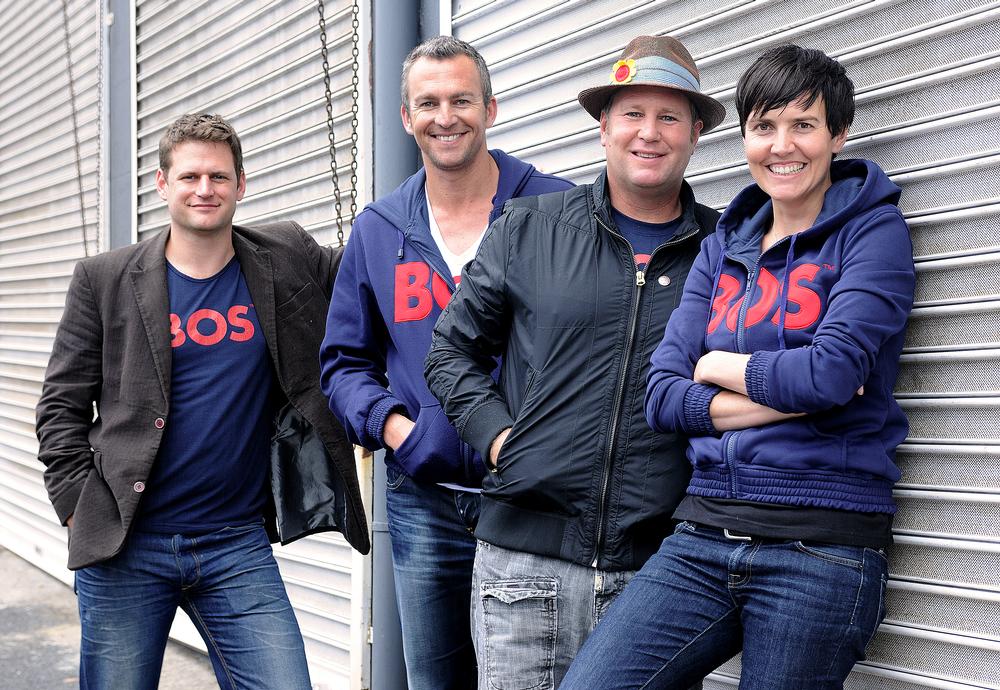
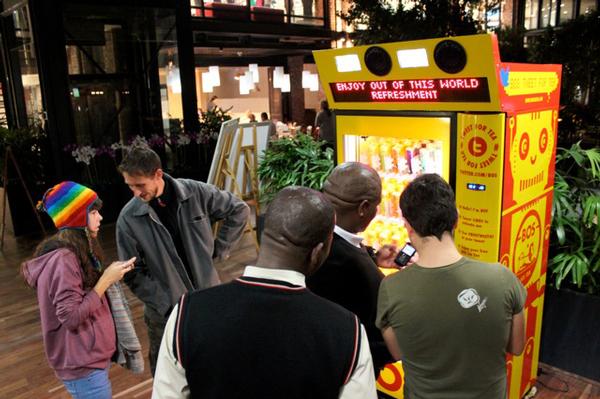
Live Twitter Activations While not one specific technology, a number of brands have taken advantage of a very simple technique. By sending a tweet with a specific handle included, individuals can activate any number of real life technologies. Take a simple vending machine. With the right application of technology and an Internet connection, sending a simple tweet can prompt a vending machine to dispense a drink or snack. BOS Ice Tea is a South African brand that has done just that, sampling their products on the streets of Cape Town via a simple hashtag.
Their goal was simple. They knew that if people tried their product, they would likely want to repurchase. The vending machine was eye catching and drew the crowds, but with Twitter as the activation tool, amplification became easy, spreading the name of the brand to those unable to taste it for themselves. While an obvious gimmick, BOS successfully brought the social space into the real world.
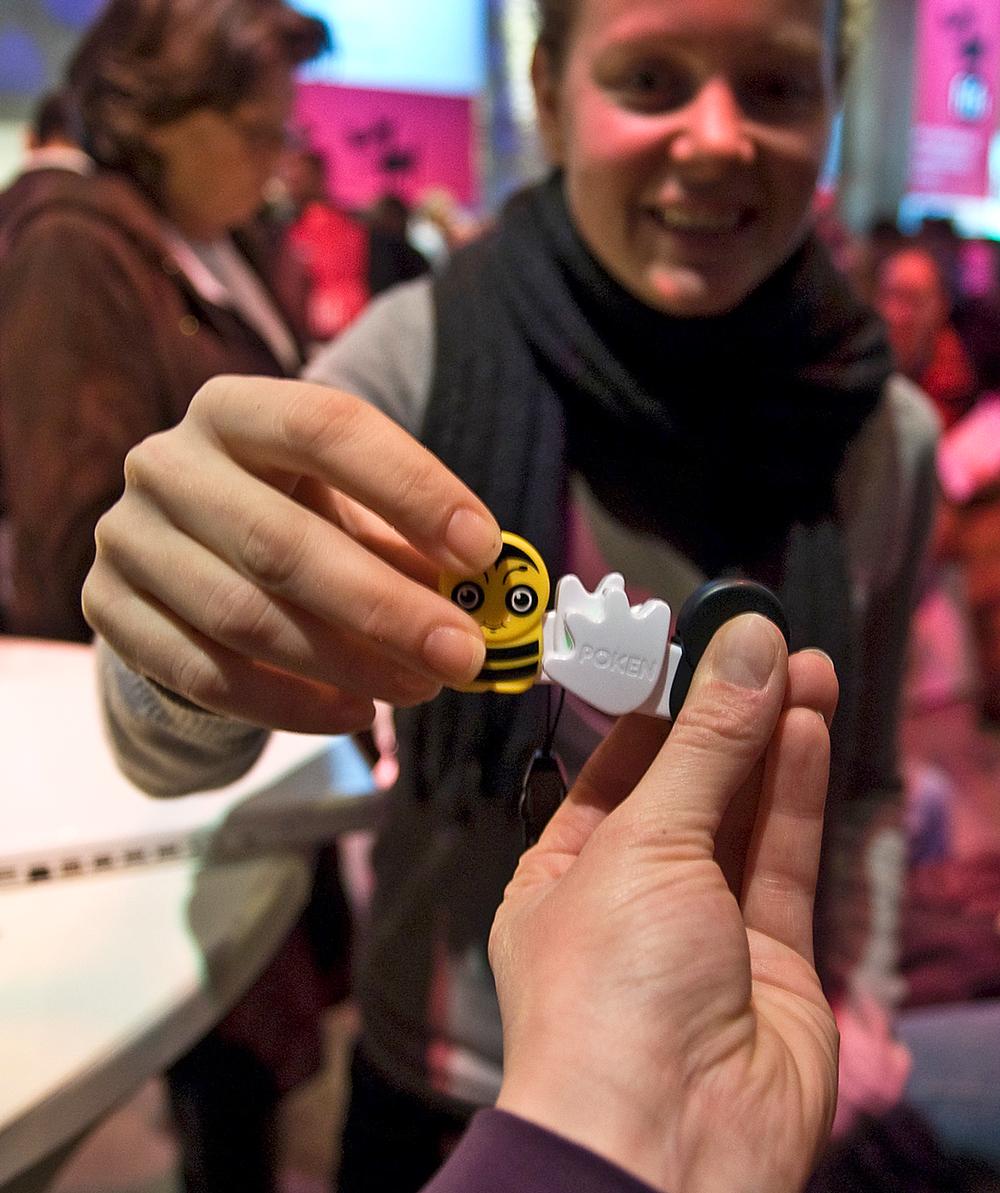
Poken Pokens are simple USB devices that use near field communication (NFC) to allow a variety of social actions. Touch two Pokens together, and you can share contact details, exchange social profiles or link up to a brand’s social platforms, all in the space of a few seconds.
With such a simple device, event visitors can immediately become fans of a brand and meet new people. It also promotes longevity, by creating an online community around an event, enabling participants to connect with their new contacts and explore the information collected on a custom branded online interface created for your event.
You can also use the Poken Game Pack to create interactive competitions and motivate participants to take specific actions in alignment with your event objectives.
As with most of these gadgets, Pokens provide a form of analytics to help measure success. You have access to the number of contact exchanges made between participants and the exact amount of digital materials collected at your event.
Instacube Originally funded by Kickstarter, the Instacube is a digital photo frame that pulls photos from any hashtag or user name from Instagram. While far from a game changer for brands, it does highlight just how simple the display of social photos can be. Consider this in a larger context, a panel of screens rotating between pictures of customers on the day they visit an event or attraction.
Customers are suddenly given a reason to include your unique hashtag in their social stream. Their friends will be exposed to photos of your venue and the hashtag itself could begin trending. While the novelty factor will draw the crowds, the biggest benefit to any brand is, of course, reach.
Find the right technology So how do brands embrace technology and leverage social channels to extend reach? All of the technologies mentioned utilise two primary tactics. Firstly, they successfully bring social media into the real world. A common mistake made by brands is the assumption that consumers see a difference between the two. In reality, social media is part of their world and its use is simply another way to communicate.
Secondly, each device gives the end user an incentive to use their social channels in a particular way. This is extremely important as it not only encourages use, but a use is dictated by the brand’s aims. And, if developed in the right manner, can extend reach and awareness on a significant level.
We all live in a digitally enabled world, where the lines between on and offline are becoming increasingly blurred. By proactively trying to blur them completely, brands don’t need to rely on customers finding their social channel and liking, sharing or engaging with their content. Until they have an explicit reason to, most customers will happily focus on the brands they have more frequent contact with. For an attractions business, there must be no barrier.
By leveraging social check-ins, likes and shares through technology, you ensure that your customers will share their visit with friends. On Facebook specifically, this has two enormous benefits. Firstly, EdgeRank ensures Facebook users only see what’s most relevant to them, based on how they engage with friends or brands. As a result, users will see far more interactions with a brand through the people they engage with daily, over original posts made by the brand itself. With people sharing their own pictures and check-ins, but ensuring that your brand is associated to it, we don’t need to rely on a continuous feed of unique and interesting social content. As brands, we can achieve the ultimate desire of user-generated content.
Secondly, and to the first objective raised in this article, technology drives reach. It amplifies what your customers are already doing online and aligns it with your brand’s objectives. Only then can we begin to see the big numbers traditional advertisers love to talk about.
To deliver a cohesive social strategy using real world technology, put yourself in your customers’ shoes. What would encourage them to interact on their chosen channels? How can this be leveraged and what are the technologies you need to make it a reality?
Fundamentally, if you apply the rule, ‘keep it easy, keep it fun’, you will find that social media can go far beyond the impact of more traditional channels.
Read more from this issue of Attractions Management magazine
View contents of Attractions Management 2013 issue 4
Profile: Joe Schott
The COO of Disneyland Paris talks about
the park's new immersive Ratatouille
dark ride, which is slated to open in 2014,
and how the park has evolved from an
American theme park to a European one
Facedeals use state-of-the-art facial recognition software to reward regular customers and visitors with special deals
Facedeals use state-of-the-art facial recognition software to reward regular customers and visitors with special deals
The BOS Ice Tea team trialed its product on the streets by tweeting a hashtag that activated a vending machine and dispensed a free drink
(Above and left) the BOS Ice Tea team trialed its product on the streets by tweeting a hashtag that activated a vending machine and dispensed a free drink
With Poken, visitors can instantly become a brand fan and meet new people
Instacube: An attraction could display a screen of rotating images of customers on the day they visit the site
COMPANY PROFILES
Painting With Light
By combining lighting, video, scenic and architectural elements, sound and special effects we tell s [more...]
Facedeals use state-of-the-art facial recognition software to reward regular customers and visitors with special deals
Social media has long been criticised for its limited reach. Ironic, when you think that over a billion people now use Facebook. But the number of likes, shares and comments that a piece of content receives on a Facebook page is often a proportionately smaller number when compared with the eyeballs on a traditional TV ad or the circulation of a national newspaper.
One of the issues that drives this mentality is the way in which brands use social media – with a primary focus on engagement. This isn’t to say that engagement is an unworthy objective. It’s just that many social channels provide an equally important function – social proof. Regardless of the data that supports it, common sense tells us that we’re far more likely to trust a brand, buy a product or visit an attraction if it’s recommended by a friend.
E-commerce brands have long cottoned on to this reality, and it’s rare to find a successful e-shop that doesn’t allow product reviews, social shares or likes. But why has one industry embraced this tactic, while others fail to maximise its benefit? The answer to that is simple – technology.
While a website can so easily be integrated with social channels, businesses that sell experiences find technology a far more challenging and expensive barrier. For the attractions industry, this couldn’t be more true.
However, this position also allows for a much more exciting opportunity – to bridge the gap between the real world and social media. If carried out in the right manner, social channels can begin to drive reach far beyond the expectations of a normal campaign and can ensure higher engagement levels at the moment it matters most.
Let’s take a look at some of the technologies available in today’s ever-innovative social space.
Facedeals Facedeals uses state-of-the-art facial recognition software to reward regular customers with deals. When walking into a venue with Facedeals, a camera picks up the person’s facial features, initially taken from photos on Facebook, and sends them a message with a deal, often related to their profile interests. In essence, this is the next step in Facebook check-ins.
Facebook check-ins is a powerful mechanism for businesses to deliver discounts to loyal customers, yet few businesses have realised it. Try it yourself. A search for deals in your local area will bring back a limited number of results. More often than not, the incentives for a check-in aren’t nearly enticing enough for us to take the time.
This introduces a concept that real life and social integration can benefit from. Typically, for a user to engage with brands on a social platform, it must either be highly convenient or, better yet, incentivised.
When physically at an attraction, one minute of fame is more than likely a good enough reason to check-in.
Think about this. If a Facebook user visiting your attraction sees a big digital screen at the entrance, welcoming those individuals who’ve checked-in, the incentive to appear on the screen is more than likely worth the simple action. It’s easy, it’s fun, and there is next to no barrier to entry.
How does your business benefit? Social proof and reach. Suddenly, the number of check-ins at your venue increases. Visitors’ friends see the check-in on Facebook, no doubt interact with it, and most likely seriously consider visiting themselves.
For just a limited up front investment, you’ll be able to reach out to a serious number of people in what really is the best form of advertising – that of personal recommendation.
Live Twitter Activations While not one specific technology, a number of brands have taken advantage of a very simple technique. By sending a tweet with a specific handle included, individuals can activate any number of real life technologies. Take a simple vending machine. With the right application of technology and an Internet connection, sending a simple tweet can prompt a vending machine to dispense a drink or snack. BOS Ice Tea is a South African brand that has done just that, sampling their products on the streets of Cape Town via a simple hashtag.
Their goal was simple. They knew that if people tried their product, they would likely want to repurchase. The vending machine was eye catching and drew the crowds, but with Twitter as the activation tool, amplification became easy, spreading the name of the brand to those unable to taste it for themselves. While an obvious gimmick, BOS successfully brought the social space into the real world.
Poken Pokens are simple USB devices that use near field communication (NFC) to allow a variety of social actions. Touch two Pokens together, and you can share contact details, exchange social profiles or link up to a brand’s social platforms, all in the space of a few seconds.
With such a simple device, event visitors can immediately become fans of a brand and meet new people. It also promotes longevity, by creating an online community around an event, enabling participants to connect with their new contacts and explore the information collected on a custom branded online interface created for your event.
You can also use the Poken Game Pack to create interactive competitions and motivate participants to take specific actions in alignment with your event objectives.
As with most of these gadgets, Pokens provide a form of analytics to help measure success. You have access to the number of contact exchanges made between participants and the exact amount of digital materials collected at your event.
Instacube Originally funded by Kickstarter, the Instacube is a digital photo frame that pulls photos from any hashtag or user name from Instagram. While far from a game changer for brands, it does highlight just how simple the display of social photos can be. Consider this in a larger context, a panel of screens rotating between pictures of customers on the day they visit an event or attraction.
Customers are suddenly given a reason to include your unique hashtag in their social stream. Their friends will be exposed to photos of your venue and the hashtag itself could begin trending. While the novelty factor will draw the crowds, the biggest benefit to any brand is, of course, reach.
Find the right technology So how do brands embrace technology and leverage social channels to extend reach? All of the technologies mentioned utilise two primary tactics. Firstly, they successfully bring social media into the real world. A common mistake made by brands is the assumption that consumers see a difference between the two. In reality, social media is part of their world and its use is simply another way to communicate.
Secondly, each device gives the end user an incentive to use their social channels in a particular way. This is extremely important as it not only encourages use, but a use is dictated by the brand’s aims. And, if developed in the right manner, can extend reach and awareness on a significant level.
We all live in a digitally enabled world, where the lines between on and offline are becoming increasingly blurred. By proactively trying to blur them completely, brands don’t need to rely on customers finding their social channel and liking, sharing or engaging with their content. Until they have an explicit reason to, most customers will happily focus on the brands they have more frequent contact with. For an attractions business, there must be no barrier.
By leveraging social check-ins, likes and shares through technology, you ensure that your customers will share their visit with friends. On Facebook specifically, this has two enormous benefits. Firstly, EdgeRank ensures Facebook users only see what’s most relevant to them, based on how they engage with friends or brands. As a result, users will see far more interactions with a brand through the people they engage with daily, over original posts made by the brand itself. With people sharing their own pictures and check-ins, but ensuring that your brand is associated to it, we don’t need to rely on a continuous feed of unique and interesting social content. As brands, we can achieve the ultimate desire of user-generated content.
Secondly, and to the first objective raised in this article, technology drives reach. It amplifies what your customers are already doing online and aligns it with your brand’s objectives. Only then can we begin to see the big numbers traditional advertisers love to talk about.
To deliver a cohesive social strategy using real world technology, put yourself in your customers’ shoes. What would encourage them to interact on their chosen channels? How can this be leveraged and what are the technologies you need to make it a reality?
Fundamentally, if you apply the rule, ‘keep it easy, keep it fun’, you will find that social media can go far beyond the impact of more traditional channels.
Read more from this issue of Attractions Management magazine
View contents of Attractions Management 2013 issue 4
Profile: Joe Schott
The COO of Disneyland Paris talks about
the park's new immersive Ratatouille
dark ride, which is slated to open in 2014,
and how the park has evolved from an
American theme park to a European one
Facedeals use state-of-the-art facial recognition software to reward regular customers and visitors with special deals
Facedeals use state-of-the-art facial recognition software to reward regular customers and visitors with special deals
The BOS Ice Tea team trialed its product on the streets by tweeting a hashtag that activated a vending machine and dispensed a free drink
(Above and left) the BOS Ice Tea team trialed its product on the streets by tweeting a hashtag that activated a vending machine and dispensed a free drink
With Poken, visitors can instantly become a brand fan and meet new people
Instacube: An attraction could display a screen of rotating images of customers on the day they visit the site
Abu Dhabi-based investment firm Mubadala Capital has made a binding, fully financed
€1 billion
offer to acquire Pierre and Vacances SA, the European holiday resort operator behind the
continental European Center Parcs business.
Expo 2030 Riyadh is being planned as a permanent visitor destination, with organisers
confirming the six-million-square-metre site will become a Global Village after the event closes.
The owner of one of Australia's best-known waterparks has acquired a major competitor,
creating a new attractions business spanning two of the country's largest visitor destinations.
The Toverland theme park in the Netherlands has announced a €98m expansion programme
that will add a resort, new attractions and staff facilities as it pursues plans to become a multi-
day destination.
Hotel de France, located on the British Isle of Jersey, has created a wellness retreat package
that includes a hot yoga session that will take place in Jersey Zoo’s butterfly sanctuary.
A new immersive attraction designed to transport visitors into the final hours of ancient Pompeii
is preparing to open near the world-famous archaeological site in southern Italy.
Experience design company, BRC Imagination Arts, has completed a transition that sees founder
Bob Rogers pass ownership of the business to four long-serving senior executives, while
remaining actively involved with the company.
Movie Park Germany has opened a new Paramount Pictures-themed attraction as part of its 30th
anniversary celebrations, using immersive storytelling and adaptive reuse to reinforce the park’s
longstanding “Hollywood in Germany” positioning.
Therme Manchester’s 28-acre development, which will include interconnected glass pavilions
that measure 65,000sq m, will be the largest bathing and wellbeing attraction in the world once
complete, according to prof David Russell, CEO of Therme UK.
Efteling has opened Hooghmoed, a new family drop tower designed to broaden the appeal of its
recently launched Sirene Island themed area and introduce younger visitors to thrill attractions.
+ More news
COMPANY PROFILES
Painting With Light By combining lighting, video, scenic and architectural elements, sound and special effects we tell s [more...]