Nearly 250 spa professionals gathered recently in the Caucasus
thermal springs region of Russia for the fourth annual Spa & Wellness
International Congress. Lisa Starr was there, and reports on the highlights
By Lisa Starr | Published in Spa Business 2018 issue 1
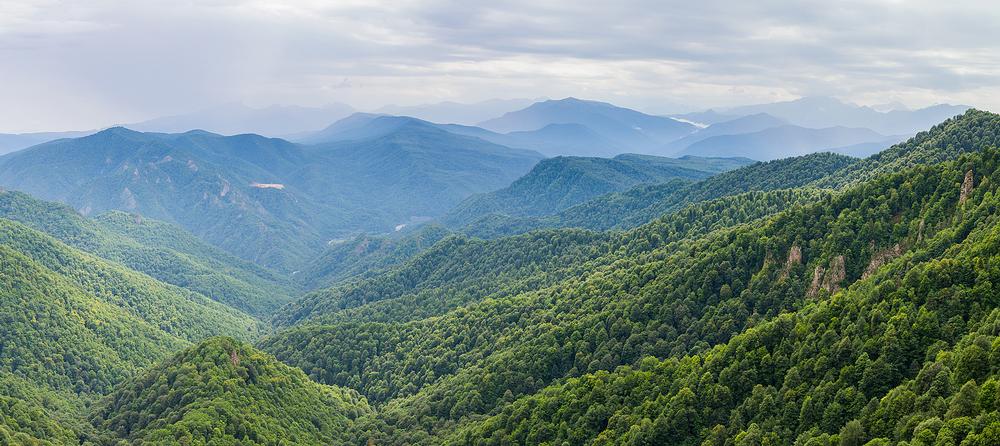
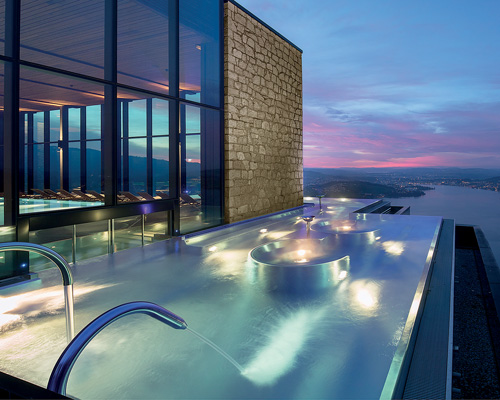
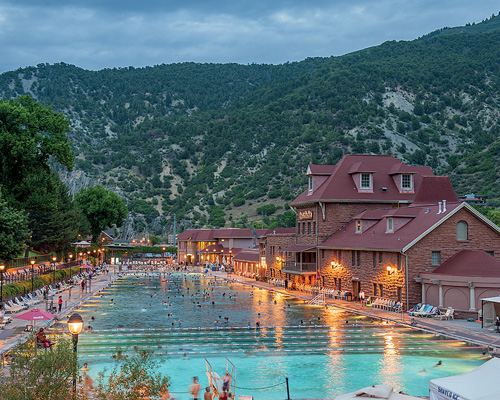
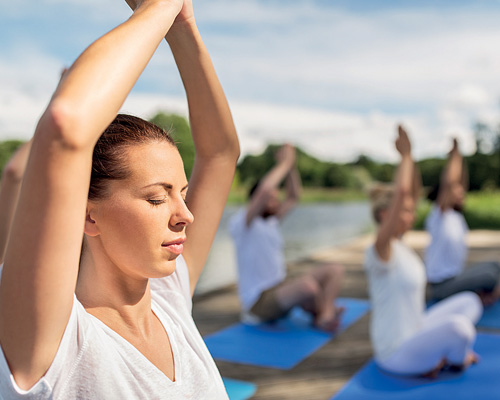
The congress was held in Russia’s Caucasus region, which boasts a large number of thermal springs / shutterstock
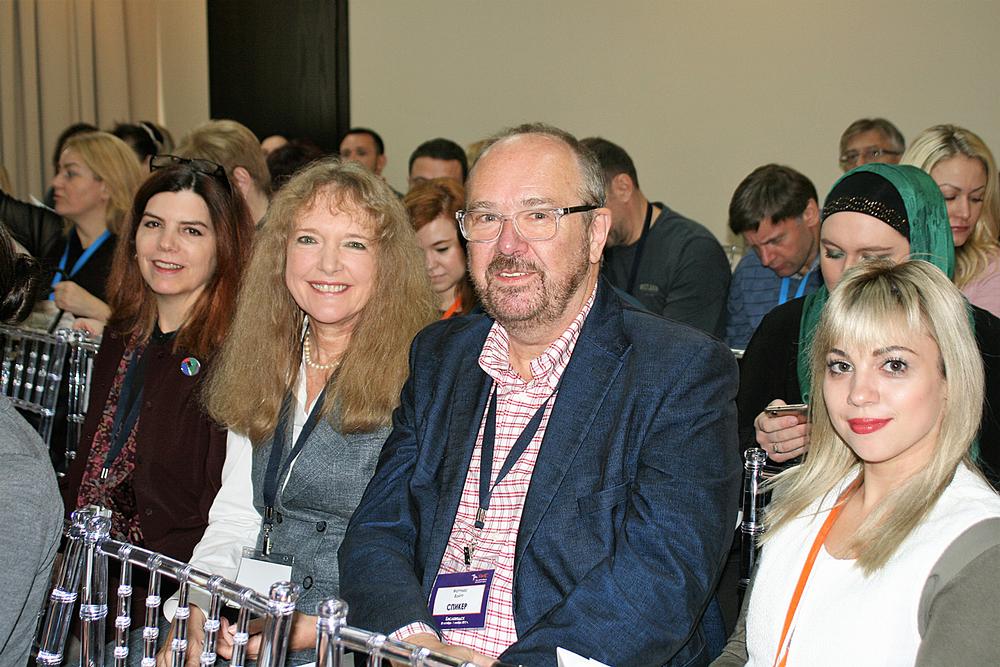
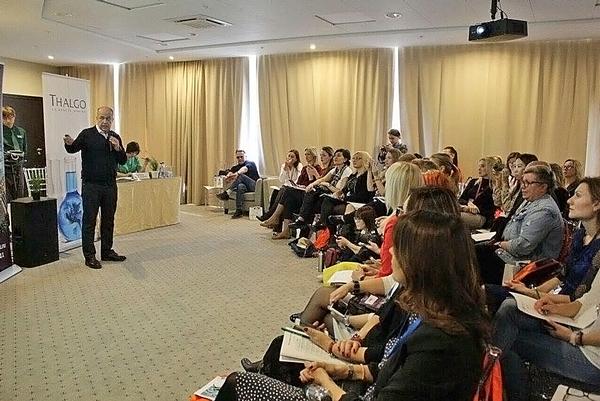
Organised by the Spa & Wellness International Council, headed by Elena Bogacheva, the Spa & Wellness International Congress, or SWIC, presents a wide variety of speakers and topics for the Russian and Russian-speaking spa world. November’s event saw 250 people – the largest number yet – from Russia, Belarus, Ukraine, Latvia and Lithuania come together for three days of workshops and conferences.
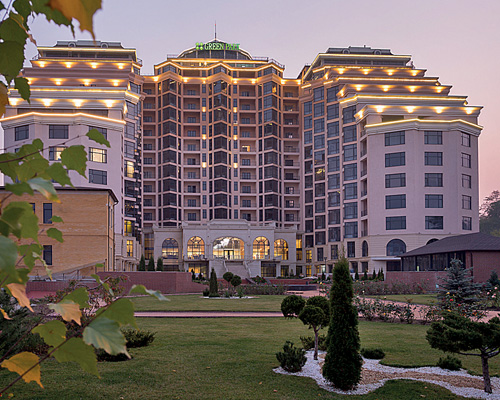
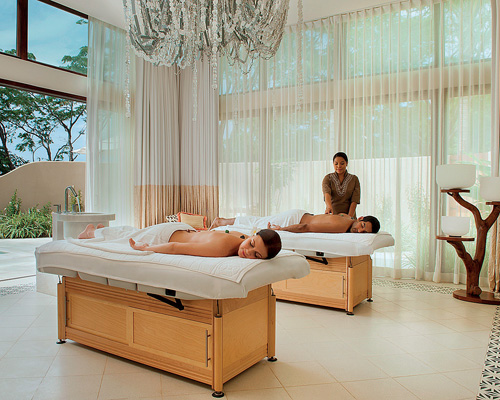
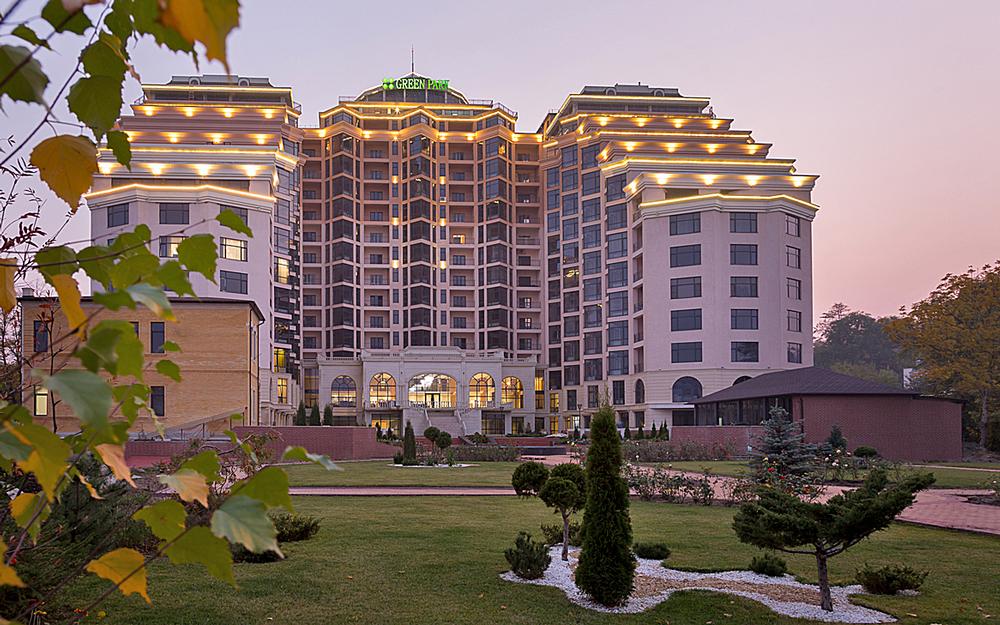
The event served as the test for the Green Resort Hotel & Spa in its soft opening phase. Perched on a hill above a river, the hotel is located in Kislovodsk, one of four thermal cities in this part of Russia. The hotel is a well-designed and modern space that features a large spa and pool complex on the ground floor, overlooking a rose garden. This year, 56 speakers made presentations over three days, covering topics including staff management, wellness tourism, psychology in spas and marketing.
According to the most recent Global Wellness Institute statistics, Russia ranks 8th in the world for the number of spas, with more than 3,000 locations, mostly in large cities, and is also fourth on the list of thermal spring areas, with over 800 establishments. Because of visa and language issues, international tourism to Russia is flat, but domestic tourism is strong, with between 33-36 million annual travellers. According to the Russian Union of Travel Industry, domestic tourism is growing between 8 and 10 per cent a year.
The market is very interested in wellness tourism, and the Russian Ministry of Health reports that only 30 per cent of Russians express satisfaction with wellness visits abroad, feeling that their home market provides a better experience. The Russian Federation has a Strategy of Development of Tourism in place up to the year 2020, which aims to improve the quality and competitiveness of their tourism products for both domestic and international visitors, indicating a growing opportunity in this region for spas and wellness-related businesses.
Some highlights from the myriad conference lectures include a presentation by Marion Schneider of Germany’s Toskana Therme on the economic effect of a therme, with her three current facilities providing a strong foundation for growth and tourism in their villages.
Gennady Bartukhin, president of the National Bath Federation, shared his organisation’s plans for a National Bath Museum in Moscow, and Gayane Suriakhina, director of La Salute Fitness Club & Spa, gave a detailed presentation on the best metrics to create revenue in a club spa.
Neurobiologist Dr Claudia Aguirre shared her findings on skin and beauty synergies with the brain, and local marketing guru Roman Tarasenko gave ideas and examples for current successful marketing strategies.
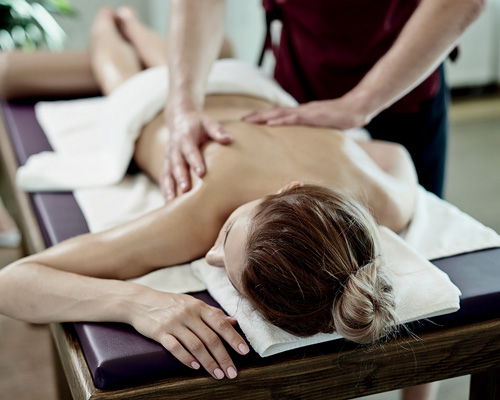
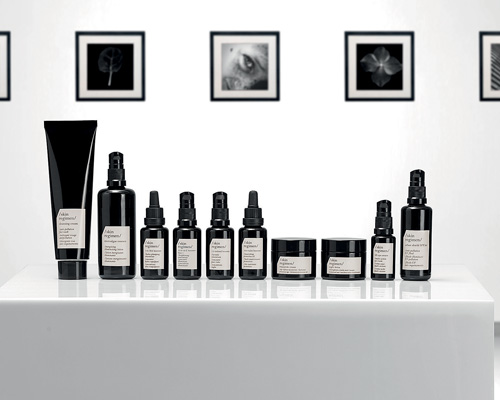
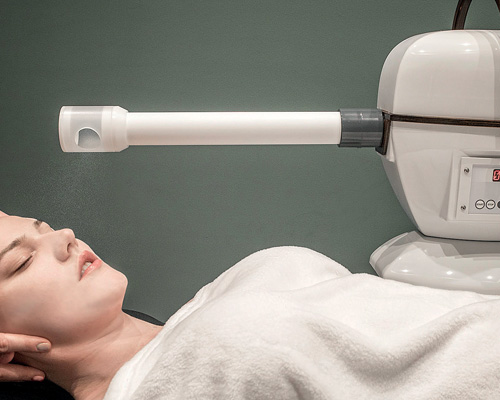
There was also a small expo with global and local brand and equipment sponsors including Thalgo, Comfort Zone, Sundari and Iyashi Dome, where attendees could browse the latest offerings from these companies, while demonstrations and spa treatments were available in the spa.
The fourth day of the congress offered tours of local sanatoriums and some other cultural activities, including a wine, olive oil, cheese and honey tasting by a local organic grower and vintner. Attendees also had the opportunity to sample local tea and herbs and visit the arcade of mineral waters, where they could try some of the different waters available from fountains. The evening culminated with the Perfect Spa Awards and Gala Dinner, which honoured local Russian spas across a variety of categories, and saw the Doville Hotel & Spa in Anapa, Russia, named as Perfect Spa of the Year.
The next SWIC Congress is set to take place 3-6 November 2018 in Astana, Kazakhstan. “We’re planning to attract more professionals from Asian countries,” says Bogacheva. “Alongside the business topics for spa owners and managers, the agenda will also comprise two scientific conferences devoted to anti-ageing technologies and integrative medicine.”
Read more from this issue of Attractions Management magazine
View contents of Attractions Management 2018 issue 1
Promotional feature: Oakworks
Dafne Berlanga, vice president of international business
development of Oakworks, discusses the importance of sustainability
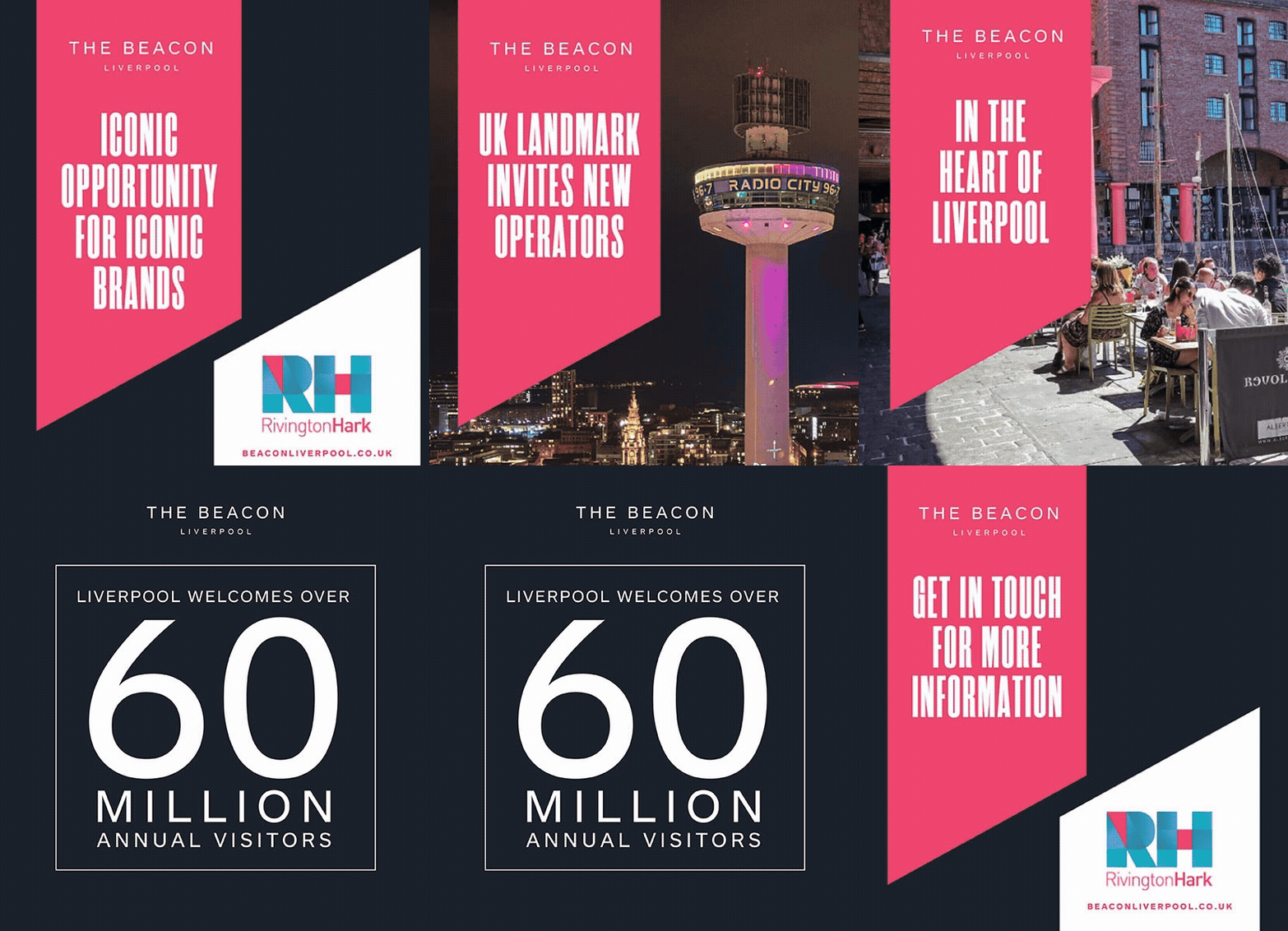
An opportunity to reimagine one of the UK’s most recognisable towers has been formally
opened by Rivington Hark, as St Johns Beacon invites operators and partners to shape its
next phase. [more...]
Nearly 250 spa professionals gathered recently in the Caucasus
thermal springs region of Russia for the fourth annual Spa & Wellness
International Congress. Lisa Starr was there, and reports on the highlights
By Lisa Starr | Published in Spa Business 2018 issue 1
The congress was held in Russia’s Caucasus region, which boasts a large number of thermal springs / shutterstock
Organised by the Spa & Wellness International Council, headed by Elena Bogacheva, the Spa & Wellness International Congress, or SWIC, presents a wide variety of speakers and topics for the Russian and Russian-speaking spa world. November’s event saw 250 people – the largest number yet – from Russia, Belarus, Ukraine, Latvia and Lithuania come together for three days of workshops and conferences.
The event served as the test for the Green Resort Hotel & Spa in its soft opening phase. Perched on a hill above a river, the hotel is located in Kislovodsk, one of four thermal cities in this part of Russia. The hotel is a well-designed and modern space that features a large spa and pool complex on the ground floor, overlooking a rose garden. This year, 56 speakers made presentations over three days, covering topics including staff management, wellness tourism, psychology in spas and marketing.
According to the most recent Global Wellness Institute statistics, Russia ranks 8th in the world for the number of spas, with more than 3,000 locations, mostly in large cities, and is also fourth on the list of thermal spring areas, with over 800 establishments. Because of visa and language issues, international tourism to Russia is flat, but domestic tourism is strong, with between 33-36 million annual travellers. According to the Russian Union of Travel Industry, domestic tourism is growing between 8 and 10 per cent a year.
The market is very interested in wellness tourism, and the Russian Ministry of Health reports that only 30 per cent of Russians express satisfaction with wellness visits abroad, feeling that their home market provides a better experience. The Russian Federation has a Strategy of Development of Tourism in place up to the year 2020, which aims to improve the quality and competitiveness of their tourism products for both domestic and international visitors, indicating a growing opportunity in this region for spas and wellness-related businesses.
Some highlights from the myriad conference lectures include a presentation by Marion Schneider of Germany’s Toskana Therme on the economic effect of a therme, with her three current facilities providing a strong foundation for growth and tourism in their villages.
Gennady Bartukhin, president of the National Bath Federation, shared his organisation’s plans for a National Bath Museum in Moscow, and Gayane Suriakhina, director of La Salute Fitness Club & Spa, gave a detailed presentation on the best metrics to create revenue in a club spa.
Neurobiologist Dr Claudia Aguirre shared her findings on skin and beauty synergies with the brain, and local marketing guru Roman Tarasenko gave ideas and examples for current successful marketing strategies.
There was also a small expo with global and local brand and equipment sponsors including Thalgo, Comfort Zone, Sundari and Iyashi Dome, where attendees could browse the latest offerings from these companies, while demonstrations and spa treatments were available in the spa.
The fourth day of the congress offered tours of local sanatoriums and some other cultural activities, including a wine, olive oil, cheese and honey tasting by a local organic grower and vintner. Attendees also had the opportunity to sample local tea and herbs and visit the arcade of mineral waters, where they could try some of the different waters available from fountains. The evening culminated with the Perfect Spa Awards and Gala Dinner, which honoured local Russian spas across a variety of categories, and saw the Doville Hotel & Spa in Anapa, Russia, named as Perfect Spa of the Year.
The next SWIC Congress is set to take place 3-6 November 2018 in Astana, Kazakhstan. “We’re planning to attract more professionals from Asian countries,” says Bogacheva. “Alongside the business topics for spa owners and managers, the agenda will also comprise two scientific conferences devoted to anti-ageing technologies and integrative medicine.”
Read more from this issue of Attractions Management magazine
View contents of Attractions Management 2018 issue 1
Promotional feature: Oakworks
Dafne Berlanga, vice president of international business
development of Oakworks, discusses the importance of sustainability
Hotel de France, located on the British Isle of Jersey, has created a wellness retreat package
that includes a hot yoga session that will take place in Jersey Zoo’s butterfly sanctuary.
A new immersive attraction designed to transport visitors into the final hours of ancient Pompeii
is preparing to open near the world-famous archaeological site in southern Italy.
Experience design company, BRC Imagination Arts, has completed a transition that sees founder
Bob Rogers pass ownership of the business to four long-serving senior executives, while
remaining actively involved with the company.
Movie Park Germany has opened a new Paramount Pictures-themed attraction as part of its 30th
anniversary celebrations, using immersive storytelling and adaptive reuse to reinforce the park’s
longstanding “Hollywood in Germany” positioning.
Therme Manchester’s 28-acre development, which will include interconnected glass pavilions
that measure 65,000sq m, will be the largest bathing and wellbeing attraction in the world once
complete, according to prof David Russell, CEO of Therme UK.
Efteling has opened Hooghmoed, a new family drop tower designed to broaden the appeal of its
recently launched Sirene Island themed area and introduce younger visitors to thrill attractions.
A proposed Puy du Fou development near Bicester and Universal Destinations and Experiences’
planned resort in Bedford are emerging as part of a wider transformation of the Oxford–
Cambridge Growth Corridor into a major centre for UK leisure and tourism inv
Shedd Aquarium has opened the Immersion Theater developed in partnership with SimEx-
Iwerks, as part of a wider strategy to enhance the guest experience and create additional
revenue opportunities.
The UK government has announced a temporary reduction in VAT on visitor attractions and
children’s meals as part of a summer cost-of-living support package designed to stimulate the
visitor economy and encourage family days out.
As designer Yinka Ilori prepares for his first solo gallery show in London, he speaks exclusively
to CLADmag about his mission to spread joy, the power of play, and his bold approach to using
colour (including the colours you won’t see in his work).
The government of Thailand is exploring plans for a THB300bn (£6.3bn, US$8.3bn)
entertainment complex in the country’s Eastern Economic Corridor (EEC), with officials
proposing a large-scale theme park and sports destination as part of a broader tourism and
economic development strategy.
+ More news
COMPANY PROFILES
Sally Corporation Our services include: Dark ride design & build; Redevelopment of existing attractions; High-quality [more...]
An opportunity to reimagine one of the UK’s most recognisable towers has been formally
opened by Rivington Hark, as St Johns Beacon invites operators and partners to shape its
next phase. [more...]