Nicolas Ronco is taking the next step with his successful urban
day spa model, offering it as a franchise in major cities.
Jane Kitchen finds out what makes YeloSpa different
By Jane Kitchen | Published in Spa Business 2018 issue 1
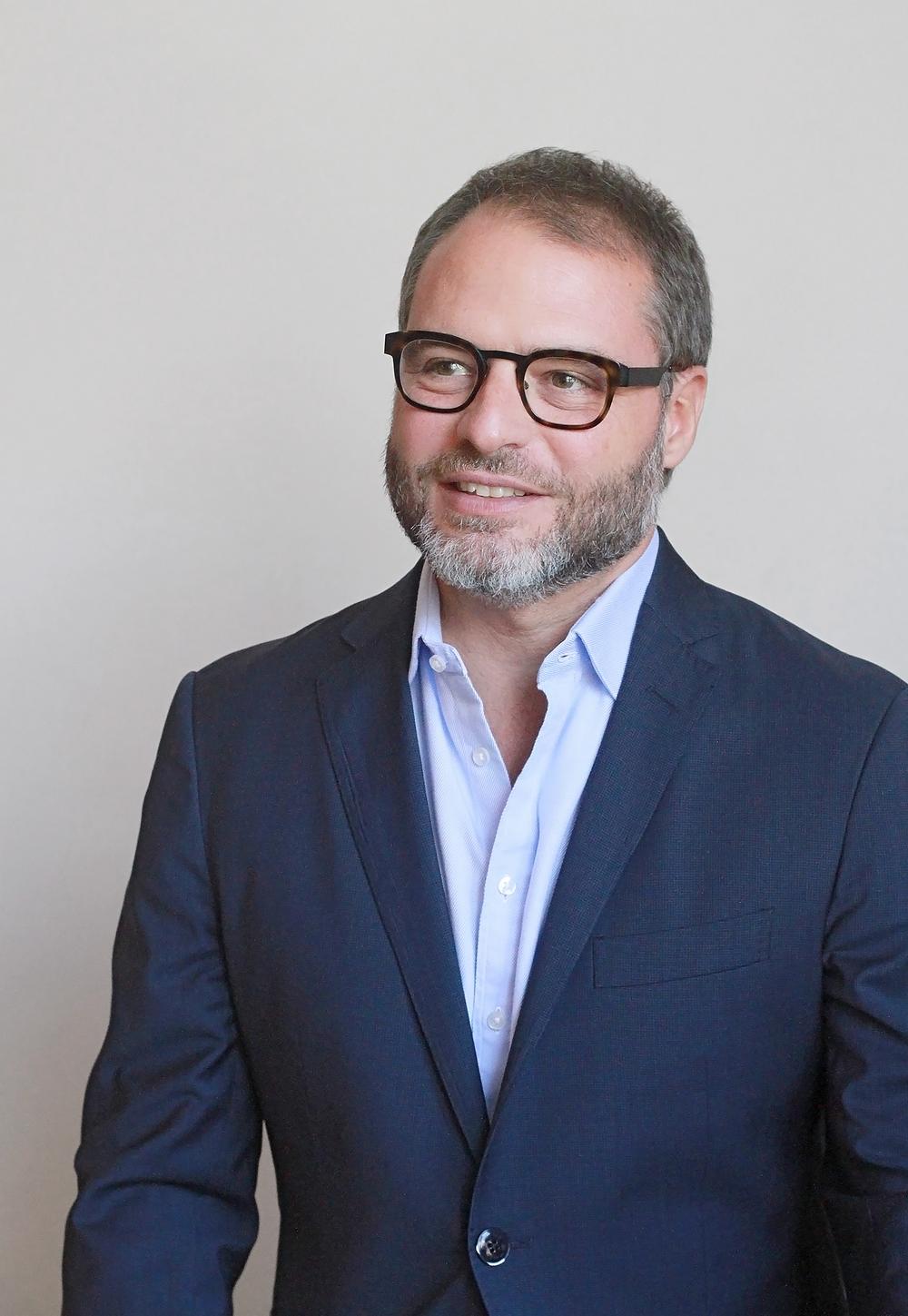
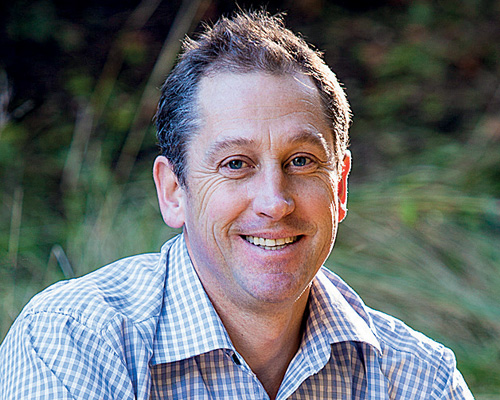
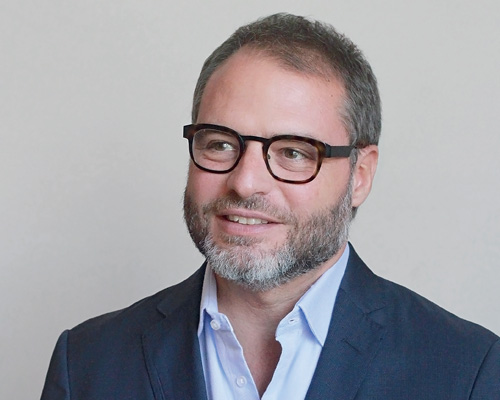
Ronco founded the first YeloSpa in 2007; he’s now offering the model for franchise
More than half of the world’s population now lives in cities – and that number is projected to grow to 60 per cent by 2030. But urban living does not always equal well living – pollution, stress and a fast-paced life often take their toll on city dwellers. Nicolas Ronco, founder of New York-based YeloSpa, thinks he’s found the key to helping the time-starved urban consumer work wellness into their busy schedules in a way that fits their needs.
Yelo’s flagship New York location was opened in 2007, and another one followed in Puerto Rico; Ronco says the time is right to grow the business, and he’s now offering it on a franchise basis in major cities.
“The goal is to capture a niche that is not catered for today,” says Ronco. “Most franchises address a very different market – the suburban market – and none of those brands have been able to be in these urban, high-cost centres. We’ve really cracked the code of how to make it work in a very busy and expensive city like New York.”
Urban model Yelo’s model is tailored for those urban centres, and as such, Ronco hopes to see locations in major US cities like Chicago, San Francisco, Los Angeles and Miami, along with international hot spots like London, Paris, Tokyo and Sydney. His goal is to have 150-200 YeloSpa franchises within the next five to seven years.
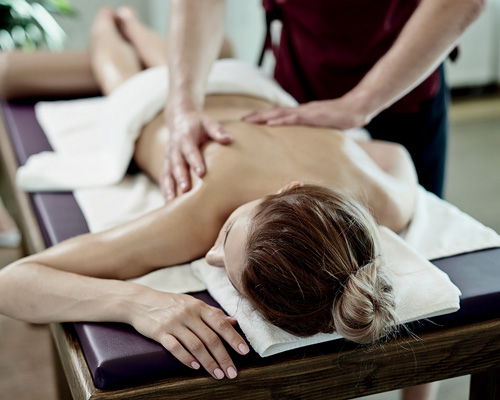
Yelo’s model simplifies the spa menu into three basic categories: massage, skincare and sleep. It also uses a unique price-per-minute option, which lets guests book treatments in lengths from 30 minutes in 10-minute increments. Clients choose the length of their session, what treatments they’d like included, and what music and aromatherapy they want used.
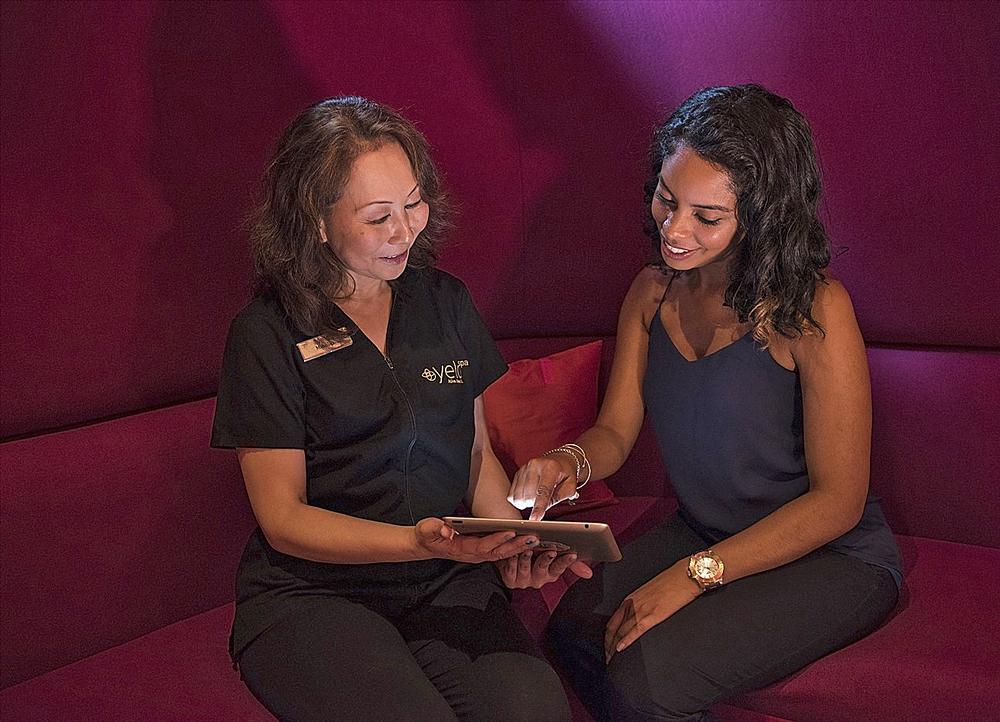
“We want to make sure we can fit into people’s schedules – and people’s wallet,” explains Ronco. “In many high-end spas, you’re stuck with therapists who are obsessed with rituals,” says Ronco. At Yelo, after a consultation, a therapist will suggest what the treatment should look like based on how the customer is feeling, and what they need most that day. That could be 20 minutes of reflexology, followed by a massage focusing on a sore shoulder, topped off with a 10-minute nap.
Sleep It’s also the focus on sleep – which Ronco keyed into 10 years ago when he opened the first Yelo location – that has set the high-end day spa apart. “When we opened initially as a spa that offered napping, people thought we were crazy,” says Ronco. “Today, people see us as visionary.”
Ronco says his realisation that, especially in big cities, most people are sleep-deprived, led him to develop the napping options. “We felt that there was a huge potential – a huge market in the US to help people with their sleep problems,” he says. “As a result, we built an environment that’s very conducive to provoking a quick relaxation effect.”
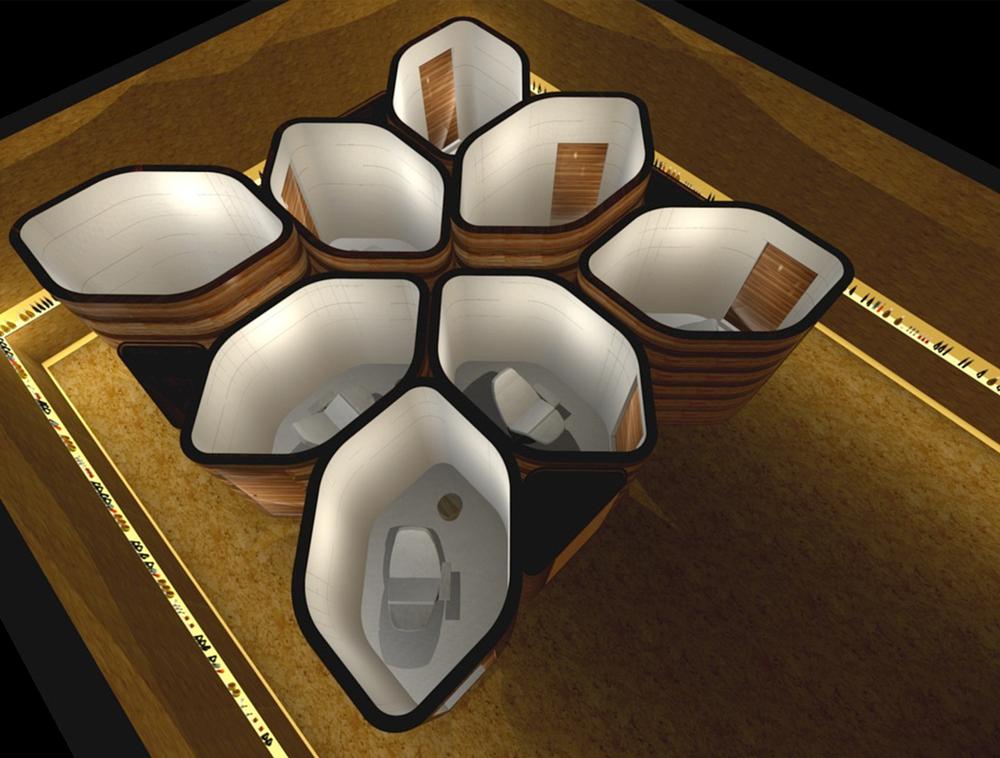
Central to that environment is the patented Yelo Cab – a hexagonal spa cabin that features curved walls, LED lights, aromatherapy and special pillows. The cabins are fitted with a Yelo Bed – a zero-gravity treatment bed – and can be used for any of Yelo’s treatments, from massage to skincare to napping.
Napping treatments combine the zero gravity position with aromatherapy and the right light levels and noise or music, which “lulls them into a perfect state of relaxation so they can fall asleep instantly,” says Ronco. A simulated sunrise gently wakes them at the end. The nap is key to the YeloSpa model, and once guests experience it, they’re often hooked. “We have a much higher frequency of visit than the average day spa, because we take this holistic approach, and we use sleep as the backbone of our wellness offering.”
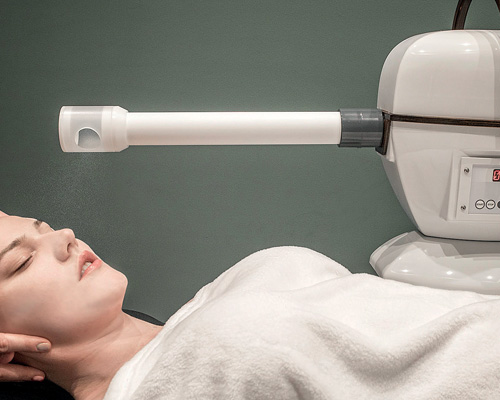
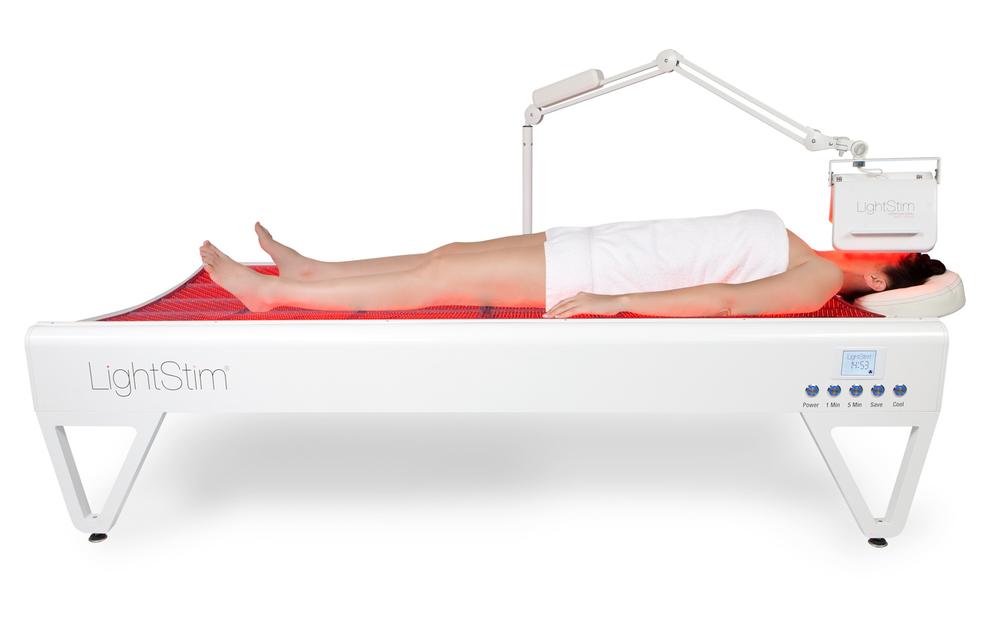
Ronco has also just introduced the Light Stim bed, which uses LED lights to relieve pain and promote circulation; at US$300 for a 55-minute session, it’s one of the pricier items on YeloSpa’s menu.
Modular comfort The Yelo Cabs are modular and fit together seamlessly, much like a beehive – which is where Ronco drew his inspiration for the units. He developed the 7sq m (74sq ft) Yelo Cabs with help from a Harvard professor who specialises in sleep, and who created “a pod for ultimate relaxation”. The Cabs have been tested on real people – including those who suffer from claustrophobia – in order to ensure a high level of comfort.
“The feedback we got was that they felt like they were back in the womb, in a very motherly way,” says Ronco. But the Yelo Cab is more than a safe space; it’s also versatile. “This one cocoon can accommodate either a massage client or a skincare client or a napping client – or someone who would want to combine all of those treatments in one place,” says Ronco.
Guests can control the sound, lighting and smell; there are five different aromatherapy scents to choose from and 12 different sound and music options, including white noise. Yelo Cabs are also transportable, and can be assembled and reassembled, which makes them ideal for corporate campuses, malls, airports, or work-sharing spaces like WeWork (see pages 86-89) – all of which Ronco sees as a big part of the Yelo expansion model.
“The market in health and wellness has really been growing rapidly in the past 10 years,” he says. “People are becoming way better informed, and they’re becoming obsessed with their health and wellbeing.”
Franchisees In the franchise model, YeloSpa franchisees pay a US$45,000 (€38,000, £33,000) upfront fee, along with pre-opening fees and the cost of hardware like the Yelo Cabs and Yelo Beds, and then a 7 per cent royalty fee monthly – 2 per cent of which is reinvested in the marketing of the brand. Franchisees must take a minimum of five Yelo Cab cabins, with a footprint of 1,500sq ft (140sq m), but can go bigger to customise for their setting.
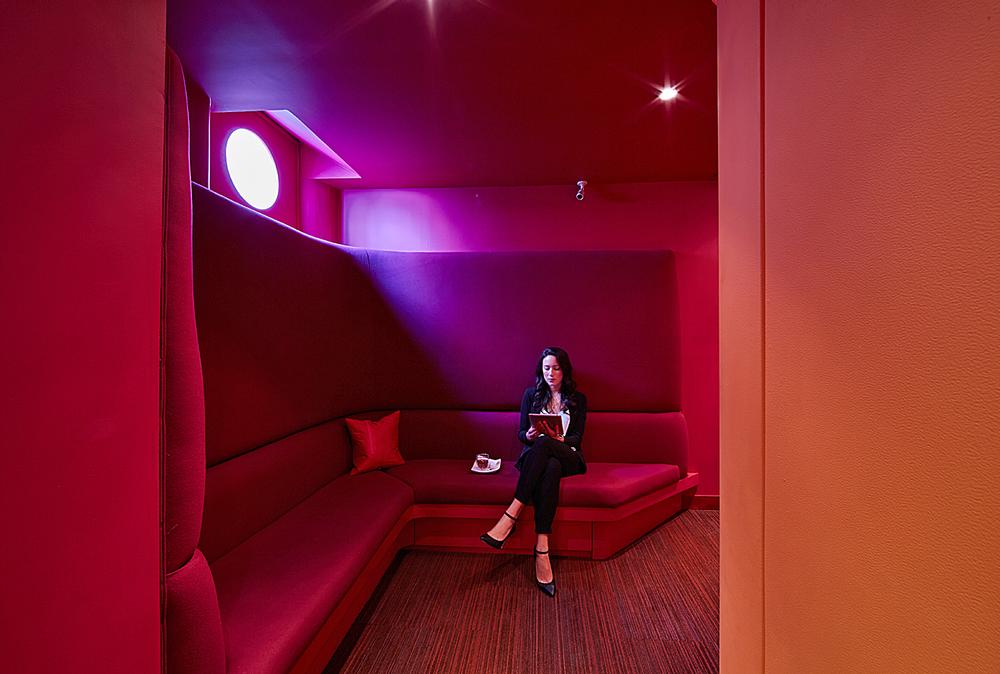
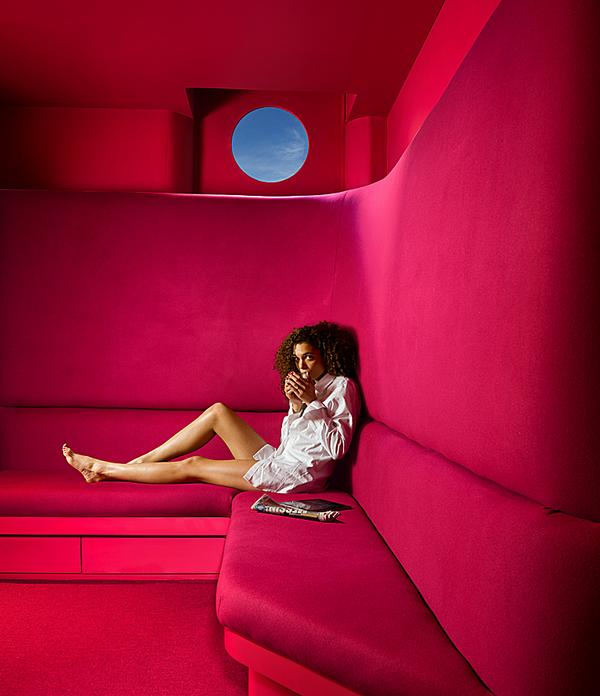
Retail and design Design-wise, YeloSpa features, bold, rich colours – shades of deep red inspired by the robes of Tibetan monks, and golden yellow inspired by their scarves. “We put a lot of thought and a lot of money into designing the YeloSpa space,” explains Ronco. “We designed a place that feels like a cocoon, and is a safe haven from the brunt of the outside world.”
Ronco has also eliminated everything that is not revenue-generating, such as locker rooms, in order to maximise space efficiency, but the model does include a strong retail component that features both skincare and lifestyle products.
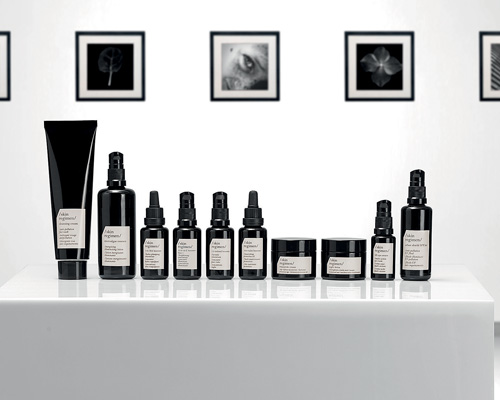
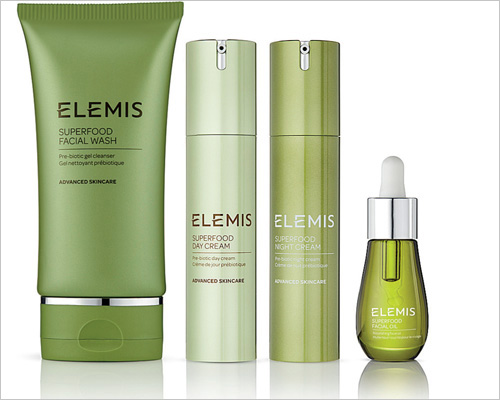
Skincare brands change every few years to keep things fresh, but fall into one of three categories: natural/organic; simple to use/functional; and effective/medical, for specific issues like spots or rosacea. Currently, Yelo is working with Germany-based BDR, Naturopathica and Kerstin Florian. The retail area also carries lifestyle products, including aromatherapy items, pillows, bath products, and spike mats. Ronco has plans to develop his own product line to offer at the spa as well. “The way that we’ll be growing at YeloSpa in the next 10 years is extremely exciting,” he says.
Read more from this issue of Attractions Management magazine
View contents of Attractions Management 2018 issue 1
Promotional feature: Oakworks
Dafne Berlanga, vice president of international business
development of Oakworks, discusses the importance of sustainability
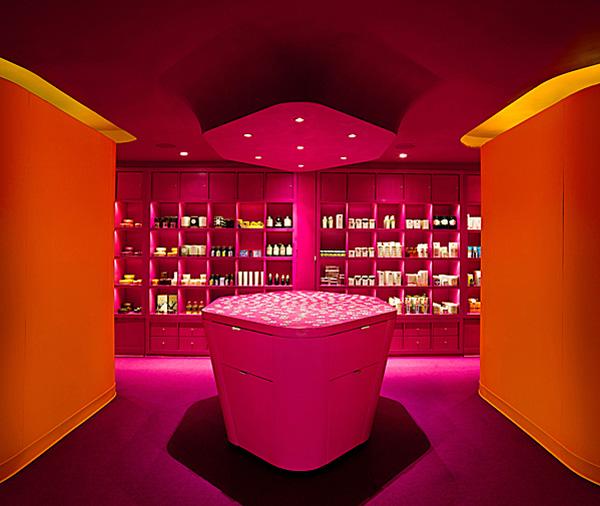
The YeloSpa model includes a strong retail area, as well as a bold colour palette of deep reds and golds inspired by the robes and scarves of Tibetan monks
The YeloSpa model includes a bold colour palette of deep reds and golds inspired by the robes and scarves of Tibetan monks
The modular Yelo Cabs fit together like a beehive – which is where Ronco drew his inspiration – and are designed to support each of the treatments offered
Guests control the sound, lighting and scent in the Yelo Cabs
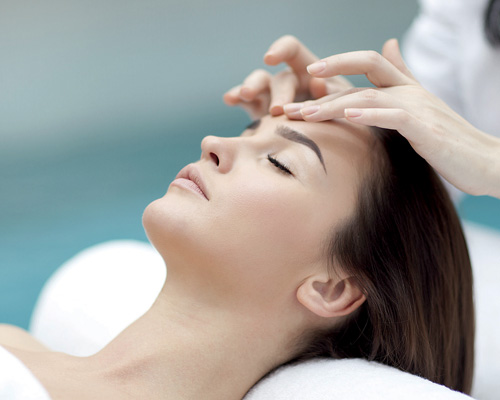
After a consultation, therapists suggest treatments based on how the client is feeling.
YeloSpa has just introduced the LightStim bed, which uses LED lights to relieve pain and promote circulation
COMPANY PROFILES
instantprint
We’re a Yorkshire-based online printer, founded
in 2009 by Adam Carnell and James Kinsella. [more...]
Taylor Made Designs
Founded in 1993, Taylor Made
Designs supply corporate clothing
and brand-enhancing merchandise
to [more...]
Holovis
Holovis is a privately owned company
established in 2004 by CEO Stuart
Hetherington. [more...]
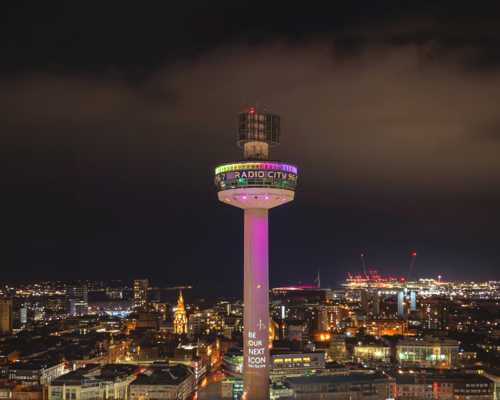
An opportunity to reimagine one of the UK’s most recognisable towers has been formally
opened by Rivington Hark, as St Johns Beacon invites operators and partners to shape its
next phase. [more...]
Nicolas Ronco is taking the next step with his successful urban
day spa model, offering it as a franchise in major cities.
Jane Kitchen finds out what makes YeloSpa different
By Jane Kitchen | Published in Spa Business 2018 issue 1
Ronco founded the first YeloSpa in 2007; he’s now offering the model for franchise
More than half of the world’s population now lives in cities – and that number is projected to grow to 60 per cent by 2030. But urban living does not always equal well living – pollution, stress and a fast-paced life often take their toll on city dwellers. Nicolas Ronco, founder of New York-based YeloSpa, thinks he’s found the key to helping the time-starved urban consumer work wellness into their busy schedules in a way that fits their needs.
Yelo’s flagship New York location was opened in 2007, and another one followed in Puerto Rico; Ronco says the time is right to grow the business, and he’s now offering it on a franchise basis in major cities.
“The goal is to capture a niche that is not catered for today,” says Ronco. “Most franchises address a very different market – the suburban market – and none of those brands have been able to be in these urban, high-cost centres. We’ve really cracked the code of how to make it work in a very busy and expensive city like New York.”
Urban model Yelo’s model is tailored for those urban centres, and as such, Ronco hopes to see locations in major US cities like Chicago, San Francisco, Los Angeles and Miami, along with international hot spots like London, Paris, Tokyo and Sydney. His goal is to have 150-200 YeloSpa franchises within the next five to seven years.
Yelo’s model simplifies the spa menu into three basic categories: massage, skincare and sleep. It also uses a unique price-per-minute option, which lets guests book treatments in lengths from 30 minutes in 10-minute increments. Clients choose the length of their session, what treatments they’d like included, and what music and aromatherapy they want used.
“We want to make sure we can fit into people’s schedules – and people’s wallet,” explains Ronco. “In many high-end spas, you’re stuck with therapists who are obsessed with rituals,” says Ronco. At Yelo, after a consultation, a therapist will suggest what the treatment should look like based on how the customer is feeling, and what they need most that day. That could be 20 minutes of reflexology, followed by a massage focusing on a sore shoulder, topped off with a 10-minute nap.
Sleep It’s also the focus on sleep – which Ronco keyed into 10 years ago when he opened the first Yelo location – that has set the high-end day spa apart. “When we opened initially as a spa that offered napping, people thought we were crazy,” says Ronco. “Today, people see us as visionary.”
Ronco says his realisation that, especially in big cities, most people are sleep-deprived, led him to develop the napping options. “We felt that there was a huge potential – a huge market in the US to help people with their sleep problems,” he says. “As a result, we built an environment that’s very conducive to provoking a quick relaxation effect.”
Central to that environment is the patented Yelo Cab – a hexagonal spa cabin that features curved walls, LED lights, aromatherapy and special pillows. The cabins are fitted with a Yelo Bed – a zero-gravity treatment bed – and can be used for any of Yelo’s treatments, from massage to skincare to napping.
Napping treatments combine the zero gravity position with aromatherapy and the right light levels and noise or music, which “lulls them into a perfect state of relaxation so they can fall asleep instantly,” says Ronco. A simulated sunrise gently wakes them at the end. The nap is key to the YeloSpa model, and once guests experience it, they’re often hooked. “We have a much higher frequency of visit than the average day spa, because we take this holistic approach, and we use sleep as the backbone of our wellness offering.”
Ronco has also just introduced the Light Stim bed, which uses LED lights to relieve pain and promote circulation; at US$300 for a 55-minute session, it’s one of the pricier items on YeloSpa’s menu.
Modular comfort The Yelo Cabs are modular and fit together seamlessly, much like a beehive – which is where Ronco drew his inspiration for the units. He developed the 7sq m (74sq ft) Yelo Cabs with help from a Harvard professor who specialises in sleep, and who created “a pod for ultimate relaxation”. The Cabs have been tested on real people – including those who suffer from claustrophobia – in order to ensure a high level of comfort.
“The feedback we got was that they felt like they were back in the womb, in a very motherly way,” says Ronco. But the Yelo Cab is more than a safe space; it’s also versatile. “This one cocoon can accommodate either a massage client or a skincare client or a napping client – or someone who would want to combine all of those treatments in one place,” says Ronco.
Guests can control the sound, lighting and smell; there are five different aromatherapy scents to choose from and 12 different sound and music options, including white noise. Yelo Cabs are also transportable, and can be assembled and reassembled, which makes them ideal for corporate campuses, malls, airports, or work-sharing spaces like WeWork (see pages 86-89) – all of which Ronco sees as a big part of the Yelo expansion model.
“The market in health and wellness has really been growing rapidly in the past 10 years,” he says. “People are becoming way better informed, and they’re becoming obsessed with their health and wellbeing.”
Franchisees In the franchise model, YeloSpa franchisees pay a US$45,000 (€38,000, £33,000) upfront fee, along with pre-opening fees and the cost of hardware like the Yelo Cabs and Yelo Beds, and then a 7 per cent royalty fee monthly – 2 per cent of which is reinvested in the marketing of the brand. Franchisees must take a minimum of five Yelo Cab cabins, with a footprint of 1,500sq ft (140sq m), but can go bigger to customise for their setting.
Retail and design Design-wise, YeloSpa features, bold, rich colours – shades of deep red inspired by the robes of Tibetan monks, and golden yellow inspired by their scarves. “We put a lot of thought and a lot of money into designing the YeloSpa space,” explains Ronco. “We designed a place that feels like a cocoon, and is a safe haven from the brunt of the outside world.”
Ronco has also eliminated everything that is not revenue-generating, such as locker rooms, in order to maximise space efficiency, but the model does include a strong retail component that features both skincare and lifestyle products.
Skincare brands change every few years to keep things fresh, but fall into one of three categories: natural/organic; simple to use/functional; and effective/medical, for specific issues like spots or rosacea. Currently, Yelo is working with Germany-based BDR, Naturopathica and Kerstin Florian. The retail area also carries lifestyle products, including aromatherapy items, pillows, bath products, and spike mats. Ronco has plans to develop his own product line to offer at the spa as well. “The way that we’ll be growing at YeloSpa in the next 10 years is extremely exciting,” he says.
Read more from this issue of Attractions Management magazine
View contents of Attractions Management 2018 issue 1
Promotional feature: Oakworks
Dafne Berlanga, vice president of international business
development of Oakworks, discusses the importance of sustainability
The YeloSpa model includes a strong retail area, as well as a bold colour palette of deep reds and golds inspired by the robes and scarves of Tibetan monks
The YeloSpa model includes a bold colour palette of deep reds and golds inspired by the robes and scarves of Tibetan monks
The modular Yelo Cabs fit together like a beehive – which is where Ronco drew his inspiration – and are designed to support each of the treatments offered
Guests control the sound, lighting and scent in the Yelo Cabs
After a consultation, therapists suggest treatments based on how the client is feeling.
YeloSpa has just introduced the LightStim bed, which uses LED lights to relieve pain and promote circulation
Hotel de France, located on the British Isle of Jersey, has created a wellness retreat package
that includes a hot yoga session that will take place in Jersey Zoo’s butterfly sanctuary.
A new immersive attraction designed to transport visitors into the final hours of ancient Pompeii
is preparing to open near the world-famous archaeological site in southern Italy.
Experience design company, BRC Imagination Arts, has completed a transition that sees founder
Bob Rogers pass ownership of the business to four long-serving senior executives, while
remaining actively involved with the company.
Movie Park Germany has opened a new Paramount Pictures-themed attraction as part of its 30th
anniversary celebrations, using immersive storytelling and adaptive reuse to reinforce the park’s
longstanding “Hollywood in Germany” positioning.
Therme Manchester’s 28-acre development, which will include interconnected glass pavilions
that measure 65,000sq m, will be the largest bathing and wellbeing attraction in the world once
complete, according to prof David Russell, CEO of Therme UK.
Efteling has opened Hooghmoed, a new family drop tower designed to broaden the appeal of its
recently launched Sirene Island themed area and introduce younger visitors to thrill attractions.
A proposed Puy du Fou development near Bicester and Universal Destinations and Experiences’
planned resort in Bedford are emerging as part of a wider transformation of the Oxford–
Cambridge Growth Corridor into a major centre for UK leisure and tourism inv
Shedd Aquarium has opened the Immersion Theater developed in partnership with SimEx-
Iwerks, as part of a wider strategy to enhance the guest experience and create additional
revenue opportunities.
The UK government has announced a temporary reduction in VAT on visitor attractions and
children’s meals as part of a summer cost-of-living support package designed to stimulate the
visitor economy and encourage family days out.
As designer Yinka Ilori prepares for his first solo gallery show in London, he speaks exclusively
to CLADmag about his mission to spread joy, the power of play, and his bold approach to using
colour (including the colours you won’t see in his work).
The government of Thailand is exploring plans for a THB300bn (£6.3bn, US$8.3bn)
entertainment complex in the country’s Eastern Economic Corridor (EEC), with officials
proposing a large-scale theme park and sports destination as part of a broader tourism and
economic development strategy.
+ More news
COMPANY PROFILES
instantprint We’re a Yorkshire-based online printer, founded
in 2009 by Adam Carnell and James Kinsella. [more...]
Taylor Made Designs Founded in 1993, Taylor Made
Designs supply corporate clothing
and brand-enhancing merchandise
to [more...]
Holovis Holovis is a privately owned company
established in 2004 by CEO Stuart
Hetherington. [more...]
An opportunity to reimagine one of the UK’s most recognisable towers has been formally
opened by Rivington Hark, as St Johns Beacon invites operators and partners to shape its
next phase. [more...]