Latest
issue
Get Attractions Management digital magazine FREE
Sign up here ▸
Jobs   News   Features   Products   Company profilesProfiles   Magazine   Handbook   Advertise    Subscribe  
Museums
The perfect punchline

The first ever museum dedicated to telling the story of American comedy has opened in Jamestown, New York, US. The team behind the new attraction share their experiences


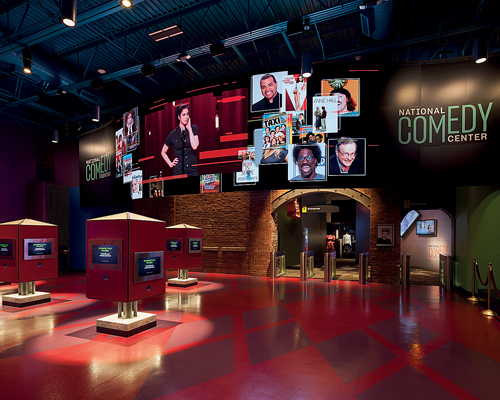
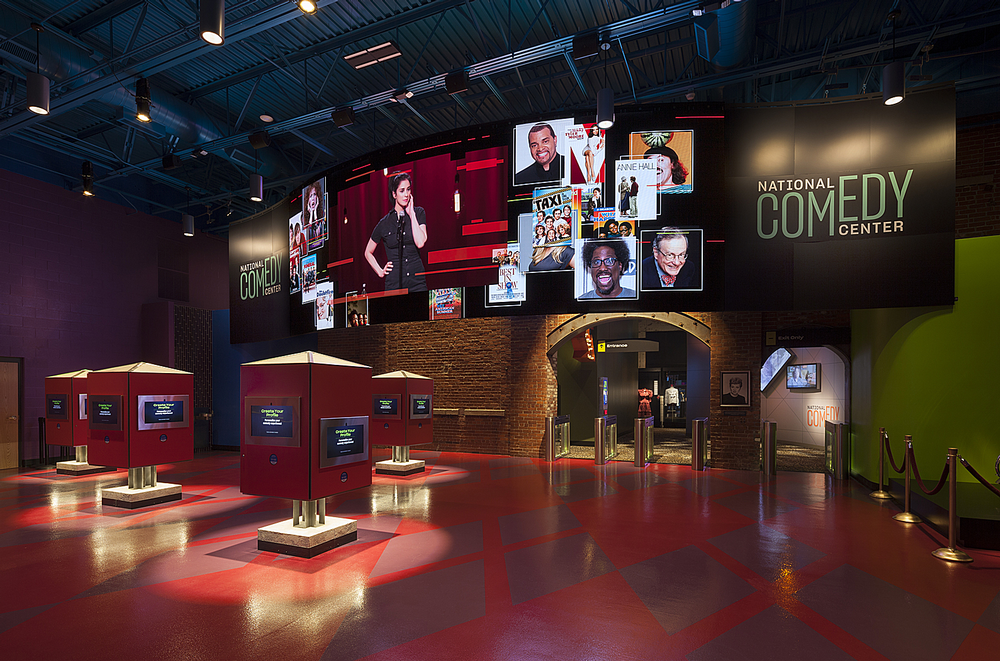
Featuring more than 50 exhibits exploring comedy history – from vaudeville to viral memes – the National Comedy Center is a state-of-the-art museum dedicated to the history of comedy in the US. Operating as a nonprofit cultural institution, the US$50m museum celebrates comedy’s great minds and unique voices, from Charlie Chaplin to Dave Chappelle. Exclusive collections and world-class exhibits allow visitors to get a glimpse behind the laughter, with an experience tailored to their interests using special RFID technology.

Read more from this issue of Attractions Management magazine

View contents of Attractions Management 2018 issue 4


Journey Gunderson Executive director National Comedy Center


Journey Gunderson
 

How did you get involved in the project?
Up until 2011, I was executive director of the Lucille Ball Desi Arnaz Museum. Honouring actress Lucille Ball – best known for the 1950s sitcom I Love Lucy – and her co-star and husband Desi Arnaz, the museum celebrates the couple’s lives.

It was Lucille’s idea, before her death in 1989, to create a destination comedy centre celebrating comedy and comedians. I left my position in 2011 to make that dream a reality in her hometown of Jamestown.

Who were your main partners on the development?
JRA handled early concept design, working very closely with myself and the organisation. Later on we brought in interactive design firm Cortina Productions. We also recruited Herzog and Company, who are mainly media producers and documentary makers.

What challenges did you face?
Comedians are a cynical, intelligent and sceptical bunch. It was daunting to make a museum about them, knowing they’re very good and making fun of things. Also, Jamestown is not New York. It was an uphill battle for credibility from the start and we knew the authenticity would be paramount in making it a success. It could have easily become the butt of a joke if we didn’t get it right, but thankfully we did.

How have comedians been involved in the project?
We formed a 22-person advisory board of people in the comedy industry. We also worked closely with the estates of people like George Carlin, Richard Pryor, Lenny Bruce and Harold Ramis to inform our approach.

What are your aims for the attraction?
Our goal has been to build an engaging and immersive attraction that would be enjoyable for the average American tourist or the ardent comedy nerd. I’m proud to say that it’s being lauded by the comedy industry and everyday visitors alike.

How does technology play into the experience?
The museum approaches comedy in a way that’s appealing to people from all eras and with all tastes. The way we do that is with use of an RFID chip, implanted in a wristband.

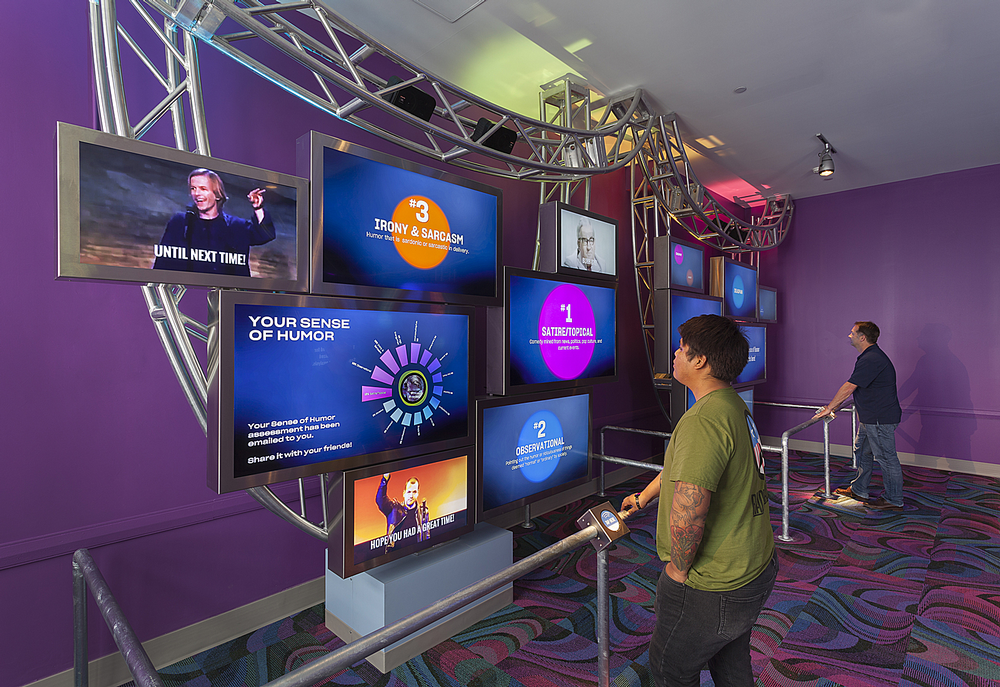
The first step in any visitor’s arrival is the creation of a sense of humour profile. When a visitor indicates that they like an artist from a film, television show, or form of new media like a podcast, behind the scenes we have a content management system that reads that and applies sense of humour attributes, such as sarcasm, dark humour, irony and slapstick among hundreds of choices.

Exhibits respond to your sense of humour, presenting content based on those attributes. The exhibit itself will read the room, just like a comedian has to. Taking into account the sense of humour of the people in the space, it presents stories and content accordingly.

What’s the visitor experience?
After completing your sense of humour profile and being equipped with a laugh band, visitors are greeted with a theatre show currently starring Jim Gaffigan, presenting holograms of himself from three different eras of his career.

After that, visitors are greeted with artefacts that include everything from Charlie Chaplin’s cane to the iconic puffy shirt from Seinfeld.

For comedian George Carlin – who died in 2008 – we’ve scanned and digitised extensive joke files from his 60-year career. Visitors can really see the trajectory of his comedy – from a scrap of paper with a musing on a topic all the way through to a finished performance on an HBO special.

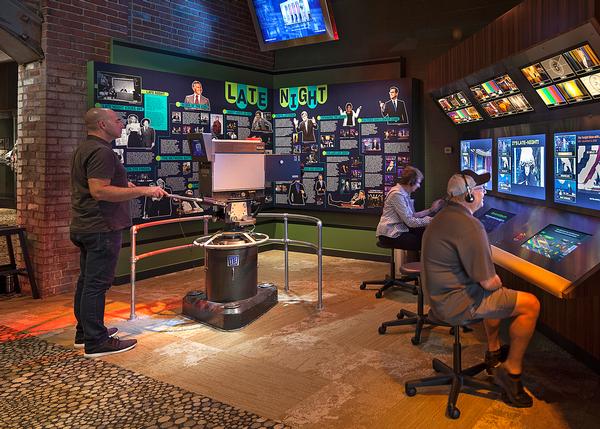
After that they walk through an area that has exhibits on late night comedy, looking at everybody who’s sat at the hosting desk.

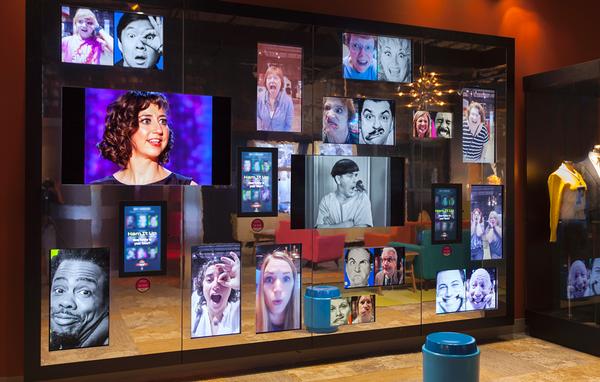
There’s also an exhibit called the Comedy Continuum, which is a more than 70-foot-wide (21 metre) wall with a touch screen interface. It’s a neverending web of connections in comedy that connects artists to one another.

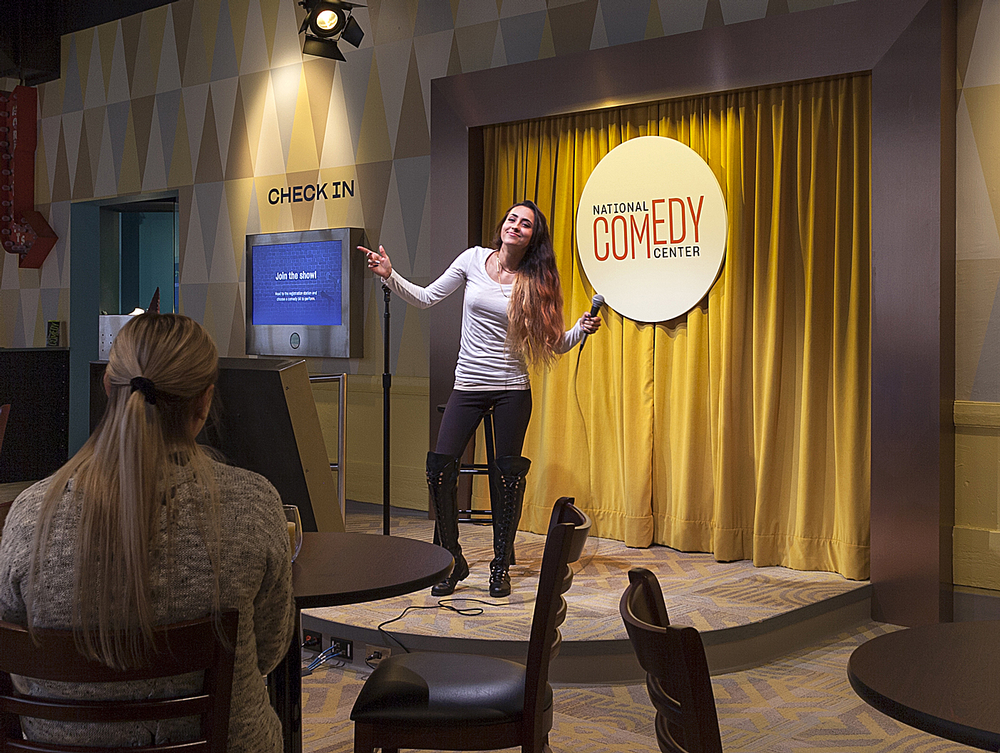
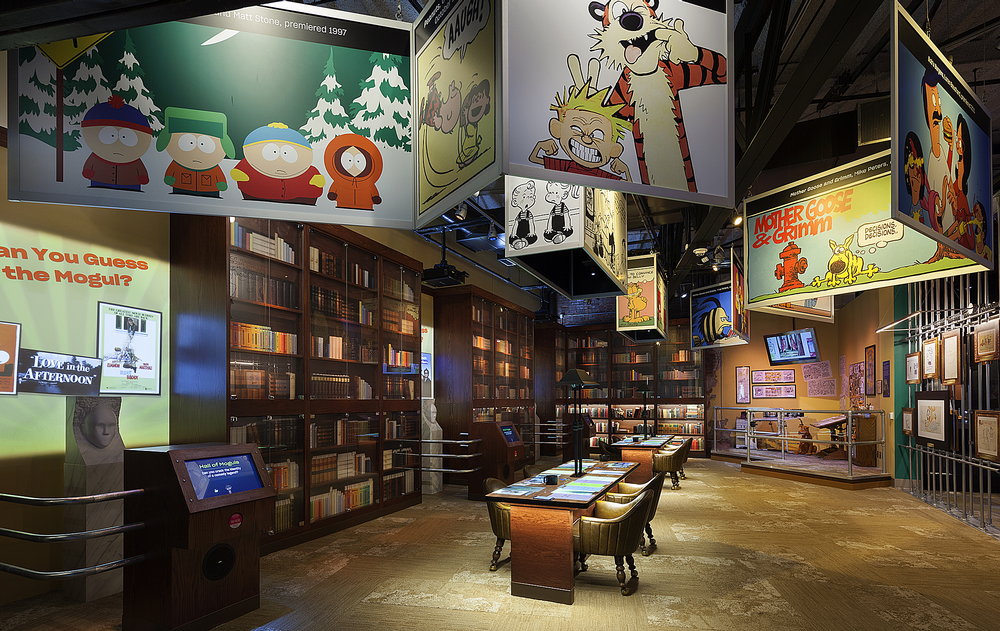
Built into the environment of a comedy club, we have a stand-up comedy exhibit. Exhibits also include comedy in television, comedy in film, cartooning, sketch and improv.

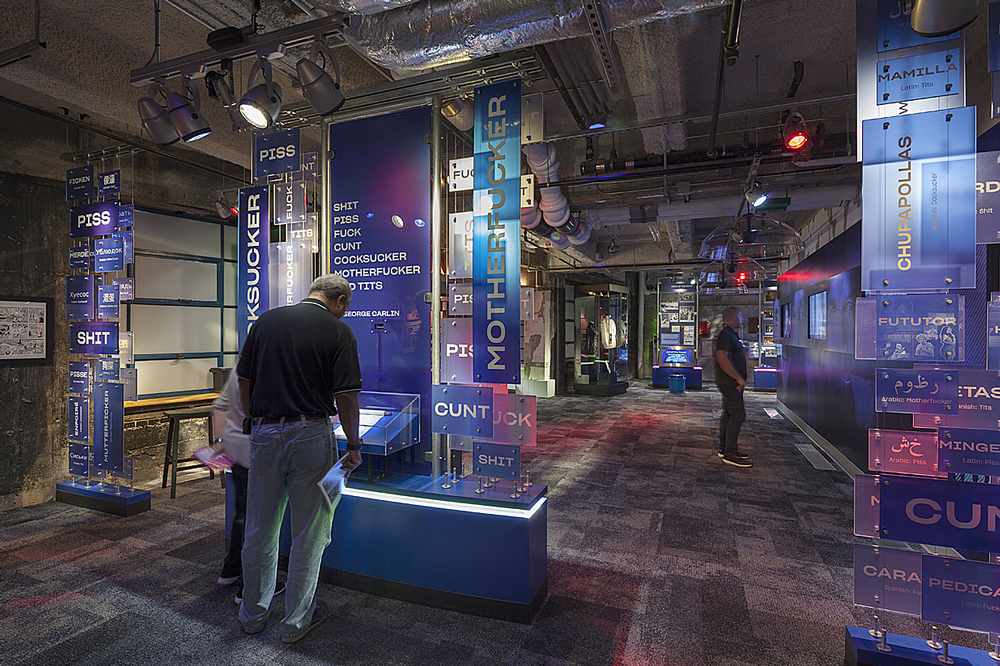
The lower level of the museum is called the Blue Room. That’s for a completely uncensored experience. It’s laid out like this so that if you’re uncomfortable with controversial or explicit subject matter, you can completely avoid it.

The experience ends with the participatory wing. In there, they can try out ‘Comedy Karaoke’, where they deliver lines of some of the most successful comedy bits of all time from major artists. They can also play out comedy scenes using green screen technology.

What are your future plans?
We’re already talking about a possible expansion. It’s important that we keep our finger on the pulse of comedy and that the experience is ever changing. It’s been designed with that in mind. The content management system acts as our exhibits’ central nervous system, making them easily updatable.



Photo: Jay Rosenblatt Photography

After creating a humour profile, visitors can explore content tailored to their individual taste

JRA
Matthew Wheeler, Senior project developer, David Ferguson, Art Director and Shawn McCoy, Vice President, JRA


Matthew Wheeler, Senior project developer, David Ferguson, Art Director, Shawn McCoy, Vice President
 

How did JRA get involved in the project?
SM: Journey Gunderson initially contacted JRA to see if we might be interested in helping to create a new audio tour for the Lucy and Desi Arnaz Museum. During that discussion, she mentioned that they had a much bigger project in mind, which was the idea for the National Comedy Center. A few years later, she called us back and said that they wanted to move forward with Comedy Center proposal.

How did you go through process of figuring out what comedians/genres/delivery methods would be included or excluded?
MW: We researched and just looked at what already existed out there. We performed a SWOT analysis, checking out the potential competition, assessing how the annual Comedy Festival was developing and determining how content could evolve.

We then drafted lists, reading various websites, examining different genres, and gathering a lot of visual references for inspiration.

What were the most unexpected challenges throughout the process?
MW: We had to adapt the content to fit the design over a very long design period of around four years. There was a period when the design had been approved but we were in a holding pattern waiting for fundraising to come through.

When we began schematic design, a whole new series of redesign occurred. It’s worked to our benefit though because the end product is a better one because of the various stops, starts and pivots.

Was there an “aha” moment?
SM: From the very outset of the project, Journey knew that the museum had to be unique in order to draw visitors to Jamestown. During the development process, I think that there were actually two moments driven by that goal.

The first of those moments was the decision to structure the museum through the ways in which people experience comedy – as the creator, the performer, or the audience. The next moment was the decision to use a combination of RFID and interactive media to provide visitors to the museum with a personalised experience completely customised to their own unique humour profile.

How important was technology in shaping the museum?
DF: Technology is the most important part of the museum. The sharing of a comic moment is very ephemeral but has often been captured on film or video, so much of it needs the vehicle of the computer to relate those expressions.

A lot of comedy has also been created in print and drawings, but we needed to catalogue and allow the guest to experience any or all of it that we could document. The creative team always wanted to use technology as a way of organising and presenting those moments effectively.

Where did the idea of the Blue Room come from?
DF: From the earliest fart jokes to today’s risqué humour, blue comedy is an important part of our collective culture.

To not feature it would have been a miss.

Fortunately, the building – a former train station – had a lower level that was not restored, so it inspired the team to seat the experience there. It totally feels like an alley or basement and creates a perfectly seedy environment for the genre.

What kind of reception has the museum had?
SM: It’s been embraced both by the comedy industry and by the media because it celebrates comedy as an art form to be as highly regarded as any great work.

Our goal was to show audiences just how much effort, talent and intelligence it takes to create and deliver comedy. We believe those who’ve visited certainly have a better understanding of this and, most importantly, a better appreciation for these artists.


Photo: Jay Rosenblatt Photography

l JRA provided masterplanning, design, project management and art direction for the Center

Comedy prestige
The new museum has had huge backing from the world of comedy, with many elite-level comedians lending their support to the project. Here are some of the men and women involved with making the National Comedy Center a reality


Carl Reiner
 

CARL REINER
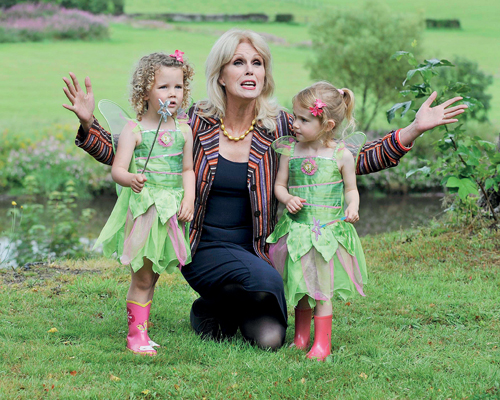
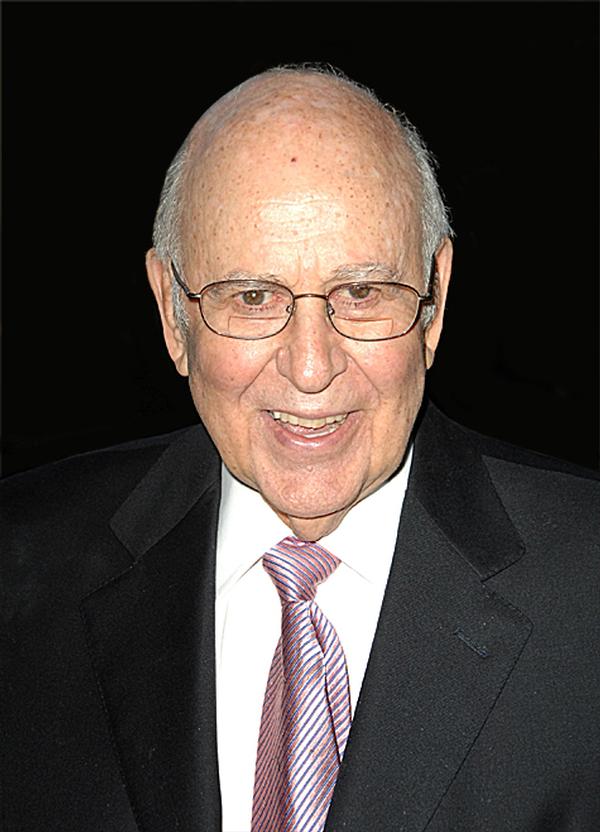
A legend of American comedy, Carl Reiner has achieved great success as a comic actor, director, producer and recording artist. In the 1960s, Reiner was best known as the creator, producer, writer, and actor on The Dick Van Dyke Show. His recent appearances include the film series Ocean’s 11, Ocean’s 12 and Ocean’s 13, as well as on television with Hot in Cleveland, Parks and Recreation, and as a voice artist in the animated series, The Cleveland Show.


Lewis Black
 

LEWIS BLACK
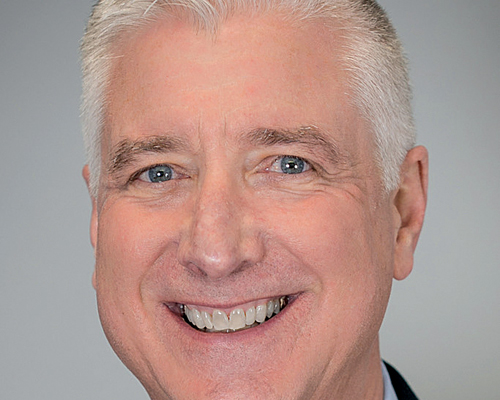
Stand-up comedian, actor and author, Lewis Black has overseen the development of more than 1,000 plays, as well as his own original works. He’s best known for his angry demeanour and belligerent comedic style. He makes regular appearances on The Daily Show with Trevor Noah delivering his “Back in Black” commentary segment, which first debuted as a weekly segment on the show in 1996.


Jim Gaffigan
 

JIM GAFFIGAN
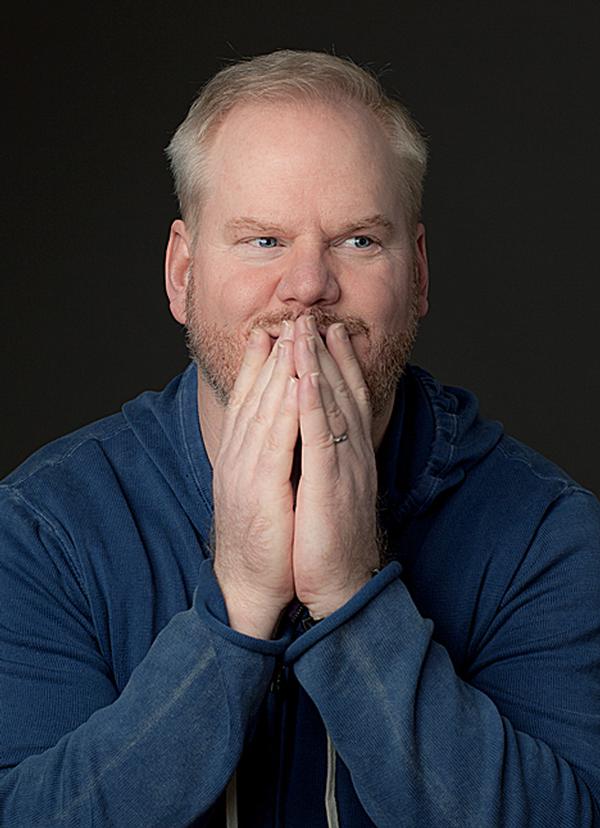
Jim Gaffigan is a stand-up comedian, actor, writer and producer known for his material about fatherhood, laziness and food. He’s also regarded as a “clean” comic, using little profanity in his routines. Gaffigan has guest-starred on hit shows including That ’70s Show, Sex and the City, Third Watch, Ed and Law & Order.


W Kamau Bell
 

W KAMAU BELL
W Kamau Bell is a socio-political comedian who’s the host and executive producer of the Emmy Award winning CNN docu-series United Shades of America with W Kamau Bell. Bell has been nominated for multiple NAACP Image Awards and a GLAAD Award, and he was featured on Conde Nast’s Daring 25 list for 2016. Bell is known for his short-lived FX and FXX comedy series Totally Biased with W Kamau Bell.


George Shapiro
 

GEORGE SHAPIRO
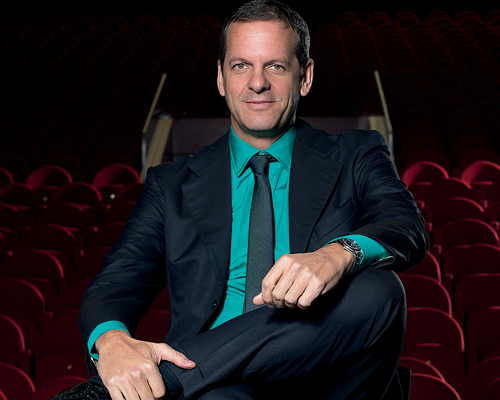
One of comedy’s most respected managers and producers, George Shapiro, is among the most successful managers in show business, best known for representing Jerry Seinfeld, Carl Reiner and Andy Kaufman. He also served as a producer for the highly successful sitcom Seinfeld.


Laraine Newman
 

LARAINE NEWMAN
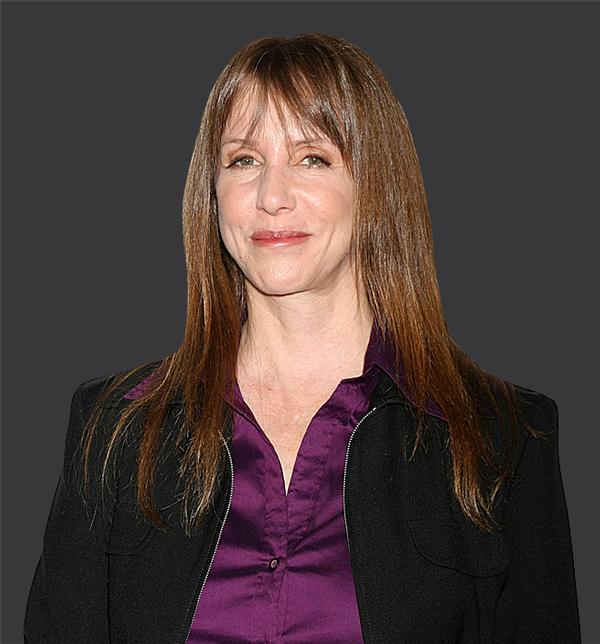
Laraine Newman gained fame in 1975 as an original Saturday Night Live cast member. During her five years on the show, Newman originated and portrayed memorable characters like Sheri the Valley Girl and Connie Conehead. In addition to extensive voice-over work in TV and videos, she’s had roles in numerous television shows including Brothers and Sisters, Curb Your Enthusiasm, Friends and Entourage, among others. Her movie credits include Stardust Memories, Perfect, Problem Child 2 and Jingle All the Way.


National Comedy Center
National Comedy Center / Jay Rosenblatt Photography
National Comedy Center
National Comedy Center / Jay Rosenblatt Photography
The museum is dedicated to comedy as a cultural institution, an art form and a tool for political commentary
The museum is dedicated to comedy as a cultural institution, an art form and a tool for political commentary / Photo: Jay Rosenblatt Photography
The Blue Room offers an uncensored look at controversial or explicit styles of comedy
The Blue Room offers an uncensored look at controversial or explicit styles of comedy / Photo: Jay Rosenblatt Photography
COMPANY PROFILES
ProSlide Technology, Inc.

A former national ski team racer, ProSlide® CEO Rick Hunter’s goal has been to integrate the smoot [more...]
TechnoAlpin Indoor

TechnoAlpin is the world leader for snowmaking systems. With the Indoor snow division, TechnoAlpin c [more...]
Holovis

Holovis is a privately owned company established in 2004 by CEO Stuart Hetherington. [more...]
Polin Waterparks

Polin was founded in Istanbul in 1976. Polin has since grown into a leading company in the waterpa [more...]
+ More profiles  
CATALOGUE GALLERY
 

+ More catalogues  
DIRECTORY
+ More directory  
DIARY


23-26 Aug 2026

Elevate Spa Riviera Maya Edition

The Riviera Maya Edition Kanai, Playa del Carmen, Mexico
29 Sep - 02 Oct 2026

Synergy - The Retreat Show

Pical Resort, Valamar Collection, Porec, Croatia
+ More diary  
LATEST ISSUES
+ View Magazine Archive

Attractions Management

2026 issue 1


View issue contents
View on turning pages
Download PDF
FREE digital subscription
Print subscription

Attractions Management

2025 issue 2


View issue contents
View on turning pages
Download PDF
FREE digital subscription
Print subscription

Attractions Management

2025 issue 1


View issue contents
View on turning pages
Download PDF
FREE digital subscription
Print subscription

Attractions Management

2024 issue 4


View issue contents
View on turning pages
Download PDF
FREE digital subscription
Print subscription

Attractions Management News

06 Apr 2020 issue 153


View on turning pages
Download PDF
View archive
FREE digital subscription
Print subscription

Attractions Handbook

2019


View issue contents
View on turning pages
Download PDF
FREE digital subscription
Print subscription
 
ABOUT LEISURE MEDIA
LEISURE MEDIA MAGAZINES
LEISURE MEDIA HANDBOOKS
LEISURE MEDIA WEBSITES
LEISURE MEDIA PRODUCT SEARCH
 
ATTRACTIONS MANAGEMENT
ATTRACTIONS MANAGEMENT NEWS
ATTRACTIONS HANDBOOK
PRINT SUBSCRIPTIONS
FREE DIGITAL SUBSCRIPTIONS
ADVERTISE . CONTACT US

Leisure Media
Tel: +44 (0)1462 431385

©Cybertrek 2026
Get Attractions Management digital magazine FREE
Sign up here ▸
Jobs    News   Products   Magazine   Subscribe
Museums
The perfect punchline

The first ever museum dedicated to telling the story of American comedy has opened in Jamestown, New York, US. The team behind the new attraction share their experiences


Featuring more than 50 exhibits exploring comedy history – from vaudeville to viral memes – the National Comedy Center is a state-of-the-art museum dedicated to the history of comedy in the US. Operating as a nonprofit cultural institution, the US$50m museum celebrates comedy’s great minds and unique voices, from Charlie Chaplin to Dave Chappelle. Exclusive collections and world-class exhibits allow visitors to get a glimpse behind the laughter, with an experience tailored to their interests using special RFID technology.

Read more from this issue of Attractions Management magazine

View contents of Attractions Management 2018 issue 4


Journey Gunderson Executive director National Comedy Center


Journey Gunderson
 

How did you get involved in the project?
Up until 2011, I was executive director of the Lucille Ball Desi Arnaz Museum. Honouring actress Lucille Ball – best known for the 1950s sitcom I Love Lucy – and her co-star and husband Desi Arnaz, the museum celebrates the couple’s lives.

It was Lucille’s idea, before her death in 1989, to create a destination comedy centre celebrating comedy and comedians. I left my position in 2011 to make that dream a reality in her hometown of Jamestown.

Who were your main partners on the development?
JRA handled early concept design, working very closely with myself and the organisation. Later on we brought in interactive design firm Cortina Productions. We also recruited Herzog and Company, who are mainly media producers and documentary makers.

What challenges did you face?
Comedians are a cynical, intelligent and sceptical bunch. It was daunting to make a museum about them, knowing they’re very good and making fun of things. Also, Jamestown is not New York. It was an uphill battle for credibility from the start and we knew the authenticity would be paramount in making it a success. It could have easily become the butt of a joke if we didn’t get it right, but thankfully we did.

How have comedians been involved in the project?
We formed a 22-person advisory board of people in the comedy industry. We also worked closely with the estates of people like George Carlin, Richard Pryor, Lenny Bruce and Harold Ramis to inform our approach.

What are your aims for the attraction?
Our goal has been to build an engaging and immersive attraction that would be enjoyable for the average American tourist or the ardent comedy nerd. I’m proud to say that it’s being lauded by the comedy industry and everyday visitors alike.

How does technology play into the experience?
The museum approaches comedy in a way that’s appealing to people from all eras and with all tastes. The way we do that is with use of an RFID chip, implanted in a wristband.

The first step in any visitor’s arrival is the creation of a sense of humour profile. When a visitor indicates that they like an artist from a film, television show, or form of new media like a podcast, behind the scenes we have a content management system that reads that and applies sense of humour attributes, such as sarcasm, dark humour, irony and slapstick among hundreds of choices.

Exhibits respond to your sense of humour, presenting content based on those attributes. The exhibit itself will read the room, just like a comedian has to. Taking into account the sense of humour of the people in the space, it presents stories and content accordingly.

What’s the visitor experience?
After completing your sense of humour profile and being equipped with a laugh band, visitors are greeted with a theatre show currently starring Jim Gaffigan, presenting holograms of himself from three different eras of his career.

After that, visitors are greeted with artefacts that include everything from Charlie Chaplin’s cane to the iconic puffy shirt from Seinfeld.

For comedian George Carlin – who died in 2008 – we’ve scanned and digitised extensive joke files from his 60-year career. Visitors can really see the trajectory of his comedy – from a scrap of paper with a musing on a topic all the way through to a finished performance on an HBO special.

After that they walk through an area that has exhibits on late night comedy, looking at everybody who’s sat at the hosting desk.

There’s also an exhibit called the Comedy Continuum, which is a more than 70-foot-wide (21 metre) wall with a touch screen interface. It’s a neverending web of connections in comedy that connects artists to one another.

Built into the environment of a comedy club, we have a stand-up comedy exhibit. Exhibits also include comedy in television, comedy in film, cartooning, sketch and improv.

The lower level of the museum is called the Blue Room. That’s for a completely uncensored experience. It’s laid out like this so that if you’re uncomfortable with controversial or explicit subject matter, you can completely avoid it.

The experience ends with the participatory wing. In there, they can try out ‘Comedy Karaoke’, where they deliver lines of some of the most successful comedy bits of all time from major artists. They can also play out comedy scenes using green screen technology.

What are your future plans?
We’re already talking about a possible expansion. It’s important that we keep our finger on the pulse of comedy and that the experience is ever changing. It’s been designed with that in mind. The content management system acts as our exhibits’ central nervous system, making them easily updatable.


Photo: Jay Rosenblatt Photography

After creating a humour profile, visitors can explore content tailored to their individual taste

JRA
Matthew Wheeler, Senior project developer, David Ferguson, Art Director and Shawn McCoy, Vice President, JRA


Matthew Wheeler, Senior project developer, David Ferguson, Art Director, Shawn McCoy, Vice President
 

How did JRA get involved in the project?
SM: Journey Gunderson initially contacted JRA to see if we might be interested in helping to create a new audio tour for the Lucy and Desi Arnaz Museum. During that discussion, she mentioned that they had a much bigger project in mind, which was the idea for the National Comedy Center. A few years later, she called us back and said that they wanted to move forward with Comedy Center proposal.

How did you go through process of figuring out what comedians/genres/delivery methods would be included or excluded?
MW: We researched and just looked at what already existed out there. We performed a SWOT analysis, checking out the potential competition, assessing how the annual Comedy Festival was developing and determining how content could evolve.

We then drafted lists, reading various websites, examining different genres, and gathering a lot of visual references for inspiration.

What were the most unexpected challenges throughout the process?
MW: We had to adapt the content to fit the design over a very long design period of around four years. There was a period when the design had been approved but we were in a holding pattern waiting for fundraising to come through.

When we began schematic design, a whole new series of redesign occurred. It’s worked to our benefit though because the end product is a better one because of the various stops, starts and pivots.

Was there an “aha” moment?
SM: From the very outset of the project, Journey knew that the museum had to be unique in order to draw visitors to Jamestown. During the development process, I think that there were actually two moments driven by that goal.

The first of those moments was the decision to structure the museum through the ways in which people experience comedy – as the creator, the performer, or the audience. The next moment was the decision to use a combination of RFID and interactive media to provide visitors to the museum with a personalised experience completely customised to their own unique humour profile.
How important was technology in shaping the museum?
DF: Technology is the most important part of the museum. The sharing of a comic moment is very ephemeral but has often been captured on film or video, so much of it needs the vehicle of the computer to relate those expressions.

A lot of comedy has also been created in print and drawings, but we needed to catalogue and allow the guest to experience any or all of it that we could document. The creative team always wanted to use technology as a way of organising and presenting those moments effectively.

Where did the idea of the Blue Room come from?
DF: From the earliest fart jokes to today’s risqué humour, blue comedy is an important part of our collective culture.
To not feature it would have been a miss.

Fortunately, the building – a former train station – had a lower level that was not restored, so it inspired the team to seat the experience there. It totally feels like an alley or basement and creates a perfectly seedy environment for the genre.

What kind of reception has the museum had?
SM: It’s been embraced both by the comedy industry and by the media because it celebrates comedy as an art form to be as highly regarded as any great work.

Our goal was to show audiences just how much effort, talent and intelligence it takes to create and deliver comedy. We believe those who’ve visited certainly have a better understanding of this and, most importantly, a better appreciation for these artists.


Photo: Jay Rosenblatt Photography

l JRA provided masterplanning, design, project management and art direction for the Center

Comedy prestige
The new museum has had huge backing from the world of comedy, with many elite-level comedians lending their support to the project. Here are some of the men and women involved with making the National Comedy Center a reality


Carl Reiner
 

CARL REINER
A legend of American comedy, Carl Reiner has achieved great success as a comic actor, director, producer and recording artist. In the 1960s, Reiner was best known as the creator, producer, writer, and actor on The Dick Van Dyke Show. His recent appearances include the film series Ocean’s 11, Ocean’s 12 and Ocean’s 13, as well as on television with Hot in Cleveland, Parks and Recreation, and as a voice artist in the animated series, The Cleveland Show.


Lewis Black
 

LEWIS BLACK
Stand-up comedian, actor and author, Lewis Black has overseen the development of more than 1,000 plays, as well as his own original works. He’s best known for his angry demeanour and belligerent comedic style. He makes regular appearances on The Daily Show with Trevor Noah delivering his “Back in Black” commentary segment, which first debuted as a weekly segment on the show in 1996.


Jim Gaffigan
 

JIM GAFFIGAN
Jim Gaffigan is a stand-up comedian, actor, writer and producer known for his material about fatherhood, laziness and food. He’s also regarded as a “clean” comic, using little profanity in his routines. Gaffigan has guest-starred on hit shows including That ’70s Show, Sex and the City, Third Watch, Ed and Law & Order.


W Kamau Bell
 

W KAMAU BELL
W Kamau Bell is a socio-political comedian who’s the host and executive producer of the Emmy Award winning CNN docu-series United Shades of America with W Kamau Bell. Bell has been nominated for multiple NAACP Image Awards and a GLAAD Award, and he was featured on Conde Nast’s Daring 25 list for 2016. Bell is known for his short-lived FX and FXX comedy series Totally Biased with W Kamau Bell.


George Shapiro
 

GEORGE SHAPIRO
One of comedy’s most respected managers and producers, George Shapiro, is among the most successful managers in show business, best known for representing Jerry Seinfeld, Carl Reiner and Andy Kaufman. He also served as a producer for the highly successful sitcom Seinfeld.


Laraine Newman
 

LARAINE NEWMAN
Laraine Newman gained fame in 1975 as an original Saturday Night Live cast member. During her five years on the show, Newman originated and portrayed memorable characters like Sheri the Valley Girl and Connie Conehead. In addition to extensive voice-over work in TV and videos, she’s had roles in numerous television shows including Brothers and Sisters, Curb Your Enthusiasm, Friends and Entourage, among others. Her movie credits include Stardust Memories, Perfect, Problem Child 2 and Jingle All the Way.


National Comedy Center
National Comedy Center / Jay Rosenblatt Photography
National Comedy Center
National Comedy Center / Jay Rosenblatt Photography
The museum is dedicated to comedy as a cultural institution, an art form and a tool for political commentary
The museum is dedicated to comedy as a cultural institution, an art form and a tool for political commentary / Photo: Jay Rosenblatt Photography
The Blue Room offers an uncensored look at controversial or explicit styles of comedy
The Blue Room offers an uncensored look at controversial or explicit styles of comedy / Photo: Jay Rosenblatt Photography
LATEST NEWS
Expo 2030 Riyadh will create a permanent global destination
Expo 2030 Riyadh is being planned as a permanent visitor destination, with organisers confirming the six-million-square-metre site will become a Global Village after the event closes.
Australian waterpark acquisition creates new leisure attractions group
The owner of one of Australia's best-known waterparks has acquired a major competitor, creating a new attractions business spanning two of the country's largest visitor destinations.
London Museum reveals 2026 opening date for new Smithfield home
The London Museum’s new site will open in Smithfield, East London, on 28 November 2026.
Toverland unveils €98m expansion plan as park prepares to launch resort development
The Toverland theme park in the Netherlands has announced a €98m expansion programme that will add a resort, new attractions and staff facilities as it pursues plans to become a multi- day destination.
Butterfly sanctuary to host hot yoga during retreat at Jersey Zoo for Hotel de France
Hotel de France, located on the British Isle of Jersey, has created a wellness retreat package that includes a hot yoga session that will take place in Jersey Zoo’s butterfly sanctuary.
Warner Bros Discovery collaborates on upcoming Pompeii attraction
A new immersive attraction designed to transport visitors into the final hours of ancient Pompeii is preparing to open near the world-famous archaeological site in southern Italy.
Bob Rogers hands BRC to long-serving leadership team
Experience design company, BRC Imagination Arts, has completed a transition that sees founder Bob Rogers pass ownership of the business to four long-serving senior executives, while remaining actively involved with the company.
Rainer Maelzer joins Therme Group as chief entertainment officer
Rainer Maelzer, an experiential entertainment innovator, has been appointed chief entertainment officer by Therme Group.
Movie Park Germany reveals new Paramount attraction as part of its 30th anniversary celebrations
Movie Park Germany has opened a new Paramount Pictures-themed attraction as part of its 30th anniversary celebrations, using immersive storytelling and adaptive reuse to reinforce the park’s longstanding “Hollywood in Germany” positioning.
Therme Manchester reveals 90:90 strategy – 90 per cent of the UK population within a 90-minute drive of a Therme
Therme Manchester’s 28-acre development, which will include interconnected glass pavilions that measure 65,000sq m, will be the largest bathing and wellbeing attraction in the world once complete, according to prof David Russell, CEO of Therme UK. 
Efteling expands family offer with new Hooghmoed drop tower
Efteling has opened Hooghmoed, a new family drop tower designed to broaden the appeal of its recently launched Sirene Island themed area and introduce younger visitors to thrill attractions.
Universal and Puy du Fou projects point to rise of Oxford–Cambridge corridor
A proposed Puy du Fou development near Bicester and Universal Destinations and Experiences’ planned resort in Bedford are emerging as part of a wider transformation of the Oxford– Cambridge Growth Corridor into a major centre for UK leisure and tourism inv
+ More news   
 
COMPANY PROFILES
ProSlide Technology, Inc.

A former national ski team racer, ProSlide® CEO Rick Hunter’s goal has been to integrate the smoot [more...]
TechnoAlpin Indoor

TechnoAlpin is the world leader for snowmaking systems. With the Indoor snow division, TechnoAlpin c [more...]
Holovis

Holovis is a privately owned company established in 2004 by CEO Stuart Hetherington. [more...]
Polin Waterparks

Polin was founded in Istanbul in 1976. Polin has since grown into a leading company in the waterpa [more...]
+ More profiles  
CATALOGUE GALLERY
+ More catalogues  
DIRECTORY
+ More directory  
DIARY


23-26 Aug 2026

Elevate Spa Riviera Maya Edition

The Riviera Maya Edition Kanai, Playa del Carmen, Mexico
29 Sep - 02 Oct 2026

Synergy - The Retreat Show

Pical Resort, Valamar Collection, Porec, Croatia
+ More diary  


ADVERTISE . CONTACT US

Leisure Media
Tel: +44 (0)1462 431385

©Cybertrek 2026

ABOUT LEISURE MEDIA
LEISURE MEDIA MAGAZINES
LEISURE MEDIA HANDBOOKS
LEISURE MEDIA WEBSITES
LEISURE MEDIA PRODUCT SEARCH
ATTRACTIONS MANAGEMENT NEWS
ATTRACTIONS HANDBOOK
PRINT SUBSCRIPTIONS
FREE DIGITAL SUBSCRIPTIONS