The dark side of tourism came to the fore in 2017, leading to protests and
the coining of a new term: overtourism. As the United Nations World Tourism
Organisation lays out a new strategy, what role could attractions play in ensuring
tourism is beneficial for residents and visitors alike? Kath Hudson reports
By Kath Hudson | Published in Attractions Management 2018 issue 4
Overtourism is a major issue in Venice, which is swamped by day trippers who far outnumber overnight visitors and local residents / shutterstock
Fuelled by cheap flights, greater affluence, the media and – more recently – new accommodation platforms, tourism has skyrocketed in the post-war period. International arrivals have increased from 25m in 1950, to more than 1.3bn in 2017. Growth of this recession-proof industry is projected to continue year-on-year and the United Nations World Tourism Organisation (UNWTO) forecasts it reaching 1.8bn in 2030.
The tourism sector brings with it many benefits: it boosts economies, strengthens international ties, leads to the creation of more events and supports the protection of historic places and the restoration of traditional architecture. There are also trickle down benefits to other industries – the attractions industry being one of them.
However, when places become so geared around tourists that butchers and grocers give way to souvenir shops and most rental accommodation is for tourists, it starts to cause a problem for residents. Last year saw protests by locals in both Barcelona and Venice, complaining that lives in their home cities are becoming unsustainable due to congestion, the prohibitively high cost of living and noise. Tourism experts caution such popularity could eventually lead to the bubble bursting: as locals are forced to move out, the character of the city is lost and then the appeal disappears, along with the tourists.
Tackling overtourism This situation has led to the start of a conversation on how to manage overtourism. UNWTO recently launched a report (see p59) which studied eight popular cities and concluded 11 strategies, and 68 measures to help destinations spread their visitors across the year and over undiscovered parts of the city.
The report says overtourism comes about through the absence of good management and uncontrolled development and that as numbers increase, tourism must be managed in a sustainable manner for the good of both visitors and local communities.
UNWTO secretary general, Zurab Pololikashvili, believes there’s a pressing need to set a sustainable roadmap for urban tourism and is confident a solution can be found, saying: “This can be achieved through community engagement, congestion management, reduction of seasonality, careful planning that respects the limits of capacity and the specificities of each destination and product diversification.”
A successful approach New York is an example of a popular city which manages its tourism successfully.
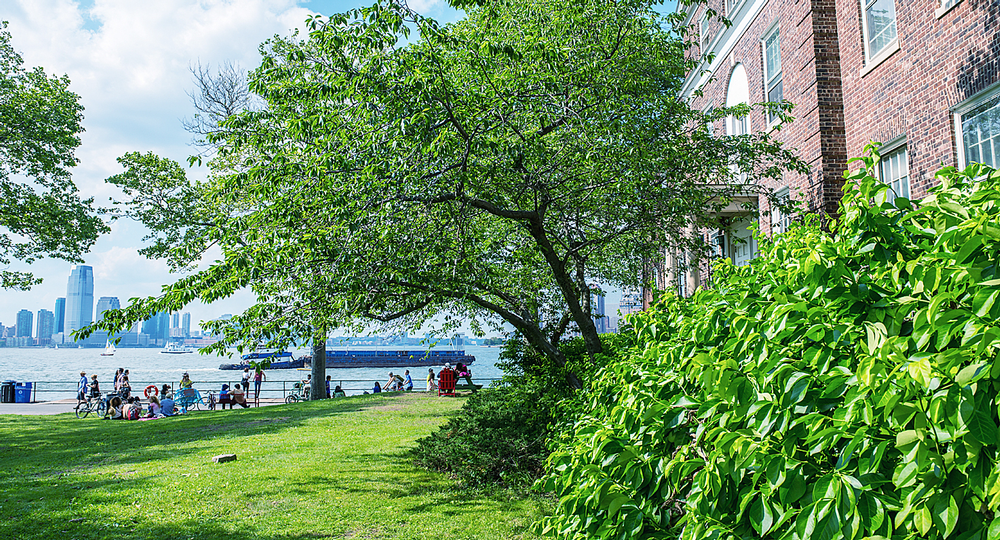
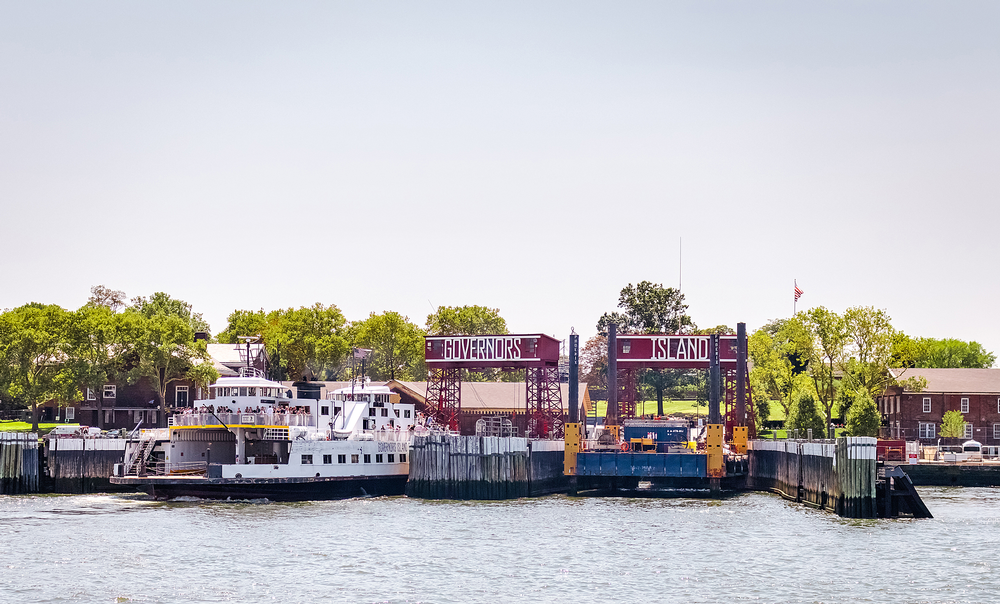
By actively promoting the off-season, as well as creating new destinations, such as The Rockaways and Governor’s Island, New York has managed to make a visit to the city far more than just a trip to the Statue of Liberty and the Empire State Building.
New York’s marketing arm, NYC and Company, gears much of its promotional activity to push the off-season – January to March. “This includes initiatives such as NYC Restaurant week, a signature dining programme involving up to 400 restaurants and also NYC Broadway week, where visitors can buy two-for-one theatre tickets,” says Christopher Heywood, senior vice president, global communications for NYC and Partners.
“The NYC Must-See Week is centred around visitor attractions, offering two-for-one admission to attractions, historic sites, museums, tours and performing arts venues across all five boroughs.”
Public transport also comes into it, with an improved and actively marketed NYC Ferry service, which makes it cheap and easy for visitors to explore other neighbourhoods in the city.
The importance of attractions There is a great deal visitor attractions can do to ease tourist congestion. Florida, which has a US$60bn tourism industry, wants to be the world’s top travel destination and is aiming for 120m visitors this year. Good management and its theme parks, which both attract and soak up visitors, are key to the success.
The UNWTO report offers up many ways in which visitor attractions could help to ease the problems caused by overtourism, these include offering longer opening hours in peak season, encouraging off-season visits via programming and dynamic pricing, and popular attractions partnering up in marketing initiatives with less central sites, to drive traffic to less-visited areas.
Read more from this issue of Attractions Management magazine
View contents of Attractions Management 2018 issue 4
Rides: Themed dreams
We take a look at some of the major
openings at visitor attractions worldwide
Theme Parks: Fan power
Jordan Middleton explains how operators
can best work with their audiences
Tourism: The Tourist Trap
What role could attractions play to keep
tourism beneficial for residents and
visitors alike? Kath Hudson reports
Conference: Creativity Cocktail
This year’s SATE conference came to the global epicentre for themed entertainment – Orlando – as the Themed Entertainment Association (TEA) searched for the secrets to “The Experience Recipe”.
Promotional feature: Whitewater
WhiteWater is branching out of the waterpark business as it
introduces two new attractions products and its brand new
Vantage guest engagement and management software
Show report: Enabling fun
Tom Anstey was on-hand to see what was
on offer at this year’s Euro Attractions Show
Promotional feature: Simtec - forward thinking
Simtec is a flying theatre and simulator ride supplier
for the attractions industry, as well as a manufacturer
of driving and flight simulation applications
Costa Rica’s approach With much to recommend it in terms of wildlife, national parks and interesting geographical features, Costa Rica could easily have seen tourism undermine its USPs. For this reason, Visit CostaRica chose to approach tourism with a strategy to promote high-end, sustainable tourism, avoiding mass tourism.
Tourism products are built around providing beautiful natural experiences, with visitors educated on conservation. The Costa Rican Tourism Institute offers a Certificate for Tourism Sustainability which categorises businesses according to their sustainability. Already producing 99 per cent of its electricity from renewable sources, Costa Rica aims to be the world’s first carbon neutral country by 2021.
Costa Rica is building its tourism offer around natural experiences
UNWTO’s overtourism report null,UNWTO has researched overtourism and released a report called Understanding and Managing Urban Tourism Growth beyond Perceptions, which examined tourism in Amsterdam, Barcelona, Berlin, Munich, Copenhagen, Lisbon, Salzburg and Tallinn.
The majority of people questioned didn’t think there should be a limitation on numbers. UNWTO believes good tourism management enables tourism to grow in ways which benefit locals and visitors.
UNWTO’s overtourism report
Strategies proposed by UNWTO • Promote the dispersal of visitors within the city and beyond Host events in less visited places, implement travel cards and create a joint identity of the city and the surrounding area. Attractions can play their part by increasing capacity and dwell time.
• Promote time-based dispersal of visitors Promote experiences and events in off-peak months and use new technologies to stimulate dynamic, time-based dispersal, as well as dynamic pricing.
• Stimulate new visitor itineraries Get people off the beaten path with guided tours in less-visited places, market hidden treasures and offer combined discounts for attractions and experiences. Create virtual reality applications to famous sites and attractions to complement on-site visits.
• Review and adapt regulation This calls for the review of a number of measures which have an impact on tourism, including the regulation and taxation of new tourism services and accommodation; regulation of access to certain areas of the city for tourist-related activities and the review of opening times of attractions, as well as the creation of parking at the edge of the city and in pedestrian-only areas.
• Improve city infrastructure and facilities Create a city-wide plan for traffic management with secondary routes which is available for peak times, make public transport better suited for visitors, create safe cycling routes and stimulate bike rentals, set up safe and attractive walking routes, safeguard the quality of cultural and heritage attractions.
• Create city experiences which benefit both residents and visitors Develop the city to fit with the residents’ needs and consider tourists as temporary residents, integrate visitor facilities within local festivities and activities, extend opening times of visitor attractions and promote art and culture initiatives, such as street art, to create fresh perspectives and expand visitation to new areas.
• Ensure local communities benefit from tourism Strive to create decent jobs and engage local communities in the development of new tourism products and stimulate the development of impoverished neighbourhoods through tourism.
• Enhance visitor segmentation Adapt marketing to target visitor segments which have the lowest impact on the city and discourage certain visitor segments.
• Communicate with and engage local stakeholders Create a tourism management group of local stakeholders, organise local discussion platforms for residents, encourage residents to share content about their city on social media and unite disjointed communities.
• Communicate with and engage visitors Create awareness of tourism impact among visitors, educate visitors on local values, traditions and regulations, provide adequate information about traffic restrictions, parking facilities, fees etc.
• Set monitoring and response measures Monitor key indicators such as seasonal fluctuations in demand, arrivals and expenditures, patterns of visitation to attractions etc. Create contingency plans for peak periods and emergency situations. Advance use of big data and new technology to monitor tourism performance.
PHOTO: shutterstock.com
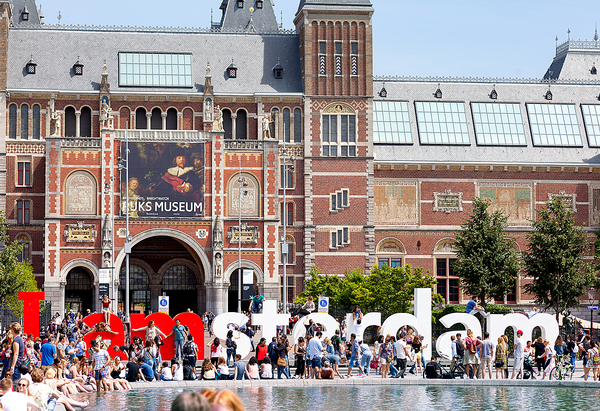
Amsterdam is a tourism-reliant city that would benefit from UNWTO’s proposed strategies
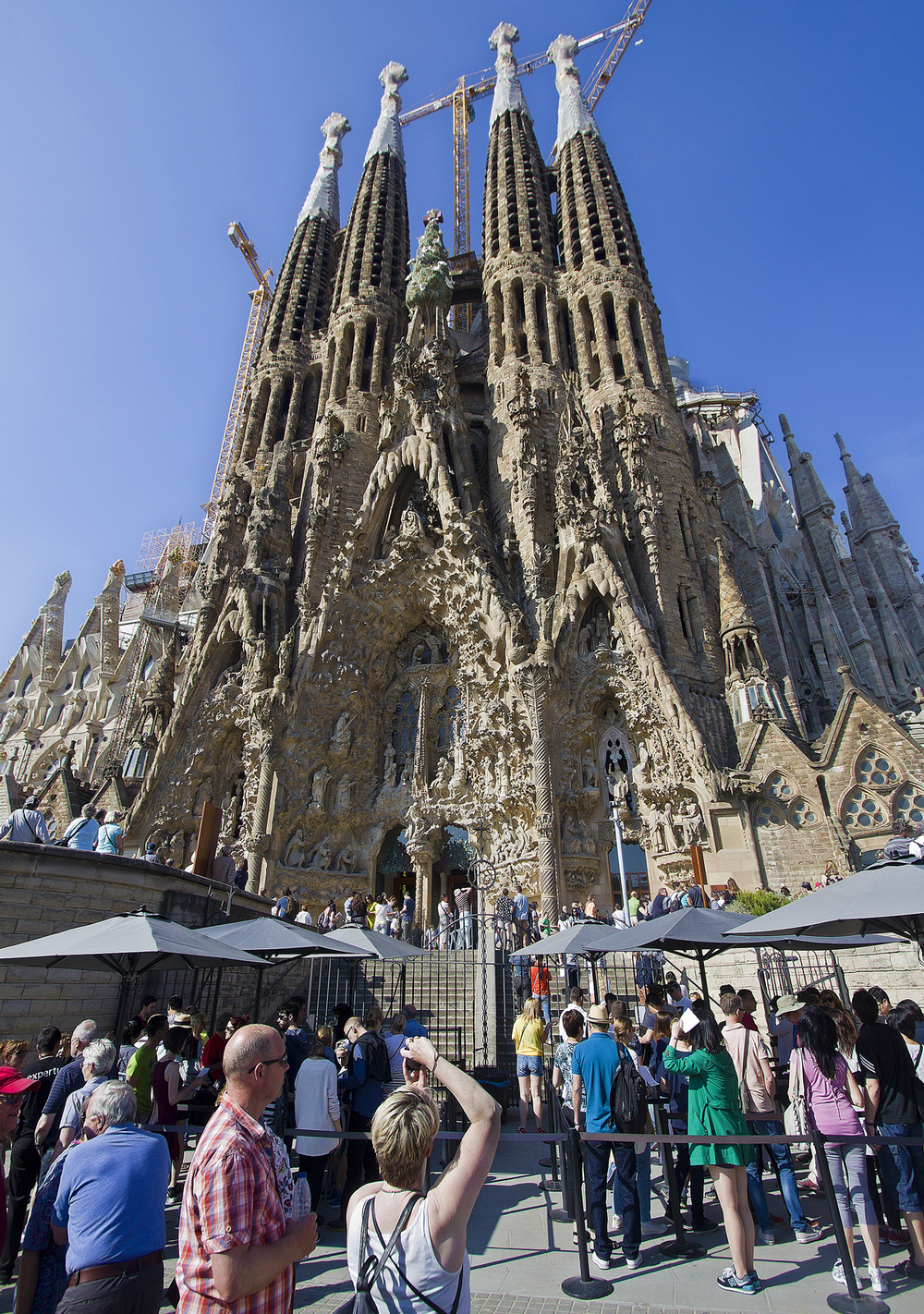
Overtourism is becoming a major issue in some of the world’s most popular visitor destinations / shutterstock
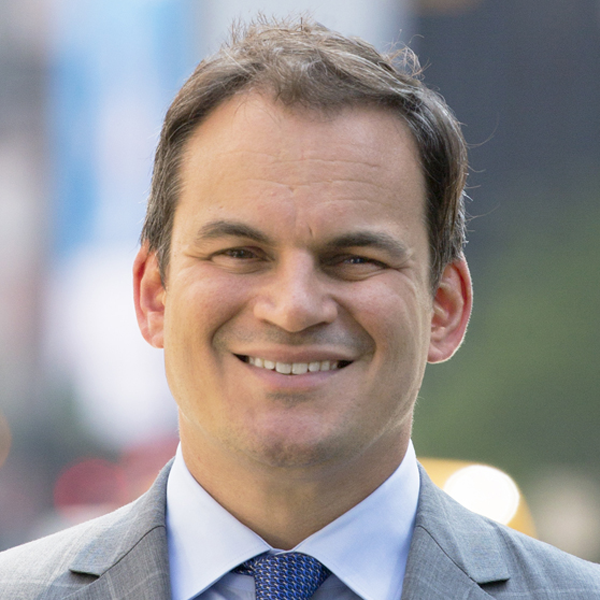
Zurab Pololikashvili became UNWTO secretary general on 1 January 2018
Christopher Heywood is senior vice president, global communications for NYC and Company
Governors Island is one example of good tourism management in New York / shutterstock
/ shutterstock
COMPANY PROFILES
IAAPA EMEA
IAAPA Expo Europe was established in 2006 and has grown to the largest international conference and [more...]
The dark side of tourism came to the fore in 2017, leading to protests and
the coining of a new term: overtourism. As the United Nations World Tourism
Organisation lays out a new strategy, what role could attractions play in ensuring
tourism is beneficial for residents and visitors alike? Kath Hudson reports
By Kath Hudson | Published in Attractions Management 2018 issue 4
Overtourism is a major issue in Venice, which is swamped by day trippers who far outnumber overnight visitors and local residents / shutterstock
Fuelled by cheap flights, greater affluence, the media and – more recently – new accommodation platforms, tourism has skyrocketed in the post-war period. International arrivals have increased from 25m in 1950, to more than 1.3bn in 2017. Growth of this recession-proof industry is projected to continue year-on-year and the United Nations World Tourism Organisation (UNWTO) forecasts it reaching 1.8bn in 2030.
The tourism sector brings with it many benefits: it boosts economies, strengthens international ties, leads to the creation of more events and supports the protection of historic places and the restoration of traditional architecture. There are also trickle down benefits to other industries – the attractions industry being one of them.
However, when places become so geared around tourists that butchers and grocers give way to souvenir shops and most rental accommodation is for tourists, it starts to cause a problem for residents. Last year saw protests by locals in both Barcelona and Venice, complaining that lives in their home cities are becoming unsustainable due to congestion, the prohibitively high cost of living and noise. Tourism experts caution such popularity could eventually lead to the bubble bursting: as locals are forced to move out, the character of the city is lost and then the appeal disappears, along with the tourists.
Tackling overtourism This situation has led to the start of a conversation on how to manage overtourism. UNWTO recently launched a report (see p59) which studied eight popular cities and concluded 11 strategies, and 68 measures to help destinations spread their visitors across the year and over undiscovered parts of the city.
The report says overtourism comes about through the absence of good management and uncontrolled development and that as numbers increase, tourism must be managed in a sustainable manner for the good of both visitors and local communities.
UNWTO secretary general, Zurab Pololikashvili, believes there’s a pressing need to set a sustainable roadmap for urban tourism and is confident a solution can be found, saying: “This can be achieved through community engagement, congestion management, reduction of seasonality, careful planning that respects the limits of capacity and the specificities of each destination and product diversification.”
A successful approach New York is an example of a popular city which manages its tourism successfully.
By actively promoting the off-season, as well as creating new destinations, such as The Rockaways and Governor’s Island, New York has managed to make a visit to the city far more than just a trip to the Statue of Liberty and the Empire State Building.
New York’s marketing arm, NYC and Company, gears much of its promotional activity to push the off-season – January to March. “This includes initiatives such as NYC Restaurant week, a signature dining programme involving up to 400 restaurants and also NYC Broadway week, where visitors can buy two-for-one theatre tickets,” says Christopher Heywood, senior vice president, global communications for NYC and Partners.
“The NYC Must-See Week is centred around visitor attractions, offering two-for-one admission to attractions, historic sites, museums, tours and performing arts venues across all five boroughs.”
Public transport also comes into it, with an improved and actively marketed NYC Ferry service, which makes it cheap and easy for visitors to explore other neighbourhoods in the city.
The importance of attractions There is a great deal visitor attractions can do to ease tourist congestion. Florida, which has a US$60bn tourism industry, wants to be the world’s top travel destination and is aiming for 120m visitors this year. Good management and its theme parks, which both attract and soak up visitors, are key to the success.
The UNWTO report offers up many ways in which visitor attractions could help to ease the problems caused by overtourism, these include offering longer opening hours in peak season, encouraging off-season visits via programming and dynamic pricing, and popular attractions partnering up in marketing initiatives with less central sites, to drive traffic to less-visited areas.
Read more from this issue of Attractions Management magazine
View contents of Attractions Management 2018 issue 4
Rides: Themed dreams
We take a look at some of the major
openings at visitor attractions worldwide
Theme Parks: Fan power
Jordan Middleton explains how operators
can best work with their audiences
Tourism: The Tourist Trap
What role could attractions play to keep
tourism beneficial for residents and
visitors alike? Kath Hudson reports
Conference: Creativity Cocktail
This year’s SATE conference came to the global epicentre for themed entertainment – Orlando – as the Themed Entertainment Association (TEA) searched for the secrets to “The Experience Recipe”.
Promotional feature: Whitewater
WhiteWater is branching out of the waterpark business as it
introduces two new attractions products and its brand new
Vantage guest engagement and management software
Show report: Enabling fun
Tom Anstey was on-hand to see what was
on offer at this year’s Euro Attractions Show
Promotional feature: Simtec - forward thinking
Simtec is a flying theatre and simulator ride supplier
for the attractions industry, as well as a manufacturer
of driving and flight simulation applications
Costa Rica’s approach With much to recommend it in terms of wildlife, national parks and interesting geographical features, Costa Rica could easily have seen tourism undermine its USPs. For this reason, Visit CostaRica chose to approach tourism with a strategy to promote high-end, sustainable tourism, avoiding mass tourism.
Tourism products are built around providing beautiful natural experiences, with visitors educated on conservation. The Costa Rican Tourism Institute offers a Certificate for Tourism Sustainability which categorises businesses according to their sustainability. Already producing 99 per cent of its electricity from renewable sources, Costa Rica aims to be the world’s first carbon neutral country by 2021.
Costa Rica is building its tourism offer around natural experiences
UNWTO’s overtourism report null,UNWTO has researched overtourism and released a report called Understanding and Managing Urban Tourism Growth beyond Perceptions, which examined tourism in Amsterdam, Barcelona, Berlin, Munich, Copenhagen, Lisbon, Salzburg and Tallinn.
The majority of people questioned didn’t think there should be a limitation on numbers. UNWTO believes good tourism management enables tourism to grow in ways which benefit locals and visitors.
UNWTO’s overtourism report
Strategies proposed by UNWTO • Promote the dispersal of visitors within the city and beyond Host events in less visited places, implement travel cards and create a joint identity of the city and the surrounding area. Attractions can play their part by increasing capacity and dwell time.
• Promote time-based dispersal of visitors Promote experiences and events in off-peak months and use new technologies to stimulate dynamic, time-based dispersal, as well as dynamic pricing.
• Stimulate new visitor itineraries Get people off the beaten path with guided tours in less-visited places, market hidden treasures and offer combined discounts for attractions and experiences. Create virtual reality applications to famous sites and attractions to complement on-site visits.
• Review and adapt regulation This calls for the review of a number of measures which have an impact on tourism, including the regulation and taxation of new tourism services and accommodation; regulation of access to certain areas of the city for tourist-related activities and the review of opening times of attractions, as well as the creation of parking at the edge of the city and in pedestrian-only areas.
• Improve city infrastructure and facilities Create a city-wide plan for traffic management with secondary routes which is available for peak times, make public transport better suited for visitors, create safe cycling routes and stimulate bike rentals, set up safe and attractive walking routes, safeguard the quality of cultural and heritage attractions.
• Create city experiences which benefit both residents and visitors Develop the city to fit with the residents’ needs and consider tourists as temporary residents, integrate visitor facilities within local festivities and activities, extend opening times of visitor attractions and promote art and culture initiatives, such as street art, to create fresh perspectives and expand visitation to new areas.
• Ensure local communities benefit from tourism Strive to create decent jobs and engage local communities in the development of new tourism products and stimulate the development of impoverished neighbourhoods through tourism.
• Enhance visitor segmentation Adapt marketing to target visitor segments which have the lowest impact on the city and discourage certain visitor segments.
• Communicate with and engage local stakeholders Create a tourism management group of local stakeholders, organise local discussion platforms for residents, encourage residents to share content about their city on social media and unite disjointed communities.
• Communicate with and engage visitors Create awareness of tourism impact among visitors, educate visitors on local values, traditions and regulations, provide adequate information about traffic restrictions, parking facilities, fees etc.
• Set monitoring and response measures Monitor key indicators such as seasonal fluctuations in demand, arrivals and expenditures, patterns of visitation to attractions etc. Create contingency plans for peak periods and emergency situations. Advance use of big data and new technology to monitor tourism performance.
PHOTO: shutterstock.com
Amsterdam is a tourism-reliant city that would benefit from UNWTO’s proposed strategies
Overtourism is becoming a major issue in some of the world’s most popular visitor destinations / shutterstock
Zurab Pololikashvili became UNWTO secretary general on 1 January 2018
Christopher Heywood is senior vice president, global communications for NYC and Company
Governors Island is one example of good tourism management in New York / shutterstock
OMA has completed a major transformation of New York's New Museum, creating a larger
cultural campus that combines expanded exhibition spaces with learning, performance,
hospitality and public programming.
A US$50 million (£44.2 million, €51.2 million) transformation of Chicago's historic McCormick
Mansion has created a new destination that combines live magic, immersive theatre, dining and
private membership under one roof.
The Montana Historical Society has officially celebrated the opening of its new Montana
Heritage
Center, a US$107 million (£79 million, €92 million) destination that combines immersive
storytelling with cutting-edge audiovisual technology to bring the sta
San Antonio Zoo has reported a US$283 million economic impact for 2025, following a decade-
long transformation programme that has seen almost US$200 million invested into the Texas
attraction.
Plans for the AU$180 million redevelopment of Reef HQ Aquarium in Townsville, Australia, are
progressing, with the project set to transform the attraction into a global centre for reef
education and conservation.
Abu Dhabi-based investment firm Mubadala Capital has made a binding, fully financed
€1 billion
offer to acquire Pierre and Vacances SA, the European holiday resort operator behind the
continental European Center Parcs business.
Disney has reaffirmed its commitment to investing US$30 billion in its US parks and cruise
business by 2033, using new America250 celebrations to underline the role its attractions play
in supporting jobs, tourism and economic growth.
Expo 2030 Riyadh is being planned as a permanent visitor destination, with organisers
confirming the six-million-square-metre site will become a Global Village after the event closes.
The owner of one of Australia's best-known waterparks has acquired a major competitor,
creating a new attractions business spanning two of the country's largest visitor destinations.
The Toverland theme park in the Netherlands has announced a €98m expansion programme
that will add a resort, new attractions and staff facilities as it pursues plans to become a multi-
day destination.
+ More news
COMPANY PROFILES
IAAPA EMEA IAAPA Expo Europe was established in 2006 and has grown to the largest international conference and [more...]