Theme park operators have long known the value of IPs in creating amazing visitor experiences. Now the museums and heritage sector is starting to work in this area, creating opportunities for collaboration
By Liz Terry | Published in Attractions Management 2018 issue 4
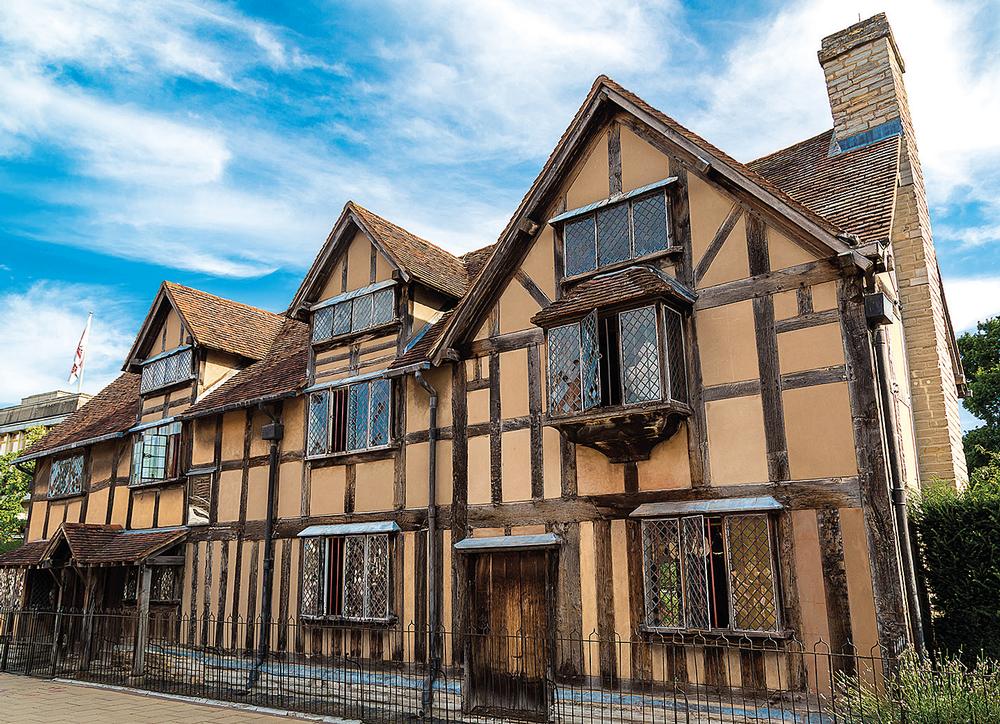
Shakespeare’s birthplace will be replicated in China / shutterstock/S-F
From Mickey and Minnie to Harry and Hermione, theme park operators have deep experience of deploying IPs to drive the development of physical and digital assets to create billion dollar values.
Now the heritage and museums sector is starting to get into its stride in exploiting the potential of its IPs for the creation of new attractions and visitor engagement.
Leading the way were initiatives such as the Louvre and Guggenheim being licensed into Abu Dhabi and now we’re witnessing an acceleration of this trend, as developers worldwide go looking for a fast track to success, by partnering with precious, unique cultural properties.
In this issue, for example, we report on a new heritage and cultural centre in San Weng, Jiangxi Province, South China, which will see the development of replicas of William Shakespeare’s homes as visitor attractions.
The developments are the result of a collaboration between Fuzhou Culture Tourism Investment Group in China and the Shakespeare Birthplace Trust in the UK.
San Weng – a new town currently under construction – will celebrate three masters of literature, William Shakespeare, Miguel de Cervantes and Tang Xianzu, the Ming Dynasty playwright and ‘Shakespeare of the Orient’.
As part of the tribute, the town will feature an entire quarter dedicated to Stratford-upon-Avon, Shakespeare’s birthplace (see page 29 for more details).
This growing interest in celebrating heritage is creating opportunities for museums and heritage brands of international significance, to both spread their influence and generate revenue by sharing their IPs for the good of all.
A phenomenal new report, Heritage and the Economy 2018, just published by Historic England, gives deep insight into why heritage IPs are so sought after by nations where culture is valued, but in short supply.
It proves how the presence of heritage boosts property values, tourism and job creation and injects value into local economies, saying: “Places with strong, distinctive identities are more likely to prosper than places without them.”
As these markets converge, there are learnings to be shared between sectors as operators work to optimise commercial opportunities, while ensuring authenticity.
Rides: Themed dreams
We take a look at some of the major
openings at visitor attractions worldwide
Theme Parks: Fan power
Jordan Middleton explains how operators
can best work with their audiences
Tourism: The Tourist Trap
What role could attractions play to keep
tourism beneficial for residents and
visitors alike? Kath Hudson reports
Conference: Creativity Cocktail
This year’s SATE conference came to the global epicentre for themed entertainment – Orlando – as the Themed Entertainment Association (TEA) searched for the secrets to “The Experience Recipe”.
Promotional feature: Whitewater
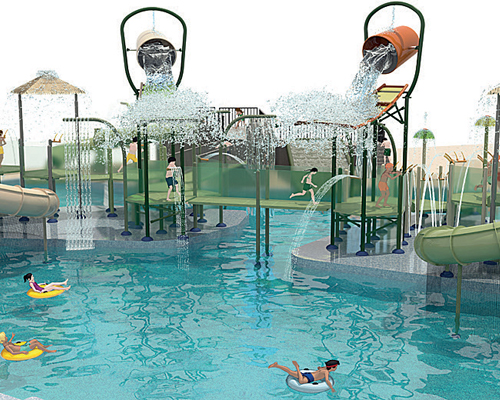
WhiteWater is branching out of the waterpark business as it
introduces two new attractions products and its brand new
Vantage guest engagement and management software
Show report: Enabling fun
Tom Anstey was on-hand to see what was
on offer at this year’s Euro Attractions Show
Promotional feature: Simtec - forward thinking
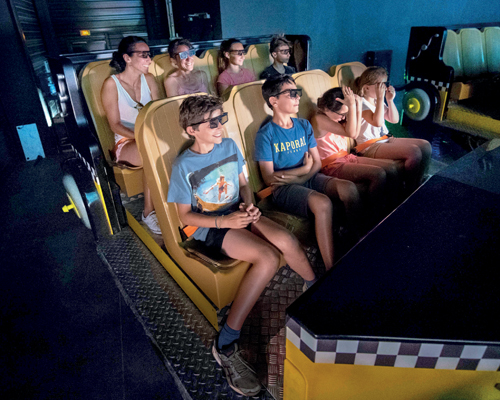
Simtec is a flying theatre and simulator ride supplier
for the attractions industry, as well as a manufacturer
of driving and flight simulation applications
Theme park operators have long known the value of IPs in creating amazing visitor experiences. Now the museums and heritage sector is starting to work in this area, creating opportunities for collaboration
By Liz Terry | Published in Attractions Management 2018 issue 4
Shakespeare’s birthplace will be replicated in China / shutterstock/S-F
From Mickey and Minnie to Harry and Hermione, theme park operators have deep experience of deploying IPs to drive the development of physical and digital assets to create billion dollar values.
Now the heritage and museums sector is starting to get into its stride in exploiting the potential of its IPs for the creation of new attractions and visitor engagement.
Leading the way were initiatives such as the Louvre and Guggenheim being licensed into Abu Dhabi and now we’re witnessing an acceleration of this trend, as developers worldwide go looking for a fast track to success, by partnering with precious, unique cultural properties.
In this issue, for example, we report on a new heritage and cultural centre in San Weng, Jiangxi Province, South China, which will see the development of replicas of William Shakespeare’s homes as visitor attractions.
The developments are the result of a collaboration between Fuzhou Culture Tourism Investment Group in China and the Shakespeare Birthplace Trust in the UK.
San Weng – a new town currently under construction – will celebrate three masters of literature, William Shakespeare, Miguel de Cervantes and Tang Xianzu, the Ming Dynasty playwright and ‘Shakespeare of the Orient’.
As part of the tribute, the town will feature an entire quarter dedicated to Stratford-upon-Avon, Shakespeare’s birthplace (see page 29 for more details).
This growing interest in celebrating heritage is creating opportunities for museums and heritage brands of international significance, to both spread their influence and generate revenue by sharing their IPs for the good of all.
A phenomenal new report, Heritage and the Economy 2018, just published by Historic England, gives deep insight into why heritage IPs are so sought after by nations where culture is valued, but in short supply.
It proves how the presence of heritage boosts property values, tourism and job creation and injects value into local economies, saying: “Places with strong, distinctive identities are more likely to prosper than places without them.”
As these markets converge, there are learnings to be shared between sectors as operators work to optimise commercial opportunities, while ensuring authenticity.
Rides: Themed dreams
We take a look at some of the major
openings at visitor attractions worldwide
Theme Parks: Fan power
Jordan Middleton explains how operators
can best work with their audiences
Tourism: The Tourist Trap
What role could attractions play to keep
tourism beneficial for residents and
visitors alike? Kath Hudson reports
Conference: Creativity Cocktail
This year’s SATE conference came to the global epicentre for themed entertainment – Orlando – as the Themed Entertainment Association (TEA) searched for the secrets to “The Experience Recipe”.
Promotional feature: Whitewater
WhiteWater is branching out of the waterpark business as it
introduces two new attractions products and its brand new
Vantage guest engagement and management software
Show report: Enabling fun
Tom Anstey was on-hand to see what was
on offer at this year’s Euro Attractions Show
Promotional feature: Simtec - forward thinking
Simtec is a flying theatre and simulator ride supplier
for the attractions industry, as well as a manufacturer
of driving and flight simulation applications
OMA has completed a major transformation of New York's New Museum, creating a larger
cultural campus that combines expanded exhibition spaces with learning, performance,
hospitality and public programming.
A US$50 million (£44.2 million, €51.2 million) transformation of Chicago's historic McCormick
Mansion has created a new destination that combines live magic, immersive theatre, dining and
private membership under one roof.
The Montana Historical Society has officially celebrated the opening of its new Montana
Heritage
Center, a US$107 million (£79 million, €92 million) destination that combines immersive
storytelling with cutting-edge audiovisual technology to bring the sta
San Antonio Zoo has reported a US$283 million economic impact for 2025, following a decade-
long transformation programme that has seen almost US$200 million invested into the Texas
attraction.
Plans for the AU$180 million redevelopment of Reef HQ Aquarium in Townsville, Australia, are
progressing, with the project set to transform the attraction into a global centre for reef
education and conservation.
Abu Dhabi-based investment firm Mubadala Capital has made a binding, fully financed
€1 billion
offer to acquire Pierre and Vacances SA, the European holiday resort operator behind the
continental European Center Parcs business.
Disney has reaffirmed its commitment to investing US$30 billion in its US parks and cruise
business by 2033, using new America250 celebrations to underline the role its attractions play
in supporting jobs, tourism and economic growth.
Expo 2030 Riyadh is being planned as a permanent visitor destination, with organisers
confirming the six-million-square-metre site will become a Global Village after the event closes.
The owner of one of Australia's best-known waterparks has acquired a major competitor,
creating a new attractions business spanning two of the country's largest visitor destinations.
The Toverland theme park in the Netherlands has announced a €98m expansion programme
that will add a resort, new attractions and staff facilities as it pursues plans to become a multi-
day destination.
+ More news
COMPANY PROFILES
Polin Waterparks Polin was founded in Istanbul in 1976. Polin
has since grown into a leading company in
the waterpa [more...]
Painting With Light By combining lighting, video, scenic and architectural elements, sound and special effects we tell s [more...]