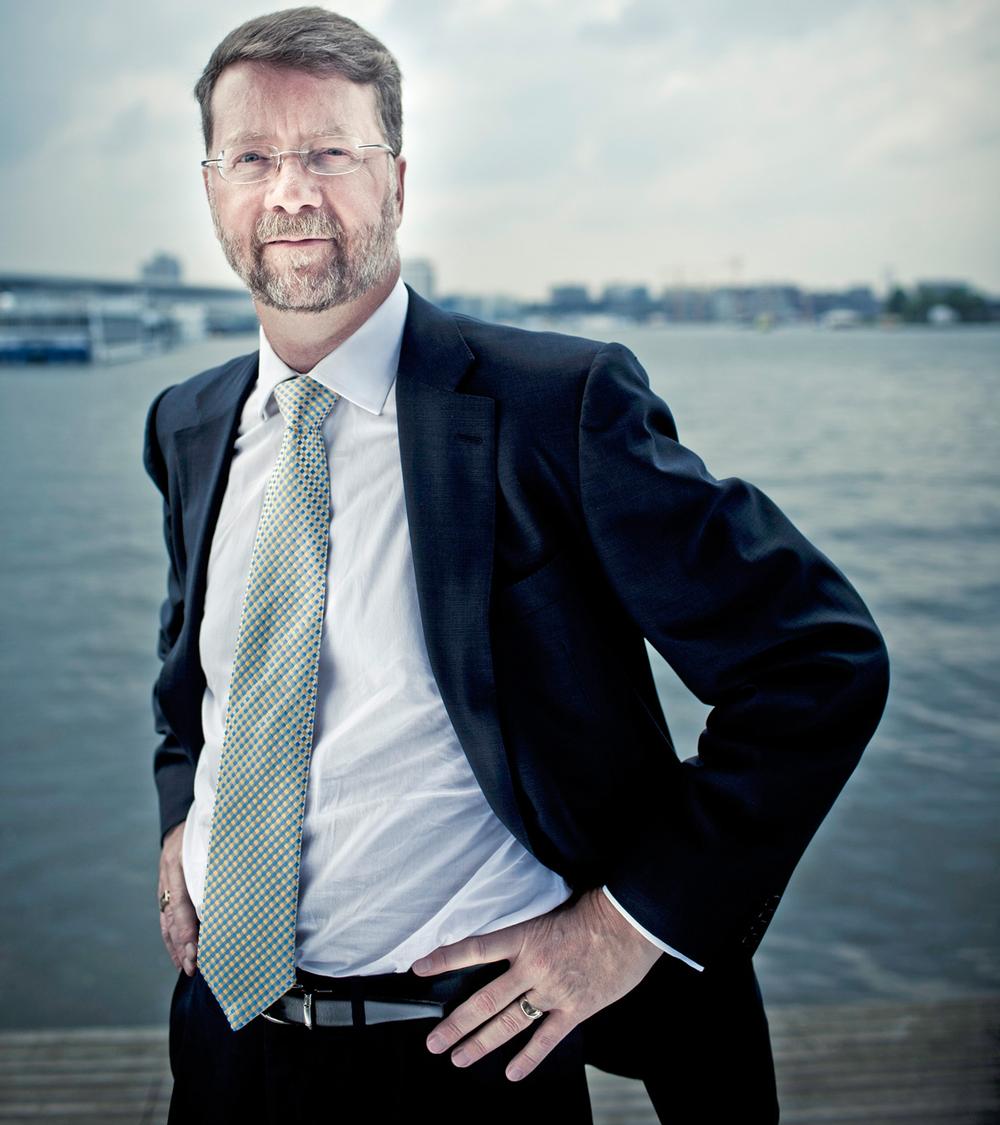
He wrote the book that defined the Experience Economy and advises numerous Fortune 500 clients on boosting their businesses. Author and thought leader Joe Pine talks to Magali Robathan about the biggest trends for the attractions industry coming out the pandemic
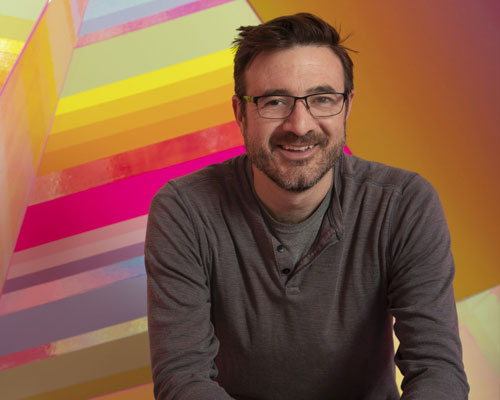
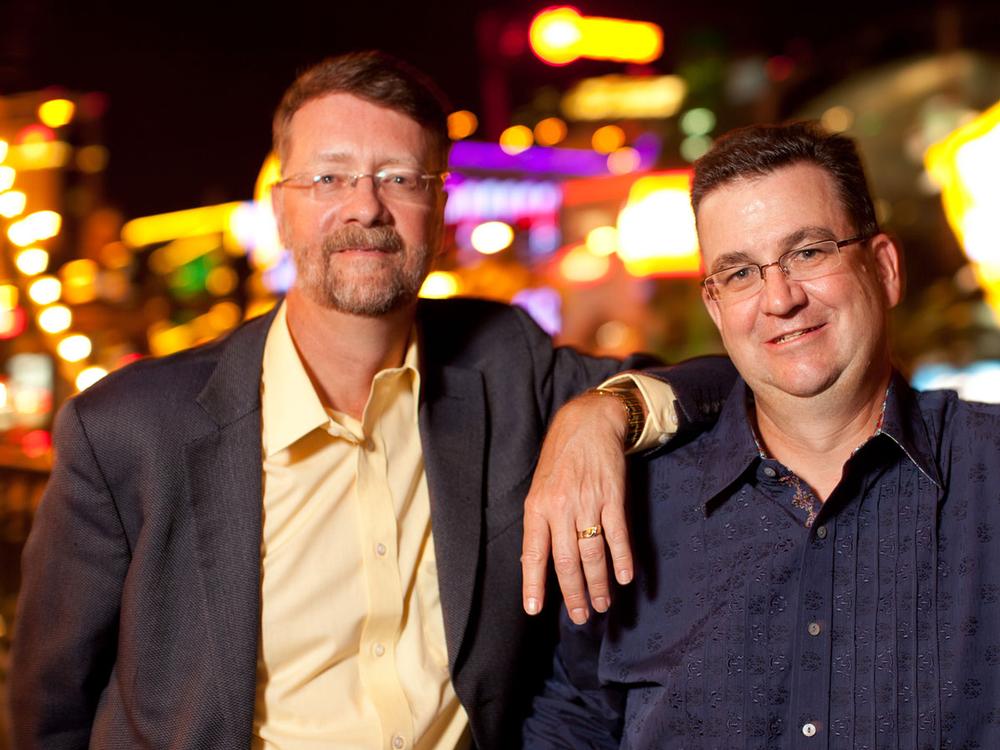
Joe Pine co-founded Strategic Horizons LLP with Jim Gilmore in 1996
Back in 1999, Joe Pine and his partner Jim Gilmore helped define a new economic phenomenon when they published The Experience Economy – Work is Theatre and Every Business a Stage.
Pine and Gilmore’s philosophy was that “goods and services are no longer enough,” and that all businesses must learn to “orchestrate memorable events for their customers that engage each one of them in an inherently personal way”.
Since then, the book has been translated into more than 15 languages, and has become an essential read for business leaders. After an updated edition in 2011, a hardcover edition was re-released in 2020 with a new preface.
As the pair predicted in 1999, the ‘Experience Economy’ has grown steadily, becoming one of the predominant sources of GDP growth and job creation. For years, it seemed as though nothing could slow the shift from buying goods to buying experiences, and the experience sector went from strength to strength.
And then of course, COVID-19 hit, closing restaurants, pubs, theme parks, museums, cinemas, galleries, theatres and so many of the other places where we go for experiences around the world.
“The pandemic killed the physical part of the experience sector of the economy and that had a hugely detrimental effect on people,” says Pine, speaking to me via Zoom. “The physical sector was decimated by the lockdowns. It’s something none of us could have predicted or foreseen.”
While people couldn’t go to their usual places for experiences, they still craved entertainment and connection, and innovative companies quickly found ways to meet those needs.
“We are social beings, and we insist on having experiences,” says Pine. “They moved from physical to digital, from social and communal to familial and individual. At times like this you always get innovation and there has been wonderful innovation in experiences that would not have existed without the pandemic.”
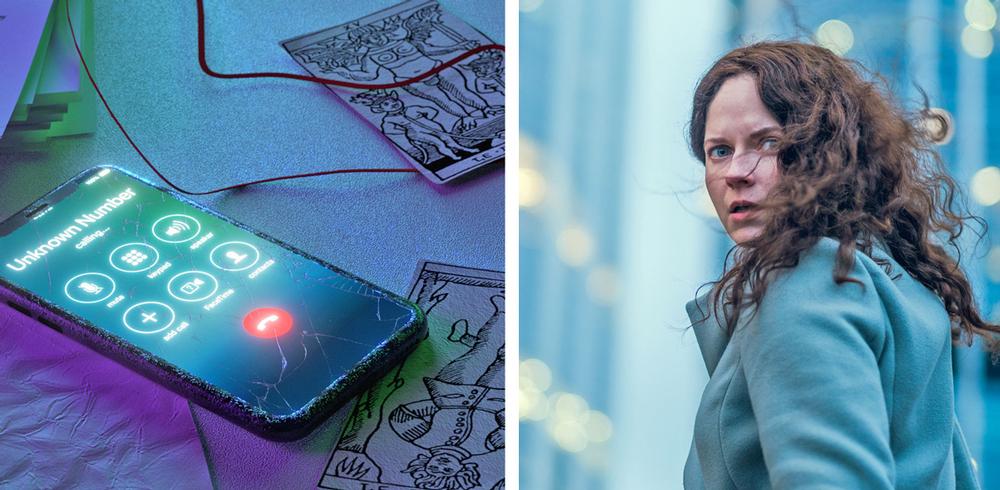
One of Pine’s favourite experiences during lockdown, he tells me, was by theatre and experience makers, Swamp Motel, who put on a hugely popular immersive online detective game called Plymouth Point. “You interact live with people to try and figure out what’s going on; it was a great experience,” he says. “That company has actually hired more people over the past year because what they’re doing is so successful.”
As the physical experience sector opens up, many of the lessons learned during the lockdowns will enable them to provide a better offer than before, says Pine. Here he sets out some of the biggest trends he’s seeing and what companies need to do to survive and thrive during the years ahead.
“One of the signs that the Experience Economy is very healthy is that whenever a place does open up to whatever capacity it can – guess what? It fills up to that limited capacity,” he says. “People will never stop wanting exciting and meaningful experiences.”
Pivoting to hybrid One of the biggest trends going forwards will be hybrid digital and physical offers, says Pine.
“As companies responded to the lack of people coming to physical venues, more and more of them turned to digital events. But that alone is a poor business substitute, as it has yet to prove capable of generating the same level of revenue,” he explains.
“The right approach is to stage hybrid experiences that amplify the live experience virtually.”
Pine sets out four stages to the hybrid experiences model. “Firstly, stage the live experience for however many people can attend – these people can be charged 100 per cent of the usual admission fee.
“Secondly, simultaneously offer the experience digitally to those who want the live experience but cannot or are unwilling to attend it physically. This same-time, different-place simulcast of the live experience can amplify it to many more people, who can be charged some portion of the physical admission fee.
“The third level involves taking all of your sessions of the experience and offering them for sale on an asynchronous basis, after the event. These ‘different-time, different-place’ viewers can absorb the bite-sized chunks you offer online whenever and wherever they desire – except in real-time, that is. That’s reserved for those who pay the higher fees for the live performance, whether in reality or virtuality.
“Level four is the recap. Any hybrid experience stager can at least summarise the highlights of the hybrid experience: in short, free videos on YouTube and other social media sites – to get even more people to wish they had been there live, and through such amplification create demand for the next experience.
“Done well, for many experiences I fully believe this hybrid experience model has the potential to create more revenue than pre-COVID experiences that ignored virtual possibilities.”
Queueless attractions Another big trend going forwards will be a huge increase in queueless attractions, says Pine. This will help with managing crowd flow – essential to accommodate social distancing – and increase the intensity of the experience offered.
“With today’s technology, there’s very little reason to wait in line for any length of time,” he says. “You should be able to experience something, somewhere, and then get to the next attraction just in time. Disney has got close to it with the Fast Pass, but everyone should be doing it. It’s going to be a big deal.”
This could also help with experience providers looking to address the need for social distancing by allowing similar numbers of people into their offer but encouraging a faster turnaround.
“Queueless systems could get them to the point where they’re just going from one ride or attraction to another,” says Pine. “They might spend less time in your attraction, but they’ll feel they have had a much more intense experience without that downtime in between.”
Mass customisation This links to the next big trend Pine advises operators to get on board with: the ability to offer mass customised itineraries.
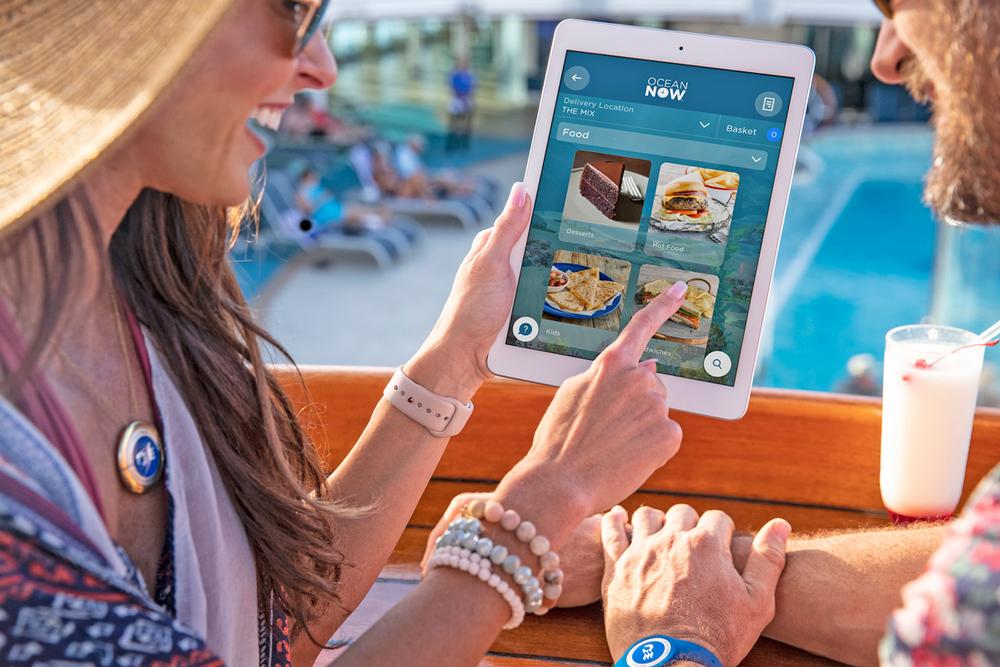
“Creating a mass customised itinerary efficiently allows people to get an actual itinerary for the time they’re spending with you,” he explains. “The first company I know of to do it is the Carnival Corporation with its Ocean Medallion wearable device, which allows the company to know each individual guest and their preferences.
“As a guest, before you get on the cruise, you upload your passport and fill in a form saying what you like to do. You’ll receive an itinerary so you have an idea of how the cruise will flow, and whenever you get within range of a crew member, your details pop up. This means you don’t have to show your passport, your cabin automatically unlocks, crew can greet you by name and know your favourite cocktail or drink without asking. As the operator learns more about what experiences you like, it makes personal experience invitations to mass-customise that itinerary for you.”
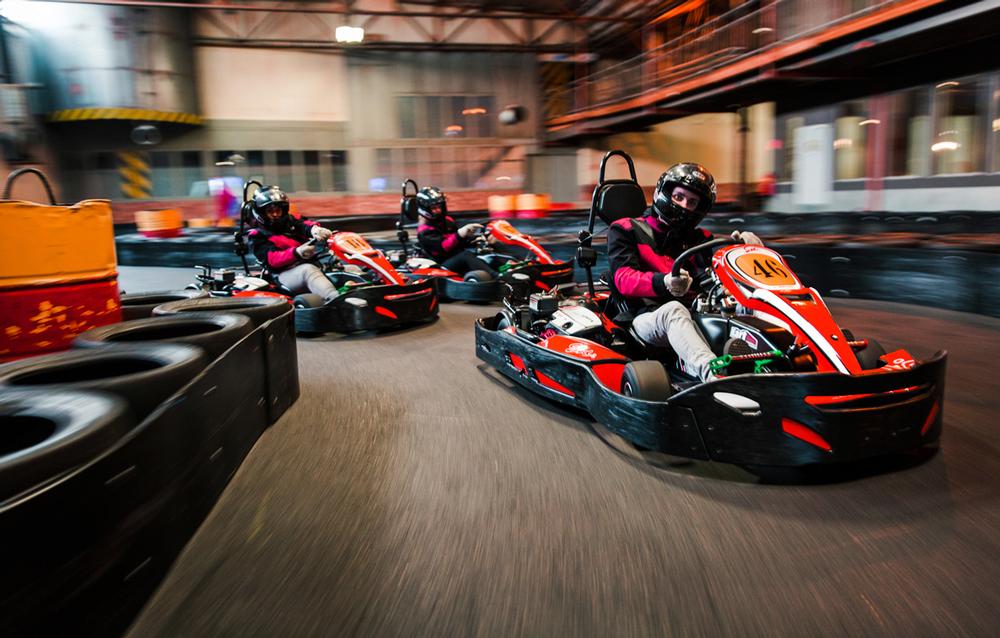
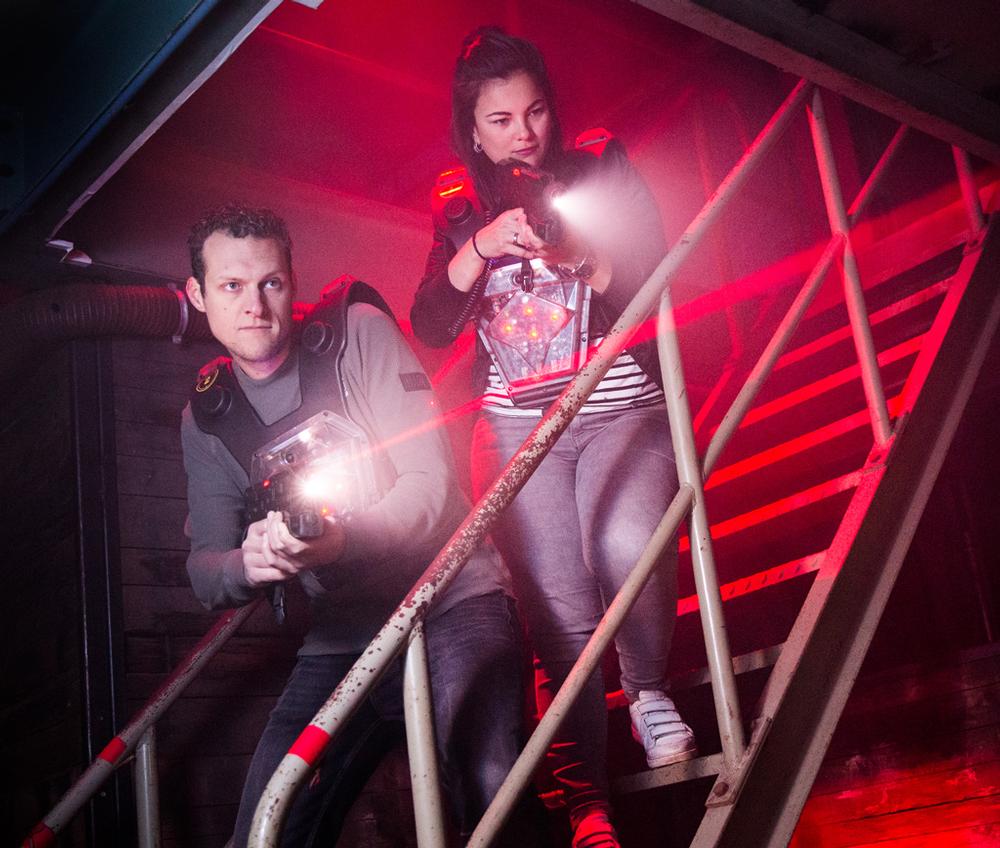
The potential for this technology is huge, explains Pine, particularly for multi-attraction facilities where mass customised itineraries can be created for each guest and family unit. “Briq Bookings in the Netherlands is doing this very successfully for family entertainment centres – it allows them to have tremendous capacity utilisation to smooth things out over their facilities. They’re also seeing increases in food and beverage sales, as meal breaks can be scheduled in.”
A positive outlook Looking ahead, Pine’s prediction is optimistic for the sector. “I think that the experience sector will fully recover in the next couple of years,” he says.
“The biggest change will be the infusion of digital technology into experiences.
“Hybrid experiences, and the use of digital technology within our experiences are here to stay. Attractions need to renew their capabilities around digital technology and recognise that is no longer optional, it’s essential.
“The decades-long shift from goods and services to experiences is still taking place – there’s no reason for that to abate long-term.”
Now is the time to refresh your places and redesign your offerings, as there will be much more competition going forwards, says Pine. When redesigning your offerings, make sure they are:
•
Robust: Expanding the experience to hit the ‘sweet spot’ of entertaining, educational, escapist, and esthetic realms of experience.
•
Cohesive: Fitting all the elements into an organising principle (the theme, if you will) so that everything hangs together throughout the experience, from front to back.
•
Personal: Reaching inside of each customer to create an experience with components customised to the individual.
•
Dramatic: Designing the time that customers spend with you to not be flat, but rather rise up to a remarkable climax and come back down again.
•
Transformative: Bringing together the set of experiences required to help customers achieve their aspirations.
Read more from this issue of Attractions Management magazine
View contents of Attractions Management 2021 issue 2
Museums: Museum of everything
At Depot Van Beuningen, a new kind of museum is taking shape, with the whole collection on show
Interview: Joe Pine
From mass customised itineraries to hybrid experiences, the pandemic is influencing attractions trends, says thought leader, Joe Pine
Disney: The Art of Marvel
Disneyland Paris has opened its new Marvel-inspired hotel. Art director Caroline May tells us what made it such a special project to work on
Interview: Nicolas de Villiers
As Puy du Fou opens its first park outside France, its president tells Attractions Management about his ambitious global plans and why China is next on his radar
Research: All creatures great and small
Large, charismatic animals drive footfall to zoos, but there are more unusual ways of boosting attendance, says Yvonne Buckley
Research: Power of youth
Teenage volunteers can help tween visitors get more out of their visits to science centres, new research shows
Disney: Reach for the stars
Dreamed up by Star Wars fans and brought to life by Disney Imagineers – a sneak peek at the Star Wars Galactic Starcruiser hotel experience
Research: Animal magic
A national study in Japan has shown how partnering with entertainment companies can help drive visits and donations to zoos
Museums: The way we live
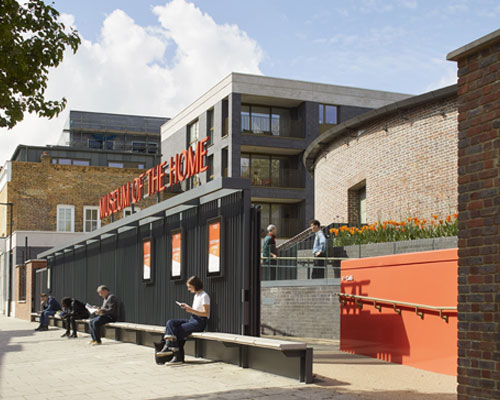
London’s Museum of the Home has reopened after a major refurbishment. We hear from the architects and museum director
An opportunity to reimagine one of the UK’s most recognisable towers has been formally
opened by Rivington Hark, as St Johns Beacon invites operators and partners to shape its
next phase. [more...]
He wrote the book that defined the Experience Economy and advises numerous Fortune 500 clients on boosting their businesses. Author and thought leader Joe Pine talks to Magali Robathan about the biggest trends for the attractions industry coming out the pandemic
Joe Pine co-founded Strategic Horizons LLP with Jim Gilmore in 1996
Back in 1999, Joe Pine and his partner Jim Gilmore helped define a new economic phenomenon when they published The Experience Economy – Work is Theatre and Every Business a Stage.
Pine and Gilmore’s philosophy was that “goods and services are no longer enough,” and that all businesses must learn to “orchestrate memorable events for their customers that engage each one of them in an inherently personal way”.
Since then, the book has been translated into more than 15 languages, and has become an essential read for business leaders. After an updated edition in 2011, a hardcover edition was re-released in 2020 with a new preface.
As the pair predicted in 1999, the ‘Experience Economy’ has grown steadily, becoming one of the predominant sources of GDP growth and job creation. For years, it seemed as though nothing could slow the shift from buying goods to buying experiences, and the experience sector went from strength to strength.
And then of course, COVID-19 hit, closing restaurants, pubs, theme parks, museums, cinemas, galleries, theatres and so many of the other places where we go for experiences around the world.
“The pandemic killed the physical part of the experience sector of the economy and that had a hugely detrimental effect on people,” says Pine, speaking to me via Zoom. “The physical sector was decimated by the lockdowns. It’s something none of us could have predicted or foreseen.”
While people couldn’t go to their usual places for experiences, they still craved entertainment and connection, and innovative companies quickly found ways to meet those needs.
“We are social beings, and we insist on having experiences,” says Pine. “They moved from physical to digital, from social and communal to familial and individual. At times like this you always get innovation and there has been wonderful innovation in experiences that would not have existed without the pandemic.”
One of Pine’s favourite experiences during lockdown, he tells me, was by theatre and experience makers, Swamp Motel, who put on a hugely popular immersive online detective game called Plymouth Point. “You interact live with people to try and figure out what’s going on; it was a great experience,” he says. “That company has actually hired more people over the past year because what they’re doing is so successful.”
As the physical experience sector opens up, many of the lessons learned during the lockdowns will enable them to provide a better offer than before, says Pine. Here he sets out some of the biggest trends he’s seeing and what companies need to do to survive and thrive during the years ahead.
“One of the signs that the Experience Economy is very healthy is that whenever a place does open up to whatever capacity it can – guess what? It fills up to that limited capacity,” he says. “People will never stop wanting exciting and meaningful experiences.”
Pivoting to hybrid One of the biggest trends going forwards will be hybrid digital and physical offers, says Pine.
“As companies responded to the lack of people coming to physical venues, more and more of them turned to digital events. But that alone is a poor business substitute, as it has yet to prove capable of generating the same level of revenue,” he explains.
“The right approach is to stage hybrid experiences that amplify the live experience virtually.”
Pine sets out four stages to the hybrid experiences model. “Firstly, stage the live experience for however many people can attend – these people can be charged 100 per cent of the usual admission fee.
“Secondly, simultaneously offer the experience digitally to those who want the live experience but cannot or are unwilling to attend it physically. This same-time, different-place simulcast of the live experience can amplify it to many more people, who can be charged some portion of the physical admission fee.
“The third level involves taking all of your sessions of the experience and offering them for sale on an asynchronous basis, after the event. These ‘different-time, different-place’ viewers can absorb the bite-sized chunks you offer online whenever and wherever they desire – except in real-time, that is. That’s reserved for those who pay the higher fees for the live performance, whether in reality or virtuality.
“Level four is the recap. Any hybrid experience stager can at least summarise the highlights of the hybrid experience: in short, free videos on YouTube and other social media sites – to get even more people to wish they had been there live, and through such amplification create demand for the next experience.
“Done well, for many experiences I fully believe this hybrid experience model has the potential to create more revenue than pre-COVID experiences that ignored virtual possibilities.”
Queueless attractions Another big trend going forwards will be a huge increase in queueless attractions, says Pine. This will help with managing crowd flow – essential to accommodate social distancing – and increase the intensity of the experience offered.
“With today’s technology, there’s very little reason to wait in line for any length of time,” he says. “You should be able to experience something, somewhere, and then get to the next attraction just in time. Disney has got close to it with the Fast Pass, but everyone should be doing it. It’s going to be a big deal.”
This could also help with experience providers looking to address the need for social distancing by allowing similar numbers of people into their offer but encouraging a faster turnaround.
“Queueless systems could get them to the point where they’re just going from one ride or attraction to another,” says Pine. “They might spend less time in your attraction, but they’ll feel they have had a much more intense experience without that downtime in between.”
Mass customisation This links to the next big trend Pine advises operators to get on board with: the ability to offer mass customised itineraries.
“Creating a mass customised itinerary efficiently allows people to get an actual itinerary for the time they’re spending with you,” he explains. “The first company I know of to do it is the Carnival Corporation with its Ocean Medallion wearable device, which allows the company to know each individual guest and their preferences.
“As a guest, before you get on the cruise, you upload your passport and fill in a form saying what you like to do. You’ll receive an itinerary so you have an idea of how the cruise will flow, and whenever you get within range of a crew member, your details pop up. This means you don’t have to show your passport, your cabin automatically unlocks, crew can greet you by name and know your favourite cocktail or drink without asking. As the operator learns more about what experiences you like, it makes personal experience invitations to mass-customise that itinerary for you.”
The potential for this technology is huge, explains Pine, particularly for multi-attraction facilities where mass customised itineraries can be created for each guest and family unit. “Briq Bookings in the Netherlands is doing this very successfully for family entertainment centres – it allows them to have tremendous capacity utilisation to smooth things out over their facilities. They’re also seeing increases in food and beverage sales, as meal breaks can be scheduled in.”
A positive outlook Looking ahead, Pine’s prediction is optimistic for the sector. “I think that the experience sector will fully recover in the next couple of years,” he says.
“The biggest change will be the infusion of digital technology into experiences.
“Hybrid experiences, and the use of digital technology within our experiences are here to stay. Attractions need to renew their capabilities around digital technology and recognise that is no longer optional, it’s essential.
“The decades-long shift from goods and services to experiences is still taking place – there’s no reason for that to abate long-term.”
Now is the time to refresh your places and redesign your offerings, as there will be much more competition going forwards, says Pine. When redesigning your offerings, make sure they are:
•
Robust: Expanding the experience to hit the ‘sweet spot’ of entertaining, educational, escapist, and esthetic realms of experience.
•
Cohesive: Fitting all the elements into an organising principle (the theme, if you will) so that everything hangs together throughout the experience, from front to back.
•
Personal: Reaching inside of each customer to create an experience with components customised to the individual.
•
Dramatic: Designing the time that customers spend with you to not be flat, but rather rise up to a remarkable climax and come back down again.
•
Transformative: Bringing together the set of experiences required to help customers achieve their aspirations.
Read more from this issue of Attractions Management magazine
View contents of Attractions Management 2021 issue 2
Museums: Museum of everything
At Depot Van Beuningen, a new kind of museum is taking shape, with the whole collection on show
Interview: Joe Pine
From mass customised itineraries to hybrid experiences, the pandemic is influencing attractions trends, says thought leader, Joe Pine
Disney: The Art of Marvel
Disneyland Paris has opened its new Marvel-inspired hotel. Art director Caroline May tells us what made it such a special project to work on
Interview: Nicolas de Villiers
As Puy du Fou opens its first park outside France, its president tells Attractions Management about his ambitious global plans and why China is next on his radar
Research: All creatures great and small
Large, charismatic animals drive footfall to zoos, but there are more unusual ways of boosting attendance, says Yvonne Buckley
Research: Power of youth
Teenage volunteers can help tween visitors get more out of their visits to science centres, new research shows
Disney: Reach for the stars
Dreamed up by Star Wars fans and brought to life by Disney Imagineers – a sneak peek at the Star Wars Galactic Starcruiser hotel experience
Research: Animal magic
A national study in Japan has shown how partnering with entertainment companies can help drive visits and donations to zoos
Museums: The way we live
London’s Museum of the Home has reopened after a major refurbishment. We hear from the architects and museum director
Experience design company, BRC Imagination Arts, has completed a transition that sees founder
Bob Rogers pass ownership of the business to four long-serving senior executives, while
remaining actively involved with the company.
Movie Park Germany has opened a new Paramount Pictures-themed attraction as part of its 30th
anniversary celebrations, using immersive storytelling and adaptive reuse to reinforce the park’s
longstanding “Hollywood in Germany” positioning.
Therme Manchester’s 28-acre development, which will include interconnected glass pavilions
that measure 65,000sq m, will be the largest bathing and wellbeing attraction in the world once
complete, according to prof David Russell, CEO of Therme UK.
Efteling has opened Hooghmoed, a new family drop tower designed to broaden the appeal of its
recently launched Sirene Island themed area and introduce younger visitors to thrill attractions.
A proposed Puy du Fou development near Bicester and Universal Destinations and Experiences’
planned resort in Bedford are emerging as part of a wider transformation of the Oxford–
Cambridge Growth Corridor into a major centre for UK leisure and tourism inv
Shedd Aquarium has opened the Immersion Theater developed in partnership with SimEx-
Iwerks, as part of a wider strategy to enhance the guest experience and create additional
revenue opportunities.
The UK government has announced a temporary reduction in VAT on visitor attractions and
children’s meals as part of a summer cost-of-living support package designed to stimulate the
visitor economy and encourage family days out.
As designer Yinka Ilori prepares for his first solo gallery show in London, he speaks exclusively
to CLADmag about his mission to spread joy, the power of play, and his bold approach to using
colour (including the colours you won’t see in his work).
The government of Thailand is exploring plans for a THB300bn (£6.3bn, US$8.3bn)
entertainment complex in the country’s Eastern Economic Corridor (EEC), with officials
proposing a large-scale theme park and sports destination as part of a broader tourism and
economic development strategy.
Royal Caribbean has revealed its Hero of the Seas cruise ship, home to the most pools at sea
(nine), and a record-breaking 28 dining venues, as well as attractions including a waterpark
with two new family raft slides.
+ More news
COMPANY PROFILES
Taylor Made Designs Founded in 1993, Taylor Made
Designs supply corporate clothing
and brand-enhancing merchandise
to [more...]
IAAPA EMEA IAAPA Expo Europe was established in 2006 and has grown to the largest international conference and [more...]
Sally Corporation Our services include: Dark ride design & build; Redevelopment of existing attractions; High-quality [more...]
QubicaAMF UK QubicaAMF is the largest and most
innovative bowling equipment provider with
600 employees worldwi [more...]
An opportunity to reimagine one of the UK’s most recognisable towers has been formally
opened by Rivington Hark, as St Johns Beacon invites operators and partners to shape its
next phase. [more...]