With increasing numbers of consumers buying professional beauty ranges online, how have industry product houses responded and what does this mean for spas? Kate Parker asks the experts
By Kate Parker | Published in Spa Business 2016 issue 4
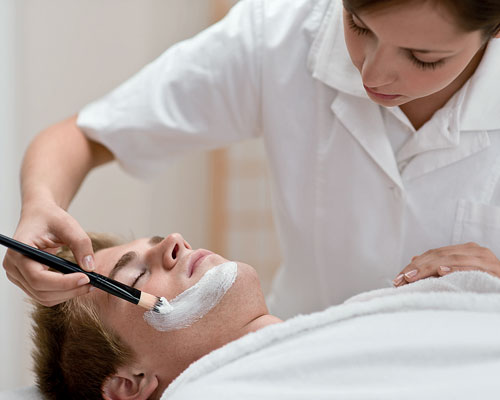
Online retail sales in Europe and North America are to reach US$667bn in 2016 / shutterstock.com/Jacob Lund
The retail landscape looks very different today than it did 20 or even 10 years ago, with a massive shift towards online purchasing.
According to the Centre for Retail Research, web sales are the main driver for retail growth internationally. While annual growth rates for all types of retailing only range between 1.5 per cent and 3.5 per cent, online sales are expected to increase by 16.7 per cent in Europe and by more than 15 per cent in North America in 2016 reaching €216.32bn (US$244.5bn, £182.9bn) and US$422.44bn (€373.7bn, £316.1bn) respectively.
Professional beauty suppliers have not been immune to these changes. Traditionally only selling through spa facilities, many forward-thinking brands are now evolving their e-commerce strategies developing both in-house platforms and partnering with third parties such as Feelunique, Glossybox and LookFantastic. With e-commerce giant Amazon starting to dabble in pro-beauty retailing too, the landscape becomes even more interesting and possibly contentious.
The realm of e-commerce opens up new and exciting ways for product houses to interact directly with consumers, but who’s doing it well and how? What are the pitfalls to avoid? What do they look for in a third-party partner?
At the same time, how are they selling online without taking business away from spas? Will a focus on digital give the end-user a more rounded experience and ultimately drive more customers to spas in search of their favourite product or as an extension of the brand? There’s a delicate balance to be made between suppliers increasing their own retail revenue while at the same time supporting spas. How are they making it work? We ask the experts…
Read more from this issue of Attractions Management magazine
View contents of Attractions Management 2016 issue 4
Promotional feature: Phytomer
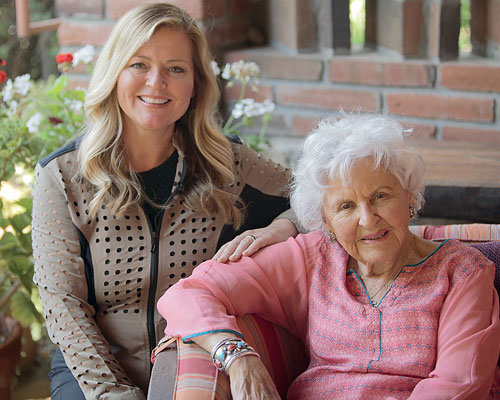
As a pioneer of marine skincare, Phytomer represents a story of three impassioned generations and a dedication to cultivating the purest spa ingredients from the northern French coast
E-commerce is extremely important to our business. It provides us with the opportunity to launch new products online first, revealing the consumer’s reaction to the range and whether our retailers will be interested in purchasing. It allows us to understand the Aromatherapy Associates (AA) customer and this in turn helps us to support our spa and retail partners.
We sell in excess of 50,000 units a year through several third party sites including Net-a-Porter, Cult Beauty, Feelunique, John & Ginger and Travel by Amanda among others.
That said, online retail constitutes a single digit percentage of our overall business and we’re currently working on relaunching our e-commerce site. A common pitfall of beauty sites is the focus on discounts, resulting in a constant need for a promotion to drive revenue and edging a brand away from its luxury positioning. To counter this, we endeavour to drive our business through knowledge, experience and value.
The goal is to provide more educational content on the benefits of aromatherapy and to build on functionality – adding questions on health and wellness to our search facility, for example. We can also collaborate with like-minded brands to educate consumers about health and wellbeing to reach a greater audience.
Far from taking away custom from spas, online retailing raises a brand’s profile providing more opportunities for engagement. Once familiar with a brand, a customer is more likely to choose a spa where it’s stocked. Half of the relationship is built before the guest walks through the door, and if they enjoy the experience they’ll return.
Woodward joined AA this April having worked in the beauty retail sector for leading UK consumer-facing businesses such as M&S and Harrods.
Details: www.aromatherapyassociates.com
"It allows us to understand customers so we can support spa and retail partners "
Nigel LawmonCommercial directorFeelunique
Nigel Lawmon
We’ve seen the growing trend for consumers to buy online first hand, with the acquisition of over half a million new customers every year. We currently work with more than 450 beauty brands, 30 of which are professional firms such as Elemis, Darphin and Decléor.
To really succeed in e-commerce, professional beauty brands need to drive awareness over and above what they do in their physical points of distribution. To do this, they need to know their customer and where to find them, particularly digitally. They also need a willingness to work with the [online] retailer, giving them the incentive to recommend their products through their media and providing them with the tools to encourage people to purchase online.
We have several tiers of partnership, from a simple listing on the website to a full package of support including a range of visibility, enhanced brand rooms and communication to audiences via email and social media.
In response to the argument that professional beauty products should [only] be sold by qualified therapists, I say that at Feelunique we pride ourselves in providing expert advice on the products we carry. Our customer care team has access to training by brands and a database of information on the products. We have a core of advisors with beauty qualifications, together with a trained pharmacist on the team. We’re soon to launch a new help and advice area so external ambassadors will be able to field questions posted by customers. We are actively recruiting qualified therapists to join this community of experts.
Founded in 2005, Feelunique is one of Europe’s largest independent online luxury beauty retailers. Lawmon himself has 18 years’ experience in retail.
Details: www.feelunique.com
"Professional beauty brands need to drive awareness over and above physical points of distribution"
James CheesemanDirector of MarketingESPA
James Cheeseman
The impact of the arrival of Amazon on the pro-beauty scene really does depend on the customer’s relationship with each brand. Our customers absolutely prefer a rounder experience. Yes, they love the opportunity to make a quick re-purchase and next-day delivery, and yes, they appreciate occasional promotions – which they also receive in-spa – but they have come to expect and enjoy the expert advice, regular new content and excellent customer service from us too.
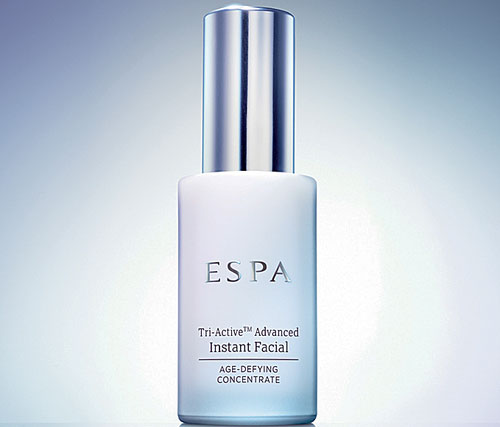
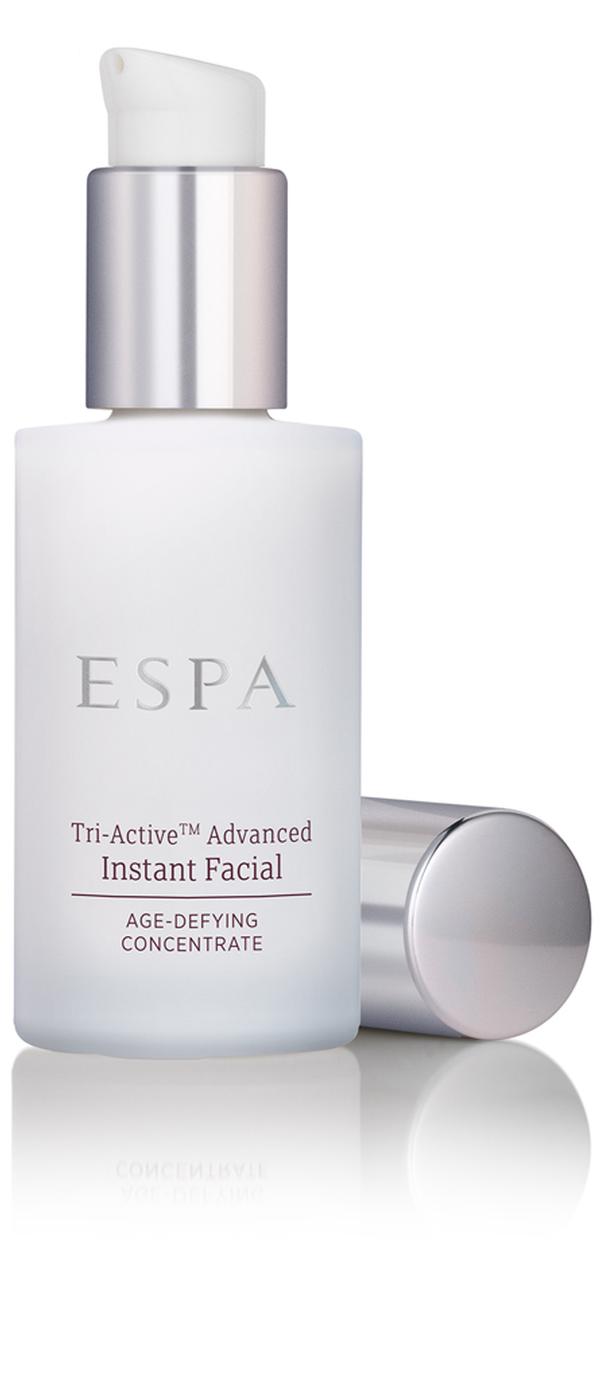
Our dedicated e-commerce and digital communications channel espaskincare.com, showcases ESPA’s products, treatments and spa partners. We also retail via some of our [department store] partners’ websites, including Harvey Nichols and Liberty in London. As a rule, we actively choose not to partner with online-only retailers as these channels require unique discounted offers.
While our digital channel is growing, it remains a smaller proportion of our overall business where we have a multi-channel approach and it’s important these channels work together rather than compete. Our website, for example, isn’t purely focused on sales as this inevitably leads you down the route of discounting which damages how customers perceive you and conflicts with the experience customers receive in spa. Instead, it links to our 500-plus spa and retail partners globally, as well as providing on-tap expert education, tutorials on how to use products, blogs, spa and treatment information.
Primarily, our customers discover us and frequently re-purchase via our spa or store retail partners, but we know they also like to undertake preliminary research online at a time convenient to them, exploring products in more detail, identifying what else they might like to try, before discussing with their therapist.
ESPA has more than 3,500 therapists administering over 3 million treatments a year. Cheeseman joined the company just over a year ago.
Details: www.espaskincare.com
"Our website isn’t purely focused on sales, as that leads to discounting"
ESPA offers product advice on its website and provides links to spa partners
Rob WilliamsChief Digital OfficeElemis
Rob Williams
As a global brand, Elemis has an omni-channel distribution model. Our worldwide network of 1,600 spas and beauty salons is our biggest channel but we also trade through [high street] retailers, concept stores, TV shopping (see SB14/3 p84) – and e-commerce.
To compete in a global market you must sell online and an important part of our strategy is to make our range of products as available as possible, without compromising on service. We sell our products through our own websites – elemis.com and timetospa.com – through third-party beauty specialists such as Lookfantastic and Feelunique, as well as through ASOS and Amazon. This gives the company exposure to different types of consumers in a variety of demographics – and any time that a consumer comes into direct contact with Elemis is an opportunity to drive them back to our spas and salons.
Our digital toolset has become the key communicator through which we can talk to our customers – for many, the website constitutes the first point of contact with the brand, no matter where they end up purchasing. As consultation and education has always been at the heart of what we do, it’s vital that our website tells the Elemis story, gives recommendations on the right products for each and every person and explains how they can benefit their lifestyle.
At the same time, e-commerce enables us to gather data on shopping habits to ensure that we provide the best possible service, wherever they shop, as well as helping us to make key decisions on where we should focus our [ongoing sales and product development] efforts.
Williams has been focusing on Elemis’ digital operations since January 2016.
Details: www.elemis.com
"To compete in a global market, you must sell online"
Freelance journalist Kate Parker is a regular contributor to Leisure Media magazines
An opportunity to reimagine one of the UK’s most recognisable towers has been formally
opened by Rivington Hark, as St Johns Beacon invites operators and partners to shape its
next phase. [more...]
With increasing numbers of consumers buying professional beauty ranges online, how have industry product houses responded and what does this mean for spas? Kate Parker asks the experts
By Kate Parker | Published in Spa Business 2016 issue 4
Online retail sales in Europe and North America are to reach US$667bn in 2016 / shutterstock.com/Jacob Lund
The retail landscape looks very different today than it did 20 or even 10 years ago, with a massive shift towards online purchasing.
According to the Centre for Retail Research, web sales are the main driver for retail growth internationally. While annual growth rates for all types of retailing only range between 1.5 per cent and 3.5 per cent, online sales are expected to increase by 16.7 per cent in Europe and by more than 15 per cent in North America in 2016 reaching €216.32bn (US$244.5bn, £182.9bn) and US$422.44bn (€373.7bn, £316.1bn) respectively.
Professional beauty suppliers have not been immune to these changes. Traditionally only selling through spa facilities, many forward-thinking brands are now evolving their e-commerce strategies developing both in-house platforms and partnering with third parties such as Feelunique, Glossybox and LookFantastic. With e-commerce giant Amazon starting to dabble in pro-beauty retailing too, the landscape becomes even more interesting and possibly contentious.
The realm of e-commerce opens up new and exciting ways for product houses to interact directly with consumers, but who’s doing it well and how? What are the pitfalls to avoid? What do they look for in a third-party partner?
At the same time, how are they selling online without taking business away from spas? Will a focus on digital give the end-user a more rounded experience and ultimately drive more customers to spas in search of their favourite product or as an extension of the brand? There’s a delicate balance to be made between suppliers increasing their own retail revenue while at the same time supporting spas. How are they making it work? We ask the experts…
Read more from this issue of Attractions Management magazine
View contents of Attractions Management 2016 issue 4
Promotional feature: Phytomer
As a pioneer of marine skincare, Phytomer represents a story of three impassioned generations and a dedication to cultivating the purest spa ingredients from the northern French coast
E-commerce is extremely important to our business. It provides us with the opportunity to launch new products online first, revealing the consumer’s reaction to the range and whether our retailers will be interested in purchasing. It allows us to understand the Aromatherapy Associates (AA) customer and this in turn helps us to support our spa and retail partners.
We sell in excess of 50,000 units a year through several third party sites including Net-a-Porter, Cult Beauty, Feelunique, John & Ginger and Travel by Amanda among others.
That said, online retail constitutes a single digit percentage of our overall business and we’re currently working on relaunching our e-commerce site. A common pitfall of beauty sites is the focus on discounts, resulting in a constant need for a promotion to drive revenue and edging a brand away from its luxury positioning. To counter this, we endeavour to drive our business through knowledge, experience and value.
The goal is to provide more educational content on the benefits of aromatherapy and to build on functionality – adding questions on health and wellness to our search facility, for example. We can also collaborate with like-minded brands to educate consumers about health and wellbeing to reach a greater audience.
Far from taking away custom from spas, online retailing raises a brand’s profile providing more opportunities for engagement. Once familiar with a brand, a customer is more likely to choose a spa where it’s stocked. Half of the relationship is built before the guest walks through the door, and if they enjoy the experience they’ll return.
Woodward joined AA this April having worked in the beauty retail sector for leading UK consumer-facing businesses such as M&S and Harrods.
Details: www.aromatherapyassociates.com
"It allows us to understand customers so we can support spa and retail partners "
Nigel LawmonCommercial directorFeelunique
Nigel Lawmon
We’ve seen the growing trend for consumers to buy online first hand, with the acquisition of over half a million new customers every year. We currently work with more than 450 beauty brands, 30 of which are professional firms such as Elemis, Darphin and Decléor.
To really succeed in e-commerce, professional beauty brands need to drive awareness over and above what they do in their physical points of distribution. To do this, they need to know their customer and where to find them, particularly digitally. They also need a willingness to work with the [online] retailer, giving them the incentive to recommend their products through their media and providing them with the tools to encourage people to purchase online.
We have several tiers of partnership, from a simple listing on the website to a full package of support including a range of visibility, enhanced brand rooms and communication to audiences via email and social media.
In response to the argument that professional beauty products should [only] be sold by qualified therapists, I say that at Feelunique we pride ourselves in providing expert advice on the products we carry. Our customer care team has access to training by brands and a database of information on the products. We have a core of advisors with beauty qualifications, together with a trained pharmacist on the team. We’re soon to launch a new help and advice area so external ambassadors will be able to field questions posted by customers. We are actively recruiting qualified therapists to join this community of experts.
Founded in 2005, Feelunique is one of Europe’s largest independent online luxury beauty retailers. Lawmon himself has 18 years’ experience in retail.
Details: www.feelunique.com
"Professional beauty brands need to drive awareness over and above physical points of distribution"
James CheesemanDirector of MarketingESPA
James Cheeseman
The impact of the arrival of Amazon on the pro-beauty scene really does depend on the customer’s relationship with each brand. Our customers absolutely prefer a rounder experience. Yes, they love the opportunity to make a quick re-purchase and next-day delivery, and yes, they appreciate occasional promotions – which they also receive in-spa – but they have come to expect and enjoy the expert advice, regular new content and excellent customer service from us too.
Our dedicated e-commerce and digital communications channel espaskincare.com, showcases ESPA’s products, treatments and spa partners. We also retail via some of our [department store] partners’ websites, including Harvey Nichols and Liberty in London. As a rule, we actively choose not to partner with online-only retailers as these channels require unique discounted offers.
While our digital channel is growing, it remains a smaller proportion of our overall business where we have a multi-channel approach and it’s important these channels work together rather than compete. Our website, for example, isn’t purely focused on sales as this inevitably leads you down the route of discounting which damages how customers perceive you and conflicts with the experience customers receive in spa. Instead, it links to our 500-plus spa and retail partners globally, as well as providing on-tap expert education, tutorials on how to use products, blogs, spa and treatment information.
Primarily, our customers discover us and frequently re-purchase via our spa or store retail partners, but we know they also like to undertake preliminary research online at a time convenient to them, exploring products in more detail, identifying what else they might like to try, before discussing with their therapist.
ESPA has more than 3,500 therapists administering over 3 million treatments a year. Cheeseman joined the company just over a year ago.
Details: www.espaskincare.com
"Our website isn’t purely focused on sales, as that leads to discounting"
ESPA offers product advice on its website and provides links to spa partners
Rob WilliamsChief Digital OfficeElemis
Rob Williams
As a global brand, Elemis has an omni-channel distribution model. Our worldwide network of 1,600 spas and beauty salons is our biggest channel but we also trade through [high street] retailers, concept stores, TV shopping (see SB14/3 p84) – and e-commerce.
To compete in a global market you must sell online and an important part of our strategy is to make our range of products as available as possible, without compromising on service. We sell our products through our own websites – elemis.com and timetospa.com – through third-party beauty specialists such as Lookfantastic and Feelunique, as well as through ASOS and Amazon. This gives the company exposure to different types of consumers in a variety of demographics – and any time that a consumer comes into direct contact with Elemis is an opportunity to drive them back to our spas and salons.
Our digital toolset has become the key communicator through which we can talk to our customers – for many, the website constitutes the first point of contact with the brand, no matter where they end up purchasing. As consultation and education has always been at the heart of what we do, it’s vital that our website tells the Elemis story, gives recommendations on the right products for each and every person and explains how they can benefit their lifestyle.
At the same time, e-commerce enables us to gather data on shopping habits to ensure that we provide the best possible service, wherever they shop, as well as helping us to make key decisions on where we should focus our [ongoing sales and product development] efforts.
Williams has been focusing on Elemis’ digital operations since January 2016.
Details: www.elemis.com
"To compete in a global market, you must sell online"
Freelance journalist Kate Parker is a regular contributor to Leisure Media magazines
Hotel de France, located on the British Isle of Jersey, has created a wellness retreat package
that includes a hot yoga session that will take place in Jersey Zoo’s butterfly sanctuary.
A new immersive attraction designed to transport visitors into the final hours of ancient Pompeii
is preparing to open near the world-famous archaeological site in southern Italy.
Experience design company, BRC Imagination Arts, has completed a transition that sees founder
Bob Rogers pass ownership of the business to four long-serving senior executives, while
remaining actively involved with the company.
Movie Park Germany has opened a new Paramount Pictures-themed attraction as part of its 30th
anniversary celebrations, using immersive storytelling and adaptive reuse to reinforce the park’s
longstanding “Hollywood in Germany” positioning.
Therme Manchester’s 28-acre development, which will include interconnected glass pavilions
that measure 65,000sq m, will be the largest bathing and wellbeing attraction in the world once
complete, according to prof David Russell, CEO of Therme UK.
Efteling has opened Hooghmoed, a new family drop tower designed to broaden the appeal of its
recently launched Sirene Island themed area and introduce younger visitors to thrill attractions.
A proposed Puy du Fou development near Bicester and Universal Destinations and Experiences’
planned resort in Bedford are emerging as part of a wider transformation of the Oxford–
Cambridge Growth Corridor into a major centre for UK leisure and tourism inv
Shedd Aquarium has opened the Immersion Theater developed in partnership with SimEx-
Iwerks, as part of a wider strategy to enhance the guest experience and create additional
revenue opportunities.
The UK government has announced a temporary reduction in VAT on visitor attractions and
children’s meals as part of a summer cost-of-living support package designed to stimulate the
visitor economy and encourage family days out.
As designer Yinka Ilori prepares for his first solo gallery show in London, he speaks exclusively
to CLADmag about his mission to spread joy, the power of play, and his bold approach to using
colour (including the colours you won’t see in his work).
The government of Thailand is exploring plans for a THB300bn (£6.3bn, US$8.3bn)
entertainment complex in the country’s Eastern Economic Corridor (EEC), with officials
proposing a large-scale theme park and sports destination as part of a broader tourism and
economic development strategy.
+ More news
COMPANY PROFILES
Simworx Ltd The company was initially established
in 1997. Terry Monkton and Andrew
Roberts are the key stakeh [more...]
Clip 'n Climb Clip ‘n Climb currently offers facility owners and
investors more than 40 colourful and unique
Cha [more...]
TechnoAlpin Indoor TechnoAlpin is the world leader for snowmaking systems. With the Indoor snow division, TechnoAlpin c [more...]
Sally Corporation Our services include: Dark ride design & build; Redevelopment of existing attractions; High-quality [more...]
An opportunity to reimagine one of the UK’s most recognisable towers has been formally
opened by Rivington Hark, as St Johns Beacon invites operators and partners to shape its
next phase. [more...]