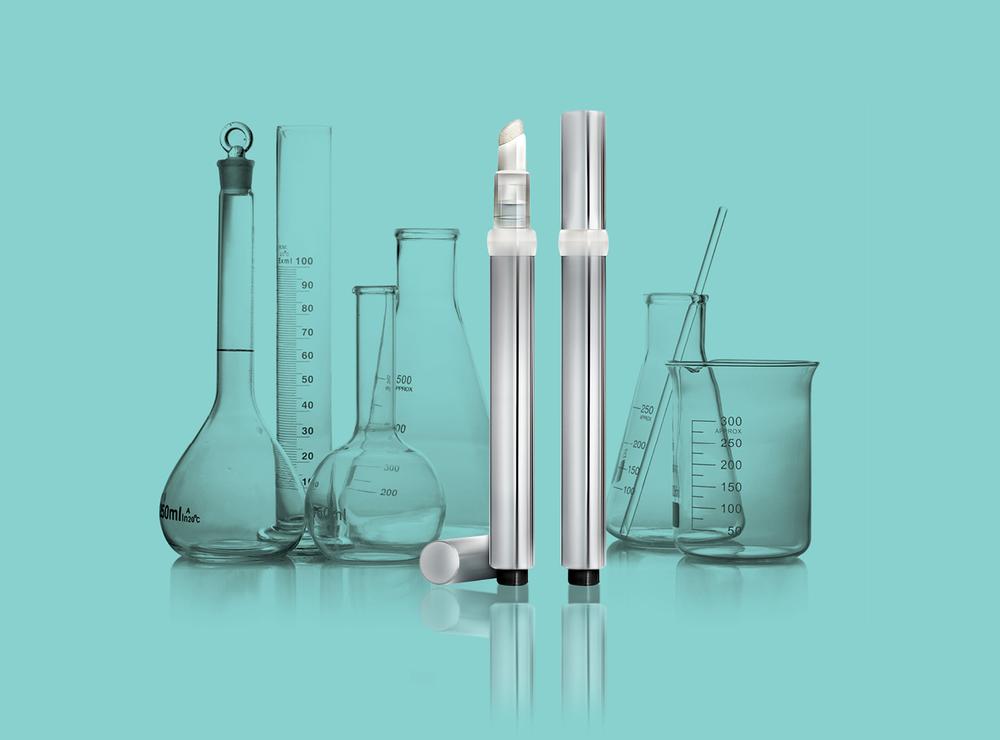
The scientists realised their technique, which uses surfactants and water to extract biomarkers from the skin, also had a smoothing, anti-ageing effect and could be used in cosmetics
As a window to our body’s health, skin can reveal and even enable us to predict a range of conditions and diseases. The key to unlocking this valuable information is the extraction of certain biomarkers that give unique genetic and environmental clues about a person, at a molecular level, and which can be used for a variety of diagnostic tests, as well as for the collection of DNA.
The medical community’s interest in finding ways to harvest such biomarkers has been intense, but skin hasn’t always proven a cooperative subject. Traditional extraction methods include biopsy – often invasive, leaving a scar – and special adhesive or Scotch tape, an unreliable procedure. But in 2010, American doctors Samir Mitragotri and Robert Langer pioneered a non-invasive and effective alternative for the collection of proteins, nucleic acids, lipids and molecules from the skin’s surface with a view to improving cancer research. Put simply their breakthrough approach, or what they refer to as ‘technology’, combines the use of surfactants with water for extraction.
Intrigued by the news of this breakthrough, entrepreneur and fellow scientist Russ Lebovitz joined forces with the pair, raising investment to establish a medical diagnostics firm in California and then – after a fortuitous ‘aha!’ moment – take the technology into the skincare market.
A surprising discovery “What captured my attention was that the technology extracted a lot of proteins and enzymes from the skin, which then remained active for more than a week and that it did this without causing any inflammation,” recalls Lebovitz. “This is not typical. With Scotch tape, for example, it’s difficult to preserve the biomarkers you collect. We realised this new technology could be used, in principle, to extract biomarkers from the outer layer of any tissue.”
Indeed, the technology is so unique that it’s even captured the interest of In-Q-Tel, a venture capital fund of a very unlikely source – the CIA. It’s been reported that Skincential’s simple way of collecting biochemistry markers in the skin was an attraction for the covert organisation.
But what’s the connection to skincare? Embarking on further research to validate their findings, the doctors were surprised to find their formulation also produced a lasting smoothing effect on the skin’s surface, reflecting light differently, while diminishing imperfections. And so the decision was made direct their journey towards the cosmetics world. This led to the establishment of Skincential Sciences and a line of patented resurfacing products marketed under the Clearista brand.
“Our core technology gently solubilises keratin, loosening bonds, allowing surface cells to be lifted and increasing softness and hydration,” explains Lebovitz.
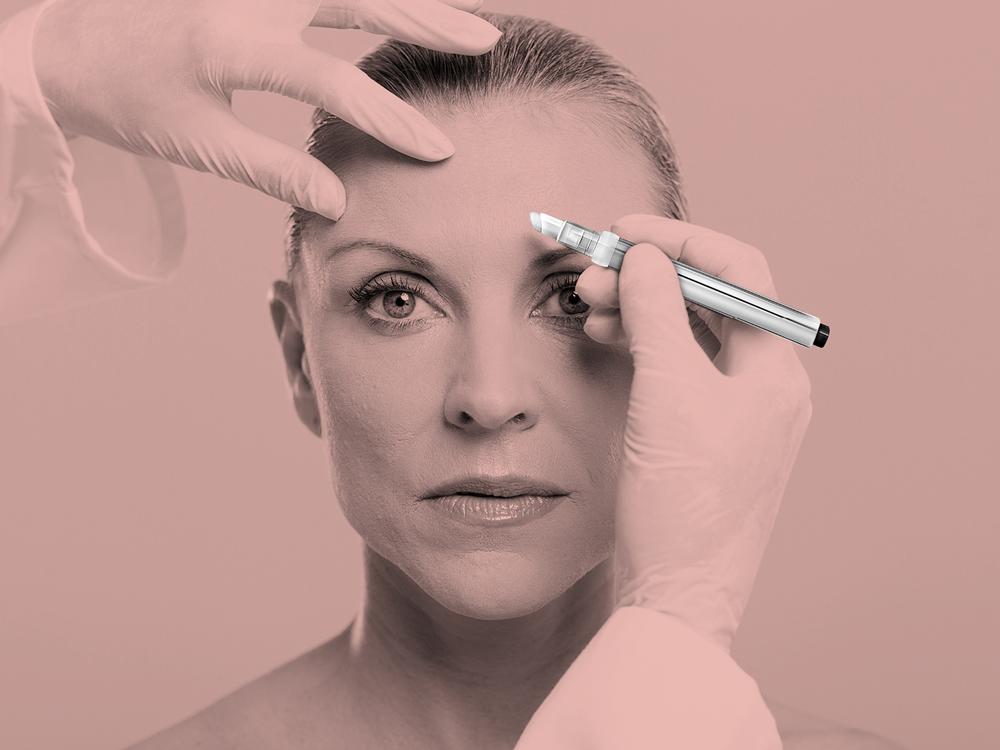
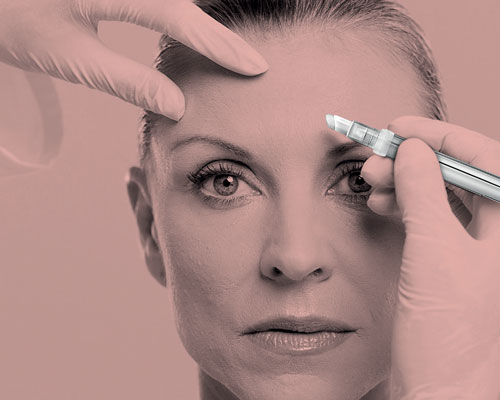
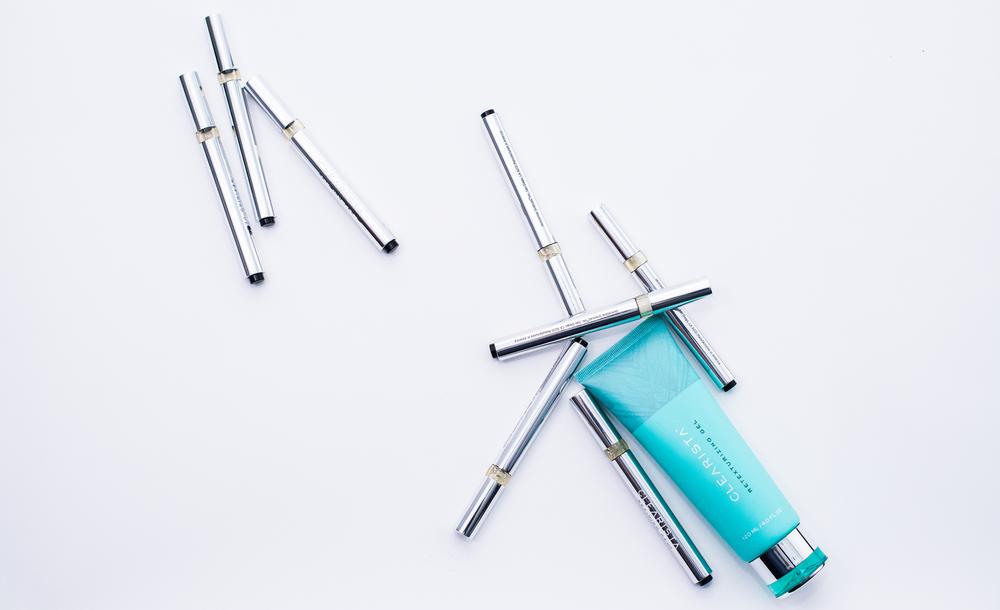
Consumers can purchase a refining pen for rubbing on the skin and a retexturising gel for general application. In addition to smoothing and anti-ageing benefits, gained through jumpstarting the skin’s exfoliation process, the products are designed to improve rough, dry and bumpy patches, extending to unsightly conditions such as chicken skin (keratosis pilaris) and barnacles (seborrheic keratosis).
Drawing on the science Skincential has been able to draw on the results of studies it carried out while still exploring quasi-medical applications for its technology. “We originally conducted clinical trials for two skin conditions because we thought we would be more medically focused,” reveals Lebovitz. “Now we’re cosmetic and public-facing, we still use the data to support our claims because today’s consumers are educated and care about ingredients and efficacy.”
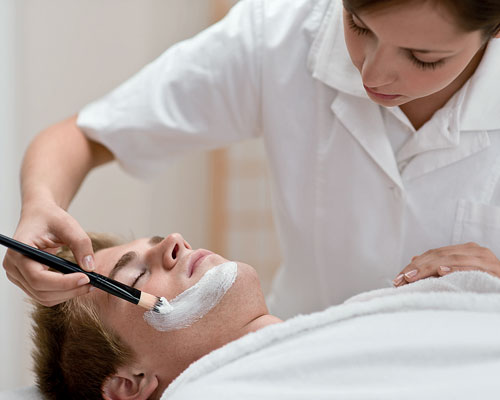
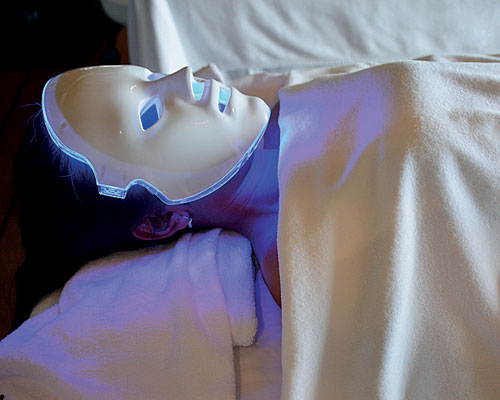
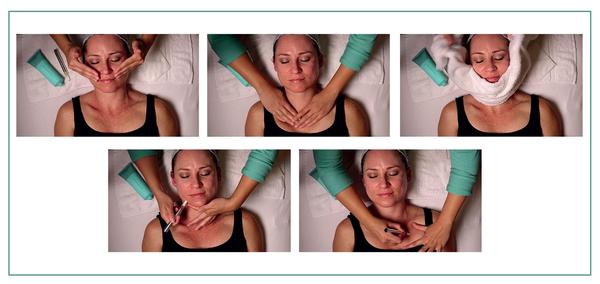
Available to aestheticians and spa professionals, Skincential also supplies a small line of concentrated professional products, currently offered as part of the Clearista facial in 40 to 50 outlets on the west coast of the US. Lebovitz says partner spas compare results to “a chemical peel or microdermabrasion but without the associated redness or irritation”.
Personalisation: the possibilities With the huge investments of time and money required to approve the technology for a medical or dermatological application, the doctors decided to pursue its cosmetic potential first. That said, the application of their technology in the medical arena has intriguing possibilities for both the skincare and spa industries.
From a very lateral point of view, spas could – at some point down the line – create therapies using the simple biomarker collection technique to detect and treat a range of diseases. Lebovitz, however, feels this is unlikely. “Medical diagnostics have important health consequences. For this reason, they’re highly regulated. Our current spa offerings aren’t intended to diagnose or treat medical conditions. While it’s possible that this could be done in a medi-spa setting in the future, this is not currently under consideration.”
What he thinks is the most obvious way ahead – albeit still an ambitious route – is to focus on the link between skin, nutrition and customisation. He explains: “Let me give you an example. No two breast cancers are alike, so if you’re able to gather biomarkers to determine whether an individual has mutation A or mutation B, then you’re able to treat the disease in a personalised way with a specific set of therapies. If that can work for known diseases, then imagine how it might work for a big industry such as skincare.”
As skin chemistry changes in response to genetic and environmental factors, it’s able to reflect what’s going on below the surface, and when the body ages, certain vitamins and antioxidants become depleted. Skincential’s technology means there’s now a way to non-invasively sample skin and respond in a personalised manner to such deficiencies. “We’re exploring the idea of using this technology to determine ‘baseline’ levels of desired nutrients in a variety of subjects of all ages,” Lebovitz says. “By doing so, it should be possible to identify the nutrients lacking in individuals as they get older and to track the replenishment of these nutrients with products already available on the market. This may eventually lead to personalised spa treatments based on the sampling of baseline values in individual clients.”
Skincare revolution? In practical terms, this means setting up a viable and funded model under which multi-country, multi-ethnic studies could be established to monitor the nutritional base which defines the composition of skin. As the company remains committed to following a scientific approach, Lebovitz envisions the establishment of central labs where cosmetics or spa professionals, who have collected biomarker samples by rubbing pens against the skin for a few minutes, can send off the detached tips for data analysis. There may even be the opportunity to develop equipment suitable for validated in-spa testing.
To pursue these avenues, the company is looking for a strategic cosmetics or spa partner. “In the US, our preference is to license the technology to large strategic partners able to do effective national and global marketing,” Lebovitz adds. “In Europe and Asia, we are still exploring the relevant advantages of various licensing and partnership models.”
As a natural progression, Lebovitz imagines the conception of a larger line of products, either under the Clearista brand or another cosmetics name, which responds specifically to major trends identified as part of the data analysis. “Once you’re able to quantify the 10 major missing nutrients, you can then create products that feed these back to the skin in a natural way, especially since our formulation is water-based. Really, we’re seeking partners interested in exclusively building a platform for the business of personalised skincare.”
While further development and investment is required for Skincential to fulfil the potential of its technology, there’s no doubt the road ahead could lead to a fascinating revolution in skincare.
Read more from this issue of Attractions Management magazine
View contents of Attractions Management 2016 issue 4
Promotional feature: Phytomer
As a pioneer of marine skincare, Phytomer represents a story of three impassioned generations and a dedication to cultivating the purest spa ingredients from the northern French coast
Smooth the way The Clearista pen and gel jumpstart the skin’s exfoliation process to increase softness and hydration and a small line of concentrated professional products are also available for facials
The Clearista pen
Neena Dhillon is a spa, hotel and travel journalist [email protected]
The scientists realised their technique, which uses surfactants and water to extract biomarkers from the skin, also had a smoothing, anti-ageing effect and could be used in cosmetics
Lebovitz says the technology behind Skincential products could have huge implications for the wider skincare sector
The technology behind the products could be used to detect and respond to nutritional deficiencies
COMPANY PROFILES
Holovis
Holovis is a privately owned company
established in 2004 by CEO Stuart
Hetherington. [more...]
DJW
David & Lynn Willrich started the Company
over thirty years ago, from the Audio Visual
Department [more...]
An opportunity to reimagine one of the UK’s most recognisable towers has been formally
opened by Rivington Hark, as St Johns Beacon invites operators and partners to shape its
next phase. [more...]
The scientists realised their technique, which uses surfactants and water to extract biomarkers from the skin, also had a smoothing, anti-ageing effect and could be used in cosmetics
As a window to our body’s health, skin can reveal and even enable us to predict a range of conditions and diseases. The key to unlocking this valuable information is the extraction of certain biomarkers that give unique genetic and environmental clues about a person, at a molecular level, and which can be used for a variety of diagnostic tests, as well as for the collection of DNA.
The medical community’s interest in finding ways to harvest such biomarkers has been intense, but skin hasn’t always proven a cooperative subject. Traditional extraction methods include biopsy – often invasive, leaving a scar – and special adhesive or Scotch tape, an unreliable procedure. But in 2010, American doctors Samir Mitragotri and Robert Langer pioneered a non-invasive and effective alternative for the collection of proteins, nucleic acids, lipids and molecules from the skin’s surface with a view to improving cancer research. Put simply their breakthrough approach, or what they refer to as ‘technology’, combines the use of surfactants with water for extraction.
Intrigued by the news of this breakthrough, entrepreneur and fellow scientist Russ Lebovitz joined forces with the pair, raising investment to establish a medical diagnostics firm in California and then – after a fortuitous ‘aha!’ moment – take the technology into the skincare market.
A surprising discovery “What captured my attention was that the technology extracted a lot of proteins and enzymes from the skin, which then remained active for more than a week and that it did this without causing any inflammation,” recalls Lebovitz. “This is not typical. With Scotch tape, for example, it’s difficult to preserve the biomarkers you collect. We realised this new technology could be used, in principle, to extract biomarkers from the outer layer of any tissue.”
Indeed, the technology is so unique that it’s even captured the interest of In-Q-Tel, a venture capital fund of a very unlikely source – the CIA. It’s been reported that Skincential’s simple way of collecting biochemistry markers in the skin was an attraction for the covert organisation.
But what’s the connection to skincare? Embarking on further research to validate their findings, the doctors were surprised to find their formulation also produced a lasting smoothing effect on the skin’s surface, reflecting light differently, while diminishing imperfections. And so the decision was made direct their journey towards the cosmetics world. This led to the establishment of Skincential Sciences and a line of patented resurfacing products marketed under the Clearista brand.
“Our core technology gently solubilises keratin, loosening bonds, allowing surface cells to be lifted and increasing softness and hydration,” explains Lebovitz.
Consumers can purchase a refining pen for rubbing on the skin and a retexturising gel for general application. In addition to smoothing and anti-ageing benefits, gained through jumpstarting the skin’s exfoliation process, the products are designed to improve rough, dry and bumpy patches, extending to unsightly conditions such as chicken skin (keratosis pilaris) and barnacles (seborrheic keratosis).
Drawing on the science Skincential has been able to draw on the results of studies it carried out while still exploring quasi-medical applications for its technology. “We originally conducted clinical trials for two skin conditions because we thought we would be more medically focused,” reveals Lebovitz. “Now we’re cosmetic and public-facing, we still use the data to support our claims because today’s consumers are educated and care about ingredients and efficacy.”
Available to aestheticians and spa professionals, Skincential also supplies a small line of concentrated professional products, currently offered as part of the Clearista facial in 40 to 50 outlets on the west coast of the US. Lebovitz says partner spas compare results to “a chemical peel or microdermabrasion but without the associated redness or irritation”.
Personalisation: the possibilities With the huge investments of time and money required to approve the technology for a medical or dermatological application, the doctors decided to pursue its cosmetic potential first. That said, the application of their technology in the medical arena has intriguing possibilities for both the skincare and spa industries.
From a very lateral point of view, spas could – at some point down the line – create therapies using the simple biomarker collection technique to detect and treat a range of diseases. Lebovitz, however, feels this is unlikely. “Medical diagnostics have important health consequences. For this reason, they’re highly regulated. Our current spa offerings aren’t intended to diagnose or treat medical conditions. While it’s possible that this could be done in a medi-spa setting in the future, this is not currently under consideration.”
What he thinks is the most obvious way ahead – albeit still an ambitious route – is to focus on the link between skin, nutrition and customisation. He explains: “Let me give you an example. No two breast cancers are alike, so if you’re able to gather biomarkers to determine whether an individual has mutation A or mutation B, then you’re able to treat the disease in a personalised way with a specific set of therapies. If that can work for known diseases, then imagine how it might work for a big industry such as skincare.”
As skin chemistry changes in response to genetic and environmental factors, it’s able to reflect what’s going on below the surface, and when the body ages, certain vitamins and antioxidants become depleted. Skincential’s technology means there’s now a way to non-invasively sample skin and respond in a personalised manner to such deficiencies. “We’re exploring the idea of using this technology to determine ‘baseline’ levels of desired nutrients in a variety of subjects of all ages,” Lebovitz says. “By doing so, it should be possible to identify the nutrients lacking in individuals as they get older and to track the replenishment of these nutrients with products already available on the market. This may eventually lead to personalised spa treatments based on the sampling of baseline values in individual clients.”
Skincare revolution? In practical terms, this means setting up a viable and funded model under which multi-country, multi-ethnic studies could be established to monitor the nutritional base which defines the composition of skin. As the company remains committed to following a scientific approach, Lebovitz envisions the establishment of central labs where cosmetics or spa professionals, who have collected biomarker samples by rubbing pens against the skin for a few minutes, can send off the detached tips for data analysis. There may even be the opportunity to develop equipment suitable for validated in-spa testing.
To pursue these avenues, the company is looking for a strategic cosmetics or spa partner. “In the US, our preference is to license the technology to large strategic partners able to do effective national and global marketing,” Lebovitz adds. “In Europe and Asia, we are still exploring the relevant advantages of various licensing and partnership models.”
As a natural progression, Lebovitz imagines the conception of a larger line of products, either under the Clearista brand or another cosmetics name, which responds specifically to major trends identified as part of the data analysis. “Once you’re able to quantify the 10 major missing nutrients, you can then create products that feed these back to the skin in a natural way, especially since our formulation is water-based. Really, we’re seeking partners interested in exclusively building a platform for the business of personalised skincare.”
While further development and investment is required for Skincential to fulfil the potential of its technology, there’s no doubt the road ahead could lead to a fascinating revolution in skincare.
Read more from this issue of Attractions Management magazine
View contents of Attractions Management 2016 issue 4
Promotional feature: Phytomer
As a pioneer of marine skincare, Phytomer represents a story of three impassioned generations and a dedication to cultivating the purest spa ingredients from the northern French coast
Smooth the way The Clearista pen and gel jumpstart the skin’s exfoliation process to increase softness and hydration and a small line of concentrated professional products are also available for facials
The Clearista pen
Neena Dhillon is a spa, hotel and travel journalist [email protected]
The scientists realised their technique, which uses surfactants and water to extract biomarkers from the skin, also had a smoothing, anti-ageing effect and could be used in cosmetics
Lebovitz says the technology behind Skincential products could have huge implications for the wider skincare sector
The technology behind the products could be used to detect and respond to nutritional deficiencies
Hotel de France, located on the British Isle of Jersey, has created a wellness retreat package
that includes a hot yoga session that will take place in Jersey Zoo’s butterfly sanctuary.
A new immersive attraction designed to transport visitors into the final hours of ancient Pompeii
is preparing to open near the world-famous archaeological site in southern Italy.
Experience design company, BRC Imagination Arts, has completed a transition that sees founder
Bob Rogers pass ownership of the business to four long-serving senior executives, while
remaining actively involved with the company.
Movie Park Germany has opened a new Paramount Pictures-themed attraction as part of its 30th
anniversary celebrations, using immersive storytelling and adaptive reuse to reinforce the park’s
longstanding “Hollywood in Germany” positioning.
Therme Manchester’s 28-acre development, which will include interconnected glass pavilions
that measure 65,000sq m, will be the largest bathing and wellbeing attraction in the world once
complete, according to prof David Russell, CEO of Therme UK.
Efteling has opened Hooghmoed, a new family drop tower designed to broaden the appeal of its
recently launched Sirene Island themed area and introduce younger visitors to thrill attractions.
A proposed Puy du Fou development near Bicester and Universal Destinations and Experiences’
planned resort in Bedford are emerging as part of a wider transformation of the Oxford–
Cambridge Growth Corridor into a major centre for UK leisure and tourism inv
Shedd Aquarium has opened the Immersion Theater developed in partnership with SimEx-
Iwerks, as part of a wider strategy to enhance the guest experience and create additional
revenue opportunities.
The UK government has announced a temporary reduction in VAT on visitor attractions and
children’s meals as part of a summer cost-of-living support package designed to stimulate the
visitor economy and encourage family days out.
As designer Yinka Ilori prepares for his first solo gallery show in London, he speaks exclusively
to CLADmag about his mission to spread joy, the power of play, and his bold approach to using
colour (including the colours you won’t see in his work).
The government of Thailand is exploring plans for a THB300bn (£6.3bn, US$8.3bn)
entertainment complex in the country’s Eastern Economic Corridor (EEC), with officials
proposing a large-scale theme park and sports destination as part of a broader tourism and
economic development strategy.
+ More news
COMPANY PROFILES
Holovis Holovis is a privately owned company
established in 2004 by CEO Stuart
Hetherington. [more...]
DJW David & Lynn Willrich started the Company
over thirty years ago, from the Audio Visual
Department [more...]
An opportunity to reimagine one of the UK’s most recognisable towers has been formally
opened by Rivington Hark, as St Johns Beacon invites operators and partners to shape its
next phase. [more...]