New research shows that taking a break can strengthen our genes – and that benefits are even greater when wellness programmes are added to the mix. Katie Barnes reports
By Katie Barnes | Published in Spa Business 2016 issue 4
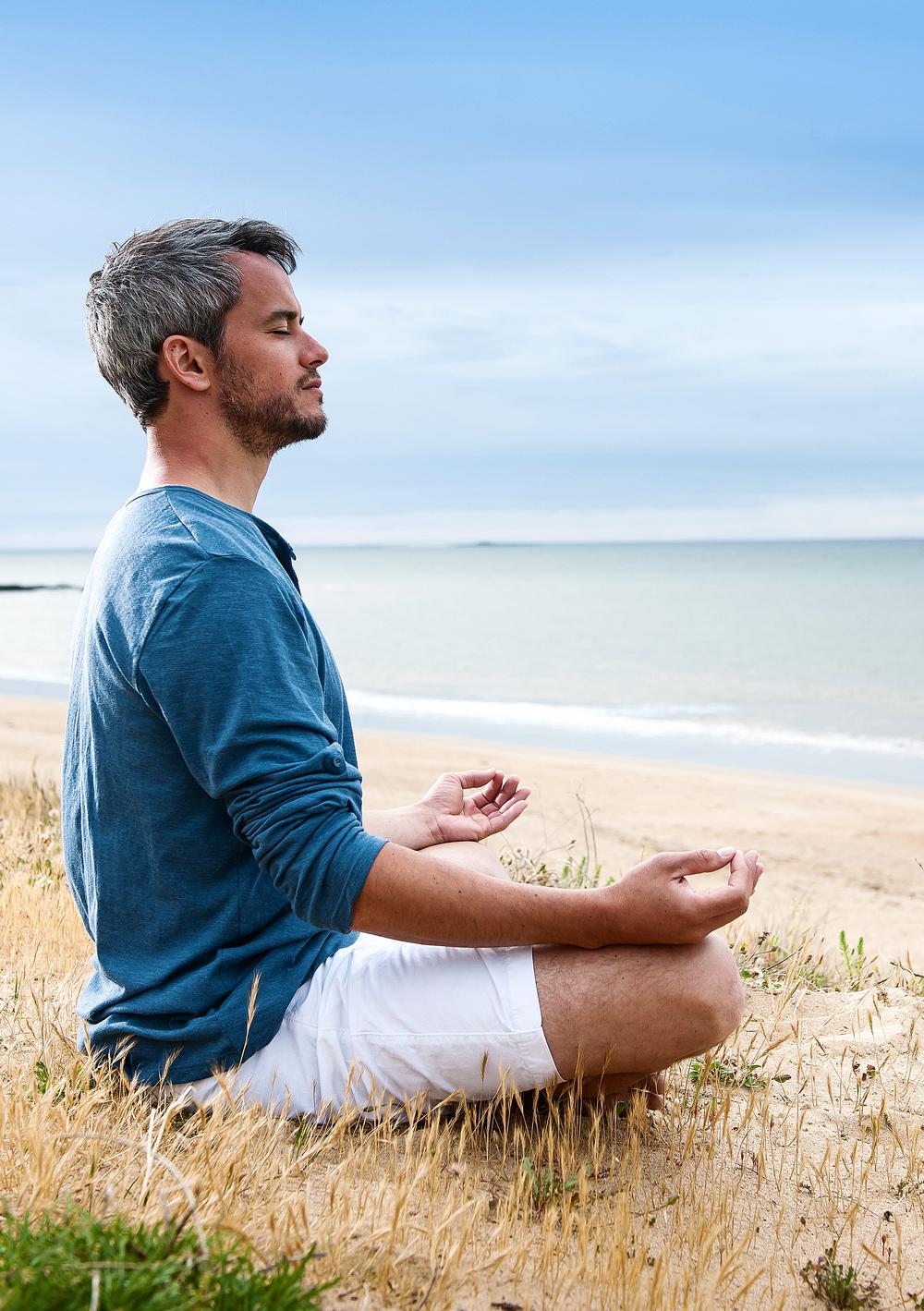
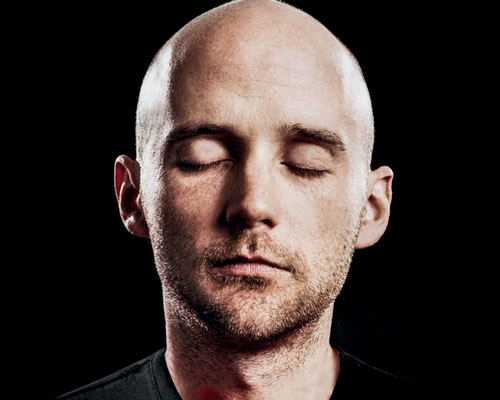
The study was based on meditation, but it’s believed other mind-body therapies could have the same benefits / SHUTTERSTOCK/ Jack Frog
While it’s known that having time away from work can help us switch off mentally, the physical benefits of getting away from it all aren’t so well documented. A study released this August*, however, has found that a break of just six days sets off genetic changes which can boost the immune system, decrease symptoms of depression and dementia and reduce stress.
What’s more, breaks that include wellness programmes further increase our wellbeing – and the effects last for up to a month.
“We know intuitively that taking a break reduces biological processes related to stress,” says the study’s first author Dr Elissa Epel of the University of California, San Francisco (UCSF), “but it was still impressive to see the large changes in gene expression people experienced after being away from a busy pace of life, in a relaxing environment, for such a short period of time.”
The findings are good news for spas located around the world, as they’re one of the main providers of wellness-focused retreats and holidays.
Chopra retreat The study, by scientists from the Icahn School of Medicine at Mount Sinai UCSF and Harvard Medical School, involved 94 healthy women aged 30-60.
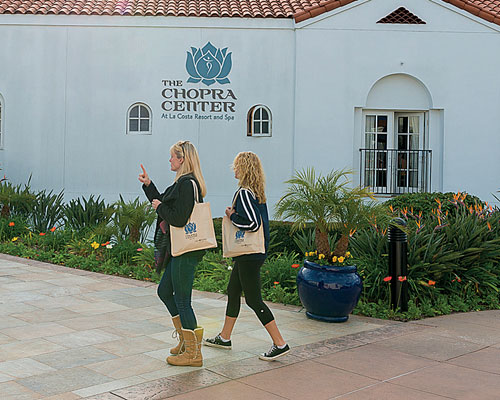
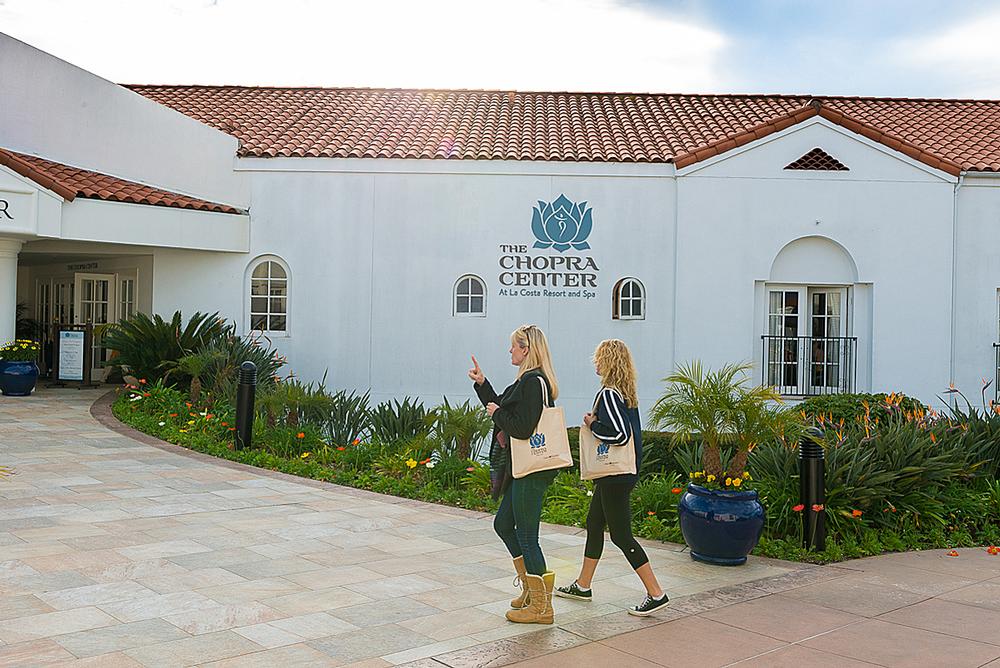
One half of the participants were randomly selected to join a meditation retreat at the Chopra Centre for Wellbeing in California for six days, while the other half simply holidayed there. The retreat included training in mantra meditation, yoga and self-reflection exercises.
Sixty-four women in the study were new to meditation while 30 others regularly practiced the discipline. For greater insight into the long-term effects of what scientists dubbed the ‘meditation effect’ compared to the ‘vacation effect’, the team also observed a group of 30 experienced meditators who were enrolled on the Chopra programme during the same week.
The researchers collected blood samples for genetic analysis and gathered self-reported surveys on wellbeing before and directly after the holiday, as well as a month and 10 months later.
Gene activity The results from the study show that all groups – novice meditators, experienced meditators and vacationers – had significant changes in molecular patterns after a week at the resort. The most notable changes in gene activity were related to stress response and immune function.
Upon assessing the wellbeing surveys, the researchers found that novice meditators had fewer symptoms of depression and less stress for far longer than those who were just on holiday. They reported significantly more positive effects in both the one-month and 10-month follow up wellbeing survey.
More research is needed to determine whether similar effects can occur at home compared to a resort setting.
The study was published in Springer Nature’s neuroscience journal Translational Psychiatry in August.
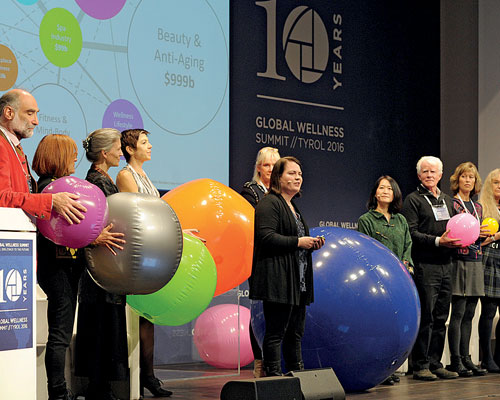
Expert insight Epel, a professor of psychiatry at UCSF, is no stranger to the spa industry, having spoke at the 2012 Global Spa & Wellness Summit on the subject of telomeres and cellular ageing (see SB13/1 p55).
She told Spa Business that the effects on mental health lasted longer in the group trained in meditation because “it leaves you with more than a residue of peace and calm.” It enables people to observe their thoughts without getting sucked into them, something she refers to as ‘metacognition’.
However, Epel also believes the benefits aren’t restricted just to meditation. “There are many other activities, mainly mind-body ones, offered at spas, that can produce this enhanced state,” she says.
The findings of the study, which was part-funded by The Chopra Foundation, dovetail neatly with alternative health guru Dr Deepak Chopra’s own beliefs that genes can be altered by healthy lifestyle changes.
In an interview with Spa Business (see SB15/4 p36) he said: “Even though we all have genetic dispositions, it’s now known that biological ageing is influenced by lifestyle habits and daily activities such as meditation, movement, diet, stress management and quality of sleep.
“By making conscious choices and focused awareness, we choose to have a joyful energetic body, a restful alert mind and lightness of being.”
* Epel, ES and Schadt, EE et al. Meditation and vacation effects have an impact on disease-associated molecular phenotypes. Translational Psychiatry. 30 August 2016
Read more from this issue of Attractions Management magazine
View contents of Attractions Management 2016 issue 4
Promotional feature: Phytomer
As a pioneer of marine skincare, Phytomer represents a story of three impassioned generations and a dedication to cultivating the purest spa ingredients from the northern French coast
Even though we have genetic dispositions, it’s now known that biological ageing is influenced by lifestyle habits such as meditation, diet, stress and sleep
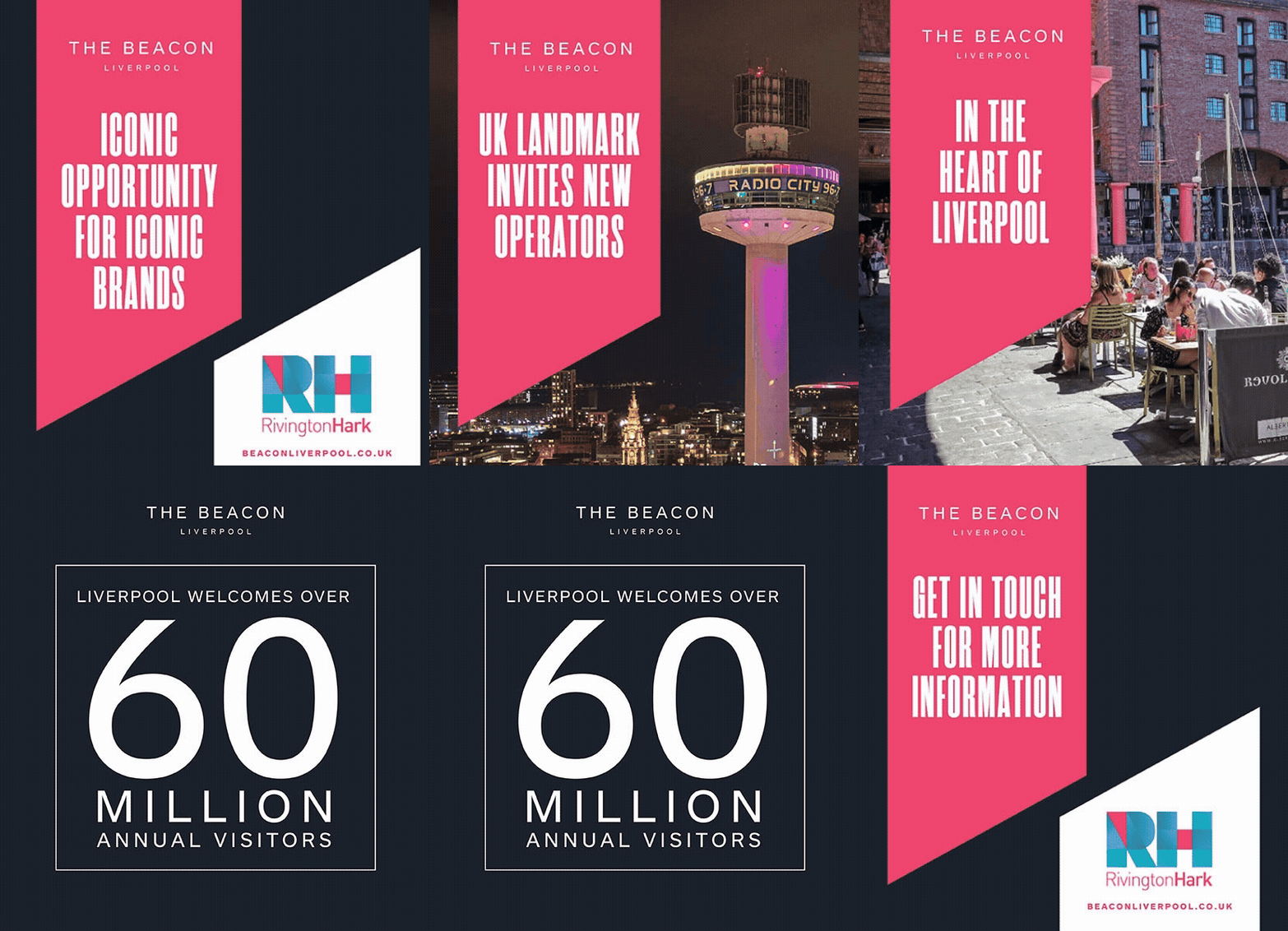
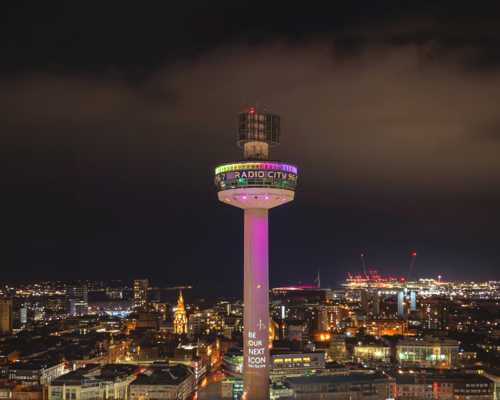
An opportunity to reimagine one of the UK’s most recognisable towers has been formally
opened by Rivington Hark, as St Johns Beacon invites operators and partners to shape its
next phase. [more...]
New research shows that taking a break can strengthen our genes – and that benefits are even greater when wellness programmes are added to the mix. Katie Barnes reports
By Katie Barnes | Published in Spa Business 2016 issue 4
The study was based on meditation, but it’s believed other mind-body therapies could have the same benefits / SHUTTERSTOCK/ Jack Frog
While it’s known that having time away from work can help us switch off mentally, the physical benefits of getting away from it all aren’t so well documented. A study released this August*, however, has found that a break of just six days sets off genetic changes which can boost the immune system, decrease symptoms of depression and dementia and reduce stress.
What’s more, breaks that include wellness programmes further increase our wellbeing – and the effects last for up to a month.
“We know intuitively that taking a break reduces biological processes related to stress,” says the study’s first author Dr Elissa Epel of the University of California, San Francisco (UCSF), “but it was still impressive to see the large changes in gene expression people experienced after being away from a busy pace of life, in a relaxing environment, for such a short period of time.”
The findings are good news for spas located around the world, as they’re one of the main providers of wellness-focused retreats and holidays.
Chopra retreat The study, by scientists from the Icahn School of Medicine at Mount Sinai UCSF and Harvard Medical School, involved 94 healthy women aged 30-60.
One half of the participants were randomly selected to join a meditation retreat at the Chopra Centre for Wellbeing in California for six days, while the other half simply holidayed there. The retreat included training in mantra meditation, yoga and self-reflection exercises.
Sixty-four women in the study were new to meditation while 30 others regularly practiced the discipline. For greater insight into the long-term effects of what scientists dubbed the ‘meditation effect’ compared to the ‘vacation effect’, the team also observed a group of 30 experienced meditators who were enrolled on the Chopra programme during the same week.
The researchers collected blood samples for genetic analysis and gathered self-reported surveys on wellbeing before and directly after the holiday, as well as a month and 10 months later.
Gene activity The results from the study show that all groups – novice meditators, experienced meditators and vacationers – had significant changes in molecular patterns after a week at the resort. The most notable changes in gene activity were related to stress response and immune function.
Upon assessing the wellbeing surveys, the researchers found that novice meditators had fewer symptoms of depression and less stress for far longer than those who were just on holiday. They reported significantly more positive effects in both the one-month and 10-month follow up wellbeing survey.
More research is needed to determine whether similar effects can occur at home compared to a resort setting.
The study was published in Springer Nature’s neuroscience journal Translational Psychiatry in August.
Expert insight Epel, a professor of psychiatry at UCSF, is no stranger to the spa industry, having spoke at the 2012 Global Spa & Wellness Summit on the subject of telomeres and cellular ageing (see SB13/1 p55).
She told Spa Business that the effects on mental health lasted longer in the group trained in meditation because “it leaves you with more than a residue of peace and calm.” It enables people to observe their thoughts without getting sucked into them, something she refers to as ‘metacognition’.
However, Epel also believes the benefits aren’t restricted just to meditation. “There are many other activities, mainly mind-body ones, offered at spas, that can produce this enhanced state,” she says.
The findings of the study, which was part-funded by The Chopra Foundation, dovetail neatly with alternative health guru Dr Deepak Chopra’s own beliefs that genes can be altered by healthy lifestyle changes.
In an interview with Spa Business (see SB15/4 p36) he said: “Even though we all have genetic dispositions, it’s now known that biological ageing is influenced by lifestyle habits and daily activities such as meditation, movement, diet, stress management and quality of sleep.
“By making conscious choices and focused awareness, we choose to have a joyful energetic body, a restful alert mind and lightness of being.”
* Epel, ES and Schadt, EE et al. Meditation and vacation effects have an impact on disease-associated molecular phenotypes. Translational Psychiatry. 30 August 2016
Read more from this issue of Attractions Management magazine
View contents of Attractions Management 2016 issue 4
Promotional feature: Phytomer
As a pioneer of marine skincare, Phytomer represents a story of three impassioned generations and a dedication to cultivating the purest spa ingredients from the northern French coast
Even though we have genetic dispositions, it’s now known that biological ageing is influenced by lifestyle habits such as meditation, diet, stress and sleep
Hotel de France, located on the British Isle of Jersey, has created a wellness retreat package
that includes a hot yoga session that will take place in Jersey Zoo’s butterfly sanctuary.
A new immersive attraction designed to transport visitors into the final hours of ancient Pompeii
is preparing to open near the world-famous archaeological site in southern Italy.
Experience design company, BRC Imagination Arts, has completed a transition that sees founder
Bob Rogers pass ownership of the business to four long-serving senior executives, while
remaining actively involved with the company.
Movie Park Germany has opened a new Paramount Pictures-themed attraction as part of its 30th
anniversary celebrations, using immersive storytelling and adaptive reuse to reinforce the park’s
longstanding “Hollywood in Germany” positioning.
Therme Manchester’s 28-acre development, which will include interconnected glass pavilions
that measure 65,000sq m, will be the largest bathing and wellbeing attraction in the world once
complete, according to prof David Russell, CEO of Therme UK.
Efteling has opened Hooghmoed, a new family drop tower designed to broaden the appeal of its
recently launched Sirene Island themed area and introduce younger visitors to thrill attractions.
A proposed Puy du Fou development near Bicester and Universal Destinations and Experiences’
planned resort in Bedford are emerging as part of a wider transformation of the Oxford–
Cambridge Growth Corridor into a major centre for UK leisure and tourism inv
Shedd Aquarium has opened the Immersion Theater developed in partnership with SimEx-
Iwerks, as part of a wider strategy to enhance the guest experience and create additional
revenue opportunities.
The UK government has announced a temporary reduction in VAT on visitor attractions and
children’s meals as part of a summer cost-of-living support package designed to stimulate the
visitor economy and encourage family days out.
As designer Yinka Ilori prepares for his first solo gallery show in London, he speaks exclusively
to CLADmag about his mission to spread joy, the power of play, and his bold approach to using
colour (including the colours you won’t see in his work).
The government of Thailand is exploring plans for a THB300bn (£6.3bn, US$8.3bn)
entertainment complex in the country’s Eastern Economic Corridor (EEC), with officials
proposing a large-scale theme park and sports destination as part of a broader tourism and
economic development strategy.
+ More news
COMPANY PROFILES
instantprint We’re a Yorkshire-based online printer, founded
in 2009 by Adam Carnell and James Kinsella. [more...]
Polin Waterparks Polin was founded in Istanbul in 1976. Polin
has since grown into a leading company in
the waterpa [more...]
IAAPA EMEA IAAPA Expo Europe was established in 2006 and has grown to the largest international conference and [more...]
Sally Corporation Our services include: Dark ride design & build; Redevelopment of existing attractions; High-quality [more...]
An opportunity to reimagine one of the UK’s most recognisable towers has been formally
opened by Rivington Hark, as St Johns Beacon invites operators and partners to shape its
next phase. [more...]