The coming decade will bring unprecedented
experimentation within the attractions sector and
those who aren’t willing to get truly creative risk
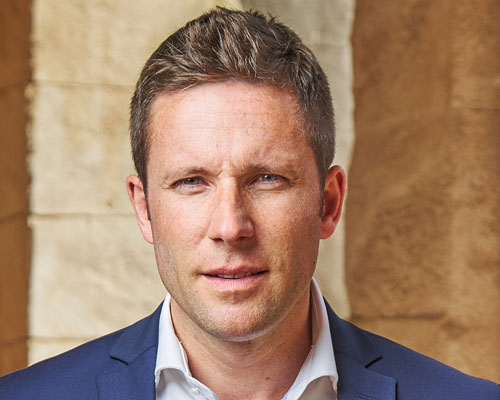
getting left behind, argues Dr Terry Stevens
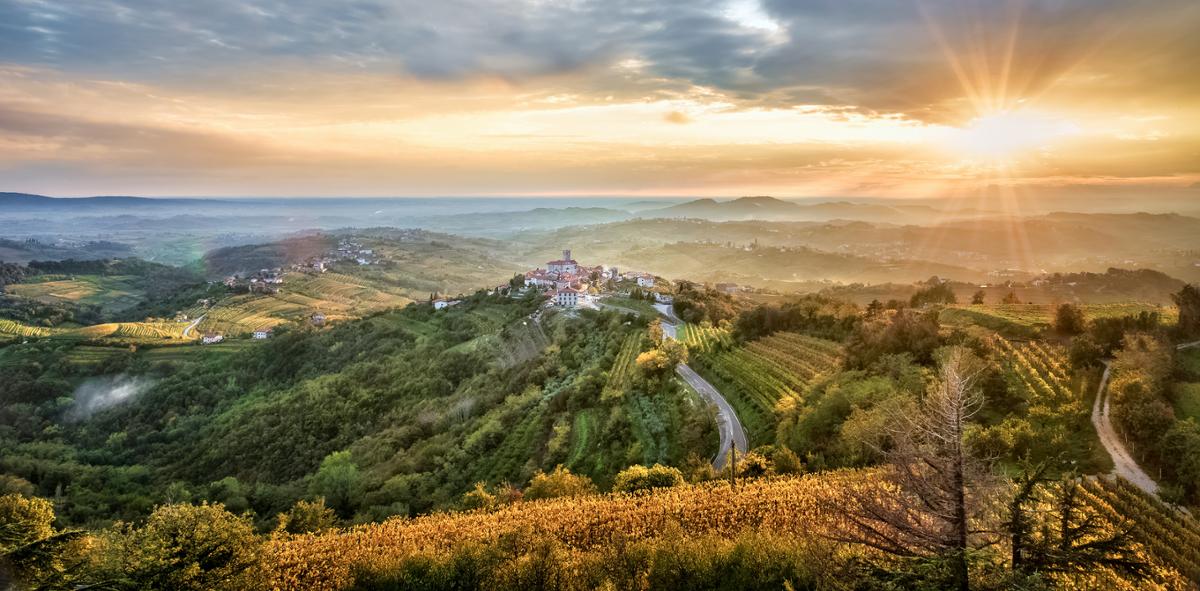
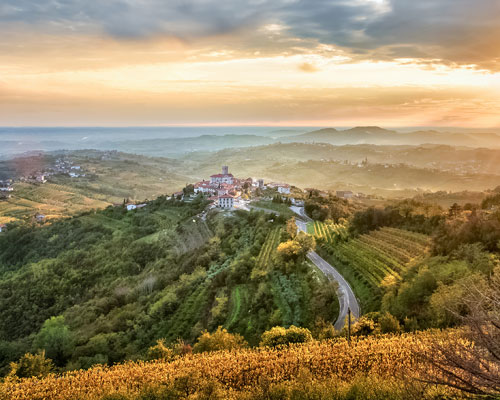
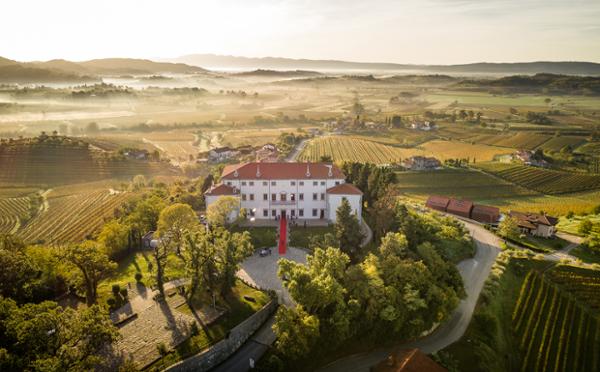
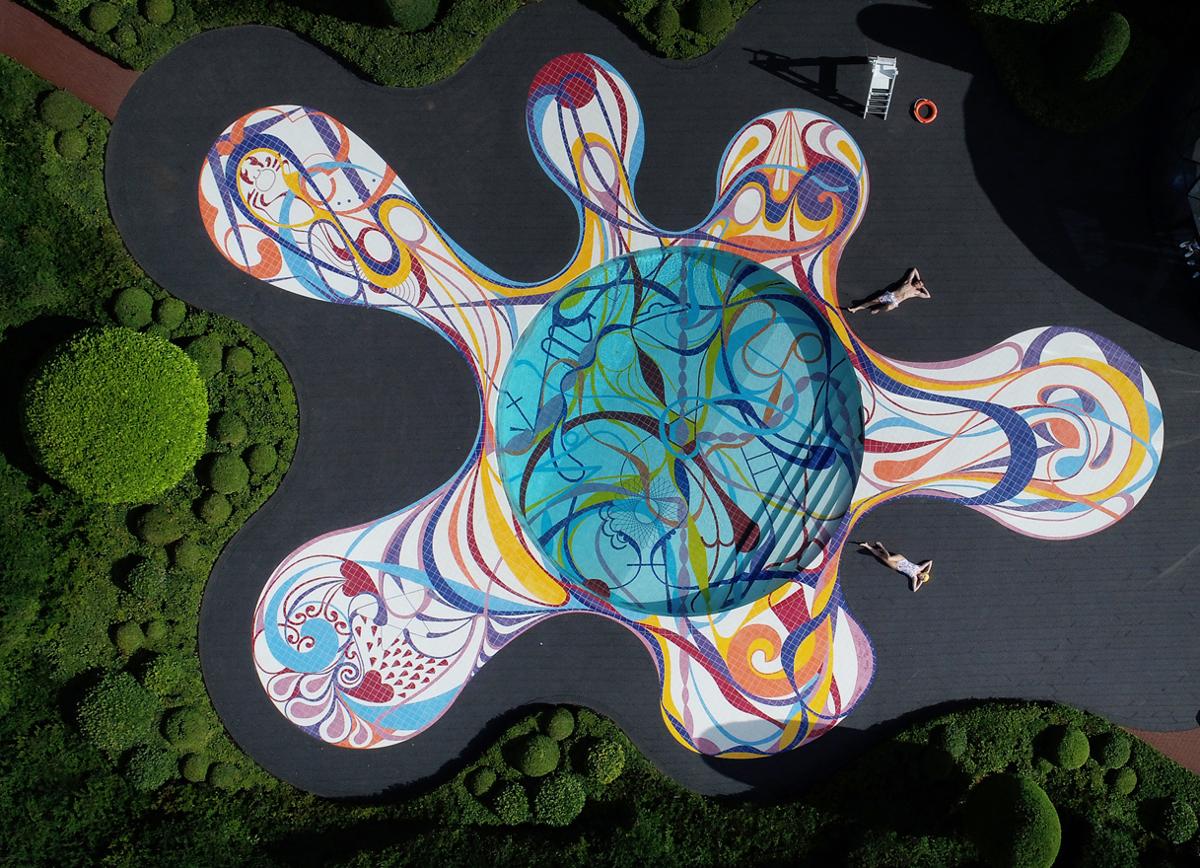
Slovenia’s Brda region is home to the annual Art Circle festival / Photo: Brda Institute
Bob Dylan’s refrain, The Winds of Change Are Blowing Wild and Free, on his 1997 album Time Out of Mind echoes his earlier anthem, The Times They Are A’Changin’. The sentiment is prescient and wholly relevant today. The pandemic, together with other global crises, has shifted many aspects of leisure consumer behaviour, demanding a response from the supply side of our industry.
Nowhere is this challenge more pronounced than in the attractions sector. It is time to reconsider the concept of a visitor attraction. Time to scrutinise their role and purpose. Time to re-imagine their business and operational models. It was 30 years ago when, in 1993, my essay Playgrounds or Agents of Social and Cultural Development won the American Express Annual Award for Travel. The text challenged theme parks and other attractions to become benchmarks of sustainable development and to recognise the needs of thoughtful consumers with their new priorities for selecting their leisure experiences. Very few rose to the challenge. Three decades on there is a new imperative to act. Precious time is definitely slipping away.
The heartbeat thumping the sector into action is compliance with the United Nation’s Sustainable Development Goals and the paradigm shifts within the industry that will have profound impacts on how we re-imagine the future of the development and planning of attractions.
These paradigm shifts are:
HYBRIDITY & TRANSFORMATION: The appearance of novel, unique solutions, in product development, experience creation and tourist engagement that are blurring definitions and making it increasingly difficult to categorise and accredit an ‘attraction’ – and does it matter anymore if a product receives a 5 star or a 2 star assessment by a tourist board? Initiatives that boldly go where few have been before to make a positive transformational impact will prevail.
OUTLIERS: As part of the era of the hybrid, we’re seeing the rapid emergence of attractions that would have been regarded as being ‘left-of-field’, or quirky, but now these niche outliers are fast becoming mainstream – ‘who would have thought it’ ideas are now becoming the expected, delivered by hybrid-thinkers and often developed by the new pirates (as they have been described).
CO-CREATION: Multi-faceted, multi-layered, co-created, and collaborative unique experiences capable of commanding high value and capturing guest attention and involving the guest in their design will become a demand driver for destinations.
CO-DEPENDENCY: A cornerstone of co-created experiences is the need for destination stakeholders to work together and recognise a co-dependency tourism eco-system rather than a business-centric, ego-system.
ELASTICITY: The need for everyone involved in attraction development to be more agile, flexible, and fluid in their design, planning , and operations, welcoming new ideas, different ways of working, and nurturing innovation.
TALENT: Exploring the idea that an individual’s talent may well be more important to a tourism business than a traditional skill or qualification – the fact that your security guard is the best fiddle player in the village might be more important than his security qualifications.
VALUE: The culmination of these shifts is resulting in our need to re-calibrate all aspects of perceived and real value of tourism in our destinations and, ultimately, to deliver new metrics of success.
In this context, much has been written about the experience economy and how attractions can deliver memorable experiences to add value and competitiveness. However, as Design Hotels founder Claus Sendlinger has challenged us on many occasions, “The tourism industry needs innovative and creative ideas to survive but the industry is not sufficiently innovative or creative to deliver what will be needed. We need hybrid thinkers delivering hybrid solutions.”
The next five to 10 years in the sector will be a period of unprecedented experimentation, where old formulas no longer hold true; where traditional forms of partnership and collaboration will have to change and where hybrid solutions created by hybrid thinkers will prove to be winners. This will be about creating the ‘new-extraordinary’. In the words of Martin Raymond of The Future Laboratory: “We’ve spent our time fretting about the New Normal, when we should be talking about the New Extra-ordinary! The pandemic has precipitated scientific advancement, championed innovation, and ushered in a new age of collaboration, challenge, and accelerated change”.
Key to successful experience creation in attractions are the twin notions of co-creation and co-dependency. How can tourism (and other) stakeholders work and play better together to ensure optimal sustainable outcomes and exceptional experiences? For K Michael Haywood, Professor Emeritus, School of Hospitality, Food and Tourism at the University of Guelph in Ontario, Canada, the answer in his 2021 ebook Astonish, Smarter Tourism by Design is that, “There is a need for well-developed eco-systems (networks and clusters) for innovation within the tourism industry, its various interdependent yet operationally independent sectors, and all host communities and neighbourhoods.”
This brave new world will not be kind to, or tolerant of, a traditional visitor attraction offering well-rehearsed, tired, experiences – be it a castle, stately home, theme park, or zoo. There are examples of enlightened investors and operators embracing these changes who are ahead of the curve; they are few and far between, but they prove the winds of change bring wonderful opportunities to refresh, re-ignite, and regenerate the attractions sector.
Hybridity characterises the success stories in this new world. Take for example, Jupiter Artland near Edinburgh – an extraordinary collection of large-scale artworks in an heritage setting on the western fringe of Edinburgh. Or Monastero di Astino, Bergamo, Italy – a former monastery that’s a working farmscape, a religious centre, an exposition of local food and drink, and a conference and cultural venue. Or global trendsetting attraction Ars Electronica in Linz, Austria – an iconic building housing a collection of immersive exhibits exploring the interrelationship between art, technology, and society together with the inspirational 8-D Deep Space Evolution. Other successful hybrids showing how it can be done include Hauser & Wirth, Somerset, UK; Meneghetti Winery and Hotel, Istria; ARoS, Aarhus, Denmark; and Babylonstoren, Franschhoek, Western Cape.
These attractions all combine several different offers to create something new, fresh and intriguing – none of them are playing it safe.
Undoubtedly, the trendsetter of these new ways of thinking about attractions and experiences is the Slovenian Tourist Board (STB) with its national initiative, known as Slovenian Unique Experiences (SUE). The STB have created a scheme for the curation of unique, 5 star Slovenian experiences that conforms to the requirements of the national tourism strategy and are evaluated by an independent commission prior to going to market.
Each proposal has to meet 40 criteria within 10 thematic groups: Local identity, Authentic, Unique, Experiential, Green, Boutique, Premium, Added value, Off-season, Digitally enabled.
The result is a wonderful palette of experiences delivering the new extraordinary. A template for the way to realign our attractions, maybe?
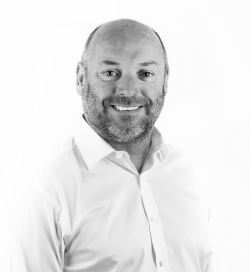
Terry Stevens
Successful
hybrid attractions
Terry Stevens’ pick
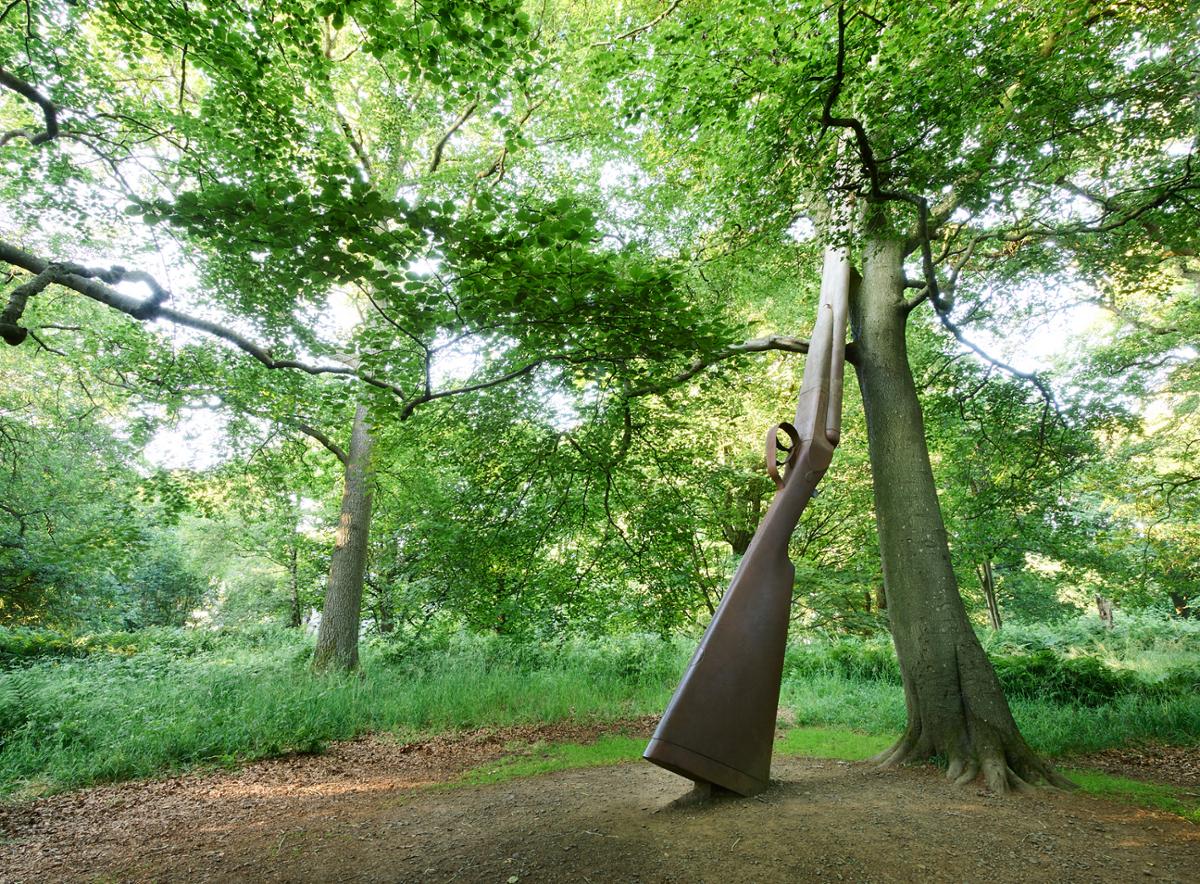
Jupiter Artland,
Near Edinburgh, UK
An extraordinary collection of large-scale artworks in an heritage setting on the western fringe of Edinburgh
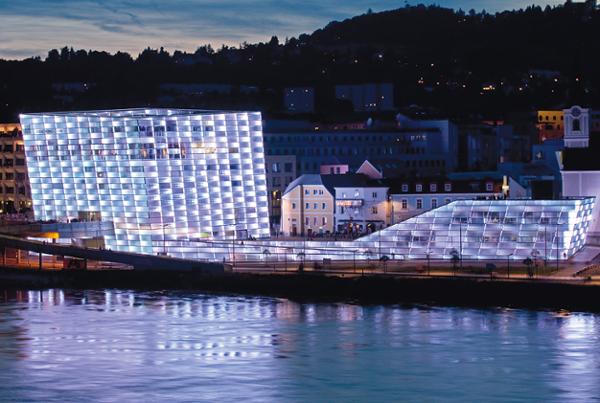
Ars Electronica,
Linz, Austria
Austrian cultural, education and scientific institute exploring new technology and its impact on our futures via the ‘Museum of the Future’, the annual Ars Electronica Festival, an innovation campus and the Prix Ars prize
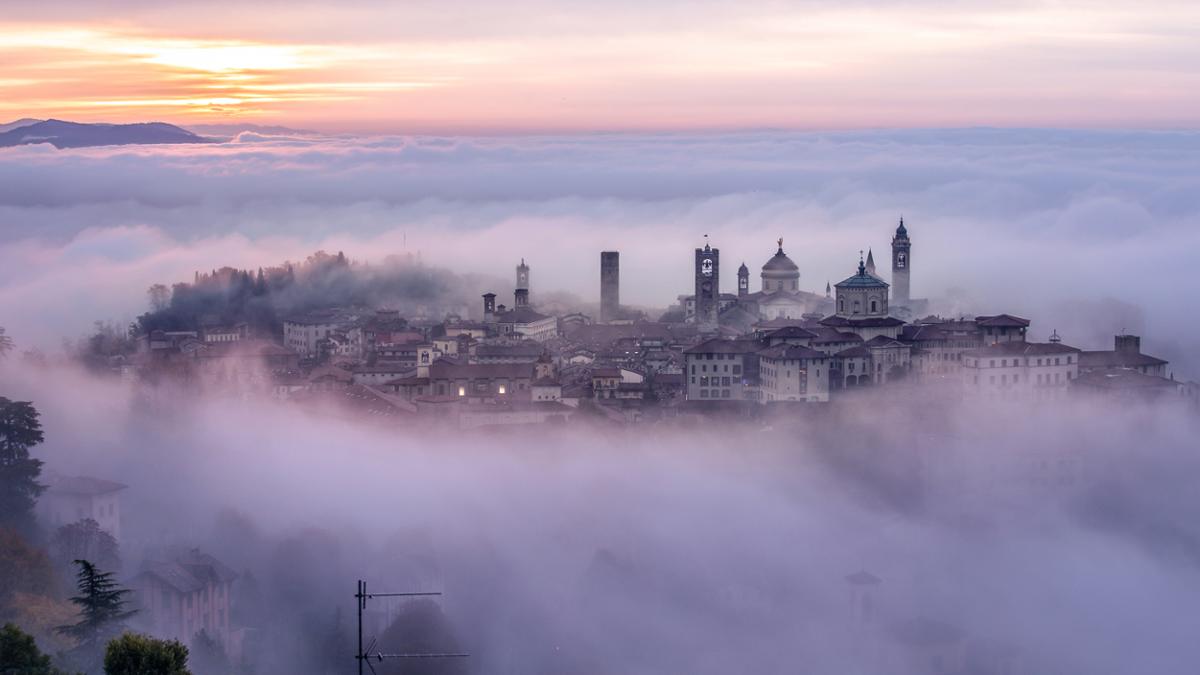
Monastero di Astino,
Bergamo, Italy
This former monastery has been renovated as a centre of sustainable agriculture and local culture. It is a working farmscape, a religious centre, an exposition of local food and drink, and a conference and cultural venue
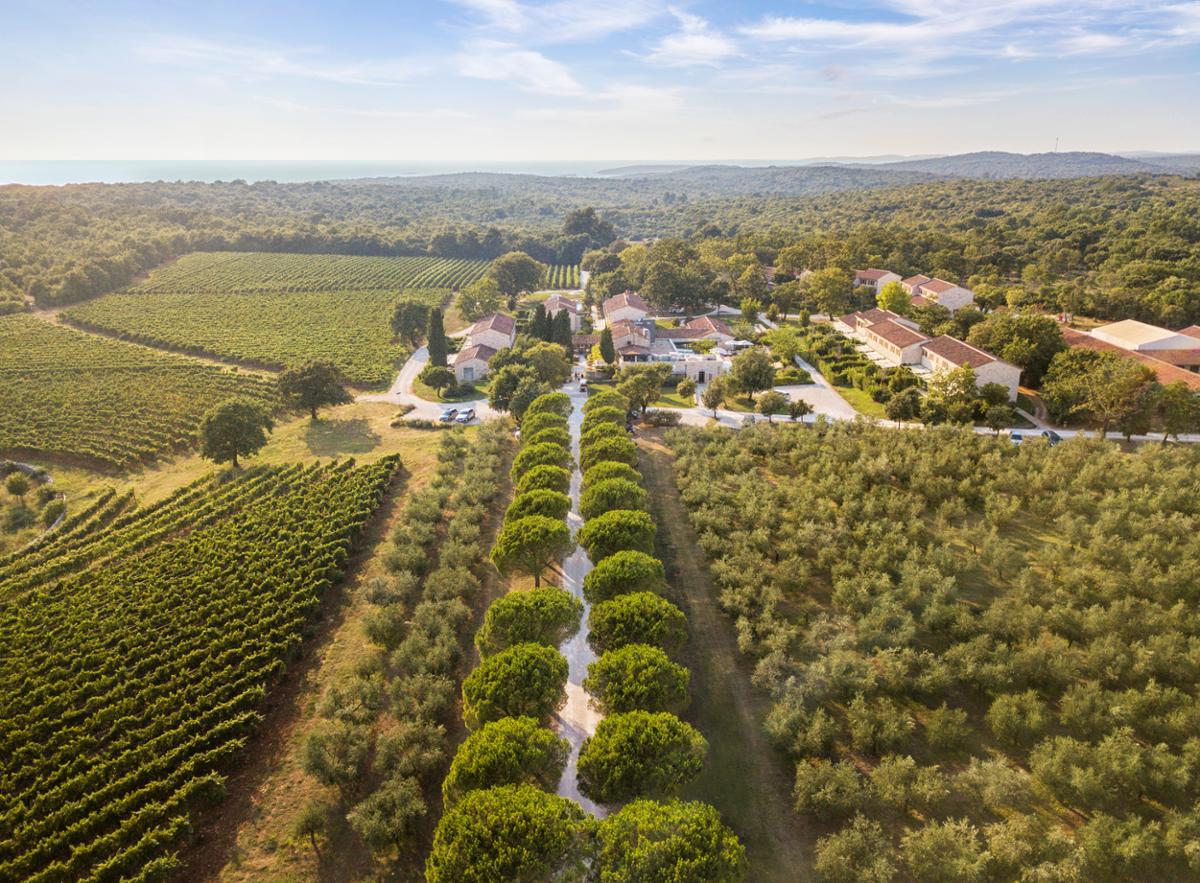
Meneghetti Winery and Hotel,
Istria
Part winery with tasting rooms and visitor centre, part hotel with villas and gardens, a conference and cultural centre, and a gastronomic celebration.
Roxanich,
Istria
This old farm storehouse has been converted into a contemporary design hotel with a five storey underground winery and visitor attractions together with conference centre and art galleries.
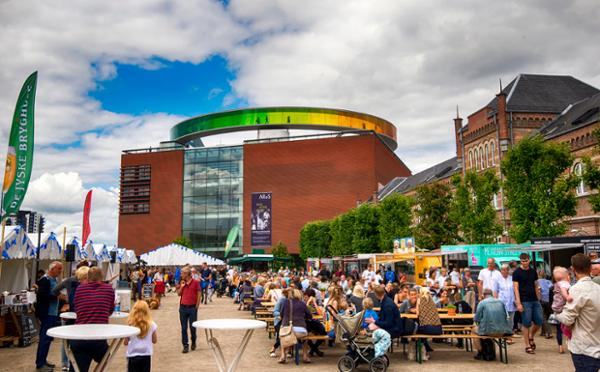
ARoS,
Aarhus, Denmark
Contemporary art gallery with a rooftop immersive 360 degree walk through attraction, restaurants, and speakeasy of debates and discussions.
Babylonstoren,
Franschhoek, Western Cape
This western Cape historic farm has been converted into a contemporary mix of gardens, accommodation, spa and wellness facilities and gastronomic experiences by the same owners as The Newt in Somerset.
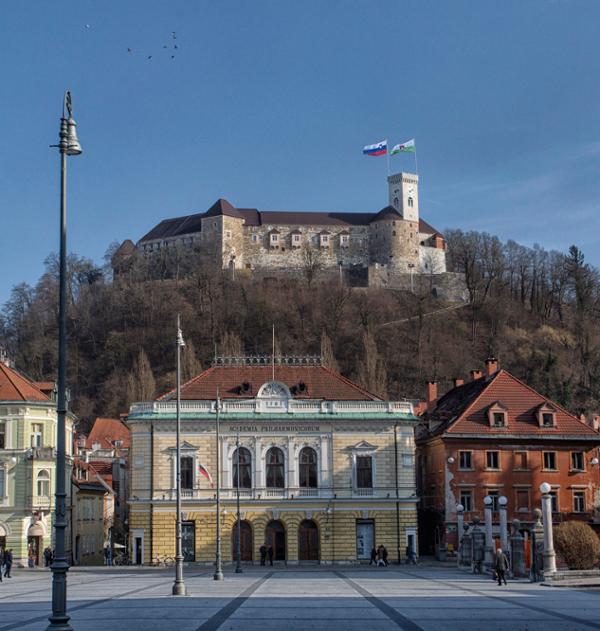
Ljubljana Castle,
Slovenia
This visitor experience has been transformed from a predictable, heritage offer to a centre featuring numerous attractions, restaurants, extraordinary living history experiences, and retail.
Art Circle, Brda, Slovenia
In spring this southwest corner of Slovenia comes alive with a unique range of art galleries, gastronomic experiences, and locally curated pop-up attractions
Read more from this issue of Attractions Management magazine
View contents of Attractions Management 2022 issue 2
Editor's letter: Open for all
We must listen to the communities we’re trying to serve if we’re going to make attractions inclusive for everyone, says Magali Robathan
Interview: Chris Mather
As the Gretna Green Experience opens in Scotland, Mather & Co’s CEO shares the highs and lows of almost three decades in exhibition design
Waterparks: Down to earth
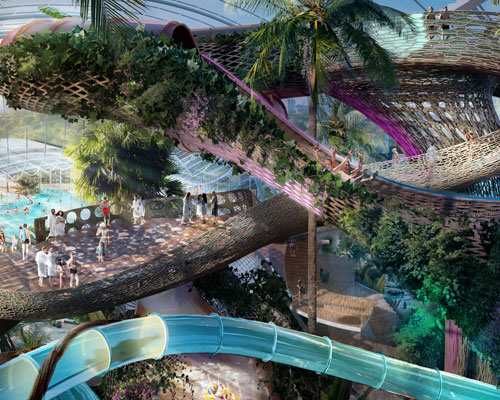
The world’s first ‘living waterslides’, a hydroponic farm, rooftop beehives and more than 1,500 trees – all part of the Therme Manchester next generation waterpark’s aims to be as green as possible
Museums: Gardens of the future
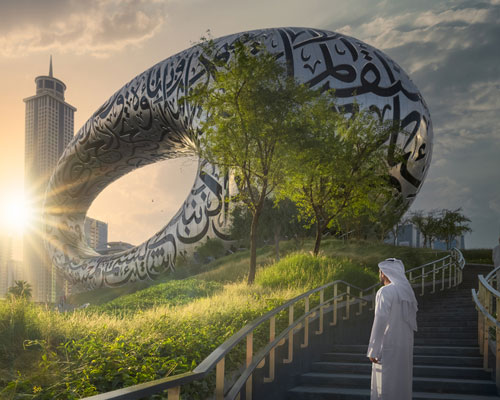
Dubai’s new Museum of the Future has opened with a bang. We look at how the innovative landscaping aims to support the museum’s message
Technology: A whole new world
The metaverse is coming, and the attractions industry needs to pay attention. Lesley Morisetti explores the challenges and opportunities
Immersive art: In the picture
Van Gogh: The Immersive Experience is part of a massive trend promising to offer new perspectives on art and artists
Awards: Museums & Heritage Awards
As the Oscars of the museum world celebrate the best, brightest and most creative, we take a look at this year’s winners
Tourism: The winds of change
Attractions providers not willing to take risks and get truly creative will get left behind, says Dr Terry Stevens. Here’s how to stay ahead of the curve
Research: A sustainable future
Research shows that consumers want attractions to get greener, faster, and they’re actively pushing for change. BVA BDRC’s Jon Young talks us through the numbers
The coming decade will bring unprecedented
experimentation within the attractions sector and
those who aren’t willing to get truly creative risk
getting left behind, argues Dr Terry Stevens
Slovenia’s Brda region is home to the annual Art Circle festival / Photo: Brda Institute
Bob Dylan’s refrain, The Winds of Change Are Blowing Wild and Free, on his 1997 album Time Out of Mind echoes his earlier anthem, The Times They Are A’Changin’. The sentiment is prescient and wholly relevant today. The pandemic, together with other global crises, has shifted many aspects of leisure consumer behaviour, demanding a response from the supply side of our industry.
Nowhere is this challenge more pronounced than in the attractions sector. It is time to reconsider the concept of a visitor attraction. Time to scrutinise their role and purpose. Time to re-imagine their business and operational models. It was 30 years ago when, in 1993, my essay Playgrounds or Agents of Social and Cultural Development won the American Express Annual Award for Travel. The text challenged theme parks and other attractions to become benchmarks of sustainable development and to recognise the needs of thoughtful consumers with their new priorities for selecting their leisure experiences. Very few rose to the challenge. Three decades on there is a new imperative to act. Precious time is definitely slipping away.
The heartbeat thumping the sector into action is compliance with the United Nation’s Sustainable Development Goals and the paradigm shifts within the industry that will have profound impacts on how we re-imagine the future of the development and planning of attractions.
These paradigm shifts are:
HYBRIDITY & TRANSFORMATION: The appearance of novel, unique solutions, in product development, experience creation and tourist engagement that are blurring definitions and making it increasingly difficult to categorise and accredit an ‘attraction’ – and does it matter anymore if a product receives a 5 star or a 2 star assessment by a tourist board? Initiatives that boldly go where few have been before to make a positive transformational impact will prevail.
OUTLIERS: As part of the era of the hybrid, we’re seeing the rapid emergence of attractions that would have been regarded as being ‘left-of-field’, or quirky, but now these niche outliers are fast becoming mainstream – ‘who would have thought it’ ideas are now becoming the expected, delivered by hybrid-thinkers and often developed by the new pirates (as they have been described).
CO-CREATION: Multi-faceted, multi-layered, co-created, and collaborative unique experiences capable of commanding high value and capturing guest attention and involving the guest in their design will become a demand driver for destinations.
CO-DEPENDENCY: A cornerstone of co-created experiences is the need for destination stakeholders to work together and recognise a co-dependency tourism eco-system rather than a business-centric, ego-system.
ELASTICITY: The need for everyone involved in attraction development to be more agile, flexible, and fluid in their design, planning , and operations, welcoming new ideas, different ways of working, and nurturing innovation.
TALENT: Exploring the idea that an individual’s talent may well be more important to a tourism business than a traditional skill or qualification – the fact that your security guard is the best fiddle player in the village might be more important than his security qualifications.
VALUE: The culmination of these shifts is resulting in our need to re-calibrate all aspects of perceived and real value of tourism in our destinations and, ultimately, to deliver new metrics of success.
In this context, much has been written about the experience economy and how attractions can deliver memorable experiences to add value and competitiveness. However, as Design Hotels founder Claus Sendlinger has challenged us on many occasions, “The tourism industry needs innovative and creative ideas to survive but the industry is not sufficiently innovative or creative to deliver what will be needed. We need hybrid thinkers delivering hybrid solutions.”
The next five to 10 years in the sector will be a period of unprecedented experimentation, where old formulas no longer hold true; where traditional forms of partnership and collaboration will have to change and where hybrid solutions created by hybrid thinkers will prove to be winners. This will be about creating the ‘new-extraordinary’. In the words of Martin Raymond of The Future Laboratory: “We’ve spent our time fretting about the New Normal, when we should be talking about the New Extra-ordinary! The pandemic has precipitated scientific advancement, championed innovation, and ushered in a new age of collaboration, challenge, and accelerated change”.
Key to successful experience creation in attractions are the twin notions of co-creation and co-dependency. How can tourism (and other) stakeholders work and play better together to ensure optimal sustainable outcomes and exceptional experiences? For K Michael Haywood, Professor Emeritus, School of Hospitality, Food and Tourism at the University of Guelph in Ontario, Canada, the answer in his 2021 ebook Astonish, Smarter Tourism by Design is that, “There is a need for well-developed eco-systems (networks and clusters) for innovation within the tourism industry, its various interdependent yet operationally independent sectors, and all host communities and neighbourhoods.”
This brave new world will not be kind to, or tolerant of, a traditional visitor attraction offering well-rehearsed, tired, experiences – be it a castle, stately home, theme park, or zoo. There are examples of enlightened investors and operators embracing these changes who are ahead of the curve; they are few and far between, but they prove the winds of change bring wonderful opportunities to refresh, re-ignite, and regenerate the attractions sector.
Hybridity characterises the success stories in this new world. Take for example, Jupiter Artland near Edinburgh – an extraordinary collection of large-scale artworks in an heritage setting on the western fringe of Edinburgh. Or Monastero di Astino, Bergamo, Italy – a former monastery that’s a working farmscape, a religious centre, an exposition of local food and drink, and a conference and cultural venue. Or global trendsetting attraction Ars Electronica in Linz, Austria – an iconic building housing a collection of immersive exhibits exploring the interrelationship between art, technology, and society together with the inspirational 8-D Deep Space Evolution. Other successful hybrids showing how it can be done include Hauser & Wirth, Somerset, UK; Meneghetti Winery and Hotel, Istria; ARoS, Aarhus, Denmark; and Babylonstoren, Franschhoek, Western Cape.
These attractions all combine several different offers to create something new, fresh and intriguing – none of them are playing it safe.
Undoubtedly, the trendsetter of these new ways of thinking about attractions and experiences is the Slovenian Tourist Board (STB) with its national initiative, known as Slovenian Unique Experiences (SUE). The STB have created a scheme for the curation of unique, 5 star Slovenian experiences that conforms to the requirements of the national tourism strategy and are evaluated by an independent commission prior to going to market.
Each proposal has to meet 40 criteria within 10 thematic groups: Local identity, Authentic, Unique, Experiential, Green, Boutique, Premium, Added value, Off-season, Digitally enabled.
The result is a wonderful palette of experiences delivering the new extraordinary. A template for the way to realign our attractions, maybe?
Terry Stevens
Successful
hybrid attractions
Terry Stevens’ pick
Jupiter Artland,
Near Edinburgh, UK
An extraordinary collection of large-scale artworks in an heritage setting on the western fringe of Edinburgh
Ars Electronica,
Linz, Austria
Austrian cultural, education and scientific institute exploring new technology and its impact on our futures via the ‘Museum of the Future’, the annual Ars Electronica Festival, an innovation campus and the Prix Ars prize
Monastero di Astino,
Bergamo, Italy
This former monastery has been renovated as a centre of sustainable agriculture and local culture. It is a working farmscape, a religious centre, an exposition of local food and drink, and a conference and cultural venue
Meneghetti Winery and Hotel,
Istria
Part winery with tasting rooms and visitor centre, part hotel with villas and gardens, a conference and cultural centre, and a gastronomic celebration.
Roxanich,
Istria
This old farm storehouse has been converted into a contemporary design hotel with a five storey underground winery and visitor attractions together with conference centre and art galleries.
ARoS,
Aarhus, Denmark
Contemporary art gallery with a rooftop immersive 360 degree walk through attraction, restaurants, and speakeasy of debates and discussions.
Babylonstoren,
Franschhoek, Western Cape
This western Cape historic farm has been converted into a contemporary mix of gardens, accommodation, spa and wellness facilities and gastronomic experiences by the same owners as The Newt in Somerset.
Ljubljana Castle,
Slovenia
This visitor experience has been transformed from a predictable, heritage offer to a centre featuring numerous attractions, restaurants, extraordinary living history experiences, and retail.
Art Circle, Brda, Slovenia
In spring this southwest corner of Slovenia comes alive with a unique range of art galleries, gastronomic experiences, and locally curated pop-up attractions
Read more from this issue of Attractions Management magazine
View contents of Attractions Management 2022 issue 2
Editor's letter: Open for all
We must listen to the communities we’re trying to serve if we’re going to make attractions inclusive for everyone, says Magali Robathan
Interview: Chris Mather
As the Gretna Green Experience opens in Scotland, Mather & Co’s CEO shares the highs and lows of almost three decades in exhibition design
Waterparks: Down to earth
The world’s first ‘living waterslides’, a hydroponic farm, rooftop beehives and more than 1,500 trees – all part of the Therme Manchester next generation waterpark’s aims to be as green as possible
Museums: Gardens of the future
Dubai’s new Museum of the Future has opened with a bang. We look at how the innovative landscaping aims to support the museum’s message
Technology: A whole new world
The metaverse is coming, and the attractions industry needs to pay attention. Lesley Morisetti explores the challenges and opportunities
Immersive art: In the picture
Van Gogh: The Immersive Experience is part of a massive trend promising to offer new perspectives on art and artists
Awards: Museums & Heritage Awards
As the Oscars of the museum world celebrate the best, brightest and most creative, we take a look at this year’s winners
Tourism: The winds of change
Attractions providers not willing to take risks and get truly creative will get left behind, says Dr Terry Stevens. Here’s how to stay ahead of the curve
Research: A sustainable future
Research shows that consumers want attractions to get greener, faster, and they’re actively pushing for change. BVA BDRC’s Jon Young talks us through the numbers
OMA has completed a major transformation of New York's New Museum, creating a larger
cultural campus that combines expanded exhibition spaces with learning, performance,
hospitality and public programming.
A US$50 million (£44.2 million, €51.2 million) transformation of Chicago's historic McCormick
Mansion has created a new destination that combines live magic, immersive theatre, dining and
private membership under one roof.
The Montana Historical Society has officially celebrated the opening of its new Montana
Heritage
Center, a US$107 million (£79 million, €92 million) destination that combines immersive
storytelling with cutting-edge audiovisual technology to bring the sta
San Antonio Zoo has reported a US$283 million economic impact for 2025, following a decade-
long transformation programme that has seen almost US$200 million invested into the Texas
attraction.
Plans for the AU$180 million redevelopment of Reef HQ Aquarium in Townsville, Australia, are
progressing, with the project set to transform the attraction into a global centre for reef
education and conservation.
Abu Dhabi-based investment firm Mubadala Capital has made a binding, fully financed
€1 billion
offer to acquire Pierre and Vacances SA, the European holiday resort operator behind the
continental European Center Parcs business.
Disney has reaffirmed its commitment to investing US$30 billion in its US parks and cruise
business by 2033, using new America250 celebrations to underline the role its attractions play
in supporting jobs, tourism and economic growth.
Expo 2030 Riyadh is being planned as a permanent visitor destination, with organisers
confirming the six-million-square-metre site will become a Global Village after the event closes.
The owner of one of Australia's best-known waterparks has acquired a major competitor,
creating a new attractions business spanning two of the country's largest visitor destinations.
The Toverland theme park in the Netherlands has announced a €98m expansion programme
that will add a resort, new attractions and staff facilities as it pursues plans to become a multi-
day destination.
+ More news
COMPANY PROFILES
Alterface Alterface’s Creative Division team is
seasoned in concept and ride development,
as well as storyte [more...]
Sally Corporation Our services include: Dark ride design & build; Redevelopment of existing attractions; High-quality [more...]
TechnoAlpin Indoor TechnoAlpin is the world leader for snowmaking systems. With the Indoor snow division, TechnoAlpin c [more...]
Taylor Made Designs Founded in 1993, Taylor Made
Designs supply corporate clothing
and brand-enhancing merchandise
to [more...]