When it comes to being genuinely inclusive and welcoming to those with sensory needs, we must be open to feedback and not make assumptions. Listening is key
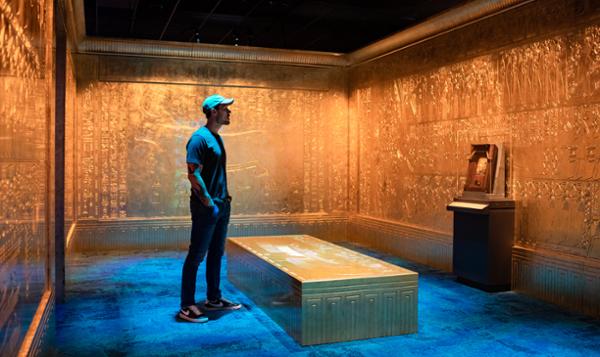
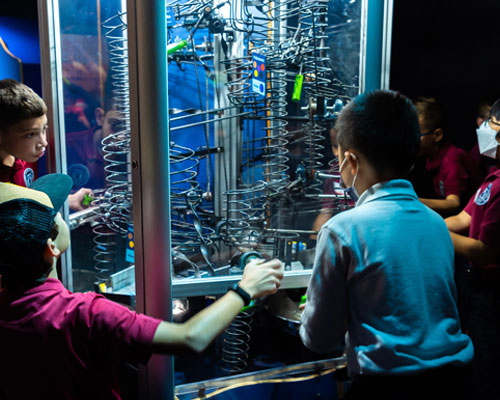
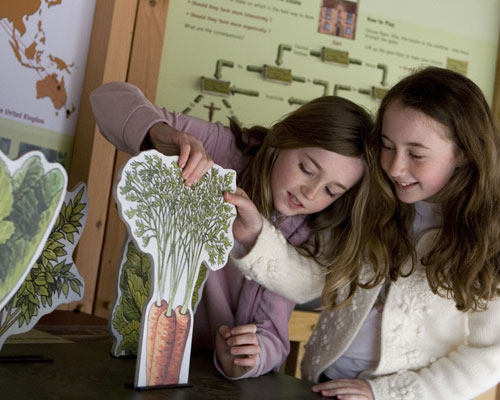
Houston Museum of Natural Science is a Certified Autism Center / Photo: Houston Museum of Natural Science
Over the past decade or so, the attractions industry has woken up to the fact that it must be more accessible, and it needs to reflect the diverse make up of the population it serves.
This issue, we interviewed a range of people working hard to make museums and attractions more inclusive and welcoming for people with sensory needs.
According to Kulturecity, a leading US non profit for those with invisible disabilities, one in six of us have a sensory need that could make a visit to an attraction overwhelming.
The people we spoke to for our feature on page 50 had some fantastic ideas about how to make museums and attractions more welcoming, but by far the most powerful comments were from Emily Elsworth, an autism advocate and trainer who was recently diagnosed as autistic at the age of 27.
As a child, Elsworth knew she found many attractions challenging, but she didn’t know why. Now, armed with her diagnosis, she’s working with museums and attractions to help improve accessibility.
Elsworth acknowledges how far we’ve come, with many venues working hard to welcome people with sensory needs. Detailed information on websites, sensory backpacks, properly trained staff and calmer, quieter sessions can help, but there’s still a long way to go.
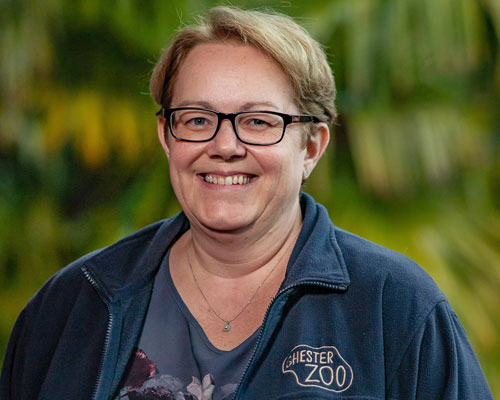
Elsworth cited a recent visit to a UK zoo, which claimed on its website to be fully accessible. When she stepped off the bus, she was greeted with blaring music and staff shouting information. The ticket gate and entrance was confusing and the maps had bright backgrounds that made them hard for her to read.
Another issue highlighted by Elsworth is the gap in support for adults with sensory needs.
“There seems to be a perception that only children have sensory needs,” she says. “We need acknowledgement that those needs don’t end when you turn 18.”
The main message is not to make assumptions about what visitors want – instead consult with the people you’re welcoming.
“Don’t be scared,” says Elsworth. “There are so many positives to bringing a whole new group of people into your venue that you’ll miss out on if you don’t make those changes.”
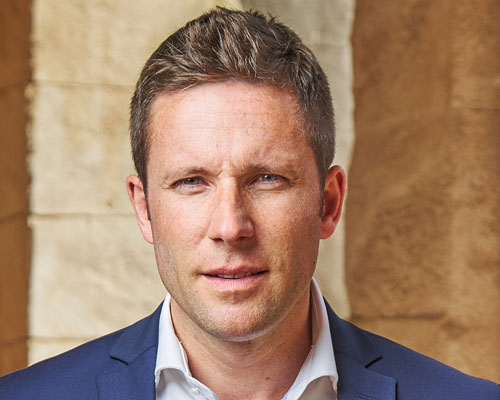
Magali Robathan, editor
Read more from this issue of Attractions Management magazine
View contents of Attractions Management 2022 issue 2
Editor's letter: Open for all
We must listen to the communities we’re trying to serve if we’re going to make attractions inclusive for everyone, says Magali Robathan
Interview: Chris Mather
As the Gretna Green Experience opens in Scotland, Mather & Co’s CEO shares the highs and lows of almost three decades in exhibition design
Waterparks: Down to earth
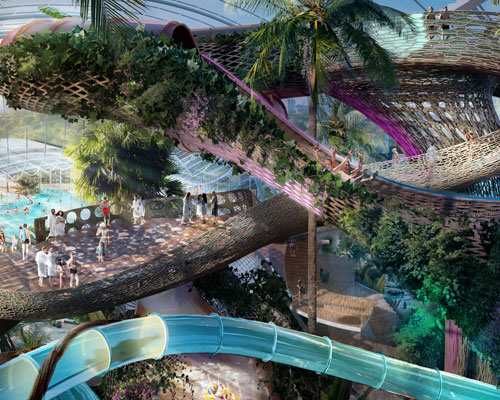
The world’s first ‘living waterslides’, a hydroponic farm, rooftop beehives and more than 1,500 trees – all part of the Therme Manchester next generation waterpark’s aims to be as green as possible
Museums: Gardens of the future
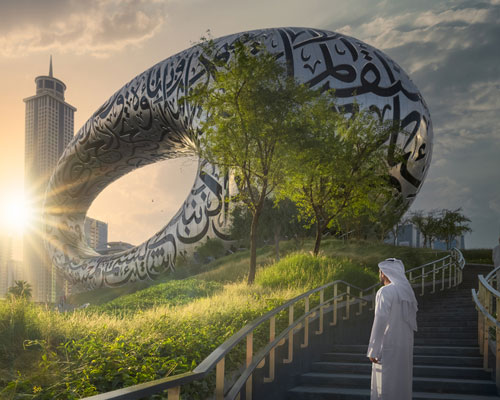
Dubai’s new Museum of the Future has opened with a bang. We look at how the innovative landscaping aims to support the museum’s message
Technology: A whole new world
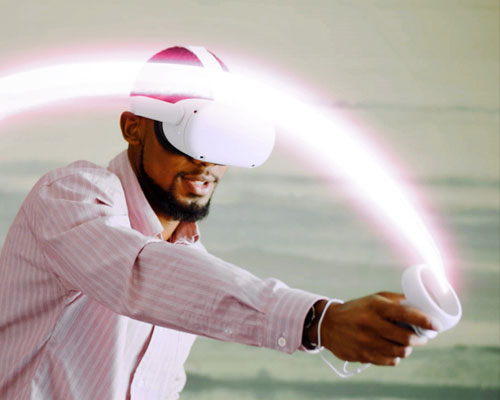
The metaverse is coming, and the attractions industry needs to pay attention. Lesley Morisetti explores the challenges and opportunities
Immersive art: In the picture
Van Gogh: The Immersive Experience is part of a massive trend promising to offer new perspectives on art and artists
Awards: Museums & Heritage Awards
As the Oscars of the museum world celebrate the best, brightest and most creative, we take a look at this year’s winners
Tourism: The winds of change
Attractions providers not willing to take risks and get truly creative will get left behind, says Dr Terry Stevens. Here’s how to stay ahead of the curve
Research: A sustainable future
Research shows that consumers want attractions to get greener, faster, and they’re actively pushing for change. BVA BDRC’s Jon Young talks us through the numbers
When it comes to being genuinely inclusive and welcoming to those with sensory needs, we must be open to feedback and not make assumptions. Listening is key
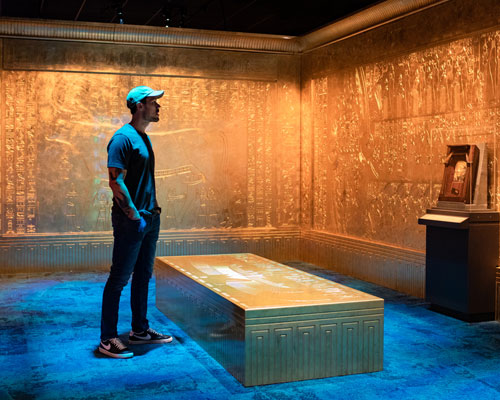
Houston Museum of Natural Science is a Certified Autism Center / Photo: Houston Museum of Natural Science
Over the past decade or so, the attractions industry has woken up to the fact that it must be more accessible, and it needs to reflect the diverse make up of the population it serves.
This issue, we interviewed a range of people working hard to make museums and attractions more inclusive and welcoming for people with sensory needs.
According to Kulturecity, a leading US non profit for those with invisible disabilities, one in six of us have a sensory need that could make a visit to an attraction overwhelming.
The people we spoke to for our feature on page 50 had some fantastic ideas about how to make museums and attractions more welcoming, but by far the most powerful comments were from Emily Elsworth, an autism advocate and trainer who was recently diagnosed as autistic at the age of 27.
As a child, Elsworth knew she found many attractions challenging, but she didn’t know why. Now, armed with her diagnosis, she’s working with museums and attractions to help improve accessibility.
Elsworth acknowledges how far we’ve come, with many venues working hard to welcome people with sensory needs. Detailed information on websites, sensory backpacks, properly trained staff and calmer, quieter sessions can help, but there’s still a long way to go.
Elsworth cited a recent visit to a UK zoo, which claimed on its website to be fully accessible. When she stepped off the bus, she was greeted with blaring music and staff shouting information. The ticket gate and entrance was confusing and the maps had bright backgrounds that made them hard for her to read.
Another issue highlighted by Elsworth is the gap in support for adults with sensory needs.
“There seems to be a perception that only children have sensory needs,” she says. “We need acknowledgement that those needs don’t end when you turn 18.”
The main message is not to make assumptions about what visitors want – instead consult with the people you’re welcoming.
“Don’t be scared,” says Elsworth. “There are so many positives to bringing a whole new group of people into your venue that you’ll miss out on if you don’t make those changes.”
Magali Robathan, editor
Read more from this issue of Attractions Management magazine
View contents of Attractions Management 2022 issue 2
Editor's letter: Open for all
We must listen to the communities we’re trying to serve if we’re going to make attractions inclusive for everyone, says Magali Robathan
Interview: Chris Mather
As the Gretna Green Experience opens in Scotland, Mather & Co’s CEO shares the highs and lows of almost three decades in exhibition design
Waterparks: Down to earth
The world’s first ‘living waterslides’, a hydroponic farm, rooftop beehives and more than 1,500 trees – all part of the Therme Manchester next generation waterpark’s aims to be as green as possible
Museums: Gardens of the future
Dubai’s new Museum of the Future has opened with a bang. We look at how the innovative landscaping aims to support the museum’s message
Technology: A whole new world
The metaverse is coming, and the attractions industry needs to pay attention. Lesley Morisetti explores the challenges and opportunities
Immersive art: In the picture
Van Gogh: The Immersive Experience is part of a massive trend promising to offer new perspectives on art and artists
Awards: Museums & Heritage Awards
As the Oscars of the museum world celebrate the best, brightest and most creative, we take a look at this year’s winners
Tourism: The winds of change
Attractions providers not willing to take risks and get truly creative will get left behind, says Dr Terry Stevens. Here’s how to stay ahead of the curve
Research: A sustainable future
Research shows that consumers want attractions to get greener, faster, and they’re actively pushing for change. BVA BDRC’s Jon Young talks us through the numbers
OMA has completed a major transformation of New York's New Museum, creating a larger
cultural campus that combines expanded exhibition spaces with learning, performance,
hospitality and public programming.
A US$50 million (£44.2 million, €51.2 million) transformation of Chicago's historic McCormick
Mansion has created a new destination that combines live magic, immersive theatre, dining and
private membership under one roof.
The Montana Historical Society has officially celebrated the opening of its new Montana
Heritage
Center, a US$107 million (£79 million, €92 million) destination that combines immersive
storytelling with cutting-edge audiovisual technology to bring the sta
San Antonio Zoo has reported a US$283 million economic impact for 2025, following a decade-
long transformation programme that has seen almost US$200 million invested into the Texas
attraction.
Plans for the AU$180 million redevelopment of Reef HQ Aquarium in Townsville, Australia, are
progressing, with the project set to transform the attraction into a global centre for reef
education and conservation.
Abu Dhabi-based investment firm Mubadala Capital has made a binding, fully financed
€1 billion
offer to acquire Pierre and Vacances SA, the European holiday resort operator behind the
continental European Center Parcs business.
Disney has reaffirmed its commitment to investing US$30 billion in its US parks and cruise
business by 2033, using new America250 celebrations to underline the role its attractions play
in supporting jobs, tourism and economic growth.
Expo 2030 Riyadh is being planned as a permanent visitor destination, with organisers
confirming the six-million-square-metre site will become a Global Village after the event closes.
The owner of one of Australia's best-known waterparks has acquired a major competitor,
creating a new attractions business spanning two of the country's largest visitor destinations.
The Toverland theme park in the Netherlands has announced a €98m expansion programme
that will add a resort, new attractions and staff facilities as it pursues plans to become a multi-
day destination.
+ More news
COMPANY PROFILES
TechnoAlpin Indoor TechnoAlpin is the world leader for snowmaking systems. With the Indoor snow division, TechnoAlpin c [more...]
Alterface Alterface’s Creative Division team is
seasoned in concept and ride development,
as well as storyte [more...]
Polin Waterparks Polin was founded in Istanbul in 1976. Polin
has since grown into a leading company in
the waterpa [more...]