Real-time connections, increased loyalty and extending the offer are among
the benefits of social media, but which platform is right for your attraction?
By Nic Ray | Published in Attractions Management 2013 issue 1
Businesses are advised to have at least one quality presence on social media – and focus on that before adding more outlets
Businesses no longer require extensive persuasion to appreciate the benefits of using social media. By contrast, it’s widely recognised that such platforms have actually become an essential tool for engaging with the public. But just how do you go about selecting the right platform? The choice usually seems to come down to Facebook or Twitter, but these are by no means your only options.
Other platforms like Pinterest, Tout and Google+ are all worthy contenders to take on Facebook and Twitter. Not that this makes your first foray into the social realm any simpler. But luckily all it takes is a little forward thinking before just hopping on to Facebook. The first step is to clearly define your aims – what do you want to achieve by having a social media presence? Having a Facebook page just because everyone else has one isn’t a good enough reason. Next, you need to assess what each social platform can offer you, along with its strengths and weaknesses. Whichever platform best matches your business objectives is the place to start.
As an agency, we always advise brands that it’s important to have one quality presence in social media. Creating a premium user experience on multiple social media platforms is next to impossible – unless your budget is particularly generous. So, as a starting point, invest in just one platform and manage it well. Once you’ve proven the success of “social”, chances are that you’ll be able to pitch for more budget and slowly begin to expand. To get you started, we’ve collated a brief round up of some current social media platforms.
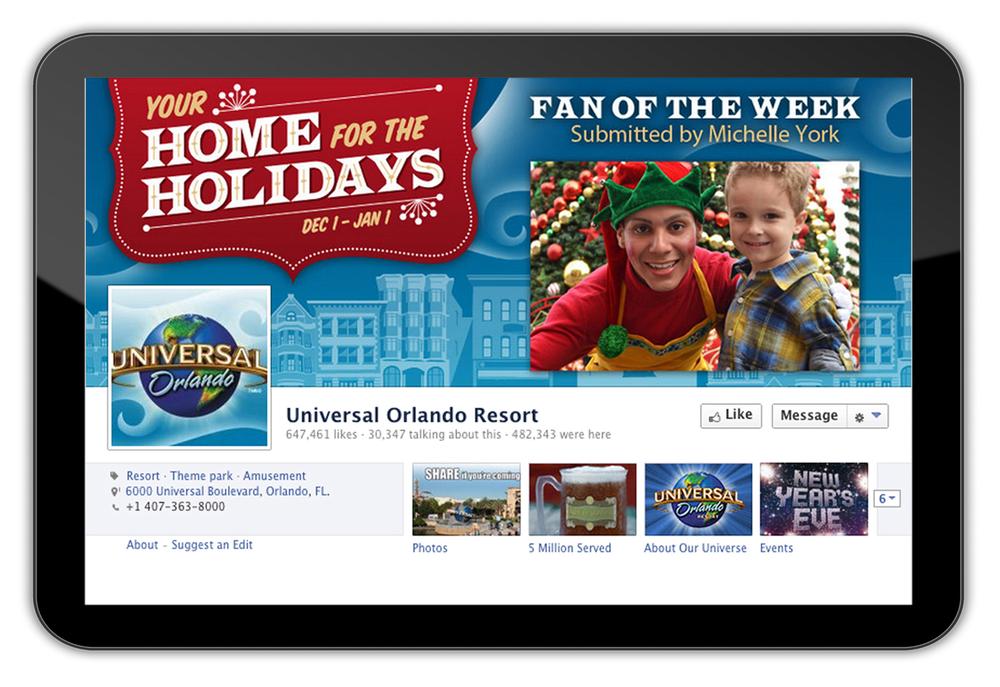
Facebook Primary strength: Building brand loyalty. Facebook is billed as the place to engage with customers, but it’s always in danger of becoming a numbers game. Many brands become fixated on the number of Likes they’re able to gain, instead of focusing on what they really should be striving to achieve – a sense of affection towards their brand and feeling of friendship with a consumer.
Churning out generic content may gain superficial interactions. However, the real gold is in getting people to communicate with your brand and creating an affinity towards your business.
One issue with Facebook is that it’s primarily a closed hub, in the sense that it’s up to the user to allow people (or brands) to see their updates and become part of their network. Or, in the instance that they’re looking to become involved in a specific arena of discussion, they must already know what sources are likely to contain the desired content before they make the best use of Facebook’s limited search functionality.
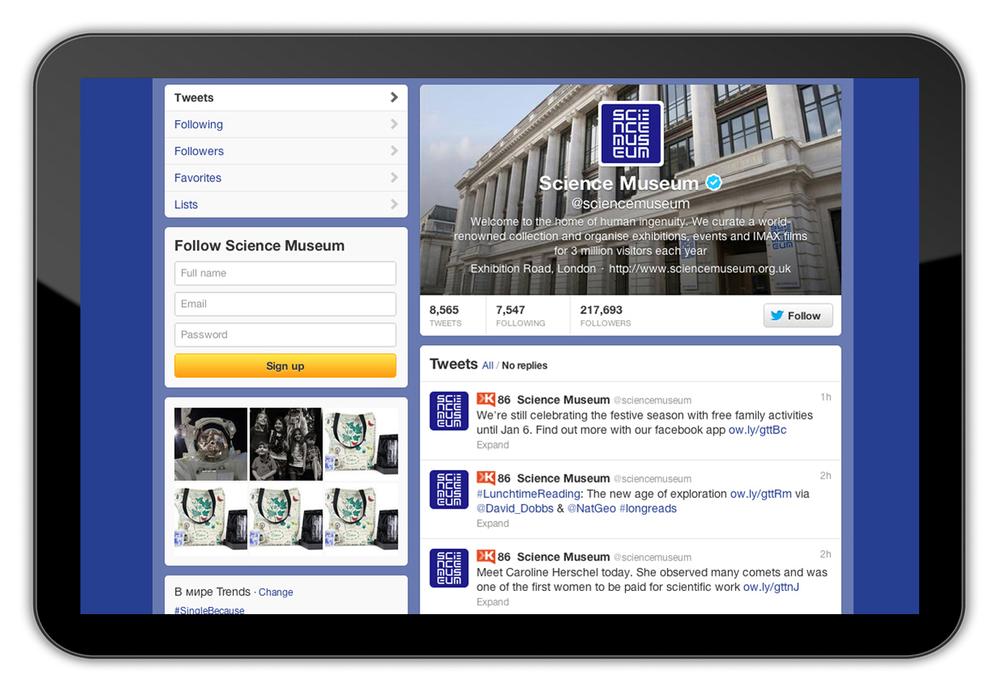
Twitter Primary strength: Sharing news and extending reach. The shorter format of tweets (140 characters) means that relationship building is not Twitter’s primary aim. Rather, it’s the ideal medium to keep people up to date with news and special offers and share blog content. Twitter was designed for sharing and people will naturally spread your content for you – as long as it’s worth sharing. This can amplify any activity that you’re already doing, while also acting as a real-time news feed for your brand. For example, if bad weather means you may need to close early, you could use Twitter to keep people in the loop.
This is why many believe that Twitter has the edge over Facebook, in terms of relevancy for brands. As an open channel, you can reach more people, without insisting on any investment on their part (individuals can share or retweet your news without having to follow you).
However, an effective Twitter channel requires a significant investment of time and commitment from any brand. Users will expect to be answered if they have a customer service issue or a general query, and not responding could be damaging to the brand’s reputation.
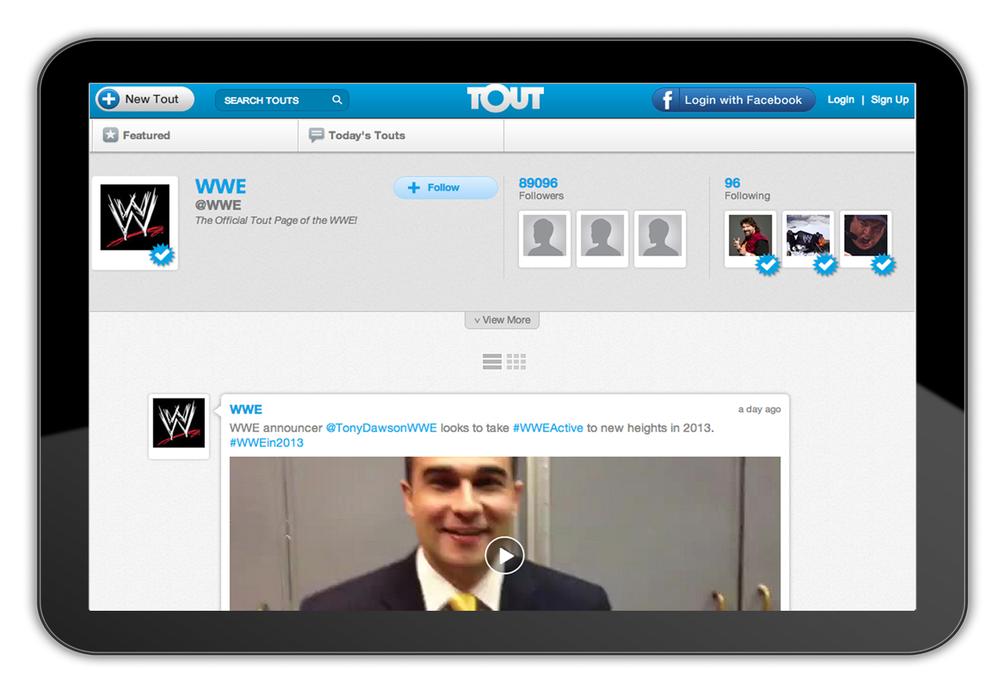
Tout Primary strength: Creating video reviews. Tout is a lesser-known social media platform that allows users to shoot 15-second video status updates via their smartphones or webcams (think of it as similar to Twitter, but with video). Through Tout’s reply feature, users are also able to engage in conversations.
Tout has some amazing partnerships with brands already. The World Wrestling Entertainment organisation (WWE) featured some fan Touts during their tv broadcast and as a result the app skyrocketed in popularity. The media platform offers endless opportunities – individuals can be encouraged to create reviews while they visit your attraction and those reviews can then be repurposed into a bigger marketing plan or shared on YouTube.
While this would present some challenges in countries with slower internet connections or lower smart phone penetration, it’s certainly one of the more innovative options to consider.
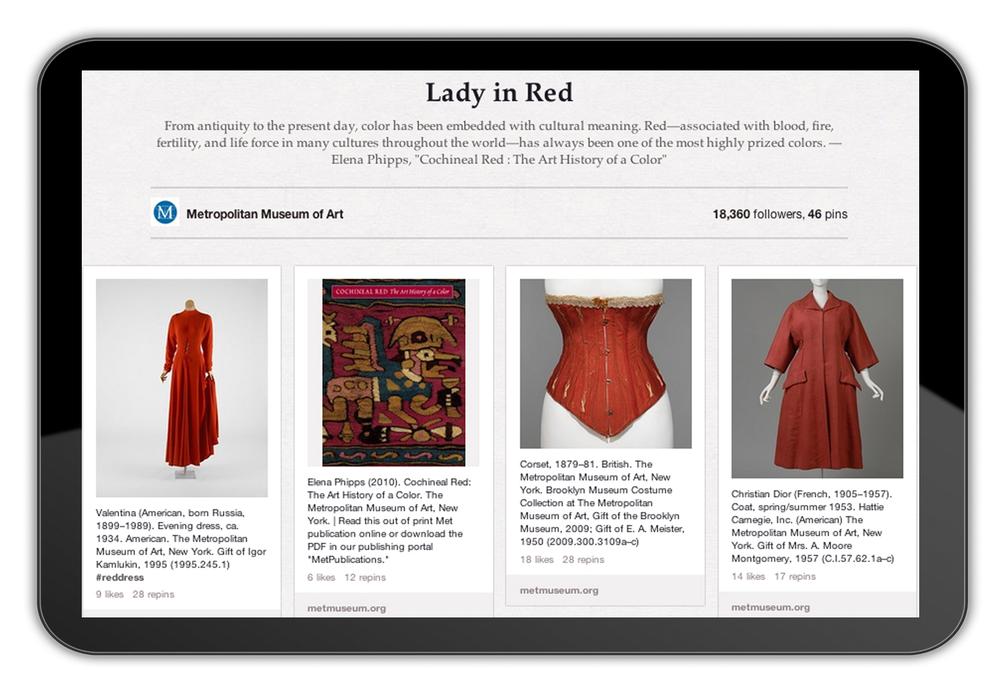
Pinterest Primary strength: Creating a visual brand experience. Pinterest is a social scrapbooking site that lets brands showcase themselves in a visually creative way. However, according to the Etiquette of Pinning, as defined by the users of Pinterest, this isn’t the appropriate platform for self-promotion.
But this doesn’t mean that brands can’t get involved. The idea behind the platform is to showcase the things you love and to show appreciation for other people’s creativity. This gives brands the ideal opportunity to get involved with a community and reward brand loyalty.
Repinning user-generated imagery from your attraction could produce a visually inspiring Pinterest presence. As well as this, it could also help create long-term brand advocates.
Foursquare Primary strength: Real-time connection to users. Foursquare allows people to check in to places so that they can show their friends where they are and what they’re doing. This is a great opportunity to reach people while they’re actually at your attraction and offer them extra value. For instance, Foursquare will let you offer vouchers or incentives to users who check in – linking your online activities to your real-time offline business.
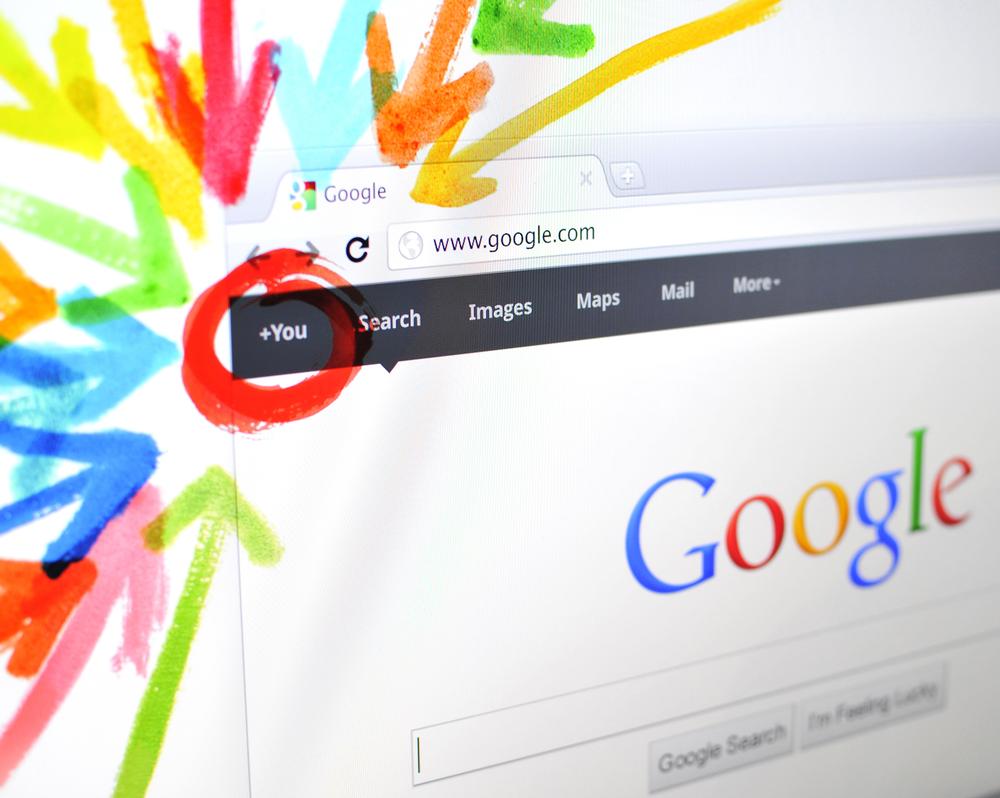
Google+ Primary strength: Search benefits. Google+ is one of those platforms that we all love to hate, mainly because it’s just not quite Facebook.
Although its user numbers are questionable, and it’s less familiar to us than other social platforms, it shouldn’t be discounted as a medium.
As a platform, it’s meant to be used alongside all the other Google products – especially search. Google is renowned for favouring its own assets within search engine results pages meaning that Google+ is an extremely powerful tool to add to your search strategy. But this doesn’t mean that is isn’t social too. The platform is designed for sharing and will assist in amplifying blog posts, promoting news or even just sharing industry-related content.
What’s more, there are far fewer brands on Google+, meaning that there’s less competition and, therefore, ample opportunity to become one of the platform’s pioneering brands.
Summary To wrap up, we feel it’s important to point out that this list is by no means complete. There are almost too many platforms to mention – especially as social networks vary from country to country. When starting a social media strategy, it will be important to take locale into account. For example, Twitter might perfectly meet your global business objectives. However, if targeting the under-25s in Russia, Vkontakte would be your better option.
Try to think beyond Facebook and Twitter and align your choice of platform with your business aims. Then, simply put in as much effort as you can afford, always remembering one key thing – social media is about being social.
As long as you offer value to your followers or fans and continually engage with them in an authentic manner, you won’t go wrong.
Nic Ray is the managing director of Quirk London, a digitally-focused agency of brave, curious minds
Read more from this issue of Attractions Management magazine
View contents of Attractions Management 2013 issue 1
Editor's letter: VISAS – Not sexy, but vital
Of the 656 million tourists who visited G20 countries in 2011,
110 million needed a visa, but millions more were deterred
from travelling by the cost and difficulty of obtaining one
Profile: Sim Choo Kheng
The creator of Escape, Malaysia's new,
sustainable theme park, describes how
his free range childhood and a desire
to coax Asian children away from their
computers inspired the park's ethos
Heritage: Points of view
Egypt's Giza pyramids have been
brought to life by a 3D project, which
enables them to be shared worldwide
while protecting their heritage
Top team: Play and display
Contemporary art is used to encourage
children's interest and participation in art
as well as making them better citizens at
the New Children's Museum in San Diego
New opening: High life
At 310m, The View From The Shard is
Europe's tallest viewing platform as well
as being London's latest landmark. CE
Anders Nyberg describes the project
Real-time connections, increased loyalty and extending the offer are among
the benefits of social media, but which platform is right for your attraction?
By Nic Ray | Published in Attractions Management 2013 issue 1
Businesses are advised to have at least one quality presence on social media – and focus on that before adding more outlets
Businesses no longer require extensive persuasion to appreciate the benefits of using social media. By contrast, it’s widely recognised that such platforms have actually become an essential tool for engaging with the public. But just how do you go about selecting the right platform? The choice usually seems to come down to Facebook or Twitter, but these are by no means your only options.
Other platforms like Pinterest, Tout and Google+ are all worthy contenders to take on Facebook and Twitter. Not that this makes your first foray into the social realm any simpler. But luckily all it takes is a little forward thinking before just hopping on to Facebook. The first step is to clearly define your aims – what do you want to achieve by having a social media presence? Having a Facebook page just because everyone else has one isn’t a good enough reason. Next, you need to assess what each social platform can offer you, along with its strengths and weaknesses. Whichever platform best matches your business objectives is the place to start.
As an agency, we always advise brands that it’s important to have one quality presence in social media. Creating a premium user experience on multiple social media platforms is next to impossible – unless your budget is particularly generous. So, as a starting point, invest in just one platform and manage it well. Once you’ve proven the success of “social”, chances are that you’ll be able to pitch for more budget and slowly begin to expand. To get you started, we’ve collated a brief round up of some current social media platforms.
Facebook Primary strength: Building brand loyalty. Facebook is billed as the place to engage with customers, but it’s always in danger of becoming a numbers game. Many brands become fixated on the number of Likes they’re able to gain, instead of focusing on what they really should be striving to achieve – a sense of affection towards their brand and feeling of friendship with a consumer.
Churning out generic content may gain superficial interactions. However, the real gold is in getting people to communicate with your brand and creating an affinity towards your business.
One issue with Facebook is that it’s primarily a closed hub, in the sense that it’s up to the user to allow people (or brands) to see their updates and become part of their network. Or, in the instance that they’re looking to become involved in a specific arena of discussion, they must already know what sources are likely to contain the desired content before they make the best use of Facebook’s limited search functionality.
Twitter Primary strength: Sharing news and extending reach. The shorter format of tweets (140 characters) means that relationship building is not Twitter’s primary aim. Rather, it’s the ideal medium to keep people up to date with news and special offers and share blog content. Twitter was designed for sharing and people will naturally spread your content for you – as long as it’s worth sharing. This can amplify any activity that you’re already doing, while also acting as a real-time news feed for your brand. For example, if bad weather means you may need to close early, you could use Twitter to keep people in the loop.
This is why many believe that Twitter has the edge over Facebook, in terms of relevancy for brands. As an open channel, you can reach more people, without insisting on any investment on their part (individuals can share or retweet your news without having to follow you).
However, an effective Twitter channel requires a significant investment of time and commitment from any brand. Users will expect to be answered if they have a customer service issue or a general query, and not responding could be damaging to the brand’s reputation.
Tout Primary strength: Creating video reviews. Tout is a lesser-known social media platform that allows users to shoot 15-second video status updates via their smartphones or webcams (think of it as similar to Twitter, but with video). Through Tout’s reply feature, users are also able to engage in conversations.
Tout has some amazing partnerships with brands already. The World Wrestling Entertainment organisation (WWE) featured some fan Touts during their tv broadcast and as a result the app skyrocketed in popularity. The media platform offers endless opportunities – individuals can be encouraged to create reviews while they visit your attraction and those reviews can then be repurposed into a bigger marketing plan or shared on YouTube.
While this would present some challenges in countries with slower internet connections or lower smart phone penetration, it’s certainly one of the more innovative options to consider.
Pinterest Primary strength: Creating a visual brand experience. Pinterest is a social scrapbooking site that lets brands showcase themselves in a visually creative way. However, according to the Etiquette of Pinning, as defined by the users of Pinterest, this isn’t the appropriate platform for self-promotion.
But this doesn’t mean that brands can’t get involved. The idea behind the platform is to showcase the things you love and to show appreciation for other people’s creativity. This gives brands the ideal opportunity to get involved with a community and reward brand loyalty.
Repinning user-generated imagery from your attraction could produce a visually inspiring Pinterest presence. As well as this, it could also help create long-term brand advocates.
Foursquare Primary strength: Real-time connection to users. Foursquare allows people to check in to places so that they can show their friends where they are and what they’re doing. This is a great opportunity to reach people while they’re actually at your attraction and offer them extra value. For instance, Foursquare will let you offer vouchers or incentives to users who check in – linking your online activities to your real-time offline business.
Google+ Primary strength: Search benefits. Google+ is one of those platforms that we all love to hate, mainly because it’s just not quite Facebook.
Although its user numbers are questionable, and it’s less familiar to us than other social platforms, it shouldn’t be discounted as a medium.
As a platform, it’s meant to be used alongside all the other Google products – especially search. Google is renowned for favouring its own assets within search engine results pages meaning that Google+ is an extremely powerful tool to add to your search strategy. But this doesn’t mean that is isn’t social too. The platform is designed for sharing and will assist in amplifying blog posts, promoting news or even just sharing industry-related content.
What’s more, there are far fewer brands on Google+, meaning that there’s less competition and, therefore, ample opportunity to become one of the platform’s pioneering brands.
Summary To wrap up, we feel it’s important to point out that this list is by no means complete. There are almost too many platforms to mention – especially as social networks vary from country to country. When starting a social media strategy, it will be important to take locale into account. For example, Twitter might perfectly meet your global business objectives. However, if targeting the under-25s in Russia, Vkontakte would be your better option.
Try to think beyond Facebook and Twitter and align your choice of platform with your business aims. Then, simply put in as much effort as you can afford, always remembering one key thing – social media is about being social.
As long as you offer value to your followers or fans and continually engage with them in an authentic manner, you won’t go wrong.
Nic Ray is the managing director of Quirk London, a digitally-focused agency of brave, curious minds
Read more from this issue of Attractions Management magazine
View contents of Attractions Management 2013 issue 1
Editor's letter: VISAS – Not sexy, but vital
Of the 656 million tourists who visited G20 countries in 2011,
110 million needed a visa, but millions more were deterred
from travelling by the cost and difficulty of obtaining one
Profile: Sim Choo Kheng
The creator of Escape, Malaysia's new,
sustainable theme park, describes how
his free range childhood and a desire
to coax Asian children away from their
computers inspired the park's ethos
Heritage: Points of view
Egypt's Giza pyramids have been
brought to life by a 3D project, which
enables them to be shared worldwide
while protecting their heritage
Top team: Play and display
Contemporary art is used to encourage
children's interest and participation in art
as well as making them better citizens at
the New Children's Museum in San Diego
New opening: High life
At 310m, The View From The Shard is
Europe's tallest viewing platform as well
as being London's latest landmark. CE
Anders Nyberg describes the project
Abu Dhabi-based investment firm Mubadala Capital has made a binding, fully financed
€1 billion
offer to acquire Pierre and Vacances SA, the European holiday resort operator behind the
continental European Center Parcs business.
Expo 2030 Riyadh is being planned as a permanent visitor destination, with organisers
confirming the six-million-square-metre site will become a Global Village after the event closes.
The owner of one of Australia's best-known waterparks has acquired a major competitor,
creating a new attractions business spanning two of the country's largest visitor destinations.
The Toverland theme park in the Netherlands has announced a €98m expansion programme
that will add a resort, new attractions and staff facilities as it pursues plans to become a multi-
day destination.
Hotel de France, located on the British Isle of Jersey, has created a wellness retreat package
that includes a hot yoga session that will take place in Jersey Zoo’s butterfly sanctuary.
A new immersive attraction designed to transport visitors into the final hours of ancient Pompeii
is preparing to open near the world-famous archaeological site in southern Italy.
Experience design company, BRC Imagination Arts, has completed a transition that sees founder
Bob Rogers pass ownership of the business to four long-serving senior executives, while
remaining actively involved with the company.
Movie Park Germany has opened a new Paramount Pictures-themed attraction as part of its 30th
anniversary celebrations, using immersive storytelling and adaptive reuse to reinforce the park’s
longstanding “Hollywood in Germany” positioning.
Therme Manchester’s 28-acre development, which will include interconnected glass pavilions
that measure 65,000sq m, will be the largest bathing and wellbeing attraction in the world once
complete, according to prof David Russell, CEO of Therme UK.
Efteling has opened Hooghmoed, a new family drop tower designed to broaden the appeal of its
recently launched Sirene Island themed area and introduce younger visitors to thrill attractions.
+ More news
COMPANY PROFILES
Holovis Holovis is a privately owned company
established in 2004 by CEO Stuart
Hetherington. [more...]
IDEATTACK IDEATTACK is a full-service planning and
design company with headquarters in
Los Angeles. [more...]
Clip 'n Climb Clip ‘n Climb currently offers facility owners and
investors more than 40 colourful and unique
Cha [more...]
Polin Waterparks Polin was founded in Istanbul in 1976. Polin
has since grown into a leading company in
the waterpa [more...]