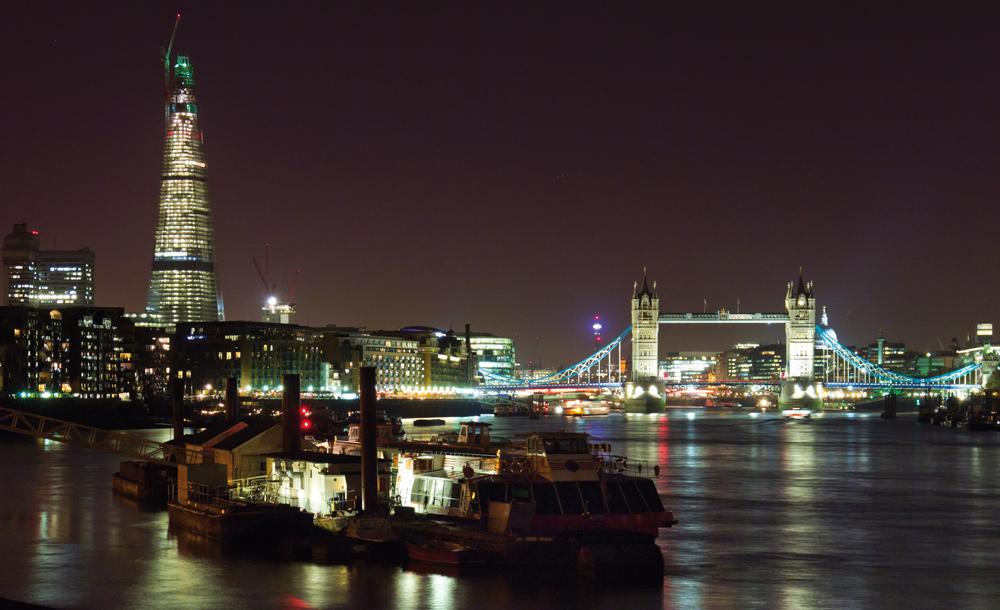
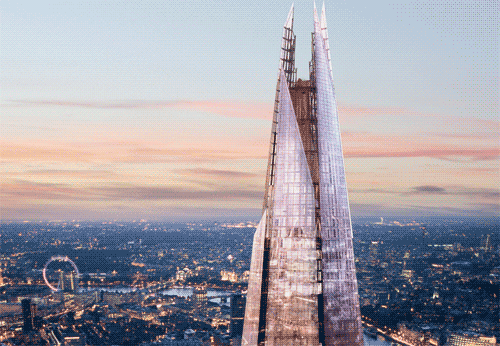
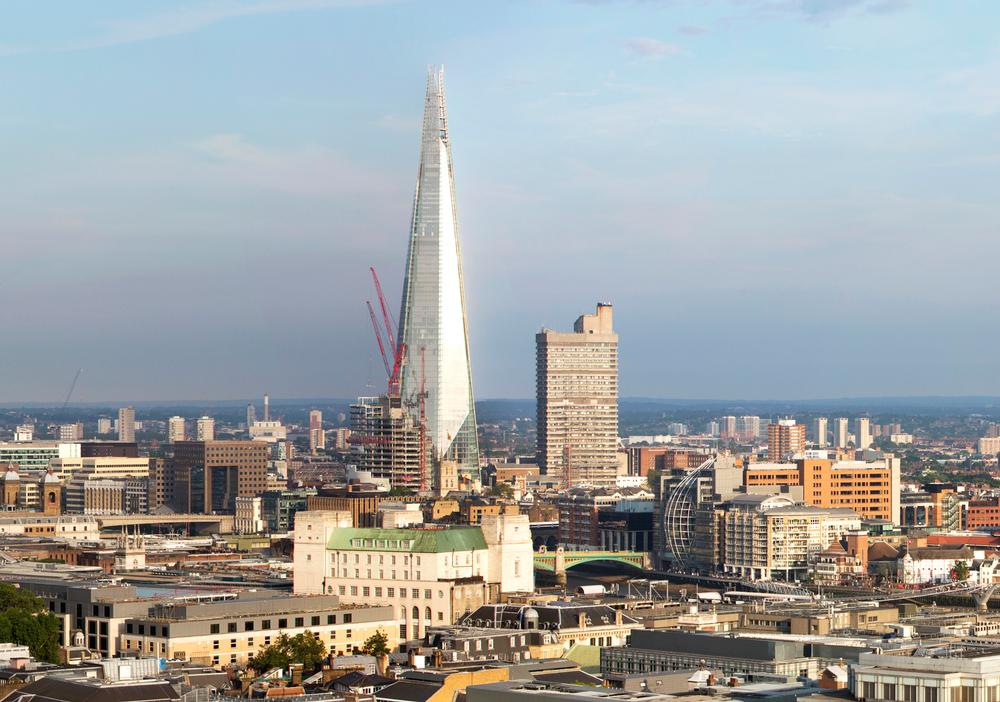
Creating a striking, functional, mixed-use building was architect William Matthews’ aim when designing The Shard of Glass, the towering new addition to London’s skyline
By Kathleen Whyman | Published in Attractions Management 2013 issue 1
Matthews sees The Shard as a 21st layer to a very old city
What inspired The Shard’s design? It was very important to us at Renzo Piano Building Workshop that such a tall building was accessible to the public. Around the world, the tall buildings that are known and loved – that are featured on T-shirts – are the ones that people can access, such as the Eiffel Tower and Empire State Building.
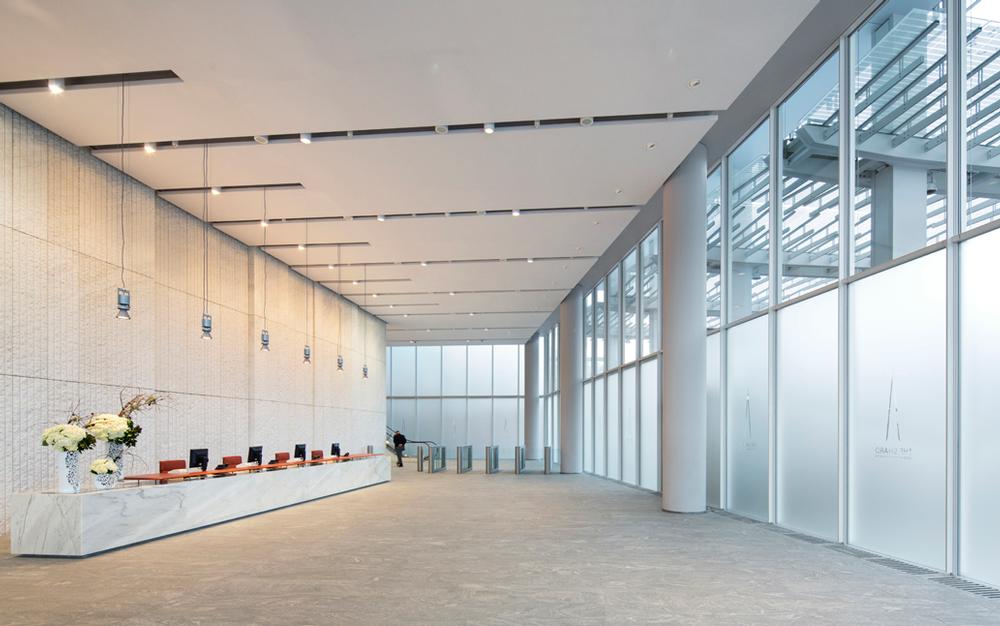
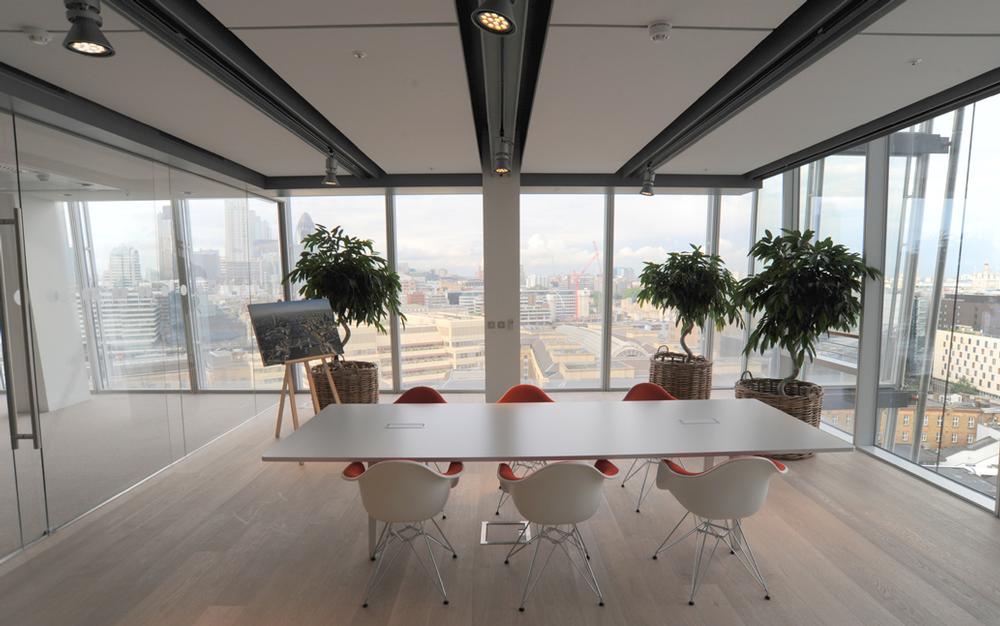
So, we didn’t want a normal city building that closed at 5pm on a Friday and opened again on Monday. It had to be functioning seven days a week, which led to the mix of uses – offices, restaurant, hotel, some apartments and a viewing gallery. The gallery is aiming for one million visitors a year and there are only 10 residents in the apartments, so they have very different uses, but are in the same building.
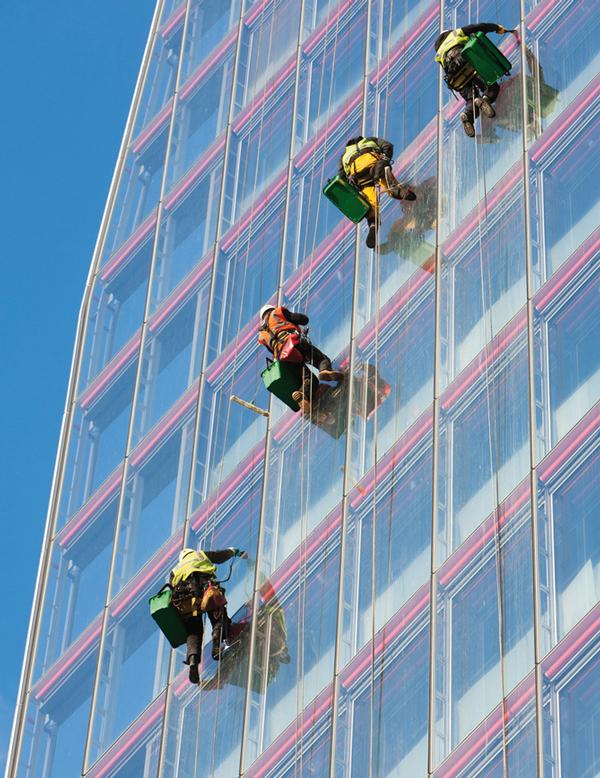
We wanted to create an open building so avoided using heavily tinted glass, which blocks out all life going on inside. Glass is an open, transparent material. You can see lights on inside, which show it’s functioning. By inclining the sides, it reflects the sky and the weather, so the building changes throughout the day, similar to a weather vane. The spire doesn’t meet at the top, so visitors feel the London air.
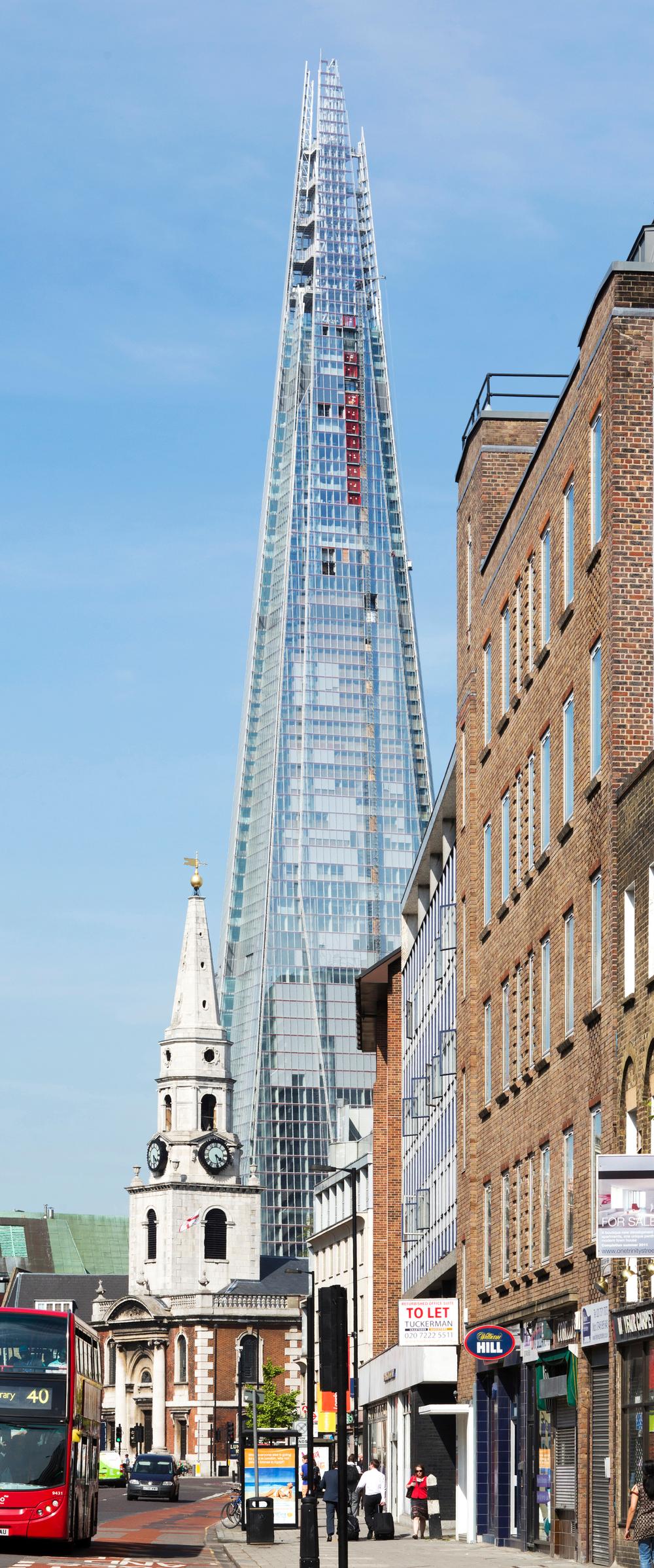
How does The Shard enhancethe capital city’s skyline? London isn’t New York, Singapore or Hong Kong, where a tall building is just another skyscraper in the forest. In London there is no forest; the building is against the sky. The Shard’s spire shape is a form that has resonance throughout the UK as it echoes the outline of its historical churches. It also represents the masts of boats that used to moor in the Thames – tall, slender elements that rested against the skyline in old London.
Up until the 19th century, London Bridge was the only bridge across the Thames and was the centre of London. To have the tallest building next to the bridge, in the middle of London, is appropriate and gives definition to where the centre of London is.
What is the design’s message? The building might be privately financed, but it’s not just a commercial venture that’s landed on the skyline – it’s a building that the public can enter: to visit the restaurant; stay at the hotel or go to the top to see the view.
People often think that architecture is just about aesthetics and the physical elements, but this is the political, social side of architecture.
What was the brief? We had a very, very brief brief. In fact, the page was blank.
The most important thing with a good building is a good client. The client listened to us and we listened to them. It’s a shared vision.
Initially they didn’t like the sound of a viewing gallery, but then realised it had commercial viability to it as well as a socio-political importance in gaining acceptance of the project.
What were the challenges? The first challenge was planning. This building represents a change for the city. Not only is it substantially taller than the others, it’s mixed use, which no other tall building in London is. It took three-and-a-half years to get planning. We had to go through a public enquiry, which costs a lot of money.
The principle opponent was English Heritage. There are protected views of St Paul’s Cathedral and we’re in the backdrop of two of those views. We argued that as we’re replacing some pretty uninspiring views that are already in the backdrop, we’re improving the situation and fortunately the planning inspector agreed with us.
Getting tenants was another challenge. The client had to get some to prove the viability of the building. Fortunately, they got two tenants early on – Shangri-La took the hotel in 2005 and Transport for London took office space in 2006.
The biggest challenge was financing the building. The client had financing in place in 2008, then the credit crunch came and the funding was withdrawn. Fortunately, at that time, the Qatari government had also been interested and they stepped in as both investors and financiers. So they gave us the mortgage and bought the house as well.
Of the four hurdles – planning, getting tenants, financing and building it – building was the easiest bit as, weather permitting, we could just get on with it. We have a big, experienced, knowledgeable team who are used to constructing tall buildings. It’d probably be more of a challenge for us to do a kitchen extension, as we’re not used to it!
What’s the evacuation process? Post 9/11 people are much more aware of evacuation strategies. We use the lifts to get people out – they have a back up power generation and smoke pressure relief and are quick and safe.
With a mixed-use building it’s a challenge because everyone has their own lift banks: there are 43 altogether.
How does the architecture enhance the experience? You could argue that you could see the view from the top of a beanpole, but I think the building is important. Consider the Rockefeller Center and the Empire State Building. In many ways the Rockefeller’s view is better because you can see Central Park and the Empire State Building, but the latter gets many more visitors because it’s an iconic building. Similarly, in Paris, the Tour Montparnasse is a horrible building – it’s the only skyscraper in Paris and went up in the early 1970s – so, despite its great view, it gets a fraction of the visitors that the Eiffel Tower does.
I hope people come to visit The Shard because they’re interested in the building, as well as the view.
We’ll only know if it’s worked in five or six years’ time if people are wearing The Shard T-shirts and if it’s viewed as an image worthy of London – a 21st-century layer to a very old city.
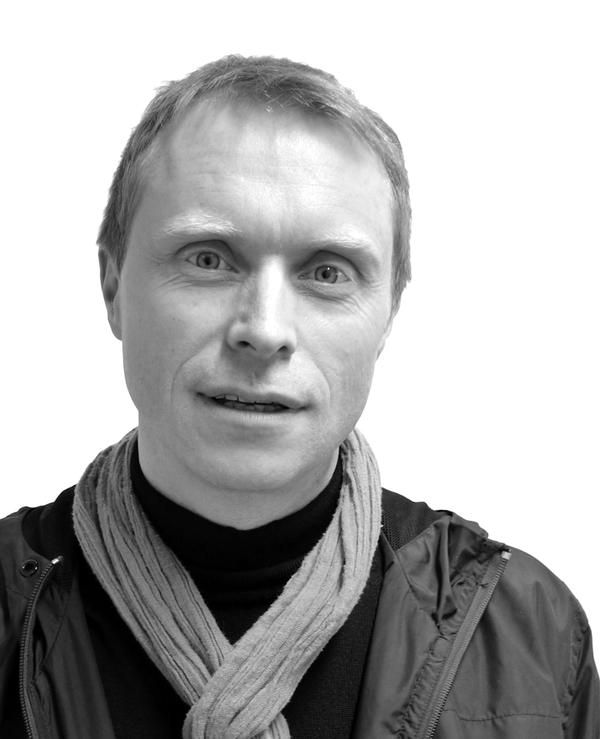
William Matthews is project architect at Renzo Piano Building Workshop
Read more from this issue of Attractions Management magazine
View contents of Attractions Management 2013 issue 1
Editor's letter: VISAS – Not sexy, but vital
Of the 656 million tourists who visited G20 countries in 2011,
110 million needed a visa, but millions more were deterred
from travelling by the cost and difficulty of obtaining one
Profile: Sim Choo Kheng
The creator of Escape, Malaysia's new,
sustainable theme park, describes how
his free range childhood and a desire
to coax Asian children away from their
computers inspired the park's ethos
Heritage: Points of view
Egypt's Giza pyramids have been
brought to life by a 3D project, which
enables them to be shared worldwide
while protecting their heritage
Top team: Play and display
Contemporary art is used to encourage
children's interest and participation in art
as well as making them better citizens at
the New Children's Museum in San Diego
New opening: High life
At 310m, The View From The Shard is
Europe's tallest viewing platform as well
as being London's latest landmark. CE
Anders Nyberg describes the project
Creating a striking, functional, mixed-use building was architect William Matthews’ aim when designing The Shard of Glass, the towering new addition to London’s skyline
By Kathleen Whyman | Published in Attractions Management 2013 issue 1
Matthews sees The Shard as a 21st layer to a very old city
What inspired The Shard’s design? It was very important to us at Renzo Piano Building Workshop that such a tall building was accessible to the public. Around the world, the tall buildings that are known and loved – that are featured on T-shirts – are the ones that people can access, such as the Eiffel Tower and Empire State Building.
So, we didn’t want a normal city building that closed at 5pm on a Friday and opened again on Monday. It had to be functioning seven days a week, which led to the mix of uses – offices, restaurant, hotel, some apartments and a viewing gallery. The gallery is aiming for one million visitors a year and there are only 10 residents in the apartments, so they have very different uses, but are in the same building.
We wanted to create an open building so avoided using heavily tinted glass, which blocks out all life going on inside. Glass is an open, transparent material. You can see lights on inside, which show it’s functioning. By inclining the sides, it reflects the sky and the weather, so the building changes throughout the day, similar to a weather vane. The spire doesn’t meet at the top, so visitors feel the London air.
How does The Shard enhancethe capital city’s skyline? London isn’t New York, Singapore or Hong Kong, where a tall building is just another skyscraper in the forest. In London there is no forest; the building is against the sky. The Shard’s spire shape is a form that has resonance throughout the UK as it echoes the outline of its historical churches. It also represents the masts of boats that used to moor in the Thames – tall, slender elements that rested against the skyline in old London.
Up until the 19th century, London Bridge was the only bridge across the Thames and was the centre of London. To have the tallest building next to the bridge, in the middle of London, is appropriate and gives definition to where the centre of London is.
What is the design’s message? The building might be privately financed, but it’s not just a commercial venture that’s landed on the skyline – it’s a building that the public can enter: to visit the restaurant; stay at the hotel or go to the top to see the view.
People often think that architecture is just about aesthetics and the physical elements, but this is the political, social side of architecture.
What was the brief? We had a very, very brief brief. In fact, the page was blank.
The most important thing with a good building is a good client. The client listened to us and we listened to them. It’s a shared vision.
Initially they didn’t like the sound of a viewing gallery, but then realised it had commercial viability to it as well as a socio-political importance in gaining acceptance of the project.
What were the challenges? The first challenge was planning. This building represents a change for the city. Not only is it substantially taller than the others, it’s mixed use, which no other tall building in London is. It took three-and-a-half years to get planning. We had to go through a public enquiry, which costs a lot of money.
The principle opponent was English Heritage. There are protected views of St Paul’s Cathedral and we’re in the backdrop of two of those views. We argued that as we’re replacing some pretty uninspiring views that are already in the backdrop, we’re improving the situation and fortunately the planning inspector agreed with us.
Getting tenants was another challenge. The client had to get some to prove the viability of the building. Fortunately, they got two tenants early on – Shangri-La took the hotel in 2005 and Transport for London took office space in 2006.
The biggest challenge was financing the building. The client had financing in place in 2008, then the credit crunch came and the funding was withdrawn. Fortunately, at that time, the Qatari government had also been interested and they stepped in as both investors and financiers. So they gave us the mortgage and bought the house as well.
Of the four hurdles – planning, getting tenants, financing and building it – building was the easiest bit as, weather permitting, we could just get on with it. We have a big, experienced, knowledgeable team who are used to constructing tall buildings. It’d probably be more of a challenge for us to do a kitchen extension, as we’re not used to it!
What’s the evacuation process? Post 9/11 people are much more aware of evacuation strategies. We use the lifts to get people out – they have a back up power generation and smoke pressure relief and are quick and safe.
With a mixed-use building it’s a challenge because everyone has their own lift banks: there are 43 altogether.
How does the architecture enhance the experience? You could argue that you could see the view from the top of a beanpole, but I think the building is important. Consider the Rockefeller Center and the Empire State Building. In many ways the Rockefeller’s view is better because you can see Central Park and the Empire State Building, but the latter gets many more visitors because it’s an iconic building. Similarly, in Paris, the Tour Montparnasse is a horrible building – it’s the only skyscraper in Paris and went up in the early 1970s – so, despite its great view, it gets a fraction of the visitors that the Eiffel Tower does.
I hope people come to visit The Shard because they’re interested in the building, as well as the view.
We’ll only know if it’s worked in five or six years’ time if people are wearing The Shard T-shirts and if it’s viewed as an image worthy of London – a 21st-century layer to a very old city.
William Matthews is project architect at Renzo Piano Building Workshop
Read more from this issue of Attractions Management magazine
View contents of Attractions Management 2013 issue 1
Editor's letter: VISAS – Not sexy, but vital
Of the 656 million tourists who visited G20 countries in 2011,
110 million needed a visa, but millions more were deterred
from travelling by the cost and difficulty of obtaining one
Profile: Sim Choo Kheng
The creator of Escape, Malaysia's new,
sustainable theme park, describes how
his free range childhood and a desire
to coax Asian children away from their
computers inspired the park's ethos
Heritage: Points of view
Egypt's Giza pyramids have been
brought to life by a 3D project, which
enables them to be shared worldwide
while protecting their heritage
Top team: Play and display
Contemporary art is used to encourage
children's interest and participation in art
as well as making them better citizens at
the New Children's Museum in San Diego
New opening: High life
At 310m, The View From The Shard is
Europe's tallest viewing platform as well
as being London's latest landmark. CE
Anders Nyberg describes the project
Abu Dhabi-based investment firm Mubadala Capital has made a binding, fully financed
€1 billion
offer to acquire Pierre and Vacances SA, the European holiday resort operator behind the
continental European Center Parcs business.
Expo 2030 Riyadh is being planned as a permanent visitor destination, with organisers
confirming the six-million-square-metre site will become a Global Village after the event closes.
The owner of one of Australia's best-known waterparks has acquired a major competitor,
creating a new attractions business spanning two of the country's largest visitor destinations.
The Toverland theme park in the Netherlands has announced a €98m expansion programme
that will add a resort, new attractions and staff facilities as it pursues plans to become a multi-
day destination.
Hotel de France, located on the British Isle of Jersey, has created a wellness retreat package
that includes a hot yoga session that will take place in Jersey Zoo’s butterfly sanctuary.
A new immersive attraction designed to transport visitors into the final hours of ancient Pompeii
is preparing to open near the world-famous archaeological site in southern Italy.
Experience design company, BRC Imagination Arts, has completed a transition that sees founder
Bob Rogers pass ownership of the business to four long-serving senior executives, while
remaining actively involved with the company.
Movie Park Germany has opened a new Paramount Pictures-themed attraction as part of its 30th
anniversary celebrations, using immersive storytelling and adaptive reuse to reinforce the park’s
longstanding “Hollywood in Germany” positioning.
Therme Manchester’s 28-acre development, which will include interconnected glass pavilions
that measure 65,000sq m, will be the largest bathing and wellbeing attraction in the world once
complete, according to prof David Russell, CEO of Therme UK.
Efteling has opened Hooghmoed, a new family drop tower designed to broaden the appeal of its
recently launched Sirene Island themed area and introduce younger visitors to thrill attractions.
+ More news
COMPANY PROFILES
Holovis Holovis is a privately owned company
established in 2004 by CEO Stuart
Hetherington. [more...]
Painting With Light By combining lighting, video, scenic and architectural elements, sound and special effects we tell s [more...]
Clip 'n Climb Clip ‘n Climb currently offers facility owners and
investors more than 40 colourful and unique
Cha [more...]
instantprint We’re a Yorkshire-based online printer, founded
in 2009 by Adam Carnell and James Kinsella. [more...]