Scientists believe flotation therapy could be a shortcut to meditation and much more than just a relaxation amenity for spas. Niamh Madigan dives in to find out more
By Niamh Madigan | Published in Spa Business 2016 issue 2
Anyone who’s ever tried to meditate will know how difficult it is to sit quietly, shut out distractions and go into a state of complete tranquility. In a world where our brains are constantly being primed, there’s little chance to focus inwards. But what if the many widely-reported benefits of meditation could be achieved in another way – by the simple act of floating?
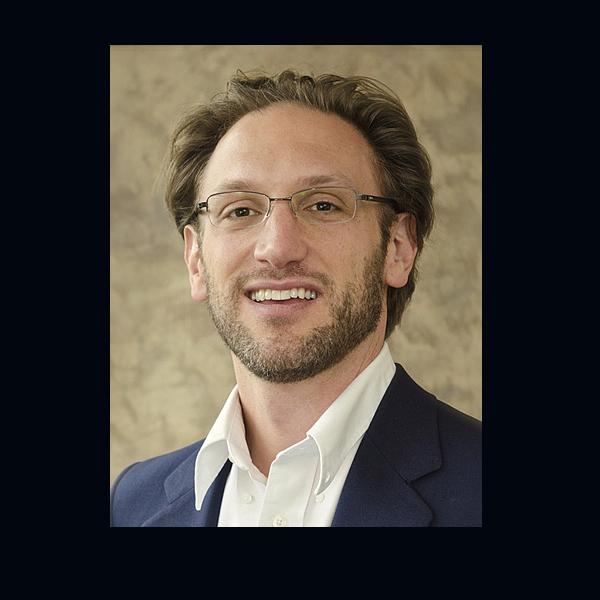
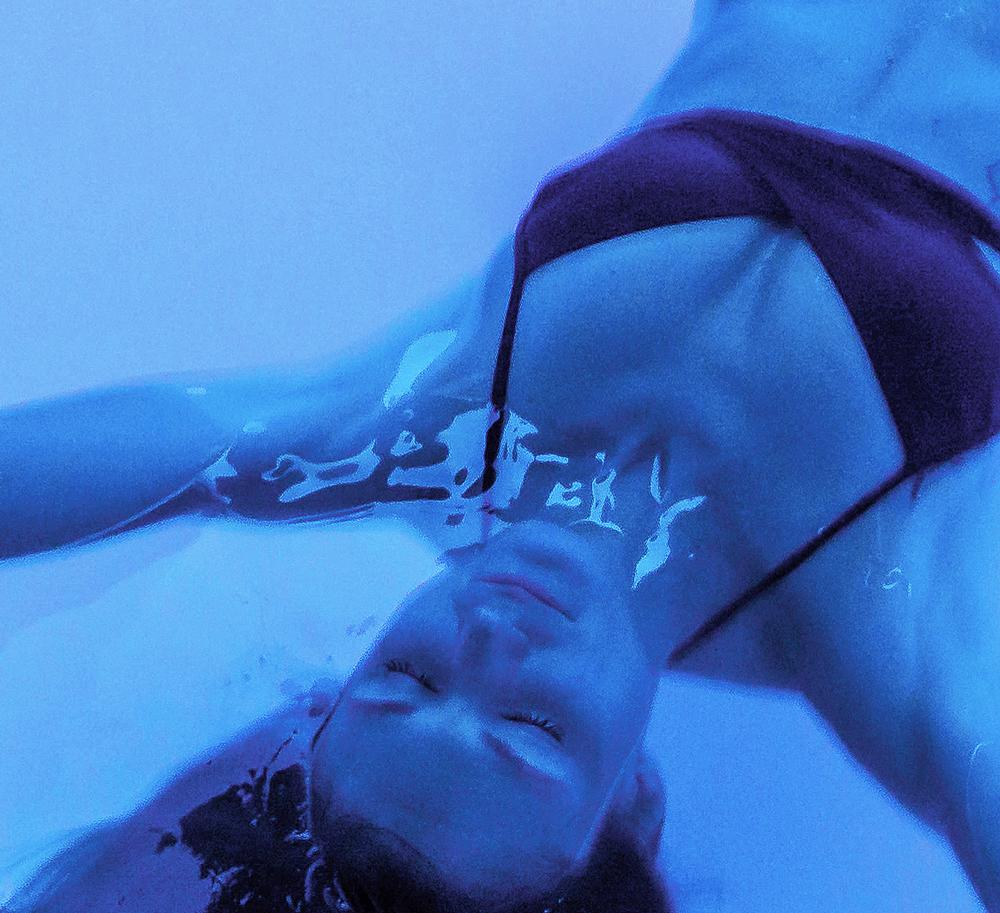
Neuropsychologist Justin Feinstein thinks this is a possibility and says: “floatation creates what I might say is the ultimate environment for focused, internal meditation”. Last year, he set up the Float Clinic and Research Center at the Laureate Institute for Brain Research in Tulsa, Oklahoma. It’s one of the first labs to look at the therapeutic benefits of floatation and initial findings indicate that it could be used to treat conditions like post-traumatic stress disorder (PTSD), chronic pain and even anorexia.
What Feinstein and his team are working on could have wider implications for spas. Instead of overlooking flotation pools and pods and thinking of them as an expensive extra just for relaxation, there may be grounds for operators to incorporate them into wellness programmes or use them as a standalone treatment for more serious ailments.
Making sense Originally called isolation tanks, floatation pools have been around since the 1950s but had little credibility with scientists – not least because studies were often combined with hallucinogens like LSD. But as we move towards an era when mindfulness is being taken more seriously by western society, a number of researchers are trying to provide concrete evidence for its healing benefits.
Feinstein first became interested in floatation 10 years ago when studying the brain function of patients with psychiatric conditions such as PTSD, social phobia and drug addiction. His interest was in the concept of interoception. In other words, how the brain senses the internal workings of the body; from the heart beating and blood pulsating to feelings from the gut and the immune system. He believed that disturbances in these body maps were the crux of mental health issues and discovered that floatation can help correct that dysregulation. He explains: “For the first time in people’s lives, they have a chance to connect with those senses which are being overshadowed and understand who they are a little bit better.” Floating also creates a state of profound relaxation, which is the complete opposite to a state of anxiety.
Research results Feinstein’s research is still in its early stages and he’s still trying to understand the basic science behind floating and how it affects the brain and the body.
Preliminary studies show a lot of visceral systems are entering into a relaxed state, with a reduction in heart rates, respiratory rates, blood pressure and brain waves. He says: “Most people outside of a float pool average 15 breaths a minute. Without much practice, floating reduces this to about five breaths a minute, which is quite a change.”
He’s just completed the first float fMRI brain imaging study to see what impact the experience has on the amygdala, a part of the brain that plays a key role in the processing of emotions. When the amygdala is over-stimulated it activates our fight or flight response which can trigger stress and anxiety. In the research, 40 healthy people were split into two groups – one enjoyed a 90-minute float, the other control group spent the time relaxing in a reclining chair. Their brain activity was scanned before and after, and fMRI results show that unlike the control relaxation group, the amygdala shut off post-float, causing the body to relax and have a similar effect to anti-anxiety medication and meditation. Feinstein says: “Floating is a great environment to enhance meditation – sensory distractions are minimised and you can really focus inwards.”
In another first, Feinstein is conducting the first float electroencephalogram screening. This allows him to measure the brainwaves of patients during a float by placing a waterproof, wireless device on their foreheads. “We hope to characterise the neural signature of what happens during a float experience,” he says. “Some preliminary results reveal that the brain’s going into a state of deep relaxation.”
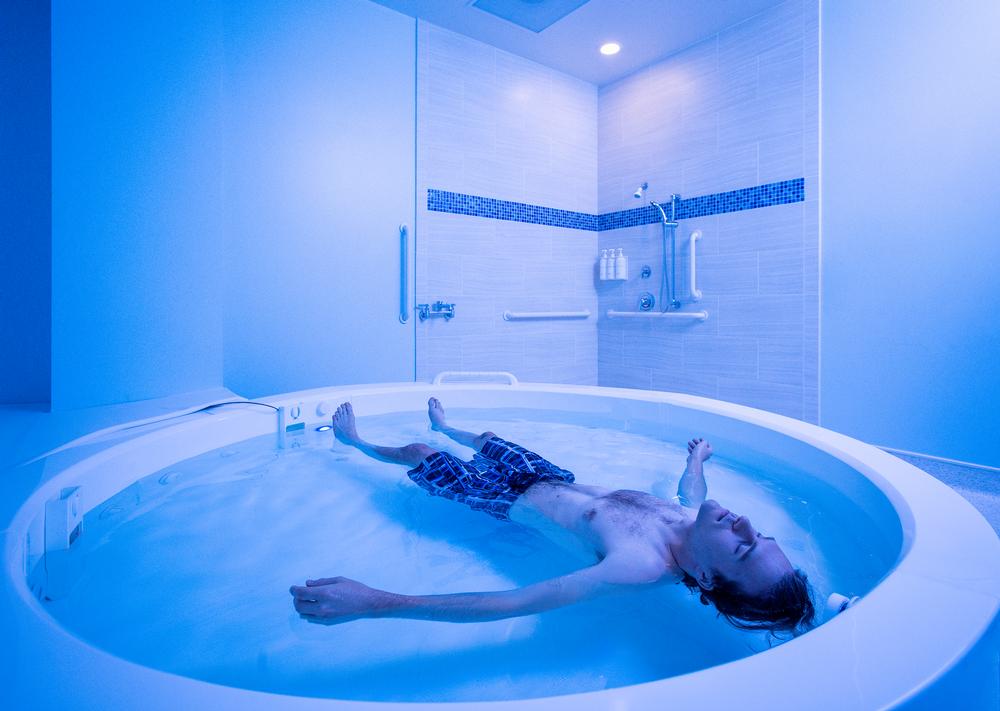
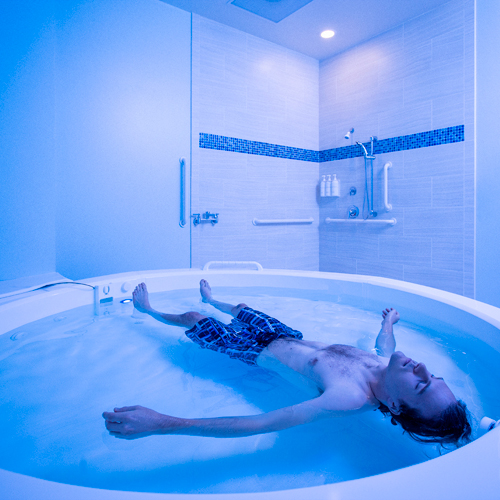
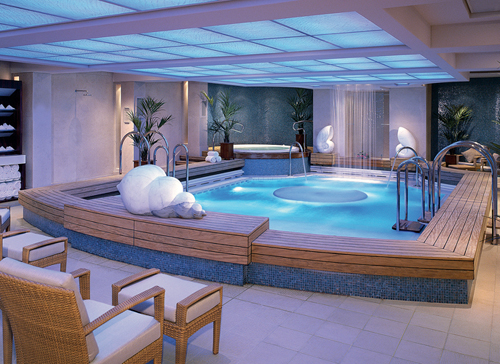
Efficacious experience Costs for a floatation pool start at US$25,000 (€22,810, £17,580), plus wet-room conversion prices. But for spas thinking of taking the plunge, it’s not just a case of ‘build it and they will come’. It’s about creating the right offering for the most efficacious experience. The custom-made flotation pools at Feinstein’s clinic are not encased, which is deliberate. He says: “Some pod-style tanks are very enclosed. They look like coffins and the average person isn’t very excited about trying out floating, because of that.” Instead, his UK-built Floataway pools are 2.5m in diameter and the circular shape creates a self-centering effect for the person floating.
Each pool is filled with 2,000lbs of Epsom salts, which allows the body to effortlessly float and the salts themselves are said to have therapeutic properties. The warm water is set at 35?C to match the body’s temperature and the temperature of the air is the same. This creates a unique situation, where the user is no longer able to distinguish the boundaries between air, body and water. A wave of an arm turns the lights on or off and music is played through embedded speakers. “There’s probably a list of about 20 different variables we control in our lab... The most important point is to enter into an unperturbed state of consciousness and that’s why it’s key to calibrate the environment so precisely.”
Commercially, the cost of a 60-minute float session ranges from US$45-US$75 (€41-€68, £32-£53) and Feinstein says positive effects can be felt after 30 minutes. But for him, the perfect length of time is 90 minutes. He explains: “It takes about 25 minutes to an hour to fully relax and clear mind chatter, so the idea is to sustain that for a little bit longer. In circadian terms, the basic rest activity cycle tends to run in 90 minute increments and we’re finding that it seems to maximise the relaxation response.”
To increase the benefits further, Feinstein feels there are many spa treatments which complement floating and could be combined with it in packages. Such treatments include yoga, acupuncture and massage which help to loosen up muscles before a session and allow the person to maintain a deep stillness during a float.
Floatation renaissance? Spurred on by a growing interest in mindfulness, it’s possible that there’s a resurgence in floating. The Float Locations directory lists 297 float centres in the US compared to only 85 in 2011, but it’s not able to give accurate figures in Europe yet.
Meanwhile, in Sweden, a number of studies suggest that floatation relieves chronic stress, depression, fibromyalgia and insomnia and the government is now incorporating float therapy into its national healthcare programme.
As for Feinstein, he feels much more research is needed: “My hope is that as more results are published, more and more scientists will get excited about floating and begin to study this as well.”
Read more from this issue of Attractions Management magazine
View contents of Attractions Management 2016 issue 2
Editor’s letter: Who will own the well-life consumer?
It’s the wild west out there and there’s a land grab going on as interested parties make their play to own the well-life consumer. It’s not clear yet how this will pan out as the industry matures, or where spa stands in the pecking order, but the threats are clear
Spa people: Tyler Gage
Runa’s Tyler Gage working with Channing Tatum on an Amazon healing centre
Spa people: Todd Hewitt
For the first time in four years, Shangri-La appoints a global head of spas. Spa Business talks to Todd Hewitt, the man to fill the role
Spa people: James White
Thermal spa researcher and consultant to head up major overhaul of Maruia Hot Springs in New Zealand
Interview: Irene Forte
Daughter of hotelier Sir Rocco Forte and niece of designer Olga Polizzi tells Jane Kitchen why the Rocco Forte Hotel’s new spa concept is a family affair
Design: Natural wonderland
Neena Dhillon visits the striking new Keemala resort and spa in Phuket and finds out about its unique design
Science: Skin deep
Modern research is redefining the way we think about skin. Neuroscientist Dr Claudia Aguirre explains what the findings mean for spas
Promotional feature: Clarins
Clarins’ head of Spas, My Blend and Retail, Prisca Courtin-Clarins, talks about the strides the company is making in highly prescriptive skincare, and the development of hotel spa concepts with the My Blend brand
Promotional feature: Massage Heights
There’s a clear gap in the UK spa market for an affordable local offering that places an emphasis on top-quality treatments and services. Is Massage Heights, the successful US franchise chain, the solution?
Promotional feature: Neaumorinc
From a director of spa at Four Seasons to an entrepreneur who introduces exciting new beauty brands to five-star facilities, Shawna Morneau’s experience on both sides of the industry is enabling her consultancy to have an impact worldwide
Promotional feature: Dr Burgener Switzerland
Dr Burgener Switzerland to launch Haute Couture, a revolutionary skin treatment that personalises product and treatments to each person’s skin, using cutting-edge technology
Sensory zone: Set adrift
Niamh Madigan talks to researcher Justin Feinstein who thinks floatation could be a shortcut to meditation
Fitness: Defying gravity
The founder of AntiGravity® Aerial Yoga tells Niamh Madigan about the technique and a new suspension massage he’s developing for spas
Promotional feature: Gharieni
As Gharieni prepares to celebrate 25 years in the industry, founder and CEO Sammy Gharieni talks about the company’s culture of innovation, and how there will so many more exciting products to come
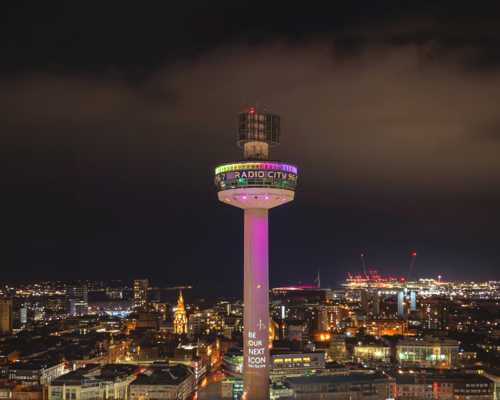
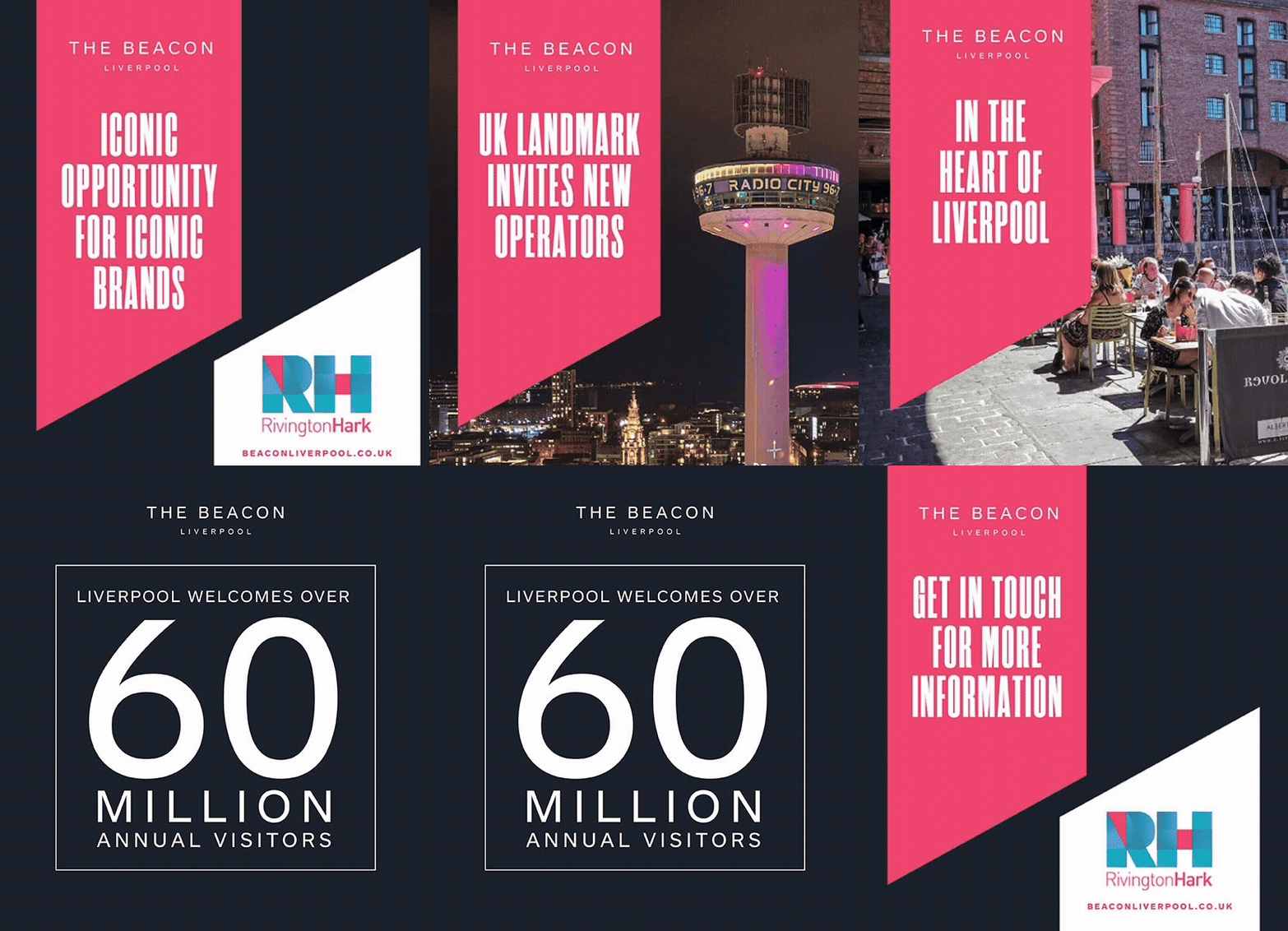
An opportunity to reimagine one of the UK’s most recognisable towers has been formally
opened by Rivington Hark, as St Johns Beacon invites operators and partners to shape its
next phase. [more...]
Scientists believe flotation therapy could be a shortcut to meditation and much more than just a relaxation amenity for spas. Niamh Madigan dives in to find out more
By Niamh Madigan | Published in Spa Business 2016 issue 2
Anyone who’s ever tried to meditate will know how difficult it is to sit quietly, shut out distractions and go into a state of complete tranquility. In a world where our brains are constantly being primed, there’s little chance to focus inwards. But what if the many widely-reported benefits of meditation could be achieved in another way – by the simple act of floating?
Neuropsychologist Justin Feinstein thinks this is a possibility and says: “floatation creates what I might say is the ultimate environment for focused, internal meditation”. Last year, he set up the Float Clinic and Research Center at the Laureate Institute for Brain Research in Tulsa, Oklahoma. It’s one of the first labs to look at the therapeutic benefits of floatation and initial findings indicate that it could be used to treat conditions like post-traumatic stress disorder (PTSD), chronic pain and even anorexia.
What Feinstein and his team are working on could have wider implications for spas. Instead of overlooking flotation pools and pods and thinking of them as an expensive extra just for relaxation, there may be grounds for operators to incorporate them into wellness programmes or use them as a standalone treatment for more serious ailments.
Making sense Originally called isolation tanks, floatation pools have been around since the 1950s but had little credibility with scientists – not least because studies were often combined with hallucinogens like LSD. But as we move towards an era when mindfulness is being taken more seriously by western society, a number of researchers are trying to provide concrete evidence for its healing benefits.
Feinstein first became interested in floatation 10 years ago when studying the brain function of patients with psychiatric conditions such as PTSD, social phobia and drug addiction. His interest was in the concept of interoception. In other words, how the brain senses the internal workings of the body; from the heart beating and blood pulsating to feelings from the gut and the immune system. He believed that disturbances in these body maps were the crux of mental health issues and discovered that floatation can help correct that dysregulation. He explains: “For the first time in people’s lives, they have a chance to connect with those senses which are being overshadowed and understand who they are a little bit better.” Floating also creates a state of profound relaxation, which is the complete opposite to a state of anxiety.
Research results Feinstein’s research is still in its early stages and he’s still trying to understand the basic science behind floating and how it affects the brain and the body.
Preliminary studies show a lot of visceral systems are entering into a relaxed state, with a reduction in heart rates, respiratory rates, blood pressure and brain waves. He says: “Most people outside of a float pool average 15 breaths a minute. Without much practice, floating reduces this to about five breaths a minute, which is quite a change.”
He’s just completed the first float fMRI brain imaging study to see what impact the experience has on the amygdala, a part of the brain that plays a key role in the processing of emotions. When the amygdala is over-stimulated it activates our fight or flight response which can trigger stress and anxiety. In the research, 40 healthy people were split into two groups – one enjoyed a 90-minute float, the other control group spent the time relaxing in a reclining chair. Their brain activity was scanned before and after, and fMRI results show that unlike the control relaxation group, the amygdala shut off post-float, causing the body to relax and have a similar effect to anti-anxiety medication and meditation. Feinstein says: “Floating is a great environment to enhance meditation – sensory distractions are minimised and you can really focus inwards.”
In another first, Feinstein is conducting the first float electroencephalogram screening. This allows him to measure the brainwaves of patients during a float by placing a waterproof, wireless device on their foreheads. “We hope to characterise the neural signature of what happens during a float experience,” he says. “Some preliminary results reveal that the brain’s going into a state of deep relaxation.”
Efficacious experience Costs for a floatation pool start at US$25,000 (€22,810, £17,580), plus wet-room conversion prices. But for spas thinking of taking the plunge, it’s not just a case of ‘build it and they will come’. It’s about creating the right offering for the most efficacious experience. The custom-made flotation pools at Feinstein’s clinic are not encased, which is deliberate. He says: “Some pod-style tanks are very enclosed. They look like coffins and the average person isn’t very excited about trying out floating, because of that.” Instead, his UK-built Floataway pools are 2.5m in diameter and the circular shape creates a self-centering effect for the person floating.
Each pool is filled with 2,000lbs of Epsom salts, which allows the body to effortlessly float and the salts themselves are said to have therapeutic properties. The warm water is set at 35?C to match the body’s temperature and the temperature of the air is the same. This creates a unique situation, where the user is no longer able to distinguish the boundaries between air, body and water. A wave of an arm turns the lights on or off and music is played through embedded speakers. “There’s probably a list of about 20 different variables we control in our lab... The most important point is to enter into an unperturbed state of consciousness and that’s why it’s key to calibrate the environment so precisely.”
Commercially, the cost of a 60-minute float session ranges from US$45-US$75 (€41-€68, £32-£53) and Feinstein says positive effects can be felt after 30 minutes. But for him, the perfect length of time is 90 minutes. He explains: “It takes about 25 minutes to an hour to fully relax and clear mind chatter, so the idea is to sustain that for a little bit longer. In circadian terms, the basic rest activity cycle tends to run in 90 minute increments and we’re finding that it seems to maximise the relaxation response.”
To increase the benefits further, Feinstein feels there are many spa treatments which complement floating and could be combined with it in packages. Such treatments include yoga, acupuncture and massage which help to loosen up muscles before a session and allow the person to maintain a deep stillness during a float.
Floatation renaissance? Spurred on by a growing interest in mindfulness, it’s possible that there’s a resurgence in floating. The Float Locations directory lists 297 float centres in the US compared to only 85 in 2011, but it’s not able to give accurate figures in Europe yet.
Meanwhile, in Sweden, a number of studies suggest that floatation relieves chronic stress, depression, fibromyalgia and insomnia and the government is now incorporating float therapy into its national healthcare programme.
As for Feinstein, he feels much more research is needed: “My hope is that as more results are published, more and more scientists will get excited about floating and begin to study this as well.”
Read more from this issue of Attractions Management magazine
View contents of Attractions Management 2016 issue 2
Editor’s letter: Who will own the well-life consumer?
It’s the wild west out there and there’s a land grab going on as interested parties make their play to own the well-life consumer. It’s not clear yet how this will pan out as the industry matures, or where spa stands in the pecking order, but the threats are clear
Spa people: Tyler Gage
Runa’s Tyler Gage working with Channing Tatum on an Amazon healing centre
Spa people: Todd Hewitt
For the first time in four years, Shangri-La appoints a global head of spas. Spa Business talks to Todd Hewitt, the man to fill the role
Spa people: James White
Thermal spa researcher and consultant to head up major overhaul of Maruia Hot Springs in New Zealand
Interview: Irene Forte
Daughter of hotelier Sir Rocco Forte and niece of designer Olga Polizzi tells Jane Kitchen why the Rocco Forte Hotel’s new spa concept is a family affair
Design: Natural wonderland
Neena Dhillon visits the striking new Keemala resort and spa in Phuket and finds out about its unique design
Science: Skin deep
Modern research is redefining the way we think about skin. Neuroscientist Dr Claudia Aguirre explains what the findings mean for spas
Promotional feature: Clarins
Clarins’ head of Spas, My Blend and Retail, Prisca Courtin-Clarins, talks about the strides the company is making in highly prescriptive skincare, and the development of hotel spa concepts with the My Blend brand
Promotional feature: Massage Heights
There’s a clear gap in the UK spa market for an affordable local offering that places an emphasis on top-quality treatments and services. Is Massage Heights, the successful US franchise chain, the solution?
Promotional feature: Neaumorinc
From a director of spa at Four Seasons to an entrepreneur who introduces exciting new beauty brands to five-star facilities, Shawna Morneau’s experience on both sides of the industry is enabling her consultancy to have an impact worldwide
Promotional feature: Dr Burgener Switzerland
Dr Burgener Switzerland to launch Haute Couture, a revolutionary skin treatment that personalises product and treatments to each person’s skin, using cutting-edge technology
Sensory zone: Set adrift
Niamh Madigan talks to researcher Justin Feinstein who thinks floatation could be a shortcut to meditation
Fitness: Defying gravity
The founder of AntiGravity® Aerial Yoga tells Niamh Madigan about the technique and a new suspension massage he’s developing for spas
Promotional feature: Gharieni
As Gharieni prepares to celebrate 25 years in the industry, founder and CEO Sammy Gharieni talks about the company’s culture of innovation, and how there will so many more exciting products to come
A new immersive attraction designed to transport visitors into the final hours of ancient Pompeii
is preparing to open near the world-famous archaeological site in southern Italy.
Experience design company, BRC Imagination Arts, has completed a transition that sees founder
Bob Rogers pass ownership of the business to four long-serving senior executives, while
remaining actively involved with the company.
Movie Park Germany has opened a new Paramount Pictures-themed attraction as part of its 30th
anniversary celebrations, using immersive storytelling and adaptive reuse to reinforce the park’s
longstanding “Hollywood in Germany” positioning.
Therme Manchester’s 28-acre development, which will include interconnected glass pavilions
that measure 65,000sq m, will be the largest bathing and wellbeing attraction in the world once
complete, according to prof David Russell, CEO of Therme UK.
Efteling has opened Hooghmoed, a new family drop tower designed to broaden the appeal of its
recently launched Sirene Island themed area and introduce younger visitors to thrill attractions.
A proposed Puy du Fou development near Bicester and Universal Destinations and Experiences’
planned resort in Bedford are emerging as part of a wider transformation of the Oxford–
Cambridge Growth Corridor into a major centre for UK leisure and tourism inv
Shedd Aquarium has opened the Immersion Theater developed in partnership with SimEx-
Iwerks, as part of a wider strategy to enhance the guest experience and create additional
revenue opportunities.
The UK government has announced a temporary reduction in VAT on visitor attractions and
children’s meals as part of a summer cost-of-living support package designed to stimulate the
visitor economy and encourage family days out.
As designer Yinka Ilori prepares for his first solo gallery show in London, he speaks exclusively
to CLADmag about his mission to spread joy, the power of play, and his bold approach to using
colour (including the colours you won’t see in his work).
The government of Thailand is exploring plans for a THB300bn (£6.3bn, US$8.3bn)
entertainment complex in the country’s Eastern Economic Corridor (EEC), with officials
proposing a large-scale theme park and sports destination as part of a broader tourism and
economic development strategy.
An opportunity to reimagine one of the UK’s most recognisable towers has been formally
opened by Rivington Hark, as St Johns Beacon invites operators and partners to shape its
next phase. [more...]