Modern research is redefining the way we think of skin, showing that it has an untameable intelligence all of its own. And we’ve only just begun to scratch the surface says neuroscientist Dr Claudia Aguirre
Scientists believe skin may reflect our psychological and physical wellbeing more than we ever imagined / Yulia Grigoryeva/shutterstock.com
The past decade has unearthed a myriad of discoveries about the human skin. Some of these may be ‘rediscoveries’, but the new science is redefining skin as we know it and while this may not be on the radar of the majority of spa professionals yet, it has the potential to have a huge impact on therapists, skincare suppliers and spa-goers alike.
More and more research shows that the skin, far more than a fragile veneer, is in fact an integrated part of the nervous and neuroendocrine systems and even the digestive system. Findings show that skin is intimately tied to the functions of other organs and may reflect our psychological and physical wellbeing more than we ever imagined. We’ve always known that a blush gives away our mind’s secrets, but could a persistent redness be triggered by the skin’s own manufactured hormones? Or can we learn about the ageing brain by examining the ageing skin?
As science furthers our knowledge about our body’s largest organ, we can take comfort in knowing that the skin possesses an array of talents that we may one day tap into for enhancing our health and our experience in the world.
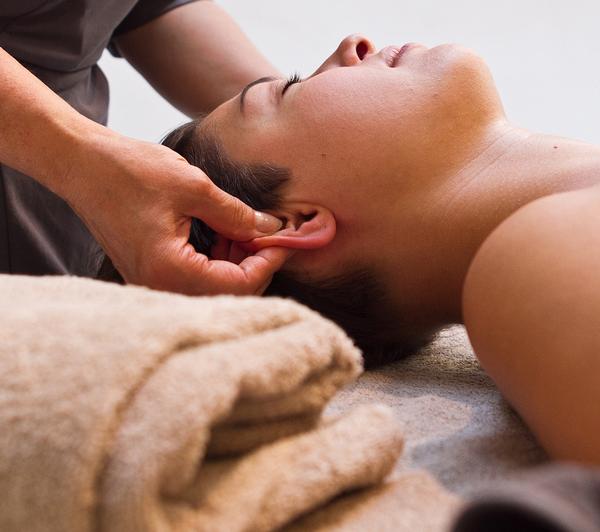
A social organ In the 90s, the science of touch ramped up, with neuroscience techniques leading the way to a greater understanding of ourselves – via our skin. We all feel the benefits of a massage, or simply of holding a loved one’s hand. Researchers like Tiffany Field (see SB07/1 p70) and Paul Zak made strides in boosting our understanding behind the power of touch, with their work on infant care and oxytocin, respectively. But there was a parallel discovery that’s now shedding light on the mechanics of how we’re wired for touch.
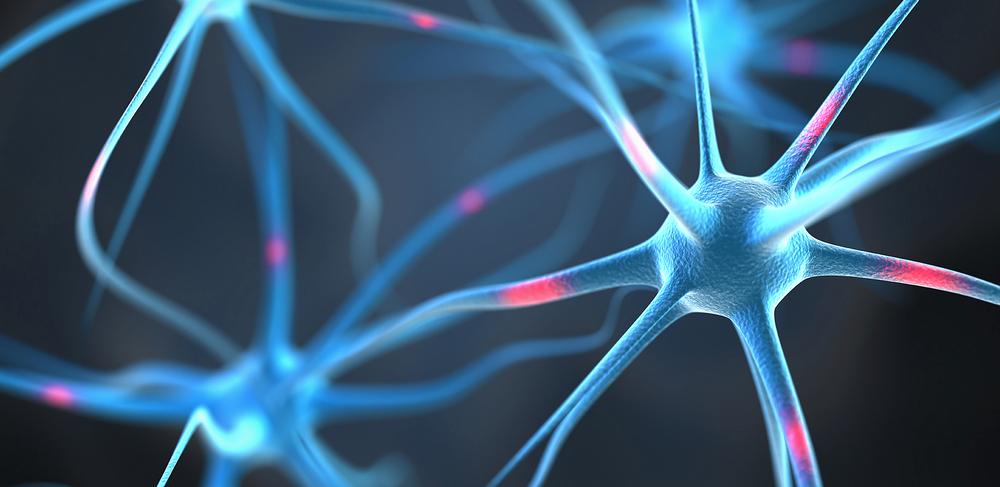
A patient, known to Swedish scientists as GL, was 31-years-old when she lost sensation across many parts of her body after taking penicillin for a cough and fever. Her unique condition, which left her numb to any pokes, tickles and pressure, but receptive to warmth, bolstered the discovery that humans have a specific neural network devoted to a gentle caress. Sensations of pressure and vibration were always thought to travel along fast-conducting nerves that terminate in a part of the brain known as the somatosensory cortex. But studies on GL, conducted by the University of Gothenburg, revealed that there was a particular type of touch that she could still feel and that relayed to a different part of the brain altogether. This type of touch, a gentle stroke in fact, reached the brain at a much slower rate than traditional touch, meaning it came from slow-conducting fibres. The scientists named these slow fibres c-tactile, or CT, fibres. The interesting thing is that CT fibres are only stimulated by specific light touch at skin temperature – the kind that we feel during a gentle massage. Unlike the nerves that transmit what we touch, these special nerves signal how we feel when we are touched. We are, in fact, wired for social touch.
Whether you’re a spa-goer or a therapist, the benefits of touch go beyond momentary skin contact. It helps release bonding hormones like oxytocin – making a massage or facial a bonding experience that can have wellbeing benefits beyond the treatment room. And it doesn’t hurt that clients who are touched gently tend to tip more than those who don’t receive a welcoming pat or embrace. That feeling of intent travels through the skin and neuroscience is only beginning to shed light on how this complex dynamic of touch and connection develops.
The listening skin Imagine a mosquito buzzing around your bedroom at night. Your hearing becomes acutely tuned into the high-pitched whizzing and your skin may even become hyper-aware of any light touch, in case it’s the darn mosquito landing on your skin for a feast. Scientists are currently exploring why our sense of touch is influenced by our sense of hearing. Both rely on mechanical tweaks to cells, with ears and skin using similar mechanisms to make sense of the vibrations or sound waves. Not only do the two senses use similar processing mechanisms in the body and in the brain, but scientists theorise that hearing actually evolved out of the sense of touch.
Researchers are currently exploring how touch affects our hearing. In a study by the University of British Columbia, Canada, participants listened to the similar sounding syllables ‘pa, ta, ba or da’. Aspirated sounds such as ‘pa’ or ‘ta’ require the speaker to expel a puff of air, but in this experiment all four sounds were randomly accompanied by puffs of air hitting the skin. Whenever the syllables were combined with the air, participants would indicate that they heard aspirated sounds of pa or ta, whether correct or not. While this shows how our skin sensations affect our hearing, other studies show our brain integrates information from various senses to build a bigger picture of our surroundings. For instance, researchers from Duke University, USA found that smelling something awful can modulate how pleasant a touch feels, while those from Liverpool John Moores University, UK believe pleasant touch can make us feel like time is shortened. Clearly, there’s more to our skin’s role in sensory perception than we ever imagined.
Music is often used in spas and this research, while scant, suggests there may be more to the synergy between sound tracks chosen and the effects of bodywork. So it couldn’t hurt to offer a selection of music in the treatment room. Our bodies are constantly receiving (sometimes invisible) information about the world and designing spa areas with all senses in mind could, from a scientific perspective, enhance wellbeing even more.
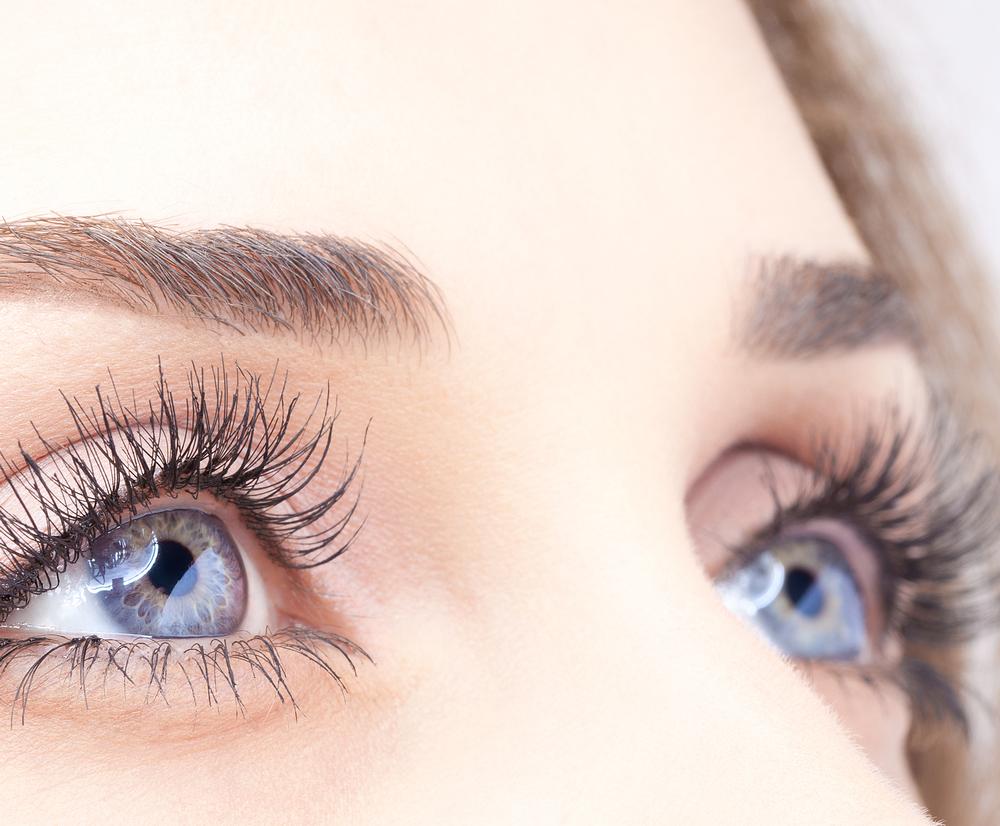
The seeing skin A few years ago, Brown University scientists in the US found that melanocyte skin cells detect ultraviolet light using a receptor previously thought to exist only in the eye. The team discovered that melanocytes contain rhodopsin, a photosensitive receptor used by the eye to detect light. This eye-like ability of the skin to sense light triggers the production of melanin within hours (more quickly than previously thought) in an apparent rush to protect against damage to DNA. So when the tanning process is fast, it’s a signal that our skin is quickly producing pigment to prevent DNA damage. And this process happens much more rapidly than the UVB-induced redness and burning.
So it’s believed that skin is built with similar machinery to the eyes to process light. The skin could potentially work in concert with other sensory organs to not only help us understand our environment, but to drive whole-body changes. For instance, the light hitting our eyes modulates our circadian rhythm; perhaps the light hitting our skin can also contribute to our daily sleep cycle.
As we learn more about the new science of skin, it opens up a whole new world of possibilities, not only in skin science, but also in treatment and care of skin. More than any other industry, including the medical world, the skincare and spa sector is poised to make a lasting impact on society’s wellbeing. The complex neuroscience of supportive touch is not only validating centuries-old techniques, but providing a haven for human connection.
Read more from this issue of Attractions Management magazine
View contents of Attractions Management 2016 issue 2
Editor’s letter: Who will own the well-life consumer?
It’s the wild west out there and there’s a land grab going on as interested parties make their play to own the well-life consumer. It’s not clear yet how this will pan out as the industry matures, or where spa stands in the pecking order, but the threats are clear
Spa people: Tyler Gage
Runa’s Tyler Gage working with Channing Tatum on an Amazon healing centre
Spa people: Todd Hewitt
For the first time in four years, Shangri-La appoints a global head of spas. Spa Business talks to Todd Hewitt, the man to fill the role
Spa people: James White
Thermal spa researcher and consultant to head up major overhaul of Maruia Hot Springs in New Zealand
Interview: Irene Forte
Daughter of hotelier Sir Rocco Forte and niece of designer Olga Polizzi tells Jane Kitchen why the Rocco Forte Hotel’s new spa concept is a family affair
Design: Natural wonderland
Neena Dhillon visits the striking new Keemala resort and spa in Phuket and finds out about its unique design
Science: Skin deep
Modern research is redefining the way we think about skin. Neuroscientist Dr Claudia Aguirre explains what the findings mean for spas
Promotional feature: Clarins
Clarins’ head of Spas, My Blend and Retail, Prisca Courtin-Clarins, talks about the strides the company is making in highly prescriptive skincare, and the development of hotel spa concepts with the My Blend brand
Promotional feature: Massage Heights
There’s a clear gap in the UK spa market for an affordable local offering that places an emphasis on top-quality treatments and services. Is Massage Heights, the successful US franchise chain, the solution?
Promotional feature: Neaumorinc
From a director of spa at Four Seasons to an entrepreneur who introduces exciting new beauty brands to five-star facilities, Shawna Morneau’s experience on both sides of the industry is enabling her consultancy to have an impact worldwide
Promotional feature: Dr Burgener Switzerland
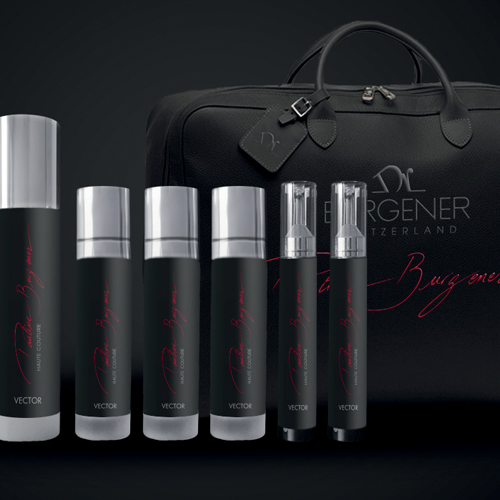
Dr Burgener Switzerland to launch Haute Couture, a revolutionary skin treatment that personalises product and treatments to each person’s skin, using cutting-edge technology
Sensory zone: Set adrift
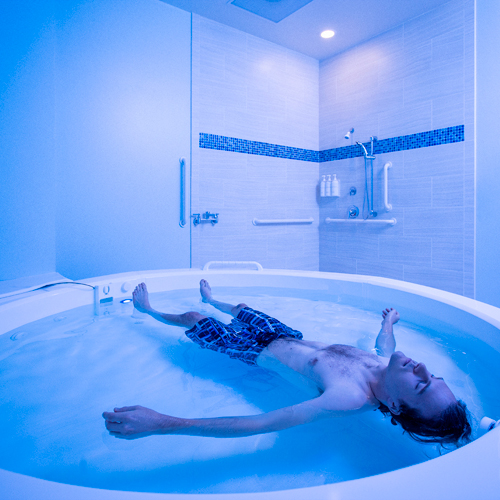
Niamh Madigan talks to researcher Justin Feinstein who thinks floatation could be a shortcut to meditation
Fitness: Defying gravity
The founder of AntiGravity® Aerial Yoga tells Niamh Madigan about the technique and a new suspension massage he’s developing for spas
Promotional feature: Gharieni
As Gharieni prepares to celebrate 25 years in the industry, founder and CEO Sammy Gharieni talks about the company’s culture of innovation, and how there will so many more exciting products to come
Working with Comfort Zone In addition to consulting internationally on scientific advancements in skin and mind-body therapies, Dr Claudia Aguirre sits on the Scientific Committee of skincare company Comfort Zone and has worked with the group since 2015. In her committee role, she provides insights into neuroscience and advises on the research and development of products.
On p54 Dr Aguirre, Comfort Zone and other spa professionals give their opinions on the amounting evidence of the mind-body connection in relation to skincare and spa treatments and what impact this will have on spa businesses of the future.
Aguirre advises on mind-body therapies
Dr Claudia Aguirre is a neuroscientist specialising in the mind-body connection
An opportunity to reimagine one of the UK’s most recognisable towers has been formally
opened by Rivington Hark, as St Johns Beacon invites operators and partners to shape its
next phase. [more...]
Modern research is redefining the way we think of skin, showing that it has an untameable intelligence all of its own. And we’ve only just begun to scratch the surface says neuroscientist Dr Claudia Aguirre
Scientists believe skin may reflect our psychological and physical wellbeing more than we ever imagined / Yulia Grigoryeva/shutterstock.com
The past decade has unearthed a myriad of discoveries about the human skin. Some of these may be ‘rediscoveries’, but the new science is redefining skin as we know it and while this may not be on the radar of the majority of spa professionals yet, it has the potential to have a huge impact on therapists, skincare suppliers and spa-goers alike.
More and more research shows that the skin, far more than a fragile veneer, is in fact an integrated part of the nervous and neuroendocrine systems and even the digestive system. Findings show that skin is intimately tied to the functions of other organs and may reflect our psychological and physical wellbeing more than we ever imagined. We’ve always known that a blush gives away our mind’s secrets, but could a persistent redness be triggered by the skin’s own manufactured hormones? Or can we learn about the ageing brain by examining the ageing skin?
As science furthers our knowledge about our body’s largest organ, we can take comfort in knowing that the skin possesses an array of talents that we may one day tap into for enhancing our health and our experience in the world.
A social organ In the 90s, the science of touch ramped up, with neuroscience techniques leading the way to a greater understanding of ourselves – via our skin. We all feel the benefits of a massage, or simply of holding a loved one’s hand. Researchers like Tiffany Field (see SB07/1 p70) and Paul Zak made strides in boosting our understanding behind the power of touch, with their work on infant care and oxytocin, respectively. But there was a parallel discovery that’s now shedding light on the mechanics of how we’re wired for touch.
A patient, known to Swedish scientists as GL, was 31-years-old when she lost sensation across many parts of her body after taking penicillin for a cough and fever. Her unique condition, which left her numb to any pokes, tickles and pressure, but receptive to warmth, bolstered the discovery that humans have a specific neural network devoted to a gentle caress. Sensations of pressure and vibration were always thought to travel along fast-conducting nerves that terminate in a part of the brain known as the somatosensory cortex. But studies on GL, conducted by the University of Gothenburg, revealed that there was a particular type of touch that she could still feel and that relayed to a different part of the brain altogether. This type of touch, a gentle stroke in fact, reached the brain at a much slower rate than traditional touch, meaning it came from slow-conducting fibres. The scientists named these slow fibres c-tactile, or CT, fibres. The interesting thing is that CT fibres are only stimulated by specific light touch at skin temperature – the kind that we feel during a gentle massage. Unlike the nerves that transmit what we touch, these special nerves signal how we feel when we are touched. We are, in fact, wired for social touch.
Whether you’re a spa-goer or a therapist, the benefits of touch go beyond momentary skin contact. It helps release bonding hormones like oxytocin – making a massage or facial a bonding experience that can have wellbeing benefits beyond the treatment room. And it doesn’t hurt that clients who are touched gently tend to tip more than those who don’t receive a welcoming pat or embrace. That feeling of intent travels through the skin and neuroscience is only beginning to shed light on how this complex dynamic of touch and connection develops.
The listening skin Imagine a mosquito buzzing around your bedroom at night. Your hearing becomes acutely tuned into the high-pitched whizzing and your skin may even become hyper-aware of any light touch, in case it’s the darn mosquito landing on your skin for a feast. Scientists are currently exploring why our sense of touch is influenced by our sense of hearing. Both rely on mechanical tweaks to cells, with ears and skin using similar mechanisms to make sense of the vibrations or sound waves. Not only do the two senses use similar processing mechanisms in the body and in the brain, but scientists theorise that hearing actually evolved out of the sense of touch.
Researchers are currently exploring how touch affects our hearing. In a study by the University of British Columbia, Canada, participants listened to the similar sounding syllables ‘pa, ta, ba or da’. Aspirated sounds such as ‘pa’ or ‘ta’ require the speaker to expel a puff of air, but in this experiment all four sounds were randomly accompanied by puffs of air hitting the skin. Whenever the syllables were combined with the air, participants would indicate that they heard aspirated sounds of pa or ta, whether correct or not. While this shows how our skin sensations affect our hearing, other studies show our brain integrates information from various senses to build a bigger picture of our surroundings. For instance, researchers from Duke University, USA found that smelling something awful can modulate how pleasant a touch feels, while those from Liverpool John Moores University, UK believe pleasant touch can make us feel like time is shortened. Clearly, there’s more to our skin’s role in sensory perception than we ever imagined.
Music is often used in spas and this research, while scant, suggests there may be more to the synergy between sound tracks chosen and the effects of bodywork. So it couldn’t hurt to offer a selection of music in the treatment room. Our bodies are constantly receiving (sometimes invisible) information about the world and designing spa areas with all senses in mind could, from a scientific perspective, enhance wellbeing even more.
The seeing skin A few years ago, Brown University scientists in the US found that melanocyte skin cells detect ultraviolet light using a receptor previously thought to exist only in the eye. The team discovered that melanocytes contain rhodopsin, a photosensitive receptor used by the eye to detect light. This eye-like ability of the skin to sense light triggers the production of melanin within hours (more quickly than previously thought) in an apparent rush to protect against damage to DNA. So when the tanning process is fast, it’s a signal that our skin is quickly producing pigment to prevent DNA damage. And this process happens much more rapidly than the UVB-induced redness and burning.
So it’s believed that skin is built with similar machinery to the eyes to process light. The skin could potentially work in concert with other sensory organs to not only help us understand our environment, but to drive whole-body changes. For instance, the light hitting our eyes modulates our circadian rhythm; perhaps the light hitting our skin can also contribute to our daily sleep cycle.
As we learn more about the new science of skin, it opens up a whole new world of possibilities, not only in skin science, but also in treatment and care of skin. More than any other industry, including the medical world, the skincare and spa sector is poised to make a lasting impact on society’s wellbeing. The complex neuroscience of supportive touch is not only validating centuries-old techniques, but providing a haven for human connection.
Read more from this issue of Attractions Management magazine
View contents of Attractions Management 2016 issue 2
Editor’s letter: Who will own the well-life consumer?
It’s the wild west out there and there’s a land grab going on as interested parties make their play to own the well-life consumer. It’s not clear yet how this will pan out as the industry matures, or where spa stands in the pecking order, but the threats are clear
Spa people: Tyler Gage
Runa’s Tyler Gage working with Channing Tatum on an Amazon healing centre
Spa people: Todd Hewitt
For the first time in four years, Shangri-La appoints a global head of spas. Spa Business talks to Todd Hewitt, the man to fill the role
Spa people: James White
Thermal spa researcher and consultant to head up major overhaul of Maruia Hot Springs in New Zealand
Interview: Irene Forte
Daughter of hotelier Sir Rocco Forte and niece of designer Olga Polizzi tells Jane Kitchen why the Rocco Forte Hotel’s new spa concept is a family affair
Design: Natural wonderland
Neena Dhillon visits the striking new Keemala resort and spa in Phuket and finds out about its unique design
Science: Skin deep
Modern research is redefining the way we think about skin. Neuroscientist Dr Claudia Aguirre explains what the findings mean for spas
Promotional feature: Clarins
Clarins’ head of Spas, My Blend and Retail, Prisca Courtin-Clarins, talks about the strides the company is making in highly prescriptive skincare, and the development of hotel spa concepts with the My Blend brand
Promotional feature: Massage Heights
There’s a clear gap in the UK spa market for an affordable local offering that places an emphasis on top-quality treatments and services. Is Massage Heights, the successful US franchise chain, the solution?
Promotional feature: Neaumorinc
From a director of spa at Four Seasons to an entrepreneur who introduces exciting new beauty brands to five-star facilities, Shawna Morneau’s experience on both sides of the industry is enabling her consultancy to have an impact worldwide
Promotional feature: Dr Burgener Switzerland
Dr Burgener Switzerland to launch Haute Couture, a revolutionary skin treatment that personalises product and treatments to each person’s skin, using cutting-edge technology
Sensory zone: Set adrift
Niamh Madigan talks to researcher Justin Feinstein who thinks floatation could be a shortcut to meditation
Fitness: Defying gravity
The founder of AntiGravity® Aerial Yoga tells Niamh Madigan about the technique and a new suspension massage he’s developing for spas
Promotional feature: Gharieni
As Gharieni prepares to celebrate 25 years in the industry, founder and CEO Sammy Gharieni talks about the company’s culture of innovation, and how there will so many more exciting products to come
Working with Comfort Zone In addition to consulting internationally on scientific advancements in skin and mind-body therapies, Dr Claudia Aguirre sits on the Scientific Committee of skincare company Comfort Zone and has worked with the group since 2015. In her committee role, she provides insights into neuroscience and advises on the research and development of products.
On p54 Dr Aguirre, Comfort Zone and other spa professionals give their opinions on the amounting evidence of the mind-body connection in relation to skincare and spa treatments and what impact this will have on spa businesses of the future.
Aguirre advises on mind-body therapies
Dr Claudia Aguirre is a neuroscientist specialising in the mind-body connection
Hotel de France, located on the British Isle of Jersey, has created a wellness retreat package
that includes a hot yoga session that will take place in Jersey Zoo’s butterfly sanctuary.
A new immersive attraction designed to transport visitors into the final hours of ancient Pompeii
is preparing to open near the world-famous archaeological site in southern Italy.
Experience design company, BRC Imagination Arts, has completed a transition that sees founder
Bob Rogers pass ownership of the business to four long-serving senior executives, while
remaining actively involved with the company.
Movie Park Germany has opened a new Paramount Pictures-themed attraction as part of its 30th
anniversary celebrations, using immersive storytelling and adaptive reuse to reinforce the park’s
longstanding “Hollywood in Germany” positioning.
Therme Manchester’s 28-acre development, which will include interconnected glass pavilions
that measure 65,000sq m, will be the largest bathing and wellbeing attraction in the world once
complete, according to prof David Russell, CEO of Therme UK.
Efteling has opened Hooghmoed, a new family drop tower designed to broaden the appeal of its
recently launched Sirene Island themed area and introduce younger visitors to thrill attractions.
A proposed Puy du Fou development near Bicester and Universal Destinations and Experiences’
planned resort in Bedford are emerging as part of a wider transformation of the Oxford–
Cambridge Growth Corridor into a major centre for UK leisure and tourism inv
Shedd Aquarium has opened the Immersion Theater developed in partnership with SimEx-
Iwerks, as part of a wider strategy to enhance the guest experience and create additional
revenue opportunities.
The UK government has announced a temporary reduction in VAT on visitor attractions and
children’s meals as part of a summer cost-of-living support package designed to stimulate the
visitor economy and encourage family days out.
As designer Yinka Ilori prepares for his first solo gallery show in London, he speaks exclusively
to CLADmag about his mission to spread joy, the power of play, and his bold approach to using
colour (including the colours you won’t see in his work).
The government of Thailand is exploring plans for a THB300bn (£6.3bn, US$8.3bn)
entertainment complex in the country’s Eastern Economic Corridor (EEC), with officials
proposing a large-scale theme park and sports destination as part of a broader tourism and
economic development strategy.
An opportunity to reimagine one of the UK’s most recognisable towers has been formally
opened by Rivington Hark, as St Johns Beacon invites operators and partners to shape its
next phase. [more...]