ISPA’s COVID-19
response survey offers
insights into the spa
world’s in-the-moment
reaction to coronavirus.
Josh Corman explains the
significance of the data
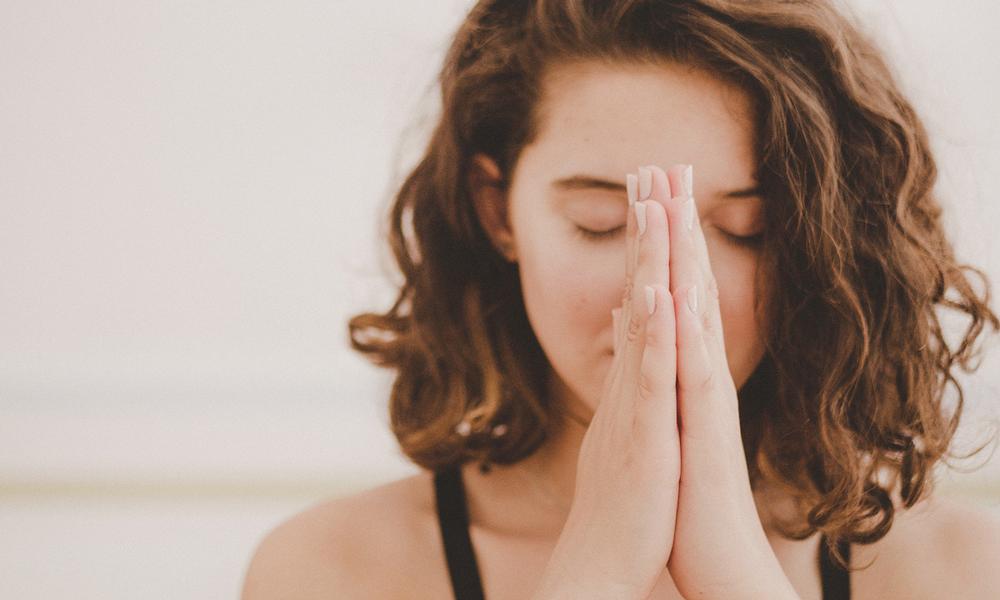
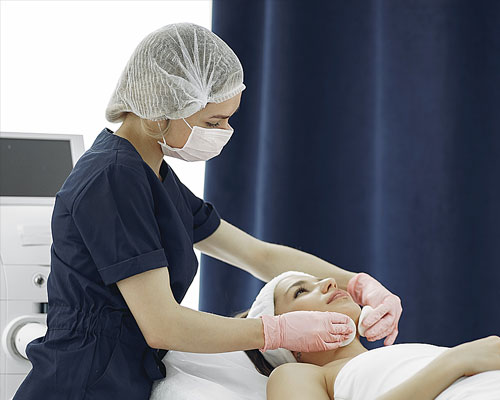
More than half of spas had changed the traditional handshake greeting before lockdown / Kristina Kokhanova/SHUTTERSTOCK
Alongside the rest of the world, the spa industry has spent much of the last several weeks responding to the rapid changes caused by the ongoing coronavirus pandemic. Attempts to mitigate the virus’s impact on public health through social distancing and other measures have forced a vast number of spas to close.
As these rapid developments occurred, the International Spa Association (ISPA) surveyed stakeholders from across the industry – including owners and managers, vendors, consultants and educational institutions – to better understand the pandemic’s impact on the businesses within it. Specifically, ISPA sought feedback about the ways in which coronavirus (and COVID-19, the disease it causes) affected policies and practices, communications, revenues and more for spas and their resource partners. More than 500 spa industry professionals responded to the two-part survey, which was conducted from 13-23 March. The majority of respondents (80 per cent) were based in the US.
Though the situation facing the industry has evolved a great deal even since the survey was conducted, its timing offers insights into the spa world’s in-the-moment coronavirus response. “This ISPA survey captures an industry in the middle of an enormous transition as they reacted to daily changes in the public health landscape,” says Crystal Ducker, ISPA’s vice president of research and communications.
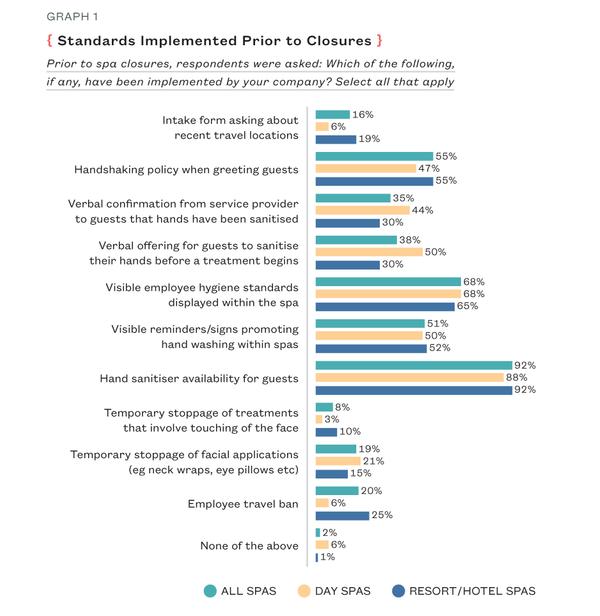
Operational changes By the dates on which they responded, 99 per cent of spas reported an increase in their cleaning and sanitation efforts, and 82 per cent had implemented other policies or procedures specifically related to COVID-19. Largely, these new policies reflected the early guidance provided by the World Health Organization and the US Centers for Disease Control. For example, just over half of spas visibly promoted hand washing within the spa, nearly 70 per cent displayed employee hygiene standards and more than 90 per cent made hand sanitiser widely available to guests (see Graph 1).
In addition, more than half of all spas responded that their guest greeting policies had been amended to eliminate shaking hands, 38 per cent offered guests the opportunity to sanitise their hands prior to receiving treatment and 35 per cent required service providers to verbally confirm that their hands had been sanitised prior to providing treatment.
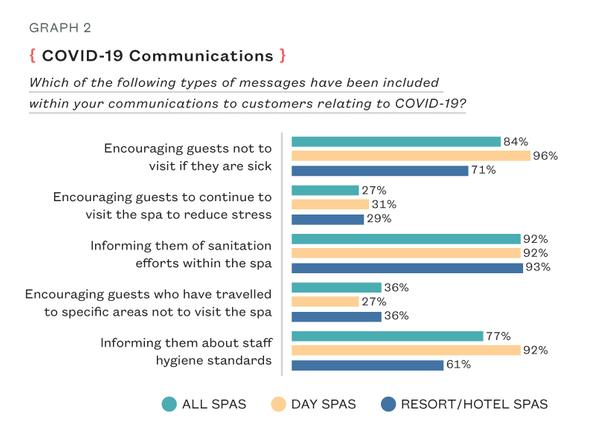
Guest communications These steps were also the focal point of most COVID-19-related communications from spas to guests as shown in Graph 2 (see p48). More than 90 per cent of spas informed guests of sanitation efforts within their facilities in communications. Interestingly, day spas also encouraged guests not to visit if they were sick (96 per cent) and informed them about staff hygiene standards (92 per cent) at higher rates than resort/hotel spas (71 per cent and 61 per cent, respectively).
These figures suggest that, by mid-March, most spas were taking at least basic precautions against the transmission of coronavirus. However, it also seems clear that many spas had not yet expanded their policies to include even more robust protections. More than a quarter of spas, for example, noted that their guest communications encouraged visiting the spa to reduce stress. Also, a relatively low percentage of spas noted that they had stopped employees from travelling (25 per cent of resort/hotel spas), stopped facial applications like neck wraps and eye pillows (19 per cent) or stopped treatments that involved touching the face altogether (8 per cent).
From our vantage point in mid April, those figures may seem shockingly low. However, by the time ISPA’s survey was concluded, 80 per cent of spas reported closing to guests at least temporarily in response to COVID-19. Once again, the timing of the survey is key, as it likely explains the rapid transition from crafting new policies in hopes of remaining open to closing altogether within such a short time.
Financial wellbeing It’s worth noting that, on 23 March, only nine US states had issued statewide “shelter in place” or “stay at home” directives. By 30 March, the number of states was up to 30. As of 3 April, 41 states and the District of Columbia have issued such orders. The UK, meanwhile, announced an enforced lockdown on 23 March, and many European nations harder hit at that time by the virus had put similar lockdowns in place only in the week or two prior. This suggests that, like the world at large, the spa industry attempted to maintain some safe level of normal operations before reaching the point where public health concerns required them to take sudden, more drastic measures.
Of course, those drastic measures have brought with them a high degree of fear and uncertainty regarding the spa industry’s financial wellbeing. When ISPA asked spas to anticipate the difference in revenues between March 2020 and the same month in 2019, more than 90 per cent estimated at least a 20 per cent drop in revenue, with a full two-thirds anticipating a drop of more than 50 per cent. Those figures track closely with respondents’ estimates about the change in number of guest visits in March compared to the previous year, with 64 per cent of spas anticipating that number to be cut at least in half due to the pandemic.
Naturally, those steep declines led to workforce changes as well. A quarter of spas had laid off employees at the time of the survey and 35 per cent had a hiring freeze. Given the high rate of closures indicated in the survey, it’s highly likely that those numbers have risen dramatically in the weeks since it was concluded.
Spas themselves are not, however, facing these industry wide challenges in isolation. Of the resource partners who responded to the survey, more than two-thirds anticipated their March gross revenues to be at least 20 per cent lower than last year, while just under a third anticipated a drop of more than 50 per cent. Resource partners differed from spas, though, in at least one key way: just 16 per cent of resource partners reported having closed their businesses. That figure is likely explained by the high number of respondents (71 per cent) who transitioned employees to work remotely in the pandemic and the (often) less hands-on nature of their jobs compared to spas. Still, 41 per cent of resource partners had already reduced employee hours, 31 per cent had a hiring freeze and 17 per cent had laid off employees.
Lasting impact? The numbers don’t lie. The coronavirus pandemic has left no corner of the spa industry untouched. But what the numbers can’t yet tell us is how long its most immediate effects will be felt. ISPA’s survey reveals that more than half of spas anticipated that the length of their closure would be four weeks or less, while just 6 per cent believed it would last more than six weeks. Perhaps those numbers reflect the optimism and positive thinking the spa industry is known for. Perhaps they simply illustrate that, in mid-March, people weren’t yet aware of the pandemic’s possible scope or the measures required to combat it.
In any case, that picture will likely become clearer as more data is collected. To help with this, ISPA conducted another survey late in April to more fully measure the effects of COVID-19 on the industry as it continues to respond to these unprecedented events.
Over 500 spa professionals responded to the survey between 13-23 March
Josh Corman is director of education and research at ISPA | [email protected]
Read more from this issue of Attractions Management magazine
View contents of Attractions Management 2020 issue 2
Editor’s letter: Our greatest challenge
Spa and wellness businesses will reopen while COVID-19 is still circulating in the community, meaning we have to find models which work in this new reality, says Katie Barnes. So how will this change the industry?
On the menu: Pivot to digital
Which forward-thinking spas are taking their offerings online during the coronavirus pandemic?
Interview: Mary Celeste Beall
The celebrated Blackberry Farm has opened a sister property in the mountains of Tennessee. The owner tells Spa Business why wellness through nature underpins the new destination
Everyone’s talking about: COVID-19
Spa operators, wellness companies and organisations from around the world talk to Spa Business about the impact of coronavirus and what to expect down the line
Promotion: Simone Gibertoni: Clinique La Prairie
World-renowned medical spa, Clinique La Prairie, is creating a global network of
locations to support clients with their wellbeing, every day of the year, says its CEO
Research: First responders
ISPA’s COVID-19 survey offers insights into how the industry has responded to the global pandemic. Spa Business magazine examines the findings
Hotel spa: Country life: The Newt
Karen Roos, owner of the world-renowned hotel The Newt, on design, gardens and a spa housed in an old cow barn
Insights: Calls to action
Industry leaders around the world come together in a crisis to share ideas and innovations in a series of GWS Collaboration calls. Spa Business magazine reports on the highlights
Insights: Webinar wisdom
Spa Business shares its industry-relevant takeaways from the masses of webinars that are being streamed worldwide
Research: Measure for measure
Intelligent Spas reveals its latest global spa benchmarks and explores what they mean in today’s ever-changing climate
Focus on: Extreme wellness
Spa Business tries out two boundary-pushing, cold immersion retreats led by ‘The Iceman’ Wim Hof and Dr Marc Cohen
Promotion: Barr and Wray: Creating
a seamless journey
With 60 years of experience, Barr and Wray has long been known for excellence in technical design for wellness. Design director Graeme Banks explains the company also offers interior design services
Interview: Juliu Horvath
The founder of Gyrotonic and Gyrokinesis tells Spa Business why he’ll never stop adapting his famous movement modality
Promotion: ISPA publishes Reopening Toolkit
A much-needed guide by ISPA gives essential advice on business planning, standard operating procedures, marketing and communications to support spas through the coronavirus crisis
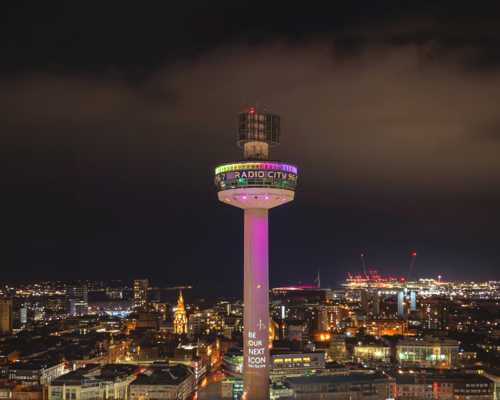
An opportunity to reimagine one of the UK’s most recognisable towers has been formally
opened by Rivington Hark, as St Johns Beacon invites operators and partners to shape its
next phase. [more...]
ISPA’s COVID-19
response survey offers
insights into the spa
world’s in-the-moment
reaction to coronavirus.
Josh Corman explains the
significance of the data
More than half of spas had changed the traditional handshake greeting before lockdown / Kristina Kokhanova/SHUTTERSTOCK
Alongside the rest of the world, the spa industry has spent much of the last several weeks responding to the rapid changes caused by the ongoing coronavirus pandemic. Attempts to mitigate the virus’s impact on public health through social distancing and other measures have forced a vast number of spas to close.
As these rapid developments occurred, the International Spa Association (ISPA) surveyed stakeholders from across the industry – including owners and managers, vendors, consultants and educational institutions – to better understand the pandemic’s impact on the businesses within it. Specifically, ISPA sought feedback about the ways in which coronavirus (and COVID-19, the disease it causes) affected policies and practices, communications, revenues and more for spas and their resource partners. More than 500 spa industry professionals responded to the two-part survey, which was conducted from 13-23 March. The majority of respondents (80 per cent) were based in the US.
Though the situation facing the industry has evolved a great deal even since the survey was conducted, its timing offers insights into the spa world’s in-the-moment coronavirus response. “This ISPA survey captures an industry in the middle of an enormous transition as they reacted to daily changes in the public health landscape,” says Crystal Ducker, ISPA’s vice president of research and communications.
Operational changes By the dates on which they responded, 99 per cent of spas reported an increase in their cleaning and sanitation efforts, and 82 per cent had implemented other policies or procedures specifically related to COVID-19. Largely, these new policies reflected the early guidance provided by the World Health Organization and the US Centers for Disease Control. For example, just over half of spas visibly promoted hand washing within the spa, nearly 70 per cent displayed employee hygiene standards and more than 90 per cent made hand sanitiser widely available to guests (see Graph 1).
In addition, more than half of all spas responded that their guest greeting policies had been amended to eliminate shaking hands, 38 per cent offered guests the opportunity to sanitise their hands prior to receiving treatment and 35 per cent required service providers to verbally confirm that their hands had been sanitised prior to providing treatment.
Guest communications These steps were also the focal point of most COVID-19-related communications from spas to guests as shown in Graph 2 (see p48). More than 90 per cent of spas informed guests of sanitation efforts within their facilities in communications. Interestingly, day spas also encouraged guests not to visit if they were sick (96 per cent) and informed them about staff hygiene standards (92 per cent) at higher rates than resort/hotel spas (71 per cent and 61 per cent, respectively).
These figures suggest that, by mid-March, most spas were taking at least basic precautions against the transmission of coronavirus. However, it also seems clear that many spas had not yet expanded their policies to include even more robust protections. More than a quarter of spas, for example, noted that their guest communications encouraged visiting the spa to reduce stress. Also, a relatively low percentage of spas noted that they had stopped employees from travelling (25 per cent of resort/hotel spas), stopped facial applications like neck wraps and eye pillows (19 per cent) or stopped treatments that involved touching the face altogether (8 per cent).
From our vantage point in mid April, those figures may seem shockingly low. However, by the time ISPA’s survey was concluded, 80 per cent of spas reported closing to guests at least temporarily in response to COVID-19. Once again, the timing of the survey is key, as it likely explains the rapid transition from crafting new policies in hopes of remaining open to closing altogether within such a short time.
Financial wellbeing It’s worth noting that, on 23 March, only nine US states had issued statewide “shelter in place” or “stay at home” directives. By 30 March, the number of states was up to 30. As of 3 April, 41 states and the District of Columbia have issued such orders. The UK, meanwhile, announced an enforced lockdown on 23 March, and many European nations harder hit at that time by the virus had put similar lockdowns in place only in the week or two prior. This suggests that, like the world at large, the spa industry attempted to maintain some safe level of normal operations before reaching the point where public health concerns required them to take sudden, more drastic measures.
Of course, those drastic measures have brought with them a high degree of fear and uncertainty regarding the spa industry’s financial wellbeing. When ISPA asked spas to anticipate the difference in revenues between March 2020 and the same month in 2019, more than 90 per cent estimated at least a 20 per cent drop in revenue, with a full two-thirds anticipating a drop of more than 50 per cent. Those figures track closely with respondents’ estimates about the change in number of guest visits in March compared to the previous year, with 64 per cent of spas anticipating that number to be cut at least in half due to the pandemic.
Naturally, those steep declines led to workforce changes as well. A quarter of spas had laid off employees at the time of the survey and 35 per cent had a hiring freeze. Given the high rate of closures indicated in the survey, it’s highly likely that those numbers have risen dramatically in the weeks since it was concluded.
Spas themselves are not, however, facing these industry wide challenges in isolation. Of the resource partners who responded to the survey, more than two-thirds anticipated their March gross revenues to be at least 20 per cent lower than last year, while just under a third anticipated a drop of more than 50 per cent. Resource partners differed from spas, though, in at least one key way: just 16 per cent of resource partners reported having closed their businesses. That figure is likely explained by the high number of respondents (71 per cent) who transitioned employees to work remotely in the pandemic and the (often) less hands-on nature of their jobs compared to spas. Still, 41 per cent of resource partners had already reduced employee hours, 31 per cent had a hiring freeze and 17 per cent had laid off employees.
Lasting impact? The numbers don’t lie. The coronavirus pandemic has left no corner of the spa industry untouched. But what the numbers can’t yet tell us is how long its most immediate effects will be felt. ISPA’s survey reveals that more than half of spas anticipated that the length of their closure would be four weeks or less, while just 6 per cent believed it would last more than six weeks. Perhaps those numbers reflect the optimism and positive thinking the spa industry is known for. Perhaps they simply illustrate that, in mid-March, people weren’t yet aware of the pandemic’s possible scope or the measures required to combat it.
In any case, that picture will likely become clearer as more data is collected. To help with this, ISPA conducted another survey late in April to more fully measure the effects of COVID-19 on the industry as it continues to respond to these unprecedented events.
Over 500 spa professionals responded to the survey between 13-23 March
Josh Corman is director of education and research at ISPA | [email protected]
Read more from this issue of Attractions Management magazine
View contents of Attractions Management 2020 issue 2
Editor’s letter: Our greatest challenge
Spa and wellness businesses will reopen while COVID-19 is still circulating in the community, meaning we have to find models which work in this new reality, says Katie Barnes. So how will this change the industry?
On the menu: Pivot to digital
Which forward-thinking spas are taking their offerings online during the coronavirus pandemic?
Interview: Mary Celeste Beall
The celebrated Blackberry Farm has opened a sister property in the mountains of Tennessee. The owner tells Spa Business why wellness through nature underpins the new destination
Everyone’s talking about: COVID-19
Spa operators, wellness companies and organisations from around the world talk to Spa Business about the impact of coronavirus and what to expect down the line
Promotion: Simone Gibertoni: Clinique La Prairie
World-renowned medical spa, Clinique La Prairie, is creating a global network of
locations to support clients with their wellbeing, every day of the year, says its CEO
Research: First responders
ISPA’s COVID-19 survey offers insights into how the industry has responded to the global pandemic. Spa Business magazine examines the findings
Hotel spa: Country life: The Newt
Karen Roos, owner of the world-renowned hotel The Newt, on design, gardens and a spa housed in an old cow barn
Insights: Calls to action
Industry leaders around the world come together in a crisis to share ideas and innovations in a series of GWS Collaboration calls. Spa Business magazine reports on the highlights
Insights: Webinar wisdom
Spa Business shares its industry-relevant takeaways from the masses of webinars that are being streamed worldwide
Research: Measure for measure
Intelligent Spas reveals its latest global spa benchmarks and explores what they mean in today’s ever-changing climate
Focus on: Extreme wellness
Spa Business tries out two boundary-pushing, cold immersion retreats led by ‘The Iceman’ Wim Hof and Dr Marc Cohen
Promotion: Barr and Wray: Creating
a seamless journey
With 60 years of experience, Barr and Wray has long been known for excellence in technical design for wellness. Design director Graeme Banks explains the company also offers interior design services
Interview: Juliu Horvath
The founder of Gyrotonic and Gyrokinesis tells Spa Business why he’ll never stop adapting his famous movement modality
Promotion: ISPA publishes Reopening Toolkit
A much-needed guide by ISPA gives essential advice on business planning, standard operating procedures, marketing and communications to support spas through the coronavirus crisis
A new immersive attraction designed to transport visitors into the final hours of ancient Pompeii
is preparing to open near the world-famous archaeological site in southern Italy.
Experience design company, BRC Imagination Arts, has completed a transition that sees founder
Bob Rogers pass ownership of the business to four long-serving senior executives, while
remaining actively involved with the company.
Movie Park Germany has opened a new Paramount Pictures-themed attraction as part of its 30th
anniversary celebrations, using immersive storytelling and adaptive reuse to reinforce the park’s
longstanding “Hollywood in Germany” positioning.
Therme Manchester’s 28-acre development, which will include interconnected glass pavilions
that measure 65,000sq m, will be the largest bathing and wellbeing attraction in the world once
complete, according to prof David Russell, CEO of Therme UK.
Efteling has opened Hooghmoed, a new family drop tower designed to broaden the appeal of its
recently launched Sirene Island themed area and introduce younger visitors to thrill attractions.
A proposed Puy du Fou development near Bicester and Universal Destinations and Experiences’
planned resort in Bedford are emerging as part of a wider transformation of the Oxford–
Cambridge Growth Corridor into a major centre for UK leisure and tourism inv
Shedd Aquarium has opened the Immersion Theater developed in partnership with SimEx-
Iwerks, as part of a wider strategy to enhance the guest experience and create additional
revenue opportunities.
The UK government has announced a temporary reduction in VAT on visitor attractions and
children’s meals as part of a summer cost-of-living support package designed to stimulate the
visitor economy and encourage family days out.
As designer Yinka Ilori prepares for his first solo gallery show in London, he speaks exclusively
to CLADmag about his mission to spread joy, the power of play, and his bold approach to using
colour (including the colours you won’t see in his work).
The government of Thailand is exploring plans for a THB300bn (£6.3bn, US$8.3bn)
entertainment complex in the country’s Eastern Economic Corridor (EEC), with officials
proposing a large-scale theme park and sports destination as part of a broader tourism and
economic development strategy.
An opportunity to reimagine one of the UK’s most recognisable towers has been formally
opened by Rivington Hark, as St Johns Beacon invites operators and partners to shape its
next phase. [more...]