Suddenly the spa industry is flooded
with online group calls, chats, webinars
and virtual roundtables as the sector
takes stock of what’s happened and
where things are headed following the
coronavirus outbreak. Lisa Starr shares
her takeaways from 30 different sessions
By Lisa Starr | Published in Spa Business 2020 issue 2
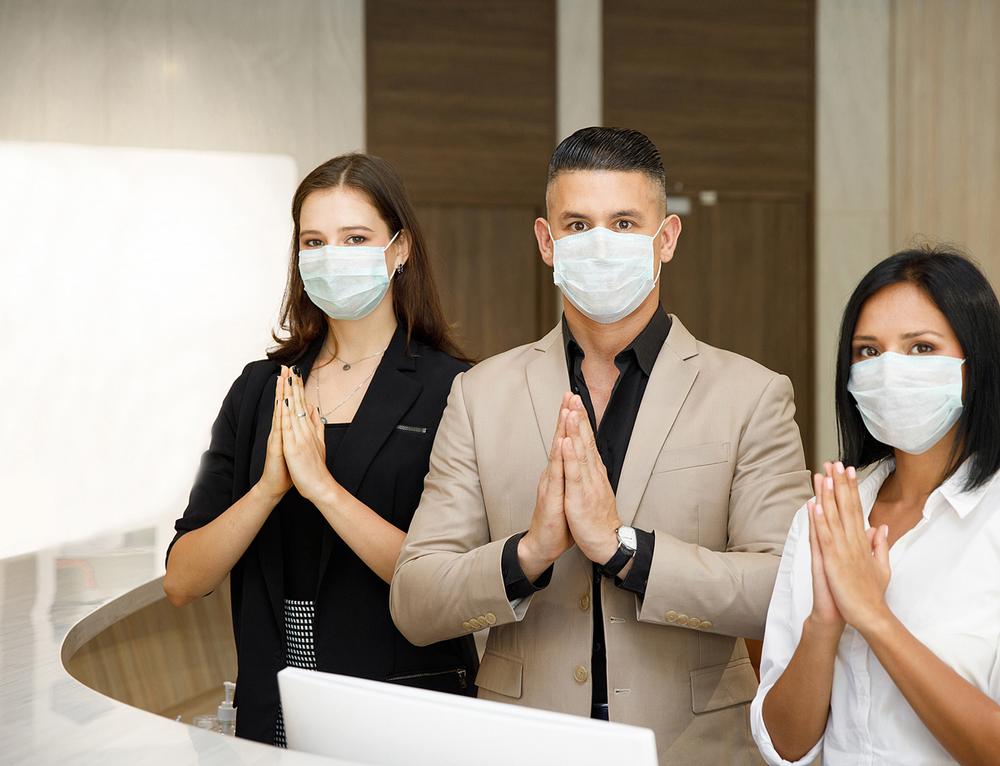
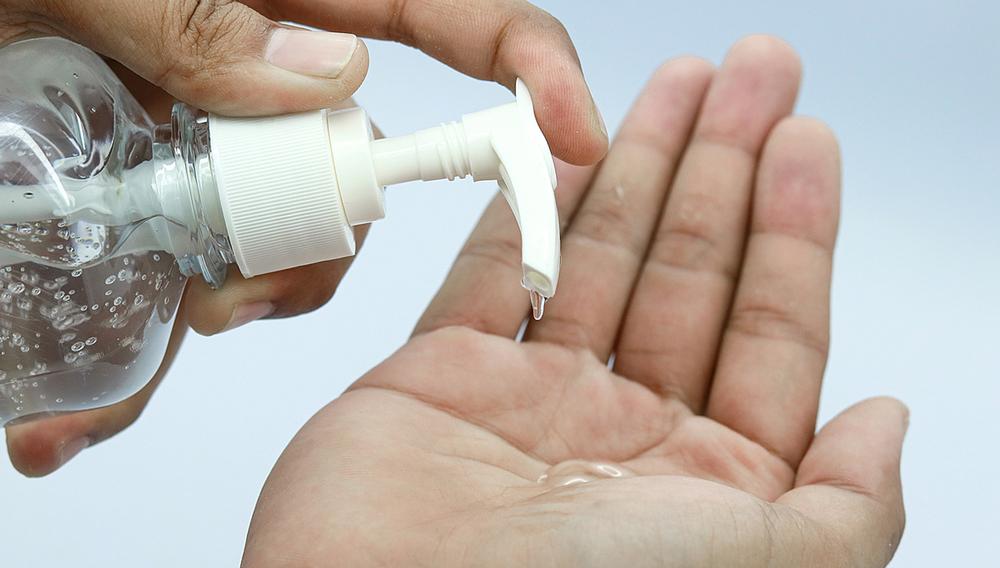
Spas will need to visibly demonstrate heightened hygiene standards / bankerwin/shutterstock
In the midst of an unprecedented global shutdown of practically every business imaginable, most of us found ourselves adrift for at least a few days. Many thousands in spas worldwide have been laid off or furloughed, or work has dried up for obvious reasons. Schedules disrupted, travel upended, personal meetings rescheduled or shifted to online versions, or no work at all, and we suddenly had much more time on our hands. It only took about a week for the void to be filled by a tsunami of online options from group chats and calls to webinars
In the early stages, most of conversations centred around leadership and team and client communication. Now they’ve shifted to reopening and re-engagement strategies. In this period without a playbook, we’re sharing a selection of the nuggets we heard from spa and wellness, hospitality, restaurant, retail, real estate and general business luminaries during this down time.
The Global Wellness Summit was one of the first to act, hosting a series of ‘collaboration calls’ via Zoom which had up to 150 stakeholders from around the world at a time talking about their current situations and future prospects. Some ideas shared included:
• Lots of suggestions for video marketing. Demonstrations, workshops, cooking classes from wellness resorts, even web cams showing the view from properties, empty of tourists, but hopefully arousing the desire for future visits
• Hotels converting to staycation offers for locals, as in Moscow
• UAE hotels offering treatments in suites rather than the spa
• Creating protocols for contactless check-in and check-outs
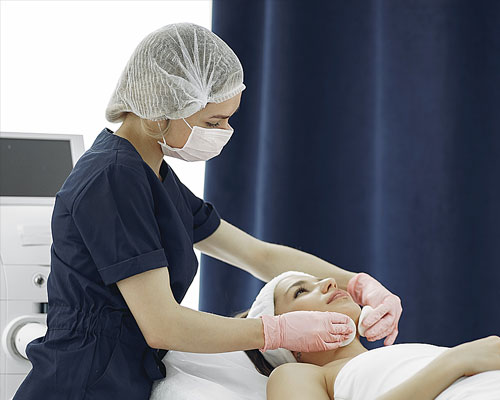
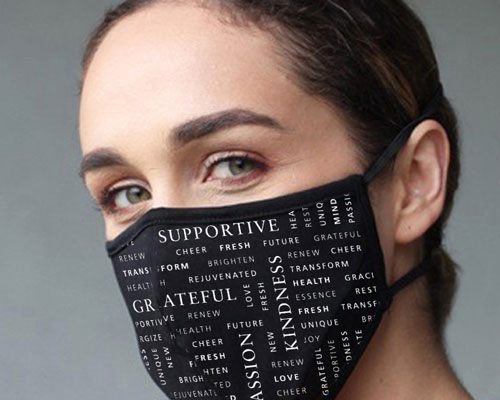
• A heightened demand for cleanliness and hygiene which will impact all SOPs and the need to also visibly demonstrate such standards
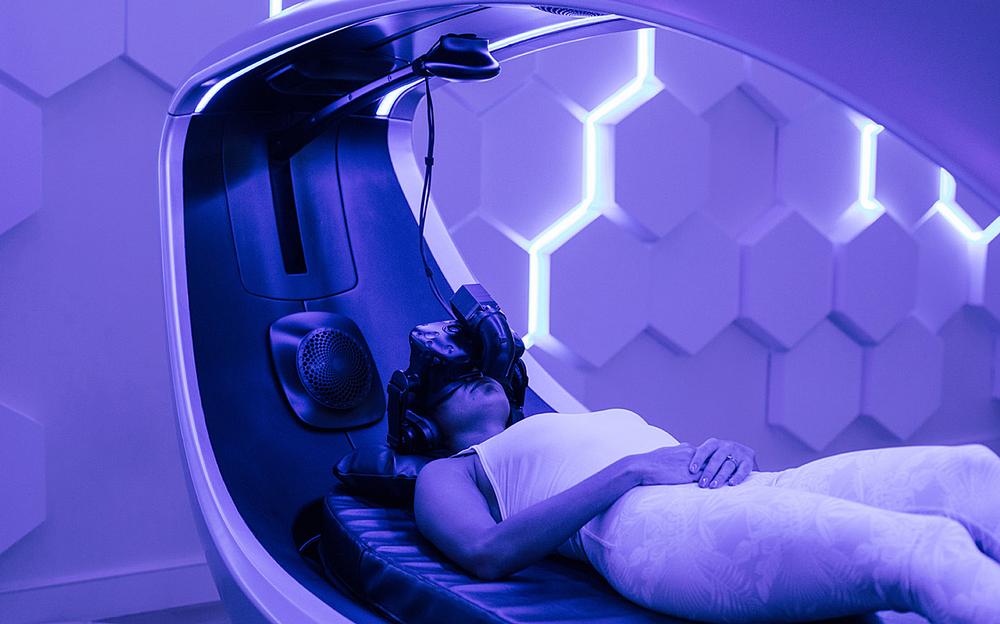
• The potential of virtual reality in spas, and treatments that don’t require touch, delivered on equipment that can be cleaned and disinfected
• Guests asking for more science-based evidence of modalities
• Spa consultancies and wellness communities are faring better than most and are seeing a spike in enquiries and sales as businesses and consumers become more wellness-focused than ever
In an innovative move, the Professional Spa & Wellness Convention switched its contents of speakers – such as Andrew Gibson, Amanda Al-Masri and Anna Bjurstam – to live YouTube sessions.
Meanwhile, in a special session hosted by the Irish Spa Association, Niamh O’Connell, Rosewood’s global head of spas, shared reopening strategies. Points from both corners included using the downtime to menu-engineer (looking at the most profitable and popular services) and gradual reopenings – only operating during peak hours or days at first (and streamlining staff, services and costs accordingly).
Business leader and author Margaret Heffernan (University of Bath) had some excellent advice for entrepreneurs: “Don’t lose your ambition. A lot of companies have an instinct to hunker down, but it’s really important to recognise, in difficult moments with a shrinking economy, the enormous opportunities. In a downturn, people are prepared to listen to you, try things with you.”
These sentiments were echoed in a Business of Fashion podcast when Doug Stephens said: “Knowing that most of your competitors are recoiling, slashing budgets, cutting payrolls, this is the time to take advantage and reinvent what you do, bring consumers new alternatives, reinvent your brand. Be sensible and prudent but don’t let innovation stop.”
Advice on leadership has had a consistent theme – transparent communication. Business entrepreneur Verne Harnish has offered several virtual ‘summits’ focused on recovery; 2-hour blitzes of 12 high-level speakers with suggestions such as:
• Don’t make commitments you can’t keep, don’t forecast too far out
• Lead your team to overcome stress, learned helplessness and perfectionism
• Leaders absorb fear and exude hope
• We’re not bouncing back,
we’re going to bounce forward
• Stop selling and be a resource
Reopening will be gradual
– only operating during
peak hours or days at first
and streamlining staff,
services and costs
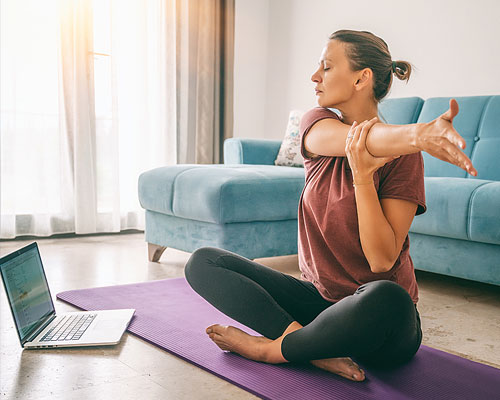
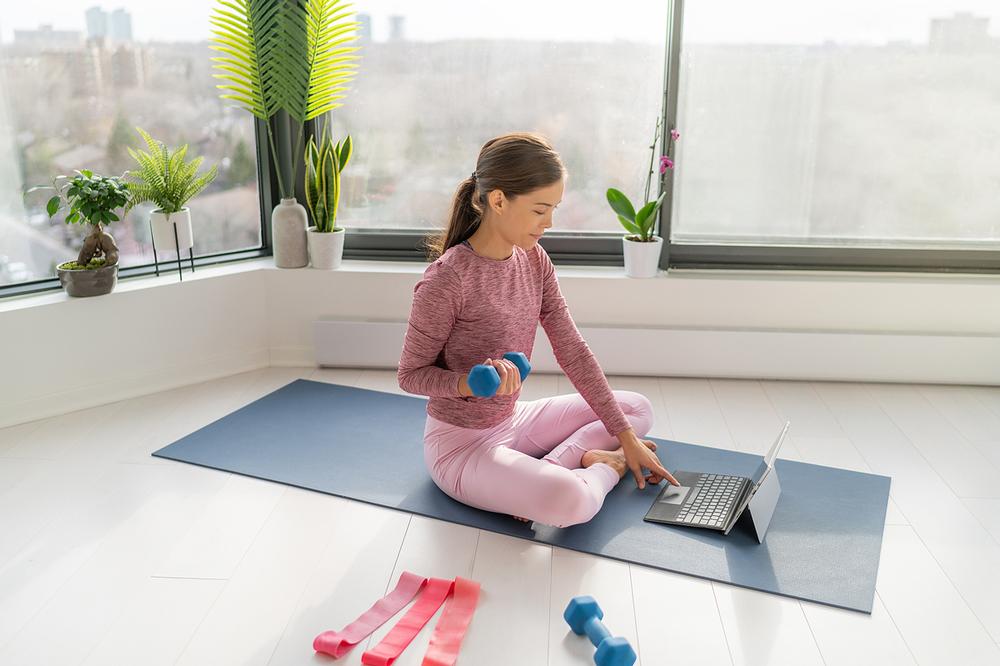
Cloud-based booking platform Mindbody hosted several panel-based webinars for their constituencies, namely fitness/yoga studios as well as salons and spas. In particular, movement-based businesses quickly morphed into online on-demand or live delivery programming providers.
Hotel Business magazine showcased an array of panellists who forecasted RevPAR will be down 46 per cent for the year, and they’re now expecting a U-shaped, rather than V-shaped, recovery.
Those with operations in third world countries are fearing a longer downturn because many workers live and/or transit to work in cramped quarters without access to proper hygiene, so there was discussion around how to get these staff virus-tested, and then the logistics of daily management.
Domestic leisure travel is expected to recover more quickly standing city hotels in good stead. In the US, 15,000 hotels signed up to provide overflow housing for hospitals or quarantine centres, which would be repaid by the government. And economy brand Red Roof Inn had the clever idea to rent out rooms in the day providing access to good wifi for those who can’t work at home.
A variety of webinars from retailers also offered some relevant points for spas. Small stores have quickly shifted to curbside pick-up and home delivery, selling through Instagram, and working with resource partners who can ship products direct to clients.
Many commented that online content that most resonated with customers was more oriented to building community, clean beauty, sustainability and other common issues, rather than just focused on sales. Sharing recipes and DIY tips and donating a percentage of sales to current causes also help with general engagement. One facility was giving coupons/double points or some incentive for its reopening week with large value orders.
A Sephora SVP remarked on the role that technology will play in reopening, as they’ll need to employ virtual training “early and often” in order to refresh product knowledge and sales skills.
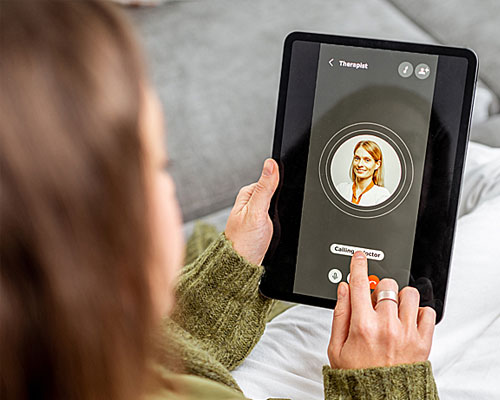
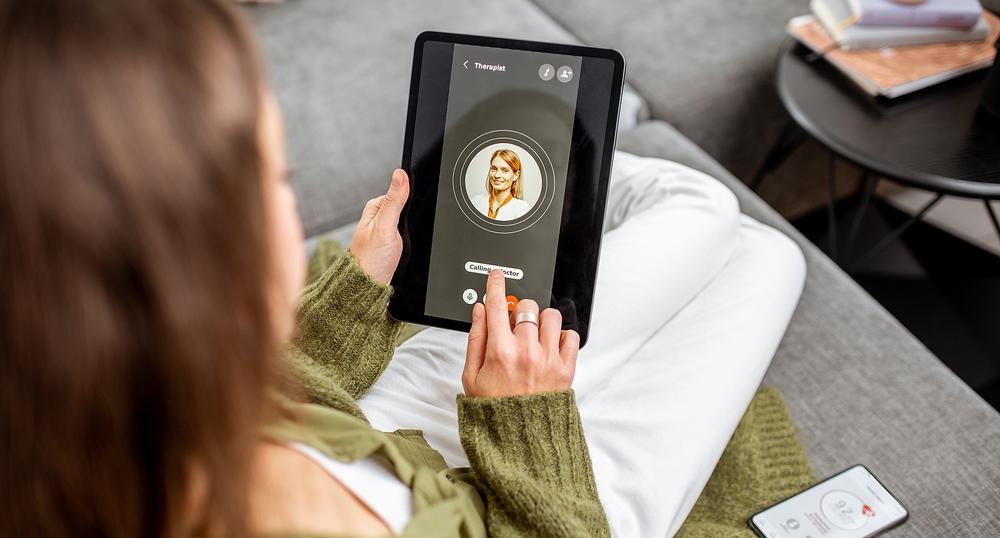
Representatives from hospitals and the retail sector predicted that telehealth will take a great leap forward with one large healthcare operator reporting a rise from 50 to 4,000 daily telehealth bookings. This has definite implications for spa, particularly in the wellness and integrative health categories, for a swathe of practitioners.
Kindness, promoting local
products/experiences and
a greater interest in our
own health have all arisen
out of the situation
A discussion of the future, including trust, safety, confidence, cleanliness standards and new protocols at airports/hotels, was on the programme of the Wellness Tourism Association webinar. And also, not forgetting some of the good things that have arisen out of the situation – kindness, cooperation, promoting local producers, products and experiences, and greater respect/interest in our own health and environment.
Resource partners have been working hard to stay connected to spas and consumers, and event planner We Work Well has generated a series of video interviews with industry vendors who share how the pandemic has affected their operations, and what they’re doing to remain relevant and efficient. Universal Companies has created a retail certification programme to help brands learn the art of selling online and to provide best practices.
The Green Spa Network has been offering weekly panel-based pandemic webinars. In a practitioner-led session, it was noted that they’ve always been well-trained on hygiene, but now that will need to become a front and centre activity. There is much concern about how spas that are already short-staffed will find enough therapists, and will manage longer room turn times as well as the personal safety of staff. At the same time, social media is rife with posts of clients who can’t wait to return to their spa or salon. The hope for everyone is that this will prove true.
Lisa Starr is a senior spa consultant and trainer at Wynne Business.
| [email protected]
Read more from this issue of Attractions Management magazine
View contents of Attractions Management 2020 issue 2
Editor’s letter: Our greatest challenge
Spa and wellness businesses will reopen while COVID-19 is still circulating in the community, meaning we have to find models which work in this new reality, says Katie Barnes. So how will this change the industry?
On the menu: Pivot to digital
Which forward-thinking spas are taking their offerings online during the coronavirus pandemic?
Interview: Mary Celeste Beall
The celebrated Blackberry Farm has opened a sister property in the mountains of Tennessee. The owner tells Spa Business why wellness through nature underpins the new destination
Everyone’s talking about: COVID-19
Spa operators, wellness companies and organisations from around the world talk to Spa Business about the impact of coronavirus and what to expect down the line
Promotion: Simone Gibertoni: Clinique La Prairie
World-renowned medical spa, Clinique La Prairie, is creating a global network of
locations to support clients with their wellbeing, every day of the year, says its CEO
Research: First responders
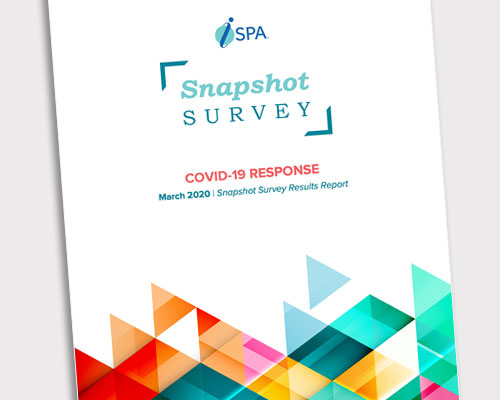
ISPA’s COVID-19 survey offers insights into how the industry has responded to the global pandemic. Spa Business magazine examines the findings
Hotel spa: Country life: The Newt
Karen Roos, owner of the world-renowned hotel The Newt, on design, gardens and a spa housed in an old cow barn
Insights: Calls to action
Industry leaders around the world come together in a crisis to share ideas and innovations in a series of GWS Collaboration calls. Spa Business magazine reports on the highlights
Insights: Webinar wisdom
Spa Business shares its industry-relevant takeaways from the masses of webinars that are being streamed worldwide
Research: Measure for measure
Intelligent Spas reveals its latest global spa benchmarks and explores what they mean in today’s ever-changing climate
Focus on: Extreme wellness
Spa Business tries out two boundary-pushing, cold immersion retreats led by ‘The Iceman’ Wim Hof and Dr Marc Cohen
Promotion: Barr and Wray: Creating
a seamless journey
With 60 years of experience, Barr and Wray has long been known for excellence in technical design for wellness. Design director Graeme Banks explains the company also offers interior design services
Interview: Juliu Horvath
The founder of Gyrotonic and Gyrokinesis tells Spa Business why he’ll never stop adapting his famous movement modality
Promotion: ISPA publishes Reopening Toolkit
A much-needed guide by ISPA gives essential advice on business planning, standard operating procedures, marketing and communications to support spas through the coronavirus crisis
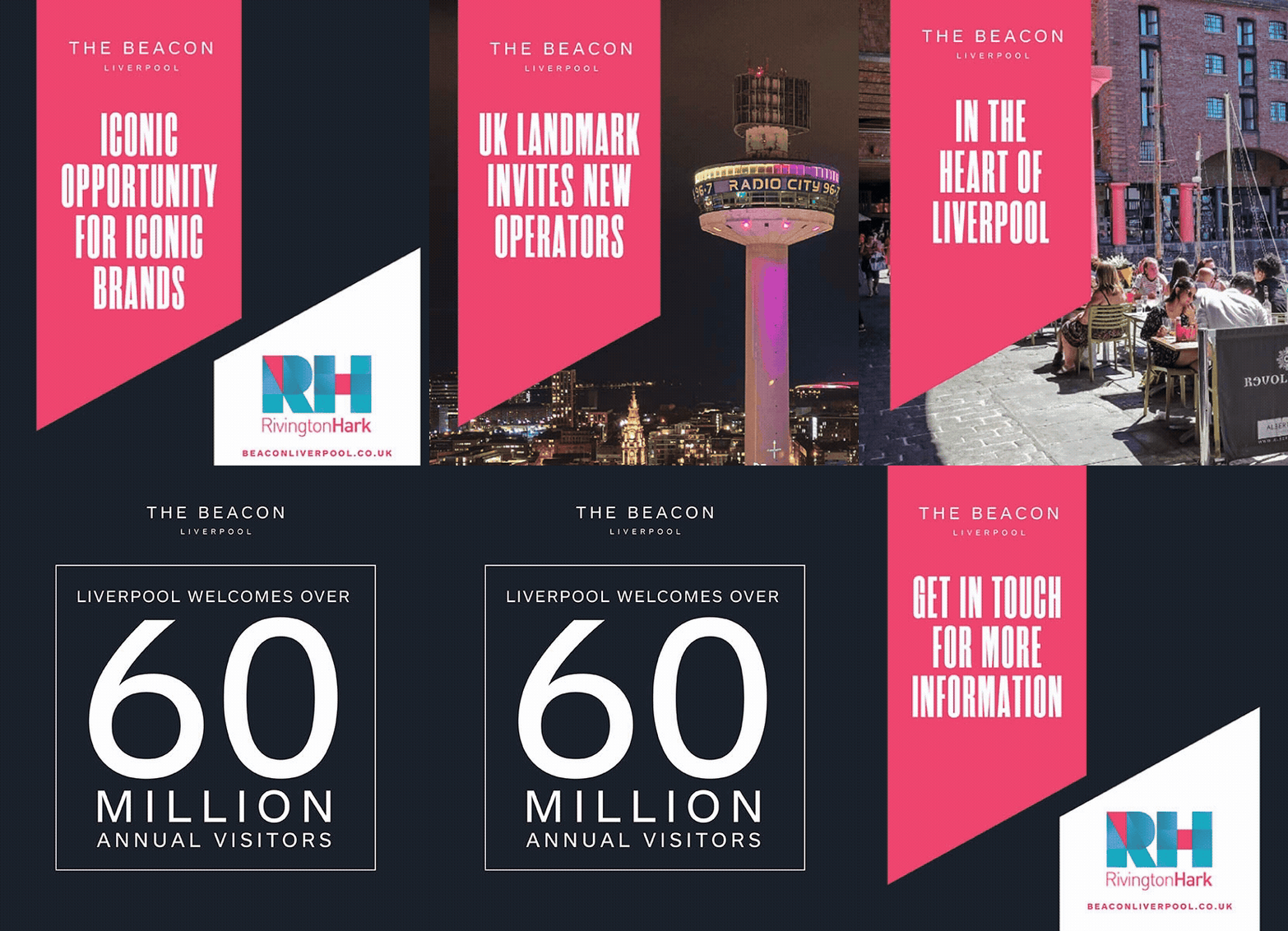
An opportunity to reimagine one of the UK’s most recognisable towers has been formally
opened by Rivington Hark, as St Johns Beacon invites operators and partners to shape its
next phase. [more...]
Suddenly the spa industry is flooded
with online group calls, chats, webinars
and virtual roundtables as the sector
takes stock of what’s happened and
where things are headed following the
coronavirus outbreak. Lisa Starr shares
her takeaways from 30 different sessions
By Lisa Starr | Published in Spa Business 2020 issue 2
Spas will need to visibly demonstrate heightened hygiene standards / bankerwin/shutterstock
In the midst of an unprecedented global shutdown of practically every business imaginable, most of us found ourselves adrift for at least a few days. Many thousands in spas worldwide have been laid off or furloughed, or work has dried up for obvious reasons. Schedules disrupted, travel upended, personal meetings rescheduled or shifted to online versions, or no work at all, and we suddenly had much more time on our hands. It only took about a week for the void to be filled by a tsunami of online options from group chats and calls to webinars
In the early stages, most of conversations centred around leadership and team and client communication. Now they’ve shifted to reopening and re-engagement strategies. In this period without a playbook, we’re sharing a selection of the nuggets we heard from spa and wellness, hospitality, restaurant, retail, real estate and general business luminaries during this down time.
The Global Wellness Summit was one of the first to act, hosting a series of ‘collaboration calls’ via Zoom which had up to 150 stakeholders from around the world at a time talking about their current situations and future prospects. Some ideas shared included:
• Lots of suggestions for video marketing. Demonstrations, workshops, cooking classes from wellness resorts, even web cams showing the view from properties, empty of tourists, but hopefully arousing the desire for future visits
• Hotels converting to staycation offers for locals, as in Moscow
• UAE hotels offering treatments in suites rather than the spa
• Creating protocols for contactless check-in and check-outs
• A heightened demand for cleanliness and hygiene which will impact all SOPs and the need to also visibly demonstrate such standards
• The potential of virtual reality in spas, and treatments that don’t require touch, delivered on equipment that can be cleaned and disinfected
• Guests asking for more science-based evidence of modalities
• Spa consultancies and wellness communities are faring better than most and are seeing a spike in enquiries and sales as businesses and consumers become more wellness-focused than ever
In an innovative move, the Professional Spa & Wellness Convention switched its contents of speakers – such as Andrew Gibson, Amanda Al-Masri and Anna Bjurstam – to live YouTube sessions.
Meanwhile, in a special session hosted by the Irish Spa Association, Niamh O’Connell, Rosewood’s global head of spas, shared reopening strategies. Points from both corners included using the downtime to menu-engineer (looking at the most profitable and popular services) and gradual reopenings – only operating during peak hours or days at first (and streamlining staff, services and costs accordingly).
Business leader and author Margaret Heffernan (University of Bath) had some excellent advice for entrepreneurs: “Don’t lose your ambition. A lot of companies have an instinct to hunker down, but it’s really important to recognise, in difficult moments with a shrinking economy, the enormous opportunities. In a downturn, people are prepared to listen to you, try things with you.”
These sentiments were echoed in a Business of Fashion podcast when Doug Stephens said: “Knowing that most of your competitors are recoiling, slashing budgets, cutting payrolls, this is the time to take advantage and reinvent what you do, bring consumers new alternatives, reinvent your brand. Be sensible and prudent but don’t let innovation stop.”
Advice on leadership has had a consistent theme – transparent communication. Business entrepreneur Verne Harnish has offered several virtual ‘summits’ focused on recovery; 2-hour blitzes of 12 high-level speakers with suggestions such as:
• Don’t make commitments you can’t keep, don’t forecast too far out
• Lead your team to overcome stress, learned helplessness and perfectionism
• Leaders absorb fear and exude hope
• We’re not bouncing back,
we’re going to bounce forward
• Stop selling and be a resource
Reopening will be gradual
– only operating during
peak hours or days at first
and streamlining staff,
services and costs
Cloud-based booking platform Mindbody hosted several panel-based webinars for their constituencies, namely fitness/yoga studios as well as salons and spas. In particular, movement-based businesses quickly morphed into online on-demand or live delivery programming providers.
Hotel Business magazine showcased an array of panellists who forecasted RevPAR will be down 46 per cent for the year, and they’re now expecting a U-shaped, rather than V-shaped, recovery.
Those with operations in third world countries are fearing a longer downturn because many workers live and/or transit to work in cramped quarters without access to proper hygiene, so there was discussion around how to get these staff virus-tested, and then the logistics of daily management.
Domestic leisure travel is expected to recover more quickly standing city hotels in good stead. In the US, 15,000 hotels signed up to provide overflow housing for hospitals or quarantine centres, which would be repaid by the government. And economy brand Red Roof Inn had the clever idea to rent out rooms in the day providing access to good wifi for those who can’t work at home.
A variety of webinars from retailers also offered some relevant points for spas. Small stores have quickly shifted to curbside pick-up and home delivery, selling through Instagram, and working with resource partners who can ship products direct to clients.
Many commented that online content that most resonated with customers was more oriented to building community, clean beauty, sustainability and other common issues, rather than just focused on sales. Sharing recipes and DIY tips and donating a percentage of sales to current causes also help with general engagement. One facility was giving coupons/double points or some incentive for its reopening week with large value orders.
A Sephora SVP remarked on the role that technology will play in reopening, as they’ll need to employ virtual training “early and often” in order to refresh product knowledge and sales skills.
Representatives from hospitals and the retail sector predicted that telehealth will take a great leap forward with one large healthcare operator reporting a rise from 50 to 4,000 daily telehealth bookings. This has definite implications for spa, particularly in the wellness and integrative health categories, for a swathe of practitioners.
Kindness, promoting local
products/experiences and
a greater interest in our
own health have all arisen
out of the situation
A discussion of the future, including trust, safety, confidence, cleanliness standards and new protocols at airports/hotels, was on the programme of the Wellness Tourism Association webinar. And also, not forgetting some of the good things that have arisen out of the situation – kindness, cooperation, promoting local producers, products and experiences, and greater respect/interest in our own health and environment.
Resource partners have been working hard to stay connected to spas and consumers, and event planner We Work Well has generated a series of video interviews with industry vendors who share how the pandemic has affected their operations, and what they’re doing to remain relevant and efficient. Universal Companies has created a retail certification programme to help brands learn the art of selling online and to provide best practices.
The Green Spa Network has been offering weekly panel-based pandemic webinars. In a practitioner-led session, it was noted that they’ve always been well-trained on hygiene, but now that will need to become a front and centre activity. There is much concern about how spas that are already short-staffed will find enough therapists, and will manage longer room turn times as well as the personal safety of staff. At the same time, social media is rife with posts of clients who can’t wait to return to their spa or salon. The hope for everyone is that this will prove true.
Lisa Starr is a senior spa consultant and trainer at Wynne Business.
| [email protected]
Read more from this issue of Attractions Management magazine
View contents of Attractions Management 2020 issue 2
Editor’s letter: Our greatest challenge
Spa and wellness businesses will reopen while COVID-19 is still circulating in the community, meaning we have to find models which work in this new reality, says Katie Barnes. So how will this change the industry?
On the menu: Pivot to digital
Which forward-thinking spas are taking their offerings online during the coronavirus pandemic?
Interview: Mary Celeste Beall
The celebrated Blackberry Farm has opened a sister property in the mountains of Tennessee. The owner tells Spa Business why wellness through nature underpins the new destination
Everyone’s talking about: COVID-19
Spa operators, wellness companies and organisations from around the world talk to Spa Business about the impact of coronavirus and what to expect down the line
Promotion: Simone Gibertoni: Clinique La Prairie
World-renowned medical spa, Clinique La Prairie, is creating a global network of
locations to support clients with their wellbeing, every day of the year, says its CEO
Research: First responders
ISPA’s COVID-19 survey offers insights into how the industry has responded to the global pandemic. Spa Business magazine examines the findings
Hotel spa: Country life: The Newt
Karen Roos, owner of the world-renowned hotel The Newt, on design, gardens and a spa housed in an old cow barn
Insights: Calls to action
Industry leaders around the world come together in a crisis to share ideas and innovations in a series of GWS Collaboration calls. Spa Business magazine reports on the highlights
Insights: Webinar wisdom
Spa Business shares its industry-relevant takeaways from the masses of webinars that are being streamed worldwide
Research: Measure for measure
Intelligent Spas reveals its latest global spa benchmarks and explores what they mean in today’s ever-changing climate
Focus on: Extreme wellness
Spa Business tries out two boundary-pushing, cold immersion retreats led by ‘The Iceman’ Wim Hof and Dr Marc Cohen
Promotion: Barr and Wray: Creating
a seamless journey
With 60 years of experience, Barr and Wray has long been known for excellence in technical design for wellness. Design director Graeme Banks explains the company also offers interior design services
Interview: Juliu Horvath
The founder of Gyrotonic and Gyrokinesis tells Spa Business why he’ll never stop adapting his famous movement modality
Promotion: ISPA publishes Reopening Toolkit
A much-needed guide by ISPA gives essential advice on business planning, standard operating procedures, marketing and communications to support spas through the coronavirus crisis
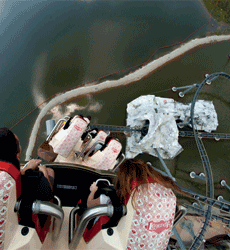
A new immersive attraction designed to transport visitors into the final hours of ancient Pompeii
is preparing to open near the world-famous archaeological site in southern Italy.
Experience design company, BRC Imagination Arts, has completed a transition that sees founder
Bob Rogers pass ownership of the business to four long-serving senior executives, while
remaining actively involved with the company.
Movie Park Germany has opened a new Paramount Pictures-themed attraction as part of its 30th
anniversary celebrations, using immersive storytelling and adaptive reuse to reinforce the park’s
longstanding “Hollywood in Germany” positioning.
Therme Manchester’s 28-acre development, which will include interconnected glass pavilions
that measure 65,000sq m, will be the largest bathing and wellbeing attraction in the world once
complete, according to prof David Russell, CEO of Therme UK.
Efteling has opened Hooghmoed, a new family drop tower designed to broaden the appeal of its
recently launched Sirene Island themed area and introduce younger visitors to thrill attractions.
A proposed Puy du Fou development near Bicester and Universal Destinations and Experiences’
planned resort in Bedford are emerging as part of a wider transformation of the Oxford–
Cambridge Growth Corridor into a major centre for UK leisure and tourism inv
Shedd Aquarium has opened the Immersion Theater developed in partnership with SimEx-
Iwerks, as part of a wider strategy to enhance the guest experience and create additional
revenue opportunities.
The UK government has announced a temporary reduction in VAT on visitor attractions and
children’s meals as part of a summer cost-of-living support package designed to stimulate the
visitor economy and encourage family days out.
As designer Yinka Ilori prepares for his first solo gallery show in London, he speaks exclusively
to CLADmag about his mission to spread joy, the power of play, and his bold approach to using
colour (including the colours you won’t see in his work).
The government of Thailand is exploring plans for a THB300bn (£6.3bn, US$8.3bn)
entertainment complex in the country’s Eastern Economic Corridor (EEC), with officials
proposing a large-scale theme park and sports destination as part of a broader tourism and
economic development strategy.
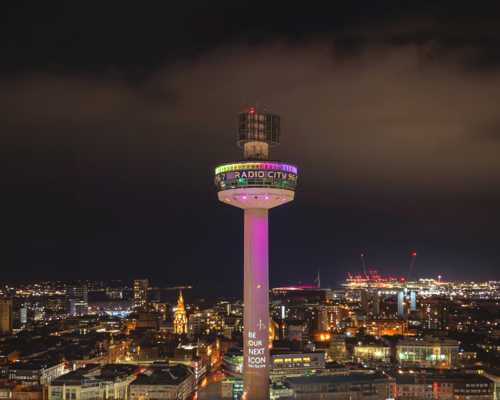
An opportunity to reimagine one of the UK’s most recognisable towers has been formally
opened by Rivington Hark, as St Johns Beacon invites operators and partners to shape its
next phase. [more...]