Birdsong, trees, sky – a new study suggests exposure to nature is important for those at risk of poor mental health. Jane Kitchen outlines the findings
By Jane Kitchen | Published in Spa Business 2018 issue 2
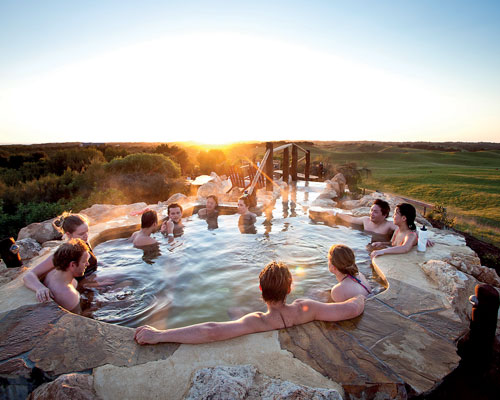
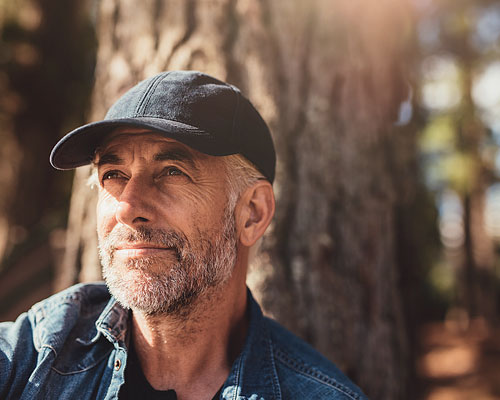
The benefits of going outdoors were felt for several hours / Jacob Lund/shutterstock
Mental health is a buzzword in the global spa industry and those serious about treating it might consider maximising outdoor therapies and spaces if new research is to be taken into account.
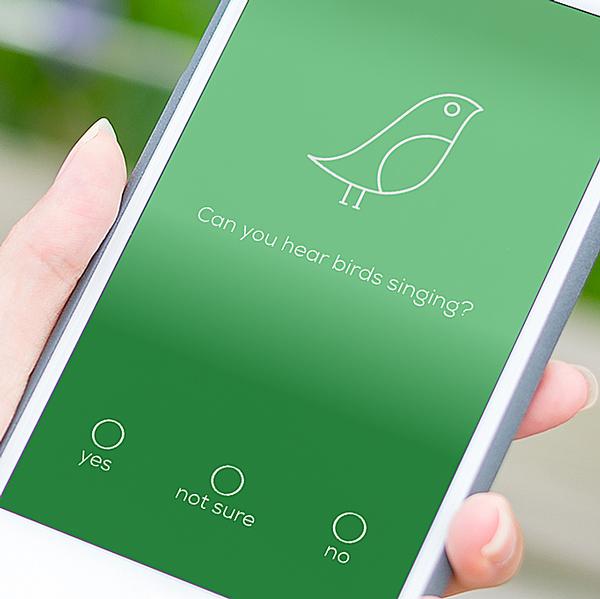
Researchers at King’s College London have used smartphone-based technology to assess the relationship between nature in cities and mental wellbeing in real time.
Not surprisingly, they found that being outdoors, seeing trees, hearing birdsong, seeing the sky and feeling in contact with nature were associated with higher levels of mental wellbeing. But they also found the benefits were especially evident in those with higher levels of impulsivity, who are at greater risk of mental health issues.
Measurable impact The researchers developed a smartphone app, Urban Mind, which monitored 108 people who completed 3,013 assessments over a week. Participants answered questions about their environment and momentary mental wellbeing. GPS-based geotagging pinpointed their location.
The results showed significant immediate associations with mental wellbeing for several natural features: trees, the sky and birdsong. Significantly, the improvement was still evident several hours later. “These findings suggest that short-term exposure to nature has a measurable beneficial impact on mental wellbeing,” says King’s College psychologist Andrea Mechelli.
Helps with poor mental health The investigators were also interested in whether there was a benefit to those at risk of mental health problems. To assess this, participants were rated on ‘trait impulsivity’ – a psychological measure used to predict those with a higher risk of developing ADHD, antisocial personality, bipolar and addictive disorders.
This revealed that the beneficial impact of nature on mental wellbeing was greater in people with higher levels of trait impulsivity and a higher risk of developing mental health issues. Mechelli says this “suggests that nature could be especially beneficial to those individuals who are at risk of poor mental health.
“From a clinical perspective, we hope this line of research will lead to the development of low-cost scalable interventions aimed at promoting mental health in urban populations.”
J & L Gibbons, landscape architects who were involved in the research, are hopeful that the results will “inform future investments and policies, helping build healthier cities”.
Read more from this issue of Attractions Management magazine
View contents of Attractions Management 2018 issue 2
People profile: Garrett Mersberger
Garrett Mersberger on the overhaul of Kohler Waters’ flagship spa in Europe, plus his vision for ISPA following his appointment as chair of the association
Spa programmes: On the menu
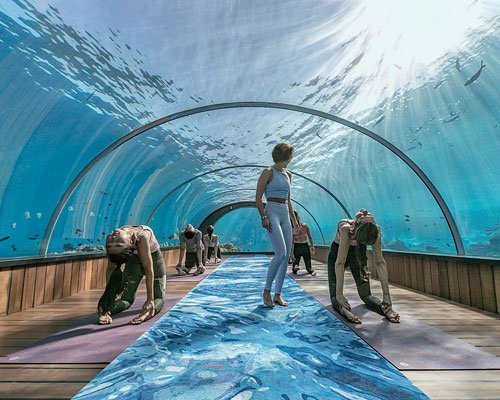
Underwater yoga, healing breathwork and genetics all feature in Spa Business’ brand new series revealing the latest treatments, programmes and retreats in spas
Promotional feature: Zimmer MedizinSysteme
Cold therapy is suddenly all the rage, but Zimmer MedizinSysteme’s icelab takes it a step further, creating a cold sauna for the whole body. Rainer Bolsinger explains more about this cutting-edge therapy
Promotional feature: The Tides: pure Dutch nature inside
Modern living might be tough on our minds and bodies, but newly-launched Dutch wellness and self-care brand The Tides offers just the antidote with a new class of pure, raw products and treatments
Birdsong, trees, sky – a new study suggests exposure to nature is important for those at risk of poor mental health. Jane Kitchen outlines the findings
By Jane Kitchen | Published in Spa Business 2018 issue 2
The benefits of going outdoors were felt for several hours / Jacob Lund/shutterstock
Mental health is a buzzword in the global spa industry and those serious about treating it might consider maximising outdoor therapies and spaces if new research is to be taken into account.
Researchers at King’s College London have used smartphone-based technology to assess the relationship between nature in cities and mental wellbeing in real time.
Not surprisingly, they found that being outdoors, seeing trees, hearing birdsong, seeing the sky and feeling in contact with nature were associated with higher levels of mental wellbeing. But they also found the benefits were especially evident in those with higher levels of impulsivity, who are at greater risk of mental health issues.
Measurable impact The researchers developed a smartphone app, Urban Mind, which monitored 108 people who completed 3,013 assessments over a week. Participants answered questions about their environment and momentary mental wellbeing. GPS-based geotagging pinpointed their location.
The results showed significant immediate associations with mental wellbeing for several natural features: trees, the sky and birdsong. Significantly, the improvement was still evident several hours later. “These findings suggest that short-term exposure to nature has a measurable beneficial impact on mental wellbeing,” says King’s College psychologist Andrea Mechelli.
Helps with poor mental health The investigators were also interested in whether there was a benefit to those at risk of mental health problems. To assess this, participants were rated on ‘trait impulsivity’ – a psychological measure used to predict those with a higher risk of developing ADHD, antisocial personality, bipolar and addictive disorders.
This revealed that the beneficial impact of nature on mental wellbeing was greater in people with higher levels of trait impulsivity and a higher risk of developing mental health issues. Mechelli says this “suggests that nature could be especially beneficial to those individuals who are at risk of poor mental health.
“From a clinical perspective, we hope this line of research will lead to the development of low-cost scalable interventions aimed at promoting mental health in urban populations.”
J & L Gibbons, landscape architects who were involved in the research, are hopeful that the results will “inform future investments and policies, helping build healthier cities”.
Read more from this issue of Attractions Management magazine
View contents of Attractions Management 2018 issue 2
People profile: Garrett Mersberger
Garrett Mersberger on the overhaul of Kohler Waters’ flagship spa in Europe, plus his vision for ISPA following his appointment as chair of the association
Spa programmes: On the menu
Underwater yoga, healing breathwork and genetics all feature in Spa Business’ brand new series revealing the latest treatments, programmes and retreats in spas
Promotional feature: Zimmer MedizinSysteme
Cold therapy is suddenly all the rage, but Zimmer MedizinSysteme’s icelab takes it a step further, creating a cold sauna for the whole body. Rainer Bolsinger explains more about this cutting-edge therapy
Promotional feature: The Tides: pure Dutch nature inside
Modern living might be tough on our minds and bodies, but newly-launched Dutch wellness and self-care brand The Tides offers just the antidote with a new class of pure, raw products and treatments
OMA has completed a major transformation of New York's New Museum, creating a larger
cultural campus that combines expanded exhibition spaces with learning, performance,
hospitality and public programming.
A US$50 million (£44.2 million, €51.2 million) transformation of Chicago's historic McCormick
Mansion has created a new destination that combines live magic, immersive theatre, dining and
private membership under one roof.
The Montana Historical Society has officially celebrated the opening of its new Montana
Heritage
Center, a US$107 million (£79 million, €92 million) destination that combines immersive
storytelling with cutting-edge audiovisual technology to bring the sta
San Antonio Zoo has reported a US$283 million economic impact for 2025, following a decade-
long transformation programme that has seen almost US$200 million invested into the Texas
attraction.
Plans for the AU$180 million redevelopment of Reef HQ Aquarium in Townsville, Australia, are
progressing, with the project set to transform the attraction into a global centre for reef
education and conservation.
Abu Dhabi-based investment firm Mubadala Capital has made a binding, fully financed
€1 billion
offer to acquire Pierre and Vacances SA, the European holiday resort operator behind the
continental European Center Parcs business.
Disney has reaffirmed its commitment to investing US$30 billion in its US parks and cruise
business by 2033, using new America250 celebrations to underline the role its attractions play
in supporting jobs, tourism and economic growth.
Expo 2030 Riyadh is being planned as a permanent visitor destination, with organisers
confirming the six-million-square-metre site will become a Global Village after the event closes.
The owner of one of Australia's best-known waterparks has acquired a major competitor,
creating a new attractions business spanning two of the country's largest visitor destinations.
The Toverland theme park in the Netherlands has announced a €98m expansion programme
that will add a resort, new attractions and staff facilities as it pursues plans to become a multi-
day destination.
+ More news
COMPANY PROFILES
Painting With Light By combining lighting, video, scenic and architectural elements, sound and special effects we tell s [more...]
Alterface Alterface’s Creative Division team is
seasoned in concept and ride development,
as well as storyte [more...]
IDEATTACK IDEATTACK is a full-service planning and
design company with headquarters in
Los Angeles. [more...]
Simworx Ltd The company was initially established
in 1997. Terry Monkton and Andrew
Roberts are the key stakeh [more...]