Increasing numbers of consumers are booking longer,
more expensive spa treatments as they look to offset
daily stress according to CBRE’s latest Trends in the Hotel
Spa Industry research. Mark VanStekelenburg reports
By Mark VanStekelenburg | Published in Spa Business 2018 issue 2
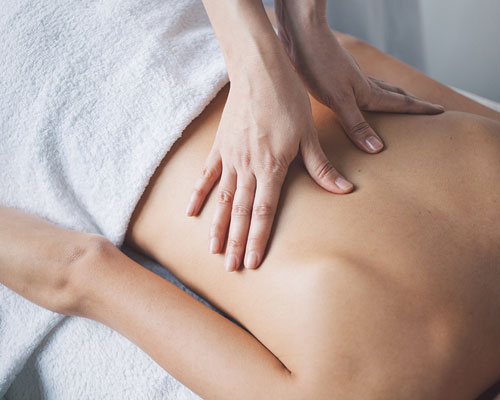
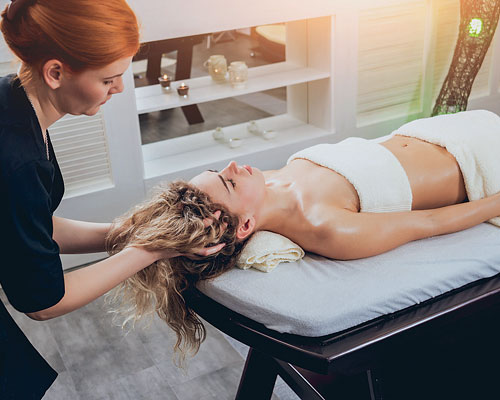
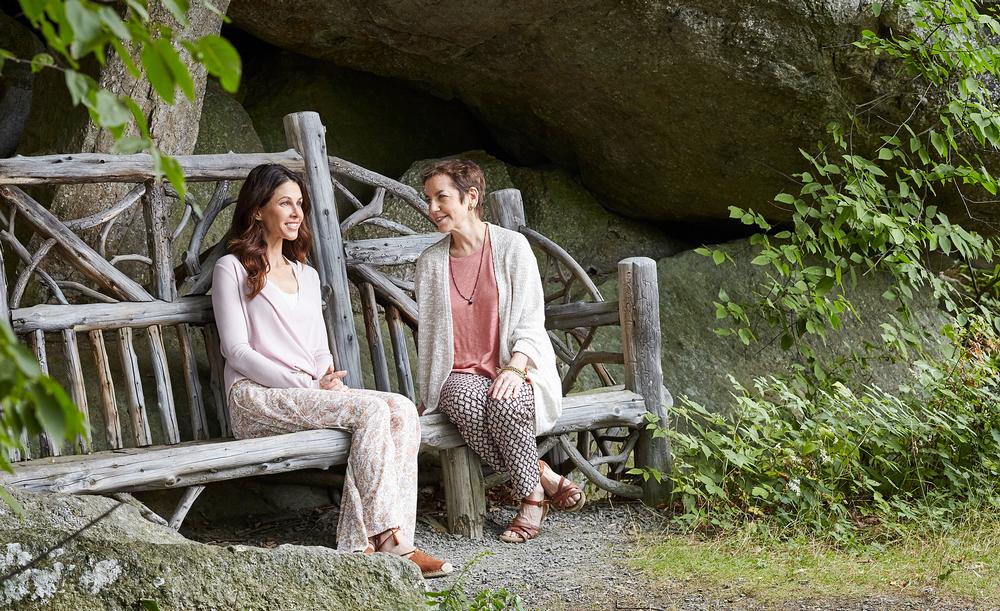
A growing self-care movement means practices aimed at stress reduction and wellness take priority, the study says / Rawpixel.com/shutterstock
US hotel occupancies are at a record high as more people are travelling than ever before. The national occupancy level has increased for eight consecutive years, from 2009 to 2017. And with more heads in beds, hotel spas are presented with a greater opportunity to capture more spa customers.
In November of 2017, CBRE Hotels released the 11th edition of its Trends in the Hotel Spa Industry® study, continuing its legacy of providing hotel spas with a valuable benchmarking resource. The data, compiled from 141 US hotels in 2016, shows that spa department revenues increased by 5.2 per cent, just below the growth of rooms department revenue at 5.3 per cent. Spa revenue is also slightly down from 2015 when, for the first time in the study, it grew at a faster pace than room’s revenue, at 5.5 per cent versus 3.3 per cent.
That said, further findings from the latest report show it’s clear that hotel spas represent a key opportunity for hoteliers. With record occupancy levels and the heightened desire for personal wellness, people are looking at spas to help them reduce stress, relax and maintain their wellness routines throughout their stay.
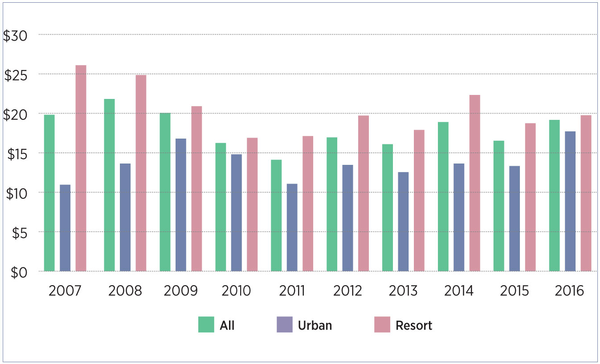
Urban versus resort hotel spas For hotel spas, spa revenue per occupied hotel room (RevPOR) peaked in 2009 at US$21.82. As the financial crisis lingered, they decreased significantly, to a low of US$14.12 per occupied room in 2012. Since then, RevPOR increased to US$19.17 most recently in 2016. This growth is driven by the increase in spa department revenues at urban hotel spas. Their 2016 spa department revenue of US$17.71 per occupied room (see Graph 1) is the highest ever recorded for this property type and is US$6.76 above 2007 performance. On the other hand, resort hotels have seen a decrease in RevPOR during this same time period. It should be noted that survey size and sample vary each reporting year, and therefore do not reflect the same-store data
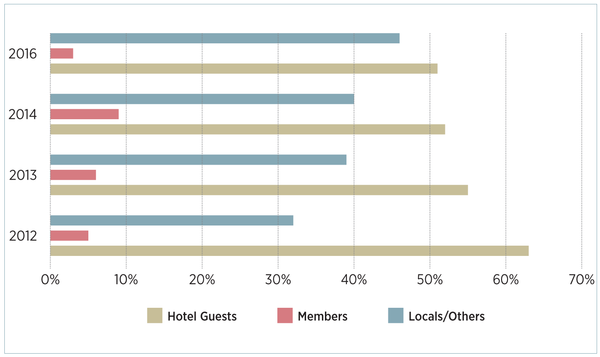
CBRE Hotels tracks customer mix for hotel spa samples and in 2013, spa department revenue from hotel guests equaled 63 per cent (see Graph 2). Since then, this has decreased each year and the latest report shows that in 2016, hotel guests represented only 51 per cent of revenues at hotel spas. During this same time period, revenue from locals/others increased from 32 per cent in 2013 to 46 per cent in 2016. Therefore, this segment is growing as an instrumental component of a spa’s business mix and perhaps can help explain resort spas’ decreasing revenue metrics.
Spa resurgence Spas in US hotels are seeing a resurgence thanks to key national trends, like a swing towards older travellers. In 2011, Households 55 Years and Over overtook Households Between 35 Years and 54 Years as the highest share of lodging spending by age, at 45 per cent versus 41 per cent. Further, those Between 65 and 74 and Over 75 are spending 23 per cent and 24 per cent more, respectively, on lodging.
These groups largely represent retirees who have both the time and money to spend on travel. Key services for this demographic include anti-ageing skin treatments, therapies aimed at relieving pain and arthritis, and massages to reduce stiffness and joint/muscle pain. The healing attributes of spa are further enhanced when paired with a physical assessment. Cleveland Clinic’s Wellness Institute in Ohio is an example of how medical centres are using patient history knowledge to create customised wellness programmes, integrating acupuncture, massage, reiki and even Chinese herbal therapy to relieve symptoms. As the elder population is exposed to a myriad of age-related health issues, spas can serve as relief to common ailments.
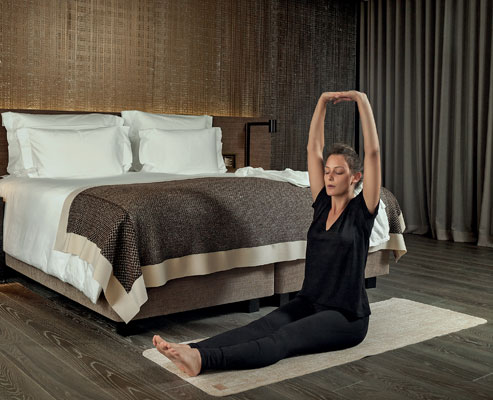
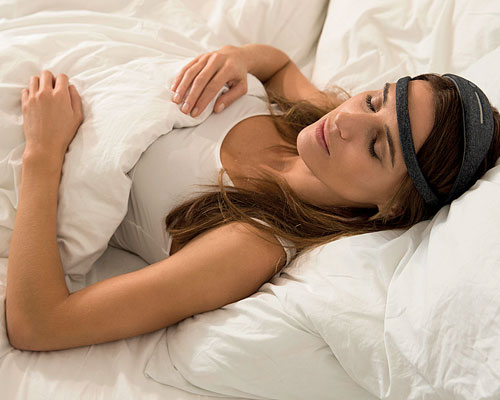
Further, people are no longer viewing spa as an indulgence, but rather are realising the importance of self-care and how spas tie into everyday wellness. A growing self-care movement means practices aimed at stress reduction and wellness take a priority. At The Spa at Equinox Resort in Vermont, people are booking longer and more expensive treatments that incorporate wellness and alternative modalities, such as reiki, with a key intention of reducing stress. In addition, spas are implementing add-ons to standard treatments, including guided meditations at the end of the service and even a nap session. These additional services, whether tacked onto the treatment itself or booked on their own, provide customers with a non-labour-intensive destressing experience. Wellness is key in reducing stress and no matter one’s age, consumers are looking for various ways to relieve stress and maintain a balance in everyday life.
Market differentiators Spas continue to differentiate from one another and in today’s social media-based world, it’s important now more than ever to provide one-of-a-kind experiences to not only attract new demand, but to maintain loyal customers. Entire brands have been created to embody a mantra of ‘instagramable moments’ and hotel spas are now tasked with providing these authentic, local and unique experiences. At Mohonk Mountain House in New York, a Mindfulness in Motion walk guides guests around wooded trails, cliff edges and a crystal-clear lake, while its Signature Elements of Nature facial incorporates witch hazel grown on-site.
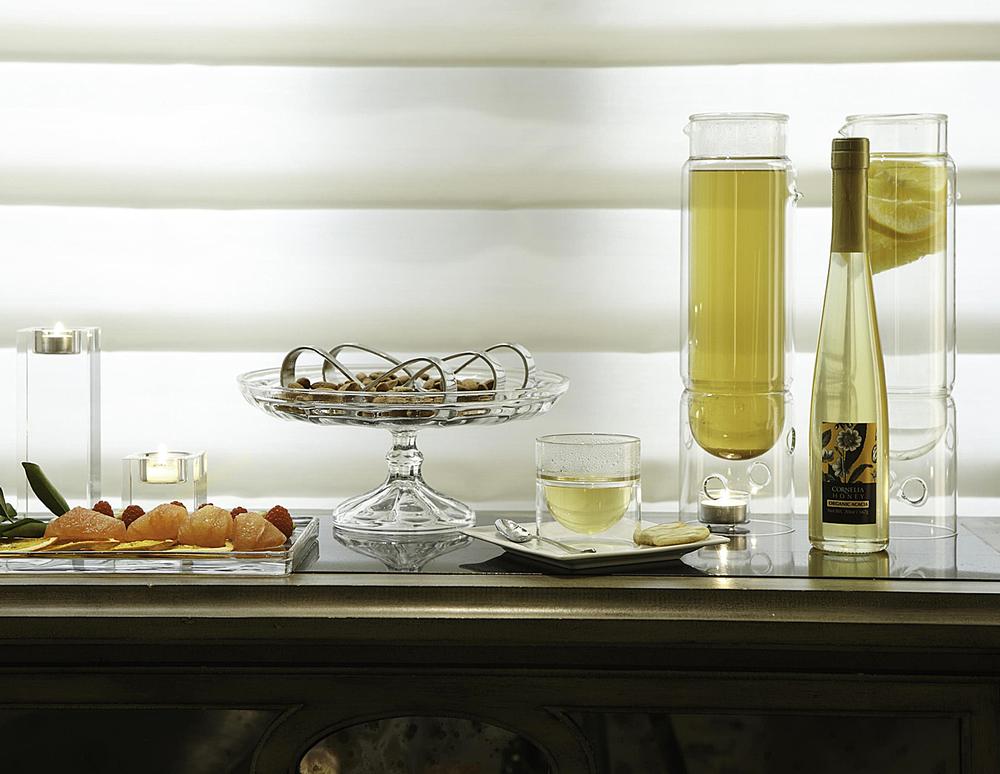
Another way to for hotel spas to stand out is via food and beverage. Cornelia Spa at The Surrey in New York has a Botanical Bar which provides guests with an additional sensory experience pre and post treatment. Partnering with a premier vegan restaurant, it offers a variety of sweet and savoury amuse bouche, including superfood bites, matcha green tea cookies, seasoned almonds and other seasonal fare. Further, each treatment starts off with honey to awaken the senses. It’s unique practices like these that help attract new customers and pique the interest of loyal visitors.
Staffing is key Consumer expectations are increasing and, unsurprisingly, knowledgeable therapists and aestheticians are key to the successful implementation of unique and personalised services in spas. As digital technologies become ever-more prevalent, human interaction becomes even more valuable in the spa industry. People come to the spa to unplug and feel a sense of calmness and respite from the outside world.
New trends in the hotel industry, such as shorter lead times, can create difficulties in staffing and scheduling. Given this, it’s important that spas are able to keep up with consumer demand without sacrificing service standards and individual guest attention.
So while in 2018, the hotel industry is expected to see its first occupancy decline in 10 years, hotel spas that continue to provide unique and personalised services, embrace the various needs of customers of all ages and emphasise a true balanced wellness experience at their facility will continue to see success.
Read more from this issue of Attractions Management magazine
View contents of Attractions Management 2018 issue 2
People profile: Garrett Mersberger
Garrett Mersberger on the overhaul of Kohler Waters’ flagship spa in Europe, plus his vision for ISPA following his appointment as chair of the association
Spa programmes: On the menu
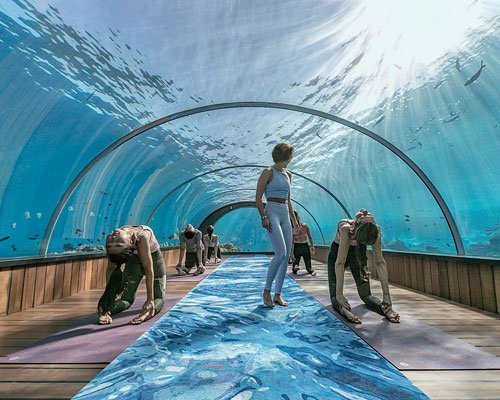
Underwater yoga, healing breathwork and genetics all feature in Spa Business’ brand new series revealing the latest treatments, programmes and retreats in spas
Promotional feature: Zimmer MedizinSysteme
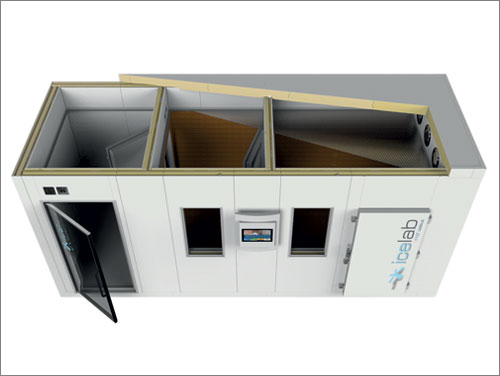
Cold therapy is suddenly all the rage, but Zimmer MedizinSysteme’s icelab takes it a step further, creating a cold sauna for the whole body. Rainer Bolsinger explains more about this cutting-edge therapy
Promotional feature: The Tides: pure Dutch nature inside
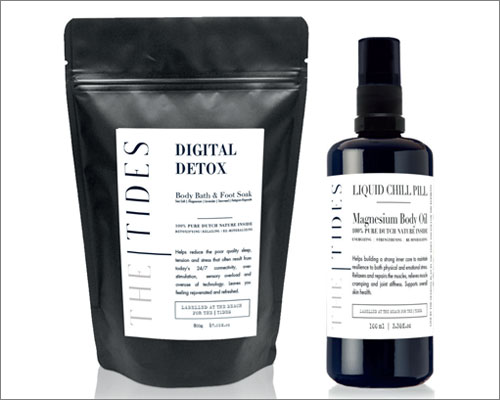
Modern living might be tough on our minds and bodies, but newly-launched Dutch wellness and self-care brand The Tides offers just the antidote with a new class of pure, raw products and treatments
Increasing numbers of consumers are booking longer,
more expensive spa treatments as they look to offset
daily stress according to CBRE’s latest Trends in the Hotel
Spa Industry research. Mark VanStekelenburg reports
By Mark VanStekelenburg | Published in Spa Business 2018 issue 2
A growing self-care movement means practices aimed at stress reduction and wellness take priority, the study says / Rawpixel.com/shutterstock
US hotel occupancies are at a record high as more people are travelling than ever before. The national occupancy level has increased for eight consecutive years, from 2009 to 2017. And with more heads in beds, hotel spas are presented with a greater opportunity to capture more spa customers.
In November of 2017, CBRE Hotels released the 11th edition of its Trends in the Hotel Spa Industry® study, continuing its legacy of providing hotel spas with a valuable benchmarking resource. The data, compiled from 141 US hotels in 2016, shows that spa department revenues increased by 5.2 per cent, just below the growth of rooms department revenue at 5.3 per cent. Spa revenue is also slightly down from 2015 when, for the first time in the study, it grew at a faster pace than room’s revenue, at 5.5 per cent versus 3.3 per cent.
That said, further findings from the latest report show it’s clear that hotel spas represent a key opportunity for hoteliers. With record occupancy levels and the heightened desire for personal wellness, people are looking at spas to help them reduce stress, relax and maintain their wellness routines throughout their stay.
Urban versus resort hotel spas For hotel spas, spa revenue per occupied hotel room (RevPOR) peaked in 2009 at US$21.82. As the financial crisis lingered, they decreased significantly, to a low of US$14.12 per occupied room in 2012. Since then, RevPOR increased to US$19.17 most recently in 2016. This growth is driven by the increase in spa department revenues at urban hotel spas. Their 2016 spa department revenue of US$17.71 per occupied room (see Graph 1) is the highest ever recorded for this property type and is US$6.76 above 2007 performance. On the other hand, resort hotels have seen a decrease in RevPOR during this same time period. It should be noted that survey size and sample vary each reporting year, and therefore do not reflect the same-store data
CBRE Hotels tracks customer mix for hotel spa samples and in 2013, spa department revenue from hotel guests equaled 63 per cent (see Graph 2). Since then, this has decreased each year and the latest report shows that in 2016, hotel guests represented only 51 per cent of revenues at hotel spas. During this same time period, revenue from locals/others increased from 32 per cent in 2013 to 46 per cent in 2016. Therefore, this segment is growing as an instrumental component of a spa’s business mix and perhaps can help explain resort spas’ decreasing revenue metrics.
Spa resurgence Spas in US hotels are seeing a resurgence thanks to key national trends, like a swing towards older travellers. In 2011, Households 55 Years and Over overtook Households Between 35 Years and 54 Years as the highest share of lodging spending by age, at 45 per cent versus 41 per cent. Further, those Between 65 and 74 and Over 75 are spending 23 per cent and 24 per cent more, respectively, on lodging.
These groups largely represent retirees who have both the time and money to spend on travel. Key services for this demographic include anti-ageing skin treatments, therapies aimed at relieving pain and arthritis, and massages to reduce stiffness and joint/muscle pain. The healing attributes of spa are further enhanced when paired with a physical assessment. Cleveland Clinic’s Wellness Institute in Ohio is an example of how medical centres are using patient history knowledge to create customised wellness programmes, integrating acupuncture, massage, reiki and even Chinese herbal therapy to relieve symptoms. As the elder population is exposed to a myriad of age-related health issues, spas can serve as relief to common ailments.
Further, people are no longer viewing spa as an indulgence, but rather are realising the importance of self-care and how spas tie into everyday wellness. A growing self-care movement means practices aimed at stress reduction and wellness take a priority. At The Spa at Equinox Resort in Vermont, people are booking longer and more expensive treatments that incorporate wellness and alternative modalities, such as reiki, with a key intention of reducing stress. In addition, spas are implementing add-ons to standard treatments, including guided meditations at the end of the service and even a nap session. These additional services, whether tacked onto the treatment itself or booked on their own, provide customers with a non-labour-intensive destressing experience. Wellness is key in reducing stress and no matter one’s age, consumers are looking for various ways to relieve stress and maintain a balance in everyday life.
Market differentiators Spas continue to differentiate from one another and in today’s social media-based world, it’s important now more than ever to provide one-of-a-kind experiences to not only attract new demand, but to maintain loyal customers. Entire brands have been created to embody a mantra of ‘instagramable moments’ and hotel spas are now tasked with providing these authentic, local and unique experiences. At Mohonk Mountain House in New York, a Mindfulness in Motion walk guides guests around wooded trails, cliff edges and a crystal-clear lake, while its Signature Elements of Nature facial incorporates witch hazel grown on-site.
Another way to for hotel spas to stand out is via food and beverage. Cornelia Spa at The Surrey in New York has a Botanical Bar which provides guests with an additional sensory experience pre and post treatment. Partnering with a premier vegan restaurant, it offers a variety of sweet and savoury amuse bouche, including superfood bites, matcha green tea cookies, seasoned almonds and other seasonal fare. Further, each treatment starts off with honey to awaken the senses. It’s unique practices like these that help attract new customers and pique the interest of loyal visitors.
Staffing is key Consumer expectations are increasing and, unsurprisingly, knowledgeable therapists and aestheticians are key to the successful implementation of unique and personalised services in spas. As digital technologies become ever-more prevalent, human interaction becomes even more valuable in the spa industry. People come to the spa to unplug and feel a sense of calmness and respite from the outside world.
New trends in the hotel industry, such as shorter lead times, can create difficulties in staffing and scheduling. Given this, it’s important that spas are able to keep up with consumer demand without sacrificing service standards and individual guest attention.
So while in 2018, the hotel industry is expected to see its first occupancy decline in 10 years, hotel spas that continue to provide unique and personalised services, embrace the various needs of customers of all ages and emphasise a true balanced wellness experience at their facility will continue to see success.
Read more from this issue of Attractions Management magazine
View contents of Attractions Management 2018 issue 2
People profile: Garrett Mersberger
Garrett Mersberger on the overhaul of Kohler Waters’ flagship spa in Europe, plus his vision for ISPA following his appointment as chair of the association
Spa programmes: On the menu
Underwater yoga, healing breathwork and genetics all feature in Spa Business’ brand new series revealing the latest treatments, programmes and retreats in spas
Promotional feature: Zimmer MedizinSysteme
Cold therapy is suddenly all the rage, but Zimmer MedizinSysteme’s icelab takes it a step further, creating a cold sauna for the whole body. Rainer Bolsinger explains more about this cutting-edge therapy
Promotional feature: The Tides: pure Dutch nature inside
Modern living might be tough on our minds and bodies, but newly-launched Dutch wellness and self-care brand The Tides offers just the antidote with a new class of pure, raw products and treatments
OMA has completed a major transformation of New York's New Museum, creating a larger
cultural campus that combines expanded exhibition spaces with learning, performance,
hospitality and public programming.
A US$50 million (£44.2 million, €51.2 million) transformation of Chicago's historic McCormick
Mansion has created a new destination that combines live magic, immersive theatre, dining and
private membership under one roof.
The Montana Historical Society has officially celebrated the opening of its new Montana
Heritage
Center, a US$107 million (£79 million, €92 million) destination that combines immersive
storytelling with cutting-edge audiovisual technology to bring the sta
San Antonio Zoo has reported a US$283 million economic impact for 2025, following a decade-
long transformation programme that has seen almost US$200 million invested into the Texas
attraction.
Plans for the AU$180 million redevelopment of Reef HQ Aquarium in Townsville, Australia, are
progressing, with the project set to transform the attraction into a global centre for reef
education and conservation.
Abu Dhabi-based investment firm Mubadala Capital has made a binding, fully financed
€1 billion
offer to acquire Pierre and Vacances SA, the European holiday resort operator behind the
continental European Center Parcs business.
Disney has reaffirmed its commitment to investing US$30 billion in its US parks and cruise
business by 2033, using new America250 celebrations to underline the role its attractions play
in supporting jobs, tourism and economic growth.
Expo 2030 Riyadh is being planned as a permanent visitor destination, with organisers
confirming the six-million-square-metre site will become a Global Village after the event closes.
The owner of one of Australia's best-known waterparks has acquired a major competitor,
creating a new attractions business spanning two of the country's largest visitor destinations.
The Toverland theme park in the Netherlands has announced a €98m expansion programme
that will add a resort, new attractions and staff facilities as it pursues plans to become a multi-
day destination.
+ More news
COMPANY PROFILES
DJW David & Lynn Willrich started the Company
over thirty years ago, from the Audio Visual
Department [more...]
TechnoAlpin Indoor TechnoAlpin is the world leader for snowmaking systems. With the Indoor snow division, TechnoAlpin c [more...]
instantprint We’re a Yorkshire-based online printer, founded
in 2009 by Adam Carnell and James Kinsella. [more...]
Painting With Light By combining lighting, video, scenic and architectural elements, sound and special effects we tell s [more...]