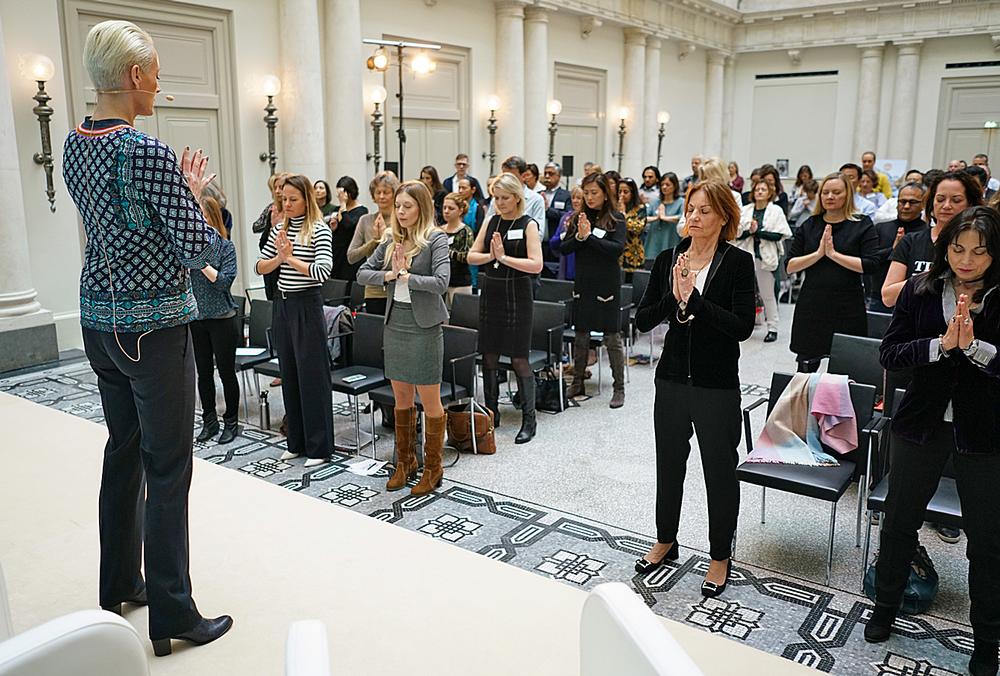
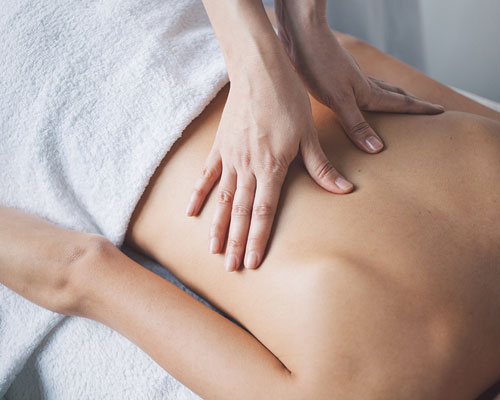
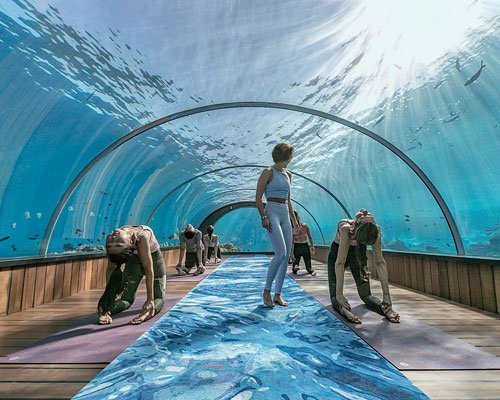
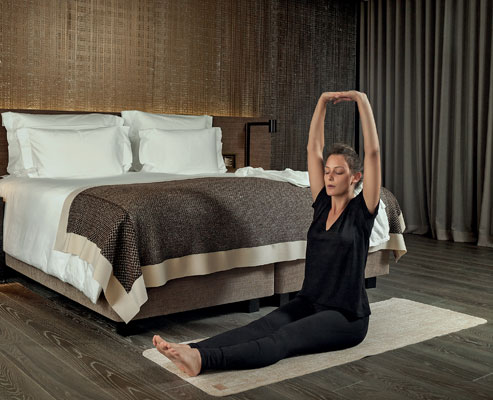
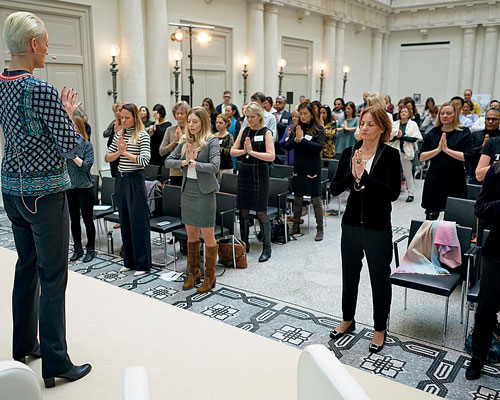
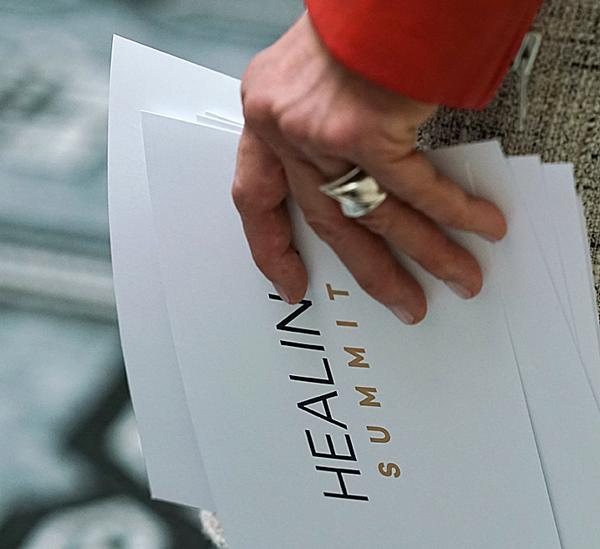
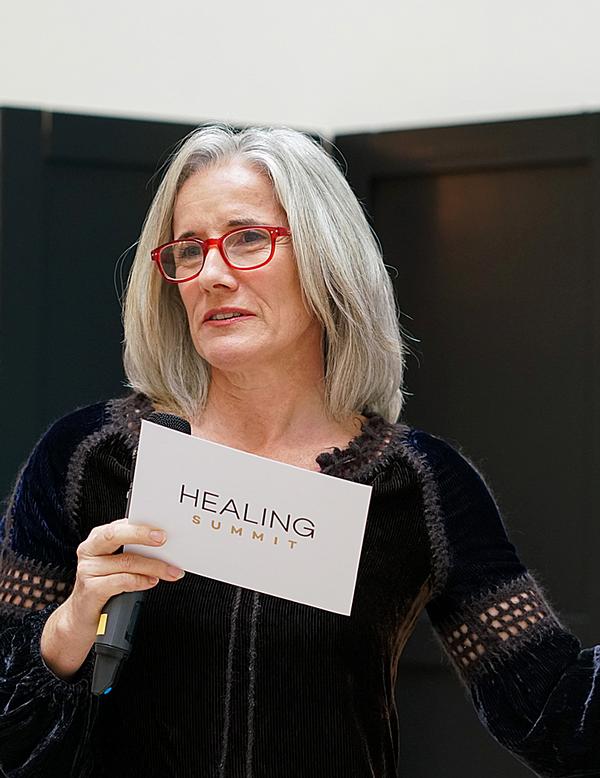
The summit includes guided meditation and yoga, helping attendees to focus and clear their minds
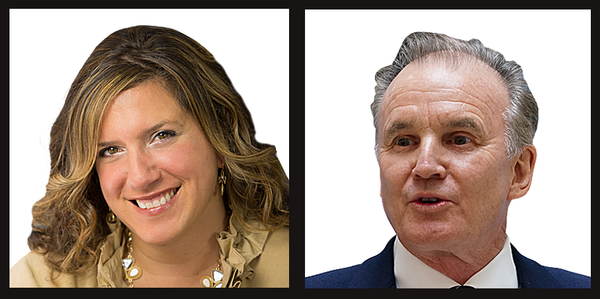
Ahealing hotel is a living entity – it’s the most optimistic outlook of the future,” said Anne Biging, CEO of the Healing Hotels of the World, as she opened the fifth annual Healing Summit in Berlin in March. “It’s about changing our heart, changing our mind and changing our habits, because without that, nothing is going to happen.”
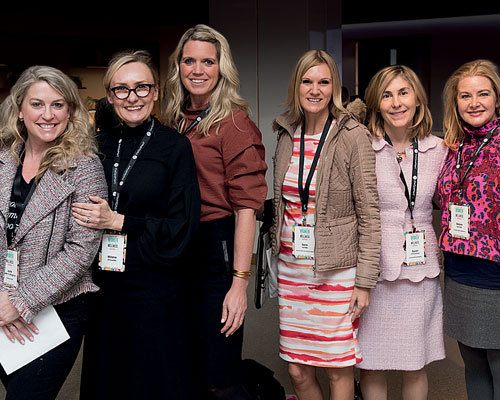
The summit attracted around 130 attendees from 27 countries and a diverse range of industries for two days of talks about the business of healing.
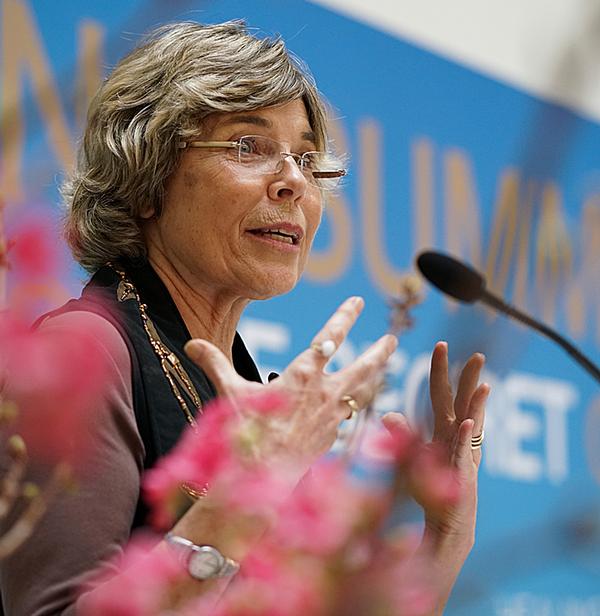
Healing and resilience Neuroscientist Dr Marjorie Woollacott explained how science is catching up with a more subtle understanding of healing. She addressed how the placebo effect shows the power of the mind over healing and pain. Woollacott also highlighted studies showing how meditation improves ADD symptoms and the efficacy of reiki on people who have had a heart attack. “Complementary therapies can help us to heal our own self, our society and our planet,” she said.
Steve Griffith, founder of Sukhavati Ayurvedic Retreat & Spa in Bali, detailed his success in corporate wellness. Before opening his retreat, he created a leadership programme of transcendental meditation and ayurveda, which 2,000 people a year now participate in. “Organisations are looking for individuals to have resilience,” he said.
Experience over spa Stacy Fischer-Rosenthal, president of New York’s Fischer Travel Enterprises, detailed what her clients – high net-worth individuals who pay a US$100,000 joining fee plus US$25,000 a year membership – are looking for. “The luxury traveller wants what money can’t buy – they want experiences,” she said. “Going to a spa and moving from one thing to another doesn’t create a truly luxury experience – they want an educational and experiential experience, and they want to connect with people around the world.”
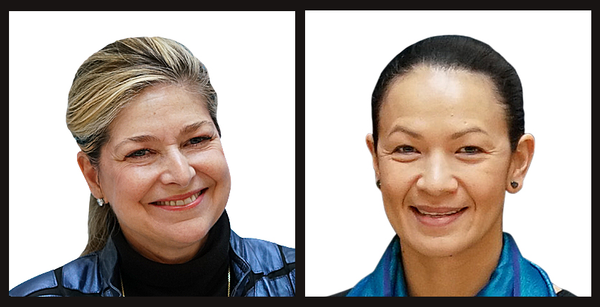
These sentiments were echoed by Stella Photi, founder of UK travel agency Wellbeing Escapes; Diana Stobo, founder of The Retreat Costa Rica; and Corinna Yap, wellness director at COMO Shambhala, when outlining the growing wellness markets in Europe, North America and Asia.
Stobo said that increasingly, her clientele is looking to immerse themselves in nature and to test their courage. “It’s expanding and taking a step out of your comfort zone,” she explained. Her location encourages people to meet one another and become part of a community in their stay – something Photi also said her clientele is increasingly asking for. Yap reported that in China, more families are taking on wellness travel so COMO has created programming for children.
Getting the message Mia Kyricos, president and founder of wellness consultancy firm Kyricos & Associates, advised attendees on creating brands that have emotional impact. “The difference between good and great brands are the ethereal things – the emotional connection,” she said. She told attendees that wellness needs to be inclusive. “Wellness and wellbeing is not about demographics – it’s about psychographics,” she explained. “Everyone can relate to wellness and wellbeing on some level.”
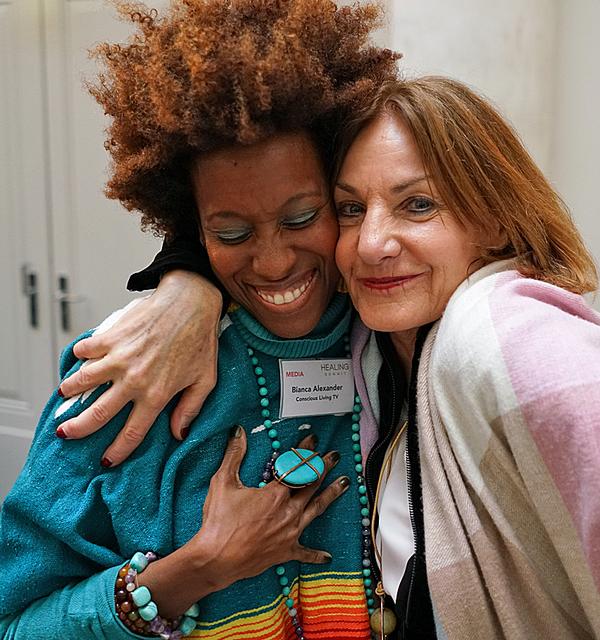
But while everyone may be able to relate to wellness, getting the message across to consumers is not always straightforward. A panel of journalists, including Abby Ellin, a contributor to the New York Times; television journalist Bianca Alexander of Conscious Living TV; radio journalist Valerie Smaldone; and communications professor Natalie Redcross discussed the best ways to communicate a healing message in today’s fast-changing world. Alexander highlighted how showing scientific evidence to back-up claims is key, “especially for the mainstream audience who do not understand a lot of what we’re talking about.”
Samantha Foster and Joy Menzies of global consultancy firm Destination Spa Management revealed a new means for Healing Hotels of the World to communicate its message to consumers. The duo have created a five-level structure to help wellness properties within the consortium reflect their level of commitment to healing. “Owners and operators need to be able to position themselves clearly,” explained Menzies. “This will help them to offer genuine healing experiences and talk to their marketing partners about what their position is.”
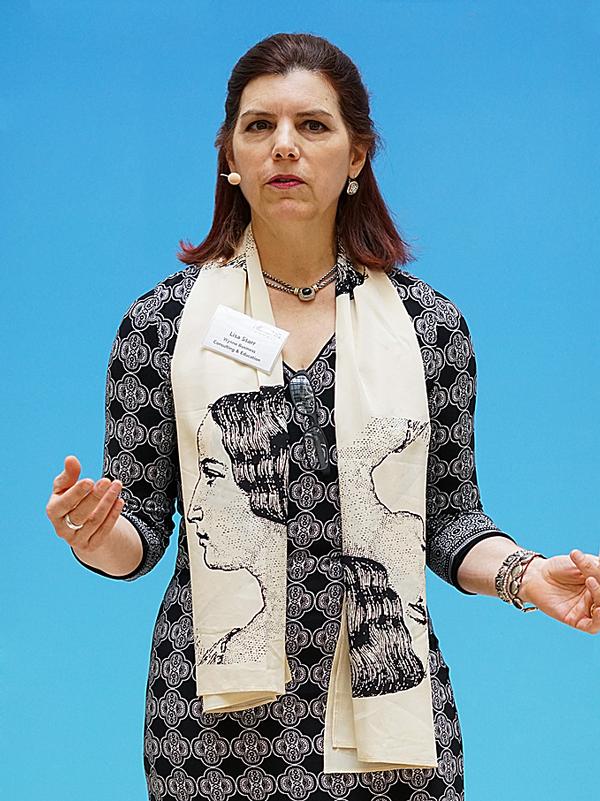
Spa consultant and educator Lisa Starr spoke about the importance of members of staff and collateral in communicating the healing aspects of a spa or hotel once guests are on property in order to keep levels of satisfaction. “We need to do a better job of communicating to guests what’s offered; if the options are unclear, the guests will not have the optimal time,” she said.
At Sukhavati in Bali, teaching guests to meditate helps them learn how to heal. In addition, Griffith said that each day at noon, the entire staff meditates with guests. “Everyone is seeking wholeness,” he explained. “They don’t know what they’re seeking sometimes – they just want to be whole again.”
Read more from this issue of Attractions Management magazine
View contents of Attractions Management 2018 issue 2
People profile: Garrett Mersberger
Garrett Mersberger on the overhaul of Kohler Waters’ flagship spa in Europe, plus his vision for ISPA following his appointment as chair of the association
Spa programmes: On the menu
Underwater yoga, healing breathwork and genetics all feature in Spa Business’ brand new series revealing the latest treatments, programmes and retreats in spas
Promotional feature: Zimmer MedizinSysteme
Cold therapy is suddenly all the rage, but Zimmer MedizinSysteme’s icelab takes it a step further, creating a cold sauna for the whole body. Rainer Bolsinger explains more about this cutting-edge therapy
Promotional feature: The Tides: pure Dutch nature inside
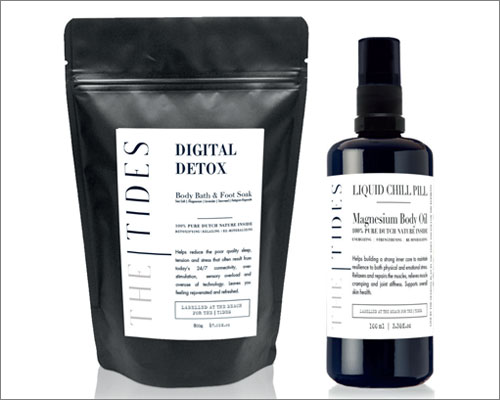
Modern living might be tough on our minds and bodies, but newly-launched Dutch wellness and self-care brand The Tides offers just the antidote with a new class of pure, raw products and treatments
The summit includes guided meditation and yoga, helping attendees to focus and clear their minds
Ahealing hotel is a living entity – it’s the most optimistic outlook of the future,” said Anne Biging, CEO of the Healing Hotels of the World, as she opened the fifth annual Healing Summit in Berlin in March. “It’s about changing our heart, changing our mind and changing our habits, because without that, nothing is going to happen.”
The summit attracted around 130 attendees from 27 countries and a diverse range of industries for two days of talks about the business of healing.
Healing and resilience Neuroscientist Dr Marjorie Woollacott explained how science is catching up with a more subtle understanding of healing. She addressed how the placebo effect shows the power of the mind over healing and pain. Woollacott also highlighted studies showing how meditation improves ADD symptoms and the efficacy of reiki on people who have had a heart attack. “Complementary therapies can help us to heal our own self, our society and our planet,” she said.
Steve Griffith, founder of Sukhavati Ayurvedic Retreat & Spa in Bali, detailed his success in corporate wellness. Before opening his retreat, he created a leadership programme of transcendental meditation and ayurveda, which 2,000 people a year now participate in. “Organisations are looking for individuals to have resilience,” he said.
Experience over spa Stacy Fischer-Rosenthal, president of New York’s Fischer Travel Enterprises, detailed what her clients – high net-worth individuals who pay a US$100,000 joining fee plus US$25,000 a year membership – are looking for. “The luxury traveller wants what money can’t buy – they want experiences,” she said. “Going to a spa and moving from one thing to another doesn’t create a truly luxury experience – they want an educational and experiential experience, and they want to connect with people around the world.”
These sentiments were echoed by Stella Photi, founder of UK travel agency Wellbeing Escapes; Diana Stobo, founder of The Retreat Costa Rica; and Corinna Yap, wellness director at COMO Shambhala, when outlining the growing wellness markets in Europe, North America and Asia.
Stobo said that increasingly, her clientele is looking to immerse themselves in nature and to test their courage. “It’s expanding and taking a step out of your comfort zone,” she explained. Her location encourages people to meet one another and become part of a community in their stay – something Photi also said her clientele is increasingly asking for. Yap reported that in China, more families are taking on wellness travel so COMO has created programming for children.
Getting the message Mia Kyricos, president and founder of wellness consultancy firm Kyricos & Associates, advised attendees on creating brands that have emotional impact. “The difference between good and great brands are the ethereal things – the emotional connection,” she said. She told attendees that wellness needs to be inclusive. “Wellness and wellbeing is not about demographics – it’s about psychographics,” she explained. “Everyone can relate to wellness and wellbeing on some level.”
But while everyone may be able to relate to wellness, getting the message across to consumers is not always straightforward. A panel of journalists, including Abby Ellin, a contributor to the New York Times; television journalist Bianca Alexander of Conscious Living TV; radio journalist Valerie Smaldone; and communications professor Natalie Redcross discussed the best ways to communicate a healing message in today’s fast-changing world. Alexander highlighted how showing scientific evidence to back-up claims is key, “especially for the mainstream audience who do not understand a lot of what we’re talking about.”
Samantha Foster and Joy Menzies of global consultancy firm Destination Spa Management revealed a new means for Healing Hotels of the World to communicate its message to consumers. The duo have created a five-level structure to help wellness properties within the consortium reflect their level of commitment to healing. “Owners and operators need to be able to position themselves clearly,” explained Menzies. “This will help them to offer genuine healing experiences and talk to their marketing partners about what their position is.”
Spa consultant and educator Lisa Starr spoke about the importance of members of staff and collateral in communicating the healing aspects of a spa or hotel once guests are on property in order to keep levels of satisfaction. “We need to do a better job of communicating to guests what’s offered; if the options are unclear, the guests will not have the optimal time,” she said.
At Sukhavati in Bali, teaching guests to meditate helps them learn how to heal. In addition, Griffith said that each day at noon, the entire staff meditates with guests. “Everyone is seeking wholeness,” he explained. “They don’t know what they’re seeking sometimes – they just want to be whole again.”
Read more from this issue of Attractions Management magazine
View contents of Attractions Management 2018 issue 2
People profile: Garrett Mersberger
Garrett Mersberger on the overhaul of Kohler Waters’ flagship spa in Europe, plus his vision for ISPA following his appointment as chair of the association
Spa programmes: On the menu
Underwater yoga, healing breathwork and genetics all feature in Spa Business’ brand new series revealing the latest treatments, programmes and retreats in spas
Promotional feature: Zimmer MedizinSysteme
Cold therapy is suddenly all the rage, but Zimmer MedizinSysteme’s icelab takes it a step further, creating a cold sauna for the whole body. Rainer Bolsinger explains more about this cutting-edge therapy
Promotional feature: The Tides: pure Dutch nature inside
Modern living might be tough on our minds and bodies, but newly-launched Dutch wellness and self-care brand The Tides offers just the antidote with a new class of pure, raw products and treatments
A US$50 million (£44.2 million, €51.2 million) transformation of Chicago's historic McCormick
Mansion has created a new destination that combines live magic, immersive theatre, dining and
private membership under one roof.
The Montana Historical Society has officially celebrated the opening of its new Montana
Heritage
Center, a US$107 million (£79 million, €92 million) destination that combines immersive
storytelling with cutting-edge audiovisual technology to bring the sta
San Antonio Zoo has reported a US$283 million economic impact for 2025, following a decade-
long transformation programme that has seen almost US$200 million invested into the Texas
attraction.
Plans for the AU$180 million redevelopment of Reef HQ Aquarium in Townsville, Australia, are
progressing, with the project set to transform the attraction into a global centre for reef
education and conservation.
Abu Dhabi-based investment firm Mubadala Capital has made a binding, fully financed
€1 billion
offer to acquire Pierre and Vacances SA, the European holiday resort operator behind the
continental European Center Parcs business.
Disney has reaffirmed its commitment to investing US$30 billion in its US parks and cruise
business by 2033, using new America250 celebrations to underline the role its attractions play
in supporting jobs, tourism and economic growth.
Expo 2030 Riyadh is being planned as a permanent visitor destination, with organisers
confirming the six-million-square-metre site will become a Global Village after the event closes.
The owner of one of Australia's best-known waterparks has acquired a major competitor,
creating a new attractions business spanning two of the country's largest visitor destinations.
The Toverland theme park in the Netherlands has announced a €98m expansion programme
that will add a resort, new attractions and staff facilities as it pursues plans to become a multi-
day destination.
Hotel de France, located on the British Isle of Jersey, has created a wellness retreat package
that includes a hot yoga session that will take place in Jersey Zoo’s butterfly sanctuary.
+ More news
COMPANY PROFILES
Sally Corporation Our services include: Dark ride design & build; Redevelopment of existing attractions; High-quality [more...]
instantprint We’re a Yorkshire-based online printer, founded
in 2009 by Adam Carnell and James Kinsella. [more...]
TechnoAlpin Indoor TechnoAlpin is the world leader for snowmaking systems. With the Indoor snow division, TechnoAlpin c [more...]
Alterface Alterface’s Creative Division team is
seasoned in concept and ride development,
as well as storyte [more...]