Climate change is increasing the occurrence of natural catastrophes and putting pressure on the insurance industry, meaning it’s never been more vital for all attractions to have effective disaster plans in place
By Liz Terry | Published in Attractions Management 2019 issue 4
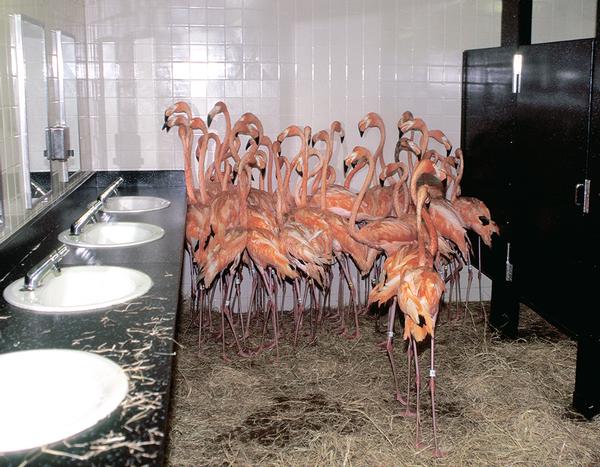
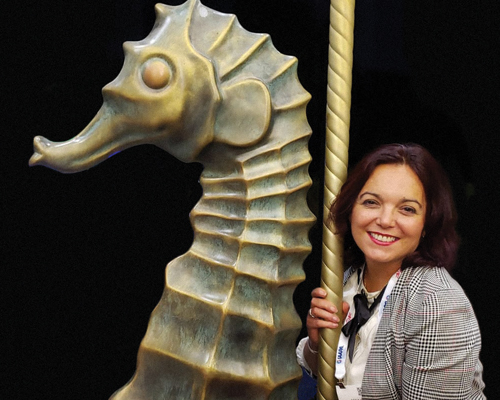
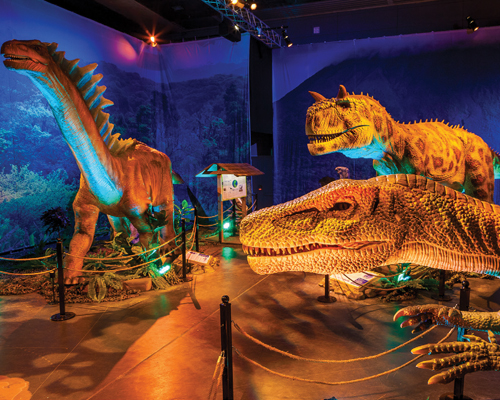
Miami Zoo’s hurricane plan ensures a safe refuge for everyone
We work in a very life-affirming industry, committed to creating peak experiences for people that form some of their most valued and precious memories.
With such a positive mindset running through the sector, it’s understandably tempting to always hope for the best and to focus on innovation, outreach, development, and growth, rather than spending time imagining the many disasters that could befall even the best prepared.
So when things go wrong and a backward step is forced on us in the form of some kind of incident, it can be jarring from the point of view of organisation culture and leave attractions operators very exposed if emergency planning hasn’t been top of the to-do list.
In this issue, we talk to attractions that have had to face huge challenges and setbacks as a result of fires, floods, earthquakes, and accidents (see page 74). We hear firsthand how they dealt with the challenges they faced and what they learned from these experiences.
It takes a generous spirit to share stories of failure and catastrophe, so we’re grateful to our contributors for sharing their stories and their hard-won advice.
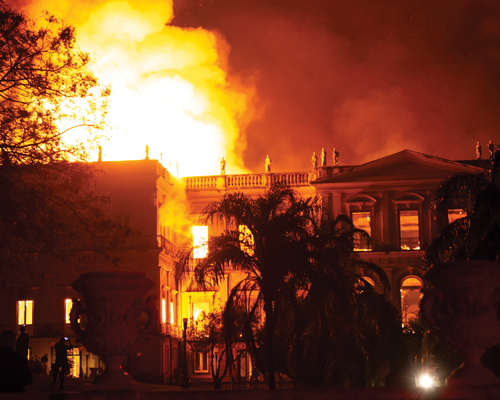
It’s easy to think big national institutions must have things like disaster planning all sewn up, yet this is clearly not always the case, as was illustrated in September 2018, when the Museu Nacional in Rio de Janeiro suffered a catastrophic fire that destroyed most of its two million artifacts. Firefighters didn’t have enough water because two hydrants were dry and 200 years of history went up in flames.
The two biggest challenges in relation to preparedness are having an effective and regularly-updated disaster management plan which can be rapidly implemented and getting decent, affordable insurance which will be a help rather than a hindrance when it comes to making a claim.
With climate change increasing the frequency of disasters, the insurance industry is being squeezed and that squeeze is being passed on to customers, making claiming ever more complex and challenging: it took Christchurch museum seven years to settle after the earthquake, for example.
Attractions that are prepared cope the best, so if your disaster planning needs work, now really is the time to act.
Read more from this issue of Attractions Management magazine
View contents of Attractions Management 2019 issue 4
Interview: Yves Pépin
A man whose spectaculars have been
witnessed by billions, Yves Pépin
speaks about his trail-blazing career
Rides: Supersonic
We take a look at some of the most
significant ride openings around the world
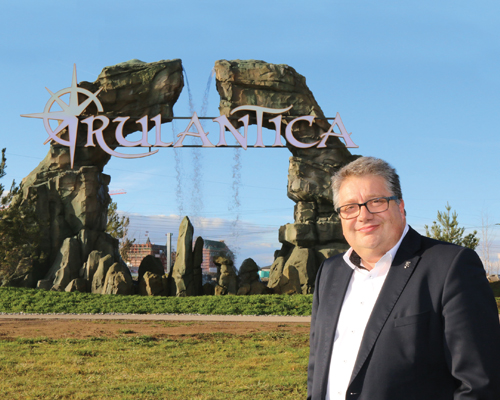
Preview: Rulantica Rising
Germany’s top theme park is about to
launch a €180m addition with the opening of its long-awaited second
gate. Attractions Management looks
at Rulantica and how the new
waterpark addition is taking shape
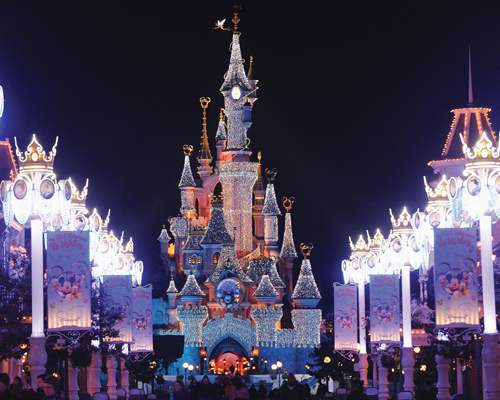
Theme Parks: Parisian Magic
Daniel Delcourt and David Wilson
share more about Disney’s €2bn
expansion of Disneyland Paris
Promotional feature: Simworx Ltd
CEO, Terry Monkton, takes
us through the development of two unique projects, from conception to creation
Waterparks: Water World
Debrecen in Hungary is gaining an iconic
new addition – a US$30.1m waterpark
Promotional feature: WhiteWater
WhiteWater’s Una deBoer tells us
how the company maintains elite safety standards
in waterparks and the steps operators can take
to improve safety across the entire industry
Operations: Disaster Management
What can be learned from the experiences
of those unfortunate operators who have
had to react when disaster strikes?
Exhibitions: World Tour
Kath Hudson looks at the potential of the
pop-up and touring exhibition market
Climate change is increasing the occurrence of natural catastrophes and putting pressure on the insurance industry, meaning it’s never been more vital for all attractions to have effective disaster plans in place
By Liz Terry | Published in Attractions Management 2019 issue 4
Miami Zoo’s hurricane plan ensures a safe refuge for everyone
We work in a very life-affirming industry, committed to creating peak experiences for people that form some of their most valued and precious memories.
With such a positive mindset running through the sector, it’s understandably tempting to always hope for the best and to focus on innovation, outreach, development, and growth, rather than spending time imagining the many disasters that could befall even the best prepared.
So when things go wrong and a backward step is forced on us in the form of some kind of incident, it can be jarring from the point of view of organisation culture and leave attractions operators very exposed if emergency planning hasn’t been top of the to-do list.
In this issue, we talk to attractions that have had to face huge challenges and setbacks as a result of fires, floods, earthquakes, and accidents (see page 74). We hear firsthand how they dealt with the challenges they faced and what they learned from these experiences.
It takes a generous spirit to share stories of failure and catastrophe, so we’re grateful to our contributors for sharing their stories and their hard-won advice.
It’s easy to think big national institutions must have things like disaster planning all sewn up, yet this is clearly not always the case, as was illustrated in September 2018, when the Museu Nacional in Rio de Janeiro suffered a catastrophic fire that destroyed most of its two million artifacts. Firefighters didn’t have enough water because two hydrants were dry and 200 years of history went up in flames.
The two biggest challenges in relation to preparedness are having an effective and regularly-updated disaster management plan which can be rapidly implemented and getting decent, affordable insurance which will be a help rather than a hindrance when it comes to making a claim.
With climate change increasing the frequency of disasters, the insurance industry is being squeezed and that squeeze is being passed on to customers, making claiming ever more complex and challenging: it took Christchurch museum seven years to settle after the earthquake, for example.
Attractions that are prepared cope the best, so if your disaster planning needs work, now really is the time to act.
Read more from this issue of Attractions Management magazine
View contents of Attractions Management 2019 issue 4
Interview: Yves Pépin
A man whose spectaculars have been
witnessed by billions, Yves Pépin
speaks about his trail-blazing career
Rides: Supersonic
We take a look at some of the most
significant ride openings around the world
Preview: Rulantica Rising
Germany’s top theme park is about to
launch a €180m addition with the opening of its long-awaited second
gate. Attractions Management looks
at Rulantica and how the new
waterpark addition is taking shape
Theme Parks: Parisian Magic
Daniel Delcourt and David Wilson
share more about Disney’s €2bn
expansion of Disneyland Paris
Promotional feature: Simworx Ltd
CEO, Terry Monkton, takes
us through the development of two unique projects, from conception to creation
Waterparks: Water World
Debrecen in Hungary is gaining an iconic
new addition – a US$30.1m waterpark
Promotional feature: WhiteWater
WhiteWater’s Una deBoer tells us
how the company maintains elite safety standards
in waterparks and the steps operators can take
to improve safety across the entire industry
Operations: Disaster Management
What can be learned from the experiences
of those unfortunate operators who have
had to react when disaster strikes?
Exhibitions: World Tour
Kath Hudson looks at the potential of the
pop-up and touring exhibition market
OMA has completed a major transformation of New York's New Museum, creating a larger
cultural campus that combines expanded exhibition spaces with learning, performance,
hospitality and public programming.
A US$50 million (£44.2 million, €51.2 million) transformation of Chicago's historic McCormick
Mansion has created a new destination that combines live magic, immersive theatre, dining and
private membership under one roof.
The Montana Historical Society has officially celebrated the opening of its new Montana
Heritage
Center, a US$107 million (£79 million, €92 million) destination that combines immersive
storytelling with cutting-edge audiovisual technology to bring the sta
San Antonio Zoo has reported a US$283 million economic impact for 2025, following a decade-
long transformation programme that has seen almost US$200 million invested into the Texas
attraction.
Plans for the AU$180 million redevelopment of Reef HQ Aquarium in Townsville, Australia, are
progressing, with the project set to transform the attraction into a global centre for reef
education and conservation.
Abu Dhabi-based investment firm Mubadala Capital has made a binding, fully financed
€1 billion
offer to acquire Pierre and Vacances SA, the European holiday resort operator behind the
continental European Center Parcs business.
Disney has reaffirmed its commitment to investing US$30 billion in its US parks and cruise
business by 2033, using new America250 celebrations to underline the role its attractions play
in supporting jobs, tourism and economic growth.
Expo 2030 Riyadh is being planned as a permanent visitor destination, with organisers
confirming the six-million-square-metre site will become a Global Village after the event closes.
The owner of one of Australia's best-known waterparks has acquired a major competitor,
creating a new attractions business spanning two of the country's largest visitor destinations.
The Toverland theme park in the Netherlands has announced a €98m expansion programme
that will add a resort, new attractions and staff facilities as it pursues plans to become a multi-
day destination.