The evolution of the amusement park
won’t come from technology or by
building bigger and better rides,
it will come from recognising
audience’s craving to be immersed
in worlds of imagination, says the
founder of Meow Wolf, Vince Kadlubek
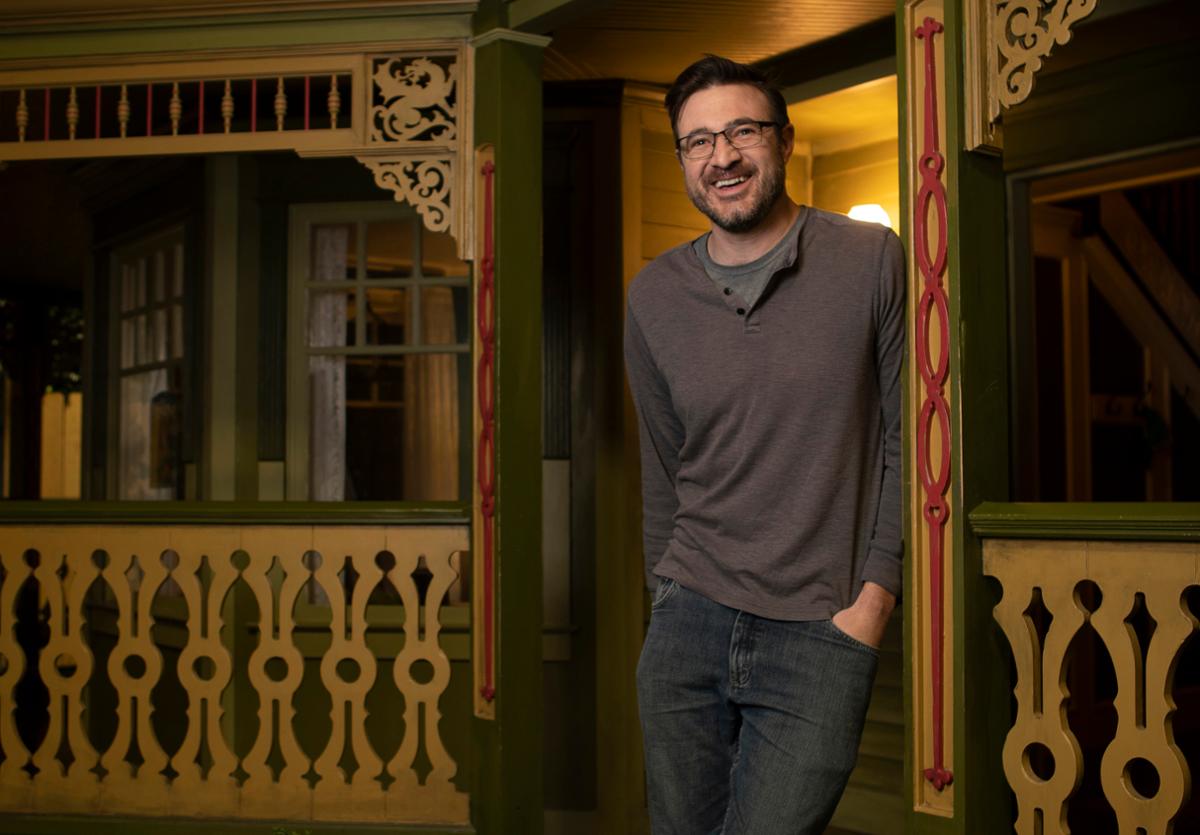
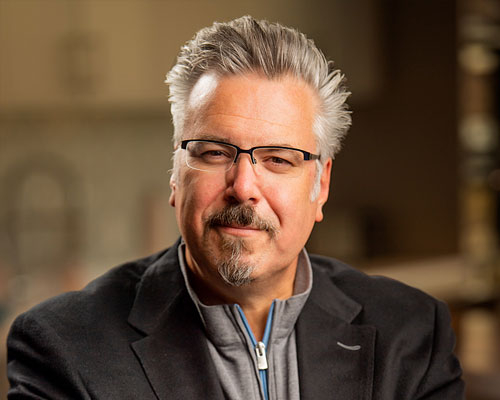
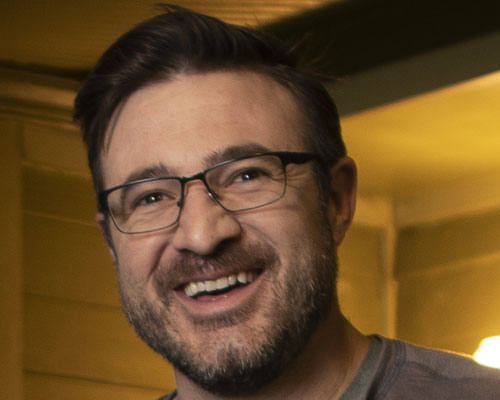
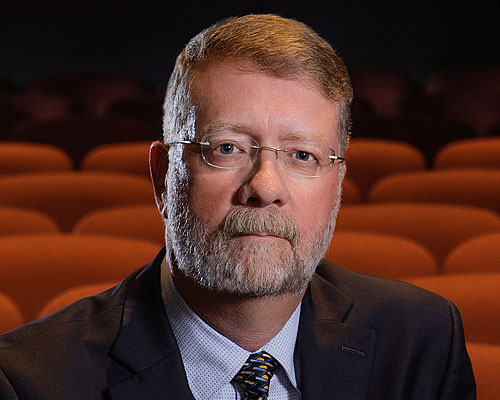
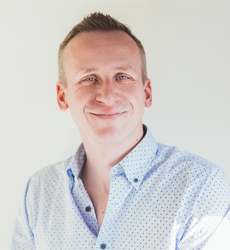
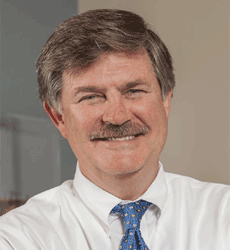
Vince Kadlubek is co-founder and director of Meow Wolf / Kate Russell Courtesy of Meow Wolf
When Meow Wolf opened House of Eternal Return in 2016, we had no idea how the world would respond.
The reason we created the exhibition was less about reaching massive audiences, and more directly focused on elevating the value of art and imagination in our world. We saw our business model as a more robust format for showcasing work from emerging artists.
Pretty quickly after opening our first permanent exhibition in Santa Fe, New Mexico, these intentions came to fruition. The Meow Wolf mission of empowering and valuing the artistic voice was validated practically overnight.
But what really surprised us was not that the concept was a better model for artists, but that the general public desired the Meow Wolf experience to such a high-degree. Sure, we expected Burners and EDM’ers and weirdos and freaks to flock to our exhibit, but never did we expect that soccer moms from Texas and the Midwest would road trip to New Mexico just to experience our bizarre and psychedelic art project. But they did, and they came in droves.
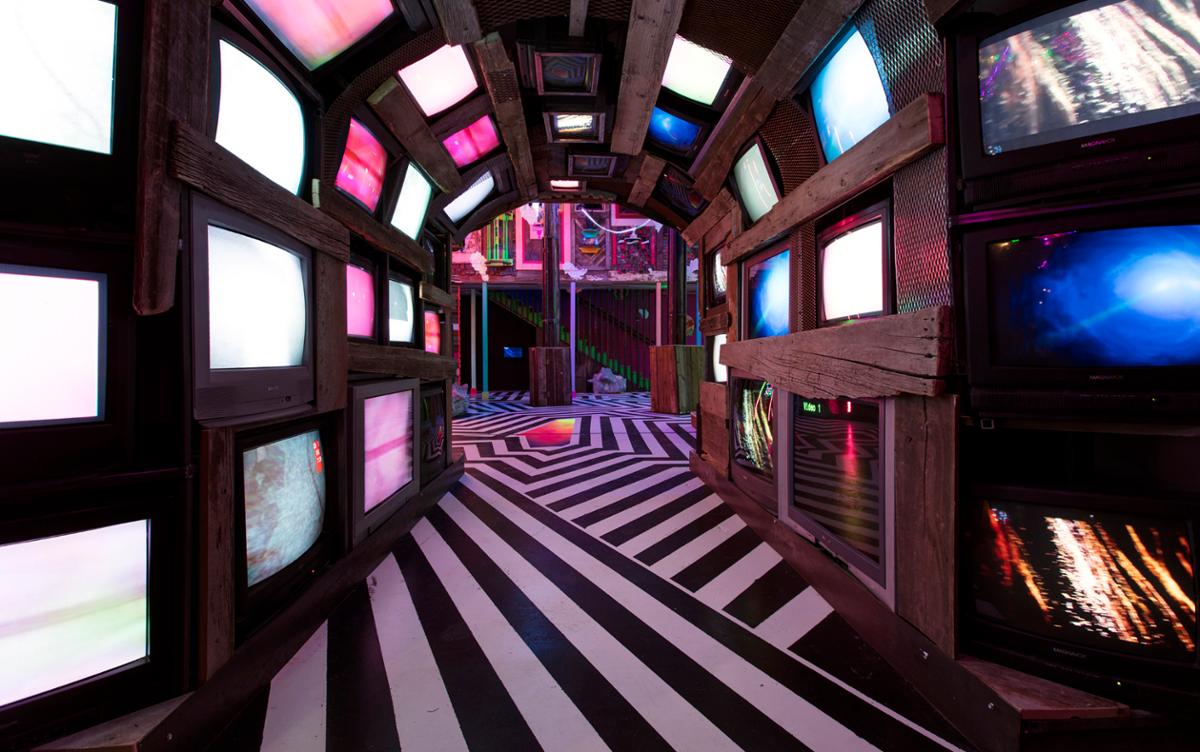
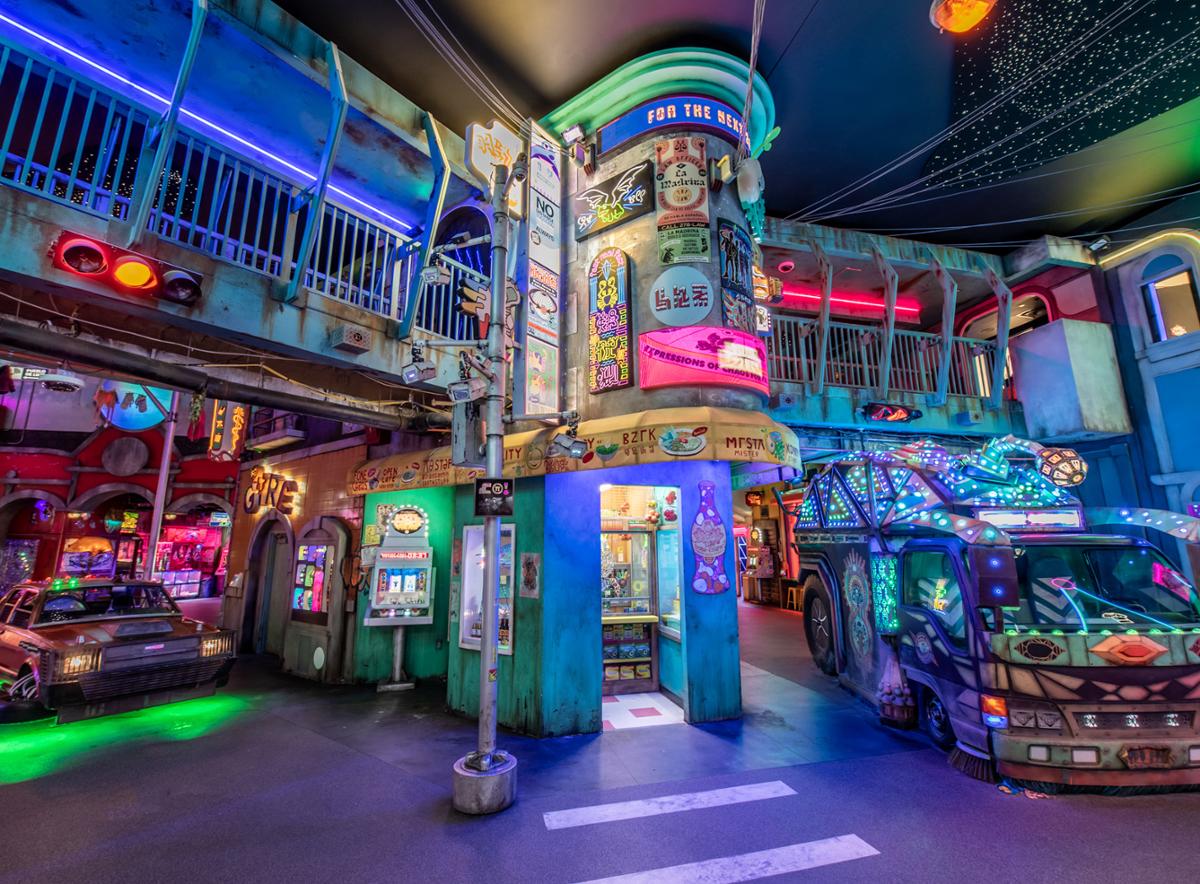
Think about it – Meow Wolf had zero brand awareness, zero recognisable IP associated with our work. We were not Star Wars, or Bugs Bunny, or Marvel. Meow Wolf was simply art; creative spaces that showcased the magic and ingenuity of artists.
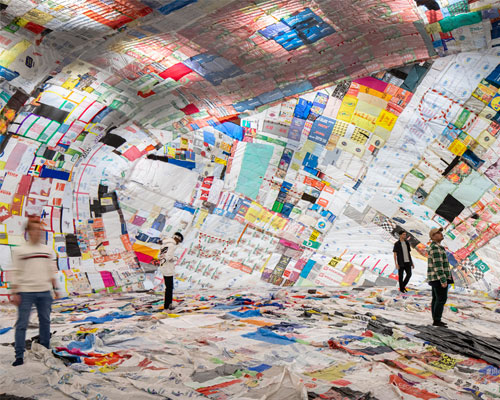
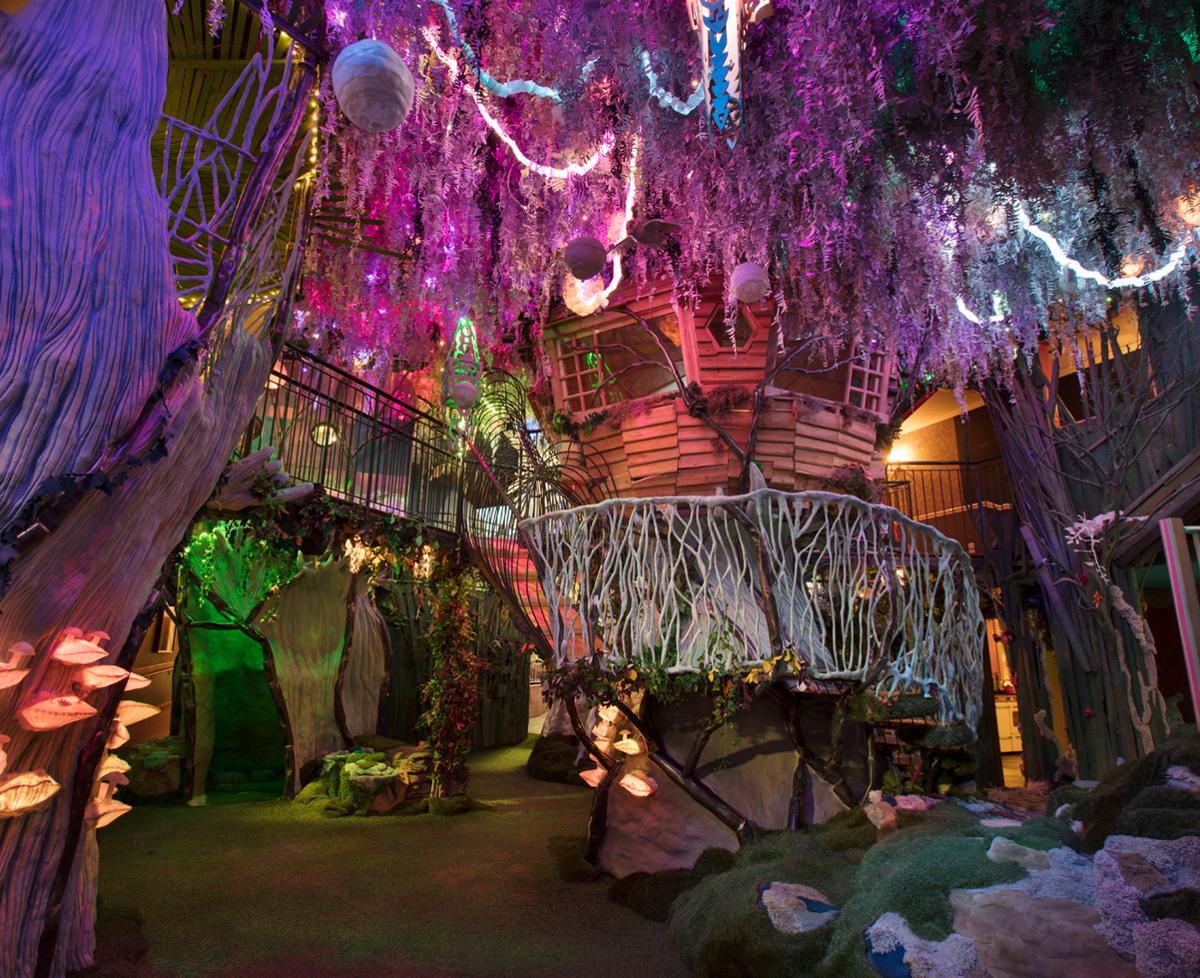
Our project was a collection of DIY sculptures made from recycled materials, hand-painted murals by previously unknown artists, independent music created by producers in their living room, and lighting that was designed by folks who were just barely learning the field.
As the CEO at the time, I was floored by the results we were seeing. Somehow Meow Wolf had unexpectedly exposed a long-ignored truth about humanity: People inherently crave creativity. As the traditional art world segmented and isolated itself over many generations by focusing on wealth and status, society began to assume that art was not something that the masses were very interested in. Instead we just assumed that art was only for the elite. Meow Wolf shifted this understanding in a radical way.
Not only did the general population crave artistic experiences, they were willing to pay decent admission prices. As I watched the numbers starting to roll into the business, I couldn’t help but to compare Meow Wolf to an industry that I am a huge fan of – amusement parks.
Audiences were flocking to our tiny, 30,000sq ft exhibit in Santa Fe to pay amusement park ticket prices for an experience that they only spent two hours at. And in order to get visitors to return for multiple visits, all we had to do was invest modestly in new art compared to building multi-million dollar rides every few years. Not only was our model disruptive to the traditional world of art, we threw into question so many assumptions around attractions in general.
I’m a huge fan of amusement parks and theme parks. I’ve been a card-carrying coaster enthusiast since I was 15 years old. So I immediately started imagining how the attractions industry could learn from Meow Wolf’s success. I landed on one simple question: What if the amusement park industry invested heavily in art?
This question solves so many issues simultaneously. For one, Meow Wolf proves that audiences really just want to experience the magic of the imagination when they visit attractions rather than the adrenaline and sugar rush that amusement parks have been so heavily focused on.
Amusement parks also have so much empty space; blank walls, pathways, giant monochrome structures, and empty gathering spaces that are perfect blank canvases for amazing creative work. Imagine just how many social media posts would come out of a guest’s visit if they had a bunch of cool art to look at. Plus, investing heavily in art could build a genuine relationship with local communities, activating a population of artists who would love to have their art showcased to park-goers.
This idea is not unlike the paradigm shift we’ve been seeing with food offerings at parks. Many parks across the US have began successfully implementing local food vendors, food trucks, and stands that deliver higher quality options, bring their park into the 21st century, and connect with local communities.
The most intriguing upside to this possibility would be the amount of opportunity that could be provided to artists around the world. Consider how much a park invests in giant coasters and rides every year. Now imagine if even just a fraction of that budget went to emerging artists instead. The uplifting of the creative class could be transformative, and something that the amusement park industry could proudly stand behind.
In 2019, Elitch Gardens in Denver collaborated with Meow Wolf to open the world’s first ‘art ride’, a dark ride refurbishment called Kaleidoscape that became their top attraction upon opening.
I’d love to see the day when going to an amusement park was actually a diversified cultural experience, home to some of the coolest pieces of art imaginable. When we think about how the industry could evolve to keep up with the interests of the consumer, art is a solution that’s not only magical but also provides incredible social impact and community engagement.
The evolution of the amusement park won’t be found through technology or continuing an arms race of building bigger machines, it will be through listening to the audience’s desire to be immersed in worlds of imagination. Those worlds are made possible by artists.
Value the artist, empower and invest in the artist. It will be the best investment you could possibly make.
Read more from this issue of Attractions Management magazine
View contents of Attractions Management 2022 issue 1
Editor's letter: Supersensory
With our growing insight into how to engage visitors’ more complex senses, it’s time for a new approach, says Magali Robathan
Immersive experiences: Joseph Wisne
Truly ambitious attractions providers need to push the boundaries of immersive design by engaging visitors’ senses of pain, danger, balance, justice and more, argues Roto’s CEO
Interview: Esther Dugdale
As the Burrell Collection relaunches and Eden Qingdao takes shape, Event’s creative director shares her tips for creating experiences that spark joy and curiosity
The arts: Room to grow
Could the space age, ultra flexible design of the new Taipei Performing Arts Center provide a model for future attractions spaces?
Museums: Ones to watch
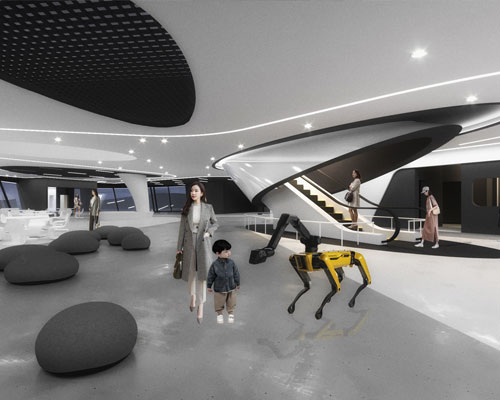
From an AI museum built by robots to the long-awaited Grand Egyptian Museum, we take a look at some exciting 2022 openings
Research: All of history
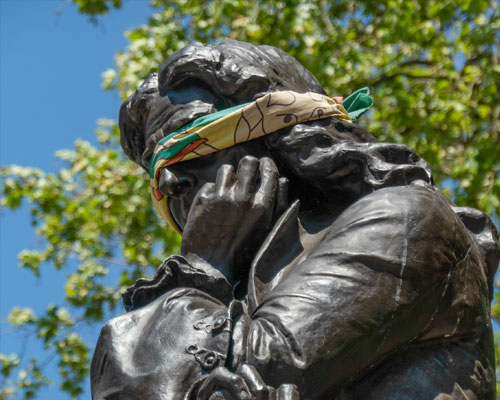
As demand for growing honesty in relation to links to slavery and colonialism grows, should attractions be open about their history? Jon Young investigates
Opinion: Vince Kadlubek
Art engages and delights visitors. Kadlubek argues that attractions should embrace and support artists and look for shared initiatives
Waterparks: Waves of change
As The Wave inland surf lake announces plans to open six more sites, we go along for a surf and a sit down with CEO Craig Stoddart
Experience economy: Joe Pine
Experience platforms represent one of the biggest growth opportunities in today’s experience economy, argues Joe Pine. Here’s how to get them right
Interview: Cale Heit
With new themed coasters open at Motiongate Dubai and some intruiging projects underway, Forrec is making the most of the pent up demand for shared experiences. CEO Cale Heit tells us more
The evolution of the amusement park
won’t come from technology or by
building bigger and better rides,
it will come from recognising
audience’s craving to be immersed
in worlds of imagination, says the
founder of Meow Wolf, Vince Kadlubek
Vince Kadlubek is co-founder and director of Meow Wolf / Kate Russell Courtesy of Meow Wolf
When Meow Wolf opened House of Eternal Return in 2016, we had no idea how the world would respond.
The reason we created the exhibition was less about reaching massive audiences, and more directly focused on elevating the value of art and imagination in our world. We saw our business model as a more robust format for showcasing work from emerging artists.
Pretty quickly after opening our first permanent exhibition in Santa Fe, New Mexico, these intentions came to fruition. The Meow Wolf mission of empowering and valuing the artistic voice was validated practically overnight.
But what really surprised us was not that the concept was a better model for artists, but that the general public desired the Meow Wolf experience to such a high-degree. Sure, we expected Burners and EDM’ers and weirdos and freaks to flock to our exhibit, but never did we expect that soccer moms from Texas and the Midwest would road trip to New Mexico just to experience our bizarre and psychedelic art project. But they did, and they came in droves.
Think about it – Meow Wolf had zero brand awareness, zero recognisable IP associated with our work. We were not Star Wars, or Bugs Bunny, or Marvel. Meow Wolf was simply art; creative spaces that showcased the magic and ingenuity of artists.
Our project was a collection of DIY sculptures made from recycled materials, hand-painted murals by previously unknown artists, independent music created by producers in their living room, and lighting that was designed by folks who were just barely learning the field.
As the CEO at the time, I was floored by the results we were seeing. Somehow Meow Wolf had unexpectedly exposed a long-ignored truth about humanity: People inherently crave creativity. As the traditional art world segmented and isolated itself over many generations by focusing on wealth and status, society began to assume that art was not something that the masses were very interested in. Instead we just assumed that art was only for the elite. Meow Wolf shifted this understanding in a radical way.
Not only did the general population crave artistic experiences, they were willing to pay decent admission prices. As I watched the numbers starting to roll into the business, I couldn’t help but to compare Meow Wolf to an industry that I am a huge fan of – amusement parks.
Audiences were flocking to our tiny, 30,000sq ft exhibit in Santa Fe to pay amusement park ticket prices for an experience that they only spent two hours at. And in order to get visitors to return for multiple visits, all we had to do was invest modestly in new art compared to building multi-million dollar rides every few years. Not only was our model disruptive to the traditional world of art, we threw into question so many assumptions around attractions in general.
I’m a huge fan of amusement parks and theme parks. I’ve been a card-carrying coaster enthusiast since I was 15 years old. So I immediately started imagining how the attractions industry could learn from Meow Wolf’s success. I landed on one simple question: What if the amusement park industry invested heavily in art?
This question solves so many issues simultaneously. For one, Meow Wolf proves that audiences really just want to experience the magic of the imagination when they visit attractions rather than the adrenaline and sugar rush that amusement parks have been so heavily focused on.
Amusement parks also have so much empty space; blank walls, pathways, giant monochrome structures, and empty gathering spaces that are perfect blank canvases for amazing creative work. Imagine just how many social media posts would come out of a guest’s visit if they had a bunch of cool art to look at. Plus, investing heavily in art could build a genuine relationship with local communities, activating a population of artists who would love to have their art showcased to park-goers.
This idea is not unlike the paradigm shift we’ve been seeing with food offerings at parks. Many parks across the US have began successfully implementing local food vendors, food trucks, and stands that deliver higher quality options, bring their park into the 21st century, and connect with local communities.
The most intriguing upside to this possibility would be the amount of opportunity that could be provided to artists around the world. Consider how much a park invests in giant coasters and rides every year. Now imagine if even just a fraction of that budget went to emerging artists instead. The uplifting of the creative class could be transformative, and something that the amusement park industry could proudly stand behind.
In 2019, Elitch Gardens in Denver collaborated with Meow Wolf to open the world’s first ‘art ride’, a dark ride refurbishment called Kaleidoscape that became their top attraction upon opening.
I’d love to see the day when going to an amusement park was actually a diversified cultural experience, home to some of the coolest pieces of art imaginable. When we think about how the industry could evolve to keep up with the interests of the consumer, art is a solution that’s not only magical but also provides incredible social impact and community engagement.
The evolution of the amusement park won’t be found through technology or continuing an arms race of building bigger machines, it will be through listening to the audience’s desire to be immersed in worlds of imagination. Those worlds are made possible by artists.
Value the artist, empower and invest in the artist. It will be the best investment you could possibly make.
Read more from this issue of Attractions Management magazine
View contents of Attractions Management 2022 issue 1
Editor's letter: Supersensory
With our growing insight into how to engage visitors’ more complex senses, it’s time for a new approach, says Magali Robathan
Immersive experiences: Joseph Wisne
Truly ambitious attractions providers need to push the boundaries of immersive design by engaging visitors’ senses of pain, danger, balance, justice and more, argues Roto’s CEO
Interview: Esther Dugdale
As the Burrell Collection relaunches and Eden Qingdao takes shape, Event’s creative director shares her tips for creating experiences that spark joy and curiosity
The arts: Room to grow
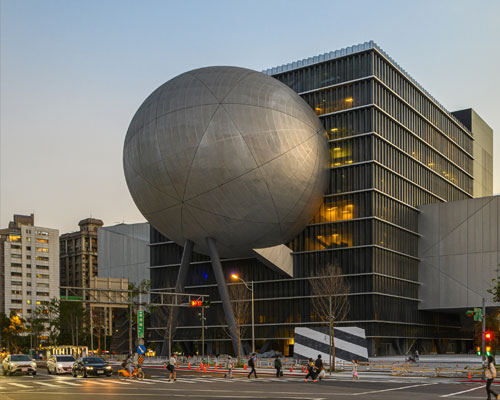
Could the space age, ultra flexible design of the new Taipei Performing Arts Center provide a model for future attractions spaces?
Museums: Ones to watch
From an AI museum built by robots to the long-awaited Grand Egyptian Museum, we take a look at some exciting 2022 openings
Research: All of history
As demand for growing honesty in relation to links to slavery and colonialism grows, should attractions be open about their history? Jon Young investigates
Opinion: Vince Kadlubek
Art engages and delights visitors. Kadlubek argues that attractions should embrace and support artists and look for shared initiatives
Waterparks: Waves of change
As The Wave inland surf lake announces plans to open six more sites, we go along for a surf and a sit down with CEO Craig Stoddart
Experience economy: Joe Pine
Experience platforms represent one of the biggest growth opportunities in today’s experience economy, argues Joe Pine. Here’s how to get them right
Interview: Cale Heit
With new themed coasters open at Motiongate Dubai and some intruiging projects underway, Forrec is making the most of the pent up demand for shared experiences. CEO Cale Heit tells us more
OMA has completed a major transformation of New York's New Museum, creating a larger
cultural campus that combines expanded exhibition spaces with learning, performance,
hospitality and public programming.
A US$50 million (£44.2 million, €51.2 million) transformation of Chicago's historic McCormick
Mansion has created a new destination that combines live magic, immersive theatre, dining and
private membership under one roof.
The Montana Historical Society has officially celebrated the opening of its new Montana
Heritage
Center, a US$107 million (£79 million, €92 million) destination that combines immersive
storytelling with cutting-edge audiovisual technology to bring the sta
San Antonio Zoo has reported a US$283 million economic impact for 2025, following a decade-
long transformation programme that has seen almost US$200 million invested into the Texas
attraction.
Plans for the AU$180 million redevelopment of Reef HQ Aquarium in Townsville, Australia, are
progressing, with the project set to transform the attraction into a global centre for reef
education and conservation.
Abu Dhabi-based investment firm Mubadala Capital has made a binding, fully financed
€1 billion
offer to acquire Pierre and Vacances SA, the European holiday resort operator behind the
continental European Center Parcs business.
Disney has reaffirmed its commitment to investing US$30 billion in its US parks and cruise
business by 2033, using new America250 celebrations to underline the role its attractions play
in supporting jobs, tourism and economic growth.
Expo 2030 Riyadh is being planned as a permanent visitor destination, with organisers
confirming the six-million-square-metre site will become a Global Village after the event closes.
The owner of one of Australia's best-known waterparks has acquired a major competitor,
creating a new attractions business spanning two of the country's largest visitor destinations.
The Toverland theme park in the Netherlands has announced a €98m expansion programme
that will add a resort, new attractions and staff facilities as it pursues plans to become a multi-
day destination.
+ More news
COMPANY PROFILES
Painting With Light By combining lighting, video, scenic and architectural elements, sound and special effects we tell s [more...]
QubicaAMF UK QubicaAMF is the largest and most
innovative bowling equipment provider with
600 employees worldwi [more...]
Polin Waterparks Polin was founded in Istanbul in 1976. Polin
has since grown into a leading company in
the waterpa [more...]
Sally Corporation Our services include: Dark ride design & build; Redevelopment of existing attractions; High-quality [more...]