Could the futuristic,
ultra-flexible architecture
of the Taipei Performing
Arts Center herald a shake up
in the design of performance
and exhibition spaces?
Magali Robathan takes a look
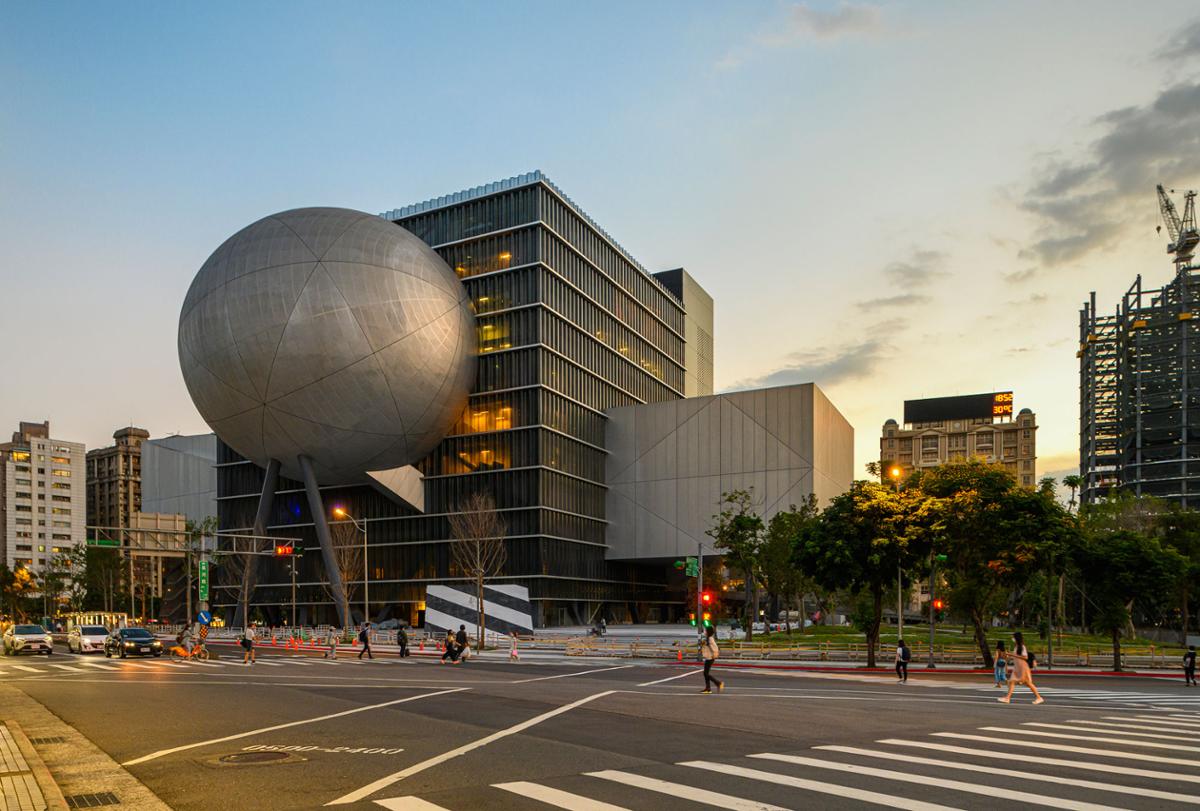
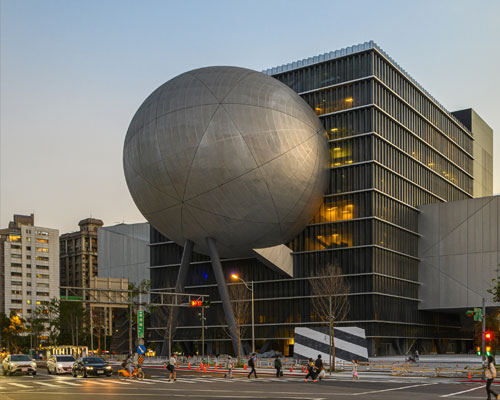
The Globe Playhouse was designed to resemble “a planet docking against the cube” / Shephotoerd Co. Photography, courtesy of OMA
The long-awaited Taipei Performing Arts Center in Taiwan has been completed.
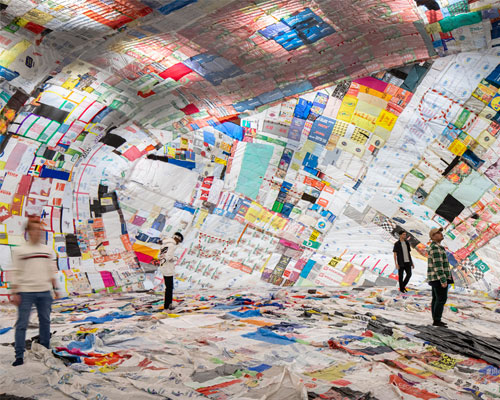
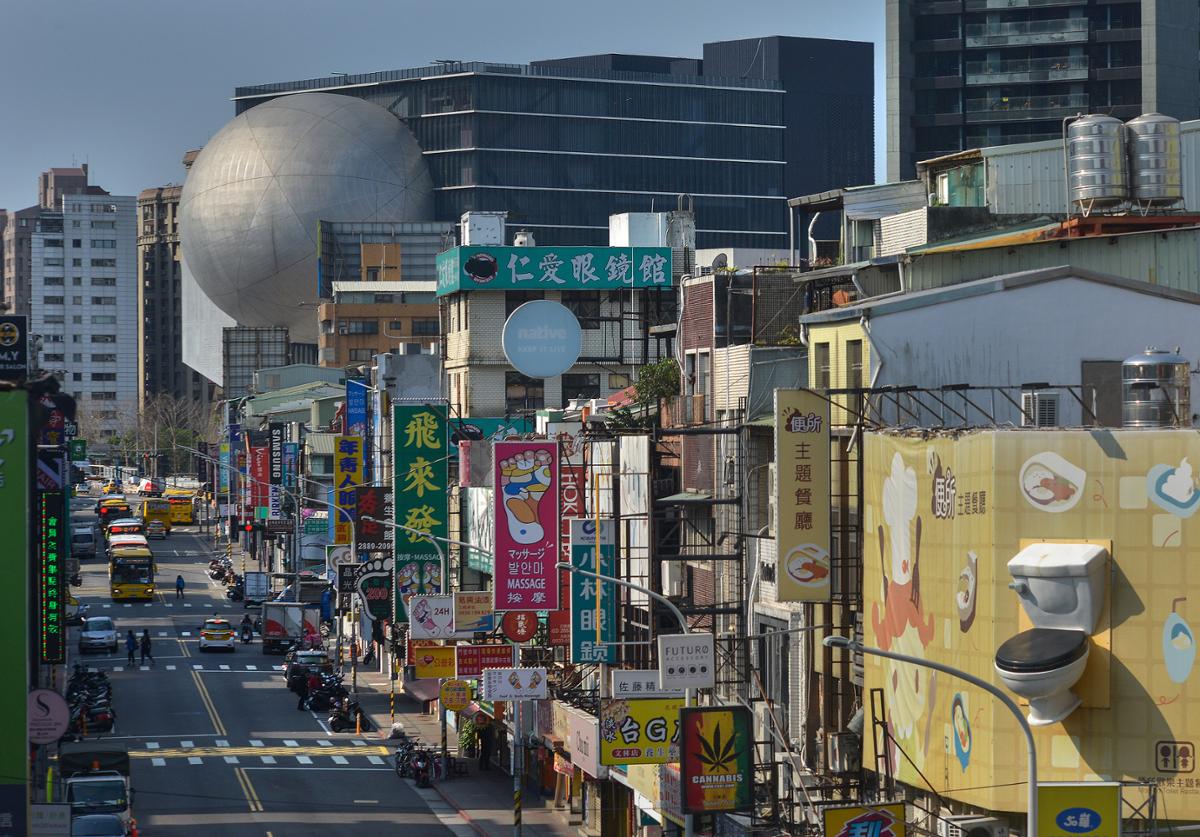
Created by a team led by Rem Koolhaas and David Gianotten at OMA with local architect, Kris Yao, the 59,000sq m cultural centre has been designed as a highly flexible space suitable for the most experimental performances, and features “three theatres plugged into a central cube,” according to Gianotten. The theatres can be merged or modified, making them suitable for a whole host of different “unimagined and spontaneous forms.”
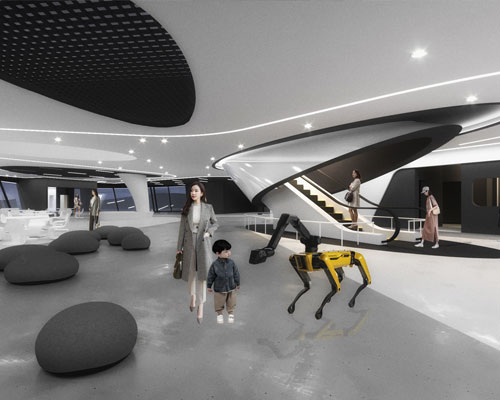
The general public can access a Public Loop, which runs through the theatre’s infrastructure production spaces – portal windows allow them to peek at performances and the technical spaces in between the theatres.
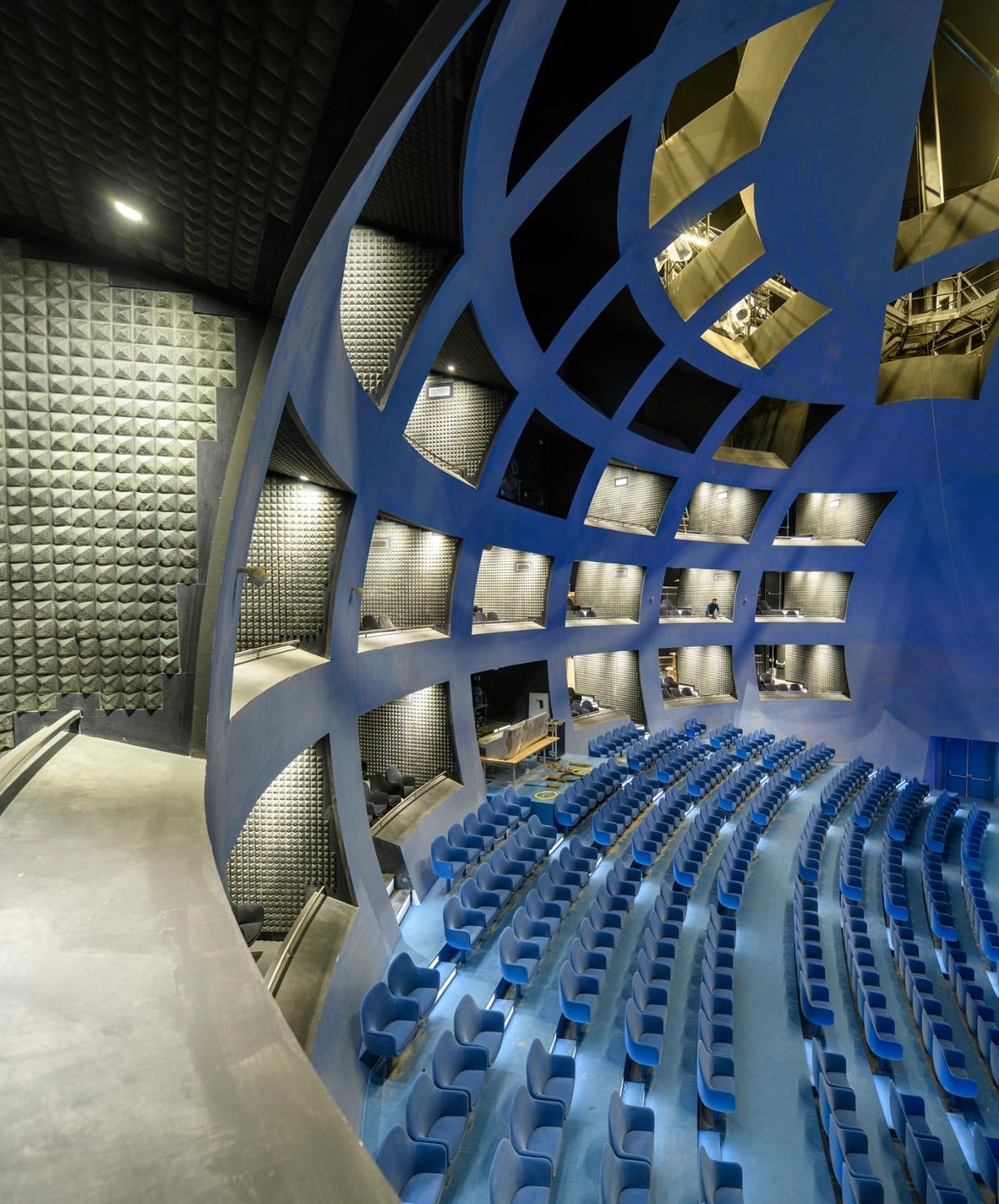
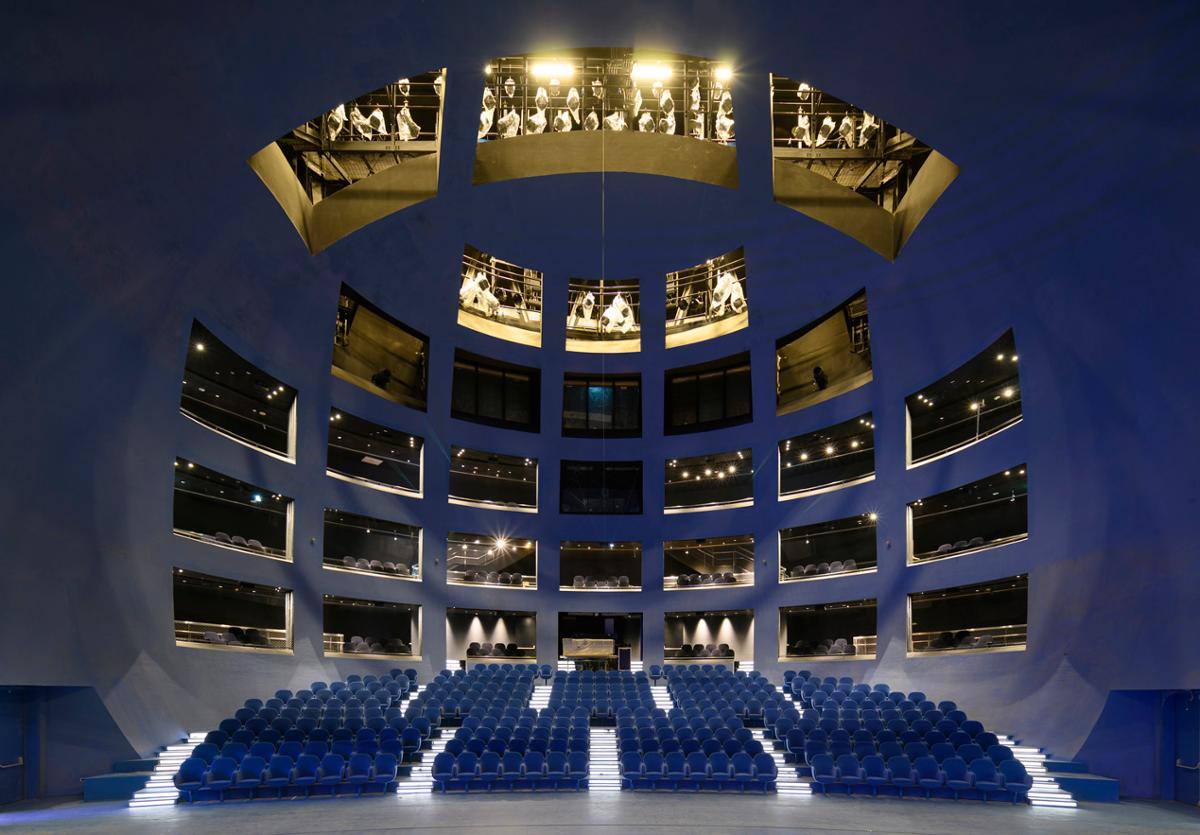
The spherical 800-seat Globe Playhouse, with an inner and an outer shell, “resembles a planet docking against the cube,” according to the architects. The intersection between the inner shell and the cube forms a unique proscenium for experimentation with stage framing.
The Grand Theater is a 1,500-seat theatre space for different performing arts genres. Opposite to it, on the same level, is the 840-seat Blue Box for the most experimental performances. When coupled, the two theatres become a Super Theater – a huge, factory-style space that can accommodate productions and events “otherwise only possible in found spaces”.
A new landscaped plaza beneath the theatre offers a further gathering space.
The centre is due to open to the public in August 2022 following a series of test performances.
Credit: OMA
"We wanted to contribute
to the history of the
theatre and we’re
interested to see how
this architecture will
extend what we
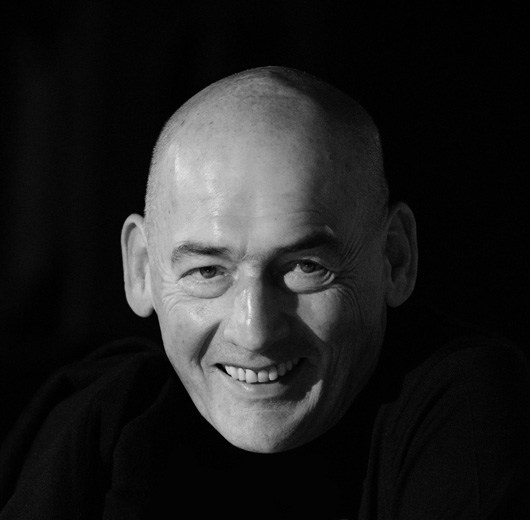
can do in theatres" – Rem Koolhaas
Credit: Fred Ernst
"We’re excited by how
the building constantly
generates new
relationships between
artists, spectators,
and the public" –
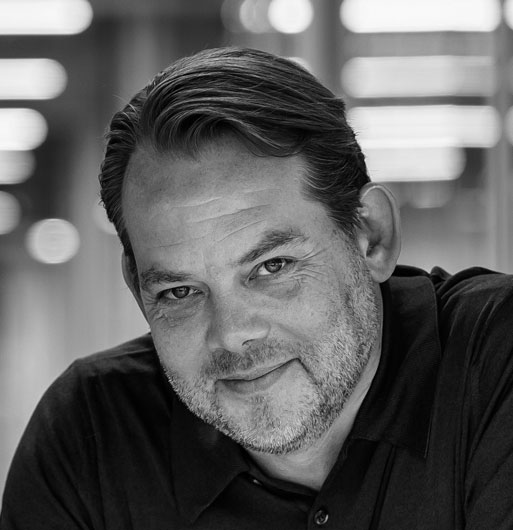
David Gianotten
"This building sits at
the centre of the
plebian life of Taipei.
Its informal,
unpretentious,
raw architecture
echoes the spirits of
how the citizens of
Taipei approach art" –
Kris Yao
Read more from this issue of Attractions Management magazine
View contents of Attractions Management 2022 issue 1
Editor's letter: Supersensory
With our growing insight into how to engage visitors’ more complex senses, it’s time for a new approach, says Magali Robathan
Immersive experiences: Joseph Wisne
Truly ambitious attractions providers need to push the boundaries of immersive design by engaging visitors’ senses of pain, danger, balance, justice and more, argues Roto’s CEO
Interview: Esther Dugdale
As the Burrell Collection relaunches and Eden Qingdao takes shape, Event’s creative director shares her tips for creating experiences that spark joy and curiosity
The arts: Room to grow
Could the space age, ultra flexible design of the new Taipei Performing Arts Center provide a model for future attractions spaces?
Museums: Ones to watch
From an AI museum built by robots to the long-awaited Grand Egyptian Museum, we take a look at some exciting 2022 openings
Research: All of history
As demand for growing honesty in relation to links to slavery and colonialism grows, should attractions be open about their history? Jon Young investigates
Opinion: Vince Kadlubek
Art engages and delights visitors. Kadlubek argues that attractions should embrace and support artists and look for shared initiatives
Waterparks: Waves of change
As The Wave inland surf lake announces plans to open six more sites, we go along for a surf and a sit down with CEO Craig Stoddart
Experience economy: Joe Pine
Experience platforms represent one of the biggest growth opportunities in today’s experience economy, argues Joe Pine. Here’s how to get them right
Interview: Cale Heit
With new themed coasters open at Motiongate Dubai and some intruiging projects underway, Forrec is making the most of the pent up demand for shared experiences. CEO Cale Heit tells us more
Could the futuristic,
ultra-flexible architecture
of the Taipei Performing
Arts Center herald a shake up
in the design of performance
and exhibition spaces?
Magali Robathan takes a look
The Globe Playhouse was designed to resemble “a planet docking against the cube” / Shephotoerd Co. Photography, courtesy of OMA
The long-awaited Taipei Performing Arts Center in Taiwan has been completed.
Created by a team led by Rem Koolhaas and David Gianotten at OMA with local architect, Kris Yao, the 59,000sq m cultural centre has been designed as a highly flexible space suitable for the most experimental performances, and features “three theatres plugged into a central cube,” according to Gianotten. The theatres can be merged or modified, making them suitable for a whole host of different “unimagined and spontaneous forms.”
The general public can access a Public Loop, which runs through the theatre’s infrastructure production spaces – portal windows allow them to peek at performances and the technical spaces in between the theatres.
The spherical 800-seat Globe Playhouse, with an inner and an outer shell, “resembles a planet docking against the cube,” according to the architects. The intersection between the inner shell and the cube forms a unique proscenium for experimentation with stage framing.
The Grand Theater is a 1,500-seat theatre space for different performing arts genres. Opposite to it, on the same level, is the 840-seat Blue Box for the most experimental performances. When coupled, the two theatres become a Super Theater – a huge, factory-style space that can accommodate productions and events “otherwise only possible in found spaces”.
A new landscaped plaza beneath the theatre offers a further gathering space.
The centre is due to open to the public in August 2022 following a series of test performances.
Credit: OMA
"We wanted to contribute
to the history of the
theatre and we’re
interested to see how
this architecture will
extend what we
can do in theatres" – Rem Koolhaas
Credit: Fred Ernst
"We’re excited by how
the building constantly
generates new
relationships between
artists, spectators,
and the public" –
David Gianotten
"This building sits at
the centre of the
plebian life of Taipei.
Its informal,
unpretentious,
raw architecture
echoes the spirits of
how the citizens of
Taipei approach art" –
Kris Yao
Read more from this issue of Attractions Management magazine
View contents of Attractions Management 2022 issue 1
Editor's letter: Supersensory
With our growing insight into how to engage visitors’ more complex senses, it’s time for a new approach, says Magali Robathan
Immersive experiences: Joseph Wisne
Truly ambitious attractions providers need to push the boundaries of immersive design by engaging visitors’ senses of pain, danger, balance, justice and more, argues Roto’s CEO
Interview: Esther Dugdale
As the Burrell Collection relaunches and Eden Qingdao takes shape, Event’s creative director shares her tips for creating experiences that spark joy and curiosity
The arts: Room to grow
Could the space age, ultra flexible design of the new Taipei Performing Arts Center provide a model for future attractions spaces?
Museums: Ones to watch
From an AI museum built by robots to the long-awaited Grand Egyptian Museum, we take a look at some exciting 2022 openings
Research: All of history
As demand for growing honesty in relation to links to slavery and colonialism grows, should attractions be open about their history? Jon Young investigates
Opinion: Vince Kadlubek
Art engages and delights visitors. Kadlubek argues that attractions should embrace and support artists and look for shared initiatives
Waterparks: Waves of change
As The Wave inland surf lake announces plans to open six more sites, we go along for a surf and a sit down with CEO Craig Stoddart
Experience economy: Joe Pine
Experience platforms represent one of the biggest growth opportunities in today’s experience economy, argues Joe Pine. Here’s how to get them right
Interview: Cale Heit
With new themed coasters open at Motiongate Dubai and some intruiging projects underway, Forrec is making the most of the pent up demand for shared experiences. CEO Cale Heit tells us more
OMA has completed a major transformation of New York's New Museum, creating a larger
cultural campus that combines expanded exhibition spaces with learning, performance,
hospitality and public programming.
A US$50 million (£44.2 million, €51.2 million) transformation of Chicago's historic McCormick
Mansion has created a new destination that combines live magic, immersive theatre, dining and
private membership under one roof.
The Montana Historical Society has officially celebrated the opening of its new Montana
Heritage
Center, a US$107 million (£79 million, €92 million) destination that combines immersive
storytelling with cutting-edge audiovisual technology to bring the sta
San Antonio Zoo has reported a US$283 million economic impact for 2025, following a decade-
long transformation programme that has seen almost US$200 million invested into the Texas
attraction.
Plans for the AU$180 million redevelopment of Reef HQ Aquarium in Townsville, Australia, are
progressing, with the project set to transform the attraction into a global centre for reef
education and conservation.
Abu Dhabi-based investment firm Mubadala Capital has made a binding, fully financed
€1 billion
offer to acquire Pierre and Vacances SA, the European holiday resort operator behind the
continental European Center Parcs business.
Disney has reaffirmed its commitment to investing US$30 billion in its US parks and cruise
business by 2033, using new America250 celebrations to underline the role its attractions play
in supporting jobs, tourism and economic growth.
Expo 2030 Riyadh is being planned as a permanent visitor destination, with organisers
confirming the six-million-square-metre site will become a Global Village after the event closes.
The owner of one of Australia's best-known waterparks has acquired a major competitor,
creating a new attractions business spanning two of the country's largest visitor destinations.
The Toverland theme park in the Netherlands has announced a €98m expansion programme
that will add a resort, new attractions and staff facilities as it pursues plans to become a multi-
day destination.