Experience platforms are one of
the biggest growth opportunities
in today’s experience economy, says
author and thought leader Joe Pine.
He explains how to approach them
Pine co-authored The Experience Economy with James Gilmore / Rod Evans
Platforms – places where buyers and sellers come together to exchange money for offerings – are not a new phenomenon, at least not in the physical world. Commodities have been sold in farmers markets forever.
High streets and shopping centres have long provided platforms for tangible goods, while malls were more a place for services, such as shoe repair and dry cleaners.
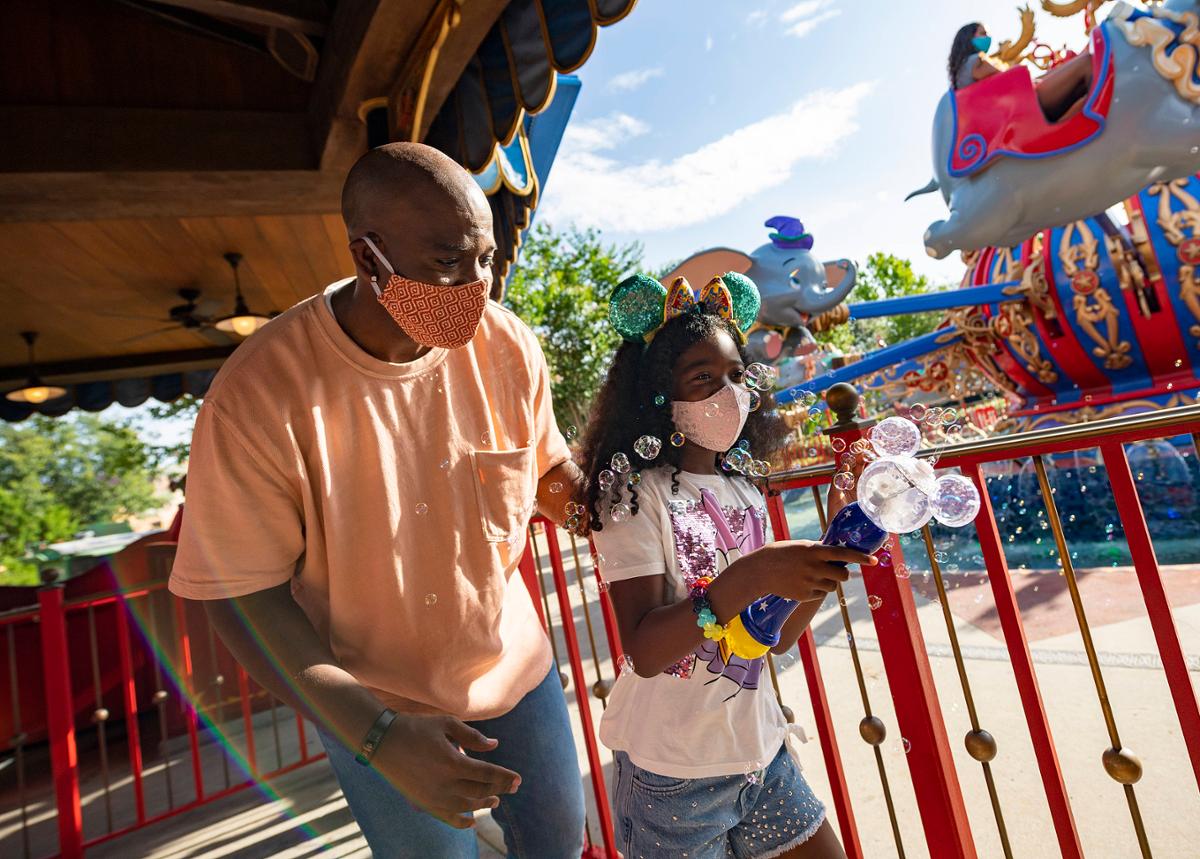
Disneyland is itself a platform, bringing together numerous experiences in one place for guests to enjoy and remember (even if an operational platform, rather than one with offerings from many different suppliers.)
Digital technology has amped up the power and network effects of such transactional platforms, enabling millions and potentially billions of buyers to connect with a boundless number of sellers. Amazon and eBay were early pioneers of goods platforms on the Internet, while Royal FloraHolland switched its commodity flower auctions to digital decades ago. Digital service platforms proliferate across most industries, from Uber to Fiverr to Grubhub, Bumble, Venmo and on and on the list grows.
And, increasingly, digital platforms offer experiences. Think of Airbnb, which originally sold access to a sofa, a room, a house, but in 2016 created Airbnb Experiences to enable those staying in Airbnb host properties to connect with local experience stagers, particularly those that made guests feel like a local in their visited locale.
Think of the value unleashed – consumers gained easier access to a better overarching experience; local experience stagers gained easier access to a set of consumers eager to experience the locale; and Airbnb got a piece of every transaction.
When the pandemic hit and the platform pivoted to digital experiences, this enabled Airbnb to continue garnering income, while saving many companies that would have gone under without visitors, and saving the sanity of many consumers.
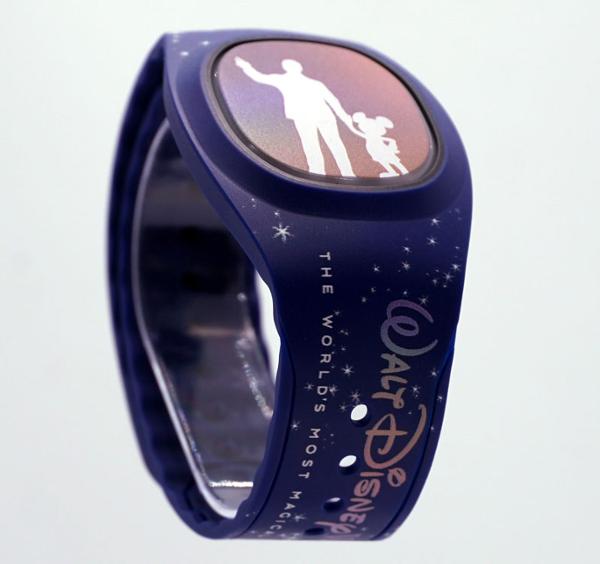
Operational Experience Platforms Earlier I described Disneyland as a physical operational platform because it wasn’t multisided like all of the rest above: The Walt Disney Company is not the only experience stager with offerings in the space. It also was one of the first to offer a digital operational platform with its MyMagic+ system in 2013, enabling visitors to connect to, buy, and operate experiences (as well as many services on which the experiences were built, such as park admission and hotel room entry). Guests particularly interacted with it through the IoT device the company created, MagicBand.
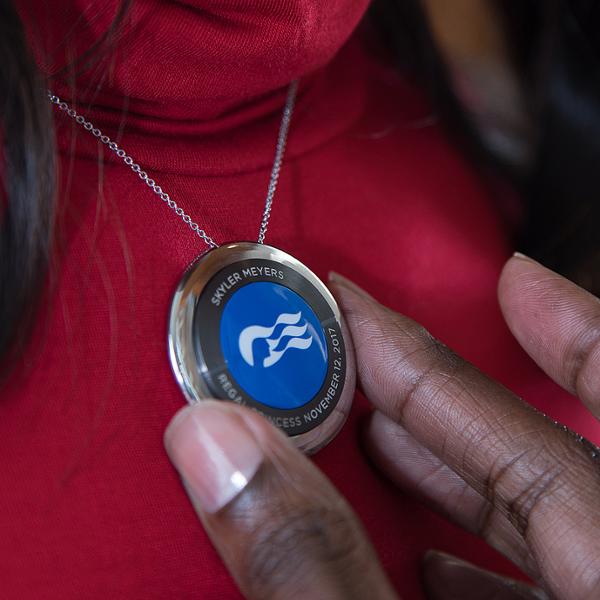
John Padgett, one of the original five members on the project, eventually left for Carnival Corp. where at the Consumer Electronics Show in 2017 he and CEO Arnold Donald announced the Ocean Medallion. This operational experience platform set a new bar for its incredible degree of customisation, enabling every crew member to greet and interact with every guest by name and act on their preferences.
The platform creates a mass customised itinerary for each guest and party and as it learns more – creating what Carnival calls a “guest genome” – it can send out personal experience invitations to enhance itineraries. The Ocean Medallion can even learn things such as when a guest is on the pool deck with his kids his favorite drink is iced tea with no lemon; in the bar with his buddies it’s a mojito; and in the restaurant with his spouse it’s a glass of Shiraz.
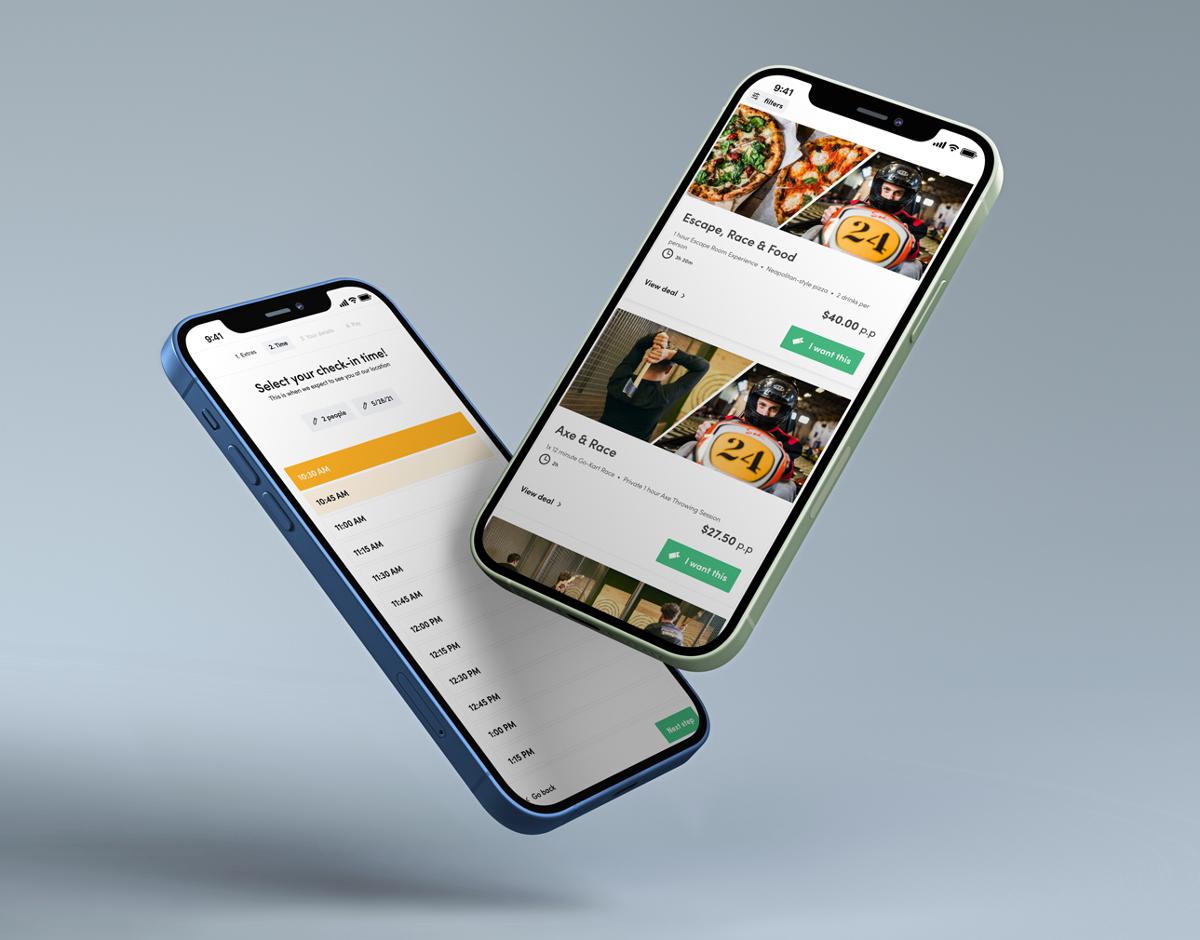
Find your role to play in experience platforms Many companies, such as Briq Bookings, accesso, and Holovis are now providing experience platforms that attractions can customise and deploy to their own operations. Every theme park, amusement, family entertainment centre, or attraction of any significant size should be looking at how it can embrace such platforms to enhance and customise operations to each individual guest.
Don’t neglect your presence on the multisided transactional platforms such as Airbnb, Amazon Explore, Red Balloon and Virgin Experience Days – on and on that list goes. (I think there is at least one operating in nearly every country in the world.) They can be great ways to be discovered and booked by consumers, both local and global.
And despite the tremendous growth in all these kinds of platforms, there’s room for many more. The Experience Economy is set to grow tremendously, for the one thing we learned for sure from the pandemic is that, at least in the developed world, we don’t need more stuff. What gives life meaning is the shared experiences we have with our family, our loved ones, our friends, our colleagues, and even with complete strangers.
Experience platforms can connect us to these meaningful experiences, and power, enhance, and customise them to our individual wants, needs, and desires.
Read more from this issue of Attractions Management magazine
View contents of Attractions Management 2022 issue 1
Editor's letter: Supersensory
With our growing insight into how to engage visitors’ more complex senses, it’s time for a new approach, says Magali Robathan
Immersive experiences: Joseph Wisne
Truly ambitious attractions providers need to push the boundaries of immersive design by engaging visitors’ senses of pain, danger, balance, justice and more, argues Roto’s CEO
Interview: Esther Dugdale
As the Burrell Collection relaunches and Eden Qingdao takes shape, Event’s creative director shares her tips for creating experiences that spark joy and curiosity
The arts: Room to grow
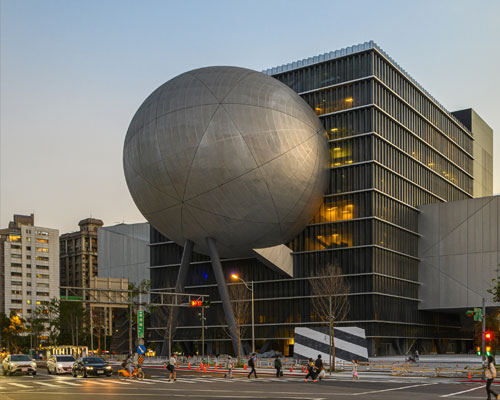
Could the space age, ultra flexible design of the new Taipei Performing Arts Center provide a model for future attractions spaces?
Museums: Ones to watch
From an AI museum built by robots to the long-awaited Grand Egyptian Museum, we take a look at some exciting 2022 openings
Research: All of history
As demand for growing honesty in relation to links to slavery and colonialism grows, should attractions be open about their history? Jon Young investigates
Opinion: Vince Kadlubek
Art engages and delights visitors. Kadlubek argues that attractions should embrace and support artists and look for shared initiatives
Waterparks: Waves of change
As The Wave inland surf lake announces plans to open six more sites, we go along for a surf and a sit down with CEO Craig Stoddart
Experience economy: Joe Pine
Experience platforms represent one of the biggest growth opportunities in today’s experience economy, argues Joe Pine. Here’s how to get them right
Interview: Cale Heit
With new themed coasters open at Motiongate Dubai and some intruiging projects underway, Forrec is making the most of the pent up demand for shared experiences. CEO Cale Heit tells us more
Experience platforms are one of
the biggest growth opportunities
in today’s experience economy, says
author and thought leader Joe Pine.
He explains how to approach them
Pine co-authored The Experience Economy with James Gilmore / Rod Evans
Platforms – places where buyers and sellers come together to exchange money for offerings – are not a new phenomenon, at least not in the physical world. Commodities have been sold in farmers markets forever.
High streets and shopping centres have long provided platforms for tangible goods, while malls were more a place for services, such as shoe repair and dry cleaners.
Disneyland is itself a platform, bringing together numerous experiences in one place for guests to enjoy and remember (even if an operational platform, rather than one with offerings from many different suppliers.)
Digital technology has amped up the power and network effects of such transactional platforms, enabling millions and potentially billions of buyers to connect with a boundless number of sellers. Amazon and eBay were early pioneers of goods platforms on the Internet, while Royal FloraHolland switched its commodity flower auctions to digital decades ago. Digital service platforms proliferate across most industries, from Uber to Fiverr to Grubhub, Bumble, Venmo and on and on the list grows.
And, increasingly, digital platforms offer experiences. Think of Airbnb, which originally sold access to a sofa, a room, a house, but in 2016 created Airbnb Experiences to enable those staying in Airbnb host properties to connect with local experience stagers, particularly those that made guests feel like a local in their visited locale.
Think of the value unleashed – consumers gained easier access to a better overarching experience; local experience stagers gained easier access to a set of consumers eager to experience the locale; and Airbnb got a piece of every transaction.
When the pandemic hit and the platform pivoted to digital experiences, this enabled Airbnb to continue garnering income, while saving many companies that would have gone under without visitors, and saving the sanity of many consumers.
Operational Experience Platforms Earlier I described Disneyland as a physical operational platform because it wasn’t multisided like all of the rest above: The Walt Disney Company is not the only experience stager with offerings in the space. It also was one of the first to offer a digital operational platform with its MyMagic+ system in 2013, enabling visitors to connect to, buy, and operate experiences (as well as many services on which the experiences were built, such as park admission and hotel room entry). Guests particularly interacted with it through the IoT device the company created, MagicBand.
John Padgett, one of the original five members on the project, eventually left for Carnival Corp. where at the Consumer Electronics Show in 2017 he and CEO Arnold Donald announced the Ocean Medallion. This operational experience platform set a new bar for its incredible degree of customisation, enabling every crew member to greet and interact with every guest by name and act on their preferences.
The platform creates a mass customised itinerary for each guest and party and as it learns more – creating what Carnival calls a “guest genome” – it can send out personal experience invitations to enhance itineraries. The Ocean Medallion can even learn things such as when a guest is on the pool deck with his kids his favorite drink is iced tea with no lemon; in the bar with his buddies it’s a mojito; and in the restaurant with his spouse it’s a glass of Shiraz.
Find your role to play in experience platforms Many companies, such as Briq Bookings, accesso, and Holovis are now providing experience platforms that attractions can customise and deploy to their own operations. Every theme park, amusement, family entertainment centre, or attraction of any significant size should be looking at how it can embrace such platforms to enhance and customise operations to each individual guest.
Don’t neglect your presence on the multisided transactional platforms such as Airbnb, Amazon Explore, Red Balloon and Virgin Experience Days – on and on that list goes. (I think there is at least one operating in nearly every country in the world.) They can be great ways to be discovered and booked by consumers, both local and global.
And despite the tremendous growth in all these kinds of platforms, there’s room for many more. The Experience Economy is set to grow tremendously, for the one thing we learned for sure from the pandemic is that, at least in the developed world, we don’t need more stuff. What gives life meaning is the shared experiences we have with our family, our loved ones, our friends, our colleagues, and even with complete strangers.
Experience platforms can connect us to these meaningful experiences, and power, enhance, and customise them to our individual wants, needs, and desires.
Read more from this issue of Attractions Management magazine
View contents of Attractions Management 2022 issue 1
Editor's letter: Supersensory
With our growing insight into how to engage visitors’ more complex senses, it’s time for a new approach, says Magali Robathan
Immersive experiences: Joseph Wisne
Truly ambitious attractions providers need to push the boundaries of immersive design by engaging visitors’ senses of pain, danger, balance, justice and more, argues Roto’s CEO
Interview: Esther Dugdale
As the Burrell Collection relaunches and Eden Qingdao takes shape, Event’s creative director shares her tips for creating experiences that spark joy and curiosity
The arts: Room to grow
Could the space age, ultra flexible design of the new Taipei Performing Arts Center provide a model for future attractions spaces?
Museums: Ones to watch
From an AI museum built by robots to the long-awaited Grand Egyptian Museum, we take a look at some exciting 2022 openings
Research: All of history
As demand for growing honesty in relation to links to slavery and colonialism grows, should attractions be open about their history? Jon Young investigates
Opinion: Vince Kadlubek
Art engages and delights visitors. Kadlubek argues that attractions should embrace and support artists and look for shared initiatives
Waterparks: Waves of change
As The Wave inland surf lake announces plans to open six more sites, we go along for a surf and a sit down with CEO Craig Stoddart
Experience economy: Joe Pine
Experience platforms represent one of the biggest growth opportunities in today’s experience economy, argues Joe Pine. Here’s how to get them right
Interview: Cale Heit
With new themed coasters open at Motiongate Dubai and some intruiging projects underway, Forrec is making the most of the pent up demand for shared experiences. CEO Cale Heit tells us more
OMA has completed a major transformation of New York's New Museum, creating a larger
cultural campus that combines expanded exhibition spaces with learning, performance,
hospitality and public programming.
A US$50 million (£44.2 million, €51.2 million) transformation of Chicago's historic McCormick
Mansion has created a new destination that combines live magic, immersive theatre, dining and
private membership under one roof.
The Montana Historical Society has officially celebrated the opening of its new Montana
Heritage
Center, a US$107 million (£79 million, €92 million) destination that combines immersive
storytelling with cutting-edge audiovisual technology to bring the sta
San Antonio Zoo has reported a US$283 million economic impact for 2025, following a decade-
long transformation programme that has seen almost US$200 million invested into the Texas
attraction.
Plans for the AU$180 million redevelopment of Reef HQ Aquarium in Townsville, Australia, are
progressing, with the project set to transform the attraction into a global centre for reef
education and conservation.
Abu Dhabi-based investment firm Mubadala Capital has made a binding, fully financed
€1 billion
offer to acquire Pierre and Vacances SA, the European holiday resort operator behind the
continental European Center Parcs business.
Disney has reaffirmed its commitment to investing US$30 billion in its US parks and cruise
business by 2033, using new America250 celebrations to underline the role its attractions play
in supporting jobs, tourism and economic growth.
Expo 2030 Riyadh is being planned as a permanent visitor destination, with organisers
confirming the six-million-square-metre site will become a Global Village after the event closes.
The owner of one of Australia's best-known waterparks has acquired a major competitor,
creating a new attractions business spanning two of the country's largest visitor destinations.
The Toverland theme park in the Netherlands has announced a €98m expansion programme
that will add a resort, new attractions and staff facilities as it pursues plans to become a multi-
day destination.
+ More news
COMPANY PROFILES
Taylor Made Designs Founded in 1993, Taylor Made
Designs supply corporate clothing
and brand-enhancing merchandise
to [more...]
TechnoAlpin Indoor TechnoAlpin is the world leader for snowmaking systems. With the Indoor snow division, TechnoAlpin c [more...]
Painting With Light By combining lighting, video, scenic and architectural elements, sound and special effects we tell s [more...]
Clip 'n Climb Clip ‘n Climb currently offers facility owners and
investors more than 40 colourful and unique
Cha [more...]