Jeremy McCarthy makes his debut as a Spa Business contributing editor, asking if spas are ready for AI which – with the emergence of ChatGPT – is literally on our doorstep
Would AI assistants pick up on your spa’s Valentine’s packages? / Photo: Getty images_unsplash
OpenAI launched its new artificial intelligence chatbot, ChatGPT, in November, skyrocketing its valuation to US$29bn in the first few months. Although ChatGPT is still a fledgling system, the AI technology behind it is likely to change the world on a scale akin to the advent of the printing press or the internet. And given AI’s ability to use its own superhuman intelligence to learn and evolve, we can expect the changes to come more rapidly than anything we’ve ever seen.
So what does this mean for spas, and how can we prepare? The best way to think about AI is to imagine that every person in the future will have a hyper-intelligent personal assistant who reads almost the entire internet every day to stay up-to-date on what’s going on. These assistants will help people personally and professionally, by gathering relevant information for them, teaching them what they’d like to learn, making personalised recommendations and guiding purchasing decisions, and generally helping them live more efficiently.
These AI ‘assistants’ have the potential to become an intermediary between brands and consumers. Business leaders must think not only about how they build consumer awareness of their brand but, potentially more importantly, how they ensure that the AI will learn about and advocate for them. Here are a few things I think spas need to take note of:
1 Having a digital presence is more important than ever It sounds basic, but if you don’t have your spa menu, hours of operation, address and core philosophy on your website, you don’t exist in the age of AI. When you write website copy, you’re not only providing consumers with basic information about your services, but you’re also literally teaching future AI chatbots what you want them to know about your spa.
2 The return of FAQs The internet has a love-hate relationship with ‘frequently asked questions’, but in the age of AI, you want to make sure your content helps train the AI how to answer queries about your offerings. If someone asks their AI assistant “what should I get my wife for Valentine’s day?” or “which spa in town has the best therapists?” would it have information about your spa to share?
3 Customer reviews are king We’ve already seen how online reviews reflect purchasing decisions. But we also know how time-consuming it can be to scour the internet trying to get a clear picture of consumer feedback on your upcoming Phuket resort or your planned underwater camera purchase. The AI assistants will streamline this process and take customer reviews into account when making their recommendations. The quality and quantity of reviews about your spa are crucial.
4 Think holistically about your digital footprint As important as it is to build your own digital knowledge database about your spa, you have to remember that these AI assistants are no dummies and are likely to view your own marketing materials with a bit of scepticism. They will want to see the information about your spa validated by third parties such as online reviews, discussion forums and journalists. It’s more important than ever to make sure your spa is being written about (positively) by other people on the internet.
5 Digitise your operation Operators can use AI personal assistants, as well as consumers. And if you’ve done a good job of digitising your spa, your AI assistant can help you run your business too. Do you have an intranet for employees with training manuals, SOPs and treatment protocols in a digital database? Do you have all your financial statistics and KPIs neatly organised electronically? Having more and better organised digital information about your business will allow your future AI assistant to help you run your business efficiently.
We’ve been hearing for some time about how AI will shape the future in some fantastic (and sometimes frightening ways). The emergence of ChatGPT shows us that the future is now, and AI is literally on our doorstep. Are you ready?
Jeremy McCarthy has worked in the spa industry for 34 years. As group director of spa and wellness for Mandarin Oriental, he oversees spa, wellness and leisure operations at 35 luxury hotels globally. Contact him with your views on Twitter @jeremymcc
Read more from this issue of Attractions Management magazine
View contents of Attractions Management 2023 issue 1
Write to reply: Letters
Zulal's Sandie Johannessen shares her passion for medical wellness and Kloodos' Julie Cichocki says wellness protocols should start with the vagus nerve
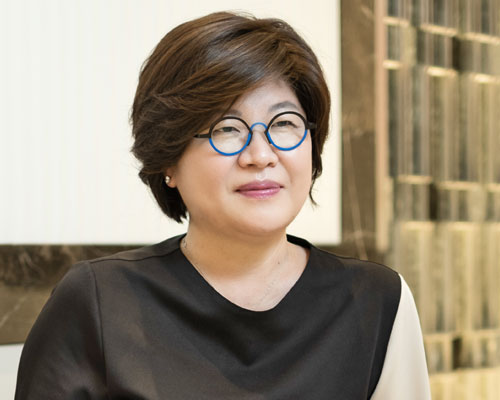
Spa People: Leekyung Han
The South Korean-born spa consultant on why her home country should be on the radar of all wellness developers
Sponsored: Art of Cryo: Working well
Spa operators and corporate offices can now offer a comprehensive, six-part wellness journey designed by Art of Cryo to elevate health
Research: Wellness Travel Consumer Survey
A general reboot and nature/outdoor activities are key considerations for wellness tourists according to a new study by WTA. Anne Dimon reports
First person: Doctor’s orders
Can a partnership with an international hospital elevate a wellness retreat? Neena Dhillon visits RAKxa in Bangkok, Thailand to find out
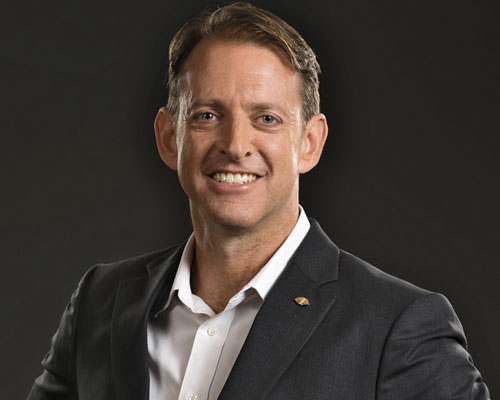
Interview: Justin Musgrove
We talk to the CEO of Core Life, the exclusive lifestyle brand which has ambitions to expand to the world's most affluent cities
Sponsored: Starpool: Zerobody Cryo
The new Zerobody Cryo will deliver comfortable cold therapy for spa, wellness and sports says Starpool CEO, Riccardo Turri
Jeremy McCarthy makes his debut as a Spa Business contributing editor, asking if spas are ready for AI which – with the emergence of ChatGPT – is literally on our doorstep
Would AI assistants pick up on your spa’s Valentine’s packages? / Photo: Getty images_unsplash
OpenAI launched its new artificial intelligence chatbot, ChatGPT, in November, skyrocketing its valuation to US$29bn in the first few months. Although ChatGPT is still a fledgling system, the AI technology behind it is likely to change the world on a scale akin to the advent of the printing press or the internet. And given AI’s ability to use its own superhuman intelligence to learn and evolve, we can expect the changes to come more rapidly than anything we’ve ever seen.
So what does this mean for spas, and how can we prepare? The best way to think about AI is to imagine that every person in the future will have a hyper-intelligent personal assistant who reads almost the entire internet every day to stay up-to-date on what’s going on. These assistants will help people personally and professionally, by gathering relevant information for them, teaching them what they’d like to learn, making personalised recommendations and guiding purchasing decisions, and generally helping them live more efficiently.
These AI ‘assistants’ have the potential to become an intermediary between brands and consumers. Business leaders must think not only about how they build consumer awareness of their brand but, potentially more importantly, how they ensure that the AI will learn about and advocate for them. Here are a few things I think spas need to take note of:
1 Having a digital presence is more important than ever It sounds basic, but if you don’t have your spa menu, hours of operation, address and core philosophy on your website, you don’t exist in the age of AI. When you write website copy, you’re not only providing consumers with basic information about your services, but you’re also literally teaching future AI chatbots what you want them to know about your spa.
2 The return of FAQs The internet has a love-hate relationship with ‘frequently asked questions’, but in the age of AI, you want to make sure your content helps train the AI how to answer queries about your offerings. If someone asks their AI assistant “what should I get my wife for Valentine’s day?” or “which spa in town has the best therapists?” would it have information about your spa to share?
3 Customer reviews are king We’ve already seen how online reviews reflect purchasing decisions. But we also know how time-consuming it can be to scour the internet trying to get a clear picture of consumer feedback on your upcoming Phuket resort or your planned underwater camera purchase. The AI assistants will streamline this process and take customer reviews into account when making their recommendations. The quality and quantity of reviews about your spa are crucial.
4 Think holistically about your digital footprint As important as it is to build your own digital knowledge database about your spa, you have to remember that these AI assistants are no dummies and are likely to view your own marketing materials with a bit of scepticism. They will want to see the information about your spa validated by third parties such as online reviews, discussion forums and journalists. It’s more important than ever to make sure your spa is being written about (positively) by other people on the internet.
5 Digitise your operation Operators can use AI personal assistants, as well as consumers. And if you’ve done a good job of digitising your spa, your AI assistant can help you run your business too. Do you have an intranet for employees with training manuals, SOPs and treatment protocols in a digital database? Do you have all your financial statistics and KPIs neatly organised electronically? Having more and better organised digital information about your business will allow your future AI assistant to help you run your business efficiently.
We’ve been hearing for some time about how AI will shape the future in some fantastic (and sometimes frightening ways). The emergence of ChatGPT shows us that the future is now, and AI is literally on our doorstep. Are you ready?
Jeremy McCarthy has worked in the spa industry for 34 years. As group director of spa and wellness for Mandarin Oriental, he oversees spa, wellness and leisure operations at 35 luxury hotels globally. Contact him with your views on Twitter @jeremymcc
Read more from this issue of Attractions Management magazine
View contents of Attractions Management 2023 issue 1
Write to reply: Letters
Zulal's Sandie Johannessen shares her passion for medical wellness and Kloodos' Julie Cichocki says wellness protocols should start with the vagus nerve
Spa People: Leekyung Han
The South Korean-born spa consultant on why her home country should be on the radar of all wellness developers
Sponsored: Art of Cryo: Working well
Spa operators and corporate offices can now offer a comprehensive, six-part wellness journey designed by Art of Cryo to elevate health
Research: Wellness Travel Consumer Survey
A general reboot and nature/outdoor activities are key considerations for wellness tourists according to a new study by WTA. Anne Dimon reports
First person: Doctor’s orders
Can a partnership with an international hospital elevate a wellness retreat? Neena Dhillon visits RAKxa in Bangkok, Thailand to find out
Interview: Justin Musgrove
We talk to the CEO of Core Life, the exclusive lifestyle brand which has ambitions to expand to the world's most affluent cities
Sponsored: Starpool: Zerobody Cryo
The new Zerobody Cryo will deliver comfortable cold therapy for spa, wellness and sports says Starpool CEO, Riccardo Turri
London Museum will open four new food and drink destinations when it launches its new home
at Smithfield on 28 November, making hospitality a central part of the visitor experience at one
of the capital's biggest cultural openings of the year.
OMA has completed a major transformation of New York's New Museum, creating a larger
cultural campus that combines expanded exhibition spaces with learning, performance,
hospitality and public programming.
A US$50 million (£44.2 million, €51.2 million) transformation of Chicago's historic McCormick
Mansion has created a new destination that combines live magic, immersive theatre, dining and
private membership under one roof.
The Montana Historical Society has officially celebrated the opening of its new Montana
Heritage
Center, a US$107 million (£79 million, €92 million) destination that combines immersive
storytelling with cutting-edge audiovisual technology to bring the sta
San Antonio Zoo has reported a US$283 million economic impact for 2025, following a decade-
long transformation programme that has seen almost US$200 million invested into the Texas
attraction.
Plans for the AU$180 million redevelopment of Reef HQ Aquarium in Townsville, Australia, are
progressing, with the project set to transform the attraction into a global centre for reef
education and conservation.
Abu Dhabi-based investment firm Mubadala Capital has made a binding, fully financed
€1 billion
offer to acquire Pierre and Vacances SA, the European holiday resort operator behind the
continental European Center Parcs business.
Disney has reaffirmed its commitment to investing US$30 billion in its US parks and cruise
business by 2033, using new America250 celebrations to underline the role its attractions play
in supporting jobs, tourism and economic growth.
Expo 2030 Riyadh is being planned as a permanent visitor destination, with organisers
confirming the six-million-square-metre site will become a Global Village after the event closes.
The owner of one of Australia's best-known waterparks has acquired a major competitor,
creating a new attractions business spanning two of the country's largest visitor destinations.