Market research has its place when it comes to understanding our visitors and their needs and levels of engagement, but using neuroscience we can take our understanding of visitor needs and responses to a whole new level
By Liz Terry | Published in Attractions Management 2019 issue 3
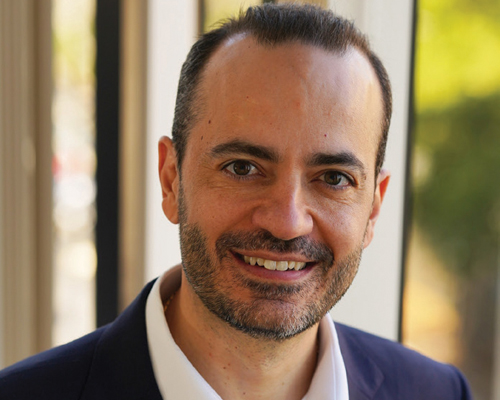
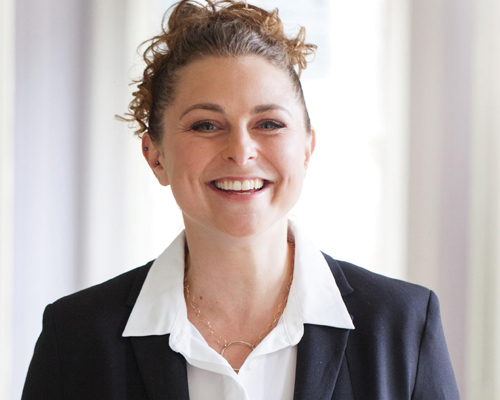
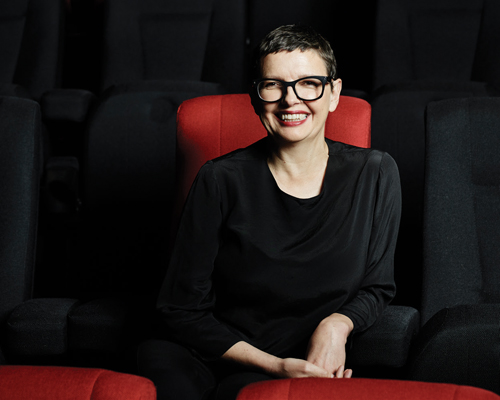
Our cover star this issue is Dr Tedi Asher, a neuroscientist working at the Peabody Essex Museum in Salem, Massachusetts in the US.
Asher is believed to be the first neuroscientist to be based in a gallery or museum and her appointment heralds an exciting new direction in the development and management of visitor attractions.
Her brief is to deepen engagement among visitors to the museum using Dr Carl Marci’s definition of engagement, which says: “Engagement occurs when attention is directed in a way that elicits an emotional response which leads to the formation of a memory.”
How can we truly know what engages and motivates visitors? The question lies at the heart of all we do and surprisingly, given its importance, there has generally been little science directing investment and energies.
Visitor insight has typically deployed standard market research methodology to establish responses and preferences, which can be useful. Neuroscience, however, takes our understanding to a whole new level by looking at far more fundamental, deep-rooted visceral responses.
Instead of asking people how they feel, neuroscience looks at a person’s physical response and understands how experiences light up different areas of the brain.
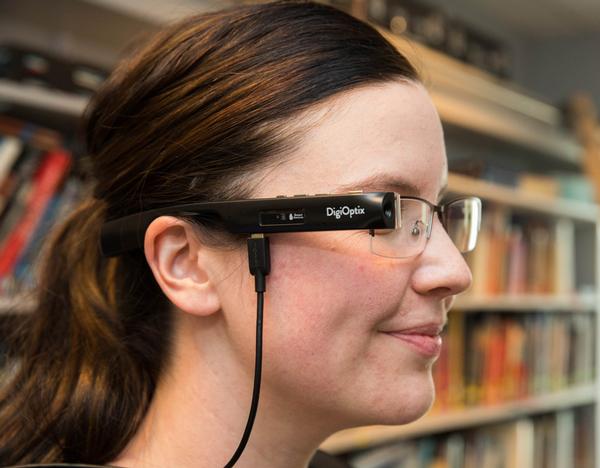
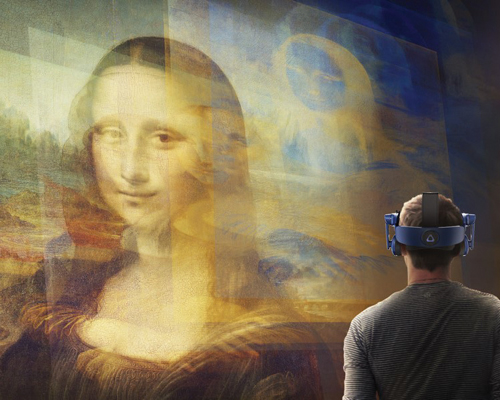
Asher is deploying gaze tracking glasses to understand what visitors are looking at and galvanic skin response – which measures sweat produced – to give a biometric measurement of emotional intensity, for example.
She’s already sharing her learnings for the benefit of other attractions, including those revealed by an experiment undertaken at the museum using ‘judgement prompts’.
This found that if visitors were given prompts, such as being asked if they were moved by a particular exhibit, they spent longer looking at it, had a more intense emotional experience and reported higher levels of engagement and satisfaction.
Asher’s work is impacting on all aspects of the museum’s development and operation, including exhibition design and animation, retailing, marketing and wayfinding. We expect to see many more such appointments going forward, as the industry embraces the potential of this approach.
Read more from this issue of Attractions Management magazine
View contents of Attractions Management 2019 issue 3
People profile: Tom Hennes
Tom Hennes discusses how he has transformed the Empire State Building's visitor experience
People profile: Dimitrios Pandermalis
The Acropolis Museum has just celebrated its 10-year anniversary. Its president, Dimitrios Pandermalis, talks about his plans to take the museum forward in the next decade and beyond
People profile: Gus Antorcha
SeaWorld's new CEO Gus Antorcha on the company's new direction as it starts to recover following several years of turmoil
Museums: A museum in motion
The Australian Centre for the Moving Image
is undergoing a AUS$40m renewal. CEO
Katrina Sedgwick talks about the plans
Tourism: The dark side
With locations like Chernobyl increasing
in popularity, Kath Hudson looks at the
dark side of the global tourism sector
Promotional feature: Whitewater
WhiteWater thinks outside the box to create memorable,
immersive experiences that go beyond the thrill
Rides: Monsters, myths and motorbikes
We take a look at some of the biggest ride
openings for visitor attractions worldwide,
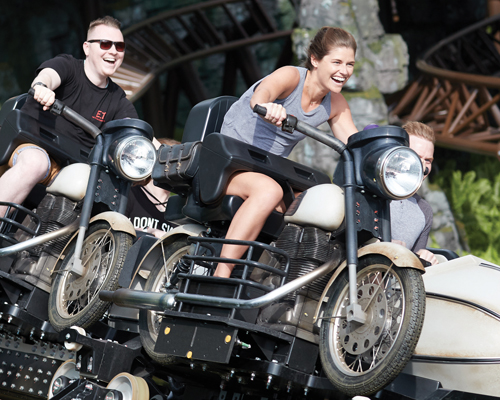
including Universal’s new Hagrid coaster
Promotional feature: OurPeople
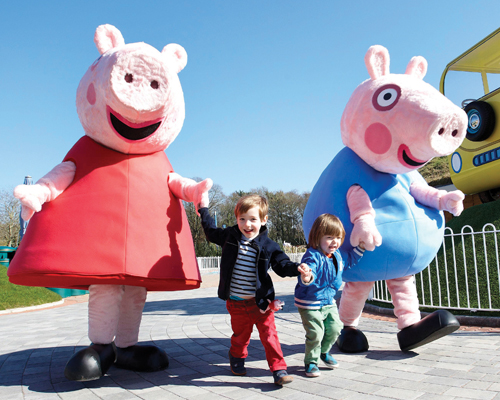
Home to the world-revered peppa pig world and welcoming more than one
million visitors every year, paultons park was voted Tripadvisor’s number
one UK amusement park for the fourth year running in 2019
Market research has its place when it comes to understanding our visitors and their needs and levels of engagement, but using neuroscience we can take our understanding of visitor needs and responses to a whole new level
By Liz Terry | Published in Attractions Management 2019 issue 3
Our cover star this issue is Dr Tedi Asher, a neuroscientist working at the Peabody Essex Museum in Salem, Massachusetts in the US.
Asher is believed to be the first neuroscientist to be based in a gallery or museum and her appointment heralds an exciting new direction in the development and management of visitor attractions.
Her brief is to deepen engagement among visitors to the museum using Dr Carl Marci’s definition of engagement, which says: “Engagement occurs when attention is directed in a way that elicits an emotional response which leads to the formation of a memory.”
How can we truly know what engages and motivates visitors? The question lies at the heart of all we do and surprisingly, given its importance, there has generally been little science directing investment and energies.
Visitor insight has typically deployed standard market research methodology to establish responses and preferences, which can be useful. Neuroscience, however, takes our understanding to a whole new level by looking at far more fundamental, deep-rooted visceral responses.
Instead of asking people how they feel, neuroscience looks at a person’s physical response and understands how experiences light up different areas of the brain.
Asher is deploying gaze tracking glasses to understand what visitors are looking at and galvanic skin response – which measures sweat produced – to give a biometric measurement of emotional intensity, for example.
She’s already sharing her learnings for the benefit of other attractions, including those revealed by an experiment undertaken at the museum using ‘judgement prompts’.
This found that if visitors were given prompts, such as being asked if they were moved by a particular exhibit, they spent longer looking at it, had a more intense emotional experience and reported higher levels of engagement and satisfaction.
Asher’s work is impacting on all aspects of the museum’s development and operation, including exhibition design and animation, retailing, marketing and wayfinding. We expect to see many more such appointments going forward, as the industry embraces the potential of this approach.
Read more from this issue of Attractions Management magazine
View contents of Attractions Management 2019 issue 3
People profile: Tom Hennes
Tom Hennes discusses how he has transformed the Empire State Building's visitor experience
People profile: Dimitrios Pandermalis
The Acropolis Museum has just celebrated its 10-year anniversary. Its president, Dimitrios Pandermalis, talks about his plans to take the museum forward in the next decade and beyond
People profile: Gus Antorcha
SeaWorld's new CEO Gus Antorcha on the company's new direction as it starts to recover following several years of turmoil
Museums: A museum in motion
The Australian Centre for the Moving Image
is undergoing a AUS$40m renewal. CEO
Katrina Sedgwick talks about the plans
Tourism: The dark side
With locations like Chernobyl increasing
in popularity, Kath Hudson looks at the
dark side of the global tourism sector
Promotional feature: Whitewater
WhiteWater thinks outside the box to create memorable,
immersive experiences that go beyond the thrill
Rides: Monsters, myths and motorbikes
We take a look at some of the biggest ride
openings for visitor attractions worldwide,
including Universal’s new Hagrid coaster
Promotional feature: OurPeople
Home to the world-revered peppa pig world and welcoming more than one
million visitors every year, paultons park was voted Tripadvisor’s number
one UK amusement park for the fourth year running in 2019
A US$50 million (£44.2 million, €51.2 million) transformation of Chicago's historic McCormick
Mansion has created a new destination that combines live magic, immersive theatre, dining and
private membership under one roof.
The Montana Historical Society has officially celebrated the opening of its new Montana
Heritage
Center, a US$107 million (£79 million, €92 million) destination that combines immersive
storytelling with cutting-edge audiovisual technology to bring the sta
San Antonio Zoo has reported a US$283 million economic impact for 2025, following a decade-
long transformation programme that has seen almost US$200 million invested into the Texas
attraction.
Plans for the AU$180 million redevelopment of Reef HQ Aquarium in Townsville, Australia, are
progressing, with the project set to transform the attraction into a global centre for reef
education and conservation.
Abu Dhabi-based investment firm Mubadala Capital has made a binding, fully financed
€1 billion
offer to acquire Pierre and Vacances SA, the European holiday resort operator behind the
continental European Center Parcs business.
Disney has reaffirmed its commitment to investing US$30 billion in its US parks and cruise
business by 2033, using new America250 celebrations to underline the role its attractions play
in supporting jobs, tourism and economic growth.
Expo 2030 Riyadh is being planned as a permanent visitor destination, with organisers
confirming the six-million-square-metre site will become a Global Village after the event closes.
The owner of one of Australia's best-known waterparks has acquired a major competitor,
creating a new attractions business spanning two of the country's largest visitor destinations.
The Toverland theme park in the Netherlands has announced a €98m expansion programme
that will add a resort, new attractions and staff facilities as it pursues plans to become a multi-
day destination.
Hotel de France, located on the British Isle of Jersey, has created a wellness retreat package
that includes a hot yoga session that will take place in Jersey Zoo’s butterfly sanctuary.
+ More news
COMPANY PROFILES
IAAPA EMEA IAAPA Expo Europe was established in 2006 and has grown to the largest international conference and [more...]
Clip 'n Climb Clip ‘n Climb currently offers facility owners and
investors more than 40 colourful and unique
Cha [more...]
IDEATTACK IDEATTACK is a full-service planning and
design company with headquarters in
Los Angeles. [more...]
Simworx Ltd The company was initially established
in 1997. Terry Monkton and Andrew
Roberts are the key stakeh [more...]