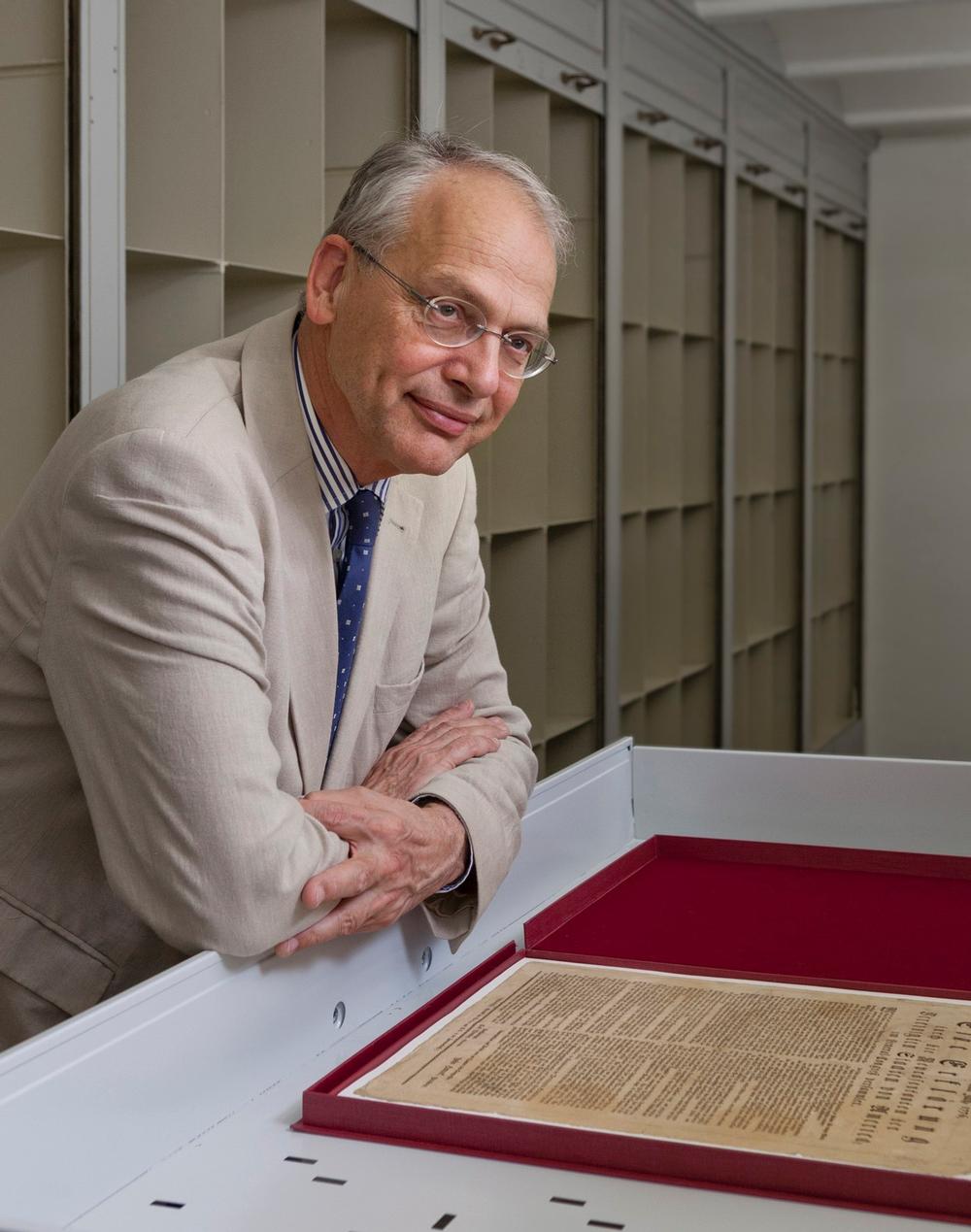
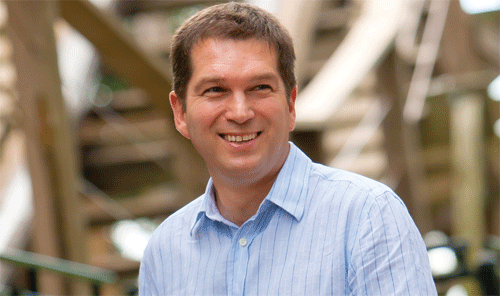
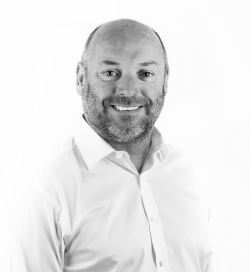
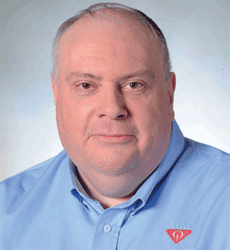
Hinz retired from museums management but he still teaches museum studies
What is ICOM’s role and aim? The International Council of Museums (ICOM) is a public interest organisation and was established in 1946, right after WWII. The idea was to organise a worldwide communication tool among museums and museum professionals. ICOM has two main tasks.
Firstly, the protection of culture and heritage in museums, collections and in general, especially in conflicting areas where cultural property and heritage is in danger. And secondly to increase the level of professionalism of museums and staff.
We have grown to have more than 30,000 members globally, which I believe makes ICOM the largest international cultural organisation in the world.
How does ICOM work? ICOM has 117 national committees all over the world and 31 international committees. Members of the international committees get together at least once a year to exchange their experiences and discuss how to improve the work they’re doing. They think about new conceptions and how to present culture and history nowadays in a time of globalisation and rapid changes. These ideas are then filtered down to ICOM’s members. My task is to help museum professionals exchange, talk, learn and deliver something for their visitors.
I was re-elected for a second term in July 2013 and aim to continue to increase the awareness of museum-related issues and highlight the significance of museums as sites of social encounter.
The director general is the head of the secretariat in Paris. They, and heads of departments and staff members, run the everyday work of ICOM. The rest of us do it voluntarily. We talk almost every day and I regularly go to Paris for meetings.
What are the ICOM Red Lists? The ICOM Red Lists help customs, police officials and professionals concerned by the smuggling and illicit trading in cultural objects, fight against the illicit traffic of cultural goods. The list illustrates the categories or types of cultural items that are most likely to be illegally bought and sold.
There are so many tragic situations in countries – uprising, war and natural disasters, such as earthquakes, as well as illegal activities including trafficking – which puts heritage in danger. Preventing this is a real challenge, but the Red Lists have a strong impact and we’ve been able to get many objects back and return them to their originating countries.
How does ICOM educate? We have an ICOM code of ethics. This is the minimum standard for museums to attain – to take responsibility for the visitor, the collection, the building and to be skilled in cases of conflicts with collections, ownership questions, the conservation and protection of artefact.
This code of ethics isn’t a legal requirement – it’s a moral code and is increasingly accepted around the world. National governments and parliaments accept the code of ethics as a document for the museums in their countries. Many don’t have museum laws so, if it’s accepted and adopted, it’s much easier for the museums to work with politicians and the outside world in general.
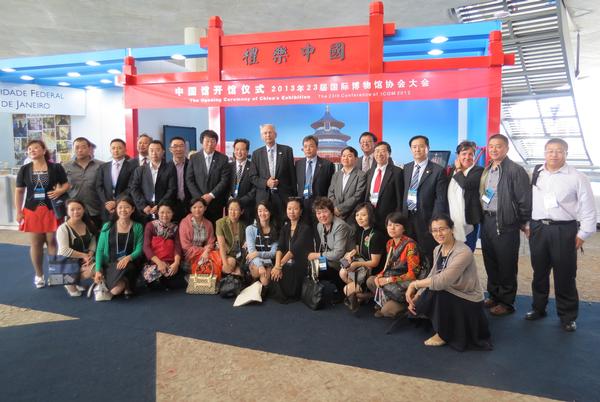
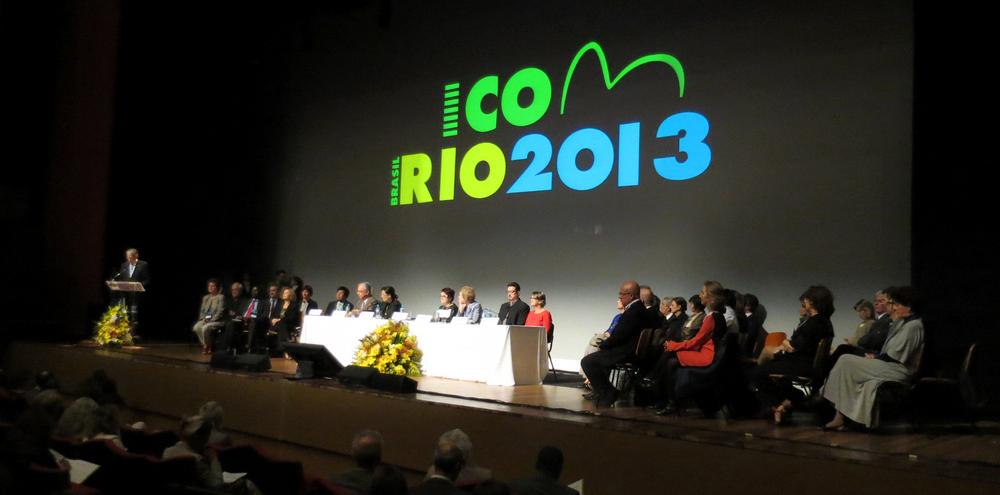
How do you encourage museums to work together? Our general conference is held every three years and has up to 4,000 participants. We hold it in different parts of the world each time to attract new members and make it accessible to people who can’t travel. Last year’s was in Rio de Janeiro, the one before that in Shanghai.
Our members also meet in their national and international committees and partner organisations. Later this year, ICOM Russia, ICOM Germany and ICOM US will meet in St Petersburg to discuss museums and politics. It’s interesting to have a meeting in Russia as it’s a different society; it’s an important conference.
What are the current issues? It’s very important for museums to present history and culture in a global way, so people can learn from other communities. Life has become so international and many people don’t know about other opinions, cultures and backgrounds.
Ethnological museums increasingly want to explain the development of cultures on a global perspective. Traditional regional or local museums explain history from an international point of view, rather than national, and let people learn about the development in other countries and the impact of one country on the development of the others and vice versa. This is a new development we’ve seen in the last two decades.
What’s your career history? For the last few decades, I did a lot to stimulate international cooperation. Before retiring, I was a member of the management team at the German Historical Museum, which has a very international concept. Never explaining the past as a golden age, as the museums of the 19th Century did, but instead bringing people together to discuss the past and the present, was what motivated me to join ICOM and discover how other museums around the world explain their culture and history.
I’ve learned a lot through the conferences – they have a deep impact on the everyday work at museums. A new cooperation and new concepts are developed as a result of these meetings. This was my incentive to run for different positions within ICOM. Prior to becoming president, I was chair of ICOM Europe. During this time, I coordinated communication between museums in the Arabian world and European countries, which had never happened before.
What other plans do you have going into the future? I’ve now retired from the German Historical Museum, which allows me more time for ICOM, although I still teach museum studies.
When my second term as president of ICOM ends in 2016 [two terms is the maximum allowable], I’ll retire and enjoy my life. This position keeps me so busy, but it’s an important job and I enjoy it very much.
Read more from this issue of Attractions Management magazine
View contents of Attractions Management 2014 issue 1
Editor's letter: Creating Wealth
Great companies like Merlin Entertainments generate whole
ecosystems around themselves, with employees and their families,
shareholders, investors, suppliers, stakeholders and customers
benefiting from the wealth, energy and opportunity they create
Profile: Alberto Zamperla
The Italian ride entrepreneur is
attracting international attention for
his ambitious plans to build a new
cultural attraction in the heart of
Venice. Liz Terry finds out more
Planetariums: Science in the sky
We talk to Techmania's CEO Vlastimil
Volak and designer Glenn Smith
about the opening of the first 3D
Planetarium in the Czech Republic
Museums: Sea Views
Exploring underwater museums with
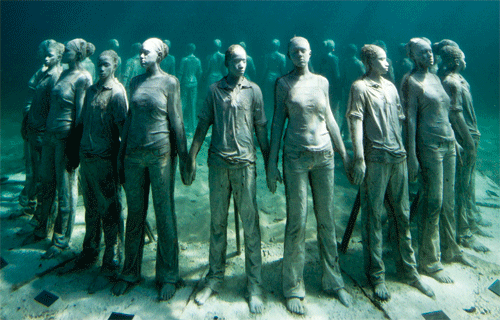
eco-sculptor Jason deCaires Taylor
About ICOM The International Council Of Museums is the global organisation of museums and museum professionals committed to the conservation of the world’s natural and cultural heritage. ICOM was created in 1946 and is a non-governmental organisation maintaining formal relations with UNESCO.
ICOM
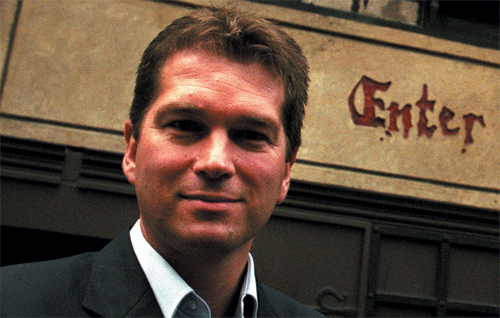
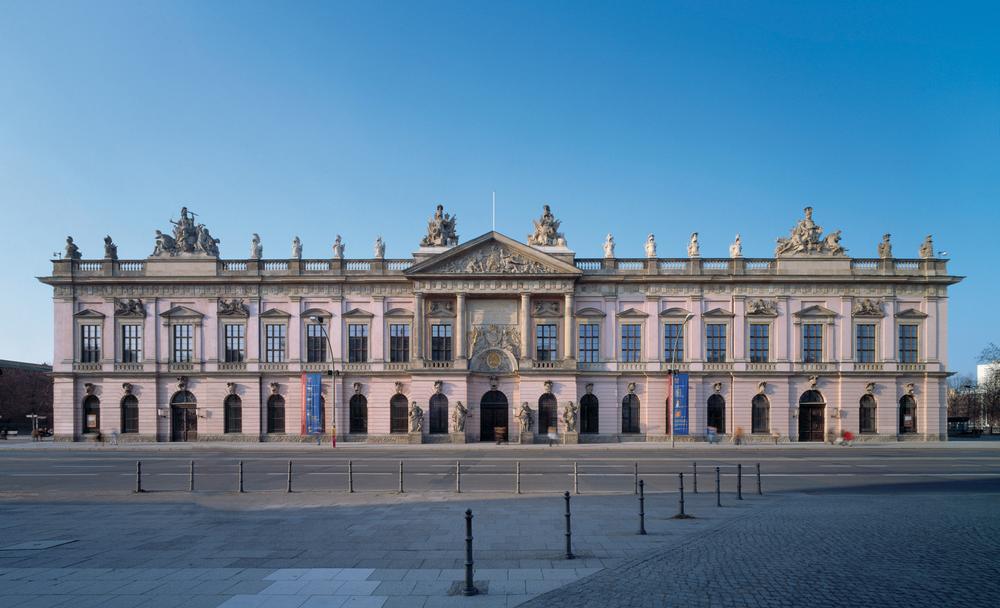
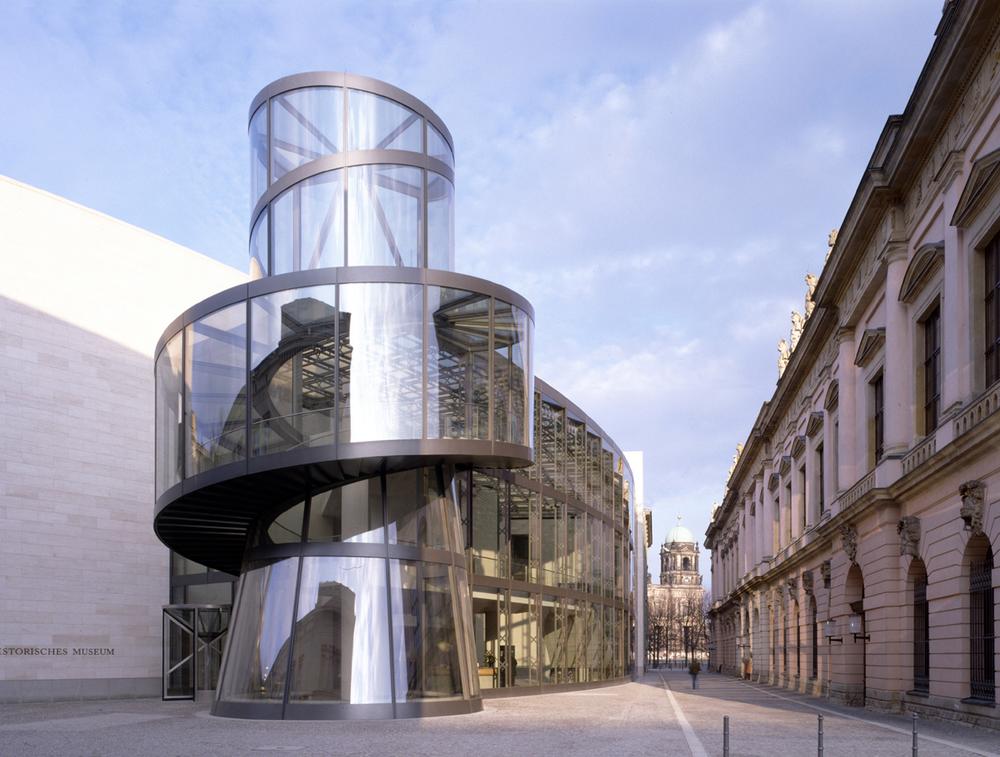
Hinz says the German Historical Museum is a facility with a strong international focus / photo: DHM / Ulrich Schwartz
ICOM’s code of ethics requires museums to take responsibility for the visitors, collection and the building / photo: DHM / Ulrich Schwartz
ICOM’s international conferences have ‘a deep impact’ on everyday museums work, says Hinz. Last year’s conference was in Brazil
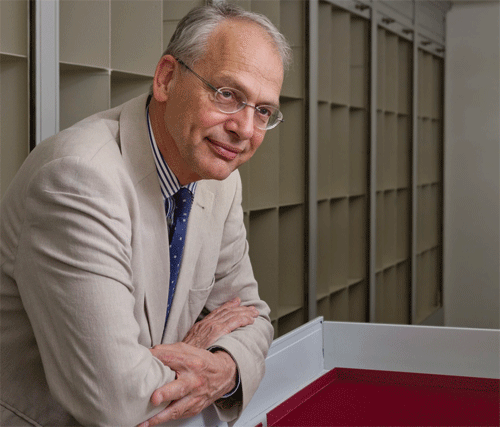
Hinz retired from museums management but he still teaches museum studies
What is ICOM’s role and aim? The International Council of Museums (ICOM) is a public interest organisation and was established in 1946, right after WWII. The idea was to organise a worldwide communication tool among museums and museum professionals. ICOM has two main tasks.
Firstly, the protection of culture and heritage in museums, collections and in general, especially in conflicting areas where cultural property and heritage is in danger. And secondly to increase the level of professionalism of museums and staff.
We have grown to have more than 30,000 members globally, which I believe makes ICOM the largest international cultural organisation in the world.
How does ICOM work? ICOM has 117 national committees all over the world and 31 international committees. Members of the international committees get together at least once a year to exchange their experiences and discuss how to improve the work they’re doing. They think about new conceptions and how to present culture and history nowadays in a time of globalisation and rapid changes. These ideas are then filtered down to ICOM’s members. My task is to help museum professionals exchange, talk, learn and deliver something for their visitors.
I was re-elected for a second term in July 2013 and aim to continue to increase the awareness of museum-related issues and highlight the significance of museums as sites of social encounter.
The director general is the head of the secretariat in Paris. They, and heads of departments and staff members, run the everyday work of ICOM. The rest of us do it voluntarily. We talk almost every day and I regularly go to Paris for meetings.
What are the ICOM Red Lists? The ICOM Red Lists help customs, police officials and professionals concerned by the smuggling and illicit trading in cultural objects, fight against the illicit traffic of cultural goods. The list illustrates the categories or types of cultural items that are most likely to be illegally bought and sold.
There are so many tragic situations in countries – uprising, war and natural disasters, such as earthquakes, as well as illegal activities including trafficking – which puts heritage in danger. Preventing this is a real challenge, but the Red Lists have a strong impact and we’ve been able to get many objects back and return them to their originating countries.
How does ICOM educate? We have an ICOM code of ethics. This is the minimum standard for museums to attain – to take responsibility for the visitor, the collection, the building and to be skilled in cases of conflicts with collections, ownership questions, the conservation and protection of artefact.
This code of ethics isn’t a legal requirement – it’s a moral code and is increasingly accepted around the world. National governments and parliaments accept the code of ethics as a document for the museums in their countries. Many don’t have museum laws so, if it’s accepted and adopted, it’s much easier for the museums to work with politicians and the outside world in general.
How do you encourage museums to work together? Our general conference is held every three years and has up to 4,000 participants. We hold it in different parts of the world each time to attract new members and make it accessible to people who can’t travel. Last year’s was in Rio de Janeiro, the one before that in Shanghai.
Our members also meet in their national and international committees and partner organisations. Later this year, ICOM Russia, ICOM Germany and ICOM US will meet in St Petersburg to discuss museums and politics. It’s interesting to have a meeting in Russia as it’s a different society; it’s an important conference.
What are the current issues? It’s very important for museums to present history and culture in a global way, so people can learn from other communities. Life has become so international and many people don’t know about other opinions, cultures and backgrounds.
Ethnological museums increasingly want to explain the development of cultures on a global perspective. Traditional regional or local museums explain history from an international point of view, rather than national, and let people learn about the development in other countries and the impact of one country on the development of the others and vice versa. This is a new development we’ve seen in the last two decades.
What’s your career history? For the last few decades, I did a lot to stimulate international cooperation. Before retiring, I was a member of the management team at the German Historical Museum, which has a very international concept. Never explaining the past as a golden age, as the museums of the 19th Century did, but instead bringing people together to discuss the past and the present, was what motivated me to join ICOM and discover how other museums around the world explain their culture and history.
I’ve learned a lot through the conferences – they have a deep impact on the everyday work at museums. A new cooperation and new concepts are developed as a result of these meetings. This was my incentive to run for different positions within ICOM. Prior to becoming president, I was chair of ICOM Europe. During this time, I coordinated communication between museums in the Arabian world and European countries, which had never happened before.
What other plans do you have going into the future? I’ve now retired from the German Historical Museum, which allows me more time for ICOM, although I still teach museum studies.
When my second term as president of ICOM ends in 2016 [two terms is the maximum allowable], I’ll retire and enjoy my life. This position keeps me so busy, but it’s an important job and I enjoy it very much.
Read more from this issue of Attractions Management magazine
View contents of Attractions Management 2014 issue 1
Editor's letter: Creating Wealth
Great companies like Merlin Entertainments generate whole
ecosystems around themselves, with employees and their families,
shareholders, investors, suppliers, stakeholders and customers
benefiting from the wealth, energy and opportunity they create
Profile: Alberto Zamperla
The Italian ride entrepreneur is
attracting international attention for
his ambitious plans to build a new
cultural attraction in the heart of
Venice. Liz Terry finds out more
Planetariums: Science in the sky
We talk to Techmania's CEO Vlastimil
Volak and designer Glenn Smith
about the opening of the first 3D
Planetarium in the Czech Republic
Museums: Sea Views
Exploring underwater museums with
eco-sculptor Jason deCaires Taylor
About ICOM The International Council Of Museums is the global organisation of museums and museum professionals committed to the conservation of the world’s natural and cultural heritage. ICOM was created in 1946 and is a non-governmental organisation maintaining formal relations with UNESCO.
ICOM
Hinz says the German Historical Museum is a facility with a strong international focus / photo: DHM / Ulrich Schwartz
ICOM’s code of ethics requires museums to take responsibility for the visitors, collection and the building / photo: DHM / Ulrich Schwartz
ICOM’s international conferences have ‘a deep impact’ on everyday museums work, says Hinz. Last year’s conference was in Brazil
Abu Dhabi-based investment firm Mubadala Capital has made a binding, fully financed
€1 billion
offer to acquire Pierre and Vacances SA, the European holiday resort operator behind the
continental European Center Parcs business.
Disney has reaffirmed its commitment to investing US$30 billion in its US parks and cruise
business by 2033, using new America250 celebrations to underline the role its attractions play
in supporting jobs, tourism and economic growth.
Expo 2030 Riyadh is being planned as a permanent visitor destination, with organisers
confirming the six-million-square-metre site will become a Global Village after the event closes.
The owner of one of Australia's best-known waterparks has acquired a major competitor,
creating a new attractions business spanning two of the country's largest visitor destinations.
The Toverland theme park in the Netherlands has announced a €98m expansion programme
that will add a resort, new attractions and staff facilities as it pursues plans to become a multi-
day destination.
Hotel de France, located on the British Isle of Jersey, has created a wellness retreat package
that includes a hot yoga session that will take place in Jersey Zoo’s butterfly sanctuary.
A new immersive attraction designed to transport visitors into the final hours of ancient Pompeii
is preparing to open near the world-famous archaeological site in southern Italy.
Experience design company, BRC Imagination Arts, has completed a transition that sees founder
Bob Rogers pass ownership of the business to four long-serving senior executives, while
remaining actively involved with the company.
Movie Park Germany has opened a new Paramount Pictures-themed attraction as part of its 30th
anniversary celebrations, using immersive storytelling and adaptive reuse to reinforce the park’s
longstanding “Hollywood in Germany” positioning.
Therme Manchester’s 28-acre development, which will include interconnected glass pavilions
that measure 65,000sq m, will be the largest bathing and wellbeing attraction in the world once
complete, according to prof David Russell, CEO of Therme UK.