A wide range of factors have combined to drive this world-class operation, from a steely customer focus to regular reinvestment, says Attractions Management editor, Liz Terry
By Liz Terry | Published in Attractions Management 2014 issue 1
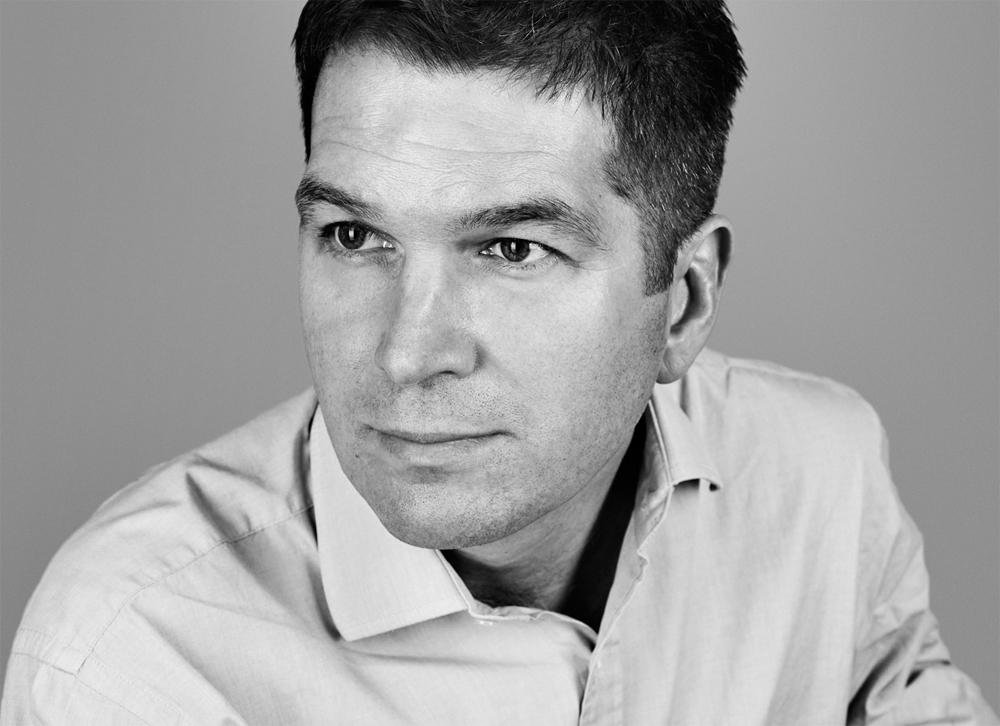
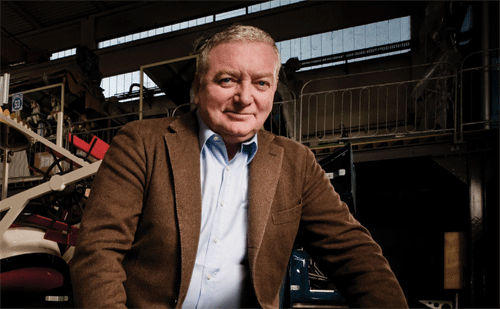
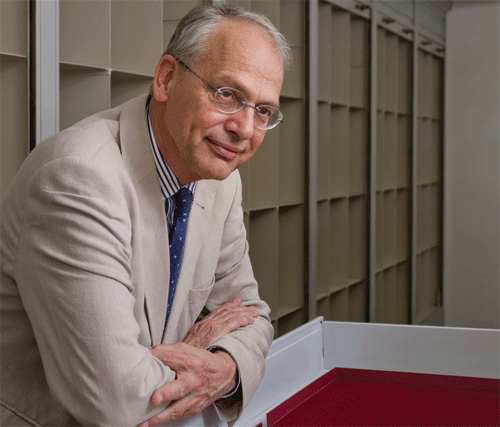
Nick Varney and his team are building a diversified global business
1. Leadership Talk to Merlin CEO Nick Varney’s team and they’re rightly proud of him and also respectful – of how hard he works, how he manages to get straight to the heart of things and of how well he knows the business. Importantly though, he also seems to hire great people and empower them to get on with it.
2. Staying grounded In an often ‘political’ market which is sometimes characterised by showmanship, Merlin is a resolutely sensible company. However, its endearing lack of pretension shouldn’t deceive – the Merlin team are driven and competitive, but it seems they believe that actions speak louder than words.
3. Surgical investment Varney is very clear on what it takes to create profits and avoids investment fads, keeping a clear eye on the returns.
This is especially important as the company ventures into emerging markets, where investments can be perilous. Many factors – including the underlying demographics – have to be right for Merlin to launch or acquire.
4. Lean head office Many people do a double take when you tell them the second biggest attractions operator in the world after Disney is based in a (nice but) fairly modest, shared office in Poole in Dorset, UK. They expect something more high profile.
But the decision to keep nimble and lean at the centre has served the company well and enabled it to focus on operations, investor relations and growth.
5. Harnessing brands When Varney arrived in the industry, his mantra was brand, brand and more brand and he’s been unwavering in his faith in their power to build businesses ever since.
It’s an approach which has seen the company develop a portfolio of national and global properties, both by organic growth and by acquisition.
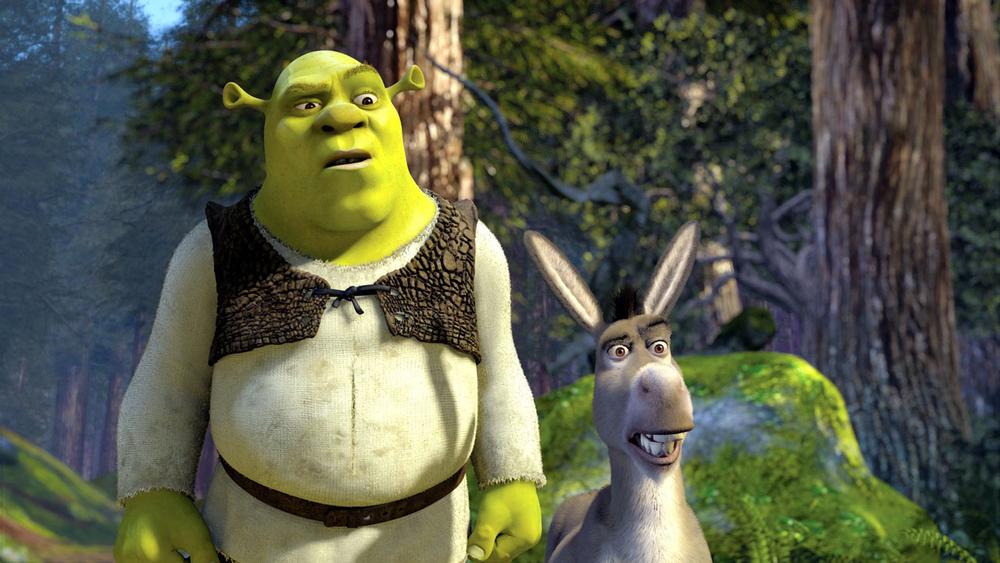
In all, Merlin has 12 brands and 100 plus attractions in Europe, the US and Asia and a recently announced deal with DreamWorks to build Shrek’s Far Far Away Adventure – themed midway attractions – shows that this philosophy continues to underpin strategy.
Being brand-focused has ensured Merlin has remained customer- and consumer-focused and has given the company huge PR and marketing clout.
Buying into the LEGOLAND brand was the cherry on the cake, as it’s regularly listed as one of the top 10 in the world.
6. Global perspective Varney has led his team fearlessly and without hesitation into global ventures and seeks opportunities wherever they make sense according to the business model.
He throws himself wholeheartedly into these ventures – learning languages to get closer to partners and stakeholders – and the company has succeeded in transplanting its culture wherever it goes, which is no mean feat given the geographical diversity of its growing portfolio.
7. Scaleability Having a strong suite of brands at its fingertips has enabled the Merlin team to grow the businesses steadily, to take advantage of development opportunities in a wide range of markets and world regions and to develop attractions of varying sizes and types.
Merlin attractions are divided into three groups: resort theme parks – the larger businesses; midway attractions – the mid-scale operations, such as SEA LIFE and Shrek; and LEGOLAND.
When it comes to global roll-outs, having such a diverse, well-balanced portfolio of properties enables Merlin to respond to a wide range of opportunities.
With everything from LEGOLAND Discovery Centres, which work well in urban locations, to major standalone theme park brands, the company has a great menu to choose from.
8. Spreading the risk When it comes to risk and stability, Merlin has built a diversified portfolio.
From a location point of view, the company has invested in a range of businesses which span northern and southern hemispheres and indoor and outdoor locations, as well as year-round and seasonal businesses: it’s involved with everything from ski resorts to pop-up operations and waterparks to hotels.
Having such range ensures that if any one market, season, location or attraction type falters for any reason, or is affected by external influences, the overall businesses is buffered from the negative trading impact that ensues.
9. High point of entry One of the reasons Merlin has been so attractive to investors is the high level of investment needed by operators to be able to compete in much of this market – especially the larger theme parks and resorts.
In some leisure markets – bars, and health clubs, for example – the amount of capital needed to set up a new business is extremely small, making them far more vulnerable to competitive attack.
Merlin, with its substantial investment needs, has placed itself in a position where competition is less likely to emerge.
10. Sound investor relations Growth has been funded by a series of private equity deals and a sale and leaseback on part of its property portfolio.
Those involved have done well and the company’s stock market floatation in November 2013 was the final seal of approval from the investment community.
The first results following the float were strong, with an EBITDA of £390m.
The team has worked hard with investors, personally briefing them and choosing backers to ensure a good fit. “We couldn’t have done it without Joe Barratta and Blackstone,” says Varney.
11. Hard work Varney and his team are still driving their operation as though it’s a start-up – even after all these years. This intensity has created and sustains great momentum.
12. Hard noses The team don’t back away from tough decisions. Redundancies happen when they’re needed to maintain profitability and sites are disposed of if they don’t perform. Being able to deliver on tough decisions keeps the company on track.
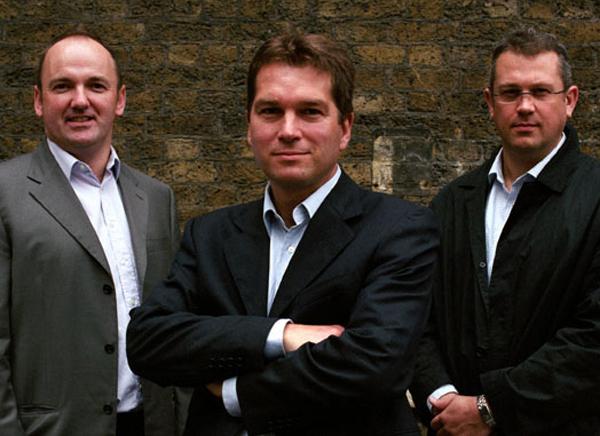
13. Teamwork Varney says Merlin’s success is in part a result of great work by the top team: Andrew Carr, Mark Fisher, Glenn Earlam, Nick Mackenzie and John Jakobsen.
14. Continuity Having the founder of a business at the helm as it grows can be a hindrance unless their vision grows with it.
Merlin’s investors are fortunate Varney (and his team) have stayed the course, providing continuity to enable the growth which took the company through its floatation to the $6bn+ valuation. Nice work.
Read more from this issue of Attractions Management magazine
View contents of Attractions Management 2014 issue 1
Editor's letter: Creating Wealth
Great companies like Merlin Entertainments generate whole
ecosystems around themselves, with employees and their families,
shareholders, investors, suppliers, stakeholders and customers
benefiting from the wealth, energy and opportunity they create
Profile: Alberto Zamperla
The Italian ride entrepreneur is
attracting international attention for
his ambitious plans to build a new
cultural attraction in the heart of
Venice. Liz Terry finds out more
Planetariums: Science in the sky
We talk to Techmania's CEO Vlastimil
Volak and designer Glenn Smith
about the opening of the first 3D
Planetarium in the Czech Republic
Museums: Sea Views
Exploring underwater museums with
eco-sculptor Jason deCaires Taylor
A wide range of factors have combined to drive this world-class operation, from a steely customer focus to regular reinvestment, says Attractions Management editor, Liz Terry
By Liz Terry | Published in Attractions Management 2014 issue 1
Nick Varney and his team are building a diversified global business
1. Leadership Talk to Merlin CEO Nick Varney’s team and they’re rightly proud of him and also respectful – of how hard he works, how he manages to get straight to the heart of things and of how well he knows the business. Importantly though, he also seems to hire great people and empower them to get on with it.
2. Staying grounded In an often ‘political’ market which is sometimes characterised by showmanship, Merlin is a resolutely sensible company. However, its endearing lack of pretension shouldn’t deceive – the Merlin team are driven and competitive, but it seems they believe that actions speak louder than words.
3. Surgical investment Varney is very clear on what it takes to create profits and avoids investment fads, keeping a clear eye on the returns.
This is especially important as the company ventures into emerging markets, where investments can be perilous. Many factors – including the underlying demographics – have to be right for Merlin to launch or acquire.
4. Lean head office Many people do a double take when you tell them the second biggest attractions operator in the world after Disney is based in a (nice but) fairly modest, shared office in Poole in Dorset, UK. They expect something more high profile.
But the decision to keep nimble and lean at the centre has served the company well and enabled it to focus on operations, investor relations and growth.
5. Harnessing brands When Varney arrived in the industry, his mantra was brand, brand and more brand and he’s been unwavering in his faith in their power to build businesses ever since.
It’s an approach which has seen the company develop a portfolio of national and global properties, both by organic growth and by acquisition.
In all, Merlin has 12 brands and 100 plus attractions in Europe, the US and Asia and a recently announced deal with DreamWorks to build Shrek’s Far Far Away Adventure – themed midway attractions – shows that this philosophy continues to underpin strategy.
Being brand-focused has ensured Merlin has remained customer- and consumer-focused and has given the company huge PR and marketing clout.
Buying into the LEGOLAND brand was the cherry on the cake, as it’s regularly listed as one of the top 10 in the world.
6. Global perspective Varney has led his team fearlessly and without hesitation into global ventures and seeks opportunities wherever they make sense according to the business model.
He throws himself wholeheartedly into these ventures – learning languages to get closer to partners and stakeholders – and the company has succeeded in transplanting its culture wherever it goes, which is no mean feat given the geographical diversity of its growing portfolio.
7. Scaleability Having a strong suite of brands at its fingertips has enabled the Merlin team to grow the businesses steadily, to take advantage of development opportunities in a wide range of markets and world regions and to develop attractions of varying sizes and types.
Merlin attractions are divided into three groups: resort theme parks – the larger businesses; midway attractions – the mid-scale operations, such as SEA LIFE and Shrek; and LEGOLAND.
When it comes to global roll-outs, having such a diverse, well-balanced portfolio of properties enables Merlin to respond to a wide range of opportunities.
With everything from LEGOLAND Discovery Centres, which work well in urban locations, to major standalone theme park brands, the company has a great menu to choose from.
8. Spreading the risk When it comes to risk and stability, Merlin has built a diversified portfolio.
From a location point of view, the company has invested in a range of businesses which span northern and southern hemispheres and indoor and outdoor locations, as well as year-round and seasonal businesses: it’s involved with everything from ski resorts to pop-up operations and waterparks to hotels.
Having such range ensures that if any one market, season, location or attraction type falters for any reason, or is affected by external influences, the overall businesses is buffered from the negative trading impact that ensues.
9. High point of entry One of the reasons Merlin has been so attractive to investors is the high level of investment needed by operators to be able to compete in much of this market – especially the larger theme parks and resorts.
In some leisure markets – bars, and health clubs, for example – the amount of capital needed to set up a new business is extremely small, making them far more vulnerable to competitive attack.
Merlin, with its substantial investment needs, has placed itself in a position where competition is less likely to emerge.
10. Sound investor relations Growth has been funded by a series of private equity deals and a sale and leaseback on part of its property portfolio.
Those involved have done well and the company’s stock market floatation in November 2013 was the final seal of approval from the investment community.
The first results following the float were strong, with an EBITDA of £390m.
The team has worked hard with investors, personally briefing them and choosing backers to ensure a good fit. “We couldn’t have done it without Joe Barratta and Blackstone,” says Varney.
11. Hard work Varney and his team are still driving their operation as though it’s a start-up – even after all these years. This intensity has created and sustains great momentum.
12. Hard noses The team don’t back away from tough decisions. Redundancies happen when they’re needed to maintain profitability and sites are disposed of if they don’t perform. Being able to deliver on tough decisions keeps the company on track.
13. Teamwork Varney says Merlin’s success is in part a result of great work by the top team: Andrew Carr, Mark Fisher, Glenn Earlam, Nick Mackenzie and John Jakobsen.
14. Continuity Having the founder of a business at the helm as it grows can be a hindrance unless their vision grows with it.
Merlin’s investors are fortunate Varney (and his team) have stayed the course, providing continuity to enable the growth which took the company through its floatation to the $6bn+ valuation. Nice work.
Read more from this issue of Attractions Management magazine
View contents of Attractions Management 2014 issue 1
Editor's letter: Creating Wealth
Great companies like Merlin Entertainments generate whole
ecosystems around themselves, with employees and their families,
shareholders, investors, suppliers, stakeholders and customers
benefiting from the wealth, energy and opportunity they create
Profile: Alberto Zamperla
The Italian ride entrepreneur is
attracting international attention for
his ambitious plans to build a new
cultural attraction in the heart of
Venice. Liz Terry finds out more
Planetariums: Science in the sky
We talk to Techmania's CEO Vlastimil
Volak and designer Glenn Smith
about the opening of the first 3D
Planetarium in the Czech Republic
Museums: Sea Views
Exploring underwater museums with
eco-sculptor Jason deCaires Taylor
Abu Dhabi-based investment firm Mubadala Capital has made a binding, fully financed
€1 billion
offer to acquire Pierre and Vacances SA, the European holiday resort operator behind the
continental European Center Parcs business.
Expo 2030 Riyadh is being planned as a permanent visitor destination, with organisers
confirming the six-million-square-metre site will become a Global Village after the event closes.
The owner of one of Australia's best-known waterparks has acquired a major competitor,
creating a new attractions business spanning two of the country's largest visitor destinations.
The Toverland theme park in the Netherlands has announced a €98m expansion programme
that will add a resort, new attractions and staff facilities as it pursues plans to become a multi-
day destination.
Hotel de France, located on the British Isle of Jersey, has created a wellness retreat package
that includes a hot yoga session that will take place in Jersey Zoo’s butterfly sanctuary.
A new immersive attraction designed to transport visitors into the final hours of ancient Pompeii
is preparing to open near the world-famous archaeological site in southern Italy.
Experience design company, BRC Imagination Arts, has completed a transition that sees founder
Bob Rogers pass ownership of the business to four long-serving senior executives, while
remaining actively involved with the company.
Movie Park Germany has opened a new Paramount Pictures-themed attraction as part of its 30th
anniversary celebrations, using immersive storytelling and adaptive reuse to reinforce the park’s
longstanding “Hollywood in Germany” positioning.
Therme Manchester’s 28-acre development, which will include interconnected glass pavilions
that measure 65,000sq m, will be the largest bathing and wellbeing attraction in the world once
complete, according to prof David Russell, CEO of Therme UK.
Efteling has opened Hooghmoed, a new family drop tower designed to broaden the appeal of its
recently launched Sirene Island themed area and introduce younger visitors to thrill attractions.