From small beginnings, Merlin Entertainments has become a hugely successful global brand, floating on the London Stock Exchange last November at a value of £3.5bn. We look at the company’s meteoric growth since 1999 and talk to CEO Nick Varney about the future
By Julie Cramer | Published in Attractions Management 2014 issue 1
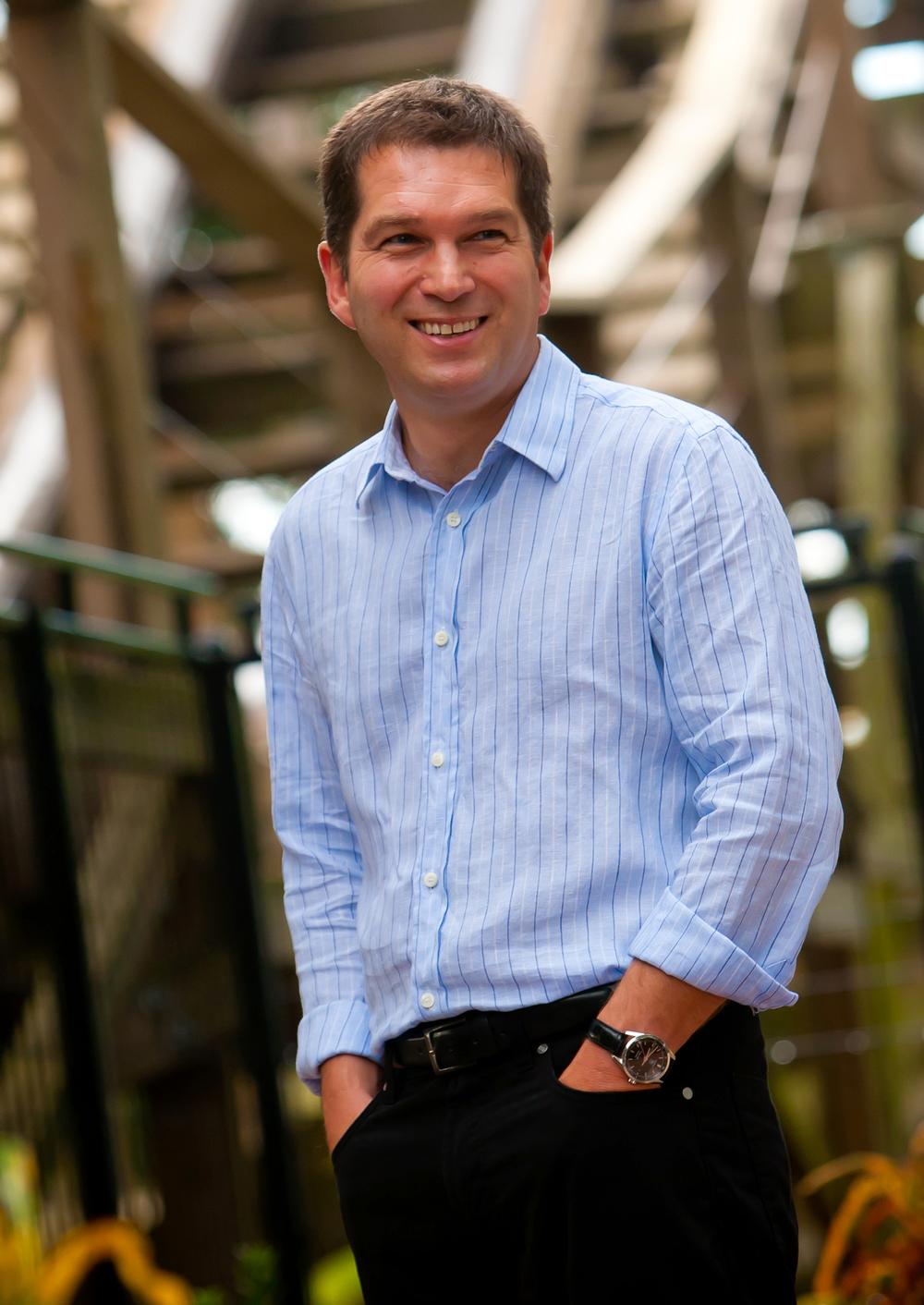
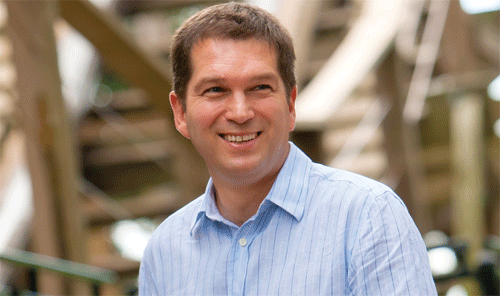
Varney says two-thirds of his time will still be focused on the core business and new projects
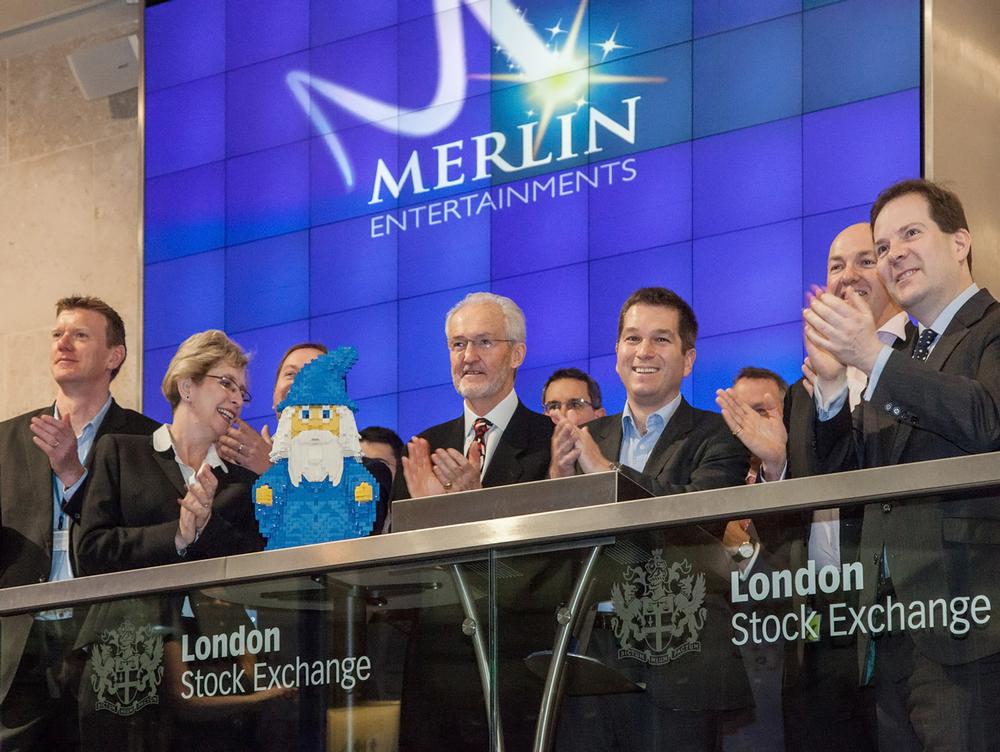
How did you feel immediately after the IPO of Merlin? Standing on the balcony at the London Stock Exchange, with the clock counting down, was a very emotional moment. Naturally, we were all delighted with the response from investors and the media.
We were a private-equity owned company for 14 years, which was brilliant, as no other funding model could have helped us develop the business in the way that we have. But I always believed it was our destiny to become a public company. We’ve never made a secret of the fact that we wanted to be market leader.
Did it go the way you expected? It has pretty much been reported as a textbook IPO. We were nine times oversubscribed at the price we floated at, and the value of those shares rose by around 10 per cent shortly after launch. That’s where it should be.
You don’t want the share price to rise so quickly that it looks as though the shares were undervalued – neither do you want them to be overpriced. I think we were well advised.
Some people tried to talk us out of having a retail offer because of the huge administrative burden it entails. But this is a company that people really want to own shares in – we sold 12.5 per cent to the general public.
Will the floatation change the business? Day to day not at all – it’s business as usual. The important thing is that it will enable us to focus on long-term ownership and investment in our brands. With private equity backing, there’s always a shorter term view, with businesses being bought and sold every three to five years. If we’re investing $200m in a new Legoland park, for example, we really require a much longer-term perspective.
What are the other benefits to Merlin becoming a public company? The general public are very familiar with our brands – but they may not have heard of Merlin Entertainments. The IPO will have greatly raised our profile and visibility as a major public leisure company (Merlin Entertainments is now listed in the FTSE 250).
This means we’re more able to converse with key decision makers – in government for example – and talk about pressing issues such as tourism taxes, investment, jobs and training.
The leisure industry has long suffered from a perception of being a Cinderella industry, and I feel it’s been massively undervalued as a key contributor to the economy – so I hope Merlin Entertainments can become something of a sector champion.
Also, we’ve already seen a significant increase in the quality of people who are applying for jobs with us. This can only add to the amazing and dedicated teams of staff that we already have working across all our brands.
How did your team react to the flotation? They’re very excited about the future. We have incredible staff engagement, and they have a great passion for what they do – from those at the front line who stay up all night nursing sick seals, right up to management level. Around 1700 of our 10,000 permanent staff were awarded shares on the basis of long service or outstanding contribution. It was great to see them benefit from the IPO.
Will your role or the company change? Our company mission statement from the early days was “to build a high growth, high return, family entertainment business based on strong brands and a global portfolio which is naturally hedged against the impact of external forces”.
We’ve always been guided by that. When Merlin was first formed, our brands were almost entirely UK-based. In 2010, 2 per cent of our turnover came from Asia Pacific. By the end of 2012 it was 14 per cent, with 20 per cent from North America. In 10 years’ time, I expect to see our brands and turnover evenly spread across Europe, the US and Asia.
A third of my time will be now taken up with corporate and new shareholder activity, which still leaves two-thirds to focus on the core business and new projects. You can also expect to see a lot more from our creative R&D division, Merlin Magic Making, which will soon be revealing a new midway brand* and a whole host of ancillary products for leisure parks in the next couple of years.
*On 25 February Merlin announced a joint venture with Dreamworks for the creation of a network of six attractions called Shrek’s Far Far Away Adventure.
What’s the secret to your success? Having a great team behind me, an audacious vision, and a lot of luck!
Read more from this issue of Attractions Management magazine
View contents of Attractions Management 2014 issue 1
Editor's letter: Creating Wealth
Great companies like Merlin Entertainments generate whole
ecosystems around themselves, with employees and their families,
shareholders, investors, suppliers, stakeholders and customers
benefiting from the wealth, energy and opportunity they create
Profile: Alberto Zamperla
The Italian ride entrepreneur is
attracting international attention for
his ambitious plans to build a new
cultural attraction in the heart of
Venice. Liz Terry finds out more
Planetariums: Science in the sky
We talk to Techmania's CEO Vlastimil
Volak and designer Glenn Smith
about the opening of the first 3D
Planetarium in the Czech Republic
Museums: Sea Views
Exploring underwater museums with
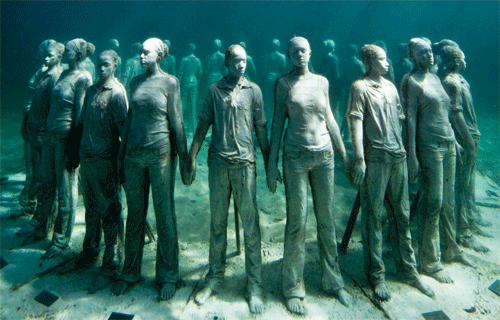
eco-sculptor Jason deCaires Taylor
* Based in the UK, in Poole, Dorset * 22,000 (including seasonal) employees worldwide * 59.8 million visitors worldwide in 2013 * 3 Operating Groups – Resort Theme Parks, Midway and LEGOLAND Parks – all supported by the Merlin Magic Making creative team * 100 attractions, 10 hotels and 3 holiday villages in 22 different countries, on 4 continents
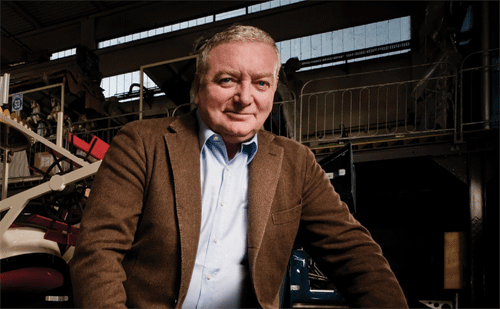
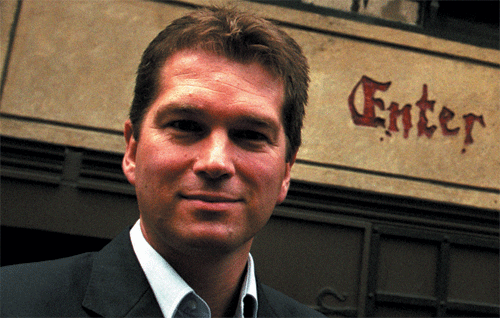
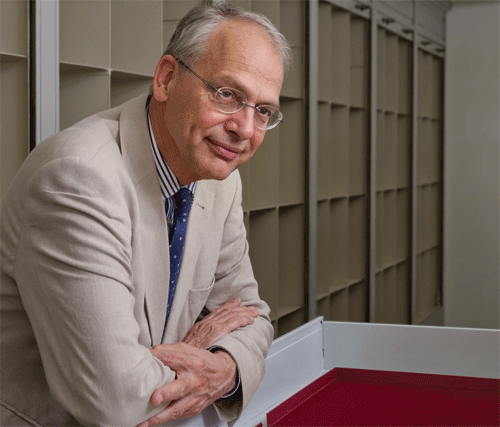
CEO Nick Varney describes the IPO at the London Stock Exchange in November as ‘an emotional moment’ in the company’s history
From small beginnings, Merlin Entertainments has become a hugely successful global brand, floating on the London Stock Exchange last November at a value of £3.5bn. We look at the company’s meteoric growth since 1999 and talk to CEO Nick Varney about the future
By Julie Cramer | Published in Attractions Management 2014 issue 1
Varney says two-thirds of his time will still be focused on the core business and new projects
How did you feel immediately after the IPO of Merlin? Standing on the balcony at the London Stock Exchange, with the clock counting down, was a very emotional moment. Naturally, we were all delighted with the response from investors and the media.
We were a private-equity owned company for 14 years, which was brilliant, as no other funding model could have helped us develop the business in the way that we have. But I always believed it was our destiny to become a public company. We’ve never made a secret of the fact that we wanted to be market leader.
Did it go the way you expected? It has pretty much been reported as a textbook IPO. We were nine times oversubscribed at the price we floated at, and the value of those shares rose by around 10 per cent shortly after launch. That’s where it should be.
You don’t want the share price to rise so quickly that it looks as though the shares were undervalued – neither do you want them to be overpriced. I think we were well advised.
Some people tried to talk us out of having a retail offer because of the huge administrative burden it entails. But this is a company that people really want to own shares in – we sold 12.5 per cent to the general public.
Will the floatation change the business? Day to day not at all – it’s business as usual. The important thing is that it will enable us to focus on long-term ownership and investment in our brands. With private equity backing, there’s always a shorter term view, with businesses being bought and sold every three to five years. If we’re investing $200m in a new Legoland park, for example, we really require a much longer-term perspective.
What are the other benefits to Merlin becoming a public company? The general public are very familiar with our brands – but they may not have heard of Merlin Entertainments. The IPO will have greatly raised our profile and visibility as a major public leisure company (Merlin Entertainments is now listed in the FTSE 250).
This means we’re more able to converse with key decision makers – in government for example – and talk about pressing issues such as tourism taxes, investment, jobs and training.
The leisure industry has long suffered from a perception of being a Cinderella industry, and I feel it’s been massively undervalued as a key contributor to the economy – so I hope Merlin Entertainments can become something of a sector champion.
Also, we’ve already seen a significant increase in the quality of people who are applying for jobs with us. This can only add to the amazing and dedicated teams of staff that we already have working across all our brands.
How did your team react to the flotation? They’re very excited about the future. We have incredible staff engagement, and they have a great passion for what they do – from those at the front line who stay up all night nursing sick seals, right up to management level. Around 1700 of our 10,000 permanent staff were awarded shares on the basis of long service or outstanding contribution. It was great to see them benefit from the IPO.
Will your role or the company change? Our company mission statement from the early days was “to build a high growth, high return, family entertainment business based on strong brands and a global portfolio which is naturally hedged against the impact of external forces”.
We’ve always been guided by that. When Merlin was first formed, our brands were almost entirely UK-based. In 2010, 2 per cent of our turnover came from Asia Pacific. By the end of 2012 it was 14 per cent, with 20 per cent from North America. In 10 years’ time, I expect to see our brands and turnover evenly spread across Europe, the US and Asia.
A third of my time will be now taken up with corporate and new shareholder activity, which still leaves two-thirds to focus on the core business and new projects. You can also expect to see a lot more from our creative R&D division, Merlin Magic Making, which will soon be revealing a new midway brand* and a whole host of ancillary products for leisure parks in the next couple of years.
*On 25 February Merlin announced a joint venture with Dreamworks for the creation of a network of six attractions called Shrek’s Far Far Away Adventure.
What’s the secret to your success? Having a great team behind me, an audacious vision, and a lot of luck!
Read more from this issue of Attractions Management magazine
View contents of Attractions Management 2014 issue 1
Editor's letter: Creating Wealth
Great companies like Merlin Entertainments generate whole
ecosystems around themselves, with employees and their families,
shareholders, investors, suppliers, stakeholders and customers
benefiting from the wealth, energy and opportunity they create
Profile: Alberto Zamperla
The Italian ride entrepreneur is
attracting international attention for
his ambitious plans to build a new
cultural attraction in the heart of
Venice. Liz Terry finds out more
Planetariums: Science in the sky
We talk to Techmania's CEO Vlastimil
Volak and designer Glenn Smith
about the opening of the first 3D
Planetarium in the Czech Republic
Museums: Sea Views
Exploring underwater museums with
eco-sculptor Jason deCaires Taylor
* Based in the UK, in Poole, Dorset * 22,000 (including seasonal) employees worldwide * 59.8 million visitors worldwide in 2013 * 3 Operating Groups – Resort Theme Parks, Midway and LEGOLAND Parks – all supported by the Merlin Magic Making creative team * 100 attractions, 10 hotels and 3 holiday villages in 22 different countries, on 4 continents
CEO Nick Varney describes the IPO at the London Stock Exchange in November as ‘an emotional moment’ in the company’s history
Abu Dhabi-based investment firm Mubadala Capital has made a binding, fully financed
€1 billion
offer to acquire Pierre and Vacances SA, the European holiday resort operator behind the
continental European Center Parcs business.
Disney has reaffirmed its commitment to investing US$30 billion in its US parks and cruise
business by 2033, using new America250 celebrations to underline the role its attractions play
in supporting jobs, tourism and economic growth.
Expo 2030 Riyadh is being planned as a permanent visitor destination, with organisers
confirming the six-million-square-metre site will become a Global Village after the event closes.
The owner of one of Australia's best-known waterparks has acquired a major competitor,
creating a new attractions business spanning two of the country's largest visitor destinations.
The Toverland theme park in the Netherlands has announced a €98m expansion programme
that will add a resort, new attractions and staff facilities as it pursues plans to become a multi-
day destination.
Hotel de France, located on the British Isle of Jersey, has created a wellness retreat package
that includes a hot yoga session that will take place in Jersey Zoo’s butterfly sanctuary.
A new immersive attraction designed to transport visitors into the final hours of ancient Pompeii
is preparing to open near the world-famous archaeological site in southern Italy.
Experience design company, BRC Imagination Arts, has completed a transition that sees founder
Bob Rogers pass ownership of the business to four long-serving senior executives, while
remaining actively involved with the company.
Movie Park Germany has opened a new Paramount Pictures-themed attraction as part of its 30th
anniversary celebrations, using immersive storytelling and adaptive reuse to reinforce the park’s
longstanding “Hollywood in Germany” positioning.
Therme Manchester’s 28-acre development, which will include interconnected glass pavilions
that measure 65,000sq m, will be the largest bathing and wellbeing attraction in the world once
complete, according to prof David Russell, CEO of Therme UK.