While the COVID-19 pandemic is painful and heartbreaking, the
attractions industry will come back stronger and more creative
than ever, The Hettema Group president tells Magali Robathan
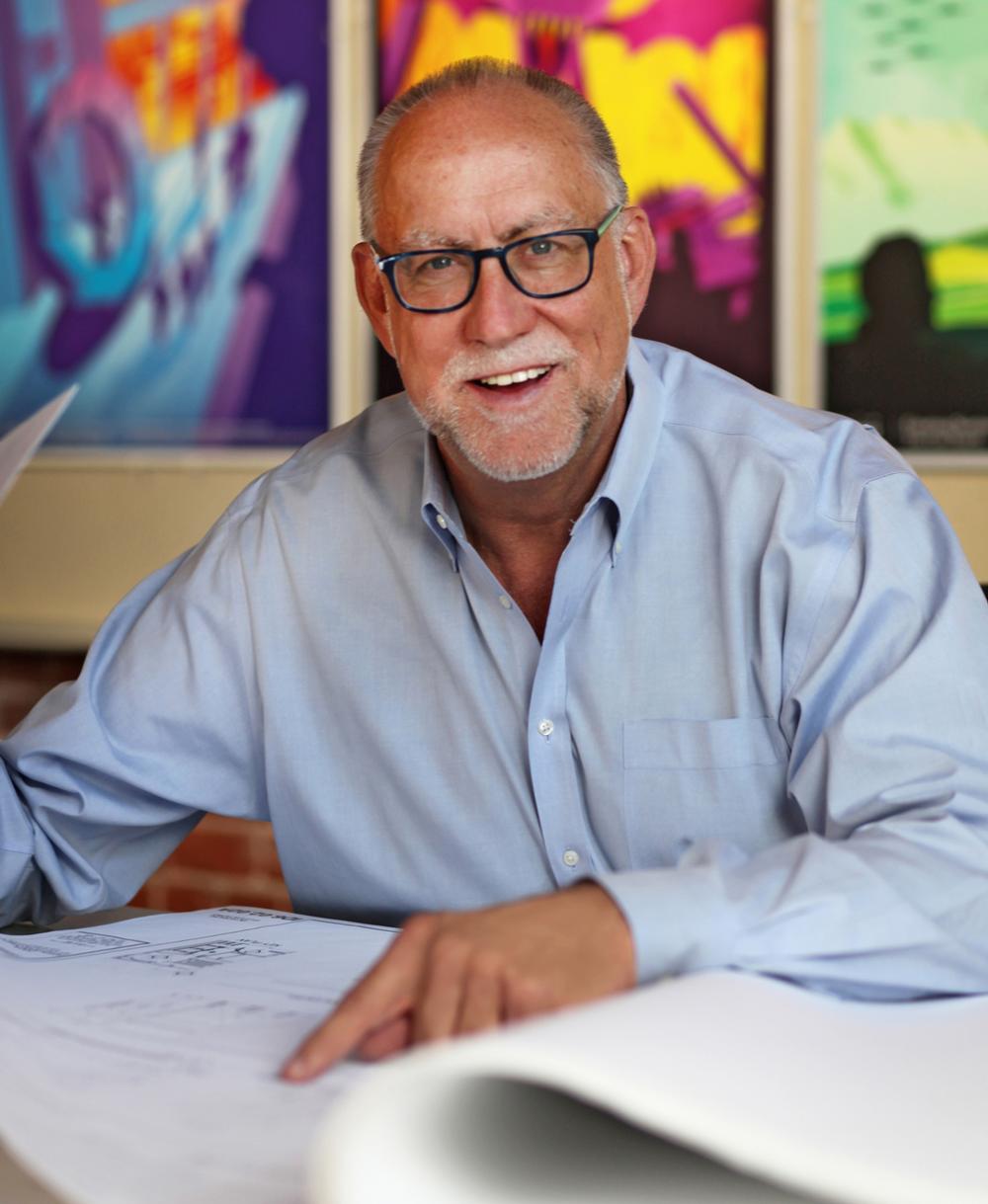
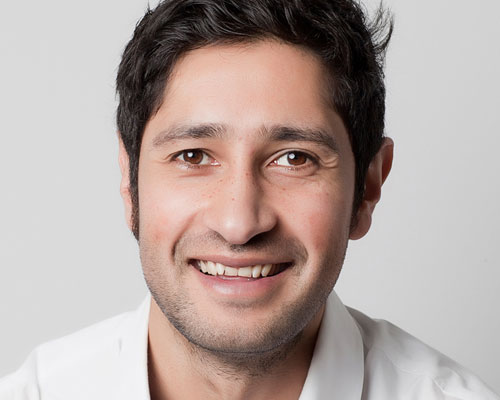
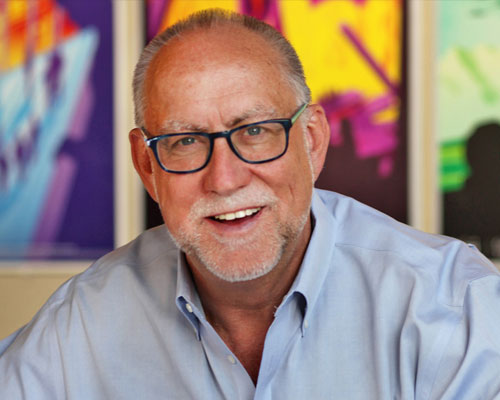
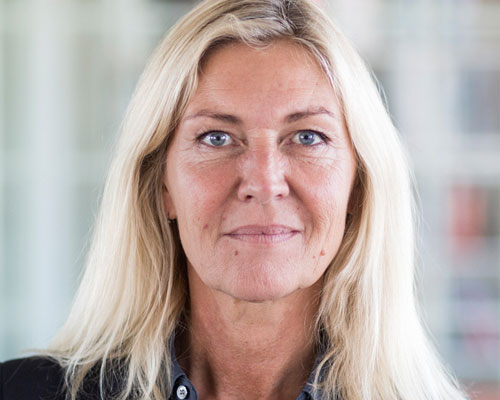
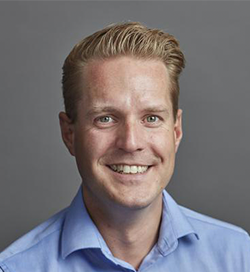
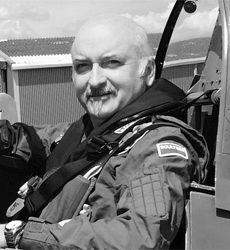
Hettema started his career with Disney and launched The Hettema Group in 2002 / Photo: Jesse Vargas
Founded by Phil Hettema in 2002, The Hettema Group is a creator of award-winning experiential attractions and shows, including the One World Observatory in New York at the One World Trade Center; the High Roller Observation Wheel at The LINQ, Las Vegas; and Beyond All Boundaries at the National World War II Museum, New Orleans.
The group is currently working on several new projects, including the Aon Center observatory in Chicago, a “game-changing” new gallery for the Arizona Science Center, a new theatre for the National World War II Museum and a major casino resort in Macau.
An industry stalwart with a raft of awards to his name – including TEA’s Buzz Price Thea Award for a lifetime of distinguished achievements – Phil Hettema caught the attractions bug early. “I grew up in southern California and was born the year Disneyland opened,” he says, speaking from his home in California. “You could say I was a bit of a Disney nerd.” Hettema paid his way through college with a part time job at Disney, then later worked in a range of managerial roles for the company, before joining Universal, where he was senior vice president, attraction development for Universal Studios Theme Parks Worldwide for 14 years. In 2002, he launched his own company, The Hettema Group, which has gone on to become one of the leading companies creating immersive stories for theme parks, museums, resorts and more.
Here he talks to Attractions Management about his upcoming projects, the impact of COVID-19 on the industry and why creating amazing experiences is all about emotion.
Can you sum up what The Hettema Group does? We’re an experiential design and production studio with about 35 people on our staff. I’ve spent 45 years in this industry and I’m from the theme park industry originally so I understand that business pretty well. We now take what we learned there and apply it to the museum sector, to the standalone attraction sector, what we call iconic experiences – the One World Observatory at the World Trade Center in New York, for example – as well as large resorts.
We’re also looking at additional industries outside of that circle, including the medical sector, and looking at how the guest experience works. Whichever area we’re working in, it’s all about having a storytelling goal – making sure that guests leave having been changed somehow by their experience, whether that’s because they’ve learned something or been emotionally touched or just entertained.
How was 2020 for you? Like for everybody in the industry, it was an incredibly challenging year. Everything was turned on its head.
The workflow of projects has been radically altered – everything in the theme park business has slowed down tremendously, if not stopped completely. And virtually every other sector had to make decisions about how to move forward. There I would say we’ve been more fortunate than most in that several of our major projects have made the decision to continue and take advantage of this time to get ahead of the curve in order to have projects that were in the pipeline completed by the time audiences come back.
It’s so painful right now, but I do think that in the long-term, we’re going to learn some very important lessons that will ultimately be of benefit to everybody.
What are your predictions for the attractions industry over the next couple of years? I regrettably feel like we’re probably in a very constrained situation for the next year at least and then we’ll start to gradually come out of it.
When we emerge from this tunnel we’re in, I think there will be tremendous pent-up demand for ways to connect. There’s a real physiological, emotional and human need to connect with each other in physical space.
When things begin to open up, I think the people in our business will see a huge hunger in demand for places where people can meet that need and quench that thirst.
How will this pandemic change the design of attractions going forward? Of course, almost every theme park and venue with ride experiences will look very different, because nobody’s going to be willing to invest in things that will force large groups of people to be in the same space. Instead we’ll have to think about how smaller groups of people can move sequentially through the same environment in a way that allows them to communicate and connect, while remaining separate. Museums are already looking at how to open their galleries to groups of people in more immersive and facilitated ways.
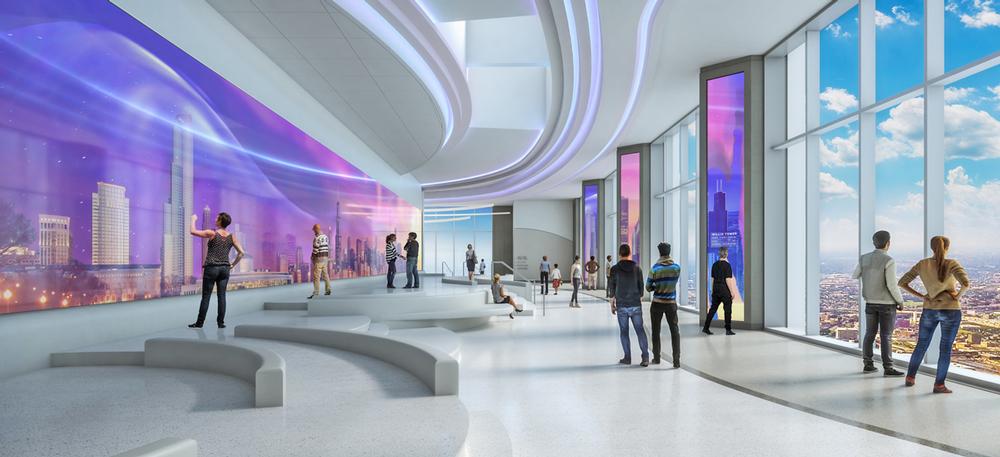
You’re the designers of the Aon Observatory in Chicago. What can you tell us about that project? It’s located right at the end of Millennium Park, in the ideal location to give the most spectacular views of Chicago. The top floors of the building were previously used for mechanical equipment, so there are fantastic big volume spaces that we’re converting into a spectacular observatory. An external elevator system is being added – it will feature one of the world’s longest glass elevators on the outside of a building.
As you start the experience, we’ll give you context into Chicago, so whether you’re a native or a first time visitor, you’ll have a common appreciation of the history and vibrancy of the city.
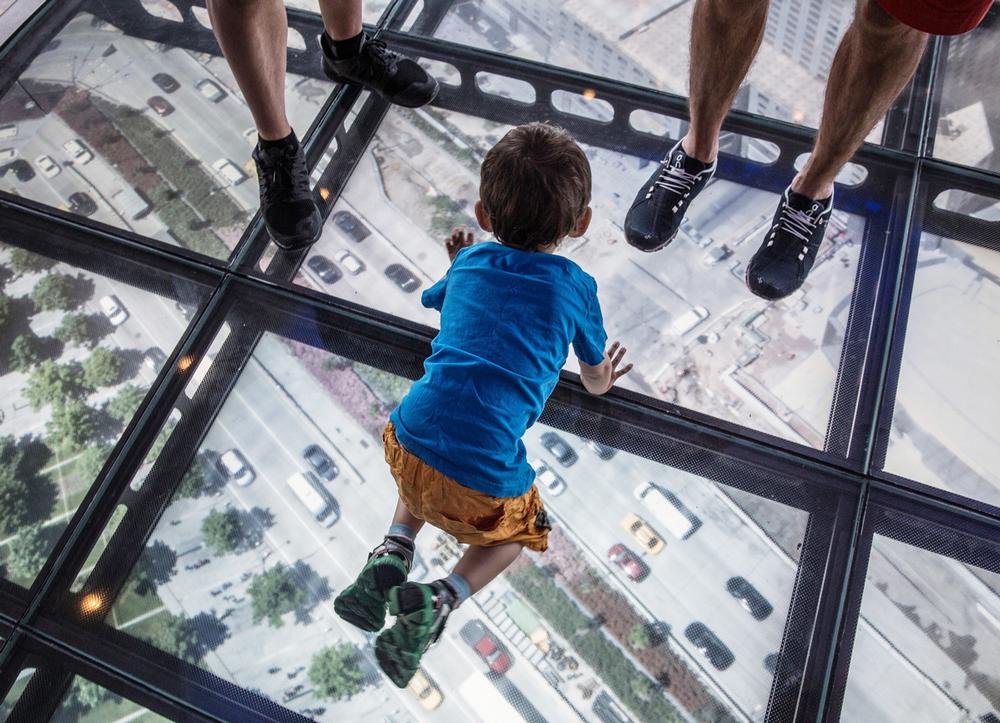
When you get to the observatory itself, the views will be spectacular, and there will be several different ways to experience them. For those who want a really thrilling experience, there will be an experience ride at the very top, which will take visitors over the edge of the building’s roof and right over Millennium Park.
You’re currently working on the creation of new galleries for the Arizona Science Center. Can you tell us more? The Arizona Science Center is a fantastic institution; very scrappy but really great at telling stories. They have ambitious plans for a major new Arizona-focused gallery. They really want to turn up the experiential volume and put people in the middle of the experience. It’s a chance to do something really not typical for a museum that I think could be game changing for them and for the museum world.
You’re also working with the National WWII Museum in New Orleans on a new project. What can you tell us about that? Ten years ago, we were tasked by the National WWII Museum in New Orleans to create a theatre experience that would tell the story of World War II in a fresh new way.
We put together a multimedia documentary narrated by Tom Hanks – who was also the executive producer – in which we tried to bring together the events that took place right across the world during World War II with a lot of emotion and connection to everybody in that conflict.
We’re working on a new theatre for the same museum right now which takes a much broader view and asks what that fight for freedom meant. It’s a physically engaging show that’s both intellectually and theatrically challenging. We’re about a year and a half away from that opening.
Which projects are you most proud of? The One World Observatory at the World Trade Center in New York was a really important and challenging project for us.
The client wanted an observatory experience in the tallest building in the western hemisphere, and they wanted it to be forward-looking, with a focus on rebirth and rebuilding. It was challenging, because we understood that no-one would walk into that project without having in their mind the fact that the building sits on the same site as the Twin Towers sat before, so we had to put that into context while creating an experience that was very positive and optimistic.
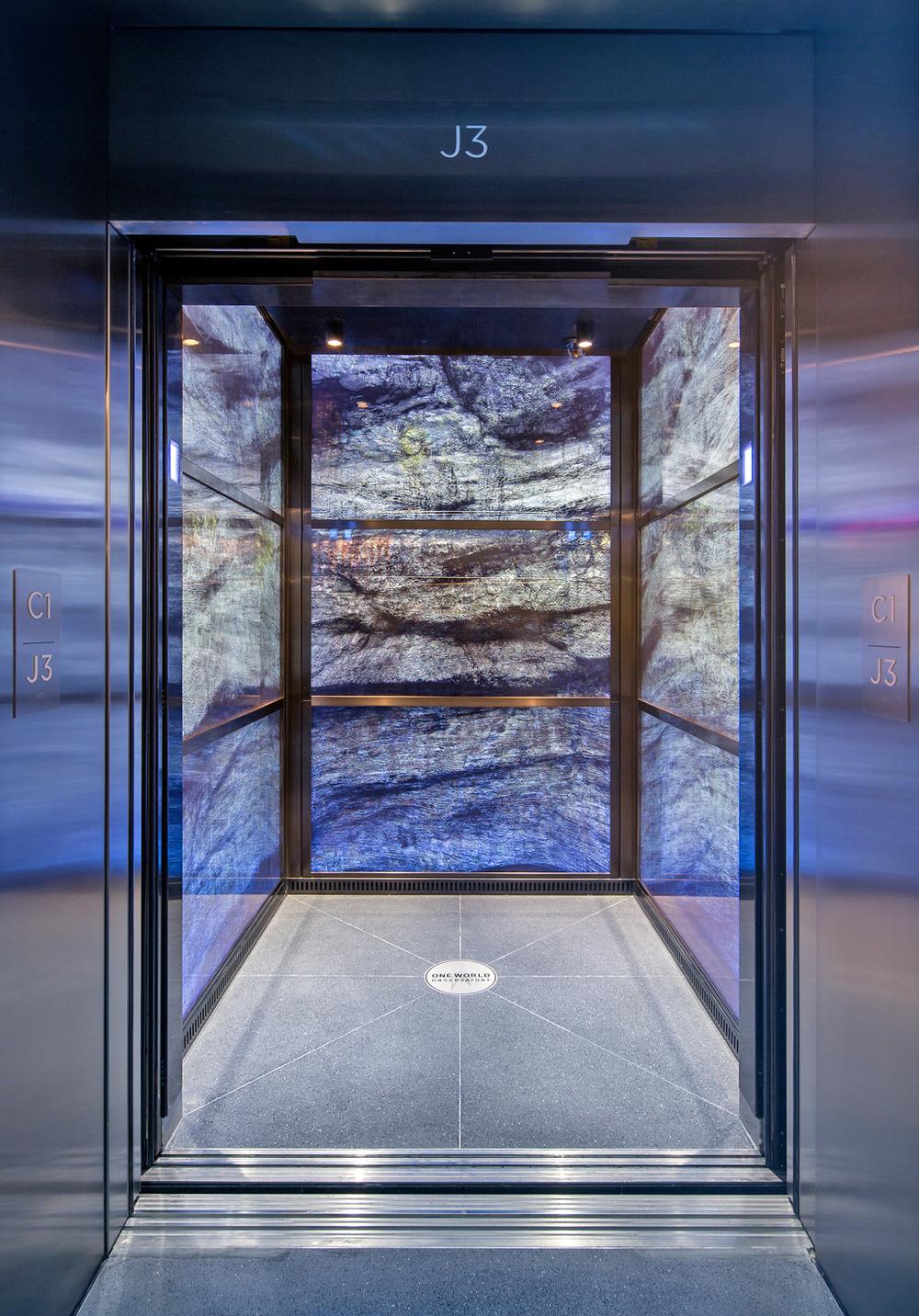
The way we did that was by not just looking at 9/11 to today, but by broadening that time spectrum out and asking what the site looked like 200 years ago. The Elevator Experience is a virtual elevator; as you ascend the building, it’s as though you’re travelling in time. So as you begin your journey, you’re looking at a Manhattan that was mostly underwater; as you make your ascent, you see how Manhattan developed over the decades. The only place that 9/11 and the Twin Towers are mentioned is you see when they’re built, literally next to the elevator and then they disappear on 9/11. When you step off that elevator and get that first spectacular reveal experience at the top, you’re really looking towards the future.
Who do you respect in the industry? I’m a huge fan of the Disney organisation – they’re the 500lb gorilla, but they’ve done that by focusing on innovation and quality on every level. I admire what Universal has done. I personally admire Bob Rogers, his company, BRC and the way they tell stories, which is very different from us (see our profile of Bob Rogers on page 48).
You’ve been in the attractions business 45 years – where are we now in terms of the highs and lows you’ve seen? The pandemic is certainly the most significant event in my lifetime. I don’t think anybody could have imagined something this cataclysmic – I still have a hard time wrapping my head around the thought that Disney shuttered its theme parks for so long.
We’ve always been a cyclical business, but the curve for our industry has tended to be contrary to that of the larger world. When the world slides into recession or depression, entertainment and attractions often go up. I choose to believe that in the long-term, that will be the effect here. The question is, who will still be around? Who can gut it out long enough to reconstitute themselves again when we begin to pull out of this?
There’s some creative destruction going on that means that when the industry rebuilds itself, it will rebuild in stronger and more vibrant and exciting ways.
One World Observatory
One World Trade Center, New York, US
The Hettema Group, in partnership with Legends, designed and produced the observation deck experience at the World Trade Center in New York City, US.
According to Hettema: “One World Observatory is a state-of-the-art guest experience that elevates the One World Trade Center observation deck from a spectacular sightseeing opportunity to an inspirational personal journey.”
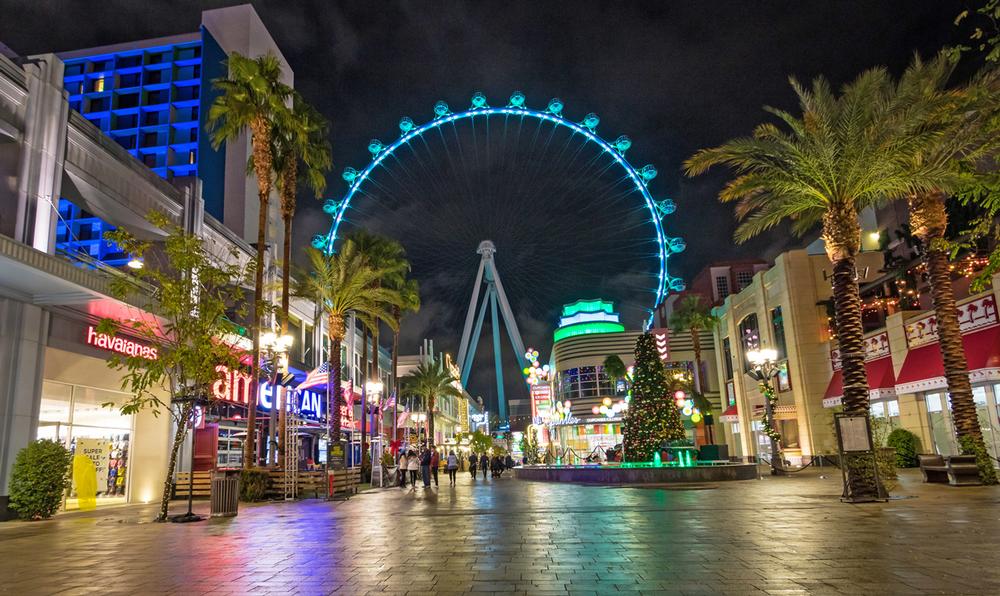
The High Roller, the tallest observation wheel in the world at 550 feet, provides incredible views of the entertainment capital of the world.
The attraction offers a 30-minute entertainment experience that delivers more than spectacular views – each cabin is like a mini- showroom, complete with music and theatrical lighting.
This five-year project – from concept to design and production – by The Hettema Group’s creative team incorporates state-of-the-art special effects, immersing the audience in a vivid cinematic experience.
With life-sized props, animation, and atmospherics, as well as archival footage and sound effects, audiences “feel the tank treads rumbling across North Africa’s deserts, brush snow from their cheeks during the wintry Battle of the Bulge, and flinch at anti-aircraft fire as it tries to bring down their B-17 on a bombing run over Nazi Germany.”
The Hettema Group is currently working on a new theatre show for the museum.
Read more from this issue of Attractions Management magazine
View contents of Attractions Management 2021 issue 1
Editor's letter: Doing better
The Black Lives Matter movement has challenged museums professionals to ask testing questions about their role in reparative history and the way we display and interpret racist and colonial collections
People: Brent Bushnell
Two Bit Circus has pivoted to an innovative online model aimed at keeping its community in touch
People: Michel Linet-Frion
After decades creating for Disney, Grévin and Center Parcs, Linet-Frion has launched his own consultancy
People: Anthony Rawlins
The Digital Visitor CEO explains a new whitepaper on how attractions can survive 2021 and beyond
Interview: Sarah Roots
Warner Bros’ Sarah Roots shares exciting details of the second Harry Potter Studio Tour, set to open in Japan in 2023
Inspired: Alone with Vermeer
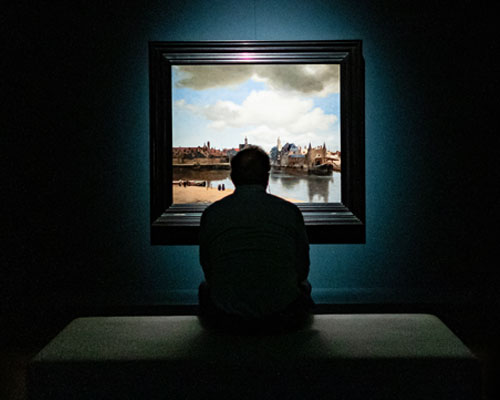
The Mauritshuis in The Hague has allowed visitors one-to-one time with Vermeer’s <i>View of Delft</i>, ‘the most beautiful painting in the world’
Aquariums: Into the deep
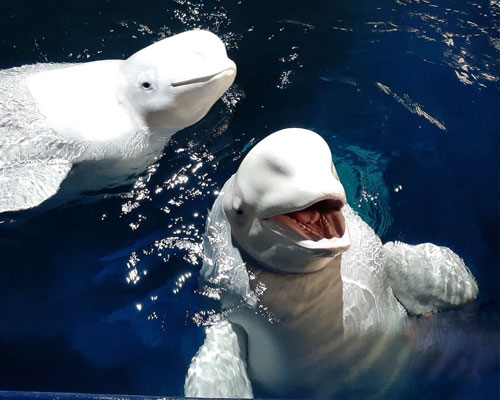
Merlin and the Sea Life Trust share the highs and lows of the epic journey to get two whales to their new home in the world’s first beluga whale sanctuary in Iceland
Innovation: Sea change
Edge Innovations’ incredibly
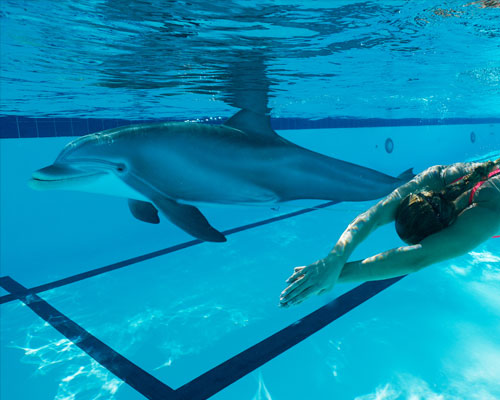
life-like robot dolphins could spell the end of marine mammals in aquariums, says CEO Walt Conti
Interview: Bob Rogers
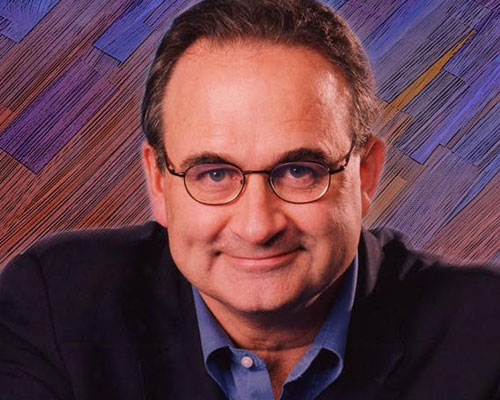
As BRC Imagination Arts celebrates 40 years in business, its founder celebrates his team’s achievements
Sponsored: Technically Creative
With clients including the Xplore
Family Entertainment Centre in Athens,
Technically Creative provides a one
stop, in-house solution to create
memorable and magical experiences.
We talk to CEO, Marc Broadbent
Sponsored: Fun Spot: Providing turnkey solutions
Industry innovator, Fun Spot, is on a roll, with a new EMEA
office and a range of innovative new products to help operators
deliver excellence to the family fun market. We find out more
Interview: Phil Hettema
The Hettema Group president on weathering the pandemic and creating powerful experiences
While the COVID-19 pandemic is painful and heartbreaking, the
attractions industry will come back stronger and more creative
than ever, The Hettema Group president tells Magali Robathan
Hettema started his career with Disney and launched The Hettema Group in 2002 / Photo: Jesse Vargas
Founded by Phil Hettema in 2002, The Hettema Group is a creator of award-winning experiential attractions and shows, including the One World Observatory in New York at the One World Trade Center; the High Roller Observation Wheel at The LINQ, Las Vegas; and Beyond All Boundaries at the National World War II Museum, New Orleans.
The group is currently working on several new projects, including the Aon Center observatory in Chicago, a “game-changing” new gallery for the Arizona Science Center, a new theatre for the National World War II Museum and a major casino resort in Macau.
An industry stalwart with a raft of awards to his name – including TEA’s Buzz Price Thea Award for a lifetime of distinguished achievements – Phil Hettema caught the attractions bug early. “I grew up in southern California and was born the year Disneyland opened,” he says, speaking from his home in California. “You could say I was a bit of a Disney nerd.” Hettema paid his way through college with a part time job at Disney, then later worked in a range of managerial roles for the company, before joining Universal, where he was senior vice president, attraction development for Universal Studios Theme Parks Worldwide for 14 years. In 2002, he launched his own company, The Hettema Group, which has gone on to become one of the leading companies creating immersive stories for theme parks, museums, resorts and more.
Here he talks to Attractions Management about his upcoming projects, the impact of COVID-19 on the industry and why creating amazing experiences is all about emotion.
Can you sum up what The Hettema Group does? We’re an experiential design and production studio with about 35 people on our staff. I’ve spent 45 years in this industry and I’m from the theme park industry originally so I understand that business pretty well. We now take what we learned there and apply it to the museum sector, to the standalone attraction sector, what we call iconic experiences – the One World Observatory at the World Trade Center in New York, for example – as well as large resorts.
We’re also looking at additional industries outside of that circle, including the medical sector, and looking at how the guest experience works. Whichever area we’re working in, it’s all about having a storytelling goal – making sure that guests leave having been changed somehow by their experience, whether that’s because they’ve learned something or been emotionally touched or just entertained.
How was 2020 for you? Like for everybody in the industry, it was an incredibly challenging year. Everything was turned on its head.
The workflow of projects has been radically altered – everything in the theme park business has slowed down tremendously, if not stopped completely. And virtually every other sector had to make decisions about how to move forward. There I would say we’ve been more fortunate than most in that several of our major projects have made the decision to continue and take advantage of this time to get ahead of the curve in order to have projects that were in the pipeline completed by the time audiences come back.
It’s so painful right now, but I do think that in the long-term, we’re going to learn some very important lessons that will ultimately be of benefit to everybody.
What are your predictions for the attractions industry over the next couple of years? I regrettably feel like we’re probably in a very constrained situation for the next year at least and then we’ll start to gradually come out of it.
When we emerge from this tunnel we’re in, I think there will be tremendous pent-up demand for ways to connect. There’s a real physiological, emotional and human need to connect with each other in physical space.
When things begin to open up, I think the people in our business will see a huge hunger in demand for places where people can meet that need and quench that thirst.
How will this pandemic change the design of attractions going forward? Of course, almost every theme park and venue with ride experiences will look very different, because nobody’s going to be willing to invest in things that will force large groups of people to be in the same space. Instead we’ll have to think about how smaller groups of people can move sequentially through the same environment in a way that allows them to communicate and connect, while remaining separate. Museums are already looking at how to open their galleries to groups of people in more immersive and facilitated ways.
You’re the designers of the Aon Observatory in Chicago. What can you tell us about that project? It’s located right at the end of Millennium Park, in the ideal location to give the most spectacular views of Chicago. The top floors of the building were previously used for mechanical equipment, so there are fantastic big volume spaces that we’re converting into a spectacular observatory. An external elevator system is being added – it will feature one of the world’s longest glass elevators on the outside of a building.
As you start the experience, we’ll give you context into Chicago, so whether you’re a native or a first time visitor, you’ll have a common appreciation of the history and vibrancy of the city.
When you get to the observatory itself, the views will be spectacular, and there will be several different ways to experience them. For those who want a really thrilling experience, there will be an experience ride at the very top, which will take visitors over the edge of the building’s roof and right over Millennium Park.
You’re currently working on the creation of new galleries for the Arizona Science Center. Can you tell us more? The Arizona Science Center is a fantastic institution; very scrappy but really great at telling stories. They have ambitious plans for a major new Arizona-focused gallery. They really want to turn up the experiential volume and put people in the middle of the experience. It’s a chance to do something really not typical for a museum that I think could be game changing for them and for the museum world.
You’re also working with the National WWII Museum in New Orleans on a new project. What can you tell us about that? Ten years ago, we were tasked by the National WWII Museum in New Orleans to create a theatre experience that would tell the story of World War II in a fresh new way.
We put together a multimedia documentary narrated by Tom Hanks – who was also the executive producer – in which we tried to bring together the events that took place right across the world during World War II with a lot of emotion and connection to everybody in that conflict.
We’re working on a new theatre for the same museum right now which takes a much broader view and asks what that fight for freedom meant. It’s a physically engaging show that’s both intellectually and theatrically challenging. We’re about a year and a half away from that opening.
Which projects are you most proud of? The One World Observatory at the World Trade Center in New York was a really important and challenging project for us.
The client wanted an observatory experience in the tallest building in the western hemisphere, and they wanted it to be forward-looking, with a focus on rebirth and rebuilding. It was challenging, because we understood that no-one would walk into that project without having in their mind the fact that the building sits on the same site as the Twin Towers sat before, so we had to put that into context while creating an experience that was very positive and optimistic.
The way we did that was by not just looking at 9/11 to today, but by broadening that time spectrum out and asking what the site looked like 200 years ago. The Elevator Experience is a virtual elevator; as you ascend the building, it’s as though you’re travelling in time. So as you begin your journey, you’re looking at a Manhattan that was mostly underwater; as you make your ascent, you see how Manhattan developed over the decades. The only place that 9/11 and the Twin Towers are mentioned is you see when they’re built, literally next to the elevator and then they disappear on 9/11. When you step off that elevator and get that first spectacular reveal experience at the top, you’re really looking towards the future.
Who do you respect in the industry? I’m a huge fan of the Disney organisation – they’re the 500lb gorilla, but they’ve done that by focusing on innovation and quality on every level. I admire what Universal has done. I personally admire Bob Rogers, his company, BRC and the way they tell stories, which is very different from us (see our profile of Bob Rogers on page 48).
You’ve been in the attractions business 45 years – where are we now in terms of the highs and lows you’ve seen? The pandemic is certainly the most significant event in my lifetime. I don’t think anybody could have imagined something this cataclysmic – I still have a hard time wrapping my head around the thought that Disney shuttered its theme parks for so long.
We’ve always been a cyclical business, but the curve for our industry has tended to be contrary to that of the larger world. When the world slides into recession or depression, entertainment and attractions often go up. I choose to believe that in the long-term, that will be the effect here. The question is, who will still be around? Who can gut it out long enough to reconstitute themselves again when we begin to pull out of this?
There’s some creative destruction going on that means that when the industry rebuilds itself, it will rebuild in stronger and more vibrant and exciting ways.
One World Observatory
One World Trade Center, New York, US
The Hettema Group, in partnership with Legends, designed and produced the observation deck experience at the World Trade Center in New York City, US.
According to Hettema: “One World Observatory is a state-of-the-art guest experience that elevates the One World Trade Center observation deck from a spectacular sightseeing opportunity to an inspirational personal journey.”
The High Roller, the tallest observation wheel in the world at 550 feet, provides incredible views of the entertainment capital of the world.
The attraction offers a 30-minute entertainment experience that delivers more than spectacular views – each cabin is like a mini- showroom, complete with music and theatrical lighting.
This five-year project – from concept to design and production – by The Hettema Group’s creative team incorporates state-of-the-art special effects, immersing the audience in a vivid cinematic experience.
With life-sized props, animation, and atmospherics, as well as archival footage and sound effects, audiences “feel the tank treads rumbling across North Africa’s deserts, brush snow from their cheeks during the wintry Battle of the Bulge, and flinch at anti-aircraft fire as it tries to bring down their B-17 on a bombing run over Nazi Germany.”
The Hettema Group is currently working on a new theatre show for the museum.
Read more from this issue of Attractions Management magazine
View contents of Attractions Management 2021 issue 1
Editor's letter: Doing better
The Black Lives Matter movement has challenged museums professionals to ask testing questions about their role in reparative history and the way we display and interpret racist and colonial collections
People: Brent Bushnell
Two Bit Circus has pivoted to an innovative online model aimed at keeping its community in touch
People: Michel Linet-Frion
After decades creating for Disney, Grévin and Center Parcs, Linet-Frion has launched his own consultancy
People: Anthony Rawlins
The Digital Visitor CEO explains a new whitepaper on how attractions can survive 2021 and beyond
Interview: Sarah Roots
Warner Bros’ Sarah Roots shares exciting details of the second Harry Potter Studio Tour, set to open in Japan in 2023
Inspired: Alone with Vermeer
The Mauritshuis in The Hague has allowed visitors one-to-one time with Vermeer’s <i>View of Delft</i>, ‘the most beautiful painting in the world’
Aquariums: Into the deep
Merlin and the Sea Life Trust share the highs and lows of the epic journey to get two whales to their new home in the world’s first beluga whale sanctuary in Iceland
Innovation: Sea change
Edge Innovations’ incredibly
life-like robot dolphins could spell the end of marine mammals in aquariums, says CEO Walt Conti
Interview: Bob Rogers
As BRC Imagination Arts celebrates 40 years in business, its founder celebrates his team’s achievements
Sponsored: Technically Creative
With clients including the Xplore
Family Entertainment Centre in Athens,
Technically Creative provides a one
stop, in-house solution to create
memorable and magical experiences.
We talk to CEO, Marc Broadbent
Sponsored: Fun Spot: Providing turnkey solutions
Industry innovator, Fun Spot, is on a roll, with a new EMEA
office and a range of innovative new products to help operators
deliver excellence to the family fun market. We find out more
Interview: Phil Hettema
The Hettema Group president on weathering the pandemic and creating powerful experiences
OMA has completed a major transformation of New York's New Museum, creating a larger
cultural campus that combines expanded exhibition spaces with learning, performance,
hospitality and public programming.
A US$50 million (£44.2 million, €51.2 million) transformation of Chicago's historic McCormick
Mansion has created a new destination that combines live magic, immersive theatre, dining and
private membership under one roof.
The Montana Historical Society has officially celebrated the opening of its new Montana
Heritage
Center, a US$107 million (£79 million, €92 million) destination that combines immersive
storytelling with cutting-edge audiovisual technology to bring the sta
San Antonio Zoo has reported a US$283 million economic impact for 2025, following a decade-
long transformation programme that has seen almost US$200 million invested into the Texas
attraction.
Plans for the AU$180 million redevelopment of Reef HQ Aquarium in Townsville, Australia, are
progressing, with the project set to transform the attraction into a global centre for reef
education and conservation.
Abu Dhabi-based investment firm Mubadala Capital has made a binding, fully financed
€1 billion
offer to acquire Pierre and Vacances SA, the European holiday resort operator behind the
continental European Center Parcs business.
Disney has reaffirmed its commitment to investing US$30 billion in its US parks and cruise
business by 2033, using new America250 celebrations to underline the role its attractions play
in supporting jobs, tourism and economic growth.
Expo 2030 Riyadh is being planned as a permanent visitor destination, with organisers
confirming the six-million-square-metre site will become a Global Village after the event closes.
The owner of one of Australia's best-known waterparks has acquired a major competitor,
creating a new attractions business spanning two of the country's largest visitor destinations.
The Toverland theme park in the Netherlands has announced a €98m expansion programme
that will add a resort, new attractions and staff facilities as it pursues plans to become a multi-
day destination.
+ More news
COMPANY PROFILES
Polin Waterparks Polin was founded in Istanbul in 1976. Polin
has since grown into a leading company in
the waterpa [more...]
TechnoAlpin Indoor TechnoAlpin is the world leader for snowmaking systems. With the Indoor snow division, TechnoAlpin c [more...]
IAAPA EMEA IAAPA Expo Europe was established in 2006 and has grown to the largest international conference and [more...]
RMA Ltd RMA Ltd is a one-stop global company
that can design, build and produce from a
greenfield site upw [more...]