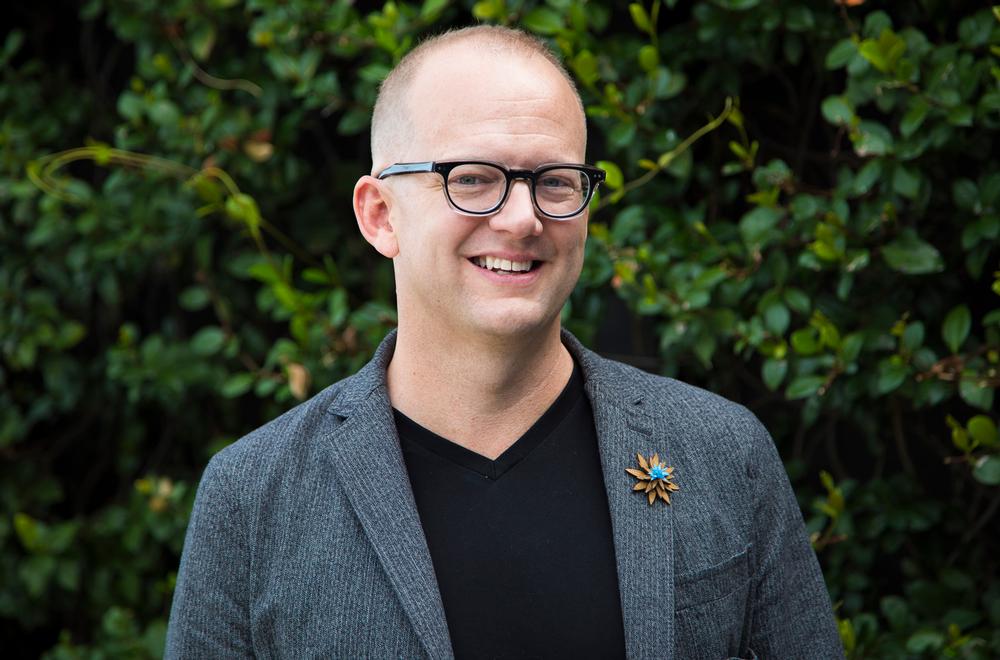
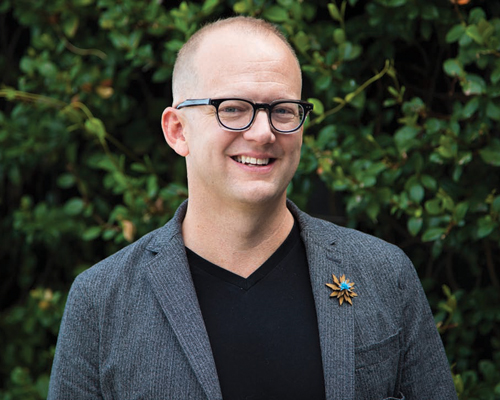
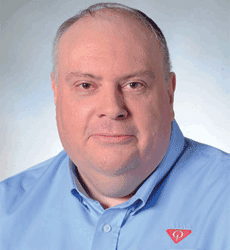
Brian Morrow has more than 22 years and US$1.2bn worth of entertainment design experience
Brian Morrow is a well-respected name within the visitor attractions industry.
Starting out on the construction of Disney’s Animal Kingdom in 1999, Morrow then moved over to the zoo sector, working on the construction and design of a major expansion for Tampa Zoo. From there, he joined SeaWorld Entertainments, where he would spend more than a decade working his way up to the position of vice president of theme park experience design, overseeing creative development for all 12 of the operator’s theme parks.
“I got to build incredible things during my time at SeaWorld,” says Morrow. “We masterplanned SeaWorld Abu Dhabi, built the Aquatica waterparks and all the big attractions in between. There was a wide breadth of creative and theme park development opportunities there.”
Leaving the nest In 2018, Morrow left SeaWorld, choosing to carve his own path within the industry.
“I got to experience all the turmoil of the organisation from 2013 onwards but I didn’t leave because of that,” he says. “I left because I wasn’t being challenged enough. I started repeating myself creatively and thought if I’m not really here trying to reinvent every single moment and opportunity, then somebody else should probably do it.
“When I was there we did some highly innovative stuff. It was really a creative choice. Creating my own space allowed me to work with who I wanted to work with – my friends, my colleagues and folks that I admire the work ethics of.”
Taking the lessons he’d learned in running creative studios for zoos and theme parks, Morrow set up his own studio and design house, with an ethic and a focus on the talents working there.
“I developed B Morrow Productions around the idea that it harbours, elevates and celebrates the talent of the people,” he explains. “Within the industry, I’ve seen that it’s not talent forwards. The policies of hiring and management don’t really fit creative minds. The industry tries to make the same policies that apply to accountants apply to everyone. I’m very proud of the culture and the process that’s been developed within my organisation.”
As part of the creation of this culture of stimulation, Morrow profit shares all projects with everyone, including freelance talent. He also lets his creative team work how, and when, they want to work.
“Everyone gets part of the profit, everyone is part of the team and that way we move faster and that makes it very competitive”, he says.
“We offer unlimited holidays because I hire people that I know are going to work hard. We also offer highly flexible work schedules because our work is very flexible. Some people like to work at two in the morning, some like to work at one in the afternoon. Having flexible work schedules that work around people’s personal habits or their life requirements is a key part of the culture we’ve created. Versus a 9 to 5 job, allowing these flexible conditions is something I’m really proud of.”
The work Working with a number of major names in the industry, such as Universal, Europa Park and SeaWorld, in the two years since the company’s foundation, Morrow has set his sights on creating projects that the whole family can enjoy.
“The industry is moving in a couple of different directions,” he explains. “The first is big IP-driven lands. The other is a more personal, inter-connected, playful, engaging experience. That’s what we’re focusing on.
“Constructing a themed environment that allows parents and their multi-generational families permission to play and engage with each other without necessarily having a ride system to do it is the goal.
“We’re working on a lot of physical exploration, interactivity and play, combined together and wrapped around certain story worlds we’ve created for various clients. Every theme park tended to have a play experience or a playground – those are becoming more engaging, still with play, but much more engaging for the whole family, not just the kids.”
Working with IP With his new company, Morrow has also been given the chance to work with a number of high end IPs.
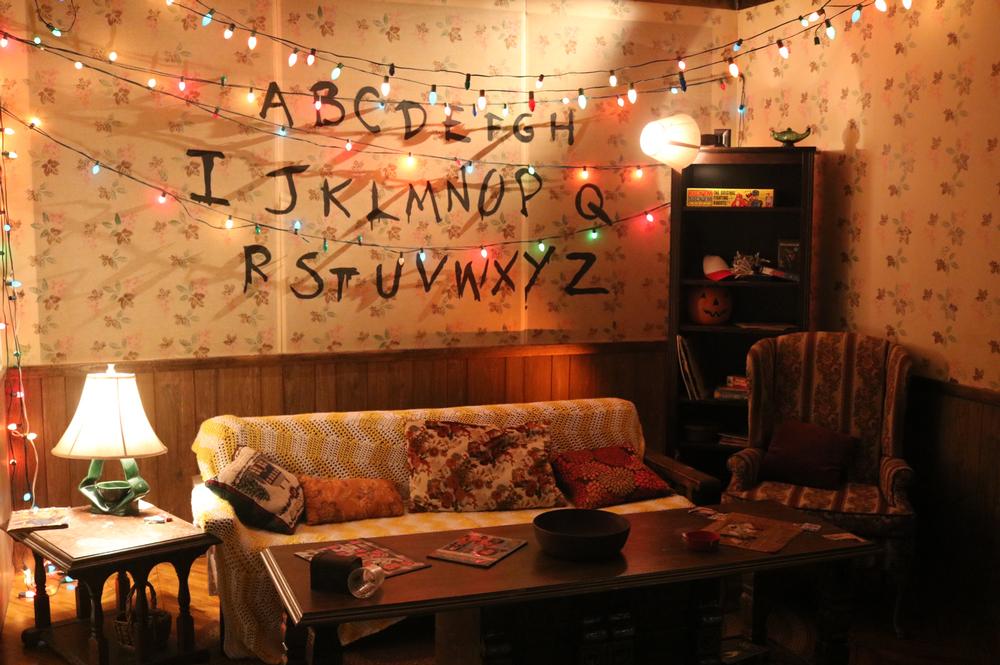
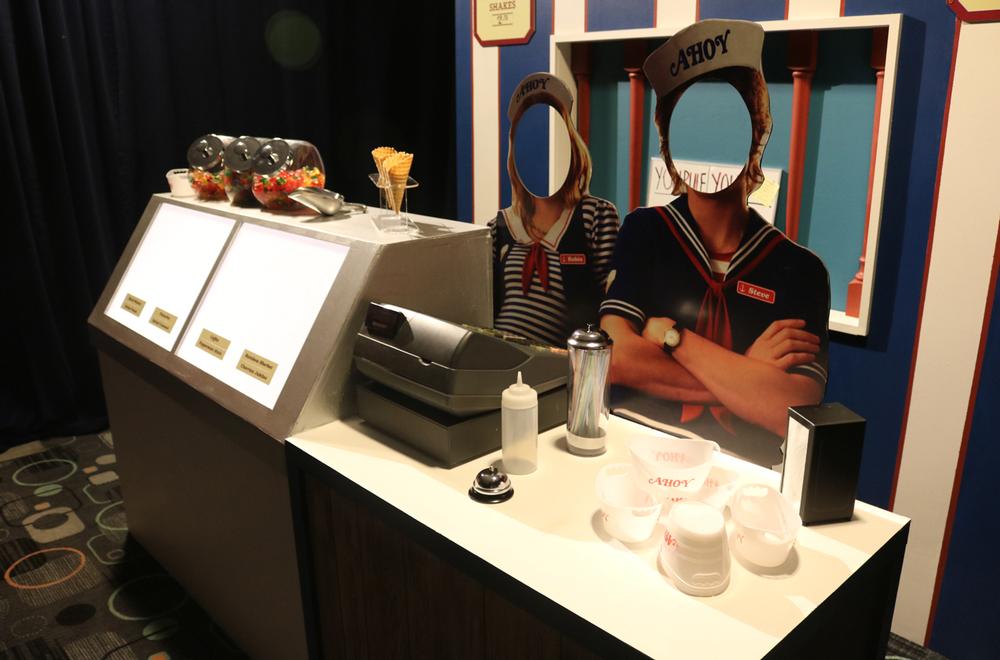
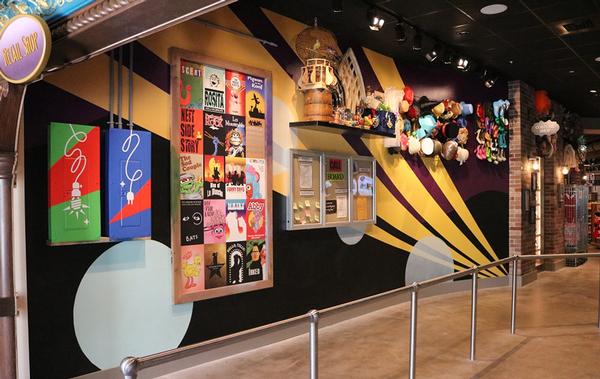
A recent example of this work came at Universal’s Cabana Bay hotel, where the team created a Stranger Things pop-up experience featuring the Byers’ iconic living-room and the Scoops Ahoy ice cream shop.
“We knew the IP so it was easy to follow and make awesome and deliver it,” says Morrow. “Guests got to be in the environment but also control it by activating a secret switch that allowed the upside-down to come into the room.
“It had huge value to the client and the guests loved it. 27,000 people went through in the month and a half that it was open. We love seeing tonnes of people walk into our designs.”
Morrow’s portfolio often includes cross-discipline projects, something he sees as a key trend as the popularity of hybrid attractions continues to grow.
“I get a lot of varied types of experiences that allows theme park, educational, play and emotional design to be applied to other industries,” he says. “You can see experiences morphing as museums become more like theme parks and zoos become more like beacons of hope for the future of the planet. These are really interesting moments in these industries to design and experiment inside of.
“We’re also adding some new clients to our roster in the cruise category, which is an industry I’m fascinated with. Crossing over with that is something that excites me. As they develop their experiences for their guests, it’s becoming more unique and special, which is right where we want to be.”
Striking gold It’s an exciting time in the theme park industry. With a multitude of major projects, such as Universal’s Epic Universe and Disney’s major and ongoing expansion of its parks currently taking place. Morrow sees this as the perfect storm, something he believes will lead to a “second golden era” for theme parks.
“Those ingredients of the right IP, the right idea and the right scale and authenticity level is a trend you’re going to continue to see moving forward,” he says. “There’s great success happening when done right.”
While immersive experiences might be the industry’s current hot topic, a technology that’s been on the tip of everyone’s tongue in recent years might already be done, believes Morrow.
“Virtual reality has had its day,” he says. “It was rushed to the marketplace and never really had its right time or right development time to be executed well.
“I think you’re going to see that come back in a different form and not be called VR. There’s a space for that in our industry but I don’t think it’s ever going to replace anything. It will become supplemental to what you’re experiencing.”
The key to this golden era, however, believes Morrow, is the development of attractions beyond just rides.
“There’s a big need for the development of experiences that everyone can do together,” he says. “There’s a diversification of experiences and theme parks are starting to move outside of purely offering rides. You can already see this at the big parks where the land is the attraction. It’s not just getting to the ride anymore, it’s going through the space and discovering it. Those discovery moments and those exploration moments are a key area for our work. Entertainment is crossing over from shows into the experience. It’s trickling out of Broadway and getting into our theme parks.”
Read more from this issue of Attractions Management magazine
View contents of Attractions Management 2020 issue 1
Brian Morrow has more than 22 years and US$1.2bn worth of entertainment design experience
Brian Morrow is a well-respected name within the visitor attractions industry.
Starting out on the construction of Disney’s Animal Kingdom in 1999, Morrow then moved over to the zoo sector, working on the construction and design of a major expansion for Tampa Zoo. From there, he joined SeaWorld Entertainments, where he would spend more than a decade working his way up to the position of vice president of theme park experience design, overseeing creative development for all 12 of the operator’s theme parks.
“I got to build incredible things during my time at SeaWorld,” says Morrow. “We masterplanned SeaWorld Abu Dhabi, built the Aquatica waterparks and all the big attractions in between. There was a wide breadth of creative and theme park development opportunities there.”
Leaving the nest In 2018, Morrow left SeaWorld, choosing to carve his own path within the industry.
“I got to experience all the turmoil of the organisation from 2013 onwards but I didn’t leave because of that,” he says. “I left because I wasn’t being challenged enough. I started repeating myself creatively and thought if I’m not really here trying to reinvent every single moment and opportunity, then somebody else should probably do it.
“When I was there we did some highly innovative stuff. It was really a creative choice. Creating my own space allowed me to work with who I wanted to work with – my friends, my colleagues and folks that I admire the work ethics of.”
Taking the lessons he’d learned in running creative studios for zoos and theme parks, Morrow set up his own studio and design house, with an ethic and a focus on the talents working there.
“I developed B Morrow Productions around the idea that it harbours, elevates and celebrates the talent of the people,” he explains. “Within the industry, I’ve seen that it’s not talent forwards. The policies of hiring and management don’t really fit creative minds. The industry tries to make the same policies that apply to accountants apply to everyone. I’m very proud of the culture and the process that’s been developed within my organisation.”
As part of the creation of this culture of stimulation, Morrow profit shares all projects with everyone, including freelance talent. He also lets his creative team work how, and when, they want to work.
“Everyone gets part of the profit, everyone is part of the team and that way we move faster and that makes it very competitive”, he says.
“We offer unlimited holidays because I hire people that I know are going to work hard. We also offer highly flexible work schedules because our work is very flexible. Some people like to work at two in the morning, some like to work at one in the afternoon. Having flexible work schedules that work around people’s personal habits or their life requirements is a key part of the culture we’ve created. Versus a 9 to 5 job, allowing these flexible conditions is something I’m really proud of.”
The work Working with a number of major names in the industry, such as Universal, Europa Park and SeaWorld, in the two years since the company’s foundation, Morrow has set his sights on creating projects that the whole family can enjoy.
“The industry is moving in a couple of different directions,” he explains. “The first is big IP-driven lands. The other is a more personal, inter-connected, playful, engaging experience. That’s what we’re focusing on.
“Constructing a themed environment that allows parents and their multi-generational families permission to play and engage with each other without necessarily having a ride system to do it is the goal.
“We’re working on a lot of physical exploration, interactivity and play, combined together and wrapped around certain story worlds we’ve created for various clients. Every theme park tended to have a play experience or a playground – those are becoming more engaging, still with play, but much more engaging for the whole family, not just the kids.”
Working with IP With his new company, Morrow has also been given the chance to work with a number of high end IPs.
A recent example of this work came at Universal’s Cabana Bay hotel, where the team created a Stranger Things pop-up experience featuring the Byers’ iconic living-room and the Scoops Ahoy ice cream shop.
“We knew the IP so it was easy to follow and make awesome and deliver it,” says Morrow. “Guests got to be in the environment but also control it by activating a secret switch that allowed the upside-down to come into the room.
“It had huge value to the client and the guests loved it. 27,000 people went through in the month and a half that it was open. We love seeing tonnes of people walk into our designs.”
Morrow’s portfolio often includes cross-discipline projects, something he sees as a key trend as the popularity of hybrid attractions continues to grow.
“I get a lot of varied types of experiences that allows theme park, educational, play and emotional design to be applied to other industries,” he says. “You can see experiences morphing as museums become more like theme parks and zoos become more like beacons of hope for the future of the planet. These are really interesting moments in these industries to design and experiment inside of.
“We’re also adding some new clients to our roster in the cruise category, which is an industry I’m fascinated with. Crossing over with that is something that excites me. As they develop their experiences for their guests, it’s becoming more unique and special, which is right where we want to be.”
Striking gold It’s an exciting time in the theme park industry. With a multitude of major projects, such as Universal’s Epic Universe and Disney’s major and ongoing expansion of its parks currently taking place. Morrow sees this as the perfect storm, something he believes will lead to a “second golden era” for theme parks.
“Those ingredients of the right IP, the right idea and the right scale and authenticity level is a trend you’re going to continue to see moving forward,” he says. “There’s great success happening when done right.”
While immersive experiences might be the industry’s current hot topic, a technology that’s been on the tip of everyone’s tongue in recent years might already be done, believes Morrow.
“Virtual reality has had its day,” he says. “It was rushed to the marketplace and never really had its right time or right development time to be executed well.
“I think you’re going to see that come back in a different form and not be called VR. There’s a space for that in our industry but I don’t think it’s ever going to replace anything. It will become supplemental to what you’re experiencing.”
The key to this golden era, however, believes Morrow, is the development of attractions beyond just rides.
“There’s a big need for the development of experiences that everyone can do together,” he says. “There’s a diversification of experiences and theme parks are starting to move outside of purely offering rides. You can already see this at the big parks where the land is the attraction. It’s not just getting to the ride anymore, it’s going through the space and discovering it. Those discovery moments and those exploration moments are a key area for our work. Entertainment is crossing over from shows into the experience. It’s trickling out of Broadway and getting into our theme parks.”
Read more from this issue of Attractions Management magazine
View contents of Attractions Management 2020 issue 1
London Museum will open four new food and drink destinations when it launches its new home
at Smithfield on 28 November, making hospitality a central part of the visitor experience at one
of the capital's biggest cultural openings of the year.
OMA has completed a major transformation of New York's New Museum, creating a larger
cultural campus that combines expanded exhibition spaces with learning, performance,
hospitality and public programming.
A US$50 million (£44.2 million, €51.2 million) transformation of Chicago's historic McCormick
Mansion has created a new destination that combines live magic, immersive theatre, dining and
private membership under one roof.
The Montana Historical Society has officially celebrated the opening of its new Montana
Heritage
Center, a US$107 million (£79 million, €92 million) destination that combines immersive
storytelling with cutting-edge audiovisual technology to bring the sta
San Antonio Zoo has reported a US$283 million economic impact for 2025, following a decade-
long transformation programme that has seen almost US$200 million invested into the Texas
attraction.
Plans for the AU$180 million redevelopment of Reef HQ Aquarium in Townsville, Australia, are
progressing, with the project set to transform the attraction into a global centre for reef
education and conservation.
Abu Dhabi-based investment firm Mubadala Capital has made a binding, fully financed
€1 billion
offer to acquire Pierre and Vacances SA, the European holiday resort operator behind the
continental European Center Parcs business.
Disney has reaffirmed its commitment to investing US$30 billion in its US parks and cruise
business by 2033, using new America250 celebrations to underline the role its attractions play
in supporting jobs, tourism and economic growth.
Expo 2030 Riyadh is being planned as a permanent visitor destination, with organisers
confirming the six-million-square-metre site will become a Global Village after the event closes.
The owner of one of Australia's best-known waterparks has acquired a major competitor,
creating a new attractions business spanning two of the country's largest visitor destinations.