In September 2018, a fire gutted the 200-year old Brazil Museu Nacional – the biggest natural history museum in Latin America – decimating its collections. In its wake, the team are rebuilding the institution and planning to create a new model for natural history museums across the continent. The museum’s director, Alexander Kellner, speaks to Kath Hudson...
By Kath Hudson | Published in Attractions Management 2020 issue 1
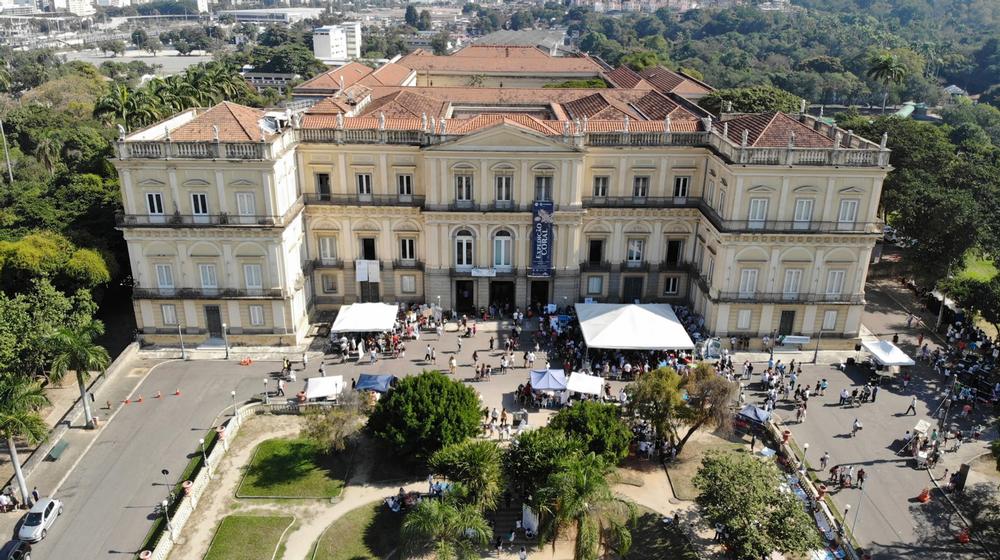
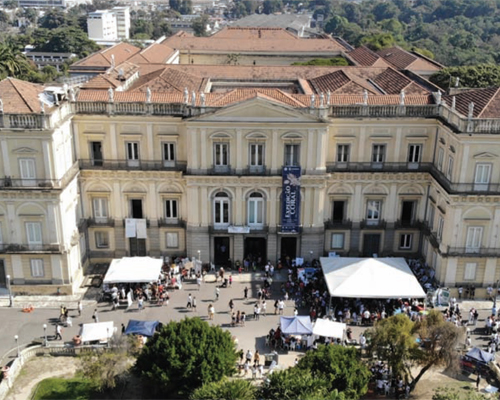
Brazil’s Museu Nacional will be transformed following the devastating fire in 2018
Described by the former environment minister, Marina Silva, as a “lobotomy of the Brazilian memory,” the fire of the former palace which housed the Museu Nacional was devastating.
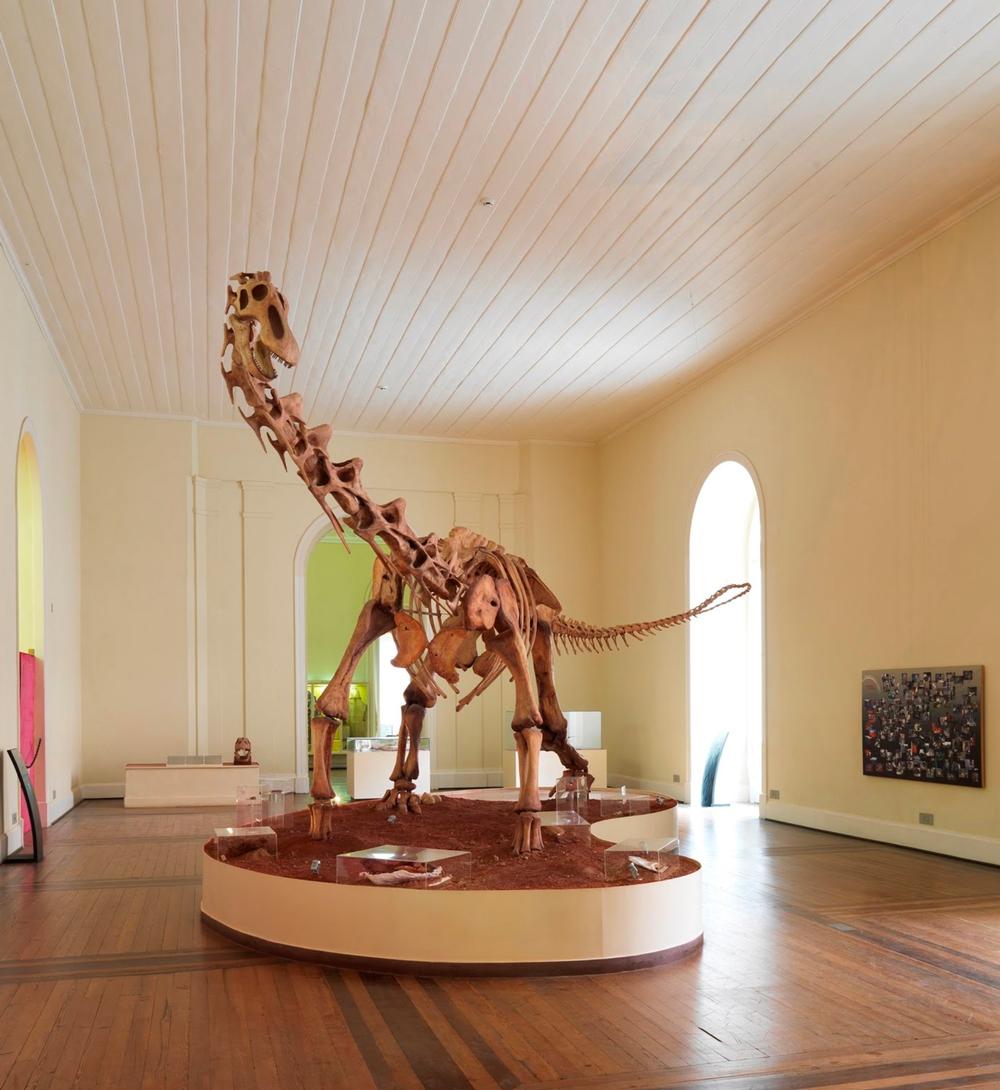
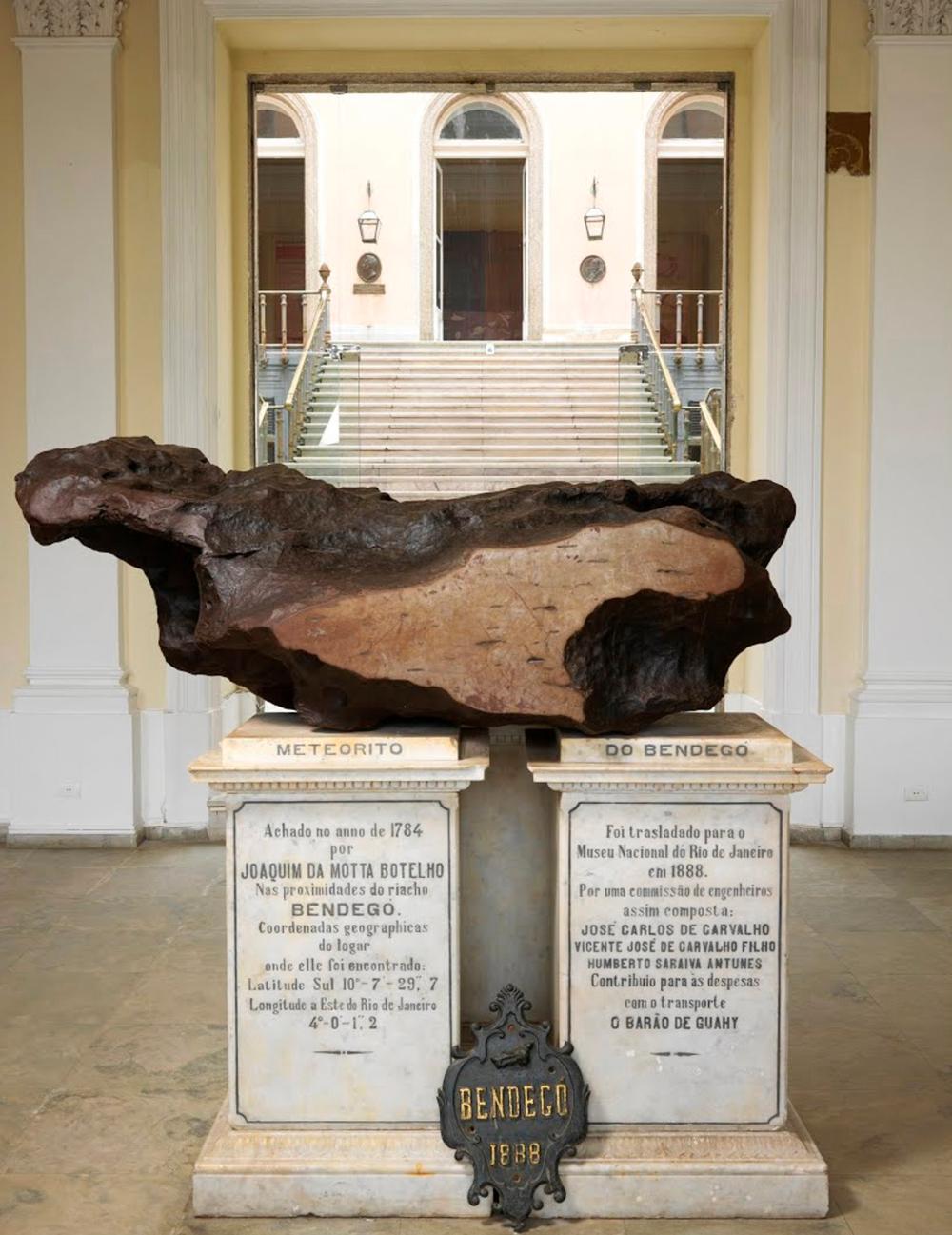
The museum housed artefacts from Egypt, numerous specimens reflecting South American biodiversity, Greco-Roman art and some of the first fossils found in Brazil. Thanks to a faulty air conditioning unit, millions of years worth of history were lost in an instant.
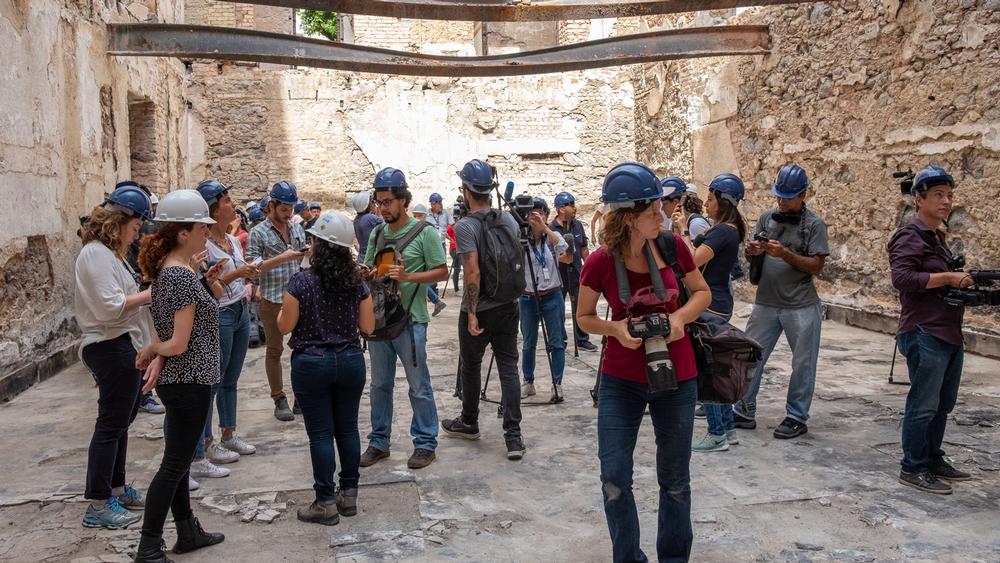
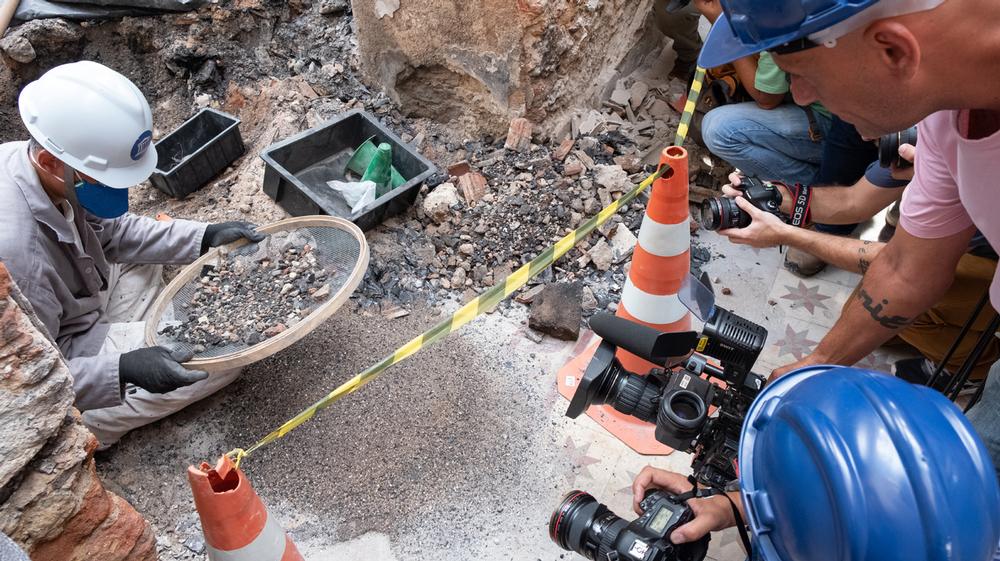
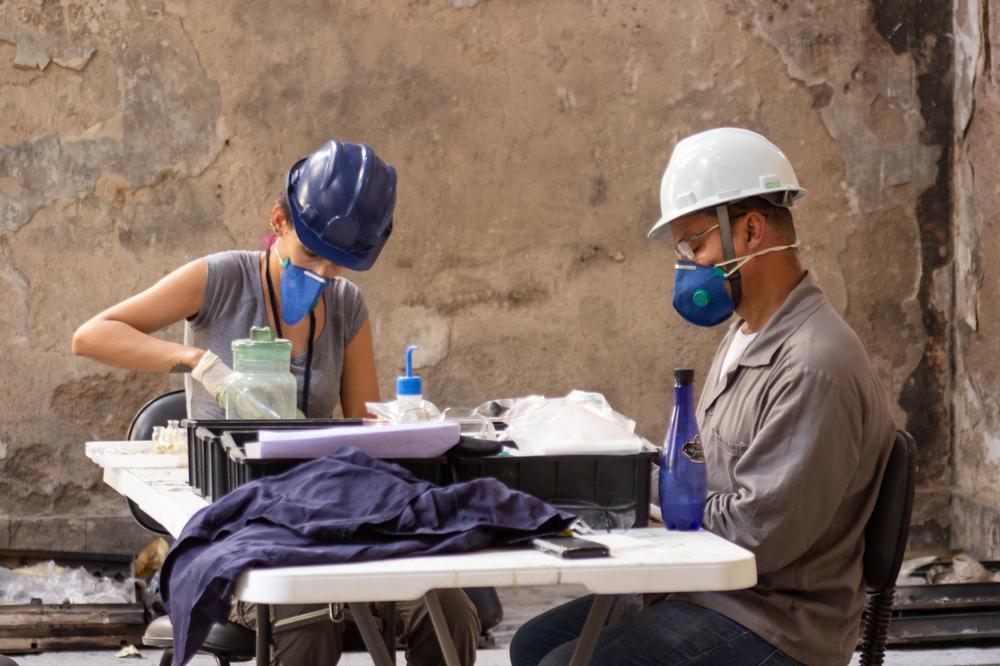
Since the fire, the team has been busy salvaging what they can of the remaining artefacts and focusing on plans to rebuild. However, having lost so much of their collection, museum director, Alexander Kellner is clear that the support of the international museum community, and in particular the donation of original specimens, is needed in order to achieve their aims.
“We now have the opportunity to establish a natural history museum which could be a model in South America, but this can only be achieved with international help,” he says.
“The international museum community has been very supportive in terms of letters – which we can show to the government to support our cause – but now we’re starting the phase where we have to translate some of the letters into action. Germany is helping a lot and has made many promises, but we would love to have more contacts with foundations and are looking forward to receiving collections of original material.”
Exemplary model A couple of initiatives are in the pipeline to rally the international museum community. In the coming months Kellner will be travelling around the world, talking to other museums about the possibilities of being given exhibits for the new collection.
The team will also be hosting a three-day conference in October. This event will not purely be used to raise awareness and show support for the rebuild, but to discuss the role which natural history and anthropological museums now have in society.
“We didn’t want this, but since we’ve had the fire, we have the opportunity to create a new model for natural history museums,” says Kellner. “We want our new site to be an exemplar model. But also we want to open the discussion about the future role of museums.
“What do museums mean in society? What constitutes a modern natural history museum? What are the demands of society and how can we adapt? What do we do for society and what should we be doing? This is relevant to us because we’re rebuilding, but we also think it’s useful for others to discuss.”
Clean slate Around 70 per cent of the collections were completely destroyed. As Kellner pointed out in the wake of the fire, the collections were only part of the museum’s purpose. It’s part of the Universidade Federal do Rio de Janeiro and runs graduate programmes and is involved with important research.
“The museum had three main areas of work - education, exhibition and the generation of science,” he says. “We can still generate knowledge.”
The restoration of recovered materials should be finished within the next three to four months and the refurbishment of the museum is also due to be finished in March. Obviously safety and security are of prime importance to the new build, ensuring that collections and people are secure.
While the outer façade is restored to its former glory, the interior will have a clean slate to create modern exhibitions. Around US$5m of funding has been secured for the internal displays and work inside is slated to begin in Q3.
Holograms and interactivity are both on the table as ideas for reimaginings of previously destroyed exhibits but Kellner says the options are very much still open.
“We’re still working on how to represent items that were lost and these are all possibilities,” he says. “Inside the palace, we have no limits to what we can create. The façade will be restored as it was, but internally, everything will be new.
“We will present the entire history of Brazil, including the emperors and gaining independence from Portugal. But the rest of the content will be new and contemporary, with great interactions and facilities. It will be a modern museum of natural history and anthropology, so we’re very excited about that.”
New paradigm Further to the rebuild, a couple of other projects are currently underway. The government has donated 44,000sq m (473,600sq ft) to create a laboratory and a 1,500sq m (16,145sq ft) education centre for children. The plan is for the space to host permanent exhibitions with material which was not destroyed in the fire, to showcase the restoration work, as well as to show temporary exhibitions from other museums.
“We are currently looking for funding for the education centre,” says Kellner. “Once we have this, we can move very fast. We would like to have it open in the first semester of next year.” Overall, there are plans to launch the new look Museu Nacional this year and open part of the palace to the public in 2022, to time with the bicentennial commemoration of Brazil’s independence, which started at the palace.
Despite the sadness, frustrations and challenges, Kellner, says he feels optimistic about the future: “I have a company working on the rebuild. I have a 44,000sq m (473,600sq ft) terrain which will have labs up and running by the end of the year and this is the opportunity to establish a model for what museums in South America could be like, so I’m really looking forward to that. It is challenging, but also exciting. We just need to twist some more arms. And we’re waiting for you. Donate some specimens.”
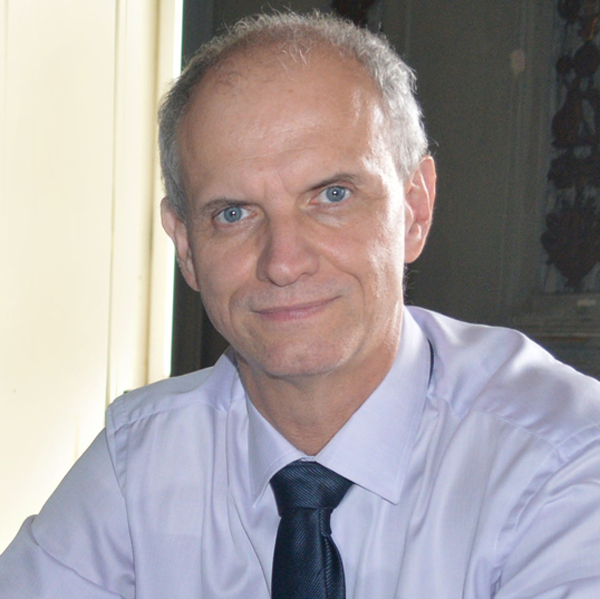
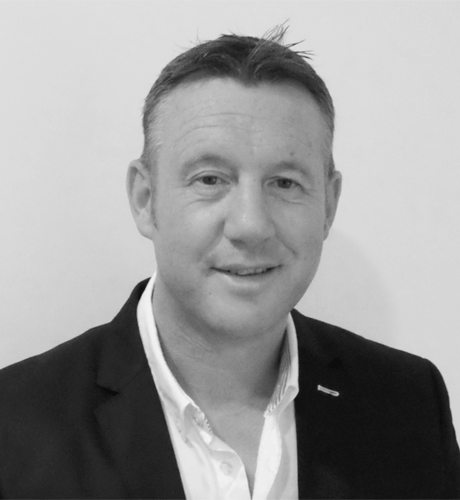
Alexander Kellner
"Since we’ve had the fire, we have the opportunity to
create a new model fornatural history museums"
Read more from this issue of Attractions Management magazine
View contents of Attractions Management 2020 issue 1
In September 2018, a fire gutted the 200-year old Brazil Museu Nacional – the biggest natural history museum in Latin America – decimating its collections. In its wake, the team are rebuilding the institution and planning to create a new model for natural history museums across the continent. The museum’s director, Alexander Kellner, speaks to Kath Hudson...
By Kath Hudson | Published in Attractions Management 2020 issue 1
Brazil’s Museu Nacional will be transformed following the devastating fire in 2018
Described by the former environment minister, Marina Silva, as a “lobotomy of the Brazilian memory,” the fire of the former palace which housed the Museu Nacional was devastating.
The museum housed artefacts from Egypt, numerous specimens reflecting South American biodiversity, Greco-Roman art and some of the first fossils found in Brazil. Thanks to a faulty air conditioning unit, millions of years worth of history were lost in an instant.
Since the fire, the team has been busy salvaging what they can of the remaining artefacts and focusing on plans to rebuild. However, having lost so much of their collection, museum director, Alexander Kellner is clear that the support of the international museum community, and in particular the donation of original specimens, is needed in order to achieve their aims.
“We now have the opportunity to establish a natural history museum which could be a model in South America, but this can only be achieved with international help,” he says.
“The international museum community has been very supportive in terms of letters – which we can show to the government to support our cause – but now we’re starting the phase where we have to translate some of the letters into action. Germany is helping a lot and has made many promises, but we would love to have more contacts with foundations and are looking forward to receiving collections of original material.”
Exemplary model A couple of initiatives are in the pipeline to rally the international museum community. In the coming months Kellner will be travelling around the world, talking to other museums about the possibilities of being given exhibits for the new collection.
The team will also be hosting a three-day conference in October. This event will not purely be used to raise awareness and show support for the rebuild, but to discuss the role which natural history and anthropological museums now have in society.
“We didn’t want this, but since we’ve had the fire, we have the opportunity to create a new model for natural history museums,” says Kellner. “We want our new site to be an exemplar model. But also we want to open the discussion about the future role of museums.
“What do museums mean in society? What constitutes a modern natural history museum? What are the demands of society and how can we adapt? What do we do for society and what should we be doing? This is relevant to us because we’re rebuilding, but we also think it’s useful for others to discuss.”
Clean slate Around 70 per cent of the collections were completely destroyed. As Kellner pointed out in the wake of the fire, the collections were only part of the museum’s purpose. It’s part of the Universidade Federal do Rio de Janeiro and runs graduate programmes and is involved with important research.
“The museum had three main areas of work - education, exhibition and the generation of science,” he says. “We can still generate knowledge.”
The restoration of recovered materials should be finished within the next three to four months and the refurbishment of the museum is also due to be finished in March. Obviously safety and security are of prime importance to the new build, ensuring that collections and people are secure.
While the outer façade is restored to its former glory, the interior will have a clean slate to create modern exhibitions. Around US$5m of funding has been secured for the internal displays and work inside is slated to begin in Q3.
Holograms and interactivity are both on the table as ideas for reimaginings of previously destroyed exhibits but Kellner says the options are very much still open.
“We’re still working on how to represent items that were lost and these are all possibilities,” he says. “Inside the palace, we have no limits to what we can create. The façade will be restored as it was, but internally, everything will be new.
“We will present the entire history of Brazil, including the emperors and gaining independence from Portugal. But the rest of the content will be new and contemporary, with great interactions and facilities. It will be a modern museum of natural history and anthropology, so we’re very excited about that.”
New paradigm Further to the rebuild, a couple of other projects are currently underway. The government has donated 44,000sq m (473,600sq ft) to create a laboratory and a 1,500sq m (16,145sq ft) education centre for children. The plan is for the space to host permanent exhibitions with material which was not destroyed in the fire, to showcase the restoration work, as well as to show temporary exhibitions from other museums.
“We are currently looking for funding for the education centre,” says Kellner. “Once we have this, we can move very fast. We would like to have it open in the first semester of next year.” Overall, there are plans to launch the new look Museu Nacional this year and open part of the palace to the public in 2022, to time with the bicentennial commemoration of Brazil’s independence, which started at the palace.
Despite the sadness, frustrations and challenges, Kellner, says he feels optimistic about the future: “I have a company working on the rebuild. I have a 44,000sq m (473,600sq ft) terrain which will have labs up and running by the end of the year and this is the opportunity to establish a model for what museums in South America could be like, so I’m really looking forward to that. It is challenging, but also exciting. We just need to twist some more arms. And we’re waiting for you. Donate some specimens.”
Alexander Kellner
"Since we’ve had the fire, we have the opportunity to
create a new model fornatural history museums"
Read more from this issue of Attractions Management magazine
View contents of Attractions Management 2020 issue 1
San Antonio Zoo has reported a US$283 million economic impact for 2025, following a decade-
long transformation programme that has seen almost US$200 million invested into the Texas
attraction.
Plans for the AU$180 million redevelopment of Reef HQ Aquarium in Townsville, Australia, are
progressing, with the project set to transform the attraction into a global centre for reef
education and conservation.
Abu Dhabi-based investment firm Mubadala Capital has made a binding, fully financed
€1 billion
offer to acquire Pierre and Vacances SA, the European holiday resort operator behind the
continental European Center Parcs business.
Disney has reaffirmed its commitment to investing US$30 billion in its US parks and cruise
business by 2033, using new America250 celebrations to underline the role its attractions play
in supporting jobs, tourism and economic growth.
Expo 2030 Riyadh is being planned as a permanent visitor destination, with organisers
confirming the six-million-square-metre site will become a Global Village after the event closes.
The owner of one of Australia's best-known waterparks has acquired a major competitor,
creating a new attractions business spanning two of the country's largest visitor destinations.
The Toverland theme park in the Netherlands has announced a €98m expansion programme
that will add a resort, new attractions and staff facilities as it pursues plans to become a multi-
day destination.
Hotel de France, located on the British Isle of Jersey, has created a wellness retreat package
that includes a hot yoga session that will take place in Jersey Zoo’s butterfly sanctuary.
A new immersive attraction designed to transport visitors into the final hours of ancient Pompeii
is preparing to open near the world-famous archaeological site in southern Italy.
Experience design company, BRC Imagination Arts, has completed a transition that sees founder
Bob Rogers pass ownership of the business to four long-serving senior executives, while
remaining actively involved with the company.