Jeremy McCarthy makes his debut as a Spa Business contributing editor, asking if spas are ready for AI which – with the emergence of ChatGPT – is literally on our doorstep
Would AI assistants pick up on your spa’s Valentine’s packages? / Photo: Getty images_unsplash
OpenAI launched its new artificial intelligence chatbot, ChatGPT, in November, skyrocketing its valuation to US$29bn in the first few months. Although ChatGPT is still a fledgling system, the AI technology behind it is likely to change the world on a scale akin to the advent of the printing press or the internet. And given AI’s ability to use its own superhuman intelligence to learn and evolve, we can expect the changes to come more rapidly than anything we’ve ever seen.
So what does this mean for spas, and how can we prepare? The best way to think about AI is to imagine that every person in the future will have a hyper-intelligent personal assistant who reads almost the entire internet every day to stay up-to-date on what’s going on. These assistants will help people personally and professionally, by gathering relevant information for them, teaching them what they’d like to learn, making personalised recommendations and guiding purchasing decisions, and generally helping them live more efficiently.
These AI ‘assistants’ have the potential to become an intermediary between brands and consumers. Business leaders must think not only about how they build consumer awareness of their brand but, potentially more importantly, how they ensure that the AI will learn about and advocate for them. Here are a few things I think spas need to take note of:
1 Having a digital presence is more important than ever It sounds basic, but if you don’t have your spa menu, hours of operation, address and core philosophy on your website, you don’t exist in the age of AI. When you write website copy, you’re not only providing consumers with basic information about your services, but you’re also literally teaching future AI chatbots what you want them to know about your spa.
2 The return of FAQs The internet has a love-hate relationship with ‘frequently asked questions’, but in the age of AI, you want to make sure your content helps train the AI how to answer queries about your offerings. If someone asks their AI assistant “what should I get my wife for Valentine’s day?” or “which spa in town has the best therapists?” would it have information about your spa to share?
3 Customer reviews are king We’ve already seen how online reviews reflect purchasing decisions. But we also know how time-consuming it can be to scour the internet trying to get a clear picture of consumer feedback on your upcoming Phuket resort or your planned underwater camera purchase. The AI assistants will streamline this process and take customer reviews into account when making their recommendations. The quality and quantity of reviews about your spa are crucial.
4 Think holistically about your digital footprint As important as it is to build your own digital knowledge database about your spa, you have to remember that these AI assistants are no dummies and are likely to view your own marketing materials with a bit of scepticism. They will want to see the information about your spa validated by third parties such as online reviews, discussion forums and journalists. It’s more important than ever to make sure your spa is being written about (positively) by other people on the internet.
5 Digitise your operation Operators can use AI personal assistants, as well as consumers. And if you’ve done a good job of digitising your spa, your AI assistant can help you run your business too. Do you have an intranet for employees with training manuals, SOPs and treatment protocols in a digital database? Do you have all your financial statistics and KPIs neatly organised electronically? Having more and better organised digital information about your business will allow your future AI assistant to help you run your business efficiently.
We’ve been hearing for some time about how AI will shape the future in some fantastic (and sometimes frightening ways). The emergence of ChatGPT shows us that the future is now, and AI is literally on our doorstep. Are you ready?
Jeremy McCarthy has worked in the spa industry for 34 years. As group director of spa and wellness for Mandarin Oriental, he oversees spa, wellness and leisure operations at 35 luxury hotels globally. Contact him with your views on Twitter @jeremymcc
Read more from this issue of Attractions Management magazine
View contents of Attractions Management 2023 issue 1
Write to reply: Letters
Zulal's Sandie Johannessen shares her passion for medical wellness and Kloodos' Julie Cichocki says wellness protocols should start with the vagus nerve
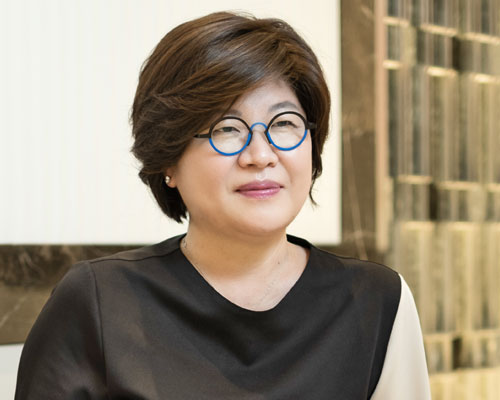
Spa People: Leekyung Han
The South Korean-born spa consultant on why her home country should be on the radar of all wellness developers
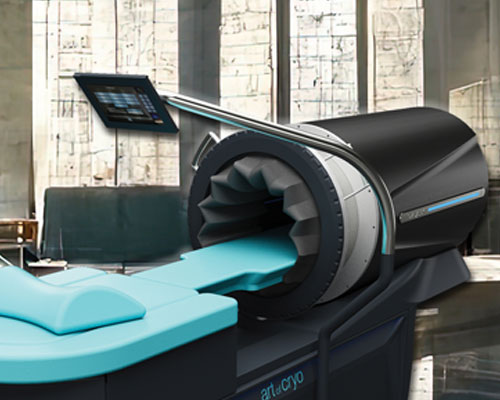
Sponsored: Art of Cryo: Working well
Spa operators and corporate offices can now offer a comprehensive, six-part wellness journey designed by Art of Cryo to elevate health
Research: Wellness Travel Consumer Survey
A general reboot and nature/outdoor activities are key considerations for wellness tourists according to a new study by WTA. Anne Dimon reports
First person: Doctor’s orders
Can a partnership with an international hospital elevate a wellness retreat? Neena Dhillon visits RAKxa in Bangkok, Thailand to find out
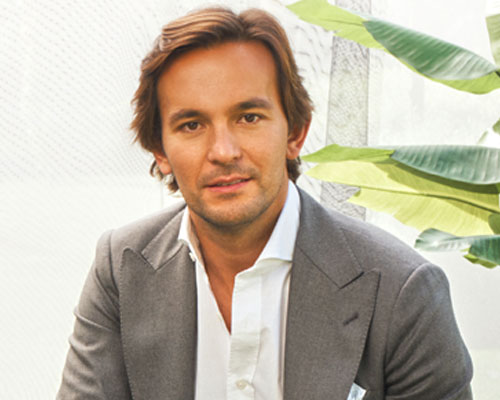
Interview: Justin Musgrove
We talk to the CEO of Core Life, the exclusive lifestyle brand which has ambitions to expand to the world's most affluent cities
Sponsored: Starpool: Zerobody Cryo
The new Zerobody Cryo will deliver comfortable cold therapy for spa, wellness and sports says Starpool CEO, Riccardo Turri
An opportunity to reimagine one of the UK’s most recognisable towers has been formally
opened by Rivington Hark, as St Johns Beacon invites operators and partners to shape its
next phase. [more...]
Jeremy McCarthy makes his debut as a Spa Business contributing editor, asking if spas are ready for AI which – with the emergence of ChatGPT – is literally on our doorstep
Would AI assistants pick up on your spa’s Valentine’s packages? / Photo: Getty images_unsplash
OpenAI launched its new artificial intelligence chatbot, ChatGPT, in November, skyrocketing its valuation to US$29bn in the first few months. Although ChatGPT is still a fledgling system, the AI technology behind it is likely to change the world on a scale akin to the advent of the printing press or the internet. And given AI’s ability to use its own superhuman intelligence to learn and evolve, we can expect the changes to come more rapidly than anything we’ve ever seen.
So what does this mean for spas, and how can we prepare? The best way to think about AI is to imagine that every person in the future will have a hyper-intelligent personal assistant who reads almost the entire internet every day to stay up-to-date on what’s going on. These assistants will help people personally and professionally, by gathering relevant information for them, teaching them what they’d like to learn, making personalised recommendations and guiding purchasing decisions, and generally helping them live more efficiently.
These AI ‘assistants’ have the potential to become an intermediary between brands and consumers. Business leaders must think not only about how they build consumer awareness of their brand but, potentially more importantly, how they ensure that the AI will learn about and advocate for them. Here are a few things I think spas need to take note of:
1 Having a digital presence is more important than ever It sounds basic, but if you don’t have your spa menu, hours of operation, address and core philosophy on your website, you don’t exist in the age of AI. When you write website copy, you’re not only providing consumers with basic information about your services, but you’re also literally teaching future AI chatbots what you want them to know about your spa.
2 The return of FAQs The internet has a love-hate relationship with ‘frequently asked questions’, but in the age of AI, you want to make sure your content helps train the AI how to answer queries about your offerings. If someone asks their AI assistant “what should I get my wife for Valentine’s day?” or “which spa in town has the best therapists?” would it have information about your spa to share?
3 Customer reviews are king We’ve already seen how online reviews reflect purchasing decisions. But we also know how time-consuming it can be to scour the internet trying to get a clear picture of consumer feedback on your upcoming Phuket resort or your planned underwater camera purchase. The AI assistants will streamline this process and take customer reviews into account when making their recommendations. The quality and quantity of reviews about your spa are crucial.
4 Think holistically about your digital footprint As important as it is to build your own digital knowledge database about your spa, you have to remember that these AI assistants are no dummies and are likely to view your own marketing materials with a bit of scepticism. They will want to see the information about your spa validated by third parties such as online reviews, discussion forums and journalists. It’s more important than ever to make sure your spa is being written about (positively) by other people on the internet.
5 Digitise your operation Operators can use AI personal assistants, as well as consumers. And if you’ve done a good job of digitising your spa, your AI assistant can help you run your business too. Do you have an intranet for employees with training manuals, SOPs and treatment protocols in a digital database? Do you have all your financial statistics and KPIs neatly organised electronically? Having more and better organised digital information about your business will allow your future AI assistant to help you run your business efficiently.
We’ve been hearing for some time about how AI will shape the future in some fantastic (and sometimes frightening ways). The emergence of ChatGPT shows us that the future is now, and AI is literally on our doorstep. Are you ready?
Jeremy McCarthy has worked in the spa industry for 34 years. As group director of spa and wellness for Mandarin Oriental, he oversees spa, wellness and leisure operations at 35 luxury hotels globally. Contact him with your views on Twitter @jeremymcc
Read more from this issue of Attractions Management magazine
View contents of Attractions Management 2023 issue 1
Write to reply: Letters
Zulal's Sandie Johannessen shares her passion for medical wellness and Kloodos' Julie Cichocki says wellness protocols should start with the vagus nerve
Spa People: Leekyung Han
The South Korean-born spa consultant on why her home country should be on the radar of all wellness developers
Sponsored: Art of Cryo: Working well
Spa operators and corporate offices can now offer a comprehensive, six-part wellness journey designed by Art of Cryo to elevate health
Research: Wellness Travel Consumer Survey
A general reboot and nature/outdoor activities are key considerations for wellness tourists according to a new study by WTA. Anne Dimon reports
First person: Doctor’s orders
Can a partnership with an international hospital elevate a wellness retreat? Neena Dhillon visits RAKxa in Bangkok, Thailand to find out
Interview: Justin Musgrove
We talk to the CEO of Core Life, the exclusive lifestyle brand which has ambitions to expand to the world's most affluent cities
Sponsored: Starpool: Zerobody Cryo
The new Zerobody Cryo will deliver comfortable cold therapy for spa, wellness and sports says Starpool CEO, Riccardo Turri
A new immersive attraction designed to transport visitors into the final hours of ancient Pompeii
is preparing to open near the world-famous archaeological site in southern Italy.
Experience design company, BRC Imagination Arts, has completed a transition that sees founder
Bob Rogers pass ownership of the business to four long-serving senior executives, while
remaining actively involved with the company.
Movie Park Germany has opened a new Paramount Pictures-themed attraction as part of its 30th
anniversary celebrations, using immersive storytelling and adaptive reuse to reinforce the park’s
longstanding “Hollywood in Germany” positioning.
Therme Manchester’s 28-acre development, which will include interconnected glass pavilions
that measure 65,000sq m, will be the largest bathing and wellbeing attraction in the world once
complete, according to prof David Russell, CEO of Therme UK.
Efteling has opened Hooghmoed, a new family drop tower designed to broaden the appeal of its
recently launched Sirene Island themed area and introduce younger visitors to thrill attractions.
A proposed Puy du Fou development near Bicester and Universal Destinations and Experiences’
planned resort in Bedford are emerging as part of a wider transformation of the Oxford–
Cambridge Growth Corridor into a major centre for UK leisure and tourism inv
Shedd Aquarium has opened the Immersion Theater developed in partnership with SimEx-
Iwerks, as part of a wider strategy to enhance the guest experience and create additional
revenue opportunities.
The UK government has announced a temporary reduction in VAT on visitor attractions and
children’s meals as part of a summer cost-of-living support package designed to stimulate the
visitor economy and encourage family days out.
As designer Yinka Ilori prepares for his first solo gallery show in London, he speaks exclusively
to CLADmag about his mission to spread joy, the power of play, and his bold approach to using
colour (including the colours you won’t see in his work).
The government of Thailand is exploring plans for a THB300bn (£6.3bn, US$8.3bn)
entertainment complex in the country’s Eastern Economic Corridor (EEC), with officials
proposing a large-scale theme park and sports destination as part of a broader tourism and
economic development strategy.
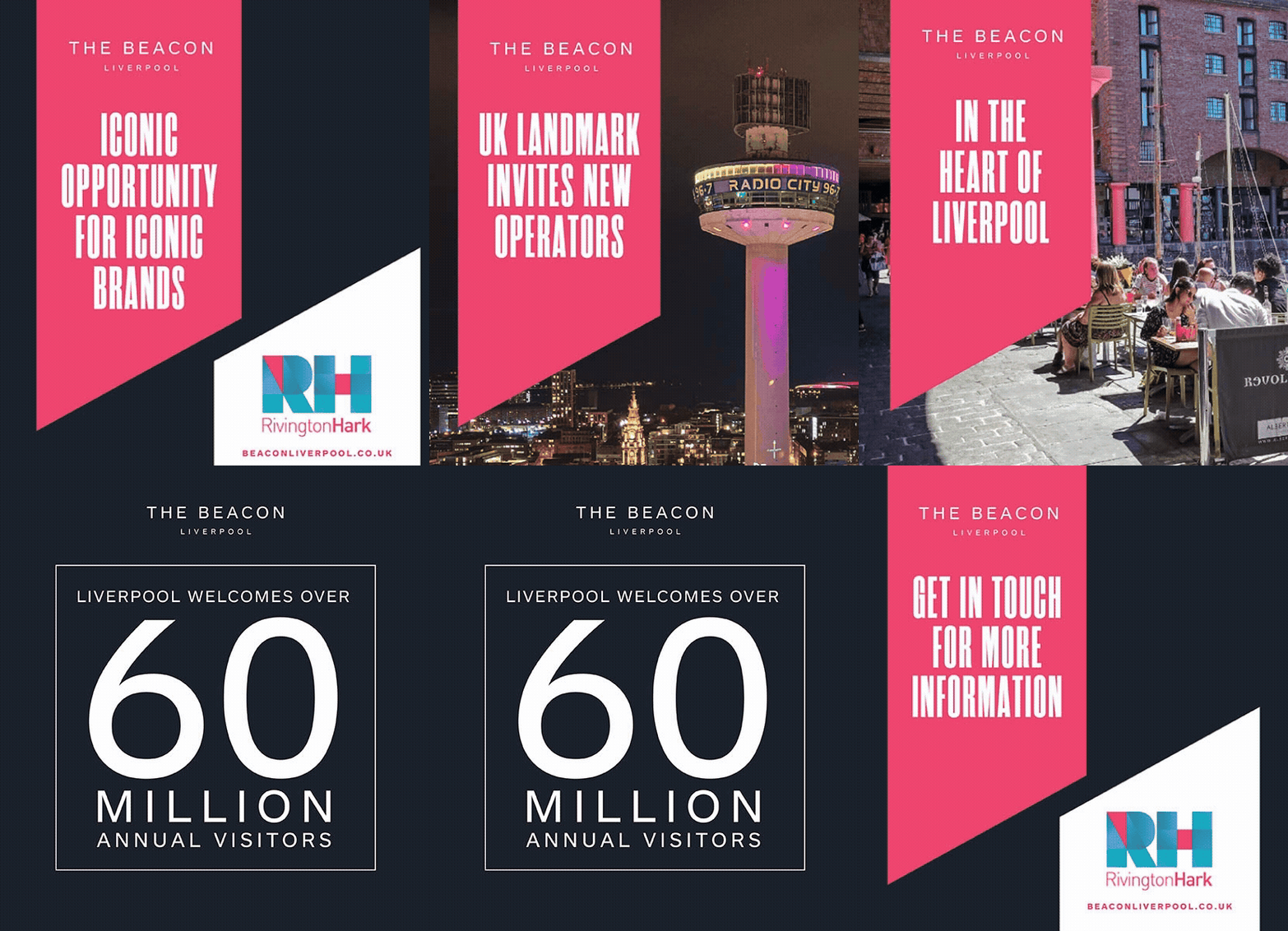
An opportunity to reimagine one of the UK’s most recognisable towers has been formally
opened by Rivington Hark, as St Johns Beacon invites operators and partners to shape its
next phase. [more...]