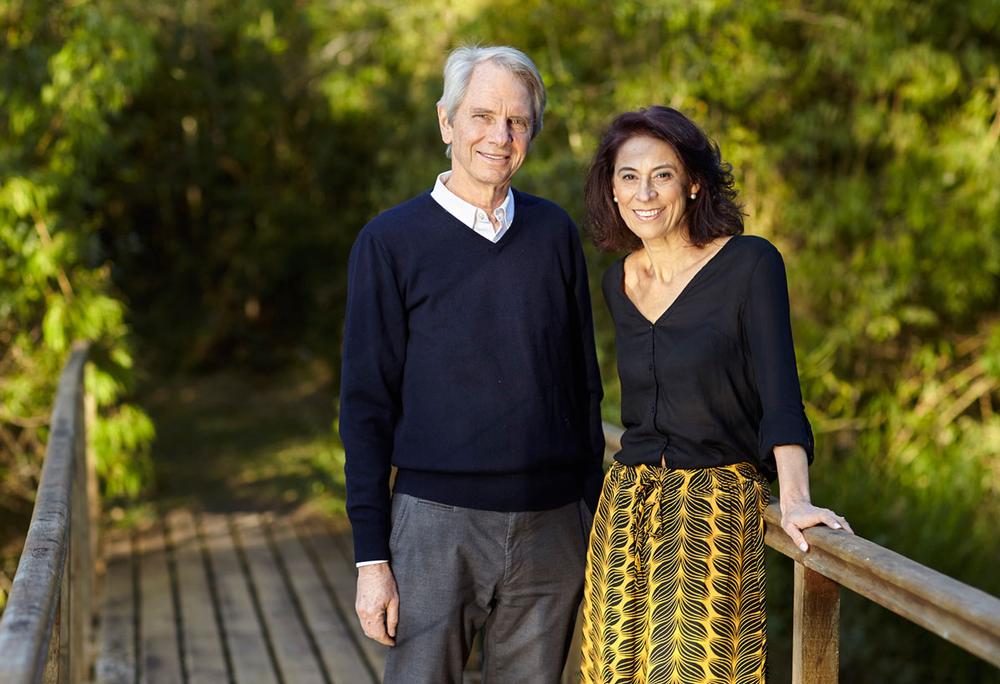
Changes made by Lapinha Wellness & Integrative Medicine Center owners Dieter and Margareth Brepohl have led to a 30 per cent revenue increase
Lapinha Wellness & Integrative Medicine Center
Brazil
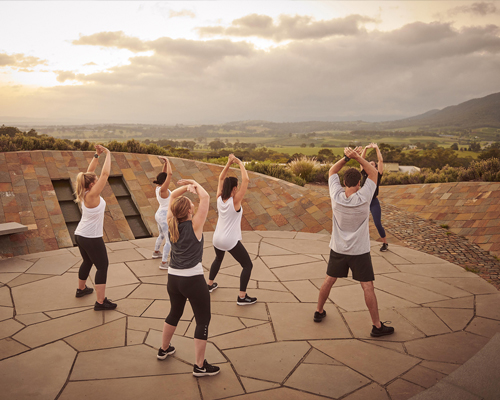
Lapinha has added a farm to table business and is promoting its ‘home office’ image
Destination spas are among the most challenged facilities as a result of coronavirus. Typically, these are complex, sprawling properties, often located in remote areas with a large number of employees.
Additionally, many of their clients visit from a distance, including from other countries, so even moderate capacity allowances haven’t helped these businesses to rebound.
The Lapinha Wellness & Integrative Medicine Center, located 90km south-west of Curitiba, Brazil, is a prime example. Founded in 1972, Lapinha was the first medical spa in Brazil, situated on a farm with a focus on organic produce in the midst of a sub-tropical forest.
At the onset of the pandemic, Lapinha employed 160 people and the owners trimmed the ranks by putting 80 on furlough. They kept on 40 staff for maintenance and working the farm and set up a leadership team of 12 who “worked together as an intensive support community, thinking, dreaming and daring on new possibilities for Lapinha’s future,” according to owner Margareth Brepohl.
When Lapinha reopened on 21 June, it did so with a number of fresh initiatives and approaches on top of enhanced health and safety protocols.
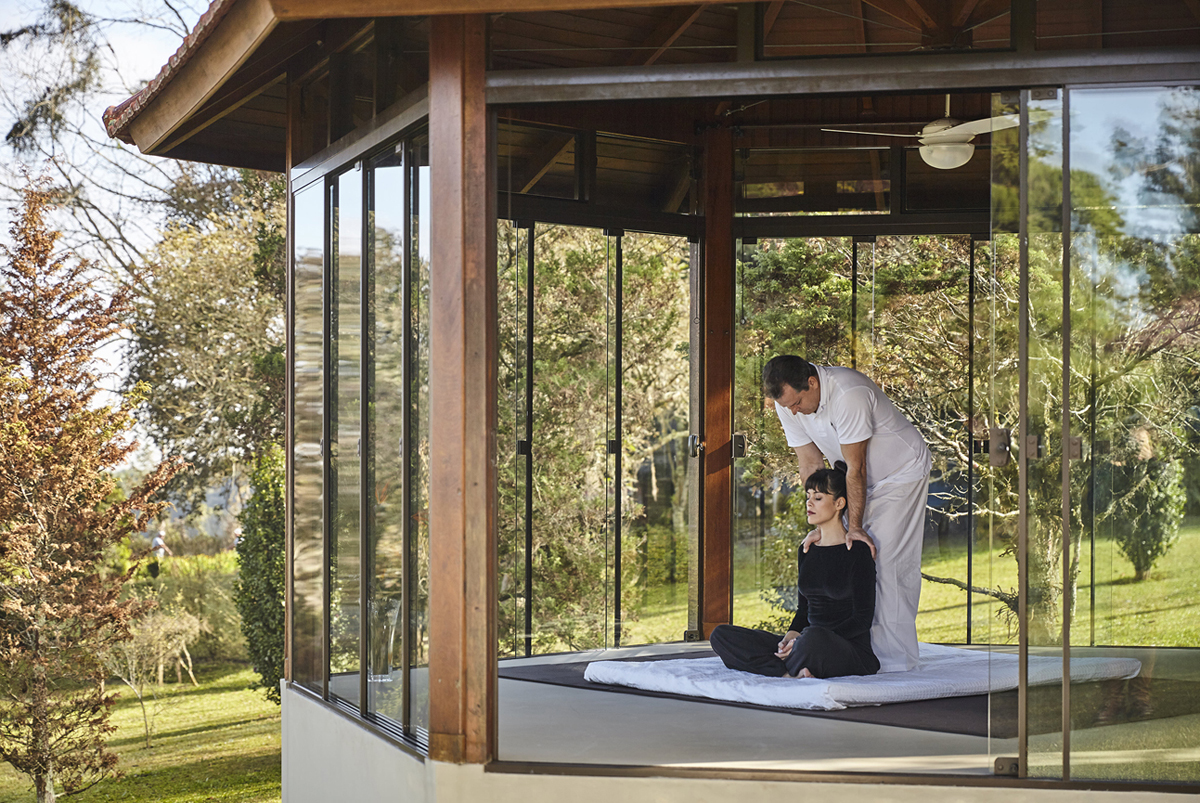
New, flexible pricing schemes have made stays more appealing. There’s now the option for people to first choose the programmes they need (stress management or detox for example) and then pick the accommodation they can afford based on room size. There’s also a progressive discount promotion according to the length of stay, to go with a decades-old loyalty scheme which enables guests to receive up to a 40 per cent discount. To tap into this market further, it’s promoting a ‘home office’ image with its comfortable rooms and beautiful views. Some guests are now on their fourth week at Lapinha and average stay has jumped from 7.1 to 8.2 days.
The growth of domestic travel has been a welcome side effect of the pandemic. Lapinha is continuing to adapt its omnichannel communications to appeal to the home crowd, which represent a younger clientele – since the pandemic, the average age of guests has dropped from 54 to the low 40s. A group of 12 young adults that intended to have a self-knowledge and awareness journey in Bhutan, for example, visited Lapinha, just an hour away from where they live instead.
Lapinha is now launching a Spotify channel to keep front of mind for the younger guests with curated playlists focused on stretching, moments round the fire and self-reflection. In addition is has a ‘vibrant calendar’ of 42 theme weeks lined up for next year focusing on everything from ayurveda and local gastronomy to hiking and sound healing.
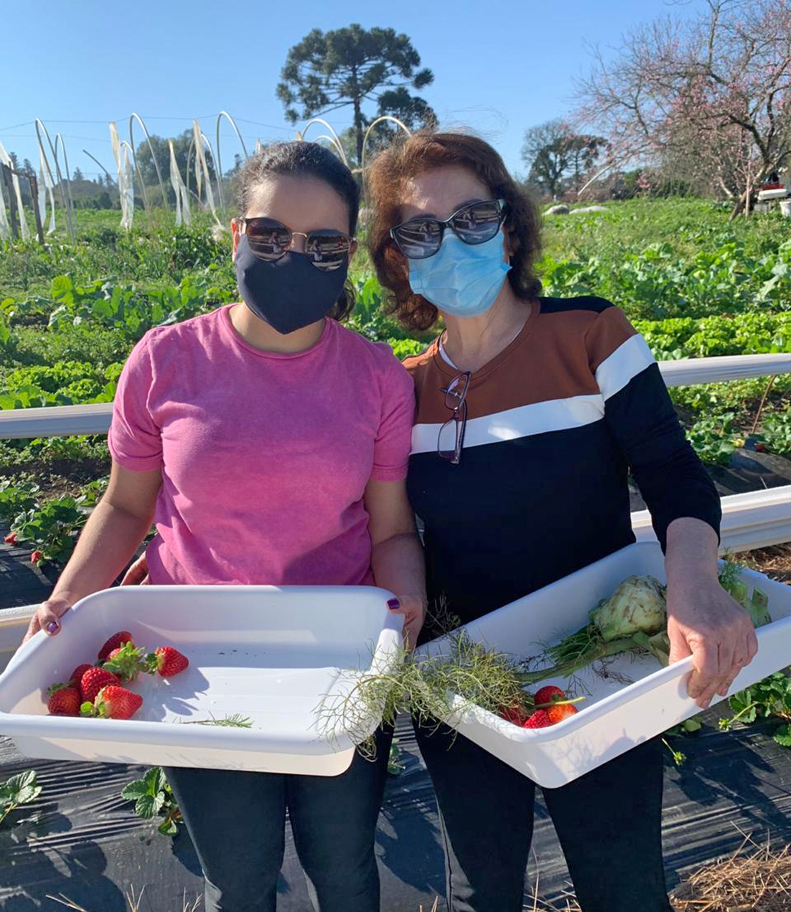
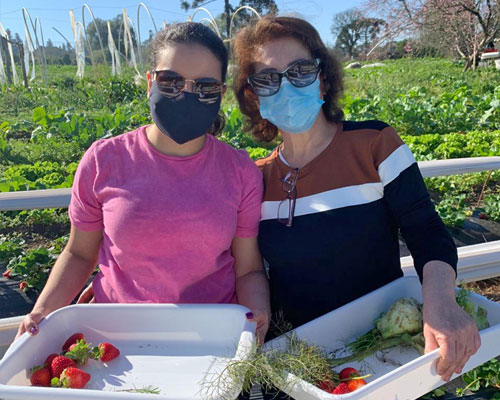
New markets have been opened up by partnering with a fertility clinic so couples can destress before treatment. And it’s created an extra revenue stream by launching an e-commerce site and becoming a ‘farm to table’ business, delivering same-day, fresh food to customers in Curitiba, a city with 3 million inhabitants.
With all of these initiatives in place, Lapinha estimates if it removes the three months of closure, it’s experiencing a 20 per cent increase in the number of guests this year to date and a 30 per cent rise in revenue.
Growth of domestic guests, who are younger, has been a welcome side effect
In June 2020, the Texas-based floatation company Float had its most profitable month ever. The firm was set up in 2016 by ex water filtration salesman Jeremy Jacob and his wife after finding that San Antonio was the largest city in the US without a floatation centre. A year later, they had a total of six.
In February 2020, the original centre took over a 3,000sq ft store next door and added a couples massage room, infrared sauna, salt cave and additional services to its five floatation tanks.
COVID forced Jacob to scrutinise financials to discover areas of efficiency and additional revenue streams.
Reopening in May, after a two-month closure, Jacob switched from using independent contractors for massages (who barely covered the costs of the room), to an employee model which has resulted in higher calibre therapists and returning clients.
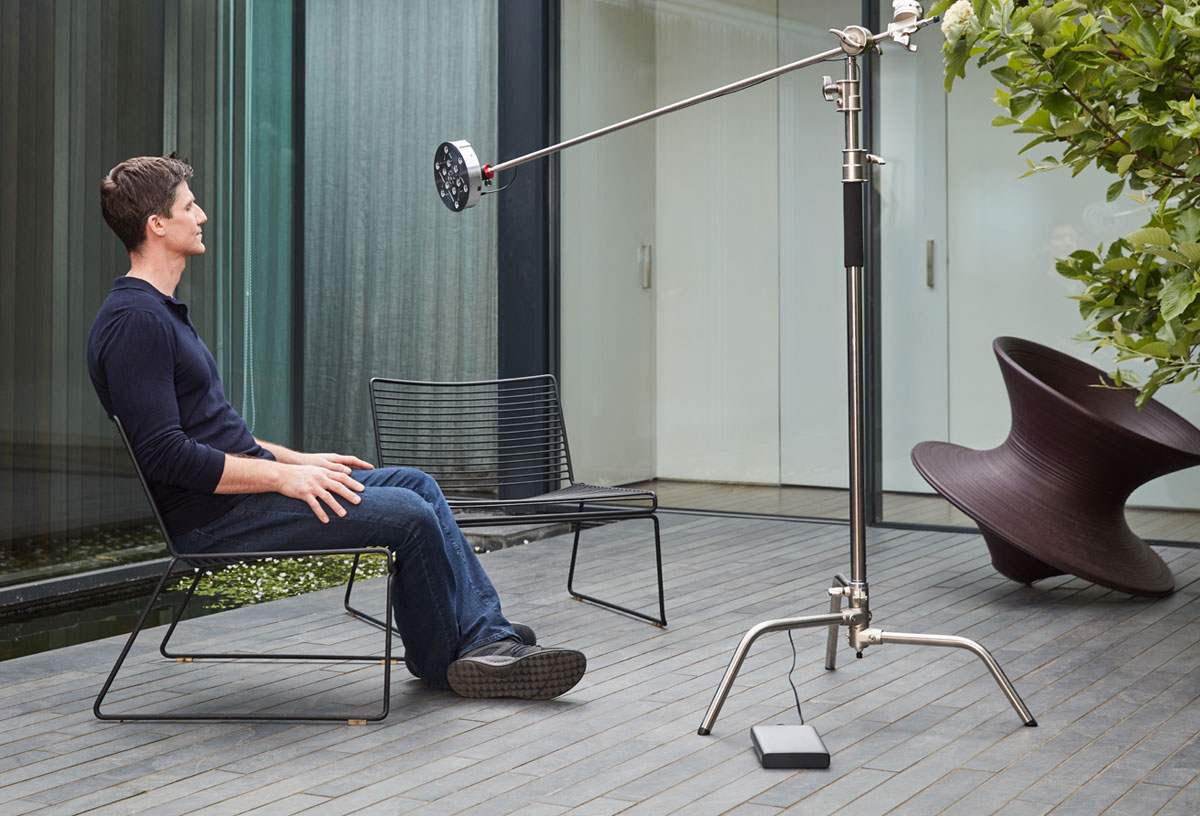
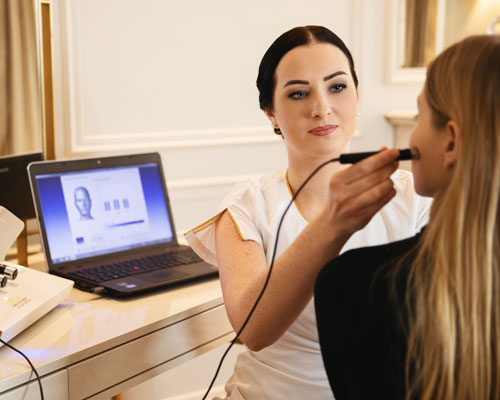
To broaden Float’s appeal, he also invested in a Pandora Star – a device which projects an array of colourful LED lights on the face to stimulate different regions of the brain to promote relaxation, cognitive function and creativity. Combined with the other additional services this has enabled Float to add a number of day spa packages, provided ample inspiration for creative marketing campaigns and grow membership, which currently sits at 220. Jacob says the centre is now running at full capacity on the weekends and 60 per cent in the week.
He likens his approach to a lake with tributaries, with different cash flows feeding into it. Float now offers 12 different services and in some instances can do as many as three in one room. In September, figures were 50 per cent ahead of the same month last year, and growth continues.
Float has invested in new services, such as Pandora Star, to create extra revenue streams
Natasha Prybyla expects business to fully recover next year
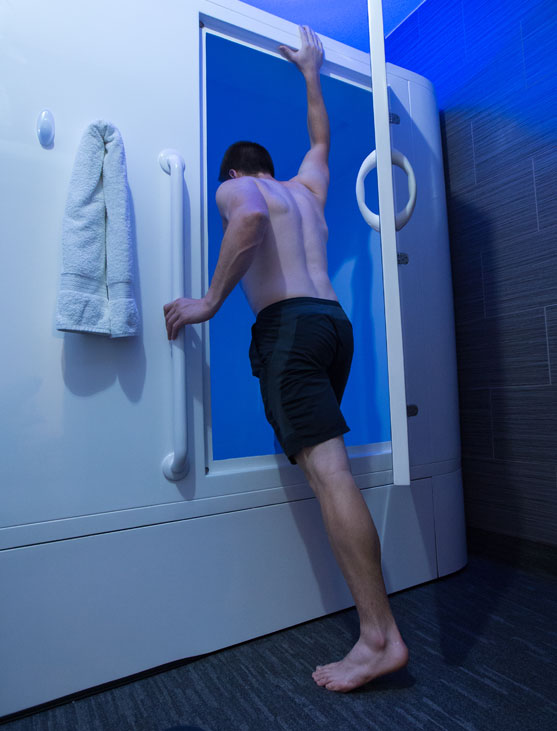
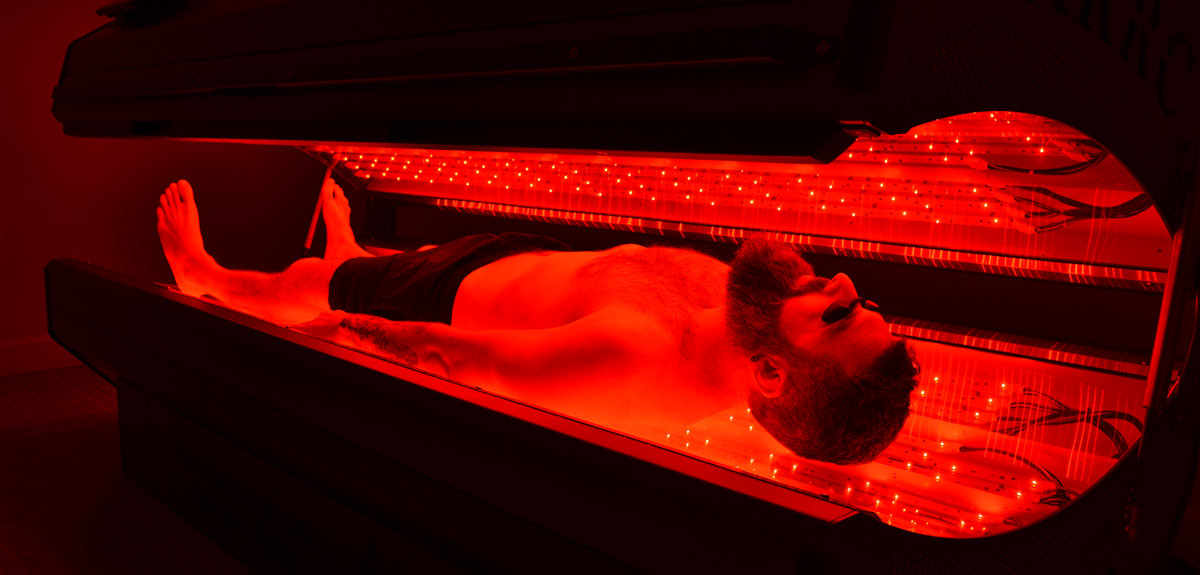
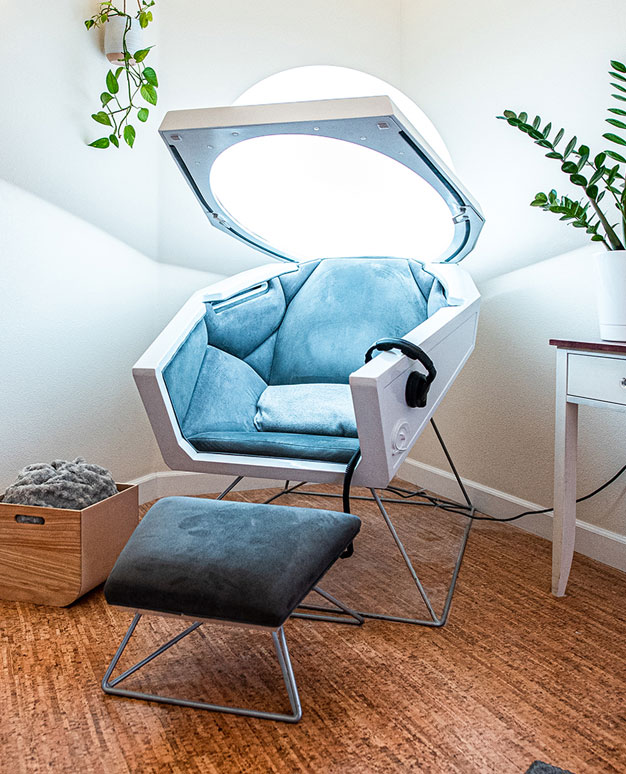
Massage therapist Natasha Prybyla set up her own practice in the college town of San Luis Obispo, California in 2010, growing into a spa in 2014. The six-treatment-room day spa was busy but three years ago she ‘did the math’ and started adding treatment options that weren’t reliant on a therapist. First an infrared sauna, then a cryotherapy tank, Somadome meditation pod, dry salt therapy room and a photobiomodulation bed. When the pandemic struck, the company found itself ahead of the game when it comes to contact-free services.
Business was slow when it initially reopened in August. However, small changes Prybyla made since have had a big impact. Clients needed a lot of education on the complementary experiences and she created marketing campaigns, along with video content, to promote their cellular health benefits. “We’ve been practically twisting people’s arms for the past year to try services like cryotherapy and no one was interested, but now they’re loving it,” she says. Sloco has just added a recovery lounge featuring two NormaTec compression therapy systems which “have been booked up every day”.
By simply rebranding the facility from ‘spa’ to ‘health and wellness’ she’s capturing many more consumers via internet searches – from as far away as 100 miles. “Because most people don’t expect to find the answers to autoimmune conditions and severe chronic pain relief in spas, we were being eliminated when people were searching,” she explains.
By simply rebranding the facility from ‘spa’
to ‘health and wellness’ we’re capturing
many more consumers via internet searches
Prybyla has also introduced a ‘self-care gym’ membership where clients can experience the modalities as often as they need to for a monthly fee of US$199 (€165, £149) to US$499 (€414, £374). Out of the 150 members, about 45 clients converted from the previous spa membership to this new plan, and were “game to try something new”. At the moment, the push is on to communicate these changes to the database of 12k clients and to continue to build membership. Revenue, which was on a 35 per cent growth rate until mid-March, is currently less than half of what it was pre-pandemic. But with the recent partnership with a chiropractor, providing guest access for referrals for therapeutic treatments, and the new model and pricing structure, Prybyla expects Sloco to be fully recovered at some point within 2021.
She concludes: “The pandemic has modified my vision for Sloco in a major way. Just a couple of months ago, we had plans to remain a peaceful spa that focuses on massages and facials while offering these unique, alternative modalities. Now, we’ve become a lively community of people trying to support each other on this wellness journey. And our projected net profit is significantly better than anything we could’ve ever dreamed with the old way of doing things.”
Clients need a lot of educating about alternative experiences / Somadome by Nick Pavlakis @nickyp_pics
Lisa Starr is a contributing editor at Spa Business
| [email protected]
Read more from this issue of Attractions Management magazine
View contents of Attractions Management 2020 issue 4
Editor's letter: Nurturing mental health
It’s time for spas re-evaluate their mental wellness approach to help governments and society to tackle the escalating mental health crisis says Katie Barnes
Spa people: Dr Narinthorn Surasinthon
RAKxa Jai, a cutting-edge medi-wellness spa, has opened in partnership with Bumrungrad International Hospital and Minor Hotels in Bangkok. Spa Business talks to its COO
Spa people: Isabelle Duchesneau
The executive director of Québec's Le Monastère Augustines explains why its priority of serving caretakers is more relevant today than ever
Spa people: Michael Banissy
The world's largest study on touch uncovers the role it plays in our health and wellbeing. Spa Business talks to the lead researcher
Interview: Krip Rojanastien
Chiva-Som’s CEO talks to Spa Business magazine about guiding the destination spa through COVID-19 and its first contract management project in Qatar
Ask an expert: Corridors of power
What will it take to make politicians realise the value of spas? Spa Business magazine asks those in government and others who’ve made inroads
Promotion: Artofcryo: Cold Calling
Artofcryo.com aims to offer the best whole-body cryotherapy chambers as well as a complete, reliable and effective solution for operators and results for guests
Promotion: ISPA: Lead, inform, inspire
Lead, Inform, Inspire. It’s been quite a year for ISPA, with its firm commitment to supporting members through the pandemic, as president, Lynne McNees explains
Interview: Mark Hennebry
Ensana’s chair tells Spa Business magazine about its landmark development, Buxton Crescent, one of the only genuine spa hotels in the UK
Promotion: Lemi: Creating the dream team
This year leading Italian supplier Lemi launched three new spa solutions, and ventured into the creation of signature treatments for the first time. General manager Matteo Brusaferri explains why he sees this as the way forward to help spas maximise their investment
Interview: Luisa Anderson
A Longevity Garden and inner healing room are just two of the extra special features at the new Healing Village Spa at Four Seasons Jimbaran Bay, Bali, says its regional spa director
Promotion: Biologique Recherche
Skincare specialist, Biologique Recherche, is using its knowledge of chronobiology to create new approaches to skincare which yield powerful results
Event review: Global Wellness Summit 2020
This year’s Global Wellness Summit saw two US surgeon generals, leading spa stakeholders and wellness professionals look towards the role they have to play following the global pandemic. Spa Business magazine gives its highlights
Research: Matter of minds
A new study is the first to define and put a value on the global mental wellness industry – estimating it to be worth US$121bn. But what does this mean for spas?
Sponsored briefing: Starpool: Cargo-tecture
During lockdown, Riccardo Turri, CEO of Starpool, was inspired to create a whole new category of product, based on recycled containers. The result is the new i.con spa brand, which fuses luxury, wellness, recycling and design
Software: All booked up
Spa software suppliers take a look at 'big data' to reveal the booking trends they’ve seen since spas have reopened
Promotion: Voya: supporting spa partners
Jessica Anhold, Voya’s head of global sales and marketing, talks community in a time of crisis and how the company is supporting its spa partners
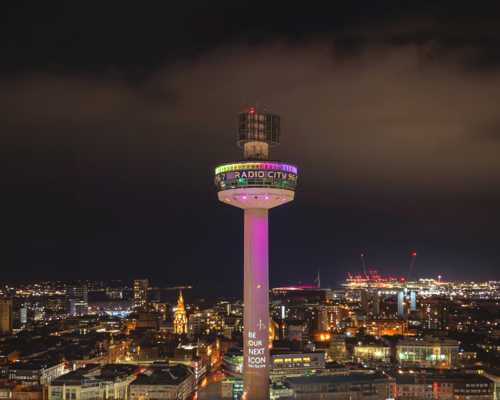
An opportunity to reimagine one of the UK’s most recognisable towers has been formally
opened by Rivington Hark, as St Johns Beacon invites operators and partners to shape its
next phase. [more...]
Changes made by Lapinha Wellness & Integrative Medicine Center owners Dieter and Margareth Brepohl have led to a 30 per cent revenue increase
Lapinha Wellness & Integrative Medicine Center
Brazil
Lapinha has added a farm to table business and is promoting its ‘home office’ image
Destination spas are among the most challenged facilities as a result of coronavirus. Typically, these are complex, sprawling properties, often located in remote areas with a large number of employees.
Additionally, many of their clients visit from a distance, including from other countries, so even moderate capacity allowances haven’t helped these businesses to rebound.
The Lapinha Wellness & Integrative Medicine Center, located 90km south-west of Curitiba, Brazil, is a prime example. Founded in 1972, Lapinha was the first medical spa in Brazil, situated on a farm with a focus on organic produce in the midst of a sub-tropical forest.
At the onset of the pandemic, Lapinha employed 160 people and the owners trimmed the ranks by putting 80 on furlough. They kept on 40 staff for maintenance and working the farm and set up a leadership team of 12 who “worked together as an intensive support community, thinking, dreaming and daring on new possibilities for Lapinha’s future,” according to owner Margareth Brepohl.
When Lapinha reopened on 21 June, it did so with a number of fresh initiatives and approaches on top of enhanced health and safety protocols.
New, flexible pricing schemes have made stays more appealing. There’s now the option for people to first choose the programmes they need (stress management or detox for example) and then pick the accommodation they can afford based on room size. There’s also a progressive discount promotion according to the length of stay, to go with a decades-old loyalty scheme which enables guests to receive up to a 40 per cent discount. To tap into this market further, it’s promoting a ‘home office’ image with its comfortable rooms and beautiful views. Some guests are now on their fourth week at Lapinha and average stay has jumped from 7.1 to 8.2 days.
The growth of domestic travel has been a welcome side effect of the pandemic. Lapinha is continuing to adapt its omnichannel communications to appeal to the home crowd, which represent a younger clientele – since the pandemic, the average age of guests has dropped from 54 to the low 40s. A group of 12 young adults that intended to have a self-knowledge and awareness journey in Bhutan, for example, visited Lapinha, just an hour away from where they live instead.
Lapinha is now launching a Spotify channel to keep front of mind for the younger guests with curated playlists focused on stretching, moments round the fire and self-reflection. In addition is has a ‘vibrant calendar’ of 42 theme weeks lined up for next year focusing on everything from ayurveda and local gastronomy to hiking and sound healing.
New markets have been opened up by partnering with a fertility clinic so couples can destress before treatment. And it’s created an extra revenue stream by launching an e-commerce site and becoming a ‘farm to table’ business, delivering same-day, fresh food to customers in Curitiba, a city with 3 million inhabitants.
With all of these initiatives in place, Lapinha estimates if it removes the three months of closure, it’s experiencing a 20 per cent increase in the number of guests this year to date and a 30 per cent rise in revenue.
Growth of domestic guests, who are younger, has been a welcome side effect
In June 2020, the Texas-based floatation company Float had its most profitable month ever. The firm was set up in 2016 by ex water filtration salesman Jeremy Jacob and his wife after finding that San Antonio was the largest city in the US without a floatation centre. A year later, they had a total of six.
In February 2020, the original centre took over a 3,000sq ft store next door and added a couples massage room, infrared sauna, salt cave and additional services to its five floatation tanks.
COVID forced Jacob to scrutinise financials to discover areas of efficiency and additional revenue streams.
Reopening in May, after a two-month closure, Jacob switched from using independent contractors for massages (who barely covered the costs of the room), to an employee model which has resulted in higher calibre therapists and returning clients.
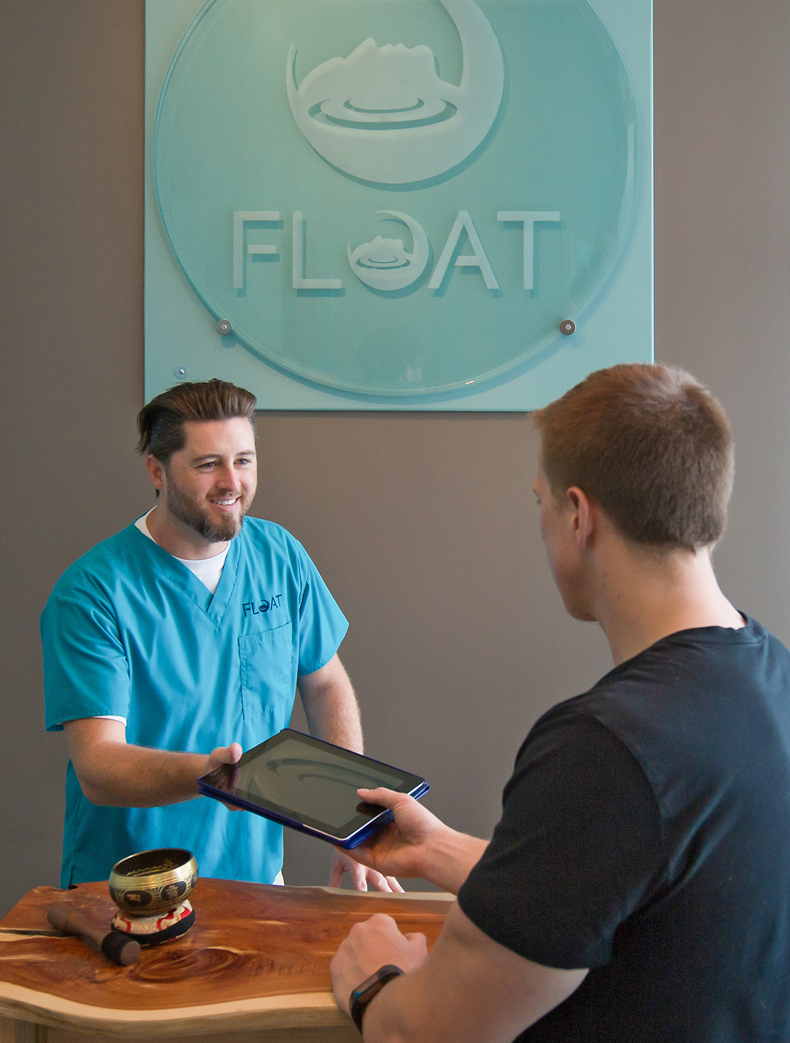
To broaden Float’s appeal, he also invested in a Pandora Star – a device which projects an array of colourful LED lights on the face to stimulate different regions of the brain to promote relaxation, cognitive function and creativity. Combined with the other additional services this has enabled Float to add a number of day spa packages, provided ample inspiration for creative marketing campaigns and grow membership, which currently sits at 220. Jacob says the centre is now running at full capacity on the weekends and 60 per cent in the week.
He likens his approach to a lake with tributaries, with different cash flows feeding into it. Float now offers 12 different services and in some instances can do as many as three in one room. In September, figures were 50 per cent ahead of the same month last year, and growth continues.
Float has invested in new services, such as Pandora Star, to create extra revenue streams
Natasha Prybyla expects business to fully recover next year
Massage therapist Natasha Prybyla set up her own practice in the college town of San Luis Obispo, California in 2010, growing into a spa in 2014. The six-treatment-room day spa was busy but three years ago she ‘did the math’ and started adding treatment options that weren’t reliant on a therapist. First an infrared sauna, then a cryotherapy tank, Somadome meditation pod, dry salt therapy room and a photobiomodulation bed. When the pandemic struck, the company found itself ahead of the game when it comes to contact-free services.
Business was slow when it initially reopened in August. However, small changes Prybyla made since have had a big impact. Clients needed a lot of education on the complementary experiences and she created marketing campaigns, along with video content, to promote their cellular health benefits. “We’ve been practically twisting people’s arms for the past year to try services like cryotherapy and no one was interested, but now they’re loving it,” she says. Sloco has just added a recovery lounge featuring two NormaTec compression therapy systems which “have been booked up every day”.
By simply rebranding the facility from ‘spa’ to ‘health and wellness’ she’s capturing many more consumers via internet searches – from as far away as 100 miles. “Because most people don’t expect to find the answers to autoimmune conditions and severe chronic pain relief in spas, we were being eliminated when people were searching,” she explains.
By simply rebranding the facility from ‘spa’
to ‘health and wellness’ we’re capturing
many more consumers via internet searches
Prybyla has also introduced a ‘self-care gym’ membership where clients can experience the modalities as often as they need to for a monthly fee of US$199 (€165, £149) to US$499 (€414, £374). Out of the 150 members, about 45 clients converted from the previous spa membership to this new plan, and were “game to try something new”. At the moment, the push is on to communicate these changes to the database of 12k clients and to continue to build membership. Revenue, which was on a 35 per cent growth rate until mid-March, is currently less than half of what it was pre-pandemic. But with the recent partnership with a chiropractor, providing guest access for referrals for therapeutic treatments, and the new model and pricing structure, Prybyla expects Sloco to be fully recovered at some point within 2021.
She concludes: “The pandemic has modified my vision for Sloco in a major way. Just a couple of months ago, we had plans to remain a peaceful spa that focuses on massages and facials while offering these unique, alternative modalities. Now, we’ve become a lively community of people trying to support each other on this wellness journey. And our projected net profit is significantly better than anything we could’ve ever dreamed with the old way of doing things.”
Clients need a lot of educating about alternative experiences / Somadome by Nick Pavlakis @nickyp_pics
Lisa Starr is a contributing editor at Spa Business
| [email protected]
Read more from this issue of Attractions Management magazine
View contents of Attractions Management 2020 issue 4
Editor's letter: Nurturing mental health
It’s time for spas re-evaluate their mental wellness approach to help governments and society to tackle the escalating mental health crisis says Katie Barnes
Spa people: Dr Narinthorn Surasinthon
RAKxa Jai, a cutting-edge medi-wellness spa, has opened in partnership with Bumrungrad International Hospital and Minor Hotels in Bangkok. Spa Business talks to its COO
Spa people: Isabelle Duchesneau
The executive director of Québec's Le Monastère Augustines explains why its priority of serving caretakers is more relevant today than ever
Spa people: Michael Banissy
The world's largest study on touch uncovers the role it plays in our health and wellbeing. Spa Business talks to the lead researcher
Interview: Krip Rojanastien
Chiva-Som’s CEO talks to Spa Business magazine about guiding the destination spa through COVID-19 and its first contract management project in Qatar
Ask an expert: Corridors of power
What will it take to make politicians realise the value of spas? Spa Business magazine asks those in government and others who’ve made inroads
Promotion: Artofcryo: Cold Calling
Artofcryo.com aims to offer the best whole-body cryotherapy chambers as well as a complete, reliable and effective solution for operators and results for guests
Promotion: ISPA: Lead, inform, inspire
Lead, Inform, Inspire. It’s been quite a year for ISPA, with its firm commitment to supporting members through the pandemic, as president, Lynne McNees explains
Interview: Mark Hennebry
Ensana’s chair tells Spa Business magazine about its landmark development, Buxton Crescent, one of the only genuine spa hotels in the UK
Promotion: Lemi: Creating the dream team
This year leading Italian supplier Lemi launched three new spa solutions, and ventured into the creation of signature treatments for the first time. General manager Matteo Brusaferri explains why he sees this as the way forward to help spas maximise their investment
Interview: Luisa Anderson
A Longevity Garden and inner healing room are just two of the extra special features at the new Healing Village Spa at Four Seasons Jimbaran Bay, Bali, says its regional spa director
Promotion: Biologique Recherche
Skincare specialist, Biologique Recherche, is using its knowledge of chronobiology to create new approaches to skincare which yield powerful results
Event review: Global Wellness Summit 2020
This year’s Global Wellness Summit saw two US surgeon generals, leading spa stakeholders and wellness professionals look towards the role they have to play following the global pandemic. Spa Business magazine gives its highlights
Research: Matter of minds
A new study is the first to define and put a value on the global mental wellness industry – estimating it to be worth US$121bn. But what does this mean for spas?
Sponsored briefing: Starpool: Cargo-tecture
During lockdown, Riccardo Turri, CEO of Starpool, was inspired to create a whole new category of product, based on recycled containers. The result is the new i.con spa brand, which fuses luxury, wellness, recycling and design
Software: All booked up
Spa software suppliers take a look at 'big data' to reveal the booking trends they’ve seen since spas have reopened
Promotion: Voya: supporting spa partners
Jessica Anhold, Voya’s head of global sales and marketing, talks community in a time of crisis and how the company is supporting its spa partners
A new immersive attraction designed to transport visitors into the final hours of ancient Pompeii
is preparing to open near the world-famous archaeological site in southern Italy.
Experience design company, BRC Imagination Arts, has completed a transition that sees founder
Bob Rogers pass ownership of the business to four long-serving senior executives, while
remaining actively involved with the company.
Movie Park Germany has opened a new Paramount Pictures-themed attraction as part of its 30th
anniversary celebrations, using immersive storytelling and adaptive reuse to reinforce the park’s
longstanding “Hollywood in Germany” positioning.
Therme Manchester’s 28-acre development, which will include interconnected glass pavilions
that measure 65,000sq m, will be the largest bathing and wellbeing attraction in the world once
complete, according to prof David Russell, CEO of Therme UK.
Efteling has opened Hooghmoed, a new family drop tower designed to broaden the appeal of its
recently launched Sirene Island themed area and introduce younger visitors to thrill attractions.
A proposed Puy du Fou development near Bicester and Universal Destinations and Experiences’
planned resort in Bedford are emerging as part of a wider transformation of the Oxford–
Cambridge Growth Corridor into a major centre for UK leisure and tourism inv
Shedd Aquarium has opened the Immersion Theater developed in partnership with SimEx-
Iwerks, as part of a wider strategy to enhance the guest experience and create additional
revenue opportunities.
The UK government has announced a temporary reduction in VAT on visitor attractions and
children’s meals as part of a summer cost-of-living support package designed to stimulate the
visitor economy and encourage family days out.
As designer Yinka Ilori prepares for his first solo gallery show in London, he speaks exclusively
to CLADmag about his mission to spread joy, the power of play, and his bold approach to using
colour (including the colours you won’t see in his work).
The government of Thailand is exploring plans for a THB300bn (£6.3bn, US$8.3bn)
entertainment complex in the country’s Eastern Economic Corridor (EEC), with officials
proposing a large-scale theme park and sports destination as part of a broader tourism and
economic development strategy.
An opportunity to reimagine one of the UK’s most recognisable towers has been formally
opened by Rivington Hark, as St Johns Beacon invites operators and partners to shape its
next phase. [more...]