Across Europe, Ireland the UK, there’s been a real uplift in weekday bookings. Fridays and Saturdays used to make up 41.4 per cent of all bookings, and that’s dropped to 34.7 per cent with the rest equally spread. With more flexible work/home lives, customers aren’t restricted by 9-5 hours and can escape to spas more easily. Operators might now want to relook at traditional peak and off-peak pricing and availability and adjust everything from rates to employee rotas to ensure they’re matching demand.
During lockdown, we saw consumers booking spa breaks and paying comparatively more for them – £344 (US$448, €381) in July 2020, up 22 per cent from £282 (US$367, €312) in July last year – as people dreamed of escaping and a nervousness to travel abroad encouraged staycations.
However, that boost was short-lived and the average dropped to £262 (US$341, €290) in September, minus 8.3 per cent year on year, as consumers feel less confident about spending money and return to a price conscious mentality. This means spas will need to be mindful of pricing well, and offering flexible cancellations.
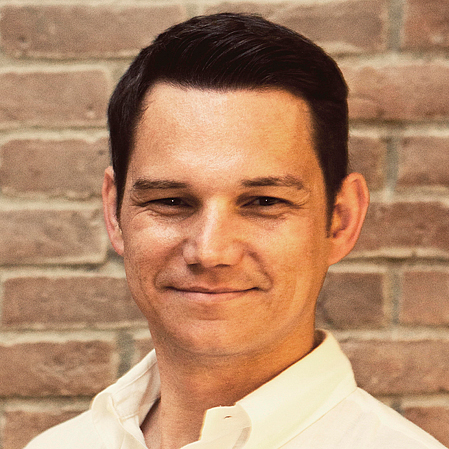
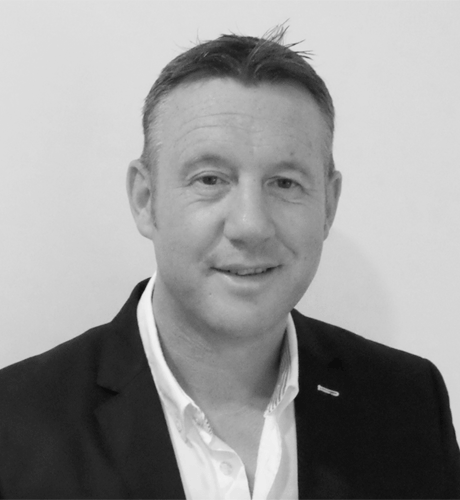
There’s been a real uplift in weekday bookings
Darren Pick
iSALON
Average bookings pre-lockdown for all our spa clients were 7,000-8,000 a day. These jumped back once restrictions were relaxed and have now settled down to around 6,000 a day. It can be assumed that the slightly lower number of bookings is a result of reduced capacity at peak times as a result of restrictions in spas.
It’s interesting to note that the average spend per customer is higher than the pre-lockdown rate of £38 (US$50, €42). In Q2, during lockdown, average spend went up to £40 (US$52, €44), which we believe is due to online retail. It then spiked in July at £50 (US$65, €55), probably a result of people having multiple treatments and services, and now sits at around £42 (US$55, €46). This could be the result of an increase in prices, spas applying a COVID charge or only providing services of a higher value and removing services with little or no value.
Average spend per head is now higher than the pre-lockdown rate of £38 (US$50, €42)
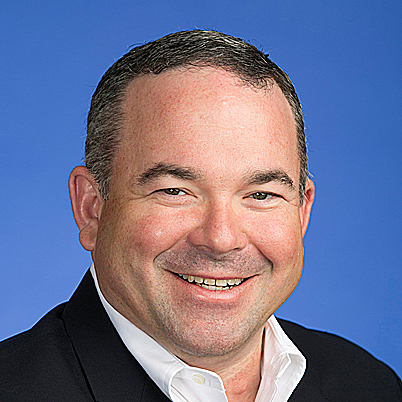
Theresa Hamberger
SPRINGER MILLER (SpaSoft)
Travel restrictions and fear of travel is having a significant effect on our industry and we’re seeing that in SpaSoft’s big data. On average spas with a membership programme and/or strong local following took two or fewer weeks after reopening to generate about 50 per cent of their pre-COVID daily revenues while destination spas took eight-12 weeks. But the good news is that demand is there.
Initially our spas saw a huge increase in lead booking time during closure, with several consumers pushing their appointments out by six months or even a year, which indicates trust in their spa/wellness provider. But this lead time reduced by 20 per cent on average after reopening which suggests that while guests are still excited to get back into spas, and they trust them to provide a clean and safe environment, they’re less likely to book trips/experiences too far into the future due to uncertainty.
Spas with a membership programme and/or strong local following took two or fewer weeks after reopening to generate about 50 per cent of their pre-COVID daily revenues
Consumers are hesitant to book treatments too far in advance / Nicolesa/SHUTTERSTOCK
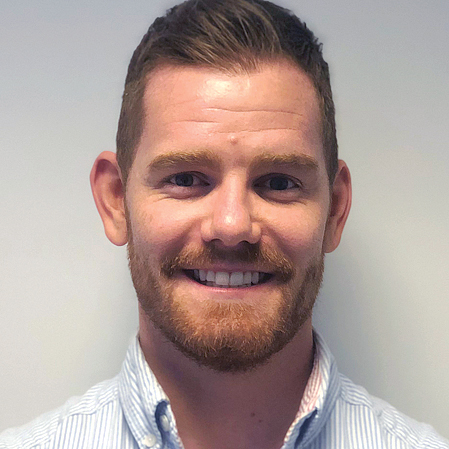
Stavros Mavridis
SOUL TAILORS
Spas which use our Aphrodite Software are reporting longer treatments times. Before COVID-19, the average length of a booking was 50-60 minutes. Now, eight of 10 consumers are booking 90- to 120-minute sessions – they want total relaxation.
There’s also an increased desire for touchless journeys and three out of five people who go to a spa are now requesting contactless booking experiences.
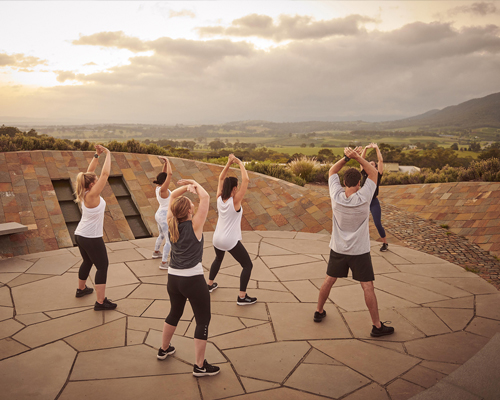
Finally, there’s a change in demand for where people workout. Five out of 10 guests say they’d love to have an outdoor physical activity rather than using the gym, enabling facilities to be more creative and develop new concepts.
Three out of five people who go to a spa are now requesting contactless booking experiences
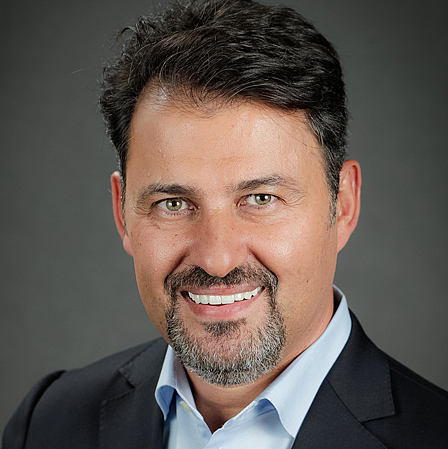
Brett Smith
CONCEPT SPA & GOLF
Overall, spa occupancy is down about 70 per cent and average operating hours have dropped from 12 to nine hours a day. This isn’t surprising, but it’s interesting to see that the 60/40 female/male gender ratio was maintained.
Guests are consuming longer treatments post-COVID – from 64 to 75 minutes on average. Massage services have picked up, but the demand for facials has decreased by a staggering 60 per cent which we think is partly due to health and safety measures.
Social distancing and new procedures means class capacity has decreased significantly. But to combat this loss, spas are now also scheduling significantly more classes and optimising their instructors and rooms as much as possible.
Massage services have picked up, but the demand for facials has decreased by a staggering 60 per cent
Oliver Cahill
PREMIER SOFTWARE
Demand for health and wellbeing retreats in spas are high as restrictions are lifted and staycations become popular – many destination spas and hotels are fully booked through to 2021.
In addition to rebooking appointments lost during lockdown, spas have seen a spike in new bookings and managers have used Core by Premier Software’s 100+ reports to efficiently schedule clients back in. One report, for instance, quickly pinpoints clients who had to cancel while another identifies those who purchased gift vouchers just before closure, enabling staff to priortise them.
Another key change we’ve witnessed is the reduction in the number of treatments offered across each day to, quite rightly, allow for equipment sanitisation between each client. However, as spas are now running at reduced capacity, with more time and money allocated to hygienic practices, this has undoubtedly impacted revenue.
We’ve seen a clear interest in maximising time slots to cover any shortfall. Core gives spa managers full functionality to easily reduce or amend longer treatment times by five to 10 minutes, to allow for cleaning while still being able to fit in the same number of daily services they offered pre-COVID.
We’ve seen a clear interest in maximising time slots to cover any shortfall
MINDBODY
Figures from some 3,000 spas using Mindbody software in the USA show that bookings for the industry have rebounded to about 65 per cent of pre-COVID levels and have levelled out there. This is likely to be because of [capacity and social distancing] restrictions put in place by local governments.
We’ve also found that post-lockdown, the length of spa services has decreased across the board by approximately 10 minutes per service on average. We believe this might be because of the increase in cleaning protocols.
Bookings have rebounded to about 65 per cent of pre-COVID levels
Frank Pitsikalis
RESORTSUITE
Since reopening, there’s been an increase in younger guests, day guests, and more people opting for outdoor activities. The biggest change, however, is the limited menu of services. As a result, some operators are implementing advanced yield management techniques to ensure that the limited number of treatments and services they offer can generate better profits.
The booking window has compressed with more reservations happening within 24-48 hours of an appointment. Automated revenue management tools are even more critical to make adjustments in real-time availability based on changing business conditions.
As spas reopen, guests return with brand new expectations, anxieties and preferences and they’re seeing much higher call times (by as much as 50 per cent). This requires more labour – at a time when spas have less staff. Technology can assist by providing efficiencies through online booking and the trend towards ‘everything mobile’ – from check-in/out and online forms to mobile ID and contactless payment – has been accelerated.
Some operators are implementing advanced yield management techniques to generate better profits
There’s been a higher percentage of first-time, younger guests / Dragon Images/SHUTTERSTOCK
Read more from this issue of Attractions Management magazine
View contents of Attractions Management 2020 issue 4
Editor's letter: Nurturing mental health
It’s time for spas re-evaluate their mental wellness approach to help governments and society to tackle the escalating mental health crisis says Katie Barnes
Spa people: Dr Narinthorn Surasinthon
RAKxa Jai, a cutting-edge medi-wellness spa, has opened in partnership with Bumrungrad International Hospital and Minor Hotels in Bangkok. Spa Business talks to its COO
Spa people: Isabelle Duchesneau
The executive director of Québec's Le Monastère Augustines explains why its priority of serving caretakers is more relevant today than ever
Spa people: Michael Banissy
The world's largest study on touch uncovers the role it plays in our health and wellbeing. Spa Business talks to the lead researcher
Interview: Krip Rojanastien
Chiva-Som’s CEO talks to Spa Business magazine about guiding the destination spa through COVID-19 and its first contract management project in Qatar
Ask an expert: Corridors of power
What will it take to make politicians realise the value of spas? Spa Business magazine asks those in government and others who’ve made inroads
Promotion: Artofcryo: Cold Calling
Artofcryo.com aims to offer the best whole-body cryotherapy chambers as well as a complete, reliable and effective solution for operators and results for guests
Promotion: ISPA: Lead, inform, inspire
Lead, Inform, Inspire. It’s been quite a year for ISPA, with its firm commitment to supporting members through the pandemic, as president, Lynne McNees explains
Interview: Mark Hennebry
Ensana’s chair tells Spa Business magazine about its landmark development, Buxton Crescent, one of the only genuine spa hotels in the UK
Promotion: Lemi: Creating the dream team
This year leading Italian supplier Lemi launched three new spa solutions, and ventured into the creation of signature treatments for the first time. General manager Matteo Brusaferri explains why he sees this as the way forward to help spas maximise their investment
Interview: Luisa Anderson
A Longevity Garden and inner healing room are just two of the extra special features at the new Healing Village Spa at Four Seasons Jimbaran Bay, Bali, says its regional spa director
Promotion: Biologique Recherche
Skincare specialist, Biologique Recherche, is using its knowledge of chronobiology to create new approaches to skincare which yield powerful results
Event review: Global Wellness Summit 2020
This year’s Global Wellness Summit saw two US surgeon generals, leading spa stakeholders and wellness professionals look towards the role they have to play following the global pandemic. Spa Business magazine gives its highlights
Research: Matter of minds
A new study is the first to define and put a value on the global mental wellness industry – estimating it to be worth US$121bn. But what does this mean for spas?
Sponsored briefing: Starpool: Cargo-tecture
During lockdown, Riccardo Turri, CEO of Starpool, was inspired to create a whole new category of product, based on recycled containers. The result is the new i.con spa brand, which fuses luxury, wellness, recycling and design
Software: All booked up
Spa software suppliers take a look at 'big data' to reveal the booking trends they’ve seen since spas have reopened
Promotion: Voya: supporting spa partners
Jessica Anhold, Voya’s head of global sales and marketing, talks community in a time of crisis and how the company is supporting its spa partners
Across Europe, Ireland the UK, there’s been a real uplift in weekday bookings. Fridays and Saturdays used to make up 41.4 per cent of all bookings, and that’s dropped to 34.7 per cent with the rest equally spread. With more flexible work/home lives, customers aren’t restricted by 9-5 hours and can escape to spas more easily. Operators might now want to relook at traditional peak and off-peak pricing and availability and adjust everything from rates to employee rotas to ensure they’re matching demand.
During lockdown, we saw consumers booking spa breaks and paying comparatively more for them – £344 (US$448, €381) in July 2020, up 22 per cent from £282 (US$367, €312) in July last year – as people dreamed of escaping and a nervousness to travel abroad encouraged staycations.
However, that boost was short-lived and the average dropped to £262 (US$341, €290) in September, minus 8.3 per cent year on year, as consumers feel less confident about spending money and return to a price conscious mentality. This means spas will need to be mindful of pricing well, and offering flexible cancellations.
There’s been a real uplift in weekday bookings
Darren Pick
iSALON
Average bookings pre-lockdown for all our spa clients were 7,000-8,000 a day. These jumped back once restrictions were relaxed and have now settled down to around 6,000 a day. It can be assumed that the slightly lower number of bookings is a result of reduced capacity at peak times as a result of restrictions in spas.
It’s interesting to note that the average spend per customer is higher than the pre-lockdown rate of £38 (US$50, €42). In Q2, during lockdown, average spend went up to £40 (US$52, €44), which we believe is due to online retail. It then spiked in July at £50 (US$65, €55), probably a result of people having multiple treatments and services, and now sits at around £42 (US$55, €46). This could be the result of an increase in prices, spas applying a COVID charge or only providing services of a higher value and removing services with little or no value.
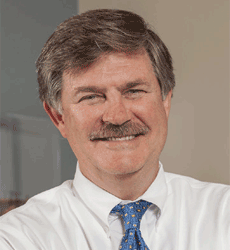
Average spend per head is now higher than the pre-lockdown rate of £38 (US$50, €42)
Theresa Hamberger
SPRINGER MILLER (SpaSoft)
Travel restrictions and fear of travel is having a significant effect on our industry and we’re seeing that in SpaSoft’s big data. On average spas with a membership programme and/or strong local following took two or fewer weeks after reopening to generate about 50 per cent of their pre-COVID daily revenues while destination spas took eight-12 weeks. But the good news is that demand is there.
Initially our spas saw a huge increase in lead booking time during closure, with several consumers pushing their appointments out by six months or even a year, which indicates trust in their spa/wellness provider. But this lead time reduced by 20 per cent on average after reopening which suggests that while guests are still excited to get back into spas, and they trust them to provide a clean and safe environment, they’re less likely to book trips/experiences too far into the future due to uncertainty.
Spas with a membership programme and/or strong local following took two or fewer weeks after reopening to generate about 50 per cent of their pre-COVID daily revenues
Consumers are hesitant to book treatments too far in advance / Nicolesa/SHUTTERSTOCK
Stavros Mavridis
SOUL TAILORS
Spas which use our Aphrodite Software are reporting longer treatments times. Before COVID-19, the average length of a booking was 50-60 minutes. Now, eight of 10 consumers are booking 90- to 120-minute sessions – they want total relaxation.
There’s also an increased desire for touchless journeys and three out of five people who go to a spa are now requesting contactless booking experiences.
Finally, there’s a change in demand for where people workout. Five out of 10 guests say they’d love to have an outdoor physical activity rather than using the gym, enabling facilities to be more creative and develop new concepts.
Three out of five people who go to a spa are now requesting contactless booking experiences
Brett Smith
CONCEPT SPA & GOLF
Overall, spa occupancy is down about 70 per cent and average operating hours have dropped from 12 to nine hours a day. This isn’t surprising, but it’s interesting to see that the 60/40 female/male gender ratio was maintained.
Guests are consuming longer treatments post-COVID – from 64 to 75 minutes on average. Massage services have picked up, but the demand for facials has decreased by a staggering 60 per cent which we think is partly due to health and safety measures.
Social distancing and new procedures means class capacity has decreased significantly. But to combat this loss, spas are now also scheduling significantly more classes and optimising their instructors and rooms as much as possible.
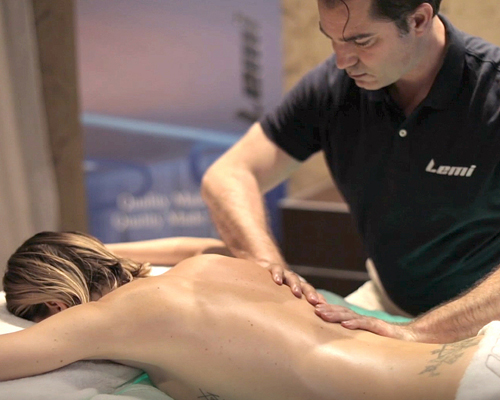
Massage services have picked up, but the demand for facials has decreased by a staggering 60 per cent
Oliver Cahill
PREMIER SOFTWARE
Demand for health and wellbeing retreats in spas are high as restrictions are lifted and staycations become popular – many destination spas and hotels are fully booked through to 2021.
In addition to rebooking appointments lost during lockdown, spas have seen a spike in new bookings and managers have used Core by Premier Software’s 100+ reports to efficiently schedule clients back in. One report, for instance, quickly pinpoints clients who had to cancel while another identifies those who purchased gift vouchers just before closure, enabling staff to priortise them.
Another key change we’ve witnessed is the reduction in the number of treatments offered across each day to, quite rightly, allow for equipment sanitisation between each client. However, as spas are now running at reduced capacity, with more time and money allocated to hygienic practices, this has undoubtedly impacted revenue.
We’ve seen a clear interest in maximising time slots to cover any shortfall. Core gives spa managers full functionality to easily reduce or amend longer treatment times by five to 10 minutes, to allow for cleaning while still being able to fit in the same number of daily services they offered pre-COVID.
We’ve seen a clear interest in maximising time slots to cover any shortfall
MINDBODY
Figures from some 3,000 spas using Mindbody software in the USA show that bookings for the industry have rebounded to about 65 per cent of pre-COVID levels and have levelled out there. This is likely to be because of [capacity and social distancing] restrictions put in place by local governments.
We’ve also found that post-lockdown, the length of spa services has decreased across the board by approximately 10 minutes per service on average. We believe this might be because of the increase in cleaning protocols.
Bookings have rebounded to about 65 per cent of pre-COVID levels
Frank Pitsikalis
RESORTSUITE
Since reopening, there’s been an increase in younger guests, day guests, and more people opting for outdoor activities. The biggest change, however, is the limited menu of services. As a result, some operators are implementing advanced yield management techniques to ensure that the limited number of treatments and services they offer can generate better profits.
The booking window has compressed with more reservations happening within 24-48 hours of an appointment. Automated revenue management tools are even more critical to make adjustments in real-time availability based on changing business conditions.
As spas reopen, guests return with brand new expectations, anxieties and preferences and they’re seeing much higher call times (by as much as 50 per cent). This requires more labour – at a time when spas have less staff. Technology can assist by providing efficiencies through online booking and the trend towards ‘everything mobile’ – from check-in/out and online forms to mobile ID and contactless payment – has been accelerated.
Some operators are implementing advanced yield management techniques to generate better profits
There’s been a higher percentage of first-time, younger guests / Dragon Images/SHUTTERSTOCK
Read more from this issue of Attractions Management magazine
View contents of Attractions Management 2020 issue 4
Editor's letter: Nurturing mental health
It’s time for spas re-evaluate their mental wellness approach to help governments and society to tackle the escalating mental health crisis says Katie Barnes
Spa people: Dr Narinthorn Surasinthon
RAKxa Jai, a cutting-edge medi-wellness spa, has opened in partnership with Bumrungrad International Hospital and Minor Hotels in Bangkok. Spa Business talks to its COO
Spa people: Isabelle Duchesneau
The executive director of Québec's Le Monastère Augustines explains why its priority of serving caretakers is more relevant today than ever
Spa people: Michael Banissy
The world's largest study on touch uncovers the role it plays in our health and wellbeing. Spa Business talks to the lead researcher
Interview: Krip Rojanastien
Chiva-Som’s CEO talks to Spa Business magazine about guiding the destination spa through COVID-19 and its first contract management project in Qatar
Ask an expert: Corridors of power
What will it take to make politicians realise the value of spas? Spa Business magazine asks those in government and others who’ve made inroads
Promotion: Artofcryo: Cold Calling
Artofcryo.com aims to offer the best whole-body cryotherapy chambers as well as a complete, reliable and effective solution for operators and results for guests
Promotion: ISPA: Lead, inform, inspire
Lead, Inform, Inspire. It’s been quite a year for ISPA, with its firm commitment to supporting members through the pandemic, as president, Lynne McNees explains
Interview: Mark Hennebry
Ensana’s chair tells Spa Business magazine about its landmark development, Buxton Crescent, one of the only genuine spa hotels in the UK
Promotion: Lemi: Creating the dream team
This year leading Italian supplier Lemi launched three new spa solutions, and ventured into the creation of signature treatments for the first time. General manager Matteo Brusaferri explains why he sees this as the way forward to help spas maximise their investment
Interview: Luisa Anderson
A Longevity Garden and inner healing room are just two of the extra special features at the new Healing Village Spa at Four Seasons Jimbaran Bay, Bali, says its regional spa director
Promotion: Biologique Recherche
Skincare specialist, Biologique Recherche, is using its knowledge of chronobiology to create new approaches to skincare which yield powerful results
Event review: Global Wellness Summit 2020
This year’s Global Wellness Summit saw two US surgeon generals, leading spa stakeholders and wellness professionals look towards the role they have to play following the global pandemic. Spa Business magazine gives its highlights
Research: Matter of minds
A new study is the first to define and put a value on the global mental wellness industry – estimating it to be worth US$121bn. But what does this mean for spas?
Sponsored briefing: Starpool: Cargo-tecture
During lockdown, Riccardo Turri, CEO of Starpool, was inspired to create a whole new category of product, based on recycled containers. The result is the new i.con spa brand, which fuses luxury, wellness, recycling and design
Software: All booked up
Spa software suppliers take a look at 'big data' to reveal the booking trends they’ve seen since spas have reopened
Promotion: Voya: supporting spa partners
Jessica Anhold, Voya’s head of global sales and marketing, talks community in a time of crisis and how the company is supporting its spa partners
Abu Dhabi-based investment firm Mubadala Capital has made a binding, fully financed
€1 billion
offer to acquire Pierre and Vacances SA, the European holiday resort operator behind the
continental European Center Parcs business.
Disney has reaffirmed its commitment to investing US$30 billion in its US parks and cruise
business by 2033, using new America250 celebrations to underline the role its attractions play
in supporting jobs, tourism and economic growth.
Expo 2030 Riyadh is being planned as a permanent visitor destination, with organisers
confirming the six-million-square-metre site will become a Global Village after the event closes.
The owner of one of Australia's best-known waterparks has acquired a major competitor,
creating a new attractions business spanning two of the country's largest visitor destinations.
The Toverland theme park in the Netherlands has announced a €98m expansion programme
that will add a resort, new attractions and staff facilities as it pursues plans to become a multi-
day destination.
Hotel de France, located on the British Isle of Jersey, has created a wellness retreat package
that includes a hot yoga session that will take place in Jersey Zoo’s butterfly sanctuary.
A new immersive attraction designed to transport visitors into the final hours of ancient Pompeii
is preparing to open near the world-famous archaeological site in southern Italy.
Experience design company, BRC Imagination Arts, has completed a transition that sees founder
Bob Rogers pass ownership of the business to four long-serving senior executives, while
remaining actively involved with the company.
Movie Park Germany has opened a new Paramount Pictures-themed attraction as part of its 30th
anniversary celebrations, using immersive storytelling and adaptive reuse to reinforce the park’s
longstanding “Hollywood in Germany” positioning.
Therme Manchester’s 28-acre development, which will include interconnected glass pavilions
that measure 65,000sq m, will be the largest bathing and wellbeing attraction in the world once
complete, according to prof David Russell, CEO of Therme UK.
+ More news
COMPANY PROFILES
Simworx Ltd The company was initially established
in 1997. Terry Monkton and Andrew
Roberts are the key stakeh [more...]
Clip 'n Climb Clip ‘n Climb currently offers facility owners and
investors more than 40 colourful and unique
Cha [more...]
Polin Waterparks Polin was founded in Istanbul in 1976. Polin
has since grown into a leading company in
the waterpa [more...]
Sally Corporation Our services include: Dark ride design & build; Redevelopment of existing attractions; High-quality [more...]