As zoos face increasing
pressure to demonstrate
measurable impacts on their
visitors and society, a
new study demonstrates
how visits can influence
positive behavioural changes
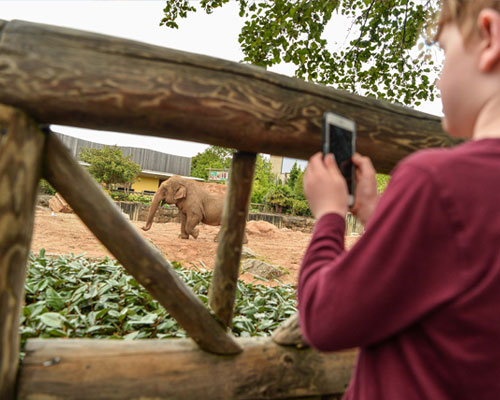
The study shows how engaging with zoos may influence behaviour / Photo: Chester Zoo
Zoos have huge potential to connect visitors with the issues facing biodiversity globally and many deliver interventions that seek to influence visitors’ beliefs and behaviours with respect to conservation. However, despite primary studies evaluating the effect of such interventions, the overall effect of engaging with zoos and the factors that influence this effect have remained unclear.
As zoos face pressure to demonstrate their contribution to addressing the global environmental crisis, clarity is needed on how visiting and engaging with zoos may influence their visitors.
With this in mind, researchers at the University of Sheffield in the UK, working in collaboration with Chester Zoo (UK), brought together findings from 56 studies across more than 38 zoos and aquaria worldwide, to analyse the effect of visiting these facilities on visitors’ conservation knowledge, beliefs and behaviour.
The meta-analysis showed that, on average, people know more about conservation, feel more positive about conservation and are more likely to take action after visiting zoos and aquaria. Behavioural changes included things such as checking to see if the products they buy in supermarkets contain sustainable palm oil.
The nature of zoo-led interventions The study identified strategies used in zoo-led interventions with the Behaviour Change Techniques Taxonomy (BCTT) – a widely used classification of behavioural change techniques that identifies 93 defined behaviour change techniques.
One of the examples highlighted a conservation campaign evaluated in an Australian zoo aiming to educate visitors about the impact of unsustainable palm oil production. This used several BCTs – such as providing targeted knowledge about the potential impact of a behaviour, communicating information to the target population from a trusted source and removing barriers to action by giving people the tools they need to carry out a specific action. By mapping the individual components of zoo-led interventions, researchers can identify what works, when and for whom.
The findings A detailed meta-analysis of 56 studies that evaluated the effects of a range of zoo-led interventions on visitors’ beliefs about conservation and associated behaviours found that visiting and engaging with zoos had a positive impact on outcomes, including knowledge about conservation issues, attitudes toward conservation, visitors’ self-efficacy, intentions to act, and conservation behaviour.
These findings support other meta-analyses that suggest conservation education can affect outcomes that may influence conservation behaviour. Taken together, the findings attest to the potential of zoos to promote conservation and shift beliefs in zoo visitors.
The research found that, on average, interventions involving formal education had a large effect on visitors’ beliefs about conservation and behaviour. General visits and live animal interactions had a small to medium effect, while interventions that involved changing exhibit designs had a small effect on outcomes.
Zoo-led interventions typically had a medium effect on knowledge and intentions, a small to medium effect on attitudes and self-efficacy, and a small effect on behaviour.
Three variables significantly influenced the effect of zoo-led interventions on outcomes: design of the study, whether the research was conducted at multiple institutions, and the percentage of females in the sample. Specifically, studies with within-participant designs typically reported larger effects than studies with between-participants designs. Research conducted at a single institution typically reported larger effects than research conducted at multiple institutions. Finally, studies with samples containing a higher percentage of females typically reported smaller effects than studies with a smaller percentage of females.
Recognising the opportunities Conservation education, included in some of the zoo-led interventions in the review, is typically used to raise awareness about a specific conservation issue, often in the hope that people will be subsequently more likely to act for the benefit of biodiversity.
This systematic review of global conservation education programmes shows that evaluations would benefit from a more holistic approach to measuring the success of such programmes. Conservation educators and institutions should see evaluating the outcomes of their work as an opportunity to prove and share their real-world impacts, which would enable them — and others — to draw on evidence when designing future interventions.
The research highlights the breadth of ways visitors can engage with zoos and the scope of strategies used in the provision of conservation education in zoos. To date, six specific behaviour change techniques (BCTs) have been used in interventions to change behaviour in zoo visitors – a very small percentage of the plethora of strategies available for zoo practitioners and researchers to use as components of interventions. Including a wider range of strategies could potentially help zoo practitioners increase their behaviour change impact.
Xavier McNally, lead researcher, University of Sheffield
“It is widely accepted that human actions are negatively impacting the global environment and that we can make a difference by changing small things in our lives.
“Millions of people visit zoos and aquariums globally, and this creates an opportunity to shape people’s beliefs about conservation and empower them to help protect the environment by making small changes in their lives.”
Charlotte Smith, director of conservation education at Chester Zoo
“For a long time, zoos have been preventing the extinction of the world’s most precious species, championing the natural world, connecting people with nature, and showing how we can all help wildlife thrive. It’s fantastic to see the conservation impact of zoos recognised through this research led by scientists at the University of Sheffield.”
Read more from this issue of Attractions Management magazine
View contents of Attractions Management 2024 issue 3
Multimedia: Sakchin Bessette
How did the team at Moment Factory go from designing visuals for raves to illuminating the Sagrada Familia and creating stage shows for Madonna? The co-founder shares the journey
Museums: Roll of honour
From the Rijksmuseum’s first family exhibition to a 4D experience that wows on a budget, we check out Museum + Heritage Award winners
Theme parks: Cecil Magpuri
Work has begun on the first Dragon Ball theme park, and it’s set to take theming to a whole new level, according to its designer
Museums: Rise up
Filled with colour, music, technology and storytelling, the John K Randle Center is a fitting celebration of Yoruban culture and history, says its architect Seun Oduwole
Experiences: Flight of fancy
Airbnb is diving into the world of immersive experiences with its new Icons initiative. What does this mean for attractions?
Immersive experience: Andrew McGuinness
As Layered Reality prepares to launch its highly-anticipated Elvis Experience, we speak to its CEO about the business of wowing visitors
Zoos: Making a difference
Visiting zoos and aquaria inspires people to act more sustainably, finds a study from the University of Sheffield and Chester Zoo
Tourism: Vertical reality
From energy-generating viewing pods to world-class art installations, a new generation of vertical attractions is shaking up the scene. Dr Terry Stevens investigates
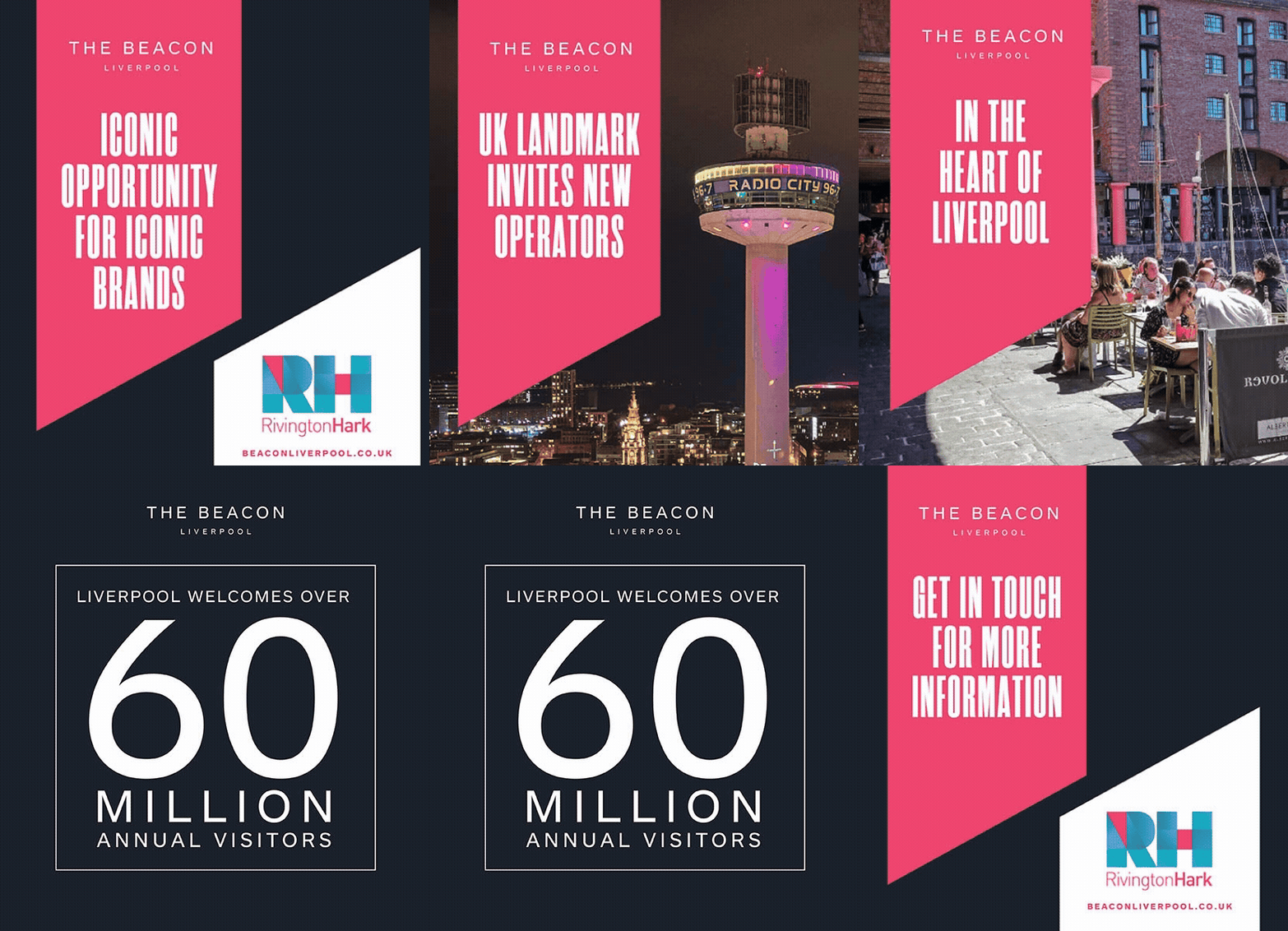
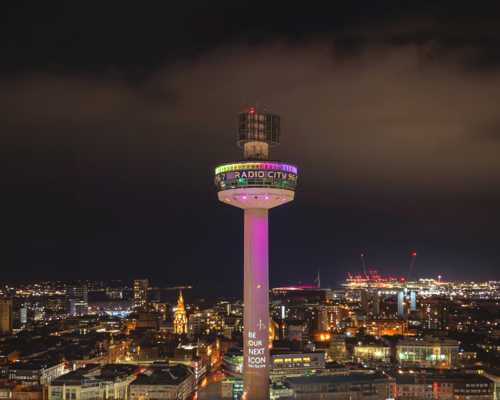
An opportunity to reimagine one of the UK’s most recognisable towers has been formally
opened by Rivington Hark, as St Johns Beacon invites operators and partners to shape its
next phase. [more...]
As zoos face increasing
pressure to demonstrate
measurable impacts on their
visitors and society, a
new study demonstrates
how visits can influence
positive behavioural changes
The study shows how engaging with zoos may influence behaviour / Photo: Chester Zoo
Zoos have huge potential to connect visitors with the issues facing biodiversity globally and many deliver interventions that seek to influence visitors’ beliefs and behaviours with respect to conservation. However, despite primary studies evaluating the effect of such interventions, the overall effect of engaging with zoos and the factors that influence this effect have remained unclear.
As zoos face pressure to demonstrate their contribution to addressing the global environmental crisis, clarity is needed on how visiting and engaging with zoos may influence their visitors.
With this in mind, researchers at the University of Sheffield in the UK, working in collaboration with Chester Zoo (UK), brought together findings from 56 studies across more than 38 zoos and aquaria worldwide, to analyse the effect of visiting these facilities on visitors’ conservation knowledge, beliefs and behaviour.
The meta-analysis showed that, on average, people know more about conservation, feel more positive about conservation and are more likely to take action after visiting zoos and aquaria. Behavioural changes included things such as checking to see if the products they buy in supermarkets contain sustainable palm oil.
The nature of zoo-led interventions The study identified strategies used in zoo-led interventions with the Behaviour Change Techniques Taxonomy (BCTT) – a widely used classification of behavioural change techniques that identifies 93 defined behaviour change techniques.
One of the examples highlighted a conservation campaign evaluated in an Australian zoo aiming to educate visitors about the impact of unsustainable palm oil production. This used several BCTs – such as providing targeted knowledge about the potential impact of a behaviour, communicating information to the target population from a trusted source and removing barriers to action by giving people the tools they need to carry out a specific action. By mapping the individual components of zoo-led interventions, researchers can identify what works, when and for whom.
The findings A detailed meta-analysis of 56 studies that evaluated the effects of a range of zoo-led interventions on visitors’ beliefs about conservation and associated behaviours found that visiting and engaging with zoos had a positive impact on outcomes, including knowledge about conservation issues, attitudes toward conservation, visitors’ self-efficacy, intentions to act, and conservation behaviour.
These findings support other meta-analyses that suggest conservation education can affect outcomes that may influence conservation behaviour. Taken together, the findings attest to the potential of zoos to promote conservation and shift beliefs in zoo visitors.
The research found that, on average, interventions involving formal education had a large effect on visitors’ beliefs about conservation and behaviour. General visits and live animal interactions had a small to medium effect, while interventions that involved changing exhibit designs had a small effect on outcomes.
Zoo-led interventions typically had a medium effect on knowledge and intentions, a small to medium effect on attitudes and self-efficacy, and a small effect on behaviour.
Three variables significantly influenced the effect of zoo-led interventions on outcomes: design of the study, whether the research was conducted at multiple institutions, and the percentage of females in the sample. Specifically, studies with within-participant designs typically reported larger effects than studies with between-participants designs. Research conducted at a single institution typically reported larger effects than research conducted at multiple institutions. Finally, studies with samples containing a higher percentage of females typically reported smaller effects than studies with a smaller percentage of females.
Recognising the opportunities Conservation education, included in some of the zoo-led interventions in the review, is typically used to raise awareness about a specific conservation issue, often in the hope that people will be subsequently more likely to act for the benefit of biodiversity.
This systematic review of global conservation education programmes shows that evaluations would benefit from a more holistic approach to measuring the success of such programmes. Conservation educators and institutions should see evaluating the outcomes of their work as an opportunity to prove and share their real-world impacts, which would enable them — and others — to draw on evidence when designing future interventions.
The research highlights the breadth of ways visitors can engage with zoos and the scope of strategies used in the provision of conservation education in zoos. To date, six specific behaviour change techniques (BCTs) have been used in interventions to change behaviour in zoo visitors – a very small percentage of the plethora of strategies available for zoo practitioners and researchers to use as components of interventions. Including a wider range of strategies could potentially help zoo practitioners increase their behaviour change impact.
Xavier McNally, lead researcher, University of Sheffield
“It is widely accepted that human actions are negatively impacting the global environment and that we can make a difference by changing small things in our lives.
“Millions of people visit zoos and aquariums globally, and this creates an opportunity to shape people’s beliefs about conservation and empower them to help protect the environment by making small changes in their lives.”
Charlotte Smith, director of conservation education at Chester Zoo
“For a long time, zoos have been preventing the extinction of the world’s most precious species, championing the natural world, connecting people with nature, and showing how we can all help wildlife thrive. It’s fantastic to see the conservation impact of zoos recognised through this research led by scientists at the University of Sheffield.”
Read more from this issue of Attractions Management magazine
View contents of Attractions Management 2024 issue 3
Multimedia: Sakchin Bessette
How did the team at Moment Factory go from designing visuals for raves to illuminating the Sagrada Familia and creating stage shows for Madonna? The co-founder shares the journey
Museums: Roll of honour
From the Rijksmuseum’s first family exhibition to a 4D experience that wows on a budget, we check out Museum + Heritage Award winners
Theme parks: Cecil Magpuri
Work has begun on the first Dragon Ball theme park, and it’s set to take theming to a whole new level, according to its designer
Museums: Rise up
Filled with colour, music, technology and storytelling, the John K Randle Center is a fitting celebration of Yoruban culture and history, says its architect Seun Oduwole
Experiences: Flight of fancy
Airbnb is diving into the world of immersive experiences with its new Icons initiative. What does this mean for attractions?
Immersive experience: Andrew McGuinness
As Layered Reality prepares to launch its highly-anticipated Elvis Experience, we speak to its CEO about the business of wowing visitors
Zoos: Making a difference
Visiting zoos and aquaria inspires people to act more sustainably, finds a study from the University of Sheffield and Chester Zoo
Tourism: Vertical reality
From energy-generating viewing pods to world-class art installations, a new generation of vertical attractions is shaking up the scene. Dr Terry Stevens investigates
A new immersive attraction designed to transport visitors into the final hours of ancient Pompeii
is preparing to open near the world-famous archaeological site in southern Italy.
Experience design company, BRC Imagination Arts, has completed a transition that sees founder
Bob Rogers pass ownership of the business to four long-serving senior executives, while
remaining actively involved with the company.
Movie Park Germany has opened a new Paramount Pictures-themed attraction as part of its 30th
anniversary celebrations, using immersive storytelling and adaptive reuse to reinforce the park’s
longstanding “Hollywood in Germany” positioning.
Therme Manchester’s 28-acre development, which will include interconnected glass pavilions
that measure 65,000sq m, will be the largest bathing and wellbeing attraction in the world once
complete, according to prof David Russell, CEO of Therme UK.
Efteling has opened Hooghmoed, a new family drop tower designed to broaden the appeal of its
recently launched Sirene Island themed area and introduce younger visitors to thrill attractions.
A proposed Puy du Fou development near Bicester and Universal Destinations and Experiences’
planned resort in Bedford are emerging as part of a wider transformation of the Oxford–
Cambridge Growth Corridor into a major centre for UK leisure and tourism inv
Shedd Aquarium has opened the Immersion Theater developed in partnership with SimEx-
Iwerks, as part of a wider strategy to enhance the guest experience and create additional
revenue opportunities.
The UK government has announced a temporary reduction in VAT on visitor attractions and
children’s meals as part of a summer cost-of-living support package designed to stimulate the
visitor economy and encourage family days out.
As designer Yinka Ilori prepares for his first solo gallery show in London, he speaks exclusively
to CLADmag about his mission to spread joy, the power of play, and his bold approach to using
colour (including the colours you won’t see in his work).
The government of Thailand is exploring plans for a THB300bn (£6.3bn, US$8.3bn)
entertainment complex in the country’s Eastern Economic Corridor (EEC), with officials
proposing a large-scale theme park and sports destination as part of a broader tourism and
economic development strategy.
An opportunity to reimagine one of the UK’s most recognisable towers has been formally
opened by Rivington Hark, as St Johns Beacon invites operators and partners to shape its
next phase. [more...]