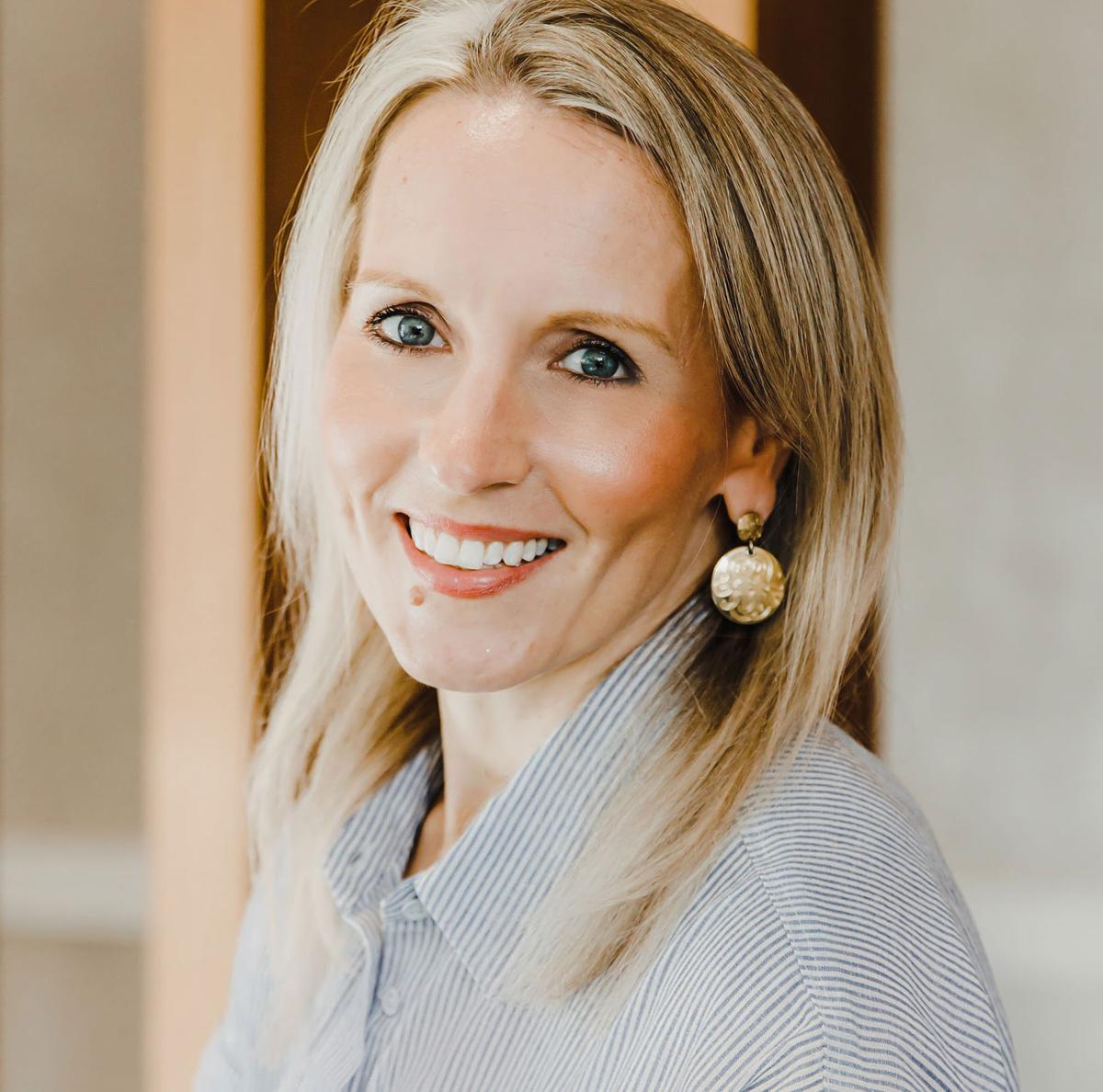
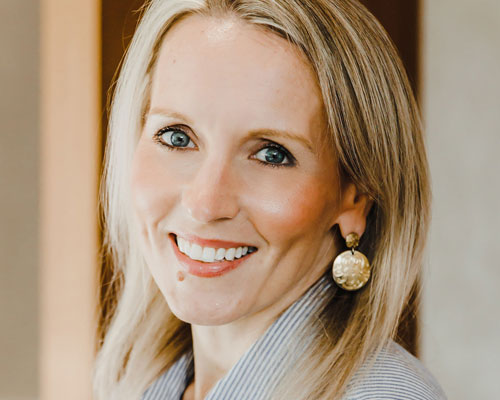
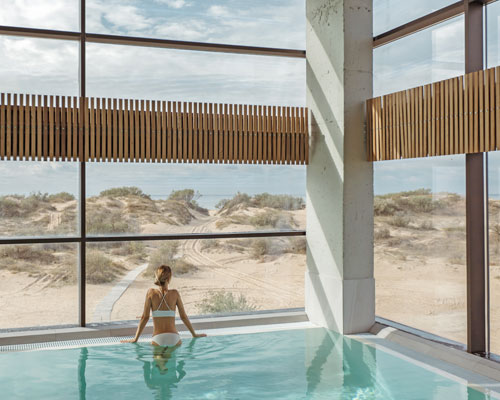
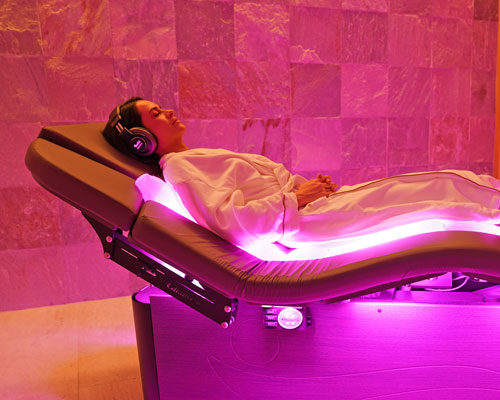
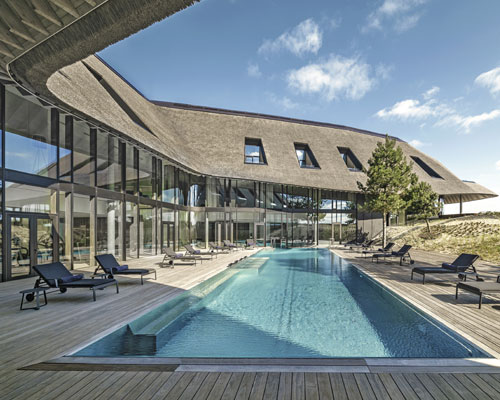
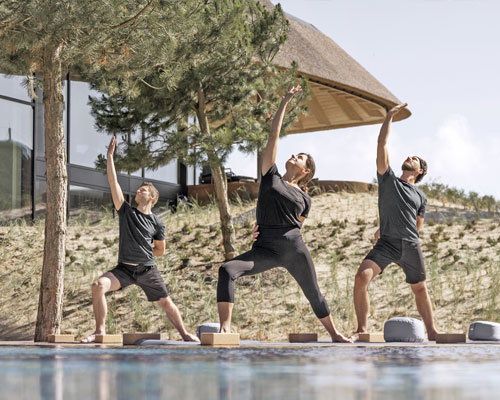
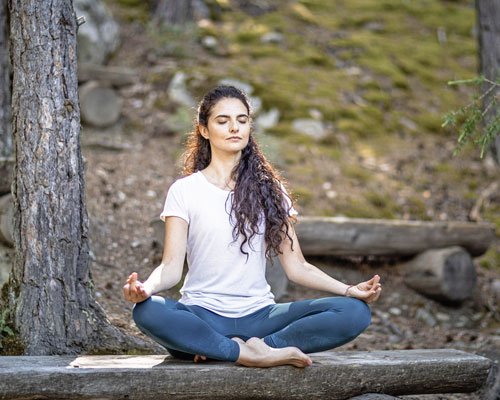
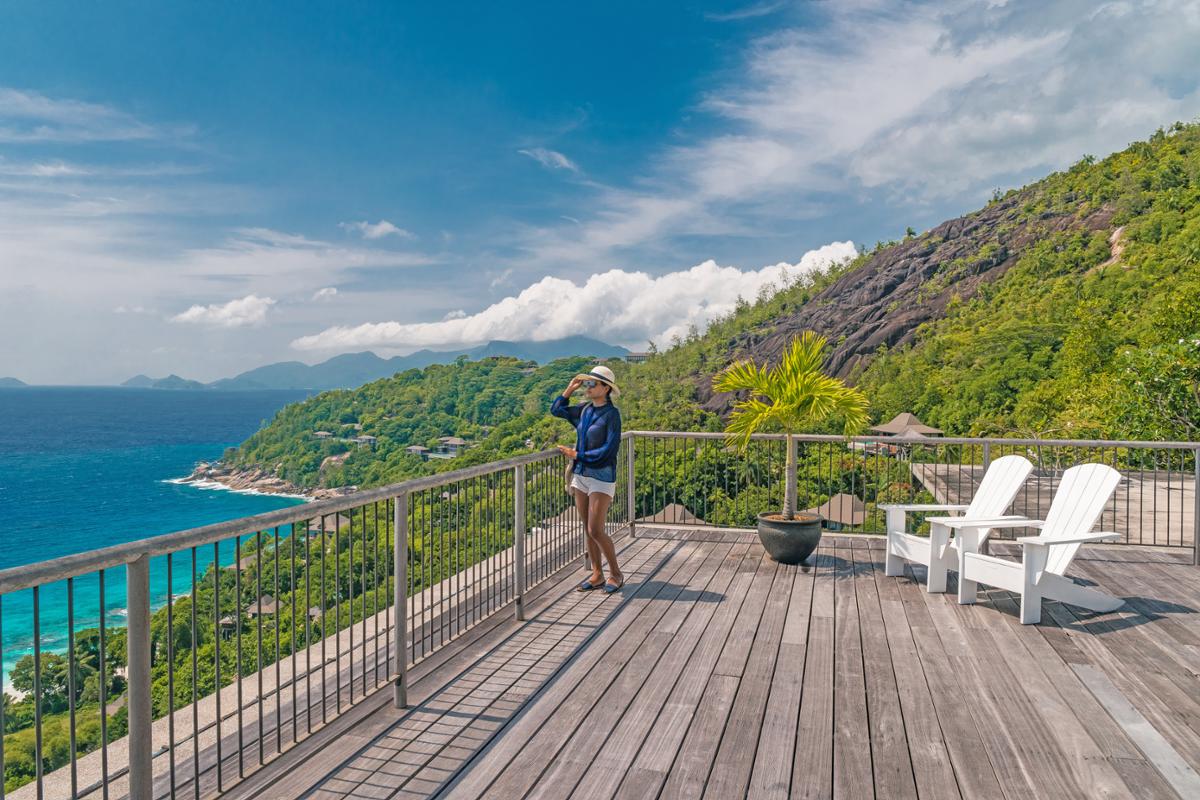
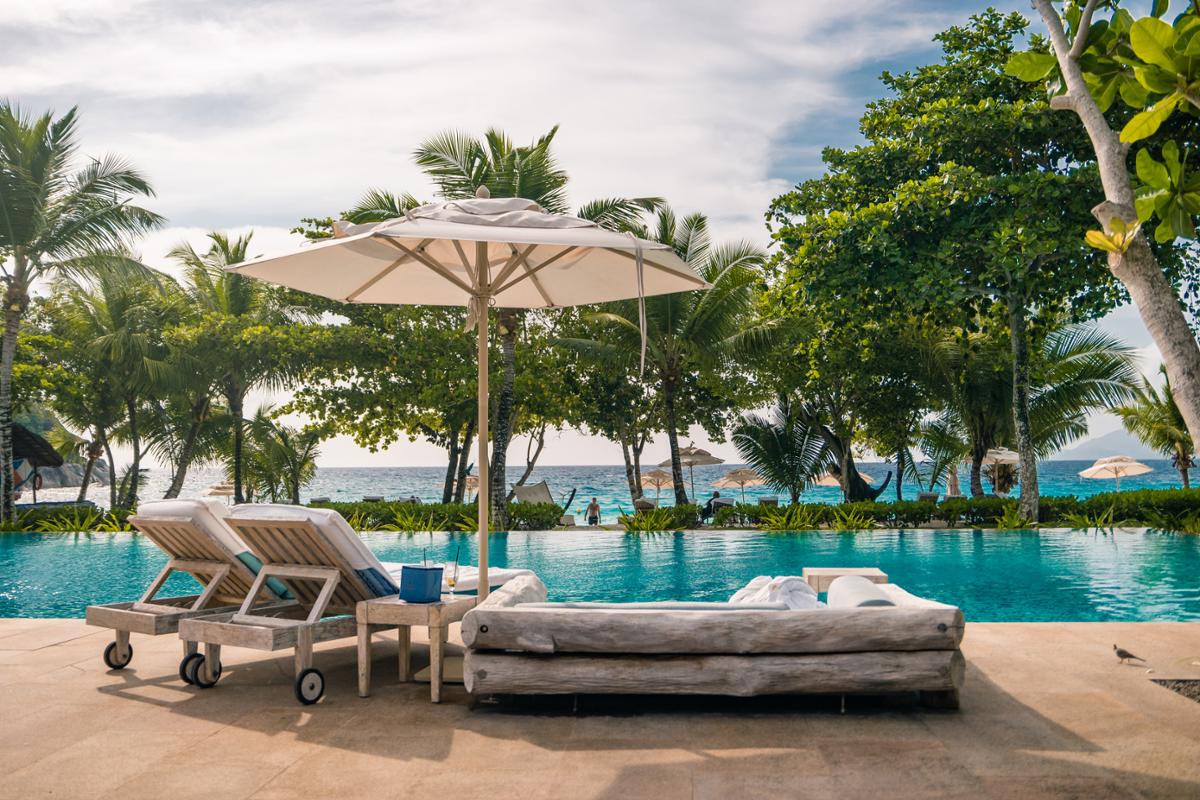
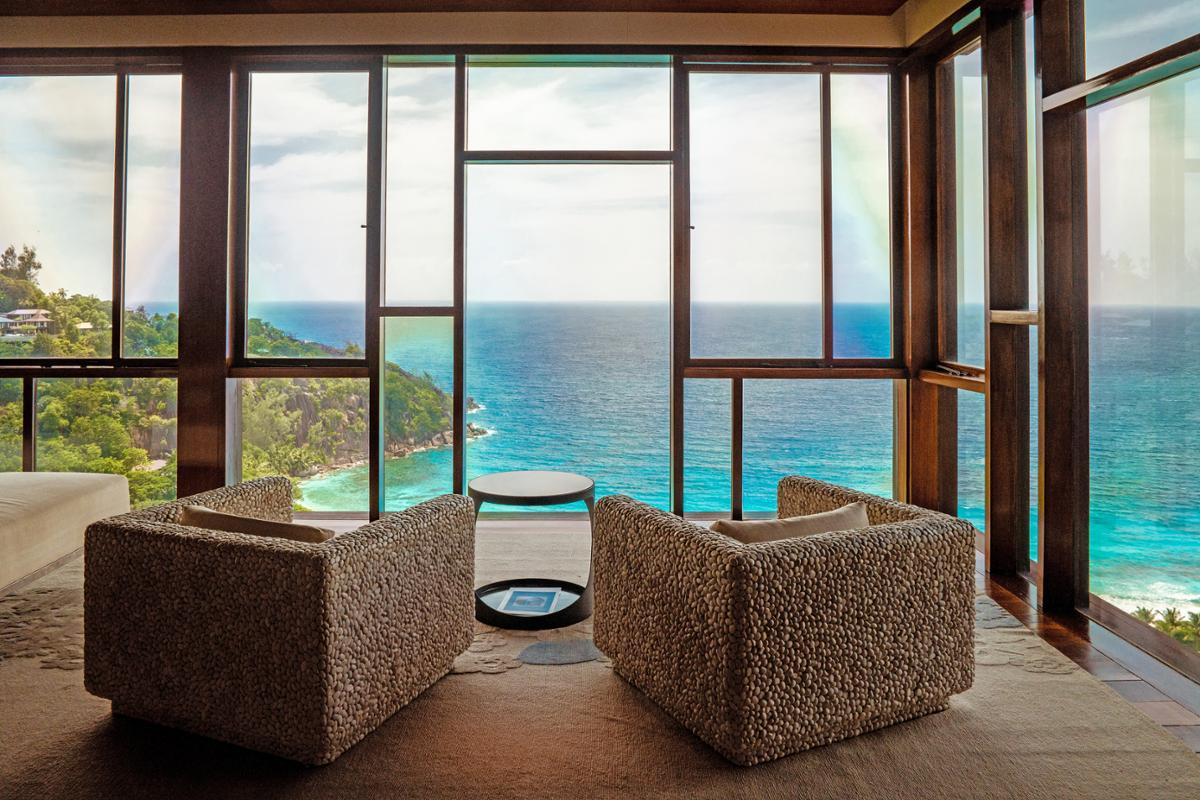
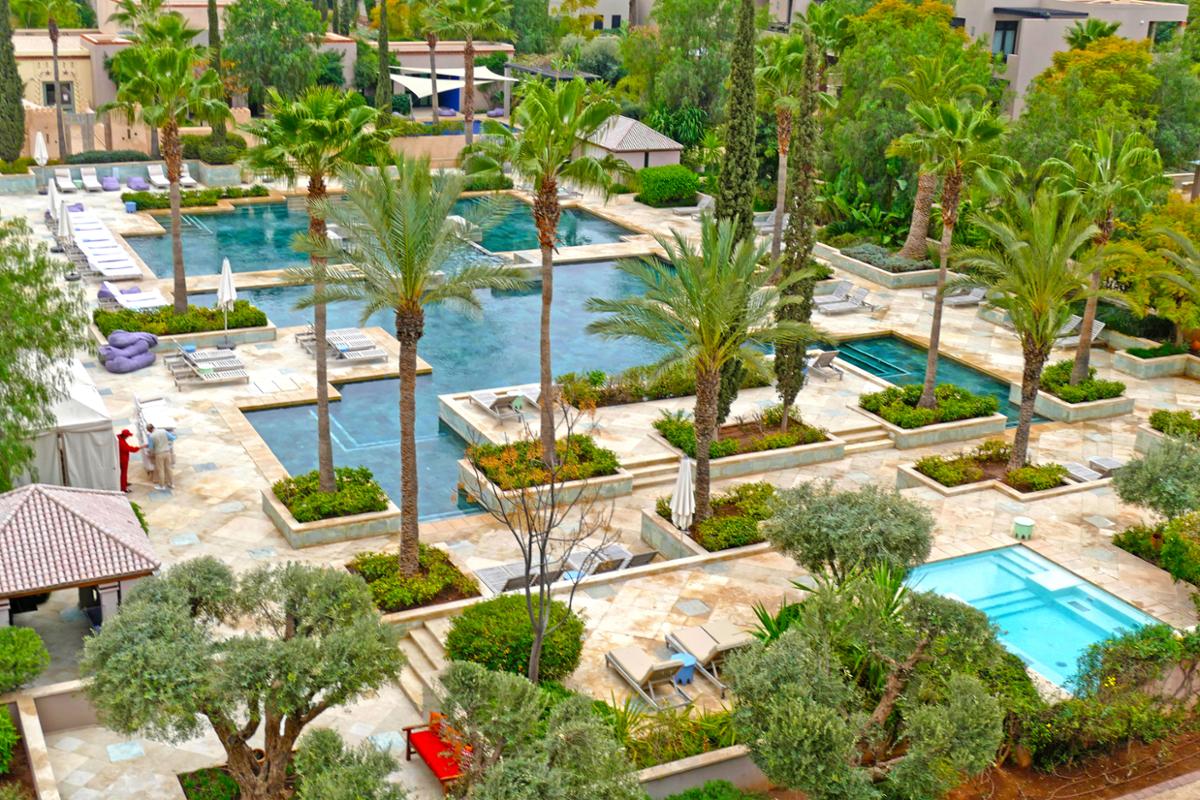
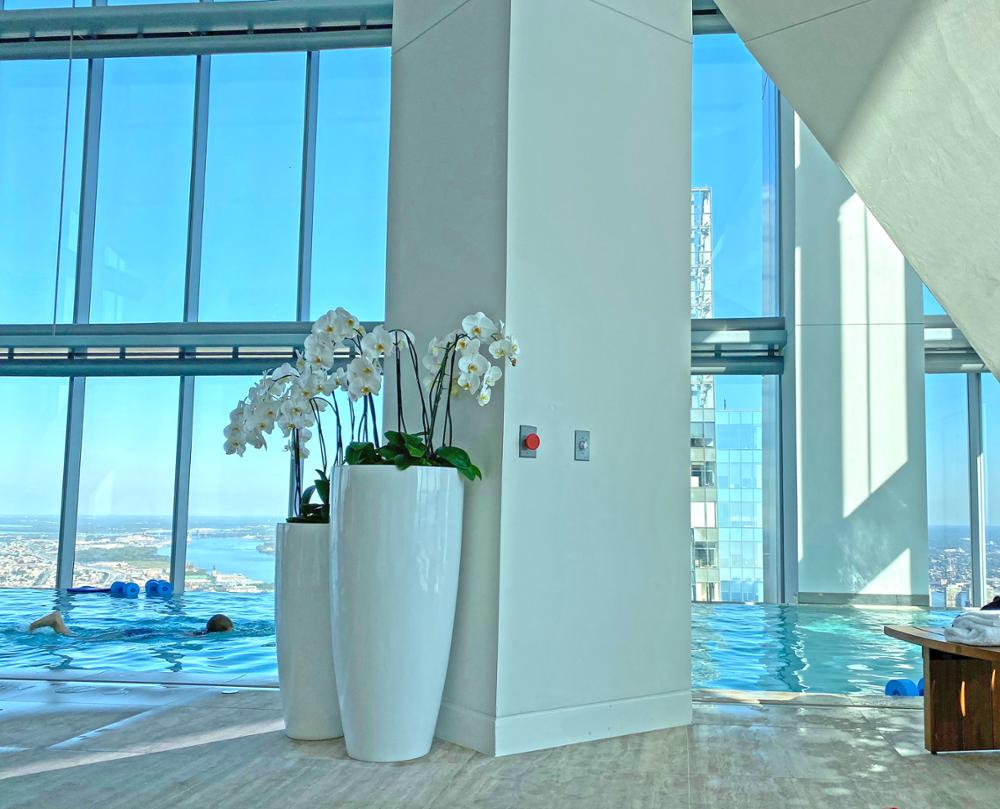
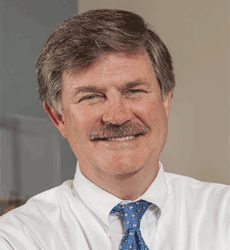
Lasvigne’s work in the spa industry has taken her all over the world / photo: Mary Blank
You’ve operated spas around the world, what insights have you gained? Working globally has been my career’s most powerful building block. In addition, as a passionate luxury traveller, I’ve embraced and experienced authentic spa and wellness rituals that have inspired and influenced my growing understanding of wellbeing and healing.
How do consumers respond to international offerings? The Asia-Pacific and Middle-East markets have been successfully integrating a holistic wellness approach for some time, whereas this has not yet become prevalent in urban wellness offerings in North America.
To give an example, a foot wash ritual before a massage is standard in Asia as an essential moment to connect and build trust at the beginning of a treatment. However, in Europe and North America, both employees and guests would rather have longer massages.
Another difference is that consumers in North America like to add treatment enhancements during their allotted time. This differs in other countries where guests expect the treatment to be a complete experience without there being an option to pay for add-ons – even if they enhance the journey.
To meet specific consumer needs, it’s crucial to ‘glocalize’ wellness design, amenities and journey and through research, my aim is to find the balance between invention, experience and consumer expectations.
It’s important that operators, wherever they’re based, have a deep understanding of their market and develop a concept that’s relevant – sometimes locally inspired, sometimes not.
I believe that introducing an authentic concept brings deep engagement through the different touch points a guest traverses during their journey, and becomes a key component of the market positioning of a property.
Tell us about your consultancy? After many years at Four Seasons, I’ve launched VLF Spa Consulting and am currently working on projects in urban and destination spa locations that aim to provide exclusive and unique offerings inspired by innovative wellness concepts.
The consultancy appeals to ventures that want to lean on expertise with access to best practice from the luxury market.
Services are tailor-made to every new project, from the initial planning stage to welcoming the first guests on opening day. In addition, I also help existing spas to reposition themselves, and elevate their reputation and profit, provide operational reviews, mentor spa managers and directors and help them achieve international award status, such as Forbes Travel Guide Five-Star ratings.
What’s your advice when it comes to designing the ideal customer journey? It starts with research, communication with the end consumer, and putting yourself in the guest’s shoes.
So often spa operators consider that a client’s journey begins when the guest enters the facility and ends when they leave. However, it actually starts long before the guest makes a reservation and extends to the point where they’ve finished using products purchased during their visit.
Spa and wellness leaders should offer experiences that are unique, authentic, and bespoke. Adding invigorating touchpoints into the guests’ journey that surprise with their ingenuity during the early design phase allows an operation to position itself as a market leader.
How can operators ensure they don’t overbuild or underbuild? I’d encourage each business to take the time and invest in research to ensure the data aligns with financial long-term success. An often overlooked analysis is that the revenue-generating areas must be proportionally large enough to offset the operational costs of complimentary amenities.
How can operators improve their spa retail? The retail component is often mistakenly added on as an afterthought and not strategically incorporated into the design and guest journey from the beginning of a project. This disrupts the integration of home care into the spa services.
We often see no or inadequate retail space at the opening stages, which can potentially lead to costly renovations a few years later.
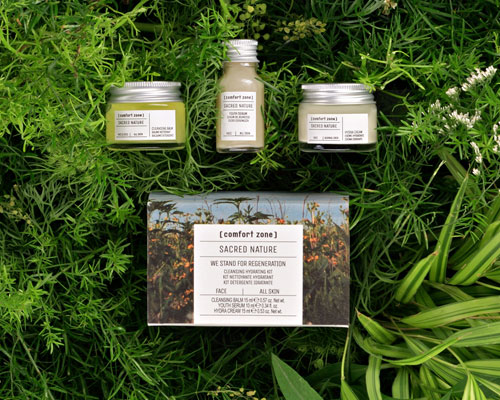
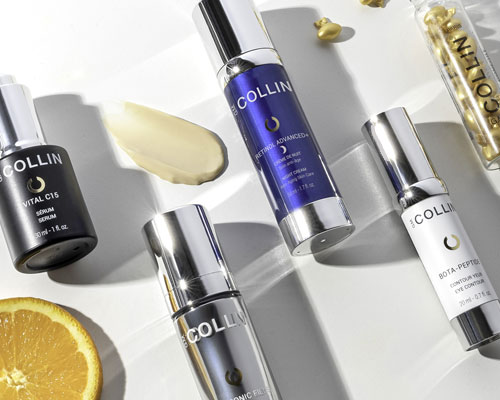
In the past, retail in spas included skincare only. Today these areas have developed into inspiring high-end lifestyle boutiques offering exclusive and appealing merchandise to satisfy the consumer’s wellness and lifestyle demands.
Many spa and wellness leaders are not strategically bold with their retailing. A 15 to 20 per cent retail revenue out of total spa revenue would be my recommended benchmark. Some spas can reach 30 per cent, which is likely to be related to higher guest satisfaction scores.
What have operators done well since the start of the pandemic? Many got creative and showed flexibility and adaptability – demonstrating a deep resilience, and I was impressed by how many repeatedly pivoted to create safe environments for their staff and guests.
A focus on mental health has also impacted hotel operations, with mental and physical wellness influencing the employee experience, plus the spa became an important revenue department.
What do you feel hasn’t been handled well? I’m disappointed with the spas that missed this opportunity within the hotel environment and the wider community.
Some also struggled with recruitment during this time, so some spa managers and employees had to work extensive hours in their commitment to serving guests and those that didn’t receive additional resources from hotel management, or facility owners were more likely to experience burnouts.
Another aspect that struck me, especially in the luxury market, was that spas and hotels removed some amenities which meant a large part of the guest experience was missing – resulting in guests only receiving, for example, a bottle of water during their visit, rather than a more meaningful offering which may have helped the spa become the market leader.
I missed some operators defending the integrity of their concepts and compromising on the experience for the sake of a cost-saving approach. The spa was one of many businesses’ first targets for cost-saving initiatives.
I also wonder if there was enough effort paid to both attracting talent and retaining it, as low turnover rates save costs.
How should the industry’s recruitment crisis be tackled? This crisis is affecting the hospitality industry in general. Operators need to work towards becoming an ‘employer of choice’ to attract employees and encourage retention by offering a workplace where employees’ personal development, continued education and wellbeing drives team motivation and ultimately lowers turnover rates.
My job as a consultant has become more critical in this tense hiring climate. It’s crucial to appoint the most suitable leadership and help the managers and directors become the strong leaders they need to be, while fostering an engaging employee experience for long-term success together.
My one-on-one coaching focuses on this, developing spa managers into strong leaders with a vision and strategy to match.
Read more from this issue of Attractions Management magazine
View contents of Attractions Management 2022 issue 3
Editor's letter: Salus per natura
Although great buildings lie at the heart of the spa and wellness experience, operators are turning to nature to deliver healing journeys, says Liz Terry
Spa People: Thierry Malleret
We talk to the economist behind Monthly Barometer about key trends emerging in the wellness sector, such as a greater connection with nature
Spa People: Verena Lasvigne
The founder of VLF Spa Consulting shares her learnings from a career running spas on three continents
Spa People: Kim Weller
The wellbeing director of Banyan Tree tells us about the rollout of the company's new brand, Veya – for mind/body wellness
New opening: Loisium Spa
A look at the new luxurious spa situated at the heart of France's celebrated Champagne region
Interview: Neil Jacobs
The CEO of Six Senses talks about creating an eco-system around the brand to deliver hotels, clubs, residential, offices and resorts
Project preview: Next generation wellness
We take our first look at Tulah, the new clinical wellness retreat brand about to make its debut in Kerala, India, and speak to its CEO
ISPA Research: Rate of recovery
Russell Donaldson digs deeper into ISPA's 2022 US Spa Industry Study and considers the industry's resurgence since the end of pandemic lockdowns
Sponsored: Gharieni: Delivering results
Innovation is the hallmark of Gharieni experiences, meeting the rapidly
evolving needs of wellness seekers within the spa and wellness environment
New opening: Lanserhof Sylt
Lisa Starr reports on the industry's eagerly awaited wellness experience – nestled within sand dunes on the German island of Sylt
Healing: Emotional rescue
As people increasingly seek support for their emotional wellbeing, Jane Kitchen talks to the operators who are digging deeper to deliver genuine transformation
Promotion: TechnoAlpin: Powerful contrast
Spa clients can enjoy super-cool relaxation and pain-relief at Sächsische Staatsbäder in Bad Brambach thanks to a TechnoAlpin SnowRoom
Concept: Soneva Soul
The CEO and co-founder of Soneva, Sonu Shivdasani, talks about the philosophy behind the company's new wellness concept, Soneva Soul
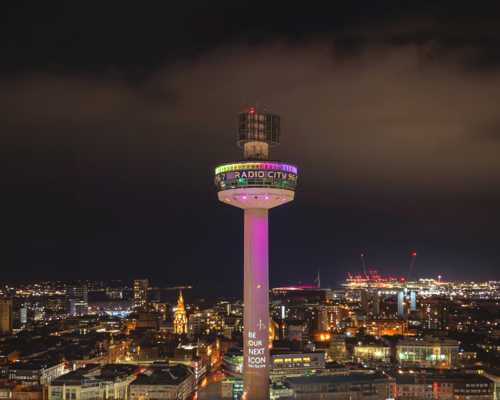
An opportunity to reimagine one of the UK’s most recognisable towers has been formally
opened by Rivington Hark, as St Johns Beacon invites operators and partners to shape its
next phase. [more...]
Lasvigne’s work in the spa industry has taken her all over the world / photo: Mary Blank
You’ve operated spas around the world, what insights have you gained? Working globally has been my career’s most powerful building block. In addition, as a passionate luxury traveller, I’ve embraced and experienced authentic spa and wellness rituals that have inspired and influenced my growing understanding of wellbeing and healing.
How do consumers respond to international offerings? The Asia-Pacific and Middle-East markets have been successfully integrating a holistic wellness approach for some time, whereas this has not yet become prevalent in urban wellness offerings in North America.
To give an example, a foot wash ritual before a massage is standard in Asia as an essential moment to connect and build trust at the beginning of a treatment. However, in Europe and North America, both employees and guests would rather have longer massages.
Another difference is that consumers in North America like to add treatment enhancements during their allotted time. This differs in other countries where guests expect the treatment to be a complete experience without there being an option to pay for add-ons – even if they enhance the journey.
To meet specific consumer needs, it’s crucial to ‘glocalize’ wellness design, amenities and journey and through research, my aim is to find the balance between invention, experience and consumer expectations.
It’s important that operators, wherever they’re based, have a deep understanding of their market and develop a concept that’s relevant – sometimes locally inspired, sometimes not.
I believe that introducing an authentic concept brings deep engagement through the different touch points a guest traverses during their journey, and becomes a key component of the market positioning of a property.
Tell us about your consultancy? After many years at Four Seasons, I’ve launched VLF Spa Consulting and am currently working on projects in urban and destination spa locations that aim to provide exclusive and unique offerings inspired by innovative wellness concepts.
The consultancy appeals to ventures that want to lean on expertise with access to best practice from the luxury market.
Services are tailor-made to every new project, from the initial planning stage to welcoming the first guests on opening day. In addition, I also help existing spas to reposition themselves, and elevate their reputation and profit, provide operational reviews, mentor spa managers and directors and help them achieve international award status, such as Forbes Travel Guide Five-Star ratings.
What’s your advice when it comes to designing the ideal customer journey? It starts with research, communication with the end consumer, and putting yourself in the guest’s shoes.
So often spa operators consider that a client’s journey begins when the guest enters the facility and ends when they leave. However, it actually starts long before the guest makes a reservation and extends to the point where they’ve finished using products purchased during their visit.
Spa and wellness leaders should offer experiences that are unique, authentic, and bespoke. Adding invigorating touchpoints into the guests’ journey that surprise with their ingenuity during the early design phase allows an operation to position itself as a market leader.
How can operators ensure they don’t overbuild or underbuild? I’d encourage each business to take the time and invest in research to ensure the data aligns with financial long-term success. An often overlooked analysis is that the revenue-generating areas must be proportionally large enough to offset the operational costs of complimentary amenities.
How can operators improve their spa retail? The retail component is often mistakenly added on as an afterthought and not strategically incorporated into the design and guest journey from the beginning of a project. This disrupts the integration of home care into the spa services.
We often see no or inadequate retail space at the opening stages, which can potentially lead to costly renovations a few years later.
In the past, retail in spas included skincare only. Today these areas have developed into inspiring high-end lifestyle boutiques offering exclusive and appealing merchandise to satisfy the consumer’s wellness and lifestyle demands.
Many spa and wellness leaders are not strategically bold with their retailing. A 15 to 20 per cent retail revenue out of total spa revenue would be my recommended benchmark. Some spas can reach 30 per cent, which is likely to be related to higher guest satisfaction scores.
What have operators done well since the start of the pandemic? Many got creative and showed flexibility and adaptability – demonstrating a deep resilience, and I was impressed by how many repeatedly pivoted to create safe environments for their staff and guests.
A focus on mental health has also impacted hotel operations, with mental and physical wellness influencing the employee experience, plus the spa became an important revenue department.
What do you feel hasn’t been handled well? I’m disappointed with the spas that missed this opportunity within the hotel environment and the wider community.
Some also struggled with recruitment during this time, so some spa managers and employees had to work extensive hours in their commitment to serving guests and those that didn’t receive additional resources from hotel management, or facility owners were more likely to experience burnouts.
Another aspect that struck me, especially in the luxury market, was that spas and hotels removed some amenities which meant a large part of the guest experience was missing – resulting in guests only receiving, for example, a bottle of water during their visit, rather than a more meaningful offering which may have helped the spa become the market leader.
I missed some operators defending the integrity of their concepts and compromising on the experience for the sake of a cost-saving approach. The spa was one of many businesses’ first targets for cost-saving initiatives.
I also wonder if there was enough effort paid to both attracting talent and retaining it, as low turnover rates save costs.
How should the industry’s recruitment crisis be tackled? This crisis is affecting the hospitality industry in general. Operators need to work towards becoming an ‘employer of choice’ to attract employees and encourage retention by offering a workplace where employees’ personal development, continued education and wellbeing drives team motivation and ultimately lowers turnover rates.
My job as a consultant has become more critical in this tense hiring climate. It’s crucial to appoint the most suitable leadership and help the managers and directors become the strong leaders they need to be, while fostering an engaging employee experience for long-term success together.
My one-on-one coaching focuses on this, developing spa managers into strong leaders with a vision and strategy to match.
Read more from this issue of Attractions Management magazine
View contents of Attractions Management 2022 issue 3
Editor's letter: Salus per natura
Although great buildings lie at the heart of the spa and wellness experience, operators are turning to nature to deliver healing journeys, says Liz Terry
Spa People: Thierry Malleret
We talk to the economist behind Monthly Barometer about key trends emerging in the wellness sector, such as a greater connection with nature
Spa People: Verena Lasvigne
The founder of VLF Spa Consulting shares her learnings from a career running spas on three continents
Spa People: Kim Weller
The wellbeing director of Banyan Tree tells us about the rollout of the company's new brand, Veya – for mind/body wellness
New opening: Loisium Spa
A look at the new luxurious spa situated at the heart of France's celebrated Champagne region
Interview: Neil Jacobs
The CEO of Six Senses talks about creating an eco-system around the brand to deliver hotels, clubs, residential, offices and resorts
Project preview: Next generation wellness
We take our first look at Tulah, the new clinical wellness retreat brand about to make its debut in Kerala, India, and speak to its CEO
ISPA Research: Rate of recovery
Russell Donaldson digs deeper into ISPA's 2022 US Spa Industry Study and considers the industry's resurgence since the end of pandemic lockdowns
Sponsored: Gharieni: Delivering results
Innovation is the hallmark of Gharieni experiences, meeting the rapidly
evolving needs of wellness seekers within the spa and wellness environment
New opening: Lanserhof Sylt
Lisa Starr reports on the industry's eagerly awaited wellness experience – nestled within sand dunes on the German island of Sylt
Healing: Emotional rescue
As people increasingly seek support for their emotional wellbeing, Jane Kitchen talks to the operators who are digging deeper to deliver genuine transformation
Promotion: TechnoAlpin: Powerful contrast
Spa clients can enjoy super-cool relaxation and pain-relief at Sächsische Staatsbäder in Bad Brambach thanks to a TechnoAlpin SnowRoom
Concept: Soneva Soul
The CEO and co-founder of Soneva, Sonu Shivdasani, talks about the philosophy behind the company's new wellness concept, Soneva Soul
Hotel de France, located on the British Isle of Jersey, has created a wellness retreat package
that includes a hot yoga session that will take place in Jersey Zoo’s butterfly sanctuary.
A new immersive attraction designed to transport visitors into the final hours of ancient Pompeii
is preparing to open near the world-famous archaeological site in southern Italy.
Experience design company, BRC Imagination Arts, has completed a transition that sees founder
Bob Rogers pass ownership of the business to four long-serving senior executives, while
remaining actively involved with the company.
Movie Park Germany has opened a new Paramount Pictures-themed attraction as part of its 30th
anniversary celebrations, using immersive storytelling and adaptive reuse to reinforce the park’s
longstanding “Hollywood in Germany” positioning.
Therme Manchester’s 28-acre development, which will include interconnected glass pavilions
that measure 65,000sq m, will be the largest bathing and wellbeing attraction in the world once
complete, according to prof David Russell, CEO of Therme UK.
Efteling has opened Hooghmoed, a new family drop tower designed to broaden the appeal of its
recently launched Sirene Island themed area and introduce younger visitors to thrill attractions.
A proposed Puy du Fou development near Bicester and Universal Destinations and Experiences’
planned resort in Bedford are emerging as part of a wider transformation of the Oxford–
Cambridge Growth Corridor into a major centre for UK leisure and tourism inv
Shedd Aquarium has opened the Immersion Theater developed in partnership with SimEx-
Iwerks, as part of a wider strategy to enhance the guest experience and create additional
revenue opportunities.
The UK government has announced a temporary reduction in VAT on visitor attractions and
children’s meals as part of a summer cost-of-living support package designed to stimulate the
visitor economy and encourage family days out.
As designer Yinka Ilori prepares for his first solo gallery show in London, he speaks exclusively
to CLADmag about his mission to spread joy, the power of play, and his bold approach to using
colour (including the colours you won’t see in his work).
The government of Thailand is exploring plans for a THB300bn (£6.3bn, US$8.3bn)
entertainment complex in the country’s Eastern Economic Corridor (EEC), with officials
proposing a large-scale theme park and sports destination as part of a broader tourism and
economic development strategy.
An opportunity to reimagine one of the UK’s most recognisable towers has been formally
opened by Rivington Hark, as St Johns Beacon invites operators and partners to shape its
next phase. [more...]