Research on zoo animals focuses more on ‘familiar’ species such as gorillas and chimpanzees, rather than less well known ones such as the waxy monkey frog, scientists say
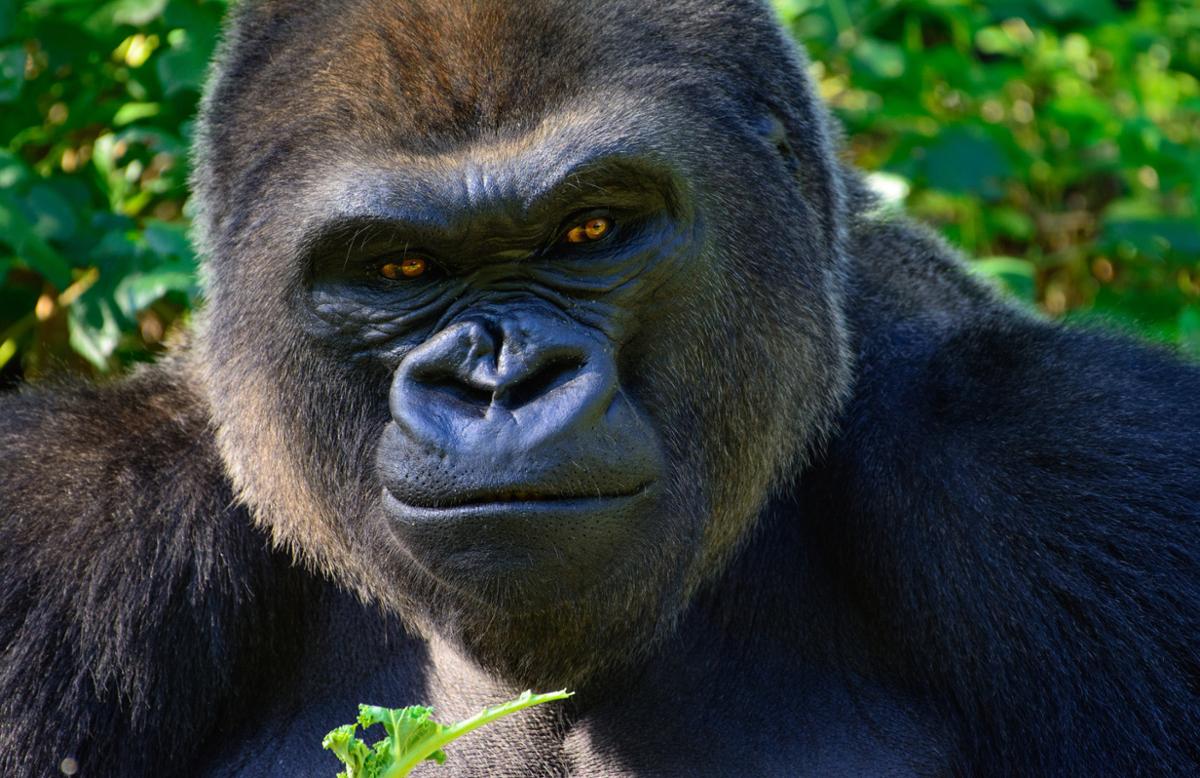
Gorillas are popular with scientists carrying out research / Jeff W. Jarrett
Globally, fish and birds outnumber mammals, reptiles and amphibians in zoos, but a study by scientists at the University of Exeter in the UK says mammals are consistently the main focus of research on zoo-housed animals.
This ‘mammal bias’ also exists in wider research, including in the wild, but lead author of the Zoo Animal Research Skewed towards Popular Species study Dr Paul Rose says zoos offer wonderful opportunities to study other species.
The study looked at the last decade of research on zoo-housed animals, both by zoo staff and visiting scientists, and noted the growth and value of such studies.
“Some species, such as chimpanzees, are popular with scientists because we know a lot about them, they are accessible and humans can relate to them,” says Rose.
“As well as being found in zoos, many of these species are relatively easy to find and study in the wild. By contrast, it would be hard to find a waxy monkey frog in the rainforest to conduct your research.
Zoos offer a fantastic opportunity to study a vast range of species, many of which would be very difficult to observe in their natural habitat, adds Rose.
“Our findings can teach us about conversation, animal health and how best to house them in zoos. Despite the mammal bias, the output from zoo research has diversified and zoo animals are being used to answer a whole range of important scientific questions.”
The study also examined whether research on different animals tended to focus on different topics. “Lots of mammal studies are about animal welfare, which is great, but we should also research the welfare of fish, birds and anything else we keep in zoos,” Rose says.
“At the moment, we’re publishing on the same few species, rather than broadening our scope. Obviously we have lots to learn about every species, but opportunities to study many other zoo-housed animals are currently being missed.”
Ten years ago, published research identified the need for studies about a range of species beyond much-loved animals such as elephants and primates.
Source: University of Exeter. ‘Zoo animal research skewed towards ‘popular’ species’
The Exeter study reviewed zoo-based research in the decade since this recommendation and found:
• Zoo-focused research output increased from the start to the end of this study.
• Trends in species held by zoos do not reflect which species are studied.
• Zoo-based research makes meaningful contributions to science. For example, it led to ground-breaking insights into the reproductive biology of the critically endangered Sumatran rhino and bolstered conservation efforts.
• Researchers should diversify both the species chosen and the aims of studies to address ‘persisting research gaps’.
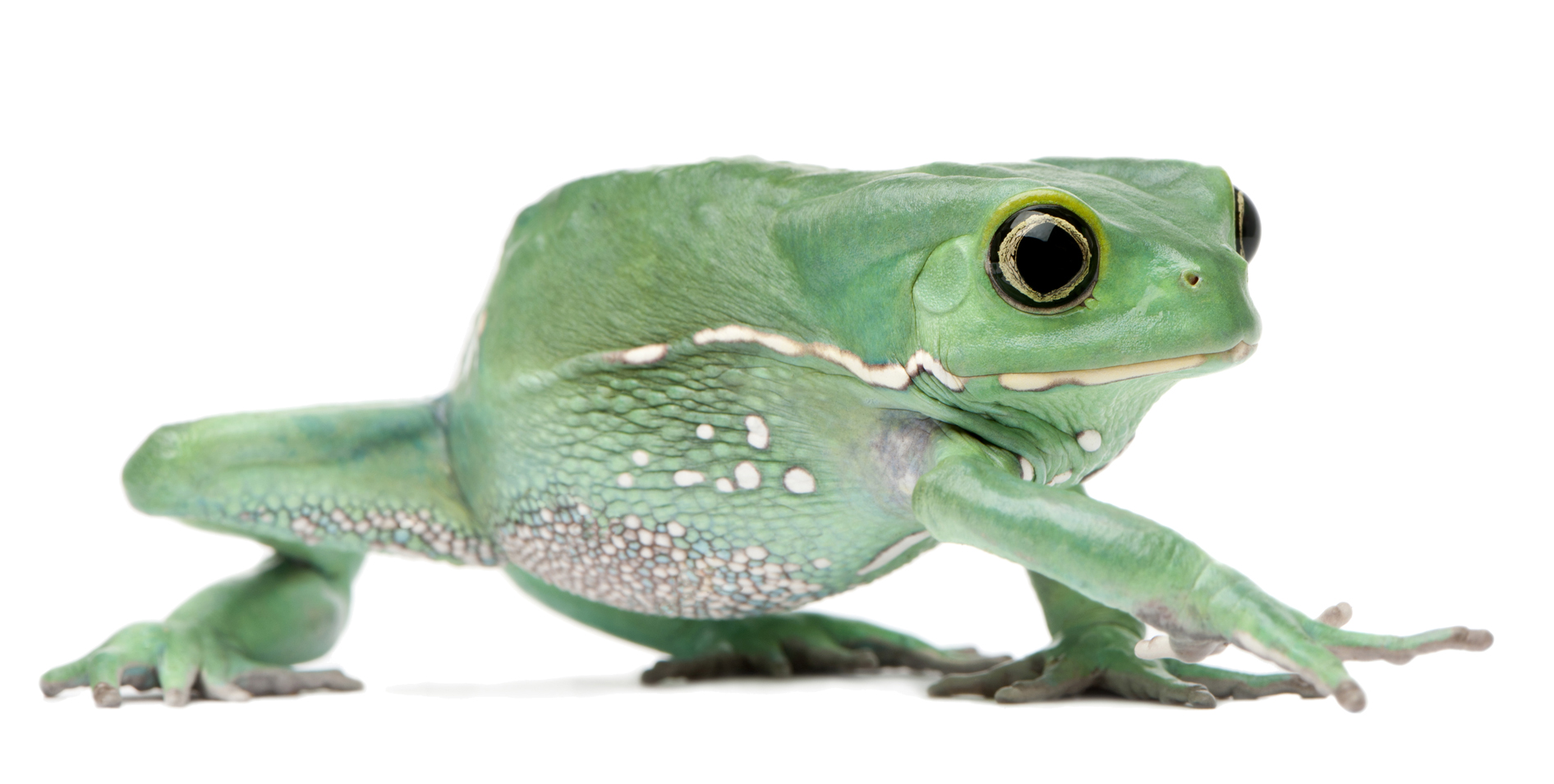
More inaccessible species, such as waxy monkey frogs, are harder to study / Eric Isselee
shutterstock
Read more from this issue of Attractions Management magazine
View contents of Attractions Management 2021 issue 4
Editor's letter: Eco drivers
Therme Group and The Eden Project are going global, on an environmental mission says Magali Robathan
AM People: Julia Baird
On why her brother John Lennon would have loved the Strawberry Field attraction and the work it’s doing for the local community
AM People: Åsa Caap
The thrill of opening the Space Stockholm digital culture centre
Interview: David Harland & Sir Tim Smit
With projects underway around the world, the Eden Project is going global with its call to arms for the future of the planet
Museums: Getting creative
How the Young V&A will aim to provide children with the creative tools stripped out by the pandemic
Interview: Richard Land
Mixing waterslides with wellbeing, the Therme Group is creating a category all of its own while taking on the world, says the group’s chief development officer
Museums: Kunsthaus Zurich completes
A David Chipperfield extension has more than doubled the museum’s exhibition space, making Zurich a major destination for the arts
Interview: Julien Kauffmann
As Farah Experiences prepares to open SeaWorld Abu Dubai, its CEO talks COVID-19, branding and branching with David Camp
Research: Making pre-booking work
Attractions are benefiting from the switch to pre-booking, but must cater for spontaneous, disorganised visitors too, says Jon Young
Research: All creatures great and small
Zoo enrichment and research can’t just be focused on the large animals most popular with visitors, argues Dr Paul Rose. All must be represented
Research: Popularity game
Research on zoo animals focuses more on ‘familiar’ species such as gorillas and chimpanzees, rather than less well known ones such as the waxy monkey frog, scientists say
Analysis: Light in the dark
A successful winter light show can see margins upwards of 30 per cent. Kathleen LaClair and
Yael Coifman look at some of the operators getting it right
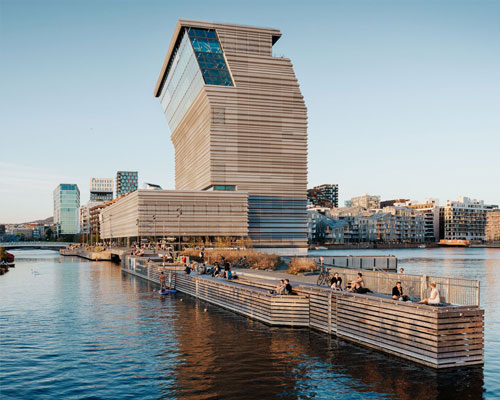
Museums: Munch Museum opens in Norway
The iconic new attraction has opened on Oslo’s waterfront with the world’s largest collection of works by Edvard Munch
Mystery Shopper: Galleries & Gourds
It has transformed the sleepy town of Bruton, UK, but does Hauser & Wirth Somerset live up to the hype? Magali Robathan mystery shops to find out
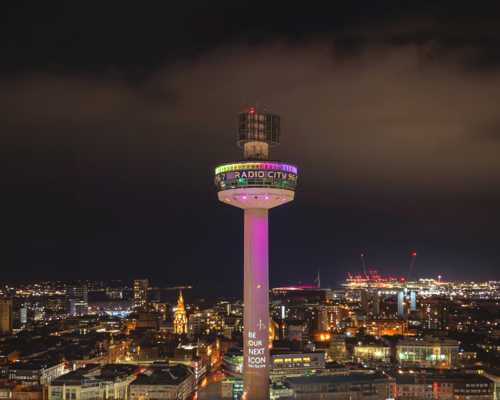
An opportunity to reimagine one of the UK’s most recognisable towers has been formally
opened by Rivington Hark, as St Johns Beacon invites operators and partners to shape its
next phase. [more...]
Research on zoo animals focuses more on ‘familiar’ species such as gorillas and chimpanzees, rather than less well known ones such as the waxy monkey frog, scientists say
Gorillas are popular with scientists carrying out research / Jeff W. Jarrett
Globally, fish and birds outnumber mammals, reptiles and amphibians in zoos, but a study by scientists at the University of Exeter in the UK says mammals are consistently the main focus of research on zoo-housed animals.
This ‘mammal bias’ also exists in wider research, including in the wild, but lead author of the Zoo Animal Research Skewed towards Popular Species study Dr Paul Rose says zoos offer wonderful opportunities to study other species.
The study looked at the last decade of research on zoo-housed animals, both by zoo staff and visiting scientists, and noted the growth and value of such studies.
“Some species, such as chimpanzees, are popular with scientists because we know a lot about them, they are accessible and humans can relate to them,” says Rose.
“As well as being found in zoos, many of these species are relatively easy to find and study in the wild. By contrast, it would be hard to find a waxy monkey frog in the rainforest to conduct your research.
Zoos offer a fantastic opportunity to study a vast range of species, many of which would be very difficult to observe in their natural habitat, adds Rose.
“Our findings can teach us about conversation, animal health and how best to house them in zoos. Despite the mammal bias, the output from zoo research has diversified and zoo animals are being used to answer a whole range of important scientific questions.”
The study also examined whether research on different animals tended to focus on different topics. “Lots of mammal studies are about animal welfare, which is great, but we should also research the welfare of fish, birds and anything else we keep in zoos,” Rose says.
“At the moment, we’re publishing on the same few species, rather than broadening our scope. Obviously we have lots to learn about every species, but opportunities to study many other zoo-housed animals are currently being missed.”
Ten years ago, published research identified the need for studies about a range of species beyond much-loved animals such as elephants and primates.
Source: University of Exeter. ‘Zoo animal research skewed towards ‘popular’ species’
The Exeter study reviewed zoo-based research in the decade since this recommendation and found:
• Zoo-focused research output increased from the start to the end of this study.
• Trends in species held by zoos do not reflect which species are studied.
• Zoo-based research makes meaningful contributions to science. For example, it led to ground-breaking insights into the reproductive biology of the critically endangered Sumatran rhino and bolstered conservation efforts.
• Researchers should diversify both the species chosen and the aims of studies to address ‘persisting research gaps’.
More inaccessible species, such as waxy monkey frogs, are harder to study / Eric Isselee
shutterstock
Read more from this issue of Attractions Management magazine
View contents of Attractions Management 2021 issue 4
Editor's letter: Eco drivers
Therme Group and The Eden Project are going global, on an environmental mission says Magali Robathan
AM People: Julia Baird
On why her brother John Lennon would have loved the Strawberry Field attraction and the work it’s doing for the local community
AM People: Åsa Caap
The thrill of opening the Space Stockholm digital culture centre
Interview: David Harland & Sir Tim Smit
With projects underway around the world, the Eden Project is going global with its call to arms for the future of the planet
Museums: Getting creative
How the Young V&A will aim to provide children with the creative tools stripped out by the pandemic
Interview: Richard Land
Mixing waterslides with wellbeing, the Therme Group is creating a category all of its own while taking on the world, says the group’s chief development officer
Museums: Kunsthaus Zurich completes
A David Chipperfield extension has more than doubled the museum’s exhibition space, making Zurich a major destination for the arts
Interview: Julien Kauffmann
As Farah Experiences prepares to open SeaWorld Abu Dubai, its CEO talks COVID-19, branding and branching with David Camp
Research: Making pre-booking work
Attractions are benefiting from the switch to pre-booking, but must cater for spontaneous, disorganised visitors too, says Jon Young
Research: All creatures great and small
Zoo enrichment and research can’t just be focused on the large animals most popular with visitors, argues Dr Paul Rose. All must be represented
Research: Popularity game
Research on zoo animals focuses more on ‘familiar’ species such as gorillas and chimpanzees, rather than less well known ones such as the waxy monkey frog, scientists say
Analysis: Light in the dark
A successful winter light show can see margins upwards of 30 per cent. Kathleen LaClair and
Yael Coifman look at some of the operators getting it right
Museums: Munch Museum opens in Norway
The iconic new attraction has opened on Oslo’s waterfront with the world’s largest collection of works by Edvard Munch
Mystery Shopper: Galleries & Gourds
It has transformed the sleepy town of Bruton, UK, but does Hauser & Wirth Somerset live up to the hype? Magali Robathan mystery shops to find out
A new immersive attraction designed to transport visitors into the final hours of ancient Pompeii
is preparing to open near the world-famous archaeological site in southern Italy.
Experience design company, BRC Imagination Arts, has completed a transition that sees founder
Bob Rogers pass ownership of the business to four long-serving senior executives, while
remaining actively involved with the company.
Movie Park Germany has opened a new Paramount Pictures-themed attraction as part of its 30th
anniversary celebrations, using immersive storytelling and adaptive reuse to reinforce the park’s
longstanding “Hollywood in Germany” positioning.
Therme Manchester’s 28-acre development, which will include interconnected glass pavilions
that measure 65,000sq m, will be the largest bathing and wellbeing attraction in the world once
complete, according to prof David Russell, CEO of Therme UK.
Efteling has opened Hooghmoed, a new family drop tower designed to broaden the appeal of its
recently launched Sirene Island themed area and introduce younger visitors to thrill attractions.
A proposed Puy du Fou development near Bicester and Universal Destinations and Experiences’
planned resort in Bedford are emerging as part of a wider transformation of the Oxford–
Cambridge Growth Corridor into a major centre for UK leisure and tourism inv
Shedd Aquarium has opened the Immersion Theater developed in partnership with SimEx-
Iwerks, as part of a wider strategy to enhance the guest experience and create additional
revenue opportunities.
The UK government has announced a temporary reduction in VAT on visitor attractions and
children’s meals as part of a summer cost-of-living support package designed to stimulate the
visitor economy and encourage family days out.
As designer Yinka Ilori prepares for his first solo gallery show in London, he speaks exclusively
to CLADmag about his mission to spread joy, the power of play, and his bold approach to using
colour (including the colours you won’t see in his work).
The government of Thailand is exploring plans for a THB300bn (£6.3bn, US$8.3bn)
entertainment complex in the country’s Eastern Economic Corridor (EEC), with officials
proposing a large-scale theme park and sports destination as part of a broader tourism and
economic development strategy.
An opportunity to reimagine one of the UK’s most recognisable towers has been formally
opened by Rivington Hark, as St Johns Beacon invites operators and partners to shape its
next phase. [more...]