The new headquarters will enable the company to increase production of spa products up to four times
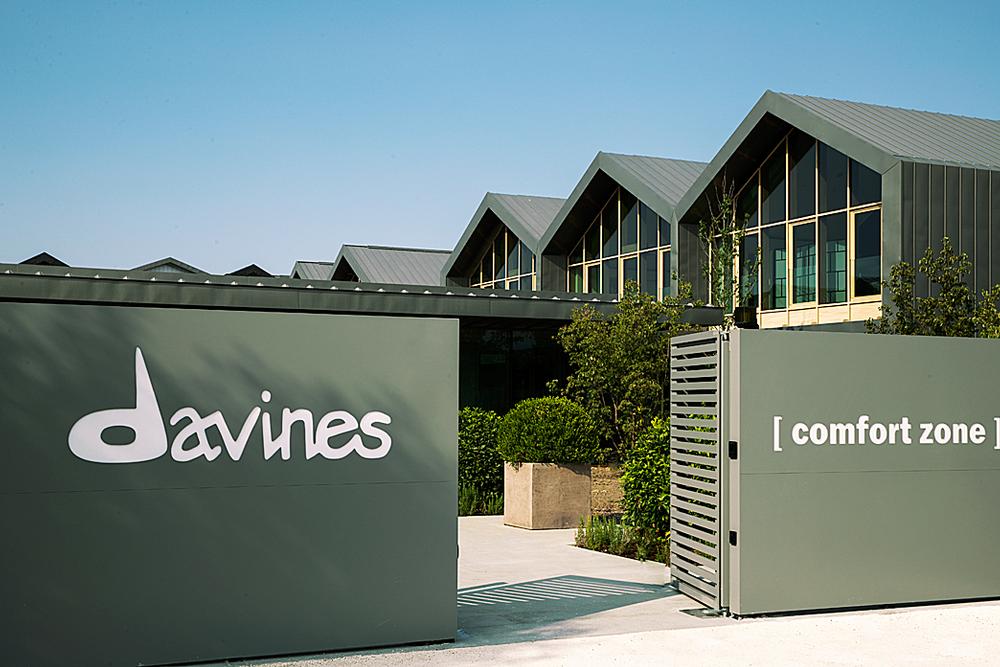
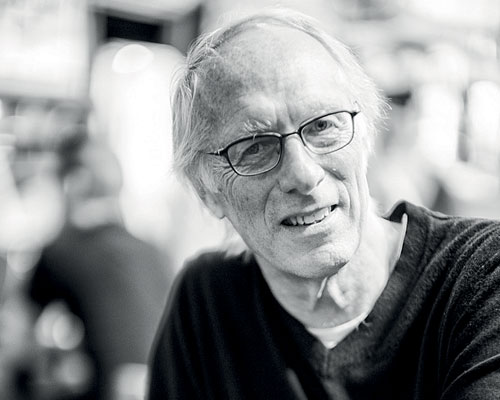
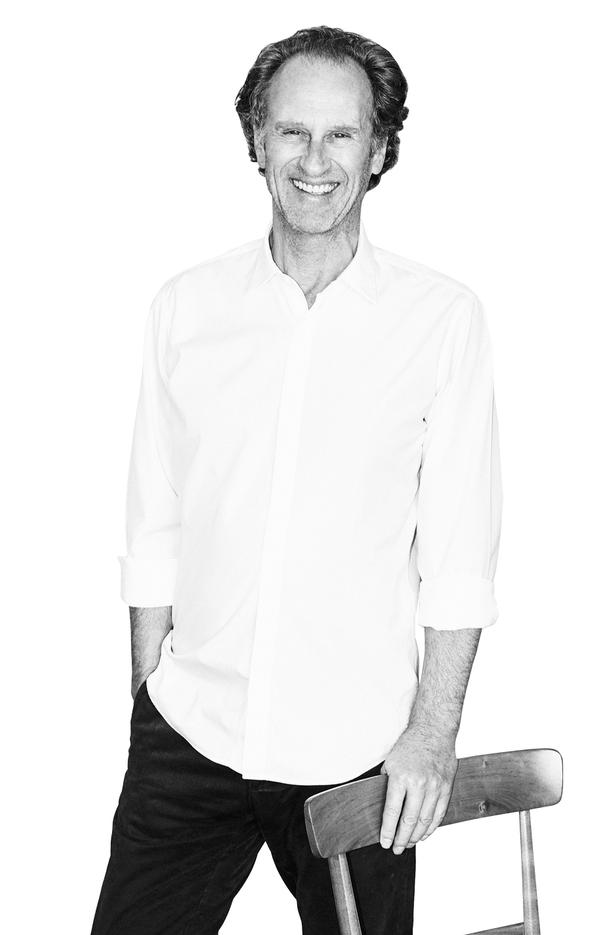
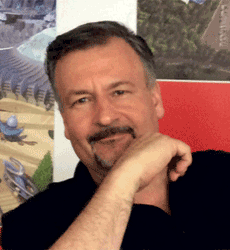
Davines International, the parent company of spa skincare brands Comfort Zone and Skin Regimen, has unveiled its new €40m headquarters in Parma, Italy, creating what chair Davide Bollati calls a “house for sustainable beauty”.
Bollati is passionate about the ways in which beauty, innovation and architecture intersect – and about creating sustainability in each of those areas.
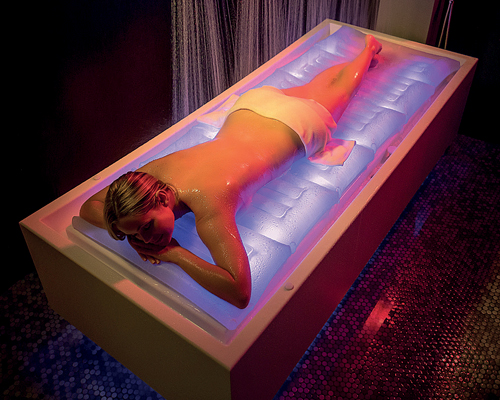
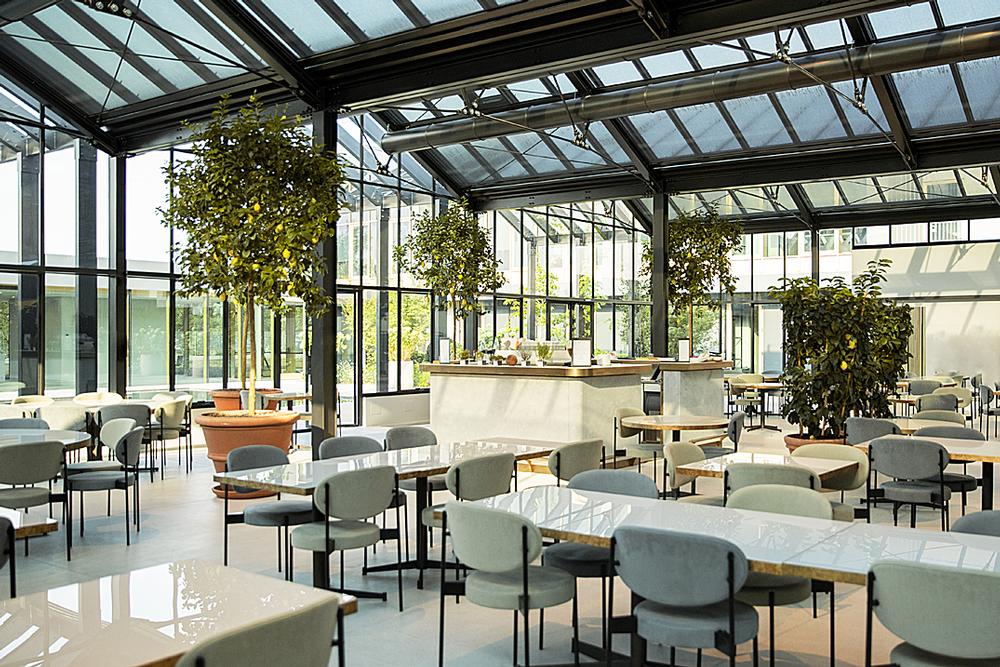
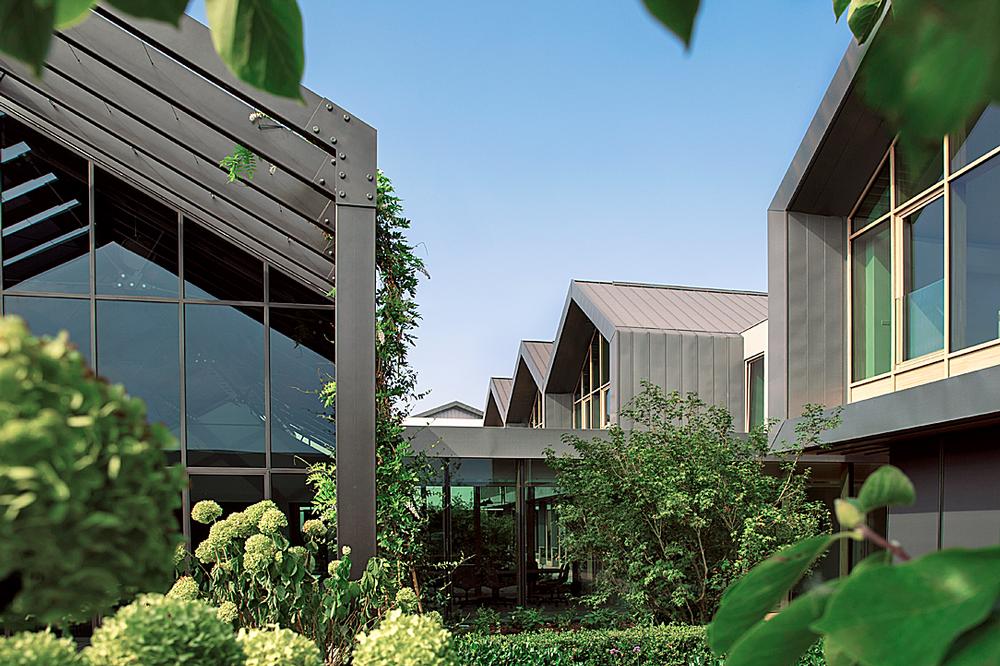
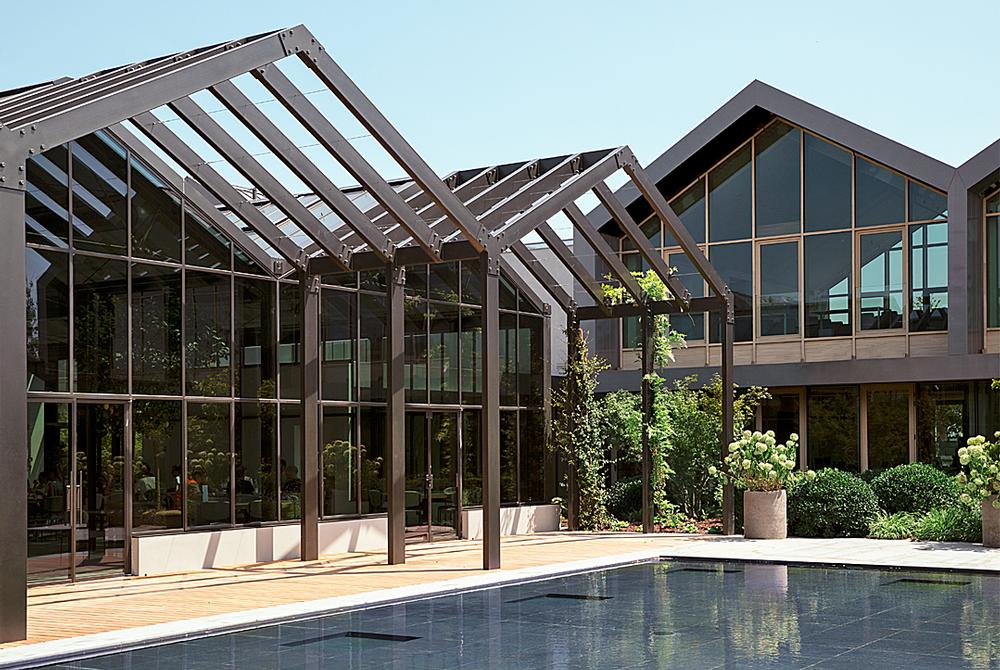
The Matteo Thun-designed uber-green headquarters, dubbed Davines Village, covers 25,650sq m (277,094sq ft). The stunning site houses R&D laboratories; a production and manufacturing plant; an education academy; an organic restaurant; clinical testing rooms for trialling products and protocols; and creative, administrative, sales and purchasing departments – all set around a botanical greenhouse and organic garden.
“This is an exciting, memorable moment for our company after 35 years,” Bollati tells Spa Business magazine.
Carbon neutral Bollati chose Thun to design the external architecture of Davines Village because of his record of creating buildings with low carbon emissions and integrating buildings into the landscape. Thun’s projects of note include the JW Marriott Resort & Spa in Venice and the new Waldhotel Health & Medical Excellence hotel at the Bürgenstock resort in Switzerland. Thun says: “The theme of sustainability in every aspect is part of our DNA”.
The headquarters boasts one of the biggest geothermal systems in Italy and makes use of solar energy. Comfort Zone is also proud to confirm that the village will be carbon neutral, as it’s able to compensate for the production of products by sponsoring a reforestation project.
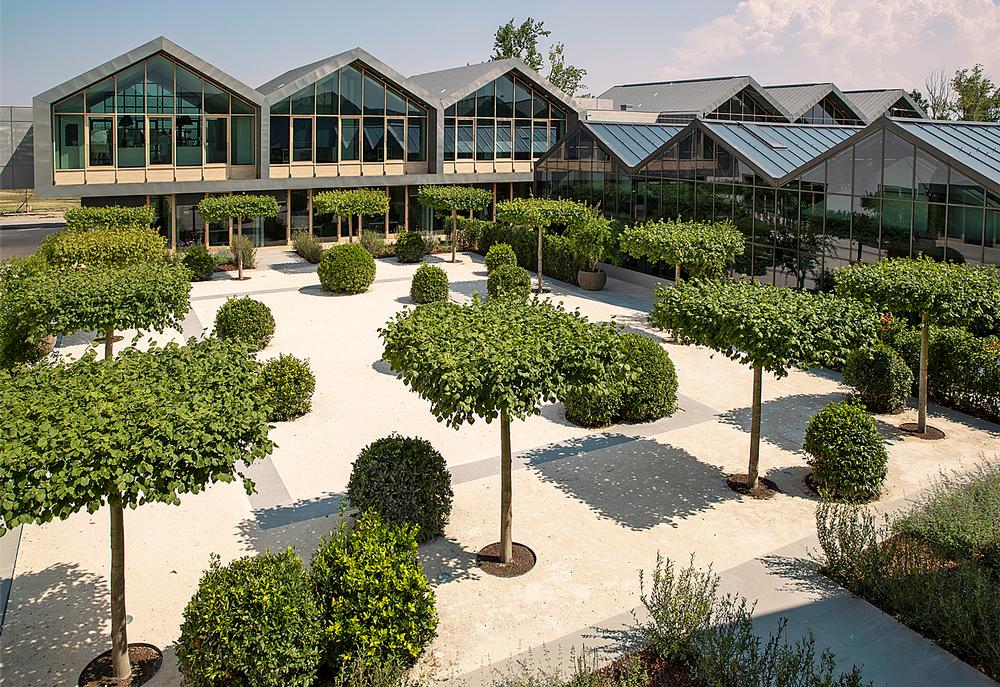
Traditionally, Parma is an agriculture region and this is reflected in the architecture and the site which features 54,000sq m (581,250sq ft) of green space. “All the buildings are designed as open, transparent spaces surrounded by greens – bringing nature inside,” says Thun. “We tried to find a balance between landscape, architecture and light to create a positive work environment. It’s about nature, transparency and simplicity.”
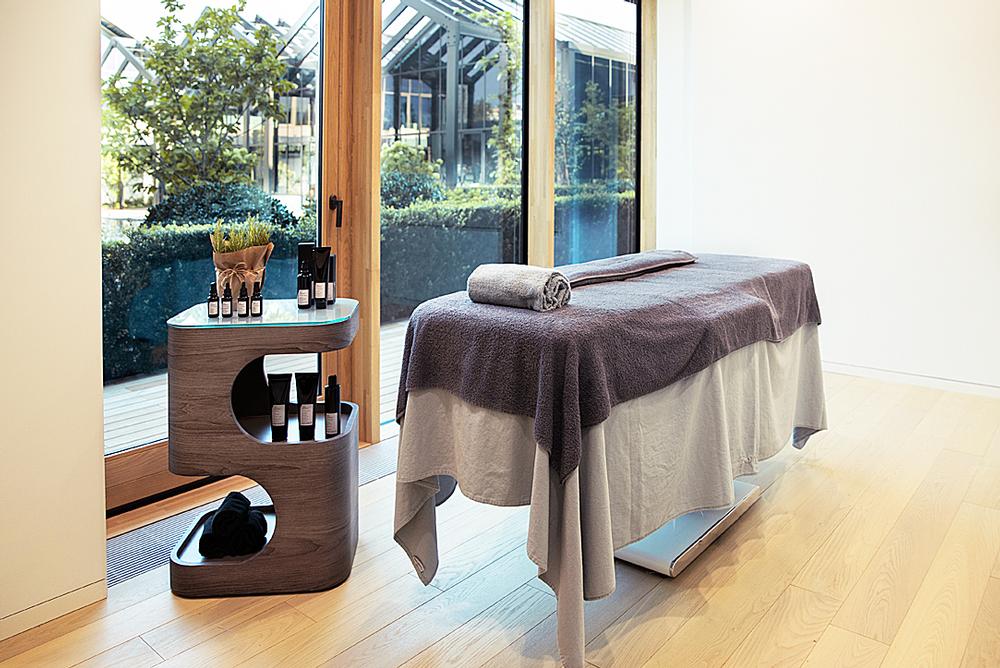
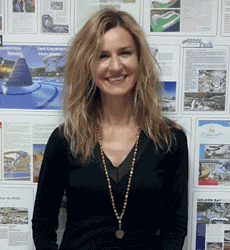
Home from home While creating an environmentally friendly building was a priority for Bollati, he also wanted to foster a quality of life for employees by creating a ‘home from home’. For this he turned to Italy-based interior designer Monica Signani who brought a personal touch with her meticulous selection of furnishings, materials, finishes and accessories. “The attention to detail and sophisticated interiors are something you’d find in a house, not a business – in fact, I used the same interior designer in my own home.”
He also reveals that “it’s a place where interaction is welcome.” Communal spaces such as a café, restaurant and courtyard encourage employees to socialise more and Bollati’s already noticing a difference. “We’re bumping into each other more. I think it’s very good for business because companies are made through interaction and relationships, not formal meetings, schedules and calendars.”
Employees moved into their new home in mid July and although it will take another six months or so for the botanical plants to fully establish themselves, Bollati is clearly happy with what’s been achieved so far. “Personally, it means to me that after having many years of not feeling good enough at times, or having the resources to do what we wanted, we now have more than enough,” he says. “It definitely meets expectations and I’m so happy and grateful for what we’ve built.”
Business edge With such a robust, modern base, Comfort Zone is looking to advance its business in numerous ways. Bollati refers to the manufacturing plant where the company has taken “big steps forward” in innovation, hygiene standards and technology. The new site will enable Comfort Zone to increase production up to four times and significantly raises the bar in terms of automatization, sustainability and quality of processes.
Meanwhile, an on-site teaching/training academy will host Comfort Zone and Skin Regimen spa clients and business partners. “My aim is not just to have a building that celebrates how great we are,” explains Bollati. “We want to dedicate it to our visitors, clients, partners and community – it will be a learning centre and a place to provide inspiration. Clients and partners can come and nurture themselves and learn how to be better in their profession and also as human beings [through our focus on ethics].”
The feature that Bollati is most proud of, however, is the botanical garden and greenhouse where plants used in the company’s skincare products will be grown alongside those it wants to study, such as actives with anti-inflammatory or preservative qualities. The garden and all landscaping has been overseen by UK-based del Buono Gazerwitz Landscape Architecture, while Hartley Botanic (also based in the UK) worked on the greenhouse.
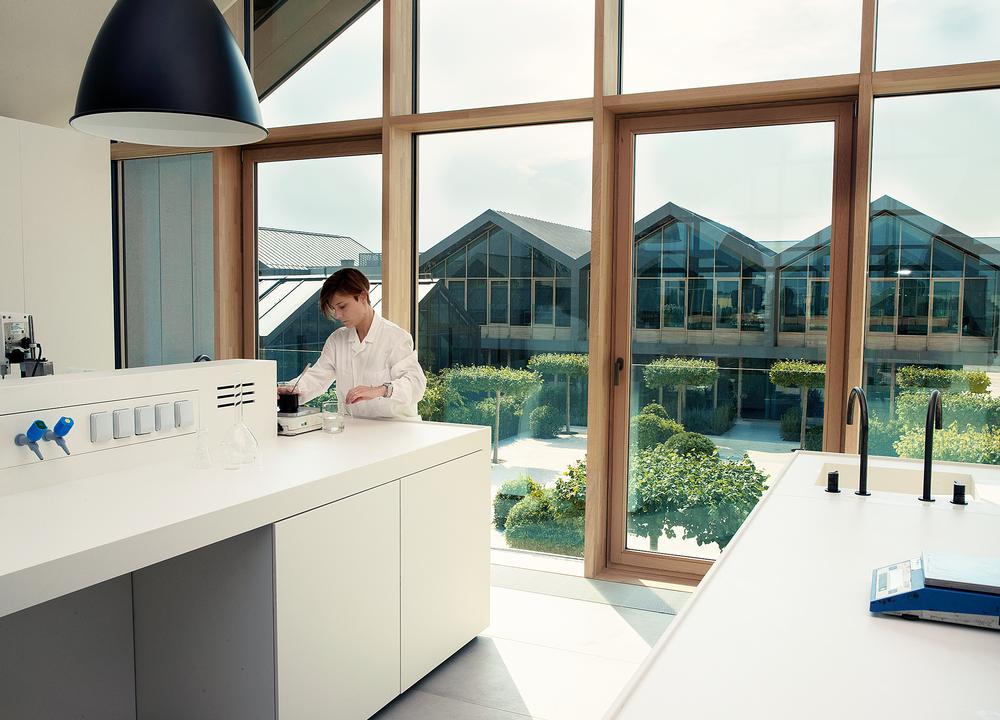
Significantly, the gardens are overlooked by the R&D department and 30-plus chemists and pharmacists. “The interaction between our R&D department and the botanical garden is the most critical part of the project in terms of our core offering, which is our products,” Bollati explains. “Our scientists will face the botanical garden all day long, only divided by a wall of glass. It’s an important connection which can only influence their work.”
New starting point Above all, Bollati feels Davines Village makes an important political statement, one which emphasises the company’s ‘humanistic approach’. “Our new headquarters pays homage to the type of economy we believe in – a humanistic approach where business is conducted ethically and where we offer a good life for all through beauty, ethics and sustainability,” he says. “We’ve changed our focus since we don’t want to be the most admired beauty company ‘in’ the world, instead we’re aspiring to become the best beauty company ‘for’ the world.”
Although the village is still in its soft opening phase – an official global launch is planned for October – Bollati is already looking to the future. “The opening is definitely an achievement, but at the same time it’s a starting point, as it’s allowing us to raise our purpose and to start even more rewarding and exciting new ventures.” “We have all these ideas popping up, like introducing a university, or opening a restaurant [for the public], or a cinema or a theatre for the arts. It’s a new platform for our next set of challenges,” he concludes.
Read more from this issue of Attractions Management magazine
View contents of Attractions Management 2018 issue 3
Promotional feature: Terres d’Afrique - Out of Africa
Luxury ethical spa brand Terres d’Afrique has seen rapid expansion in its first years of business. CEO and co-founder Stephan Helary explains how the company has now transitioned to creating bespoke spa experiences from concept to completion
Promotional feature: The Madison Collection - Holistic sustainability
The Madison Collection is committed to creating high-quality hotel and spa linens while at the same time protecting the environment, promoting workplace wellness and supporting clean water rights. Owner Charmaine T Lang and Gilad Lang, vice president of business development, tell us more
Wellness: Staying well
Spa Business takes a look at how some of the world’s biggest hotel operators are addressing the new trend of ‘wellness rooms’
Promotional feature: Biologique Recherche - Pioneering Personalisation
More than 40 years ago, Parisian skincare brand Biologique Recherche was founded, with a focus on research and personalisation. Co-chairs Rupert Schmid and Pierre-Louis Delapalme discuss what’s made the brand so successful – and where the future will take them
Thermal spa: Mountain therapy
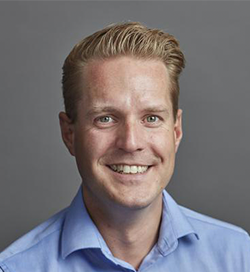
Bad Ragaz’s new CEO Patrick Vogler tells Kath Hudson about his new ambitions for the famous Swiss spa resort
The new headquarters will enable the company to increase production of spa products up to four times
Davines International, the parent company of spa skincare brands Comfort Zone and Skin Regimen, has unveiled its new €40m headquarters in Parma, Italy, creating what chair Davide Bollati calls a “house for sustainable beauty”.
Bollati is passionate about the ways in which beauty, innovation and architecture intersect – and about creating sustainability in each of those areas.
The Matteo Thun-designed uber-green headquarters, dubbed Davines Village, covers 25,650sq m (277,094sq ft). The stunning site houses R&D laboratories; a production and manufacturing plant; an education academy; an organic restaurant; clinical testing rooms for trialling products and protocols; and creative, administrative, sales and purchasing departments – all set around a botanical greenhouse and organic garden.
“This is an exciting, memorable moment for our company after 35 years,” Bollati tells Spa Business magazine.
Carbon neutral Bollati chose Thun to design the external architecture of Davines Village because of his record of creating buildings with low carbon emissions and integrating buildings into the landscape. Thun’s projects of note include the JW Marriott Resort & Spa in Venice and the new Waldhotel Health & Medical Excellence hotel at the Bürgenstock resort in Switzerland. Thun says: “The theme of sustainability in every aspect is part of our DNA”.
The headquarters boasts one of the biggest geothermal systems in Italy and makes use of solar energy. Comfort Zone is also proud to confirm that the village will be carbon neutral, as it’s able to compensate for the production of products by sponsoring a reforestation project.
Traditionally, Parma is an agriculture region and this is reflected in the architecture and the site which features 54,000sq m (581,250sq ft) of green space. “All the buildings are designed as open, transparent spaces surrounded by greens – bringing nature inside,” says Thun. “We tried to find a balance between landscape, architecture and light to create a positive work environment. It’s about nature, transparency and simplicity.”
Home from home While creating an environmentally friendly building was a priority for Bollati, he also wanted to foster a quality of life for employees by creating a ‘home from home’. For this he turned to Italy-based interior designer Monica Signani who brought a personal touch with her meticulous selection of furnishings, materials, finishes and accessories. “The attention to detail and sophisticated interiors are something you’d find in a house, not a business – in fact, I used the same interior designer in my own home.”
He also reveals that “it’s a place where interaction is welcome.” Communal spaces such as a café, restaurant and courtyard encourage employees to socialise more and Bollati’s already noticing a difference. “We’re bumping into each other more. I think it’s very good for business because companies are made through interaction and relationships, not formal meetings, schedules and calendars.”
Employees moved into their new home in mid July and although it will take another six months or so for the botanical plants to fully establish themselves, Bollati is clearly happy with what’s been achieved so far. “Personally, it means to me that after having many years of not feeling good enough at times, or having the resources to do what we wanted, we now have more than enough,” he says. “It definitely meets expectations and I’m so happy and grateful for what we’ve built.”
Business edge With such a robust, modern base, Comfort Zone is looking to advance its business in numerous ways. Bollati refers to the manufacturing plant where the company has taken “big steps forward” in innovation, hygiene standards and technology. The new site will enable Comfort Zone to increase production up to four times and significantly raises the bar in terms of automatization, sustainability and quality of processes.
Meanwhile, an on-site teaching/training academy will host Comfort Zone and Skin Regimen spa clients and business partners. “My aim is not just to have a building that celebrates how great we are,” explains Bollati. “We want to dedicate it to our visitors, clients, partners and community – it will be a learning centre and a place to provide inspiration. Clients and partners can come and nurture themselves and learn how to be better in their profession and also as human beings [through our focus on ethics].”
The feature that Bollati is most proud of, however, is the botanical garden and greenhouse where plants used in the company’s skincare products will be grown alongside those it wants to study, such as actives with anti-inflammatory or preservative qualities. The garden and all landscaping has been overseen by UK-based del Buono Gazerwitz Landscape Architecture, while Hartley Botanic (also based in the UK) worked on the greenhouse.
Significantly, the gardens are overlooked by the R&D department and 30-plus chemists and pharmacists. “The interaction between our R&D department and the botanical garden is the most critical part of the project in terms of our core offering, which is our products,” Bollati explains. “Our scientists will face the botanical garden all day long, only divided by a wall of glass. It’s an important connection which can only influence their work.”
New starting point Above all, Bollati feels Davines Village makes an important political statement, one which emphasises the company’s ‘humanistic approach’. “Our new headquarters pays homage to the type of economy we believe in – a humanistic approach where business is conducted ethically and where we offer a good life for all through beauty, ethics and sustainability,” he says. “We’ve changed our focus since we don’t want to be the most admired beauty company ‘in’ the world, instead we’re aspiring to become the best beauty company ‘for’ the world.”
Although the village is still in its soft opening phase – an official global launch is planned for October – Bollati is already looking to the future. “The opening is definitely an achievement, but at the same time it’s a starting point, as it’s allowing us to raise our purpose and to start even more rewarding and exciting new ventures.” “We have all these ideas popping up, like introducing a university, or opening a restaurant [for the public], or a cinema or a theatre for the arts. It’s a new platform for our next set of challenges,” he concludes.
Read more from this issue of Attractions Management magazine
View contents of Attractions Management 2018 issue 3
Promotional feature: Terres d’Afrique - Out of Africa
Luxury ethical spa brand Terres d’Afrique has seen rapid expansion in its first years of business. CEO and co-founder Stephan Helary explains how the company has now transitioned to creating bespoke spa experiences from concept to completion
Promotional feature: The Madison Collection - Holistic sustainability
The Madison Collection is committed to creating high-quality hotel and spa linens while at the same time protecting the environment, promoting workplace wellness and supporting clean water rights. Owner Charmaine T Lang and Gilad Lang, vice president of business development, tell us more
Wellness: Staying well
Spa Business takes a look at how some of the world’s biggest hotel operators are addressing the new trend of ‘wellness rooms’
Promotional feature: Biologique Recherche - Pioneering Personalisation
More than 40 years ago, Parisian skincare brand Biologique Recherche was founded, with a focus on research and personalisation. Co-chairs Rupert Schmid and Pierre-Louis Delapalme discuss what’s made the brand so successful – and where the future will take them
Thermal spa: Mountain therapy
Bad Ragaz’s new CEO Patrick Vogler tells Kath Hudson about his new ambitions for the famous Swiss spa resort
San Antonio Zoo has reported a US$283 million economic impact for 2025, following a decade-
long transformation programme that has seen almost US$200 million invested into the Texas
attraction.
Plans for the AU$180 million redevelopment of Reef HQ Aquarium in Townsville, Australia, are
progressing, with the project set to transform the attraction into a global centre for reef
education and conservation.
Abu Dhabi-based investment firm Mubadala Capital has made a binding, fully financed
€1 billion
offer to acquire Pierre and Vacances SA, the European holiday resort operator behind the
continental European Center Parcs business.
Disney has reaffirmed its commitment to investing US$30 billion in its US parks and cruise
business by 2033, using new America250 celebrations to underline the role its attractions play
in supporting jobs, tourism and economic growth.
Expo 2030 Riyadh is being planned as a permanent visitor destination, with organisers
confirming the six-million-square-metre site will become a Global Village after the event closes.
The owner of one of Australia's best-known waterparks has acquired a major competitor,
creating a new attractions business spanning two of the country's largest visitor destinations.
The Toverland theme park in the Netherlands has announced a €98m expansion programme
that will add a resort, new attractions and staff facilities as it pursues plans to become a multi-
day destination.
Hotel de France, located on the British Isle of Jersey, has created a wellness retreat package
that includes a hot yoga session that will take place in Jersey Zoo’s butterfly sanctuary.
A new immersive attraction designed to transport visitors into the final hours of ancient Pompeii
is preparing to open near the world-famous archaeological site in southern Italy.
Experience design company, BRC Imagination Arts, has completed a transition that sees founder
Bob Rogers pass ownership of the business to four long-serving senior executives, while
remaining actively involved with the company.
+ More news
COMPANY PROFILES
IDEATTACK IDEATTACK is a full-service planning and
design company with headquarters in
Los Angeles. [more...]
Polin Waterparks Polin was founded in Istanbul in 1976. Polin
has since grown into a leading company in
the waterpa [more...]