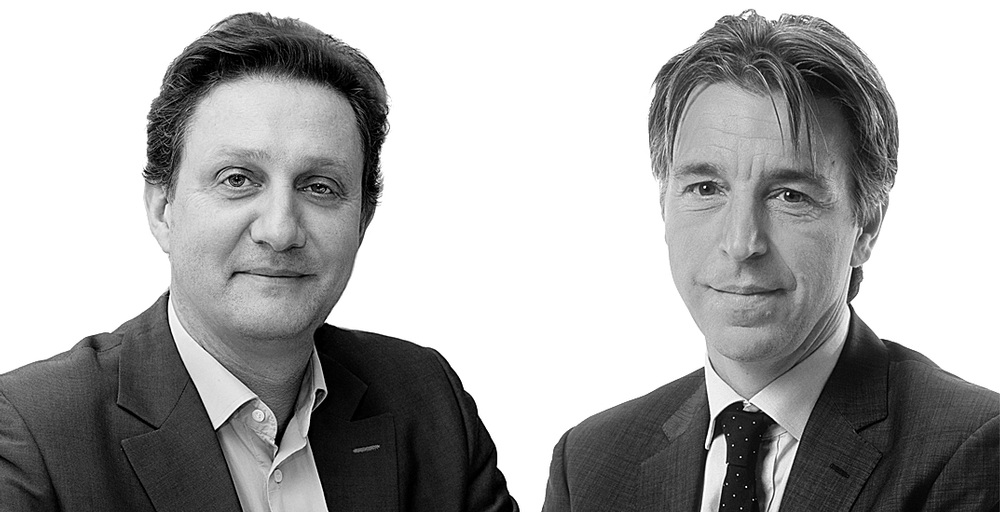
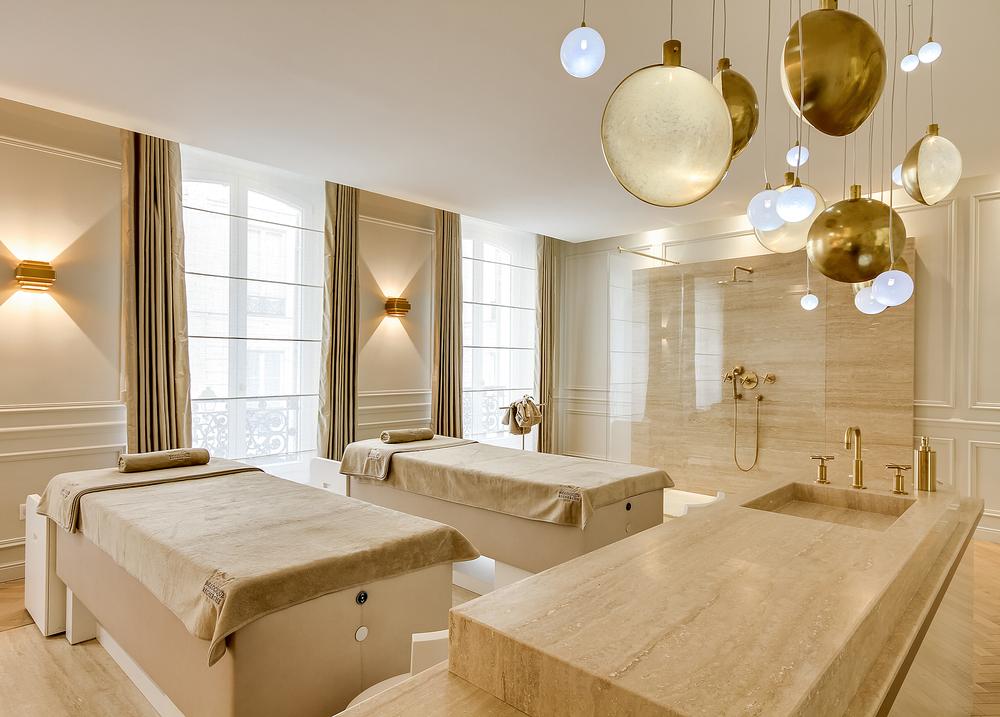
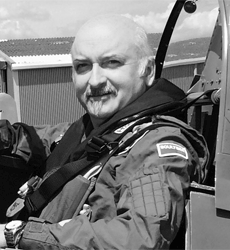
More than 40 years ago, Parisian skincare brand Biologique Recherche was founded, with a focus on research and personalisation. Co-chairs Rupert Schmid and Pierre-Louis Delapalme discuss what’s made the brand so successful – and where the future will take them
Can you tell me a bit about how Biologique Recherche offers personalisation in its products and treatments? Pierre-Louis: Personalisation has been in our DNA from the very beginning. When Yvan and Josette Allouche – a biologist and a physiotherapist – founded Biologique Recherche just over 40 years ago, they combined their expertise to create products with a high concentration of active ingredients for personalised skincare. Their son, Philippe Allouche – who today still heads up our research department – took it one step further, developing the Skin Instant Lab, a unique system for analysing, diagnosing and prescribing products and treatments. Everyone is talking about personalisation lately, but we’ve been doing it for more than 40 years, and the way in which we personalise is unique.
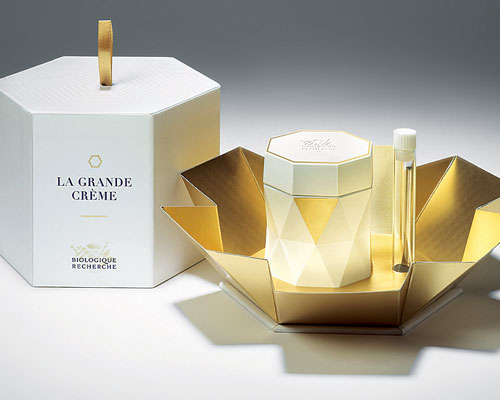
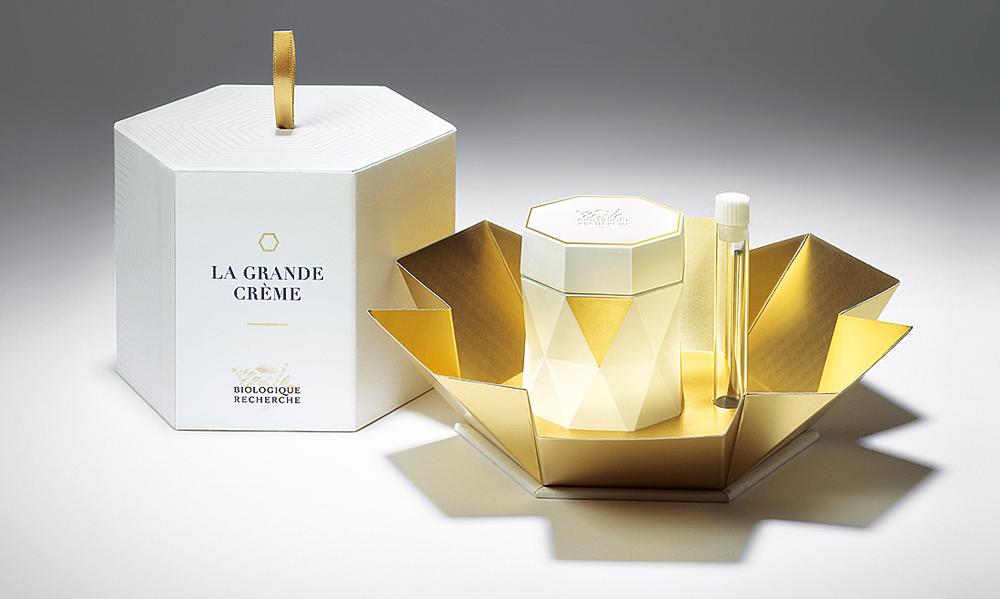
Why do you feel that research & development is so important? Pierre-Louis: The skin is the most complex organ in the body; that’s why R&D is our biggest spend; we want to have the best, most thorough understanding possible of the skin. We have a multidisciplinary team made up of doctors, PhDs and engineers and based at our headquarters in Paris. Our R&D lab is closely connected to our product development team, and there is a very close collaboration and partnership. La Grande Crème, our newest product, looks at the epigenetic approach of improving skin condition. This new science is really trying to foster the expression of genes that are favourable, while blocking those that are not.
Rupert: La Grande Crème is only the start – we have lots of research that will look at how to improve the quality of good proteins while hindering the production of bad proteins, as well as continuing research on epigenetics and the microbiome. Building better skin is the essence of what we do. We’ve got 40 years of research under our belts, and we’ve always stayed true to the obsession of understanding the skin.
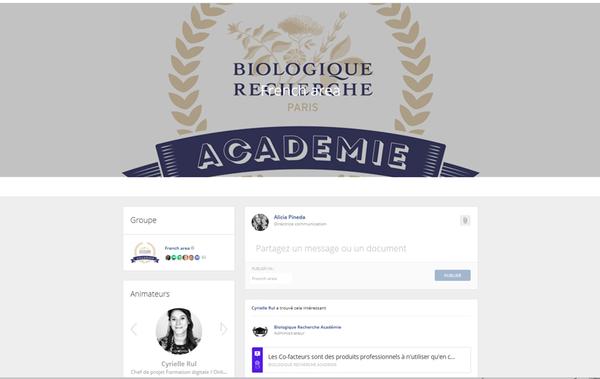
Tell me about the training that you offer? Rupert: We want our therapists to offer the best, most unique personalised treatments and advice, so investing in knowledge and training is something that makes sense. Last year, we launched an online academy that’s the most advanced professional online training on the market. By the end of the year, it will be available in 15 languages. It’s designed with different chapters to teach an understanding of the skin, as well as brand history, products, procedures, customer marketing, and the different machines we use. There are units designed for the therapists, but also shorter segments for a spa’s PR and marketing department, and for those who aren’t performing treatments, such as spa receptionists.
How do you stay true to the brand’s ethos as you grow as a company? Pierre-Louis: We keep a very select and limited distribution; we have 1,500 spas in 70 countries, but we’re very focused, targeted and selective in how we choose them. Right now, 80 per cent of our growth is coming from our existing partners – their own clientele is growing, and their clients are loyal to the brand. With limited distribution, it’s easier to control the quality as well as the training.
Why do you think there is so much client loyalty to Biologique Recherche? Rupert: Forty years ago, when we first started, people were looking for magic bullets, but Biologique Recherche did something different. Today, more people want to understand and be responsible for all aspects of their life – what they eat, how they exercise, what they put on their skin. With Biologique Recherche, the clients are much more involved in the treatments than with any other brand, and people are looking for that interaction, and for something unique. Right now, we’re exactly where we want to be, and our growth, recognition and exposure in the market is our best reward.
Promotional feature: Terres d’Afrique - Out of Africa
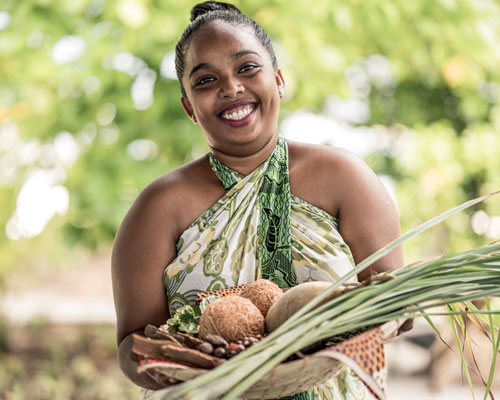
Luxury ethical spa brand Terres d’Afrique has seen rapid expansion in its first years of business. CEO and co-founder Stephan Helary explains how the company has now transitioned to creating bespoke spa experiences from concept to completion
Promotional feature: The Madison Collection - Holistic sustainability
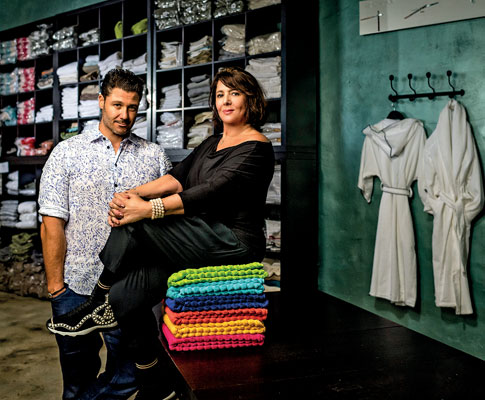
The Madison Collection is committed to creating high-quality hotel and spa linens while at the same time protecting the environment, promoting workplace wellness and supporting clean water rights. Owner Charmaine T Lang and Gilad Lang, vice president of business development, tell us more
Wellness: Staying well
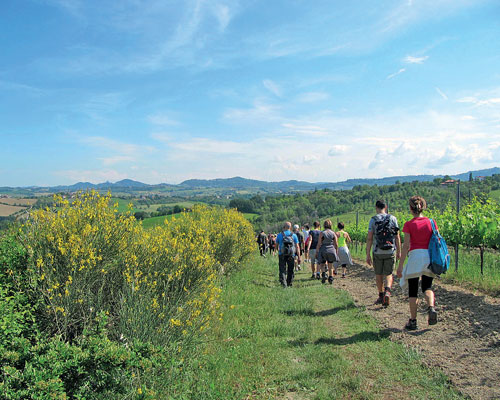
Spa Business takes a look at how some of the world’s biggest hotel operators are addressing the new trend of ‘wellness rooms’
Promotional feature: Biologique Recherche - Pioneering Personalisation
More than 40 years ago, Parisian skincare brand Biologique Recherche was founded, with a focus on research and personalisation. Co-chairs Rupert Schmid and Pierre-Louis Delapalme discuss what’s made the brand so successful – and where the future will take them
Thermal spa: Mountain therapy
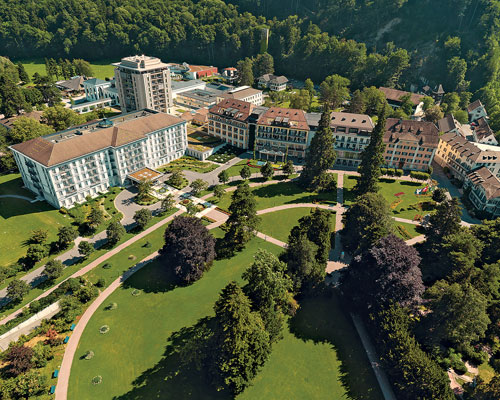
Bad Ragaz’s new CEO Patrick Vogler tells Kath Hudson about his new ambitions for the famous Swiss spa resort
More than 40 years ago, Parisian skincare brand Biologique Recherche was founded, with a focus on research and personalisation. Co-chairs Rupert Schmid and Pierre-Louis Delapalme discuss what’s made the brand so successful – and where the future will take them
Can you tell me a bit about how Biologique Recherche offers personalisation in its products and treatments? Pierre-Louis: Personalisation has been in our DNA from the very beginning. When Yvan and Josette Allouche – a biologist and a physiotherapist – founded Biologique Recherche just over 40 years ago, they combined their expertise to create products with a high concentration of active ingredients for personalised skincare. Their son, Philippe Allouche – who today still heads up our research department – took it one step further, developing the Skin Instant Lab, a unique system for analysing, diagnosing and prescribing products and treatments. Everyone is talking about personalisation lately, but we’ve been doing it for more than 40 years, and the way in which we personalise is unique.
Why do you feel that research & development is so important? Pierre-Louis: The skin is the most complex organ in the body; that’s why R&D is our biggest spend; we want to have the best, most thorough understanding possible of the skin. We have a multidisciplinary team made up of doctors, PhDs and engineers and based at our headquarters in Paris. Our R&D lab is closely connected to our product development team, and there is a very close collaboration and partnership. La Grande Crème, our newest product, looks at the epigenetic approach of improving skin condition. This new science is really trying to foster the expression of genes that are favourable, while blocking those that are not.
Rupert: La Grande Crème is only the start – we have lots of research that will look at how to improve the quality of good proteins while hindering the production of bad proteins, as well as continuing research on epigenetics and the microbiome. Building better skin is the essence of what we do. We’ve got 40 years of research under our belts, and we’ve always stayed true to the obsession of understanding the skin.
Tell me about the training that you offer? Rupert: We want our therapists to offer the best, most unique personalised treatments and advice, so investing in knowledge and training is something that makes sense. Last year, we launched an online academy that’s the most advanced professional online training on the market. By the end of the year, it will be available in 15 languages. It’s designed with different chapters to teach an understanding of the skin, as well as brand history, products, procedures, customer marketing, and the different machines we use. There are units designed for the therapists, but also shorter segments for a spa’s PR and marketing department, and for those who aren’t performing treatments, such as spa receptionists.
How do you stay true to the brand’s ethos as you grow as a company? Pierre-Louis: We keep a very select and limited distribution; we have 1,500 spas in 70 countries, but we’re very focused, targeted and selective in how we choose them. Right now, 80 per cent of our growth is coming from our existing partners – their own clientele is growing, and their clients are loyal to the brand. With limited distribution, it’s easier to control the quality as well as the training.
Why do you think there is so much client loyalty to Biologique Recherche? Rupert: Forty years ago, when we first started, people were looking for magic bullets, but Biologique Recherche did something different. Today, more people want to understand and be responsible for all aspects of their life – what they eat, how they exercise, what they put on their skin. With Biologique Recherche, the clients are much more involved in the treatments than with any other brand, and people are looking for that interaction, and for something unique. Right now, we’re exactly where we want to be, and our growth, recognition and exposure in the market is our best reward.
Promotional feature: Terres d’Afrique - Out of Africa
Luxury ethical spa brand Terres d’Afrique has seen rapid expansion in its first years of business. CEO and co-founder Stephan Helary explains how the company has now transitioned to creating bespoke spa experiences from concept to completion
Promotional feature: The Madison Collection - Holistic sustainability
The Madison Collection is committed to creating high-quality hotel and spa linens while at the same time protecting the environment, promoting workplace wellness and supporting clean water rights. Owner Charmaine T Lang and Gilad Lang, vice president of business development, tell us more
Wellness: Staying well
Spa Business takes a look at how some of the world’s biggest hotel operators are addressing the new trend of ‘wellness rooms’
Promotional feature: Biologique Recherche - Pioneering Personalisation
More than 40 years ago, Parisian skincare brand Biologique Recherche was founded, with a focus on research and personalisation. Co-chairs Rupert Schmid and Pierre-Louis Delapalme discuss what’s made the brand so successful – and where the future will take them
Thermal spa: Mountain therapy
Bad Ragaz’s new CEO Patrick Vogler tells Kath Hudson about his new ambitions for the famous Swiss spa resort
San Antonio Zoo has reported a US$283 million economic impact for 2025, following a decade-
long transformation programme that has seen almost US$200 million invested into the Texas
attraction.
Plans for the AU$180 million redevelopment of Reef HQ Aquarium in Townsville, Australia, are
progressing, with the project set to transform the attraction into a global centre for reef
education and conservation.
Abu Dhabi-based investment firm Mubadala Capital has made a binding, fully financed
€1 billion
offer to acquire Pierre and Vacances SA, the European holiday resort operator behind the
continental European Center Parcs business.
Disney has reaffirmed its commitment to investing US$30 billion in its US parks and cruise
business by 2033, using new America250 celebrations to underline the role its attractions play
in supporting jobs, tourism and economic growth.
Expo 2030 Riyadh is being planned as a permanent visitor destination, with organisers
confirming the six-million-square-metre site will become a Global Village after the event closes.
The owner of one of Australia's best-known waterparks has acquired a major competitor,
creating a new attractions business spanning two of the country's largest visitor destinations.
The Toverland theme park in the Netherlands has announced a €98m expansion programme
that will add a resort, new attractions and staff facilities as it pursues plans to become a multi-
day destination.
Hotel de France, located on the British Isle of Jersey, has created a wellness retreat package
that includes a hot yoga session that will take place in Jersey Zoo’s butterfly sanctuary.
A new immersive attraction designed to transport visitors into the final hours of ancient Pompeii
is preparing to open near the world-famous archaeological site in southern Italy.
Experience design company, BRC Imagination Arts, has completed a transition that sees founder
Bob Rogers pass ownership of the business to four long-serving senior executives, while
remaining actively involved with the company.
+ More news
COMPANY PROFILES
Clip 'n Climb Clip ‘n Climb currently offers facility owners and
investors more than 40 colourful and unique
Cha [more...]
RMA Ltd RMA Ltd is a one-stop global company
that can design, build and produce from a
greenfield site upw [more...]