A passionate congress: presentations, workshops and social gatherings celebrated sauna culture from around the world
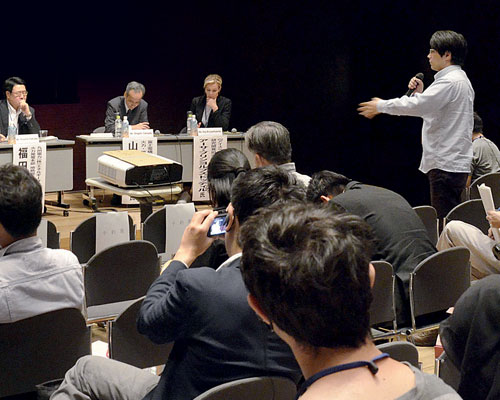
Scientific presentations, workshops, sauna bathing, food, music, excursions and activities were all part of the four-day International Sauna Congress held in June.
Organised by the International Sauna Association (ISA), the congress is held every four years in different parts of the world with this event taking place on the border between Sweden and Finland.
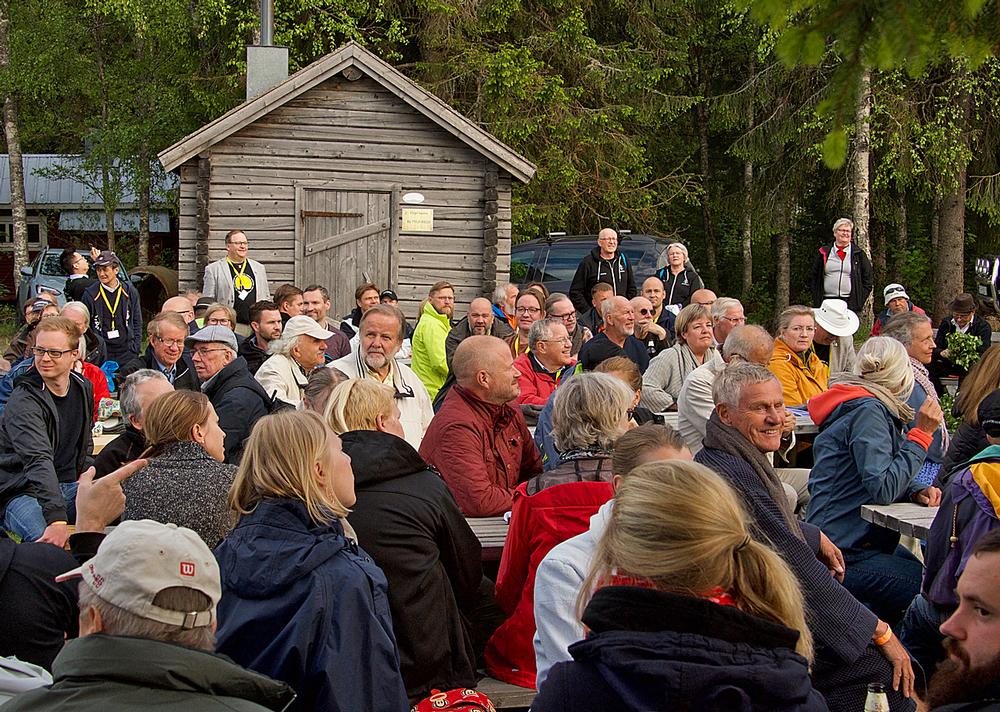
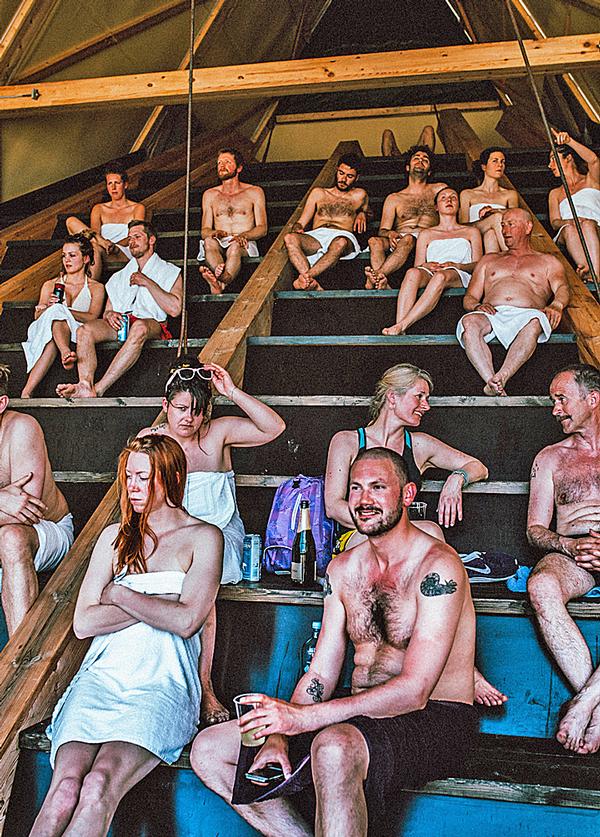
More than 200 people with a passion for saunas attended the congress, including delegates from new sauna countries such as Pakistan and Kenya, as well as a group of 20 delegates from Japan.
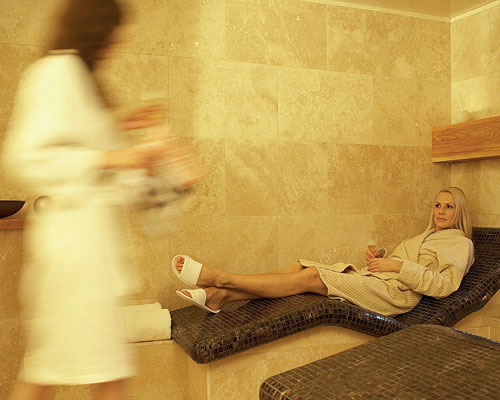
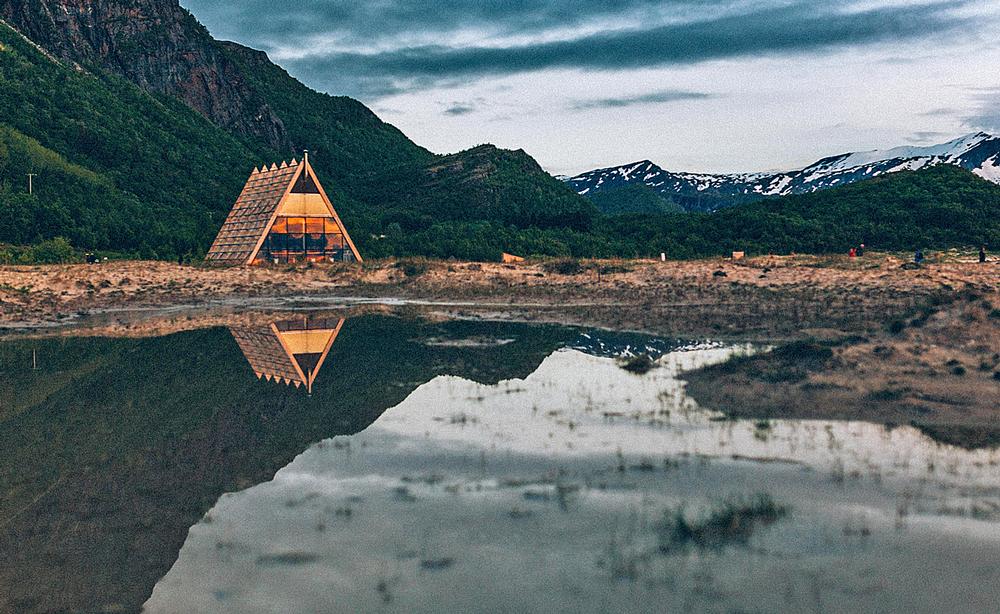
A cultured experience An opening barbeque celebrated the ISA’s 60th anniversary and was followed by a chance to explore 18 alternative and intriguing saunas in a Midnight Sun Sauna experience. The range included those in metal spheres and wooden huts to some in tents and military trucks.
“An important part of the event is the practical side, meaning sauna visits in interesting historical places, whisking, making whisks according to old habits, etc,” says Risto Elomaa, ISA president. “We hope that the visitors can bring some of that sauna culture and experiences with them when going back home.”
Presentations and workshops celebrated saunas from around the world including shinrin yoku (forest bathing) and sauna, the vanishing practice of Estonian smoke saunas and modern Lithuanian baths.
“The discussions around different sweat cultures were a strong point for me this year,” says sauna aufguss master Lasse Eriksen from Norway. He adds that many bridges were built by cultures sharing best practice examples and common issues such as the need for a generic sector name – the term ‘thermic bathing’ was popular. “Representatives from all sweat cultures – Japanese baths, Lithuanian and Latvian pirts, Russian banyas, Turkish hammams, Native American sweat lodges, Norwegian badstus and Finnish saunas – agreed to focus on this terminology, to become one family.”
More research needed Health science was another key topic of the congress. An overview of some of the latest studies revealed how saunas can aid cardiovascular health and even impact gene expression.
With the medical community now increasingly accepting the benefits of complementary therapies such as acupuncture and massage, it’s hoped that thermal experiences may one day be prescribed too – but there’s a need for funding and more clinical trials.
Elomaa says: “We need studies with control groups, which have bigger samples (across multiple countries) and which look into the deeper reasons behind the benefits of sauna.
“Due to ageing populations, research focused on sauna and people with dementia would be a key area.”
As well as the physical benefits of saunas, it was also noted that heat experiences bring people together in a relaxed setting to create a sense of community, help people connect and aid mental wellbeing. Sweat guru Mikkel Aaland, who gave two presentations at the event, says: “Very few human activities satisfy our social, physical and spiritual needs under one roof like the communal sauna/sweat bath…
“Something magical happens – social and economic barriers melt and intimate conversation flows easily.”
Sauna of the future Presentations and workshops delved into all aspects of sauna technology, design and architecture – from building a mobile smoke sauna to contemporary sauna architecture and style over substance.
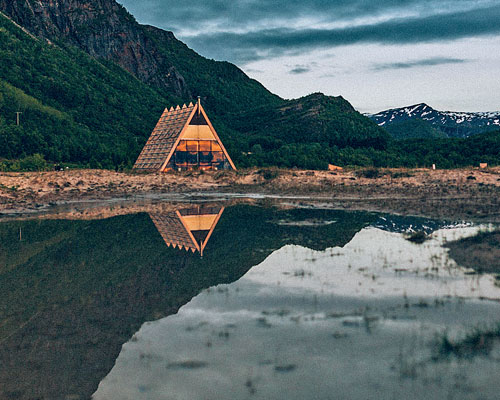
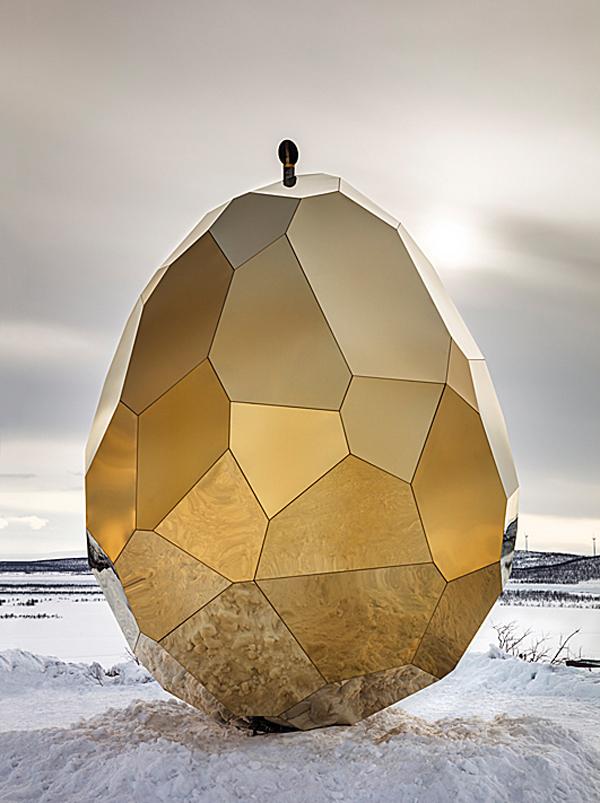
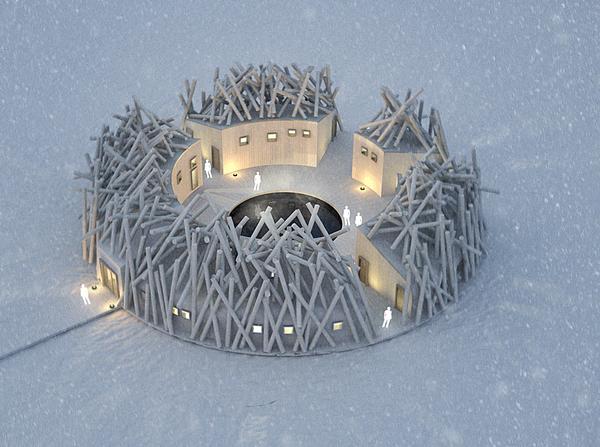
Eriksen says: “While saunas of the past focused on function, those of the future are about connection with nature in forests, on cliff edges or even sitting on water. Many also make a visual statement.” Examples of standout design include Sweden’s Solar Egg – a sauna encased in a giant golden egg sculpture (see SB17/3 p22) and the Arctic Bath – a floating hotel and spa (with saunas) reminiscent of a bird’s nest.
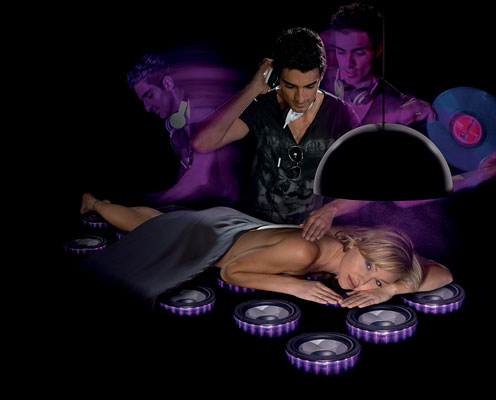
There was much talk about attracting millennials to future-proof saunas. Many countries are struggling with their lack of interest in the traditional activity. But there are glimmers of hope. The SALT project in Norway is appealing to millennials by combining sauna with art, DJs/music and lectures in a social environment. Its public sauna, housing up to 100 people, has opened next to Oslo’s iconic Opera House.
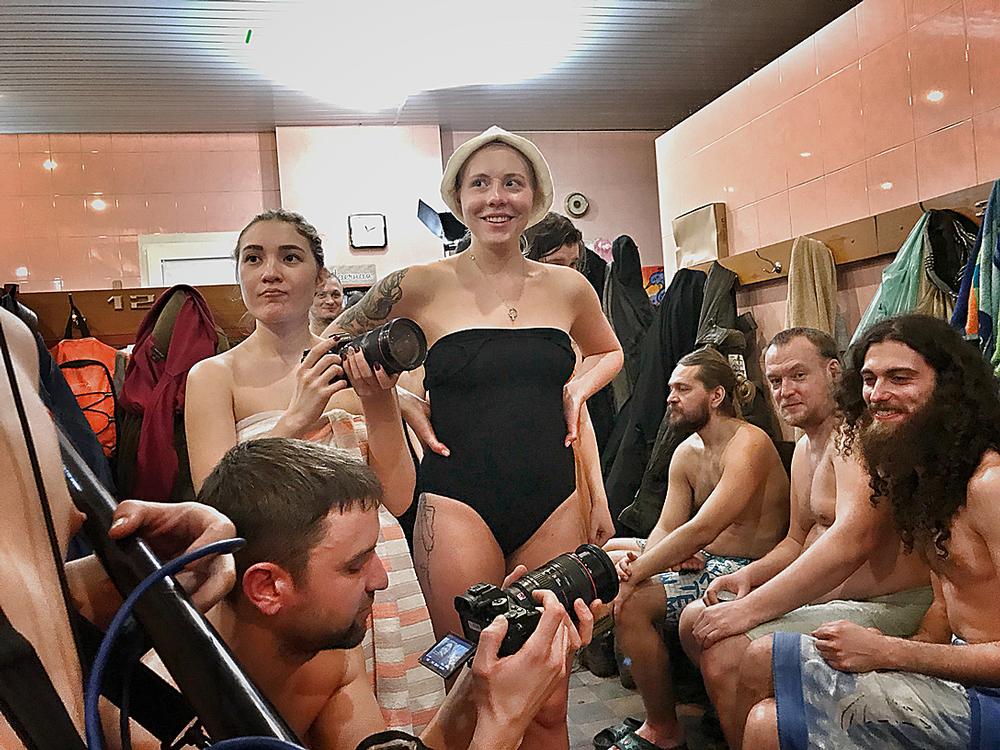
Meanwhile, Aaland is making an eight-part documentary, Perfect Sweat, which has uncovered an “explosive rebirth” in sauna, particularly in Russia. “Young people are hungry for authentic, healthy experiences,” he says. “Millennials are infusing new life and excitement into sweat bathing rituals.”
Read more from this issue of Attractions Management magazine
View contents of Attractions Management 2018 issue 3
Promotional feature: Terres d’Afrique - Out of Africa
Luxury ethical spa brand Terres d’Afrique has seen rapid expansion in its first years of business. CEO and co-founder Stephan Helary explains how the company has now transitioned to creating bespoke spa experiences from concept to completion
Promotional feature: The Madison Collection - Holistic sustainability
The Madison Collection is committed to creating high-quality hotel and spa linens while at the same time protecting the environment, promoting workplace wellness and supporting clean water rights. Owner Charmaine T Lang and Gilad Lang, vice president of business development, tell us more
Wellness: Staying well
Spa Business takes a look at how some of the world’s biggest hotel operators are addressing the new trend of ‘wellness rooms’
Promotional feature: Biologique Recherche - Pioneering Personalisation
More than 40 years ago, Parisian skincare brand Biologique Recherche was founded, with a focus on research and personalisation. Co-chairs Rupert Schmid and Pierre-Louis Delapalme discuss what’s made the brand so successful – and where the future will take them
Thermal spa: Mountain therapy
Bad Ragaz’s new CEO Patrick Vogler tells Kath Hudson about his new ambitions for the famous Swiss spa resort
A passionate congress: presentations, workshops and social gatherings celebrated sauna culture from around the world
Scientific presentations, workshops, sauna bathing, food, music, excursions and activities were all part of the four-day International Sauna Congress held in June.
Organised by the International Sauna Association (ISA), the congress is held every four years in different parts of the world with this event taking place on the border between Sweden and Finland.
More than 200 people with a passion for saunas attended the congress, including delegates from new sauna countries such as Pakistan and Kenya, as well as a group of 20 delegates from Japan.
A cultured experience An opening barbeque celebrated the ISA’s 60th anniversary and was followed by a chance to explore 18 alternative and intriguing saunas in a Midnight Sun Sauna experience. The range included those in metal spheres and wooden huts to some in tents and military trucks.
“An important part of the event is the practical side, meaning sauna visits in interesting historical places, whisking, making whisks according to old habits, etc,” says Risto Elomaa, ISA president. “We hope that the visitors can bring some of that sauna culture and experiences with them when going back home.”
Presentations and workshops celebrated saunas from around the world including shinrin yoku (forest bathing) and sauna, the vanishing practice of Estonian smoke saunas and modern Lithuanian baths.
“The discussions around different sweat cultures were a strong point for me this year,” says sauna aufguss master Lasse Eriksen from Norway. He adds that many bridges were built by cultures sharing best practice examples and common issues such as the need for a generic sector name – the term ‘thermic bathing’ was popular. “Representatives from all sweat cultures – Japanese baths, Lithuanian and Latvian pirts, Russian banyas, Turkish hammams, Native American sweat lodges, Norwegian badstus and Finnish saunas – agreed to focus on this terminology, to become one family.”
More research needed Health science was another key topic of the congress. An overview of some of the latest studies revealed how saunas can aid cardiovascular health and even impact gene expression.
With the medical community now increasingly accepting the benefits of complementary therapies such as acupuncture and massage, it’s hoped that thermal experiences may one day be prescribed too – but there’s a need for funding and more clinical trials.
Elomaa says: “We need studies with control groups, which have bigger samples (across multiple countries) and which look into the deeper reasons behind the benefits of sauna.
“Due to ageing populations, research focused on sauna and people with dementia would be a key area.”
As well as the physical benefits of saunas, it was also noted that heat experiences bring people together in a relaxed setting to create a sense of community, help people connect and aid mental wellbeing. Sweat guru Mikkel Aaland, who gave two presentations at the event, says: “Very few human activities satisfy our social, physical and spiritual needs under one roof like the communal sauna/sweat bath…
“Something magical happens – social and economic barriers melt and intimate conversation flows easily.”
Sauna of the future Presentations and workshops delved into all aspects of sauna technology, design and architecture – from building a mobile smoke sauna to contemporary sauna architecture and style over substance.
Eriksen says: “While saunas of the past focused on function, those of the future are about connection with nature in forests, on cliff edges or even sitting on water. Many also make a visual statement.” Examples of standout design include Sweden’s Solar Egg – a sauna encased in a giant golden egg sculpture (see SB17/3 p22) and the Arctic Bath – a floating hotel and spa (with saunas) reminiscent of a bird’s nest.
There was much talk about attracting millennials to future-proof saunas. Many countries are struggling with their lack of interest in the traditional activity. But there are glimmers of hope. The SALT project in Norway is appealing to millennials by combining sauna with art, DJs/music and lectures in a social environment. Its public sauna, housing up to 100 people, has opened next to Oslo’s iconic Opera House.
Meanwhile, Aaland is making an eight-part documentary, Perfect Sweat, which has uncovered an “explosive rebirth” in sauna, particularly in Russia. “Young people are hungry for authentic, healthy experiences,” he says. “Millennials are infusing new life and excitement into sweat bathing rituals.”
Read more from this issue of Attractions Management magazine
View contents of Attractions Management 2018 issue 3
Promotional feature: Terres d’Afrique - Out of Africa
Luxury ethical spa brand Terres d’Afrique has seen rapid expansion in its first years of business. CEO and co-founder Stephan Helary explains how the company has now transitioned to creating bespoke spa experiences from concept to completion
Promotional feature: The Madison Collection - Holistic sustainability
The Madison Collection is committed to creating high-quality hotel and spa linens while at the same time protecting the environment, promoting workplace wellness and supporting clean water rights. Owner Charmaine T Lang and Gilad Lang, vice president of business development, tell us more
Wellness: Staying well
Spa Business takes a look at how some of the world’s biggest hotel operators are addressing the new trend of ‘wellness rooms’
Promotional feature: Biologique Recherche - Pioneering Personalisation
More than 40 years ago, Parisian skincare brand Biologique Recherche was founded, with a focus on research and personalisation. Co-chairs Rupert Schmid and Pierre-Louis Delapalme discuss what’s made the brand so successful – and where the future will take them
Thermal spa: Mountain therapy
Bad Ragaz’s new CEO Patrick Vogler tells Kath Hudson about his new ambitions for the famous Swiss spa resort
San Antonio Zoo has reported a US$283 million economic impact for 2025, following a decade-
long transformation programme that has seen almost US$200 million invested into the Texas
attraction.
Plans for the AU$180 million redevelopment of Reef HQ Aquarium in Townsville, Australia, are
progressing, with the project set to transform the attraction into a global centre for reef
education and conservation.
Abu Dhabi-based investment firm Mubadala Capital has made a binding, fully financed
€1 billion
offer to acquire Pierre and Vacances SA, the European holiday resort operator behind the
continental European Center Parcs business.
Disney has reaffirmed its commitment to investing US$30 billion in its US parks and cruise
business by 2033, using new America250 celebrations to underline the role its attractions play
in supporting jobs, tourism and economic growth.
Expo 2030 Riyadh is being planned as a permanent visitor destination, with organisers
confirming the six-million-square-metre site will become a Global Village after the event closes.
The owner of one of Australia's best-known waterparks has acquired a major competitor,
creating a new attractions business spanning two of the country's largest visitor destinations.
The Toverland theme park in the Netherlands has announced a €98m expansion programme
that will add a resort, new attractions and staff facilities as it pursues plans to become a multi-
day destination.
Hotel de France, located on the British Isle of Jersey, has created a wellness retreat package
that includes a hot yoga session that will take place in Jersey Zoo’s butterfly sanctuary.
A new immersive attraction designed to transport visitors into the final hours of ancient Pompeii
is preparing to open near the world-famous archaeological site in southern Italy.
Experience design company, BRC Imagination Arts, has completed a transition that sees founder
Bob Rogers pass ownership of the business to four long-serving senior executives, while
remaining actively involved with the company.