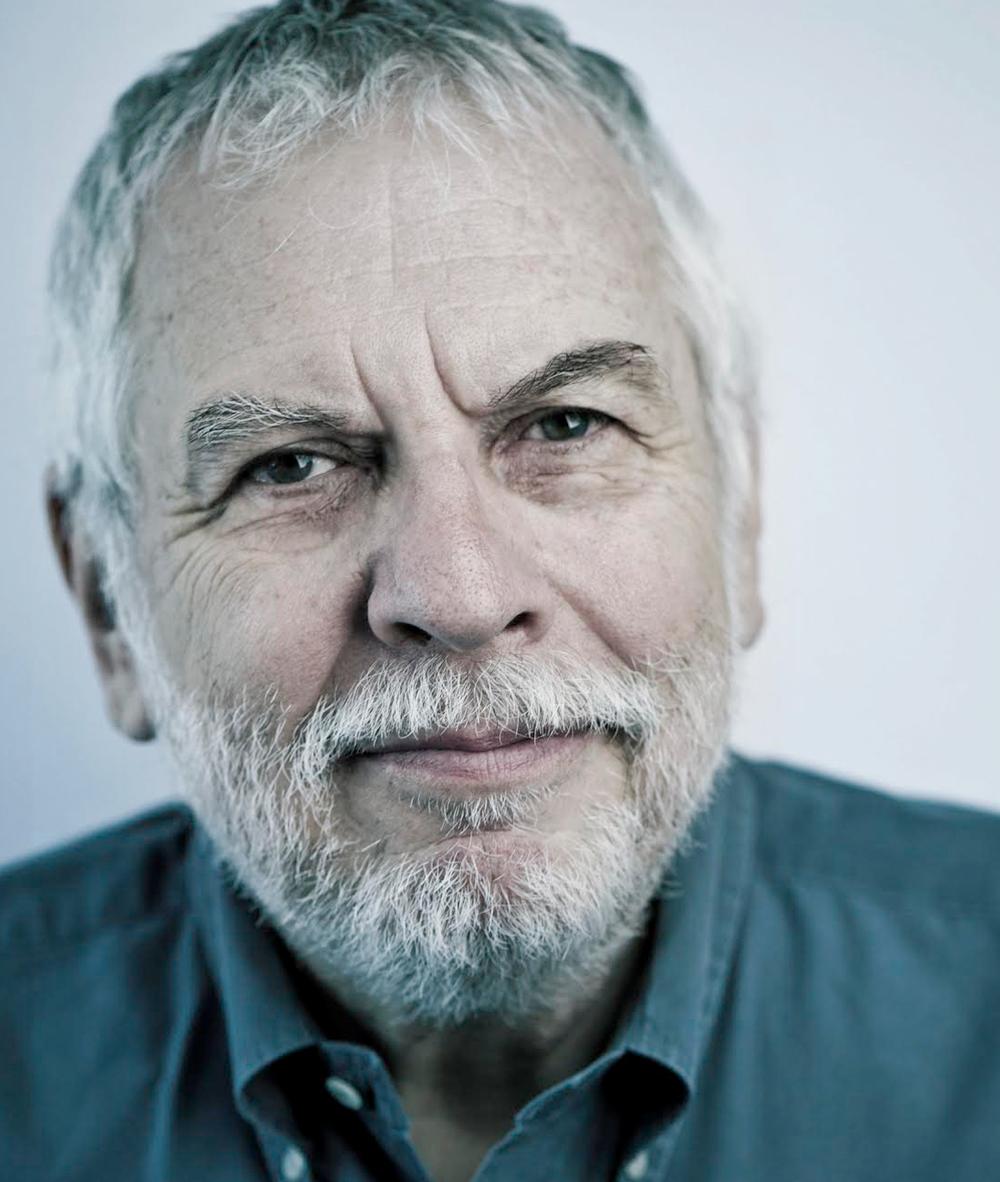
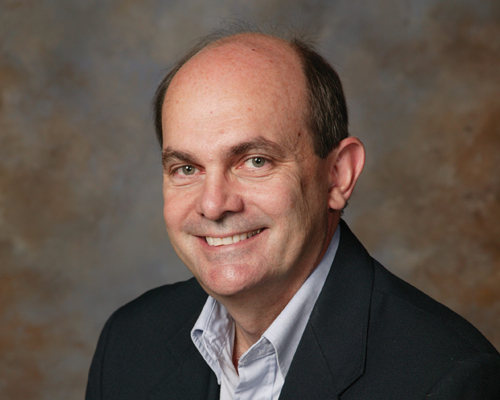
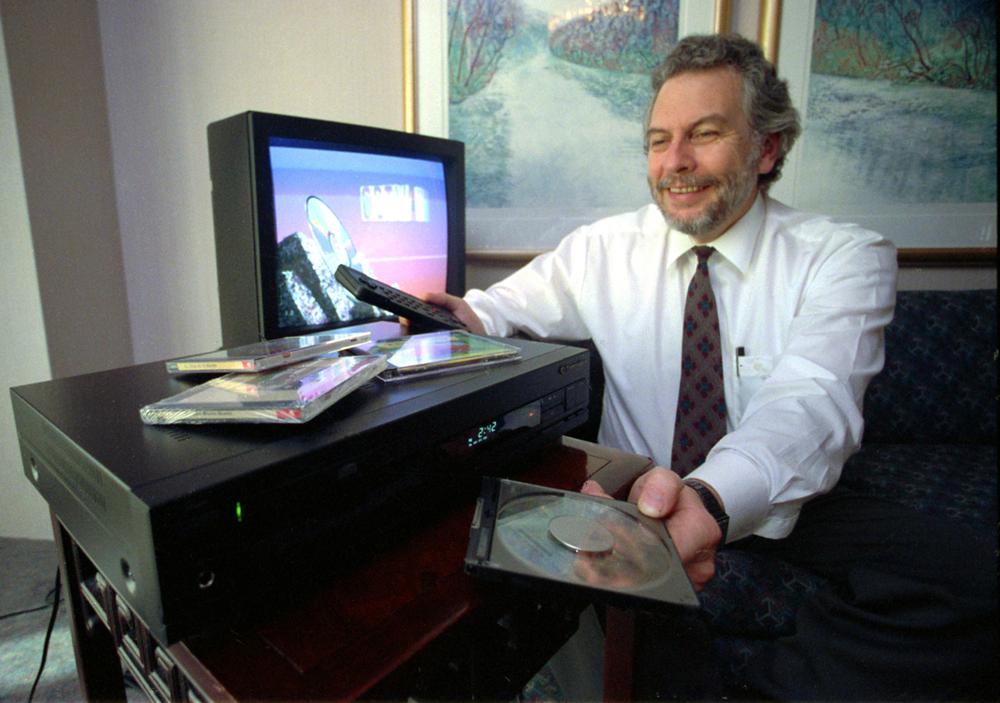
Nolan Bushnell founded the game developer and home computer company Atari in the early 70s
You’re meeting me in my crazy laboratory,” says the man speaking to me over Skype – exactly the sort you’d expect to be an inventor, dreaming up things most people have never considered, in his “cave” of components and wires. “My kids say I could use all this to build a space shuttle.”
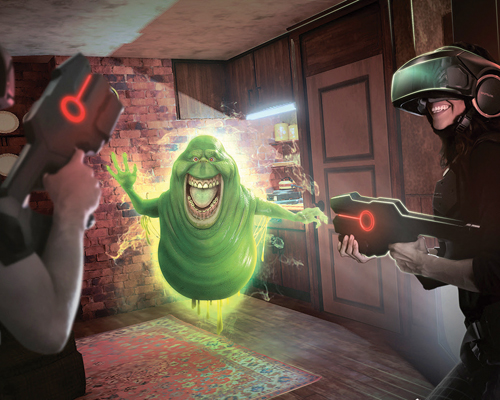
The man is Nolan Bushnell, best known as the creator of the Atari games console, the device that laid the foundations for the formation of the video arcade and modern video game industries. Having gone on to establish a number of successful technology businesses, Bushnell is now turning his hand to virtual reality – and plans to take the medium to the next level with Modal, a system which uses standing sensors, combined with a full body-tracking suit and VR headset. It’s designed to focus on commercial installations, with the technology, developed for the higher end of the VR market.
“We’re focusing strictly on what I call commercial capability. That means the systems need to be very robust,” says Bushnell, who at this point has to excuse himself to respond to a half-built robot that’s interrupting our conversation.
“We can put 10 people into the same VR construct,” he says, once he has quietened the robot. “We can track users over an area the size of a football field and we can set up and tear down in 10 to 15 minutes. Put all those things together and it means we can do industrial training, create laser tag installations and entertainment constructs.”
“We’re doing really good foundational code so it will be easy for software creators to put their software on top of it,” he says. “We’re going to create an app store. We want to be the nexus, the centre of gravity for all the commercial uses of VR. If you’re a police training company, for example, and want to do something in VR – we’re your guy, we’re the platform.”
Mass appeal The key to the technology’s success, says Bushnell, will be if it can appeal to all customers, not just enthusiasts. He’s planning the same approach he took when developing the first games for Atari.
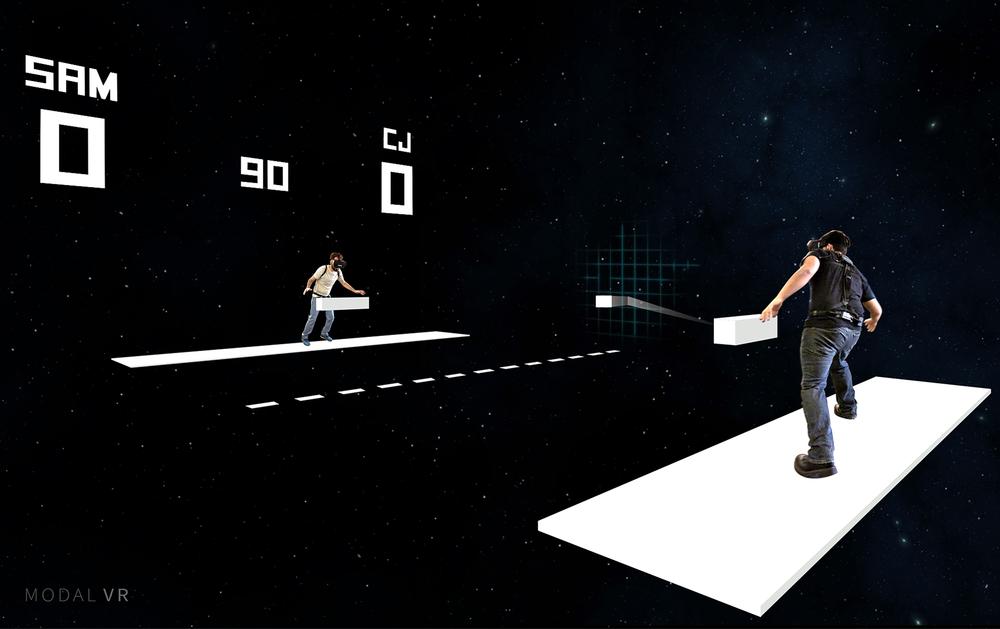
“Any time you have a new technology, start out really simple. There are some standard gameplay mechanics that are good places to start. For example, we remade Pong in VR, with the player acting as the bat – there’s nothing simpler.”
With virtual and augmented reality a relatively new medium –at least to the mainstream – Bushnell believes that understanding it as a concept will also be key to its success or failure.
“We’re trying to understand VR as a new kind of movie,” he says. “With a movie, the director controls the point of view. But what happens when the viewer can wander around and choose their own standing point? They become like a ghost in the scene that’s being played out, choosing where they stand. Is that fun? Is that interesting? We’re trying to work that out.”
VR, of course, raises some challenges and these obstacles will rear their heads sooner rather than later.
“The downside of anything new is the rule of unintended consequences – there’s always going to be a ‘gotcha’ somewhere down the line,” he says. “What if someone falls over in a VR construct – who’s liable?”
Bushnell compares the situation to when a child runs, falls and injures himself in a Chuck E Cheese, the American arcade-style FEC chain he founded in the late 1970s.
“Sometimes parents think we’re responsible and occasionally they sue. Those things are part of the business risk of doing what you’re doing. People are much more unpredictable than technology.”
An inventor by passion, not just profession, Bushnell has an eye on what’s coming next, with some radical predictions for the not-too-distant future.
“In 10 years, I think it’s going to be normal for people to have some kind of a brain implant,” he says. “You’ll be able to augment memory, communicate with others and things like that. This will be done by combining wetware, not just hardware.”
Chiefly a term drawn from science fiction, wetware uses a model for artificial systems based on biochemical processes. The technology would create messages manifested through chemical and electrical influences that spread across the body, based on the idea that human brain cells act as computer systems. According to Bushnell, as wetware technology is developed, it will advance quickly.
“Once you start having those interfaces into your brain and into your nervous system then hijacking that for entertainment is going to be easy,” he says. “Thirty years from now I think it’s going to be possible to jack into the system – like in The Matrix.”
Read more from this issue of Attractions Management magazine
View contents of Attractions Management 2017 issue 1
People profile: Nolan Bushnell
Nolan Bushnell, father of the video game industry, on his new VR business and the future of technology
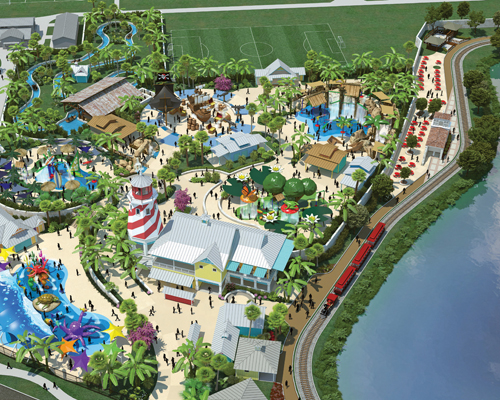
People profile: Ron Magill
Zoo Miami’s Ron Magill gives the lowdown on the attraction’s new Florida: Mission Everglades zone
People profile: Kim Gladstone Herlev
Denmark’s Experimentarium has reopened after a major renovation. CEO Kim Gladstone Herlev shares his vision for the future
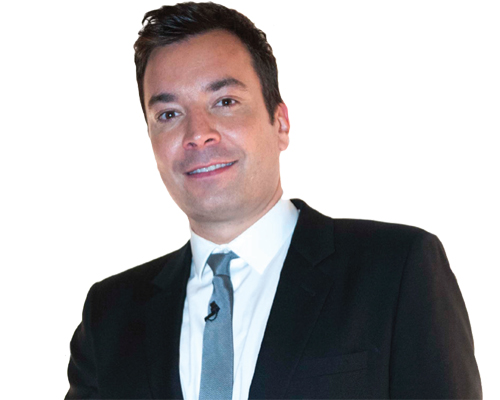
People profile: Jimmy Fallon
Hold on tight! US TV star Jimmy Fallon is the subject of a brand new ride at Universal Orlando
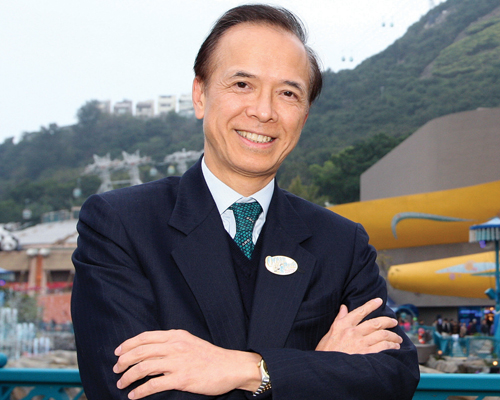
Interview: Matthias Li
Matthias Li, chief executive at Hong Kong’s
Ocean Park, on his response to a changing
visitor profile and rising competition
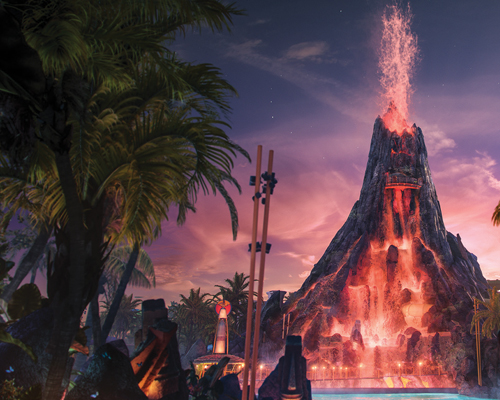
Pipeline: Opening Doors
There’s an array of attractions set to launch.
We anticipate the hot debuts of the year
Tourism: A Plan for Oman
The Ministry of Tourism’s Maitha Al Mahrouqi
on Oman’s status as a budding destination
Nolan Bushnell founded the game developer and home computer company Atari in the early 70s
You’re meeting me in my crazy laboratory,” says the man speaking to me over Skype – exactly the sort you’d expect to be an inventor, dreaming up things most people have never considered, in his “cave” of components and wires. “My kids say I could use all this to build a space shuttle.”
The man is Nolan Bushnell, best known as the creator of the Atari games console, the device that laid the foundations for the formation of the video arcade and modern video game industries. Having gone on to establish a number of successful technology businesses, Bushnell is now turning his hand to virtual reality – and plans to take the medium to the next level with Modal, a system which uses standing sensors, combined with a full body-tracking suit and VR headset. It’s designed to focus on commercial installations, with the technology, developed for the higher end of the VR market.
“We’re focusing strictly on what I call commercial capability. That means the systems need to be very robust,” says Bushnell, who at this point has to excuse himself to respond to a half-built robot that’s interrupting our conversation.
“We can put 10 people into the same VR construct,” he says, once he has quietened the robot. “We can track users over an area the size of a football field and we can set up and tear down in 10 to 15 minutes. Put all those things together and it means we can do industrial training, create laser tag installations and entertainment constructs.”
“We’re doing really good foundational code so it will be easy for software creators to put their software on top of it,” he says. “We’re going to create an app store. We want to be the nexus, the centre of gravity for all the commercial uses of VR. If you’re a police training company, for example, and want to do something in VR – we’re your guy, we’re the platform.”
Mass appeal The key to the technology’s success, says Bushnell, will be if it can appeal to all customers, not just enthusiasts. He’s planning the same approach he took when developing the first games for Atari.
“Any time you have a new technology, start out really simple. There are some standard gameplay mechanics that are good places to start. For example, we remade Pong in VR, with the player acting as the bat – there’s nothing simpler.”
With virtual and augmented reality a relatively new medium –at least to the mainstream – Bushnell believes that understanding it as a concept will also be key to its success or failure.
“We’re trying to understand VR as a new kind of movie,” he says. “With a movie, the director controls the point of view. But what happens when the viewer can wander around and choose their own standing point? They become like a ghost in the scene that’s being played out, choosing where they stand. Is that fun? Is that interesting? We’re trying to work that out.”
VR, of course, raises some challenges and these obstacles will rear their heads sooner rather than later.
“The downside of anything new is the rule of unintended consequences – there’s always going to be a ‘gotcha’ somewhere down the line,” he says. “What if someone falls over in a VR construct – who’s liable?”
Bushnell compares the situation to when a child runs, falls and injures himself in a Chuck E Cheese, the American arcade-style FEC chain he founded in the late 1970s.
“Sometimes parents think we’re responsible and occasionally they sue. Those things are part of the business risk of doing what you’re doing. People are much more unpredictable than technology.”
An inventor by passion, not just profession, Bushnell has an eye on what’s coming next, with some radical predictions for the not-too-distant future.
“In 10 years, I think it’s going to be normal for people to have some kind of a brain implant,” he says. “You’ll be able to augment memory, communicate with others and things like that. This will be done by combining wetware, not just hardware.”
Chiefly a term drawn from science fiction, wetware uses a model for artificial systems based on biochemical processes. The technology would create messages manifested through chemical and electrical influences that spread across the body, based on the idea that human brain cells act as computer systems. According to Bushnell, as wetware technology is developed, it will advance quickly.
“Once you start having those interfaces into your brain and into your nervous system then hijacking that for entertainment is going to be easy,” he says. “Thirty years from now I think it’s going to be possible to jack into the system – like in The Matrix.”
Read more from this issue of Attractions Management magazine
View contents of Attractions Management 2017 issue 1
People profile: Nolan Bushnell
Nolan Bushnell, father of the video game industry, on his new VR business and the future of technology
People profile: Ron Magill
Zoo Miami’s Ron Magill gives the lowdown on the attraction’s new Florida: Mission Everglades zone
People profile: Kim Gladstone Herlev
Denmark’s Experimentarium has reopened after a major renovation. CEO Kim Gladstone Herlev shares his vision for the future
People profile: Jimmy Fallon
Hold on tight! US TV star Jimmy Fallon is the subject of a brand new ride at Universal Orlando
Interview: Matthias Li
Matthias Li, chief executive at Hong Kong’s
Ocean Park, on his response to a changing
visitor profile and rising competition
Pipeline: Opening Doors
There’s an array of attractions set to launch.
We anticipate the hot debuts of the year
Tourism: A Plan for Oman
The Ministry of Tourism’s Maitha Al Mahrouqi
on Oman’s status as a budding destination
London Museum will open four new food and drink destinations when it launches its new home
at Smithfield on 28 November, making hospitality a central part of the visitor experience at one
of the capital's biggest cultural openings of the year.
OMA has completed a major transformation of New York's New Museum, creating a larger
cultural campus that combines expanded exhibition spaces with learning, performance,
hospitality and public programming.
A US$50 million (£44.2 million, €51.2 million) transformation of Chicago's historic McCormick
Mansion has created a new destination that combines live magic, immersive theatre, dining and
private membership under one roof.
The Montana Historical Society has officially celebrated the opening of its new Montana
Heritage
Center, a US$107 million (£79 million, €92 million) destination that combines immersive
storytelling with cutting-edge audiovisual technology to bring the sta
San Antonio Zoo has reported a US$283 million economic impact for 2025, following a decade-
long transformation programme that has seen almost US$200 million invested into the Texas
attraction.
Plans for the AU$180 million redevelopment of Reef HQ Aquarium in Townsville, Australia, are
progressing, with the project set to transform the attraction into a global centre for reef
education and conservation.
Abu Dhabi-based investment firm Mubadala Capital has made a binding, fully financed
€1 billion
offer to acquire Pierre and Vacances SA, the European holiday resort operator behind the
continental European Center Parcs business.
Disney has reaffirmed its commitment to investing US$30 billion in its US parks and cruise
business by 2033, using new America250 celebrations to underline the role its attractions play
in supporting jobs, tourism and economic growth.
Expo 2030 Riyadh is being planned as a permanent visitor destination, with organisers
confirming the six-million-square-metre site will become a Global Village after the event closes.
The owner of one of Australia's best-known waterparks has acquired a major competitor,
creating a new attractions business spanning two of the country's largest visitor destinations.