As Layered Reality prepares to launch its much talked
about Elvis Evolution holographic experience this autumn,
Magali Robathan speaks to the company founder about
holograms, emotion and the business of creating memories
Technology is combined with live actors and effects to create impactful experiences / Photo: Layered Reality
Tell me about Layered Reality My background is in advertising and marketing and communications – over the years I built a couple of businesses, sold those and then paid for myself to go to Harvard Business School.
I started reading a lot about the experience economy and the fact that people increasingly want to spend their money on attractions and experiences rather than material things. It struck me that while there is this real hunger for new and different experiences, most of what’s on offer within the leisure market is very similar to what was available 20 or 30 years ago.
I started to get really energised about the opportunity to use technology to create a different experience that would be really memorable for people. I launched my digital and theatrical entertainment business, which was then called Ellipsis Entertainment and is now Layered Reality.
You launched Jeff Wayne’s The War of the Worlds: The Immersive Experience in 2019. How did that come about? We did a proof of concept called Somnai in a warehouse in east London, which was an immersive virtual reality experience exploring our relationship with sleep. The team behind Jeff Wayne’s Musical Version of The War of the Worlds were among the 17,000 people who came to that experience. They loved it, and we began a dialogue about creating something together.
What were the biggest challenges? The first real challenge was convincing people to invest in something that didn’t really have many reference points – we were fortunate to get some great investors. Then of course, there were all sorts of technical challenges.
In The War of the Worlds Immersive Experience, we use holograms, virtual reality and sophisticated sound. There were many technical and operational challenges involved.
One of the big challenges is the volume of people moving through the experience and the timings. Every 10 minutes, a new group starts their journey. If there is a delay with one group, that can have a big knock-on effect, so you have to design it very carefully.
You launched the Gunpowder Plot immersive experience at the Tower of London in 2022. How did that come about? We began a conversation with Historic Palaces not long after The War of the Worlds Immersive Experience opened. Historic Palaces had an ambition to use different forms of storytelling to bring history to life. We worked with the curatorial teams to decide what might be the best story to tell and ultimately landed on the Gunpowder Plot. It’s a thrilling story that allows guests to have a very clear and active role – to be spies infiltrating the plotters and then to make the decision about whether they’re going to join the plotters or betray them, condemning them to death.
Being able to run that experience within a space that was actually part of that history is extraordinary – you’ve got the history in the walls of the place and you can’t quite tell where the sets begin and the building ends.
Where did the idea for the Elvis Evolution come from? It came from us initially. We were in discussions with Authentic Brands Group about something else and we realised that they had the rights to Elvis Presley’s IP. We immediately thought, what an incredible experience it would be to walk in Elvis’ shoes, and to watch him perform.
Our aim is to help people see behind the myth of Elvis to who he really was.
What will visitors experience? Small groups will walk in Elvis’ footsteps, moving through intricate scenes created using a range of technology – which they hopefully won’t be too conscious of – theatrical sets and live actors. The journey will start in rural Mississippi, where they’ll learn about the small town that Elvis grew up in and the musical influences of the time, and visitors will then travel to 1940s Memphis to experience what it would have been like for him to move to the city as a teenager.
Visitors will ‘travel’ to different places within America, mimicking the route that the Elvis took. As they walk in his footsteps, they’ll be exposed to the musical and cultural influences that shaped him. At the end of the journey, they’ll get to see Elvis perform in an intimate concert.
People will have a whole, extraordinary night out – they’ll eat with us, drink with us, and in the bar after the experience, we’ll have an after party show with live music performed by contemporary artists celebrating Elvis’ music.
How did you set about designing the experience? Once again, we’re using our approach of building layers into the experience, so we’ll have live actors interacting with visitors and intricate sets, as well as all sorts of technology, including holographic techniques, VR, AI and projection mapping. We’ll also add in physical sensations – you’ll feel the humidity of a cotton field in Mississippi, for example.
How are you creating the concert? We’ve got this incredible opportunity to use hours and hours of home-video footage of Elvis performing – we effectively feed that into a computer with very high processing power and use that to create new authentic performances of Elvis. The result is not a fabrication; it’s born of his performance. So for example, if a piece of footage had been shot from the front, the AR would allow us to see what that would have looked like from behind.
Do you have a venue? We do, but we can’t announce it yet. It’s a central London venue. When visitors arrive, they’ll go into a themed F&B diner where they’ll immediately be taken back to 1960s America. At their allotted time, they’ll enter the story – which will be a movie-length experience – somewhere between an hour and half and two hours and will include a half time break in another themed F&B space.
How big will the groups be? We’re still finalising the group sizes – they’ll be slightly larger groups than we’ve had up until now, but still relatively small. It’s going to be an intimate experience.
What do you want visitors to feel when they take part in the experience? Ultimately, we’re in the memory business. At the end of the year, we want to be on the list of our visitors’ most memorable experiences. Exposing people to multi-sensory effects, having a density of experiences in a short period of time, going through highs and lows of emotions, having group experiences – all of these help build memories. We want people to feel an emotional connection to Elvis, and to see beyond the clichés.
At the concert we’ll be encouraging people to step out of themselves, let go and have fun. We want them to just feel the joy of being in that concert; of having this incredible shared experience of seeing Elvis perform for them. We want them to forget about the technology and the techniques we’ve used, and just enjoy themselves.
What else are you working on? We’re very focused on Elvis Evolution at the moment, but we do also have a pipeline of stories that we’d love people to be able to be part of. We’re finding that many of the big name IP holders are keen to work with us, because we can point to the quality of what we’ve done and the fact that we have the ambition to scale and take these experiences to the US and beyond.
What is Layered Reality?
Andrew McGuinness / Photo: Karen Lewis
Layered Reality combines the latest digital technology (virtual reality, projection mapping and volumetric holograms) together with live theatre (live actors, movie-scale sets, and special effects) plus real physical sensations (touch, temperature, smell, sound and music, physical movement, and taste) to create a unique immersive experience that’s truly memorable.
“Because you’ve got your nose smelling something your eyes are seeing and then you can see a 150-foot Martian fighting machine, you’re really convinced that you’re in that place,” says Layered Reality CEO Andrew McGuinness.
“You get a much more intense experience than you could ever have with one single layer. It’s by bringing those layers together that your body and mind convince you that this is real.”
Read more from this issue of Attractions Management magazine
View contents of Attractions Management 2024 issue 3
Multimedia: Sakchin Bessette
How did the team at Moment Factory go from designing visuals for raves to illuminating the Sagrada Familia and creating stage shows for Madonna? The co-founder shares the journey
Museums: Roll of honour
From the Rijksmuseum’s first family exhibition to a 4D experience that wows on a budget, we check out Museum + Heritage Award winners
Theme parks: Cecil Magpuri
Work has begun on the first Dragon Ball theme park, and it’s set to take theming to a whole new level, according to its designer
Museums: Rise up
Filled with colour, music, technology and storytelling, the John K Randle Center is a fitting celebration of Yoruban culture and history, says its architect Seun Oduwole
Experiences: Flight of fancy
Airbnb is diving into the world of immersive experiences with its new Icons initiative. What does this mean for attractions?
Immersive experience: Andrew McGuinness
As Layered Reality prepares to launch its highly-anticipated Elvis Experience, we speak to its CEO about the business of wowing visitors
Zoos: Making a difference
Visiting zoos and aquaria inspires people to act more sustainably, finds a study from the University of Sheffield and Chester Zoo
Tourism: Vertical reality
From energy-generating viewing pods to world-class art installations, a new generation of vertical attractions is shaking up the scene. Dr Terry Stevens investigates
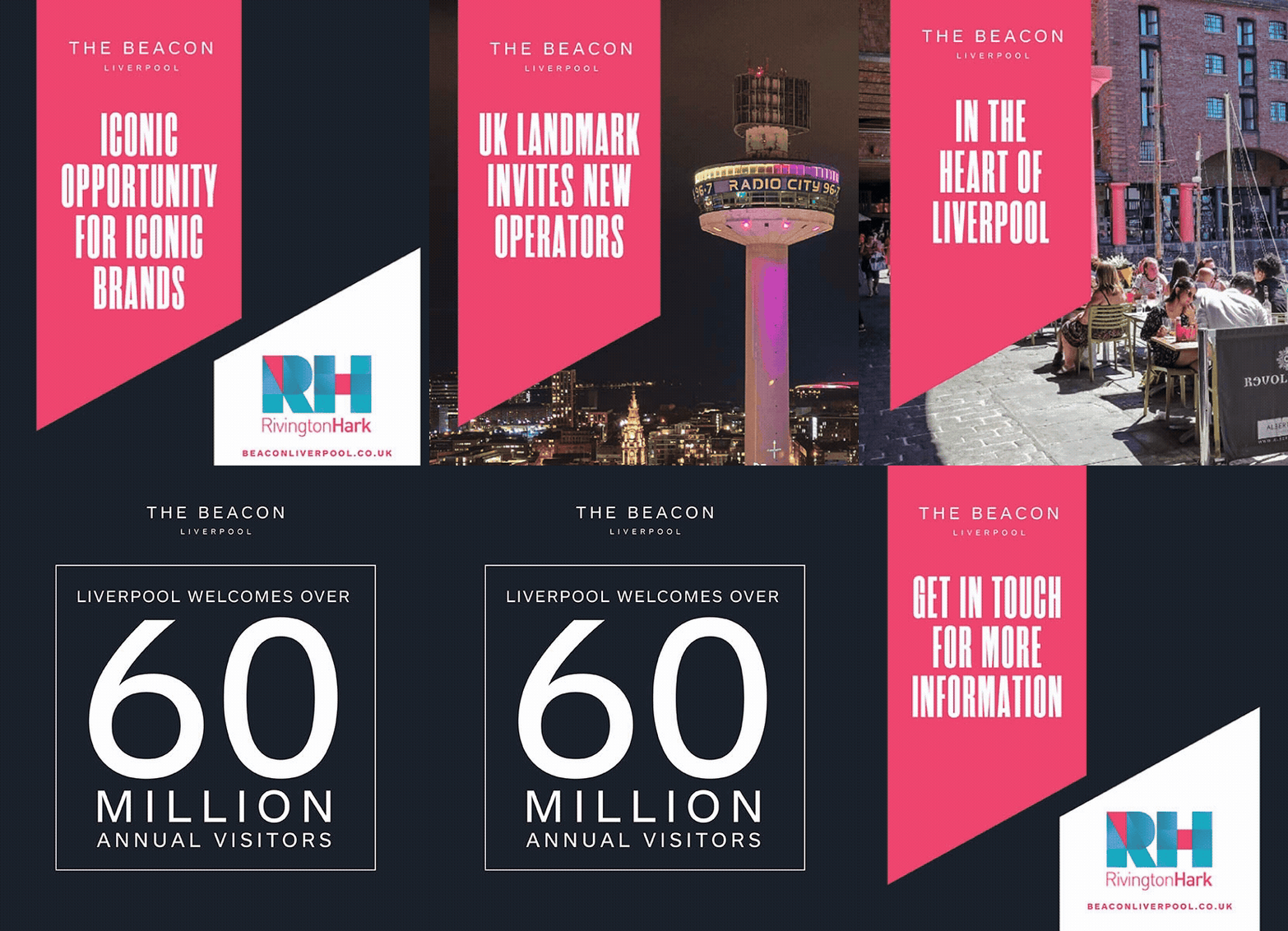
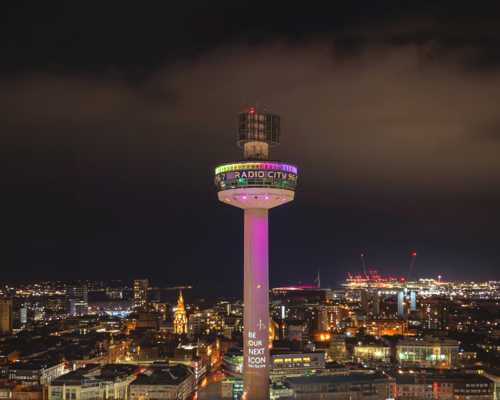
An opportunity to reimagine one of the UK’s most recognisable towers has been formally
opened by Rivington Hark, as St Johns Beacon invites operators and partners to shape its
next phase. [more...]
As Layered Reality prepares to launch its much talked
about Elvis Evolution holographic experience this autumn,
Magali Robathan speaks to the company founder about
holograms, emotion and the business of creating memories
Technology is combined with live actors and effects to create impactful experiences / Photo: Layered Reality
Tell me about Layered Reality My background is in advertising and marketing and communications – over the years I built a couple of businesses, sold those and then paid for myself to go to Harvard Business School.
I started reading a lot about the experience economy and the fact that people increasingly want to spend their money on attractions and experiences rather than material things. It struck me that while there is this real hunger for new and different experiences, most of what’s on offer within the leisure market is very similar to what was available 20 or 30 years ago.
I started to get really energised about the opportunity to use technology to create a different experience that would be really memorable for people. I launched my digital and theatrical entertainment business, which was then called Ellipsis Entertainment and is now Layered Reality.
You launched Jeff Wayne’s The War of the Worlds: The Immersive Experience in 2019. How did that come about? We did a proof of concept called Somnai in a warehouse in east London, which was an immersive virtual reality experience exploring our relationship with sleep. The team behind Jeff Wayne’s Musical Version of The War of the Worlds were among the 17,000 people who came to that experience. They loved it, and we began a dialogue about creating something together.
What were the biggest challenges? The first real challenge was convincing people to invest in something that didn’t really have many reference points – we were fortunate to get some great investors. Then of course, there were all sorts of technical challenges.
In The War of the Worlds Immersive Experience, we use holograms, virtual reality and sophisticated sound. There were many technical and operational challenges involved.
One of the big challenges is the volume of people moving through the experience and the timings. Every 10 minutes, a new group starts their journey. If there is a delay with one group, that can have a big knock-on effect, so you have to design it very carefully.
You launched the Gunpowder Plot immersive experience at the Tower of London in 2022. How did that come about? We began a conversation with Historic Palaces not long after The War of the Worlds Immersive Experience opened. Historic Palaces had an ambition to use different forms of storytelling to bring history to life. We worked with the curatorial teams to decide what might be the best story to tell and ultimately landed on the Gunpowder Plot. It’s a thrilling story that allows guests to have a very clear and active role – to be spies infiltrating the plotters and then to make the decision about whether they’re going to join the plotters or betray them, condemning them to death.
Being able to run that experience within a space that was actually part of that history is extraordinary – you’ve got the history in the walls of the place and you can’t quite tell where the sets begin and the building ends.
Where did the idea for the Elvis Evolution come from? It came from us initially. We were in discussions with Authentic Brands Group about something else and we realised that they had the rights to Elvis Presley’s IP. We immediately thought, what an incredible experience it would be to walk in Elvis’ shoes, and to watch him perform.
Our aim is to help people see behind the myth of Elvis to who he really was.
What will visitors experience? Small groups will walk in Elvis’ footsteps, moving through intricate scenes created using a range of technology – which they hopefully won’t be too conscious of – theatrical sets and live actors. The journey will start in rural Mississippi, where they’ll learn about the small town that Elvis grew up in and the musical influences of the time, and visitors will then travel to 1940s Memphis to experience what it would have been like for him to move to the city as a teenager.
Visitors will ‘travel’ to different places within America, mimicking the route that the Elvis took. As they walk in his footsteps, they’ll be exposed to the musical and cultural influences that shaped him. At the end of the journey, they’ll get to see Elvis perform in an intimate concert.
People will have a whole, extraordinary night out – they’ll eat with us, drink with us, and in the bar after the experience, we’ll have an after party show with live music performed by contemporary artists celebrating Elvis’ music.
How did you set about designing the experience? Once again, we’re using our approach of building layers into the experience, so we’ll have live actors interacting with visitors and intricate sets, as well as all sorts of technology, including holographic techniques, VR, AI and projection mapping. We’ll also add in physical sensations – you’ll feel the humidity of a cotton field in Mississippi, for example.
How are you creating the concert? We’ve got this incredible opportunity to use hours and hours of home-video footage of Elvis performing – we effectively feed that into a computer with very high processing power and use that to create new authentic performances of Elvis. The result is not a fabrication; it’s born of his performance. So for example, if a piece of footage had been shot from the front, the AR would allow us to see what that would have looked like from behind.
Do you have a venue? We do, but we can’t announce it yet. It’s a central London venue. When visitors arrive, they’ll go into a themed F&B diner where they’ll immediately be taken back to 1960s America. At their allotted time, they’ll enter the story – which will be a movie-length experience – somewhere between an hour and half and two hours and will include a half time break in another themed F&B space.
How big will the groups be? We’re still finalising the group sizes – they’ll be slightly larger groups than we’ve had up until now, but still relatively small. It’s going to be an intimate experience.
What do you want visitors to feel when they take part in the experience? Ultimately, we’re in the memory business. At the end of the year, we want to be on the list of our visitors’ most memorable experiences. Exposing people to multi-sensory effects, having a density of experiences in a short period of time, going through highs and lows of emotions, having group experiences – all of these help build memories. We want people to feel an emotional connection to Elvis, and to see beyond the clichés.
At the concert we’ll be encouraging people to step out of themselves, let go and have fun. We want them to just feel the joy of being in that concert; of having this incredible shared experience of seeing Elvis perform for them. We want them to forget about the technology and the techniques we’ve used, and just enjoy themselves.
What else are you working on? We’re very focused on Elvis Evolution at the moment, but we do also have a pipeline of stories that we’d love people to be able to be part of. We’re finding that many of the big name IP holders are keen to work with us, because we can point to the quality of what we’ve done and the fact that we have the ambition to scale and take these experiences to the US and beyond.
What is Layered Reality?
Andrew McGuinness / Photo: Karen Lewis
Layered Reality combines the latest digital technology (virtual reality, projection mapping and volumetric holograms) together with live theatre (live actors, movie-scale sets, and special effects) plus real physical sensations (touch, temperature, smell, sound and music, physical movement, and taste) to create a unique immersive experience that’s truly memorable.
“Because you’ve got your nose smelling something your eyes are seeing and then you can see a 150-foot Martian fighting machine, you’re really convinced that you’re in that place,” says Layered Reality CEO Andrew McGuinness.
“You get a much more intense experience than you could ever have with one single layer. It’s by bringing those layers together that your body and mind convince you that this is real.”
Read more from this issue of Attractions Management magazine
View contents of Attractions Management 2024 issue 3
Multimedia: Sakchin Bessette
How did the team at Moment Factory go from designing visuals for raves to illuminating the Sagrada Familia and creating stage shows for Madonna? The co-founder shares the journey
Museums: Roll of honour
From the Rijksmuseum’s first family exhibition to a 4D experience that wows on a budget, we check out Museum + Heritage Award winners
Theme parks: Cecil Magpuri
Work has begun on the first Dragon Ball theme park, and it’s set to take theming to a whole new level, according to its designer
Museums: Rise up
Filled with colour, music, technology and storytelling, the John K Randle Center is a fitting celebration of Yoruban culture and history, says its architect Seun Oduwole
Experiences: Flight of fancy
Airbnb is diving into the world of immersive experiences with its new Icons initiative. What does this mean for attractions?
Immersive experience: Andrew McGuinness
As Layered Reality prepares to launch its highly-anticipated Elvis Experience, we speak to its CEO about the business of wowing visitors
Zoos: Making a difference
Visiting zoos and aquaria inspires people to act more sustainably, finds a study from the University of Sheffield and Chester Zoo
Tourism: Vertical reality
From energy-generating viewing pods to world-class art installations, a new generation of vertical attractions is shaking up the scene. Dr Terry Stevens investigates
A new immersive attraction designed to transport visitors into the final hours of ancient Pompeii
is preparing to open near the world-famous archaeological site in southern Italy.
Experience design company, BRC Imagination Arts, has completed a transition that sees founder
Bob Rogers pass ownership of the business to four long-serving senior executives, while
remaining actively involved with the company.
Movie Park Germany has opened a new Paramount Pictures-themed attraction as part of its 30th
anniversary celebrations, using immersive storytelling and adaptive reuse to reinforce the park’s
longstanding “Hollywood in Germany” positioning.
Therme Manchester’s 28-acre development, which will include interconnected glass pavilions
that measure 65,000sq m, will be the largest bathing and wellbeing attraction in the world once
complete, according to prof David Russell, CEO of Therme UK.
Efteling has opened Hooghmoed, a new family drop tower designed to broaden the appeal of its
recently launched Sirene Island themed area and introduce younger visitors to thrill attractions.
A proposed Puy du Fou development near Bicester and Universal Destinations and Experiences’
planned resort in Bedford are emerging as part of a wider transformation of the Oxford–
Cambridge Growth Corridor into a major centre for UK leisure and tourism inv
Shedd Aquarium has opened the Immersion Theater developed in partnership with SimEx-
Iwerks, as part of a wider strategy to enhance the guest experience and create additional
revenue opportunities.
The UK government has announced a temporary reduction in VAT on visitor attractions and
children’s meals as part of a summer cost-of-living support package designed to stimulate the
visitor economy and encourage family days out.
As designer Yinka Ilori prepares for his first solo gallery show in London, he speaks exclusively
to CLADmag about his mission to spread joy, the power of play, and his bold approach to using
colour (including the colours you won’t see in his work).
The government of Thailand is exploring plans for a THB300bn (£6.3bn, US$8.3bn)
entertainment complex in the country’s Eastern Economic Corridor (EEC), with officials
proposing a large-scale theme park and sports destination as part of a broader tourism and
economic development strategy.
An opportunity to reimagine one of the UK’s most recognisable towers has been formally
opened by Rivington Hark, as St Johns Beacon invites operators and partners to shape its
next phase. [more...]