Conceived by fashion designer Donna Karan, the Urban Zen Integrative Therapy programme merges medical and complementary therapies and trains professionals in its own effective style of sickness and preventative care. Julie Cramer reports
By Julie Cramer | Published in Spa Business 2015 issue 2
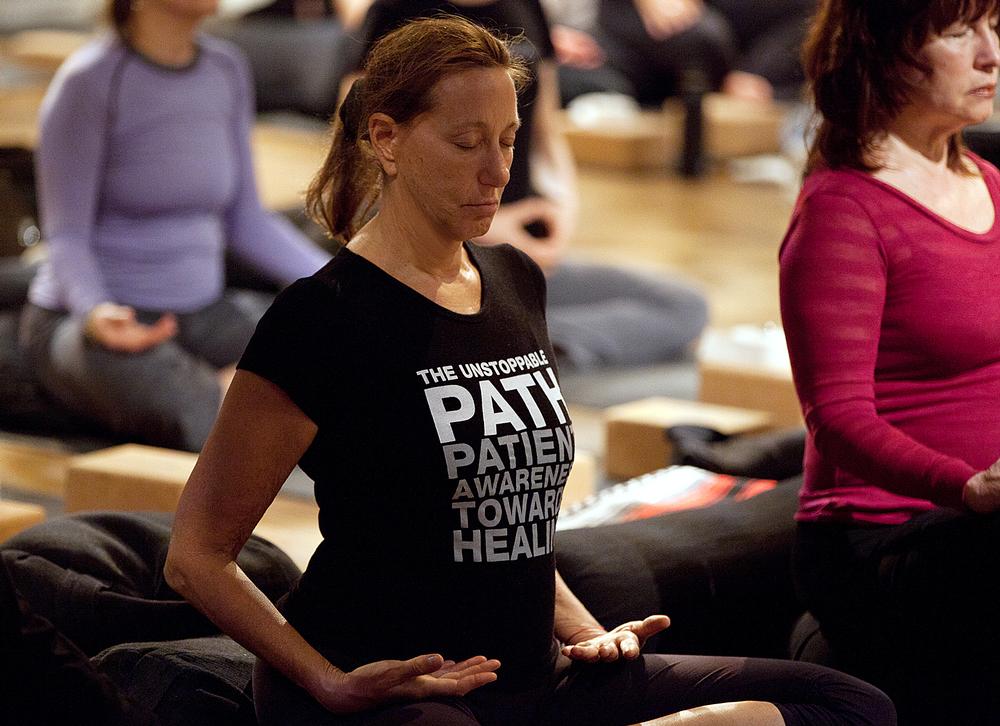
Donna Karan meditates: the fashion designer has long been an advocate of complementary therapies
When renowned fashion designer Donna Karan launched her Urban Zen Integrative Therapy (UZIT) programme – aimed at helping acutely-ill patients in health and social care settings – she’d already faced the trauma of losing friends, colleagues and family members as a result of terminal illness.
As a rookie designer in the 70s, Karan went to work for Anne Klein in New York and was promptly asked to finish her new boss’s collection, because Klein had terminal breast cancer. That tragedy was the catalyst that helped launch Karan’s career, but it was also the beginning of many personal losses, including her best friend who died of breast and brain cancer and her second husband, Stephen Weiss, who died of lung cancer in 2001.
Karan had always been a proponent of the healing powers of complementary therapies like reiki and acupuncture and her own homes are known to be spa-like sanctuaries. She used what her husband called ‘woo woo’ therapies to help him in the final years of his life. After his death, she went on a quest to fill the gap missing between medical treatment of diseases and sympathetic care of the individual.
Her search culminated in the creation of a 10-day Wellbeing Forum in 2007, to stimulate an exchange of ideas between patients, doctors, nurses and yoga and alternative healthcare practitioners. Two years later, the first UZIT training programme was born and since then almost 500 UZIT practitioners from both medical and wellness worlds have been trained, with another 100 or so in the system.
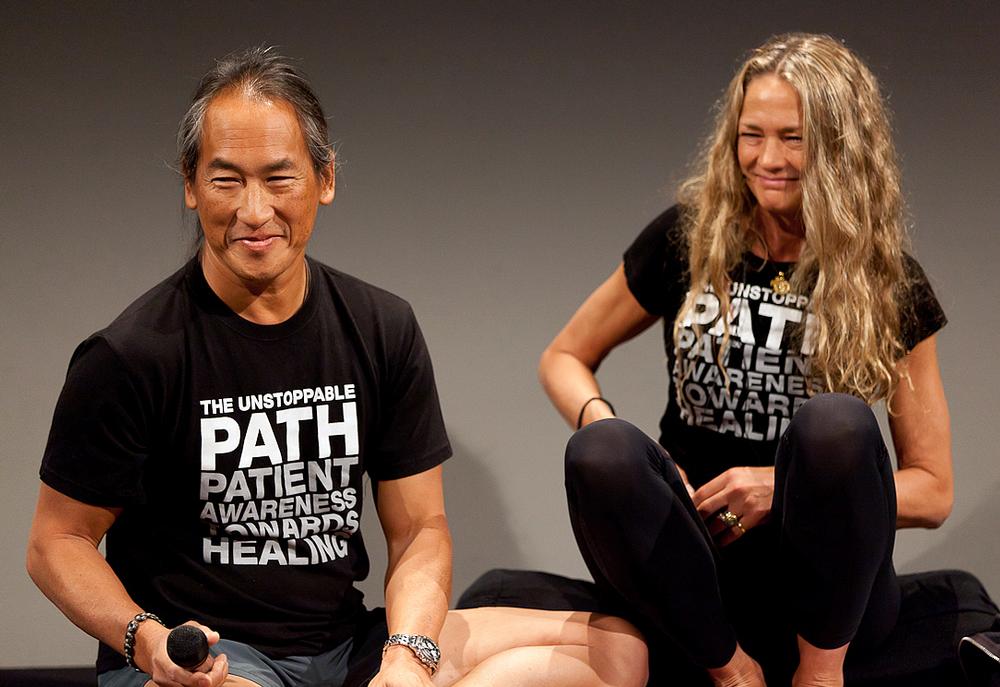
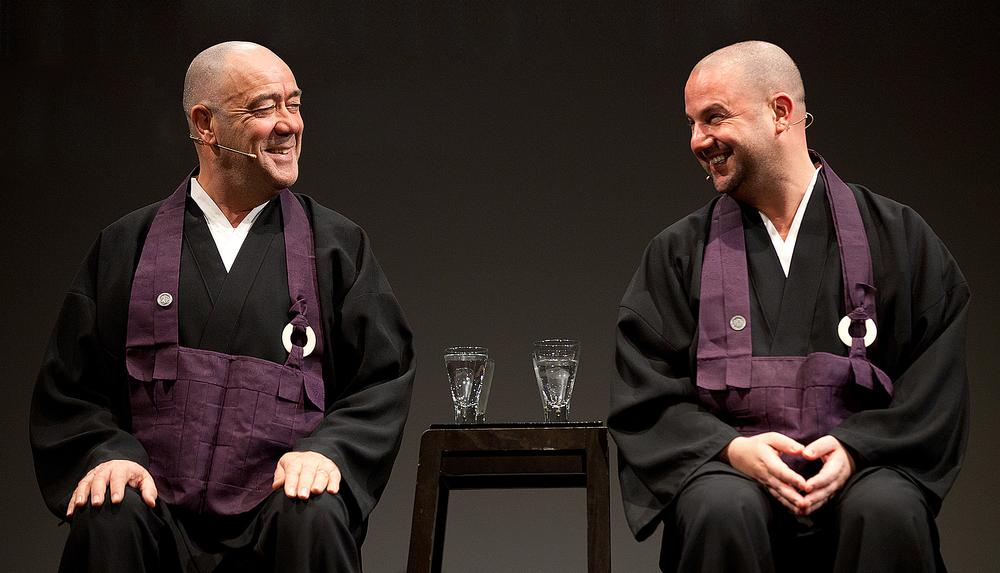
The progamme has been put together with the help of Karan’s high profile associates, including yoga gurus Rodney Yee and Colleen Saidman-Yee
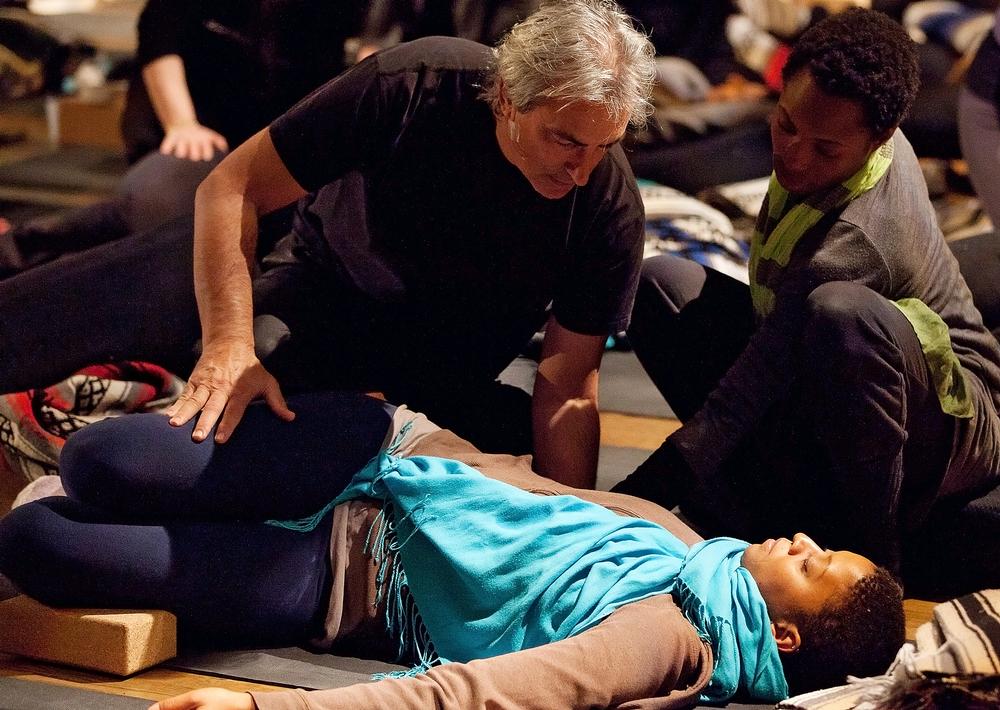
East meets west UZIT’s mission is to integrate ancient healing techniques into western medical practices, as well as spread this work further through yoga, spa and wellness centres. Its core modalities are yoga therapy, reiki, essential oil therapy, nutrition and contemplative end-of-life care and self-care (this last one being for the therapists’ personal development). It’s designed to treat the common symptoms of illness: pain, anxiety, nausea, insomnia and constipation (UZIT uses the acronym PANIC™) and exhaustion.
To date, its practitioners have carried out more than 25,000 documented sessions in hospitals, outpatient centres, support groups, private practices, corporate environments, nursing homes and medical schools.
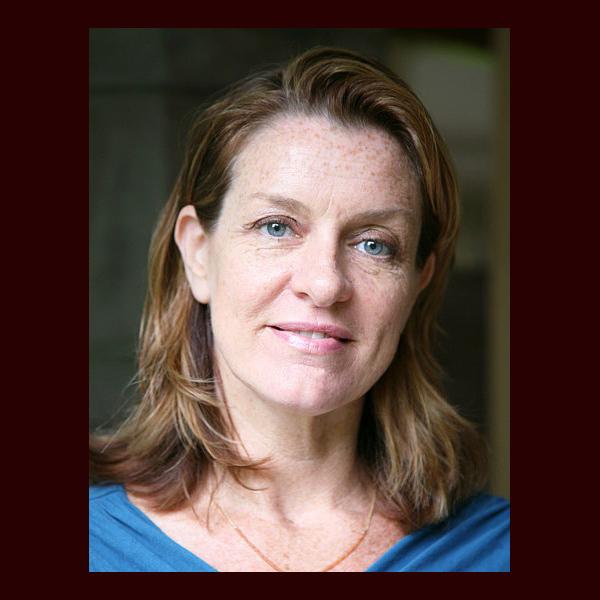
One of the inaugural 2009 trainee therapists was Gillian Cilibrasi, who is now the UZIT programme director, charged with standardising the training and expansion in the USA and beyond.
Cilibrasi brings a perfect combination of wellness knowledge and business background to her role – having been a massage therapist for 15 years, a yoga teacher for a decade, in addition to having worked on all commercial aspects of a medical device start-up company. She owned the River Rock Health Spa in Hudson Valley and still maintains a private clientele. And like Karan, she’s had her own experience of seeing a loved one become ill and die.
Cilibrasi says: “Several years ago, my stepfather was diagnosed with pancreatic cancer in the May and he died in the December. He’d come home from chemotherapy and not want to eat. My sister, mother and I, who are all therapists, would give him acupuncture, prop him into a supported restorative pose and do energy work with him. He’d fall into a deep sleep and then wake up famished.
“We could see how his quality of life improved and he was able to stay well enough to check off many things on his bucket list. When he died, we were at peace with his passing.”
Changing perceptions It’s exactly this kind of practice and result that forms the basis of the UZIT programme. Cilibrasi admits that it wasn’t always easy in the early days as some medical institutions remained staunchly sceptical, yet there were an equal number that “welcomed us with open arms”.
UZIT has very strong partnerships with major treatment centres such the Beth Israel Center in New York, the UCLA Health System in California, as well as smaller community facilities such as Southampton Hospital in the Hamptons, which is now one of the strongest employers of UZIT practitioners.
“If you want to work with the medical profession you have to be prepared to speak their language,” says Cilibrasi, “so we are meticulous in collecting outcome data and have several studies ready to go. You have to create evidence-based work to show how the therapies are working and how they can be used to best effect.
“For example, one of our studies looked at a 24-bed floor at Beth Israel Hospital where UZIT was active. It showed a US$496 saving per patient on pain, nausea and anxiety medications alone. Over a year, that meant a saving of US$1m for the hospital, so you can see how it quickly adds up.
“A lot of our studies contain qualitative data, such as how patients’ pain scores have been affected or their perceived reduction in stress levels, but we also realise the importance of qualitative data and we have a large study pending from UCLA which will contain such markers.”
UZIT works both by training medical practitioners in complementary therapies, and putting experienced wellness practitioners into a medical setting.
Wellness army Cilibrasi says that UCLA is a great example of a top-down initiative, where UZIT has worked entirely with existing medical staff. Around 140 of them have been trained to date – spread across a variety of departments, such as oncology, nursing, rehab services, respiratory therapy and radiology. A further 50 staff will have been UZIT-trained by mid 2015.
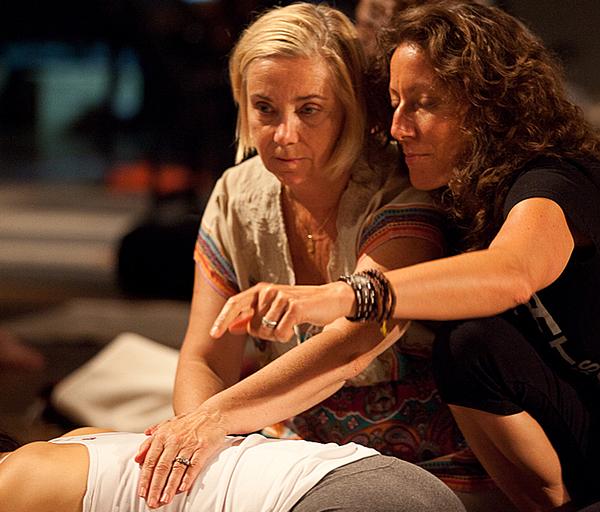
Wellness practitioners, such as those working in spa facilities and yoga studios, need to show a minimum of five years’ practice in their field, before joining UZIT on an intensive training programme (which includes clinical rotation hours) at studios such as Yoga Shanti in New York, Piedmont Yoga in California and Yoga on High in Columbus. Alternatively, longer, part-time training is currently delivered at yoga centres such as YogaWorks studios across the US west coast.
So is there a magic formula to UZIT’s five chosen modalities? Cilibrasi simply says: “Those who work in spa or wellness settings know that a deep tissue massage is very healing, but if you then combine it with some energy work it becomes so much more powerful. So we layer the therapies as required, using some or all of them.
“We wouldn’t normally use movement with someone during end-of-life care. We’re always careful to meet patients at their stage of the journey and not to assume we know what’s best for them.
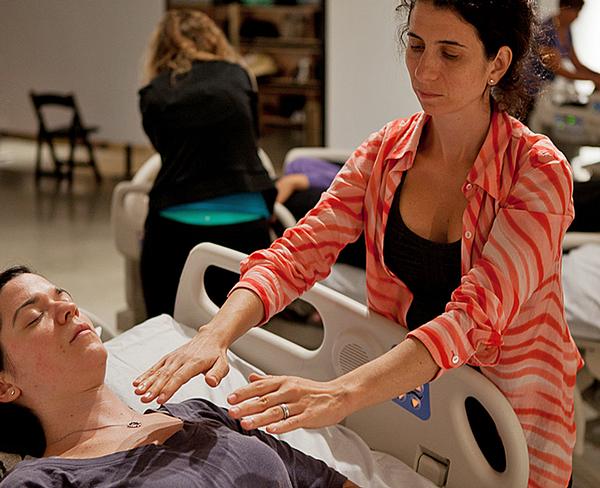
“A great thing about the UZIT therapies is that they’re designed to be performed hands-on or hands-off with the same effect, as many wellness practitioners going into a medical setting may not be able to physically touch patients.”
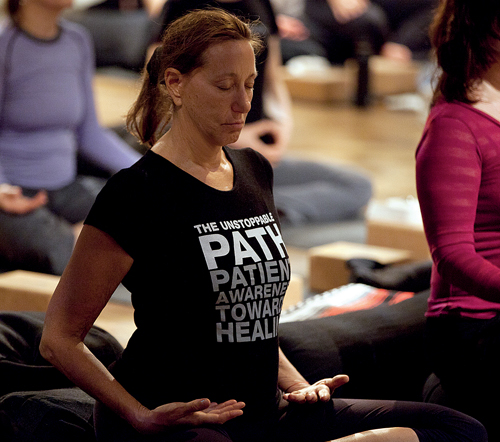
Therapist self-care Another perhaps unique aspect of the UZIT programme is the prime emphasis it puts on the wellbeing of the practitioner and the self-care and nutrition modalities are targeted squarely at them. UZIT trainees are required to develop a daily yoga and meditation practice, to eat healthily and are also placed under the care of a personal mentor.
As someone who still also actively practices in a private spa setting with yoga and massage, Cilibrasi is only too aware of the dangers of burnout that lots of therapists and practitioners face.
“I’ve seen many massage therapists burn out in 10 years or less because they haven’t set out with a strategy of self-care. I’m still going strong after 15 years because I’m able to employ the techniques that we teach our trainees. I’ve made my home a spa-like sanctuary where I can take care of myself – otherwise how will I ever be able to take care of others?’
“Compassion fatigue is a real danger. UZIT practitioners especially will be going into very challenging settings where they may be required to spend long periods of time with patients who are very ill. They need to be able to deal with all situations as they show up, how to be with the living and the dying and not impose their teachings on a patient or relative.”
Currently the UZIT programme, which is funded mostly by donations and board participation, is only available at selected USA centres. Cilibrasi says the past five years have been spent consolidating the training and refining it, while the next five to 10 years will focus more on growth.
“We’re in talks with organisations in Europe, Japan and India about how we can expand the UZIT programme. Several pilot projects that could be scaleable and exportable are in the early stages here in the USA. We’ve also been taking outreach work to places like Port-au-Prince in Haiti to further develop our programme.”
UZIT expansion In addition, Cilibrasi says there’s now a very popular public programme available at partner wellness facilities around the USA at various yoga studios where anyone can experience the UZIT modalities in public Urban Zen classes.
“We’ve actually been quite overwhelmed by how popular these programmes have been, often becoming the most attended classes at a facility – we’re talking about 40 people turning up to a class on a Saturday night in New York’s Soho!
So many people are looking for balance and healing in their lives. The guy next to you at work – you may have no idea what he’s going through or what kind of healing journey he may be on,” she says.
While it’s not likely to happen in the immediate future, Cilibrasi nevertheless foresees a time when there will be standalone UZIT centres that run alongside hospitals as well as in wellness settings such as spas.
“Our programme is a natural fit in both acute and preventative wellness settings and our future growth will be fuelled by attracting more spa and wellness professionals to come and take our training and send this work further out into the world,” says Cilibrasi.
“As Donna always says, ‘everyone will be a patient one day’, but I truly believe that using UZIT in both sickness and wellness care can make the journey better.”
Read more from this issue of Attractions Management magazine
View contents of Attractions Management 2015 issue 2
Interview: Kathy Van Ness
The COO at Golden Door tells Katie Barnes how she’s used her background in fashion to reinvent the destination spa
Wellness: In sickness & health
The Urban Zen Integrative Therapy programme by designer Donna Karan helps acutely-ill patients in health and social care settings. Julie Cramer reports
Design: Sense of arrival
Neena Dhillon talks to the spa designers and operators at the new Aman and Ritz-Carlton properties in Japan
Ask an expert: Neuromarketing
Could this field of market research hold the key to finding out what customers really want? Rhianon Howells investigates
An opportunity to reimagine one of the UK’s most recognisable towers has been formally
opened by Rivington Hark, as St Johns Beacon invites operators and partners to shape its
next phase. [more...]
Conceived by fashion designer Donna Karan, the Urban Zen Integrative Therapy programme merges medical and complementary therapies and trains professionals in its own effective style of sickness and preventative care. Julie Cramer reports
By Julie Cramer | Published in Spa Business 2015 issue 2
Donna Karan meditates: the fashion designer has long been an advocate of complementary therapies
When renowned fashion designer Donna Karan launched her Urban Zen Integrative Therapy (UZIT) programme – aimed at helping acutely-ill patients in health and social care settings – she’d already faced the trauma of losing friends, colleagues and family members as a result of terminal illness.
As a rookie designer in the 70s, Karan went to work for Anne Klein in New York and was promptly asked to finish her new boss’s collection, because Klein had terminal breast cancer. That tragedy was the catalyst that helped launch Karan’s career, but it was also the beginning of many personal losses, including her best friend who died of breast and brain cancer and her second husband, Stephen Weiss, who died of lung cancer in 2001.
Karan had always been a proponent of the healing powers of complementary therapies like reiki and acupuncture and her own homes are known to be spa-like sanctuaries. She used what her husband called ‘woo woo’ therapies to help him in the final years of his life. After his death, she went on a quest to fill the gap missing between medical treatment of diseases and sympathetic care of the individual.
Her search culminated in the creation of a 10-day Wellbeing Forum in 2007, to stimulate an exchange of ideas between patients, doctors, nurses and yoga and alternative healthcare practitioners. Two years later, the first UZIT training programme was born and since then almost 500 UZIT practitioners from both medical and wellness worlds have been trained, with another 100 or so in the system.
The progamme has been put together with the help of Karan’s high profile associates, including yoga gurus Rodney Yee and Colleen Saidman-Yee
East meets west UZIT’s mission is to integrate ancient healing techniques into western medical practices, as well as spread this work further through yoga, spa and wellness centres. Its core modalities are yoga therapy, reiki, essential oil therapy, nutrition and contemplative end-of-life care and self-care (this last one being for the therapists’ personal development). It’s designed to treat the common symptoms of illness: pain, anxiety, nausea, insomnia and constipation (UZIT uses the acronym PANIC™) and exhaustion.
To date, its practitioners have carried out more than 25,000 documented sessions in hospitals, outpatient centres, support groups, private practices, corporate environments, nursing homes and medical schools.
One of the inaugural 2009 trainee therapists was Gillian Cilibrasi, who is now the UZIT programme director, charged with standardising the training and expansion in the USA and beyond.
Cilibrasi brings a perfect combination of wellness knowledge and business background to her role – having been a massage therapist for 15 years, a yoga teacher for a decade, in addition to having worked on all commercial aspects of a medical device start-up company. She owned the River Rock Health Spa in Hudson Valley and still maintains a private clientele. And like Karan, she’s had her own experience of seeing a loved one become ill and die.
Cilibrasi says: “Several years ago, my stepfather was diagnosed with pancreatic cancer in the May and he died in the December. He’d come home from chemotherapy and not want to eat. My sister, mother and I, who are all therapists, would give him acupuncture, prop him into a supported restorative pose and do energy work with him. He’d fall into a deep sleep and then wake up famished.
“We could see how his quality of life improved and he was able to stay well enough to check off many things on his bucket list. When he died, we were at peace with his passing.”
Changing perceptions It’s exactly this kind of practice and result that forms the basis of the UZIT programme. Cilibrasi admits that it wasn’t always easy in the early days as some medical institutions remained staunchly sceptical, yet there were an equal number that “welcomed us with open arms”.
UZIT has very strong partnerships with major treatment centres such the Beth Israel Center in New York, the UCLA Health System in California, as well as smaller community facilities such as Southampton Hospital in the Hamptons, which is now one of the strongest employers of UZIT practitioners.
“If you want to work with the medical profession you have to be prepared to speak their language,” says Cilibrasi, “so we are meticulous in collecting outcome data and have several studies ready to go. You have to create evidence-based work to show how the therapies are working and how they can be used to best effect.
“For example, one of our studies looked at a 24-bed floor at Beth Israel Hospital where UZIT was active. It showed a US$496 saving per patient on pain, nausea and anxiety medications alone. Over a year, that meant a saving of US$1m for the hospital, so you can see how it quickly adds up.
“A lot of our studies contain qualitative data, such as how patients’ pain scores have been affected or their perceived reduction in stress levels, but we also realise the importance of qualitative data and we have a large study pending from UCLA which will contain such markers.”
UZIT works both by training medical practitioners in complementary therapies, and putting experienced wellness practitioners into a medical setting.
Wellness army Cilibrasi says that UCLA is a great example of a top-down initiative, where UZIT has worked entirely with existing medical staff. Around 140 of them have been trained to date – spread across a variety of departments, such as oncology, nursing, rehab services, respiratory therapy and radiology. A further 50 staff will have been UZIT-trained by mid 2015.
Wellness practitioners, such as those working in spa facilities and yoga studios, need to show a minimum of five years’ practice in their field, before joining UZIT on an intensive training programme (which includes clinical rotation hours) at studios such as Yoga Shanti in New York, Piedmont Yoga in California and Yoga on High in Columbus. Alternatively, longer, part-time training is currently delivered at yoga centres such as YogaWorks studios across the US west coast.
So is there a magic formula to UZIT’s five chosen modalities? Cilibrasi simply says: “Those who work in spa or wellness settings know that a deep tissue massage is very healing, but if you then combine it with some energy work it becomes so much more powerful. So we layer the therapies as required, using some or all of them.
“We wouldn’t normally use movement with someone during end-of-life care. We’re always careful to meet patients at their stage of the journey and not to assume we know what’s best for them.
“A great thing about the UZIT therapies is that they’re designed to be performed hands-on or hands-off with the same effect, as many wellness practitioners going into a medical setting may not be able to physically touch patients.”
Therapist self-care Another perhaps unique aspect of the UZIT programme is the prime emphasis it puts on the wellbeing of the practitioner and the self-care and nutrition modalities are targeted squarely at them. UZIT trainees are required to develop a daily yoga and meditation practice, to eat healthily and are also placed under the care of a personal mentor.
As someone who still also actively practices in a private spa setting with yoga and massage, Cilibrasi is only too aware of the dangers of burnout that lots of therapists and practitioners face.
“I’ve seen many massage therapists burn out in 10 years or less because they haven’t set out with a strategy of self-care. I’m still going strong after 15 years because I’m able to employ the techniques that we teach our trainees. I’ve made my home a spa-like sanctuary where I can take care of myself – otherwise how will I ever be able to take care of others?’
“Compassion fatigue is a real danger. UZIT practitioners especially will be going into very challenging settings where they may be required to spend long periods of time with patients who are very ill. They need to be able to deal with all situations as they show up, how to be with the living and the dying and not impose their teachings on a patient or relative.”
Currently the UZIT programme, which is funded mostly by donations and board participation, is only available at selected USA centres. Cilibrasi says the past five years have been spent consolidating the training and refining it, while the next five to 10 years will focus more on growth.
“We’re in talks with organisations in Europe, Japan and India about how we can expand the UZIT programme. Several pilot projects that could be scaleable and exportable are in the early stages here in the USA. We’ve also been taking outreach work to places like Port-au-Prince in Haiti to further develop our programme.”
UZIT expansion In addition, Cilibrasi says there’s now a very popular public programme available at partner wellness facilities around the USA at various yoga studios where anyone can experience the UZIT modalities in public Urban Zen classes.
“We’ve actually been quite overwhelmed by how popular these programmes have been, often becoming the most attended classes at a facility – we’re talking about 40 people turning up to a class on a Saturday night in New York’s Soho!
So many people are looking for balance and healing in their lives. The guy next to you at work – you may have no idea what he’s going through or what kind of healing journey he may be on,” she says.
While it’s not likely to happen in the immediate future, Cilibrasi nevertheless foresees a time when there will be standalone UZIT centres that run alongside hospitals as well as in wellness settings such as spas.
“Our programme is a natural fit in both acute and preventative wellness settings and our future growth will be fuelled by attracting more spa and wellness professionals to come and take our training and send this work further out into the world,” says Cilibrasi.
“As Donna always says, ‘everyone will be a patient one day’, but I truly believe that using UZIT in both sickness and wellness care can make the journey better.”
Read more from this issue of Attractions Management magazine
View contents of Attractions Management 2015 issue 2
Interview: Kathy Van Ness
The COO at Golden Door tells Katie Barnes how she’s used her background in fashion to reinvent the destination spa
Wellness: In sickness & health
The Urban Zen Integrative Therapy programme by designer Donna Karan helps acutely-ill patients in health and social care settings. Julie Cramer reports
Design: Sense of arrival
Neena Dhillon talks to the spa designers and operators at the new Aman and Ritz-Carlton properties in Japan
Ask an expert: Neuromarketing
Could this field of market research hold the key to finding out what customers really want? Rhianon Howells investigates
Hotel de France, located on the British Isle of Jersey, has created a wellness retreat package
that includes a hot yoga session that will take place in Jersey Zoo’s butterfly sanctuary.
A new immersive attraction designed to transport visitors into the final hours of ancient Pompeii
is preparing to open near the world-famous archaeological site in southern Italy.
Experience design company, BRC Imagination Arts, has completed a transition that sees founder
Bob Rogers pass ownership of the business to four long-serving senior executives, while
remaining actively involved with the company.
Movie Park Germany has opened a new Paramount Pictures-themed attraction as part of its 30th
anniversary celebrations, using immersive storytelling and adaptive reuse to reinforce the park’s
longstanding “Hollywood in Germany” positioning.
Therme Manchester’s 28-acre development, which will include interconnected glass pavilions
that measure 65,000sq m, will be the largest bathing and wellbeing attraction in the world once
complete, according to prof David Russell, CEO of Therme UK.
Efteling has opened Hooghmoed, a new family drop tower designed to broaden the appeal of its
recently launched Sirene Island themed area and introduce younger visitors to thrill attractions.
A proposed Puy du Fou development near Bicester and Universal Destinations and Experiences’
planned resort in Bedford are emerging as part of a wider transformation of the Oxford–
Cambridge Growth Corridor into a major centre for UK leisure and tourism inv
Shedd Aquarium has opened the Immersion Theater developed in partnership with SimEx-
Iwerks, as part of a wider strategy to enhance the guest experience and create additional
revenue opportunities.
The UK government has announced a temporary reduction in VAT on visitor attractions and
children’s meals as part of a summer cost-of-living support package designed to stimulate the
visitor economy and encourage family days out.
As designer Yinka Ilori prepares for his first solo gallery show in London, he speaks exclusively
to CLADmag about his mission to spread joy, the power of play, and his bold approach to using
colour (including the colours you won’t see in his work).
The government of Thailand is exploring plans for a THB300bn (£6.3bn, US$8.3bn)
entertainment complex in the country’s Eastern Economic Corridor (EEC), with officials
proposing a large-scale theme park and sports destination as part of a broader tourism and
economic development strategy.
+ More news
COMPANY PROFILES
IDEATTACK IDEATTACK is a full-service planning and
design company with headquarters in
Los Angeles. [more...]
An opportunity to reimagine one of the UK’s most recognisable towers has been formally
opened by Rivington Hark, as St Johns Beacon invites operators and partners to shape its
next phase. [more...]